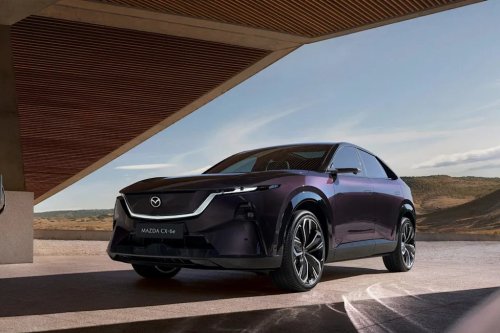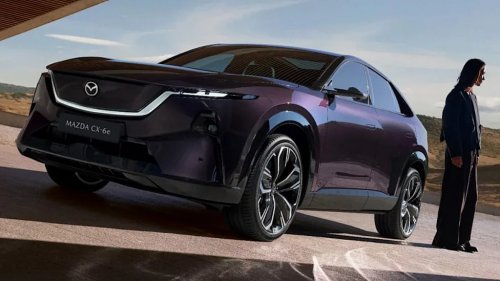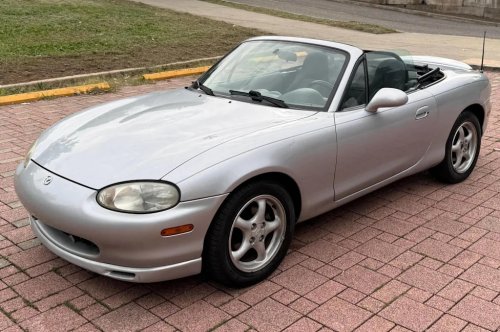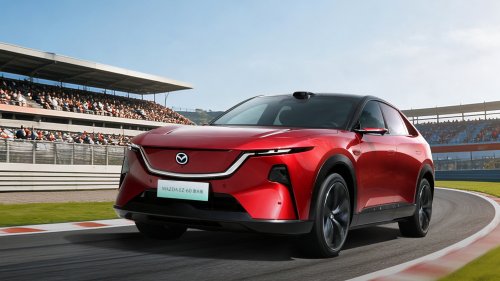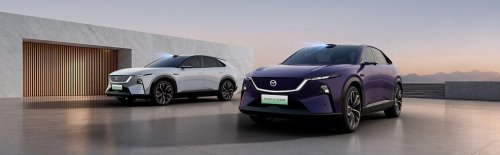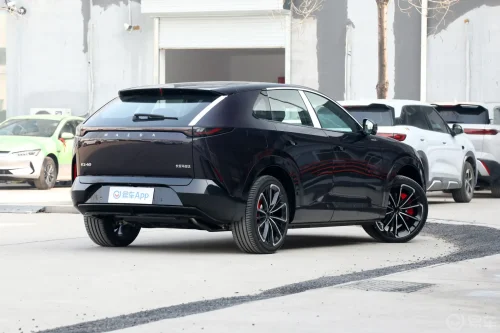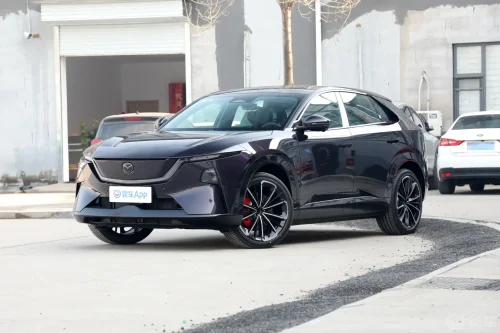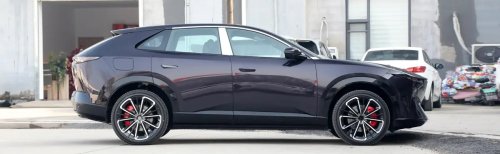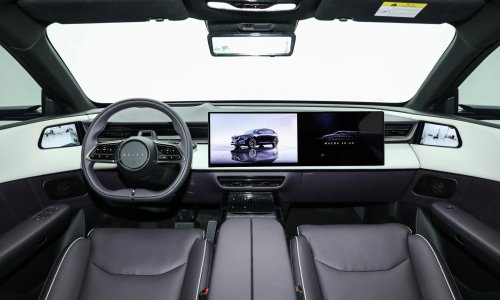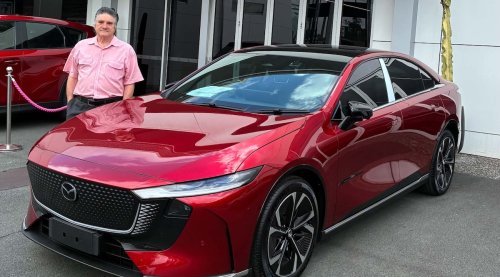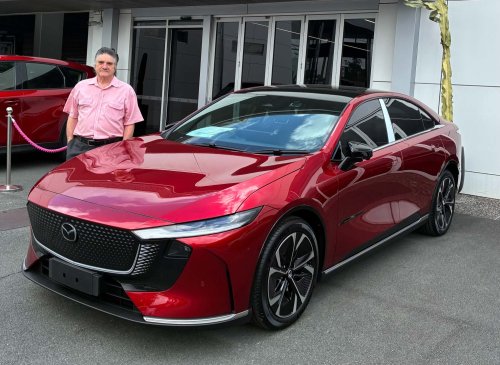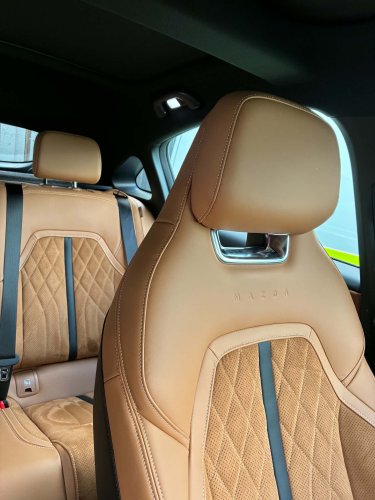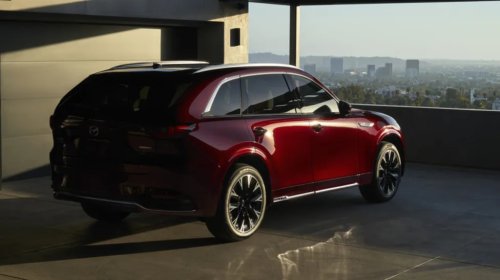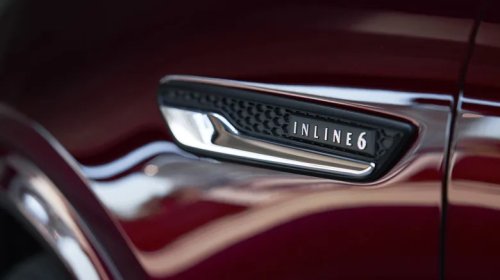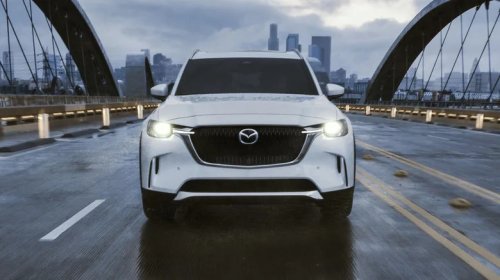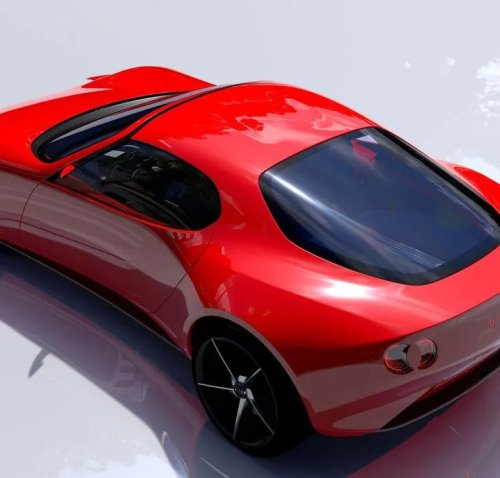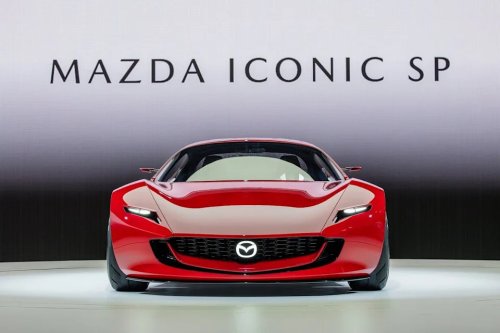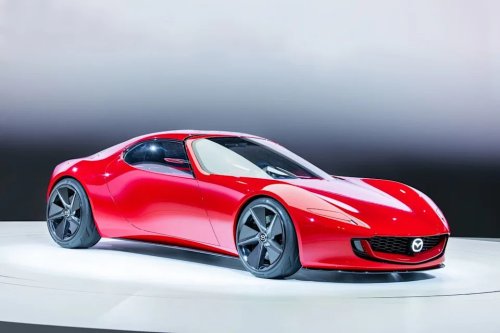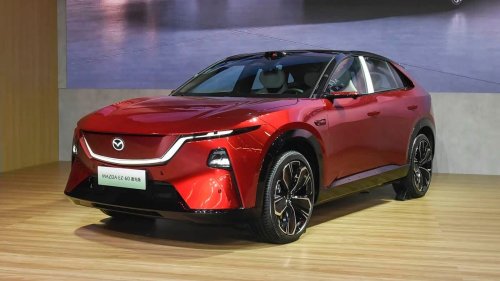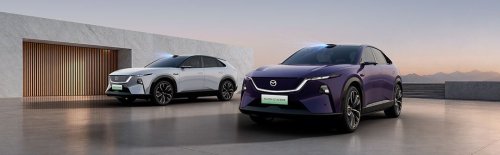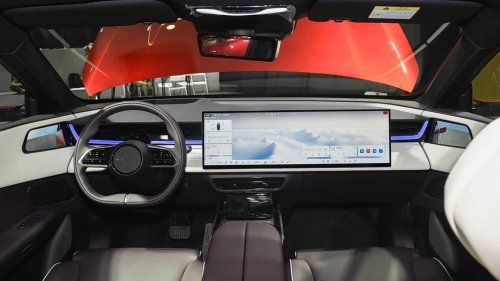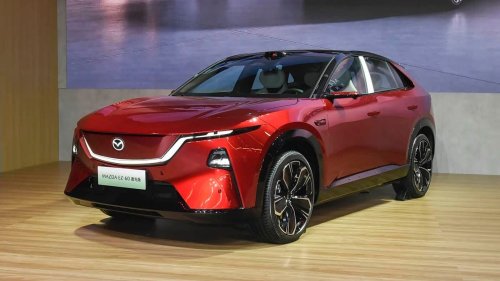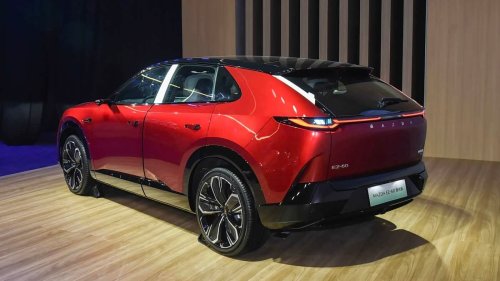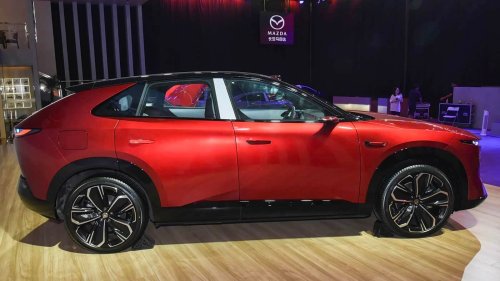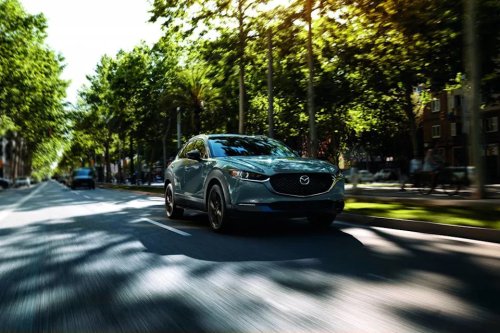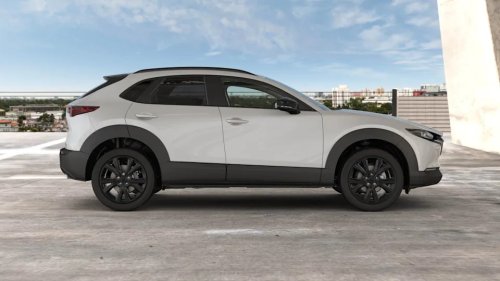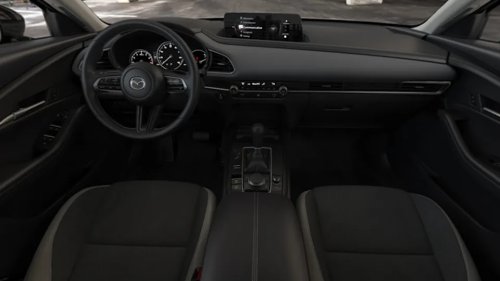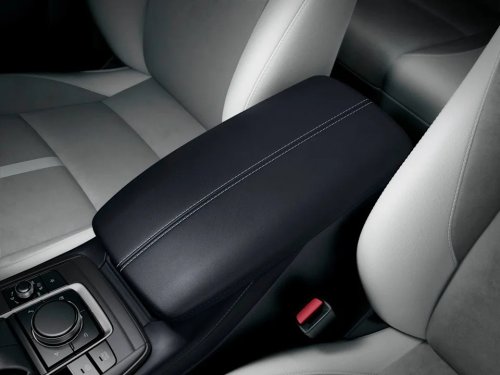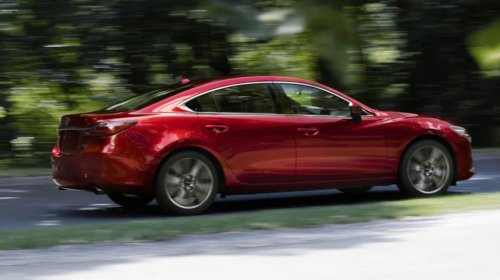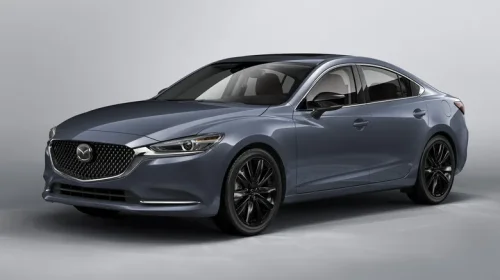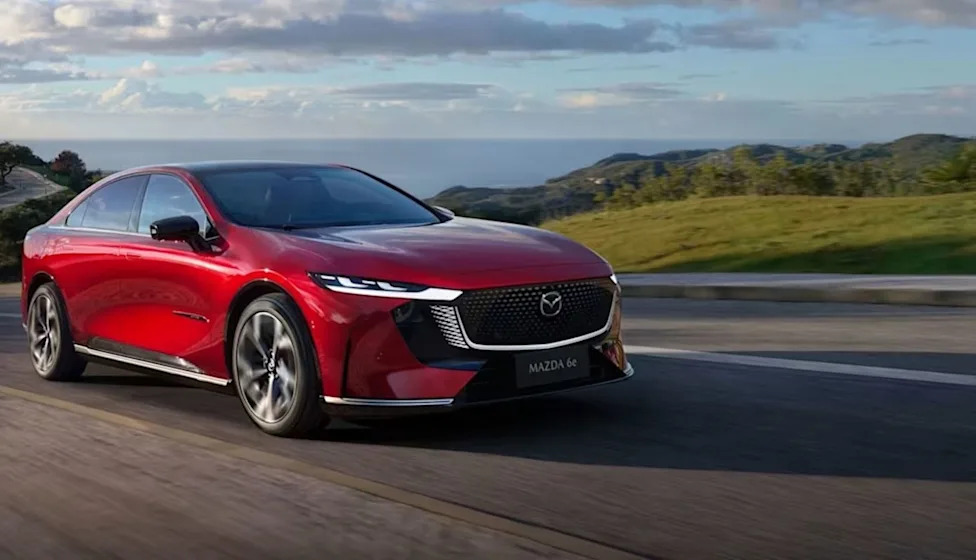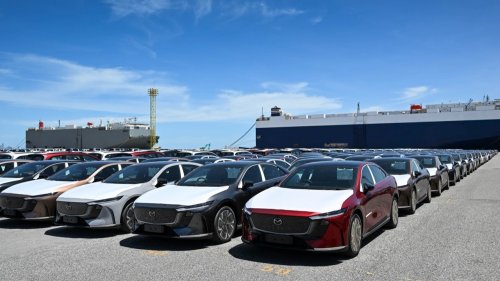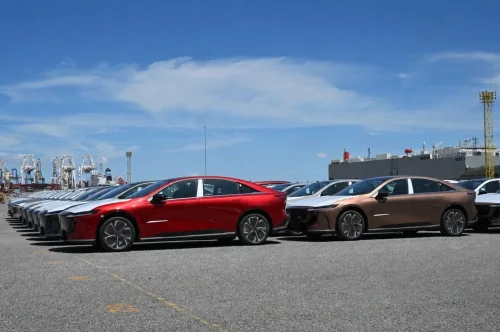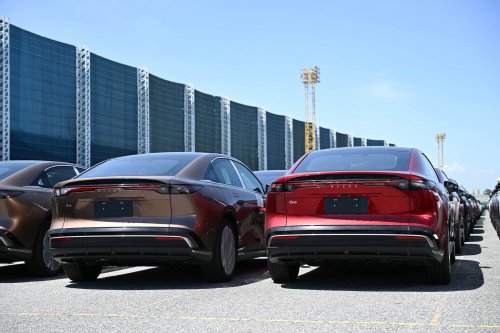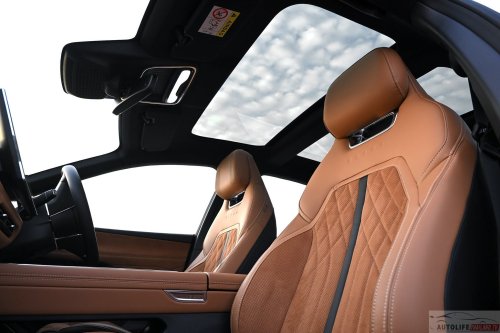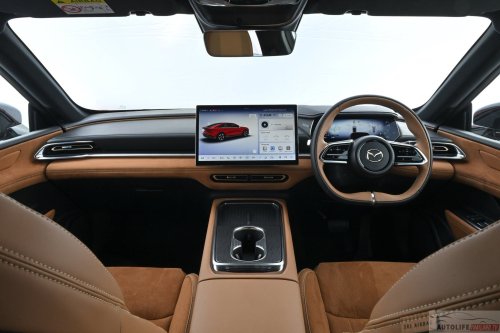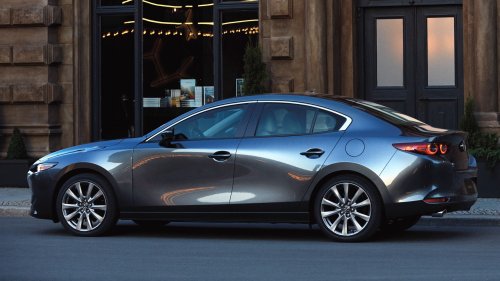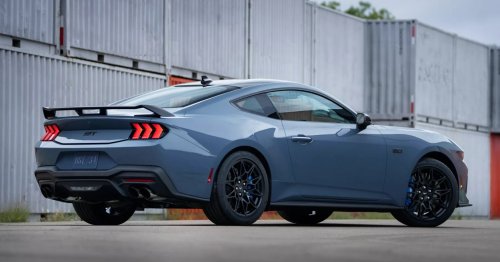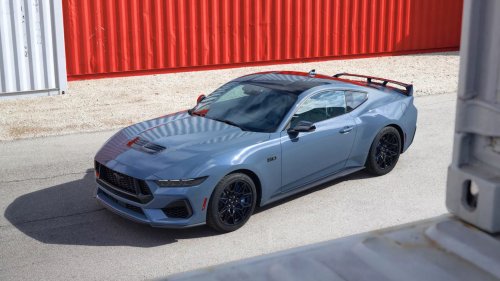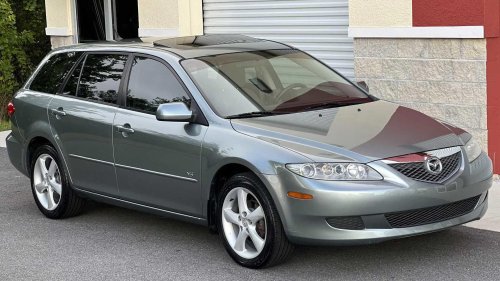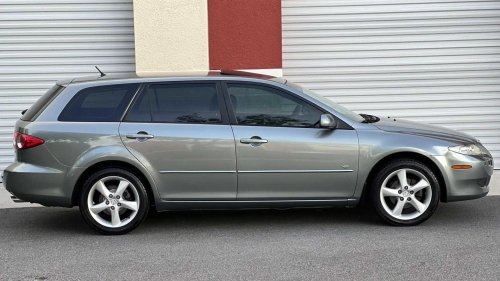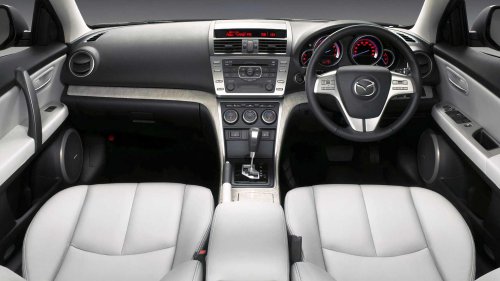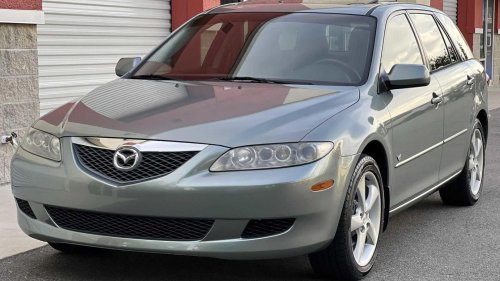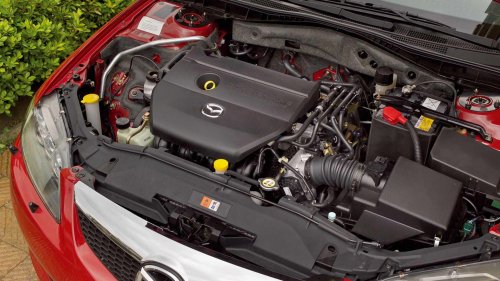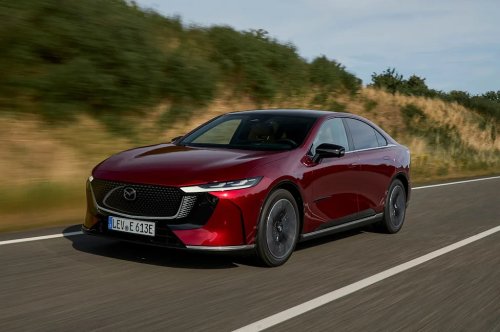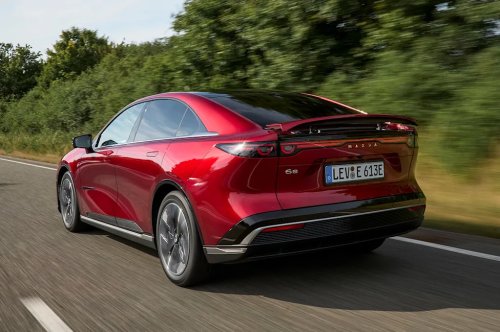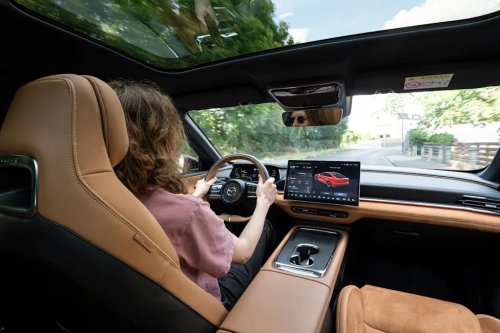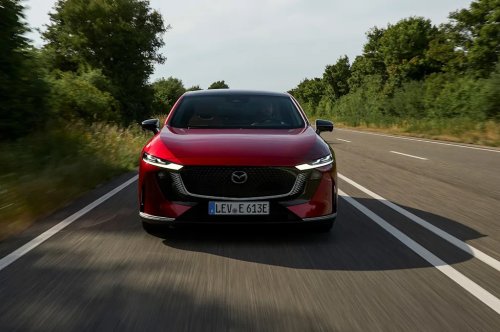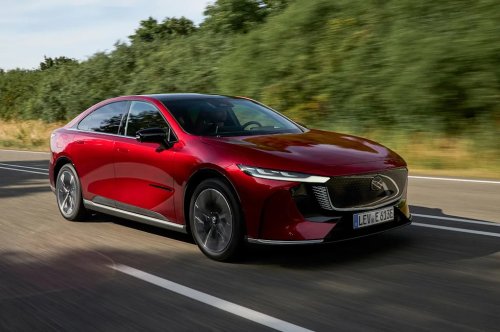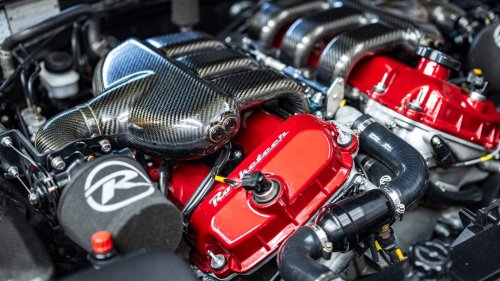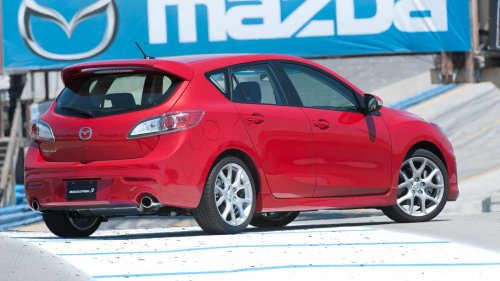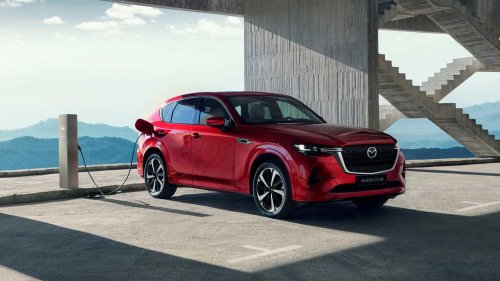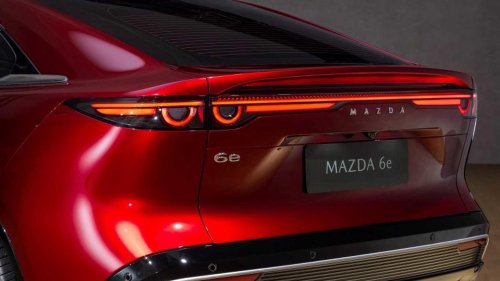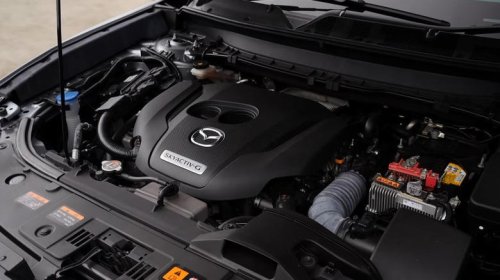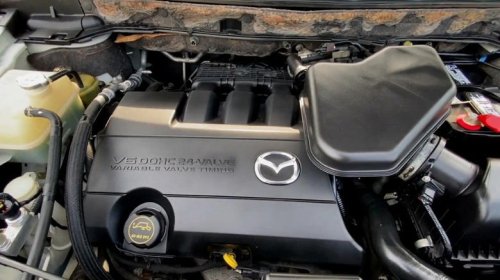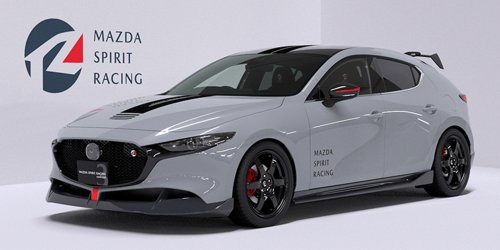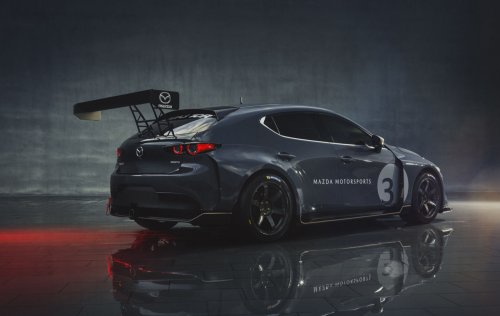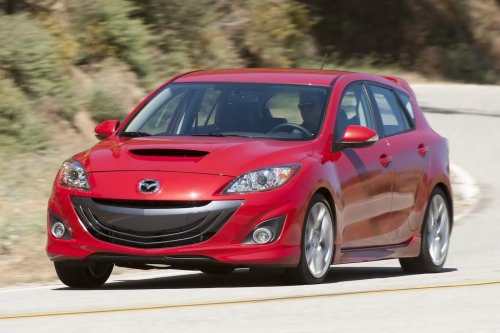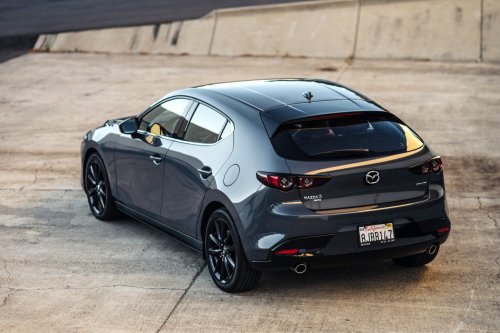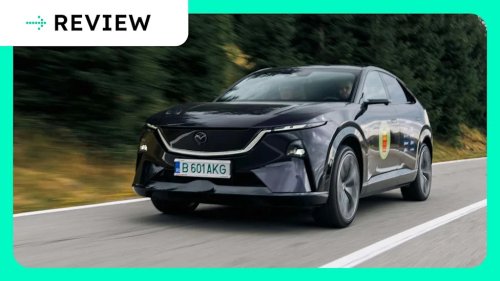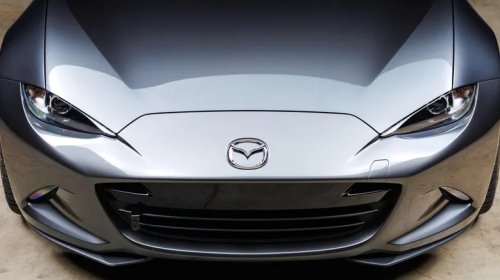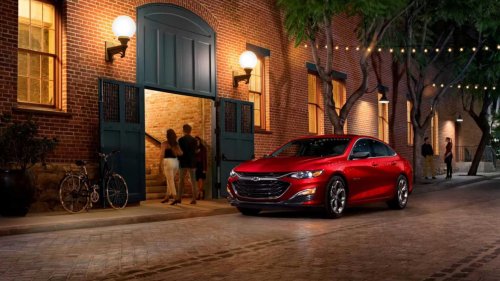
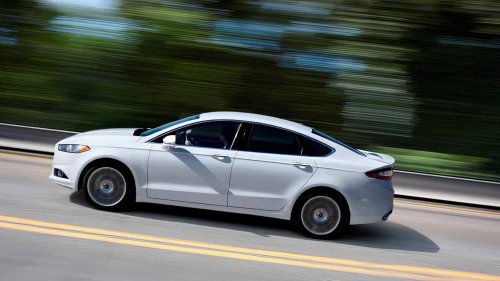
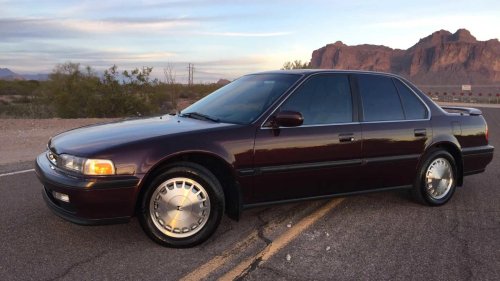
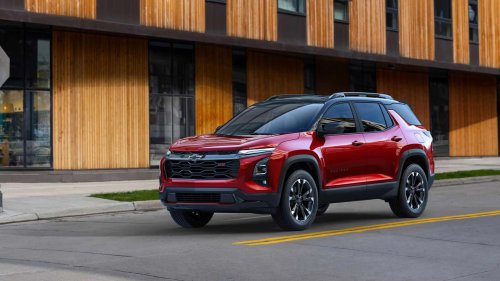
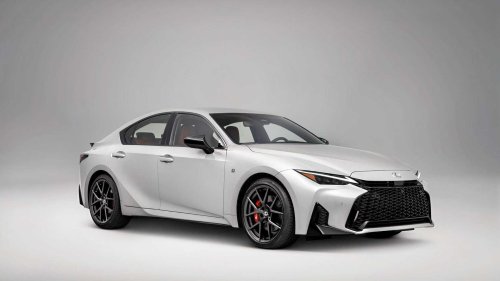
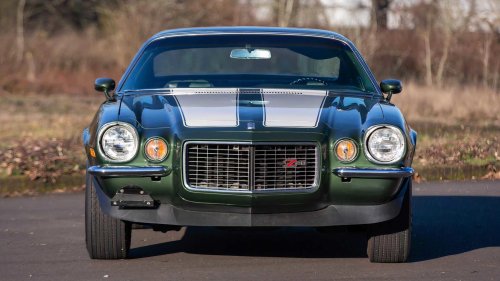
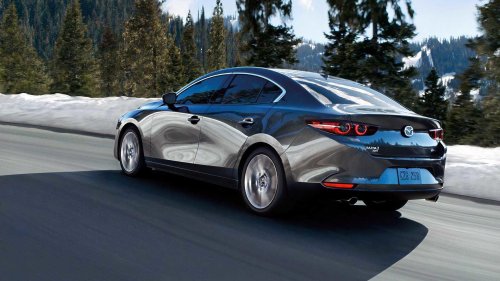
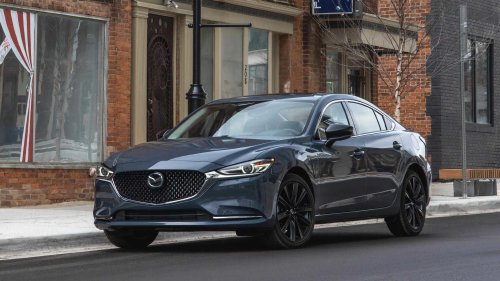
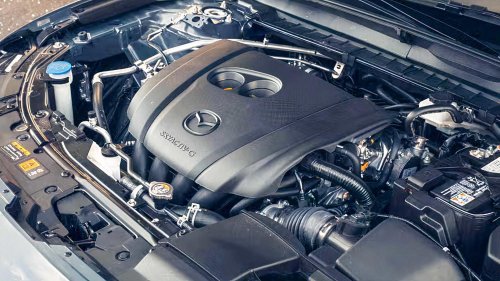
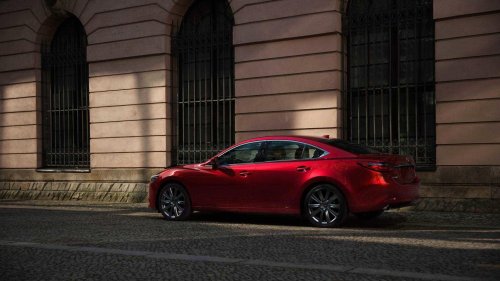
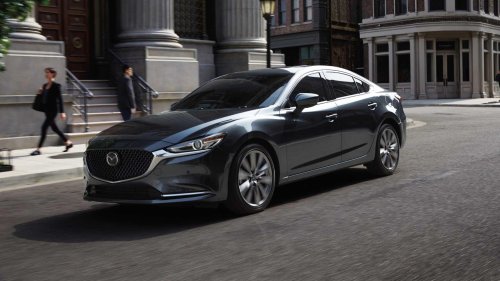
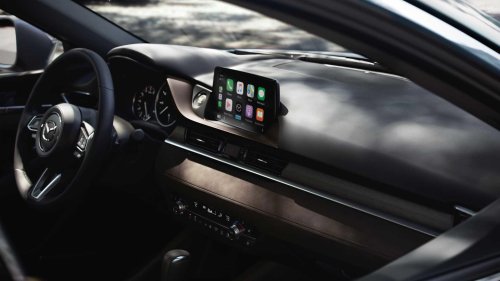
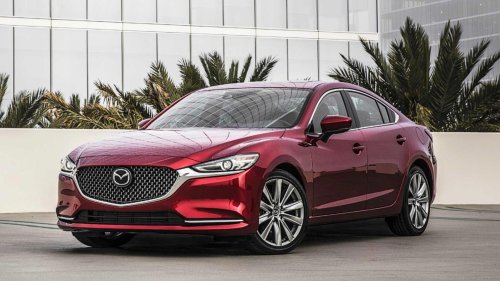



















We always talk about how poorly sedans are doing in the American market. The Chevrolet Malibu, for example, just saw its final year for 2025, but let's see how they're doing in other markets, seeing as we're on the topic of import sedans. Let's dive into the biggest automotive market on the planet right now, China. There is actually a good argument against the fact that sedans are dying as they've hit 9.83 million units, accounting for 50 percent of new vehicle sales, according to FDS Pneumatics.Here's how the three biggest markets are categorized currently: China, then the U.S., and lastly, India. India, while not showing as steep a decline in sedans as, say, the EU and the U.S., is being contested currently. At this juncture, SUVs have surpassed the 55 percent sales mark, according to Autocar India. However, as conflicting as these two data points may be, we still think you should give sedans a shot. Why Sedans Are Being Overlooked In Today's Automotive Market Chevrolet The idea of an SUV is just too strong and viable for the want of anything else at this point. Most people view their car not as something to be fawned over or something to be obsessed with. Rather, they view it as an appliance. A literal means to get from A to B. With that, they want to be able to haul their kids, tow their toys, and feel safe while doing so.Ford This is also a two-part economic problem: The demand wasn't there, and the automakers weren't supplying them. Automakers stopped investing in sedans, and you can tell from the sheer fact that Ford no longer sells a single sedan. There could, however, be another sedan coming. How America Fell Out Of Love With Sedans Bring-A-Trailer It's a shame, too, because sedans used to be all the rage. Not only that, but they were just as big, if not bigger than, some SUVs today. In the 1990s, the number one-selling family vehicle in the US was the Honda Accord. It was dependable, had a great, clear vantage point from the driver's seat, and came in all different shapes, colors, variants, and sizes. Sedans were so popular in the 1990s that Lexus was born out of the need for a competitive luxury sedan in the LS and then, in tandem, the ES. What Drivers Are Actually Giving Up When They Skip The Sedan Chevrolet To take it back to basic economics, everything is an opportunity cost. What you gain with one decision, you lose something else valuable by making that decision. For example, SUVs are ostensibly safe, sure, but their (often) truck-like stances (some are even body-on-frame) cause the ride to potentially be rougher and less enjoyable. SUVs, especially unibody SUVs, aren't always meant to be actionable vehicles. Sedans have a lower center of gravity, giving them a better feel around corners. An argument for fuel economy could've been made a few years ago, but even mid-size SUVs are catching up to some impressive MPGs. The Hidden Gems: Reliable Japanese Engineering Lexus Japanese engineering is some of the best and most dependable on the planet. If you do a quick Google search for "most reliable sedans," not even hinting at Japanese-made vehicles, you'll find that J.D. Power touts the Lexus IS as the most dependable sedan made currently. Historically, other cars like the Nissan Sentra, the Honda Civic, and others drove well into 200,000 miles. With one Honda Civic, even getting over a million miles, according to The Drive. How Japanese Automakers Redefined Dependability Mecum Back in the 1970s, Americans, like Chevrolet, were struggling with their automotive manufacturing processes. The cars were poorly made with no real direction or know-how. Toyota had a production system that was built around a few understandings: eliminating waste and catching defects at their root cause, not towards the end of the line. Honda had a similar mindset by making engines that aged gracefully rather than with an expensive afterburn. The Brands That Deserve More Credit Mazda So far, we've mentioned Lexus, Toyota, Honda, and Nissan, but we've left out a few crucial brands: Mazda and Subaru. While Subaru is certainly not overlooked for its reliability, Mazda is. Mazda, in particular, has, in the past and currently, built SUVs that have rivaled some German-engineered vehicles. The Mazda3 remains one of the most dependable and fun-to-drive value vehicles out there. There's one Mazda, however, that's even more looked after than the Mazda3. The Mazda6 Is The Most Overlooked Japanese Sedan That’s Built To Last Mazda The sedan? The Mazda6. Unlike the Mazda3, the Mazda6 has unfortunately been out of production since the 2021 model year. Although Mazda is rolling out its new design language by way of the Mazda CX-5, the final model year of the Mazda6 actually still holds up with the majority of Mazda's current lineup. It is a mid-size sedan that, like the 3, genuinely rivals European automakers for its driving dynamics, quality, and design for half the price. Mazda's Quiet Revolution Under The Hood MazdaMazda's suite of powertrains, drivetrains, and transmission offerings is a genius one. Make one or two powertrains that are interchangeable throughout the entire lineup, make them reliable, and the rest will work itself out. Their branded SKYACTIV technology platform consists of a fuel-efficient and sporty version of the same engine. If you do, however, want a few more cylinders, you can opt for their larger inline-six, which you can find in their mid-size SUV, the Mazda CX-90. How The Mazda6 Holds Up Over Time Mazda The Epling might not have many subscribers, but what he does have is a kick-ass video showcasing his equally kick-ass 2016 Mazda6, touting over 400,000 miles on it. While it doesn't look brand new by any means, it still looks pretty incredible from a mileage standpoint. The two craziest parts about this 2016 model are that it's just now starting to show wear and tear on the interior, and he's never serviced the transmission! Why The 2021 Mazda6 Deserves A Second Look Mazda The final model year comes in a variety of trim levels, six to be exact. It even comes in the Carbon Edition, which makes it even more up-to-date with the rest of the lineup. According to KBB's fair market pricing, the 2021's base starts around $17,450 for the Sport and then only $21,400 for the top-of-the-line Signature that comes with the sportier turbo engine. There will be an electric Mazda6 coming back to the EU, but we, unfortunately, won't be getting it. 2021 Mazda6 Performance Specs The Interior That Punches Way Above Its Price Mazda What don't you get in this sedan? It comes with Apple CarPlay and Android Auto, a dual-zone climate control system, push-to-start, and an optional 11-speaker Bose premium audio system. It also comes with Nappa leather for the higher trims, ultra suede door and dashboard inserts, plus wood grain. That's something you'd expect out of an Audi, not a Mazda sedan. Mazdas have always been known for their luxury-level features for half the price. Resale Value, Ownership Costs, Etc. Mazda The financial case for the Mazda6 is just as strong as it is from an aesthetics standpoint. Heck, the financial case for any Mazda is strong. According to KBB, the average 2021 Mazda6 has a current resale value of between $14,897 and $15,250. RepairPal gives it a 4.0 out of 5.0 for reliability with an annual repair cost of only $481. The average in this segment is around $526. Sure, you might not be able to tow a boat or take a family of seven on vacation, but this is an arguably great family hauler for someone who wants a fun A to B cruiser.