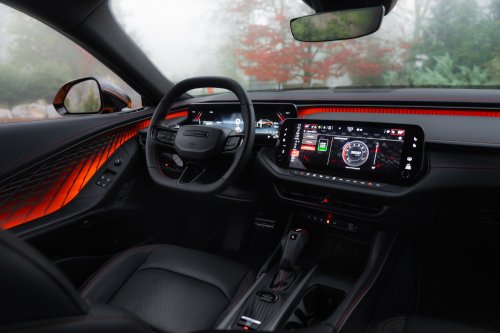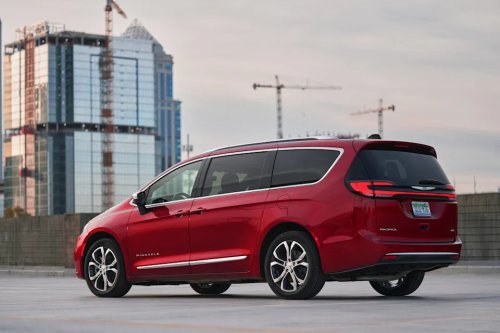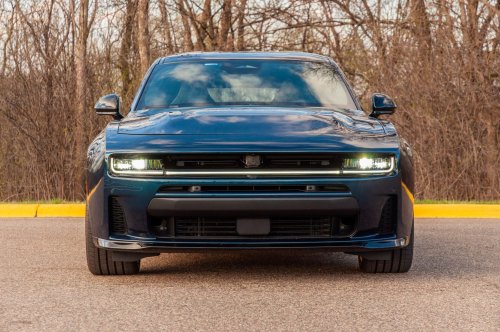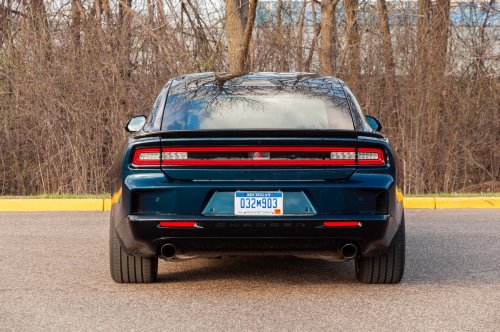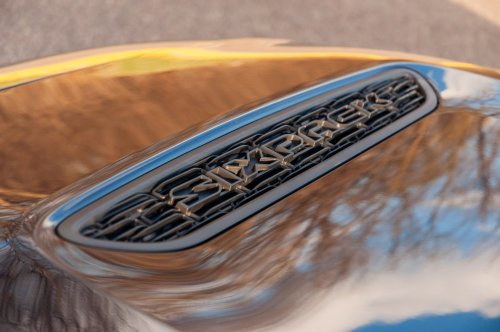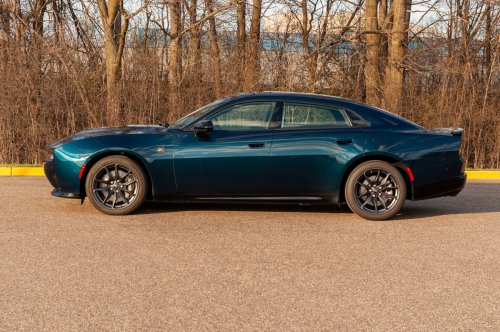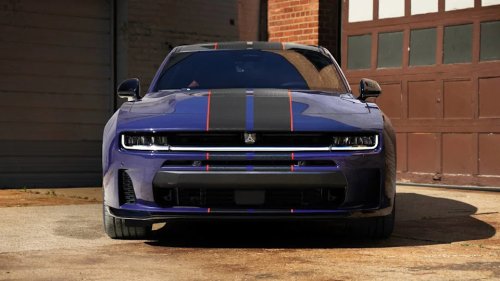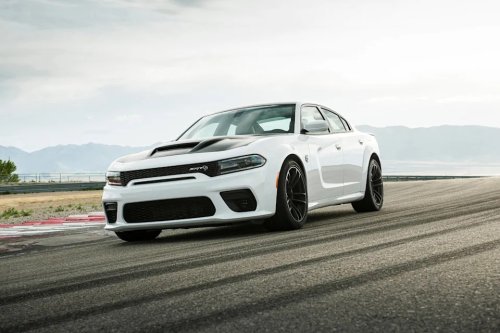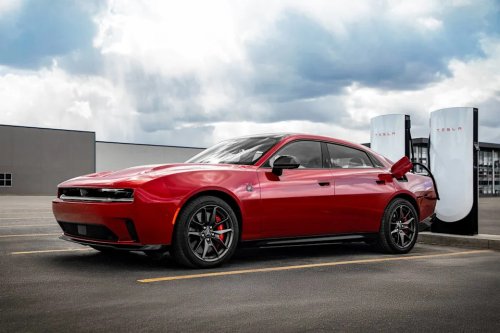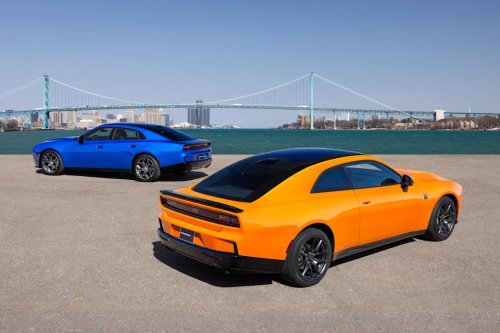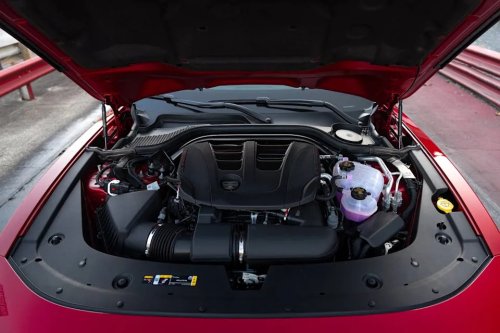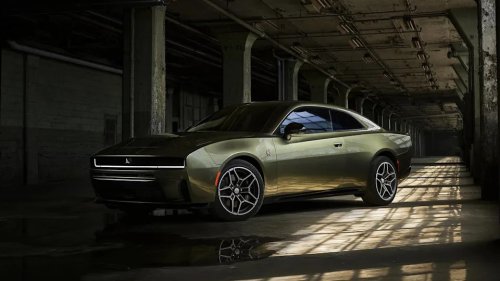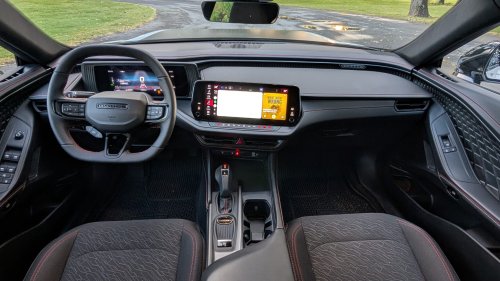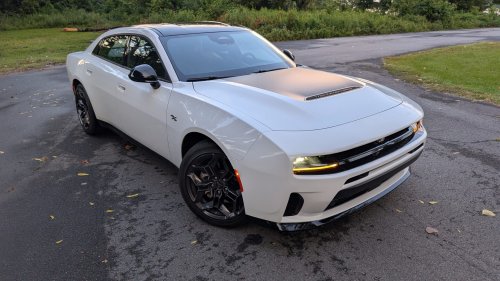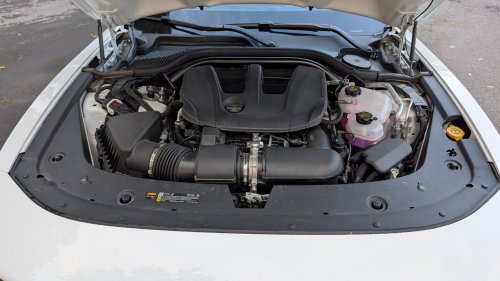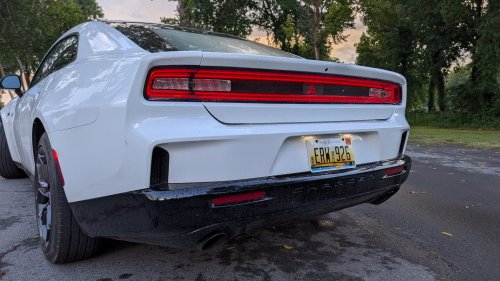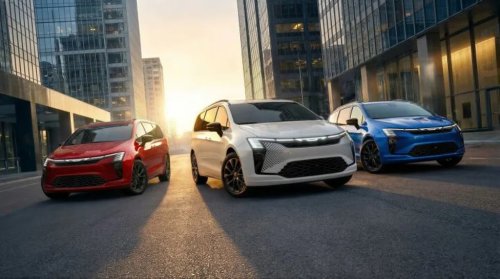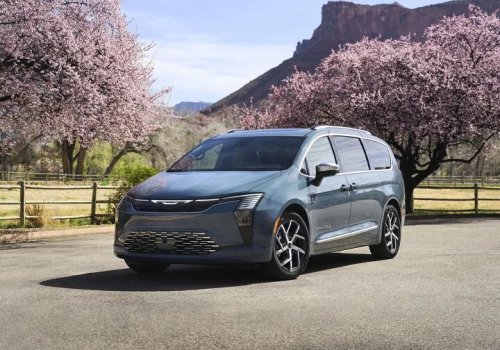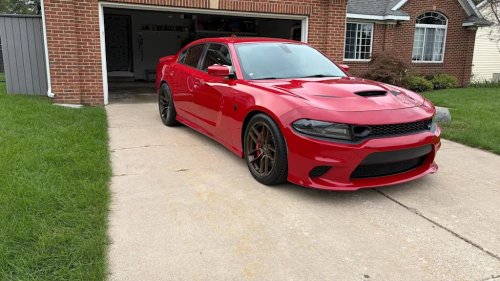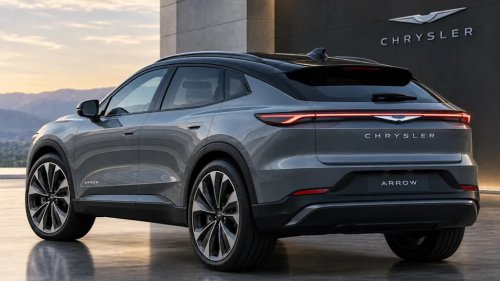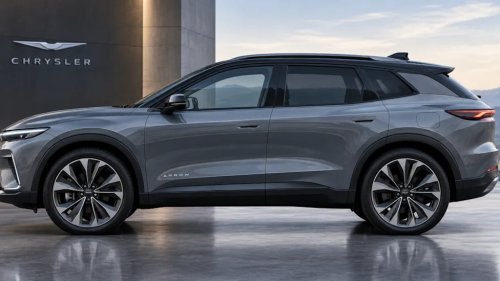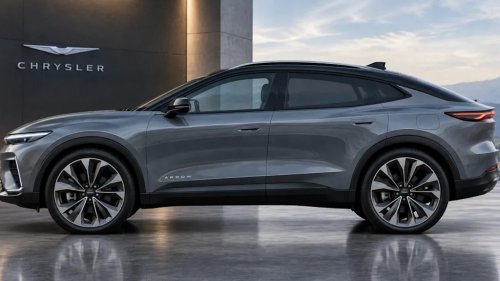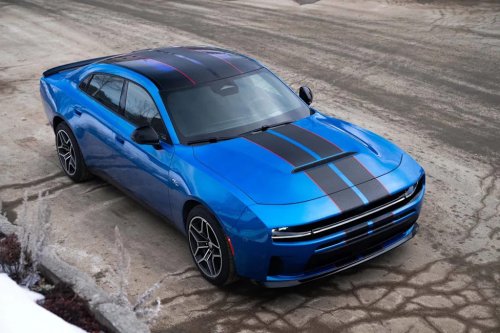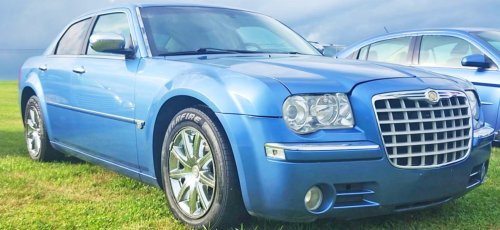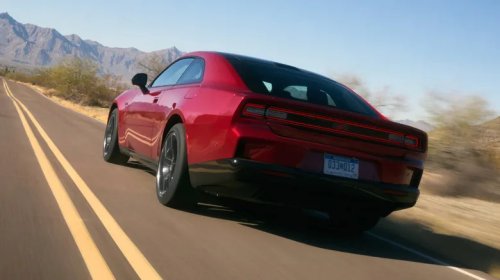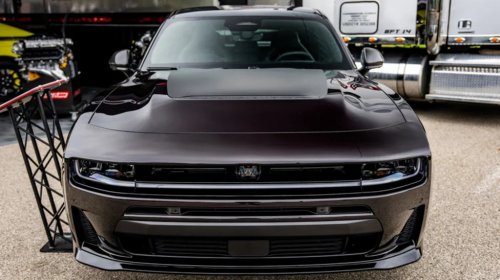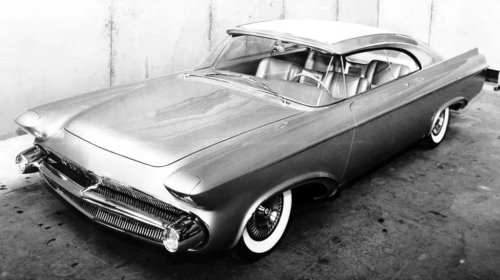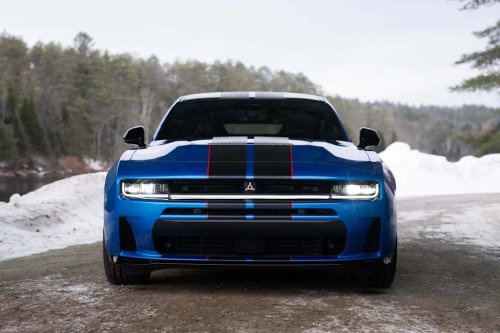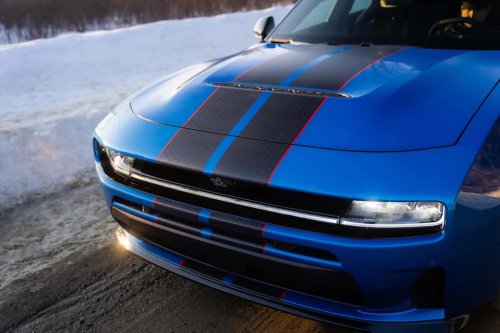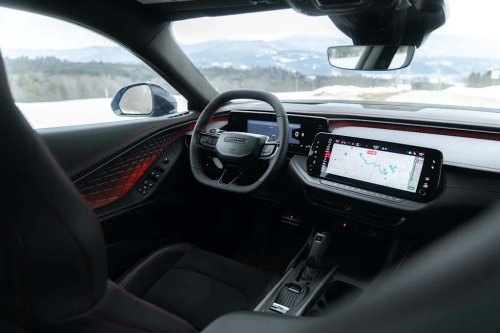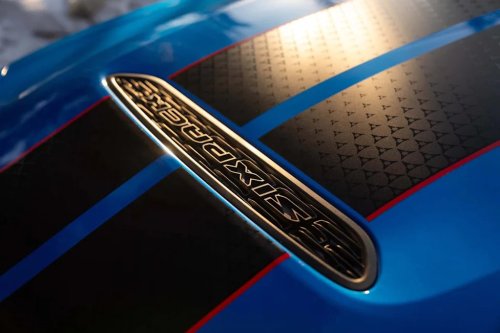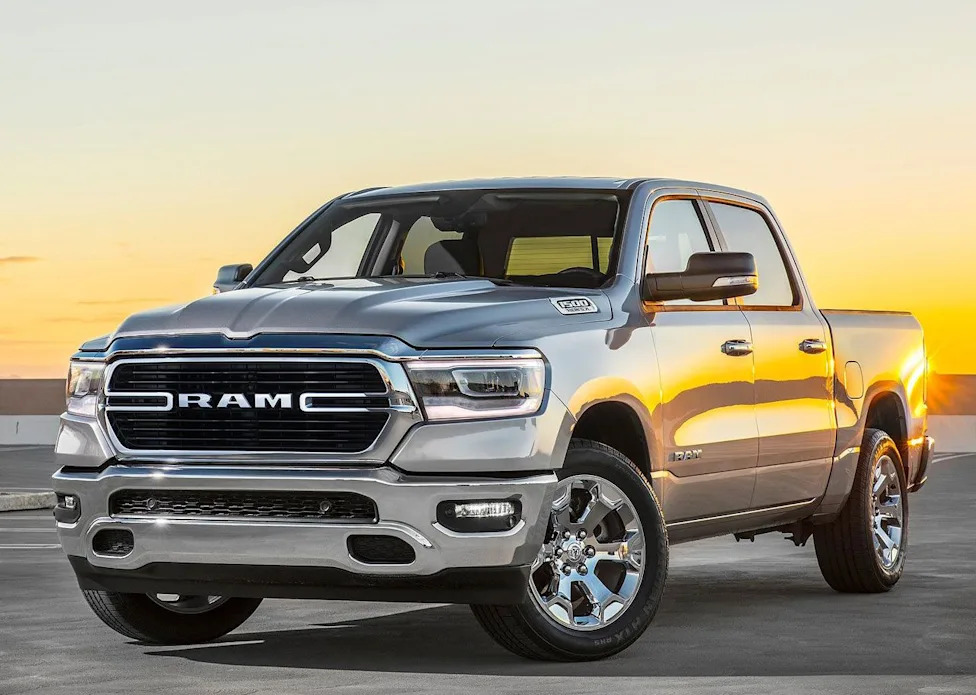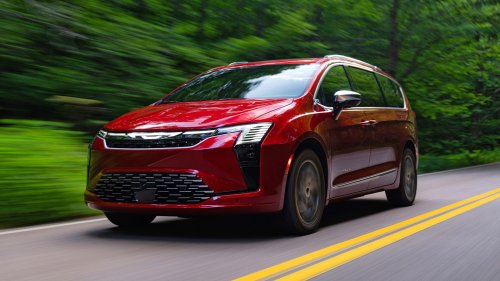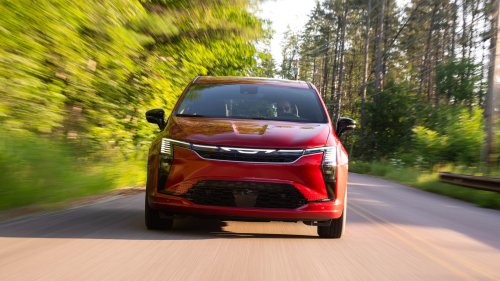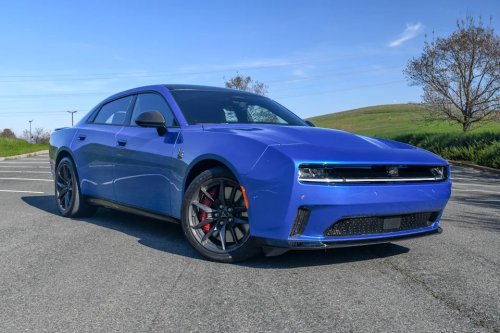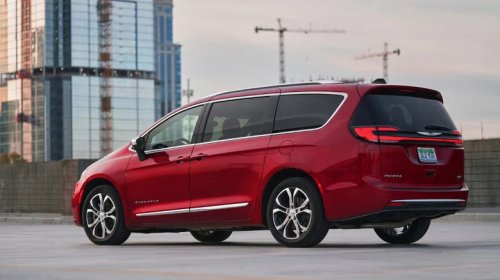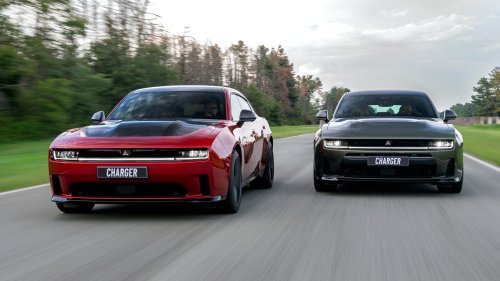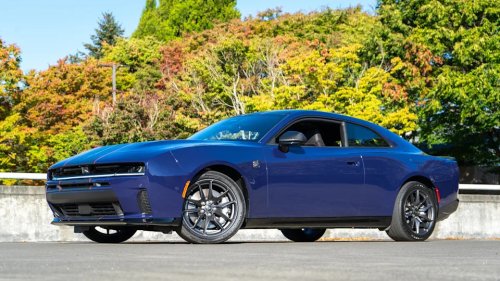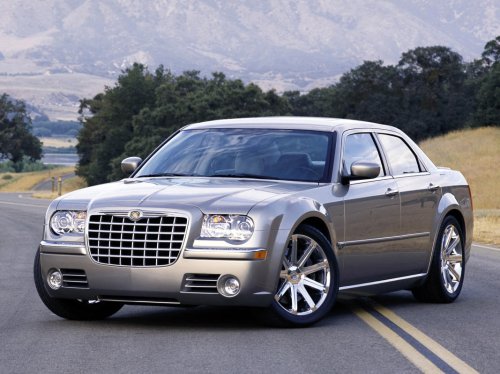
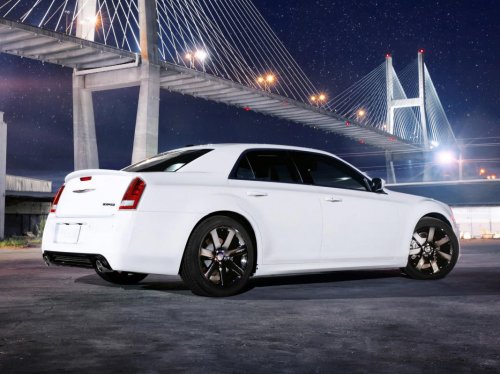
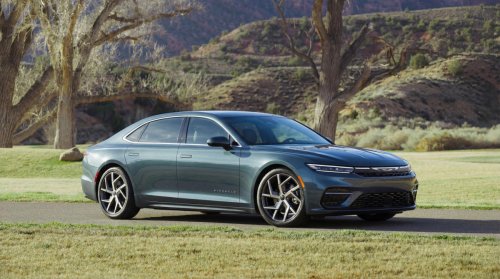
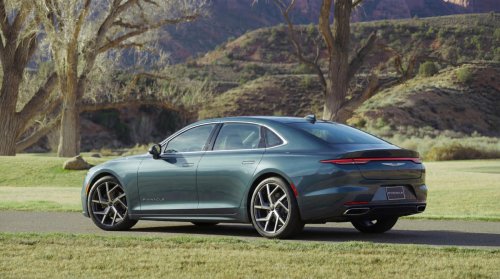
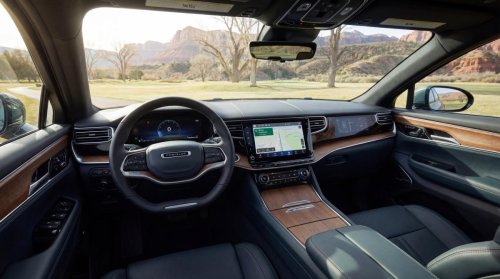
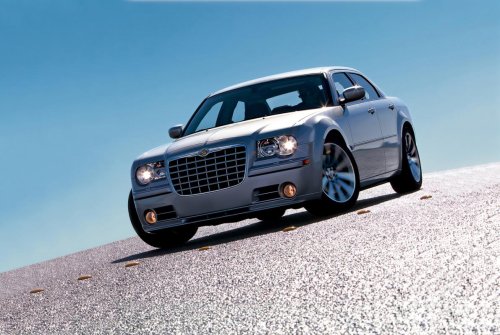



















Today, Chrysler's retail identity is mostly focused on minivans, with the Pacifica and Voyager carrying the brand on their own, while Chrysler's public-facing design future is represented by the dramatic, fully electrified Halcyon concept (and a recently facelifted Pacifica). In other words, Chrysler is currently suffering from a serious case of cognitive dissonance: they provide practical family transport in the present, but aspire towards sleek conceptual optimism in the future.Chrysler wasn't always like this, though the brand has received its fair share of criticism over its many decades, often valid. Regardless, the brand has been known to have the occasional moment of genuine brilliance. The 1930s-era Imperial Airflow comes to mind, even the New Yorker, as well as the wood-panelled old-school Town & Country. But the most notable of all the automaker's production-car achievements, especially in modern times, is undoubtedly the 21st-century take on the legendary Chrysler 300. Why the Chrysler 300 Still MattersA sales home run and a generational cash cow for the brand, the Chrysler 300 was, by far, one of the best vehicles that Chrysler has ever put into production. The modern Chrysler 300 arrived for the 2005 model year and very quickly earned its title as one of the most important vehicles Chrysler had built in decades. Riding on a rear-wheel-drive platform (LX) with available Hemi V8 power and styling that looked equal parts Bentley-inspired and excessively American, the 300 gave Chrysler something it had long been missing: bravado. It was in-your-face bold, surprisingly affordable, and instantly recognizable, which helped it break through not just as a mere mode of comfortable, stylish transportation, but as a genuine cultural icon. The 300 became a fixture in music videos, movies, television shows, executive fleets, rental fleets, and urban streetscapes alike, projecting a kind of blue-collar luxury that few mainstream American sedans could match with such overwhelming charm. For Chrysler, it mattered so deeply because it proved the brand could still build a car people actually desired—something aspirational, stylish, and emotionally resonant—and for years, it served as the clearest expression of Chrysler's revitalized identity as a maker of big, confident, distinctly American automobiles. For many, the Chrysler 300 marked the end of what automotive enthusiasts often refer to as the "malaise era." Now that the brand finds itself needing to regain lost cultural relevance—not to mention volume sales figures—a revived Chrysler 300 could do for the brand exactly what the model once did over two decades ago: it could make the world care about Chrysler again. Need New Tires? Save Up To 30% at Tire RackFind the perfect tires for your exact vehicle and driving style. Click here to shop all top-tier brands, including Michelin, Bridgestone, and more, directly at Tire Rack. Why Chrysler Needs the 300 BackThe original 300 worked because it projected confidence almost as effectively as luxury sedans costing ten times as much. Even through its imperfections, it always carried itself like a car that truly believed in its own importance. Chrysler could use some of that energy again, especially now that its current lineup has become so slim. A new 300 might not be a volume saviour on its own, but it could absolutely serve as a popular-selling flagship sedan that gives the brand a stronger identity in the showroom and online. Plus, this actually has a plausible path to production. All Chrysler would have to do is exactly what they did last time around: borrow the Dodge Charger's underpinnings. The latest Charger already gives Stellantis a modern large-car platform, updated electronics, and a versatile performance foundation. Dodge now offers the new Charger in both two-door and four-door forms, with gas-powered "SIXPACK" models sporting a twin-turbocharged 3.0-litre straight-six, and fully electric models sitting unsold on dealer lots. Simply put, the bones for a big modern American luxury sedan from Chrysler already exist, but it's still up to Chrysler to fit the right pieces together for it to succeed. What Could A Revived Chrysler 300 Look Like?The front three-quarter image definitely looks like a Chrysler, drawing styling inspiration from the recently unveiled facelifted 2027 Chrysler Pacifica. The proportions reflect Charger-based hard points, but it still doesn't appear as if Chrysler's just slapped some wings on either end of a Dodge. Like the 300 that came before it, it would have to do a convincing job of hiding its humbler roots under distinct body lines while retaining the overall shape of its originator. Essentially, it'll need to act like a private-school kid on scholarship—it might be working-class beneath its pressed, tucked-in uniform, but it would be better off keeping that a secret if it wants to make any friends who play golf. In the rear, a thin, full-width taillight could give the car visual width and leverage wiring positions already present on the Charger, but slimming it allows the rear fascia to appear cleaner and more upscale. Dual-exit exhaust outlets humbly hint at the car's athletic side. After all, if it wants to fit in amongst the elite, it'll need to adopt the persona of a varsity athlete in a tailored suit. I'd like to imagine a 5.7-litre HEMI V8 with an eTorque mild-hybrid system (like what's found in modern HEMI-powered RAM 1500s) under its hood, but perhaps the most realistic powertrain options for such a sedan would be, in base guise, the 324-horsepower Hurricane 2.0-litre turbocharged inline-four, paired with rear- or all-wheel drive and an eight-speed automatic gearbox. Higher trims could offer six-cylinder variants of the Hurricane family, with a high-performance model potentially boasting the Charger SIXPACK Scat Pack's 550-horsepower twin-turbocharged 3.0-litre straight-six. What Could A Revived Chrysler 300's Interior Look Like?Here, the render imagines a cabin that feels warmer and more relaxed than a Dodge's, with digital displays for both the driver and the passenger, layered wood trim, and leather upholstery in abundance. It does not go completely minimalist, because the Chrysler 300 shouldn't even know what the word "minimalist" means. Chrysler's Halcyon concept points toward a highly sculptural, technology-heavy future, but a production-ready 300 would need to translate that vision into something that still feels inviting and livable. The interior in this render feels more aligned with current Stellantis production-car trends, such as the two-spoke steering wheel, an enlarged central infotainment screen, and a front passenger display like the one found in the Jeep Grand Wagoneer and RAM 1500 Tungsten. Final Thoughts: Why This Could Actually SucceedA revived Chrysler 300 would signal to buyers that Chrysler still remembers how to build something truly desirable. It would give the brand a real flagship again, and could create a bridge between the practical reality of today's Pacifica-led lineup and the sleek design ambition Chrysler keeps projecting with concepts like Halcyon and even Airflow. If Dodge gets to have the new Charger, Chrysler deserves its own answer. And if that answer were to look anything like this—sleek, substantial, more expensive than it actually costs, and powered by something as lively as a HEMI V8 to a Hurricane straight-six—it would be one of the most interesting things the brand has done in a very long time.