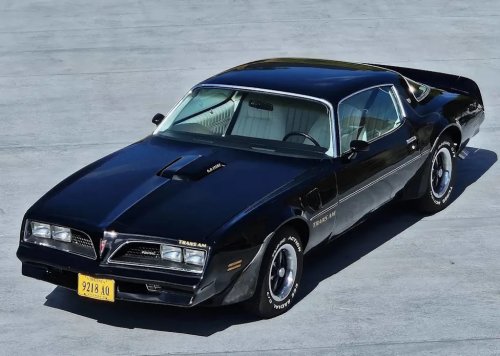
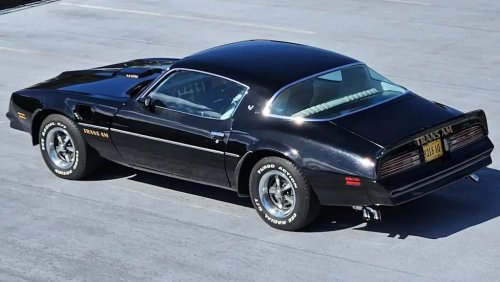
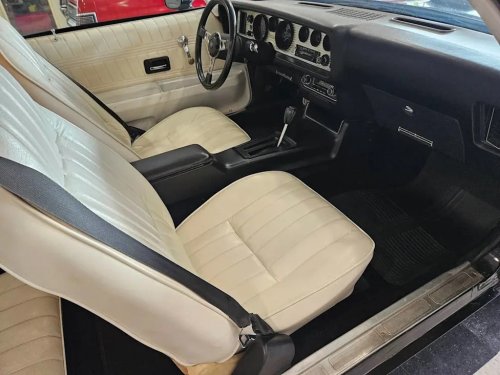
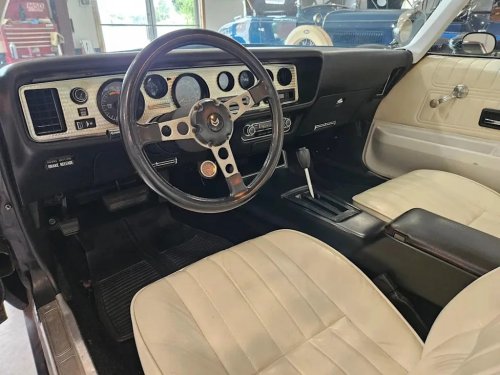
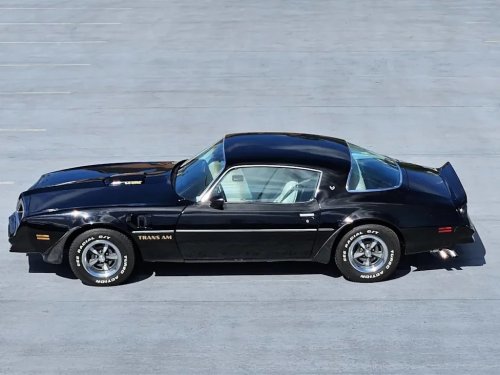
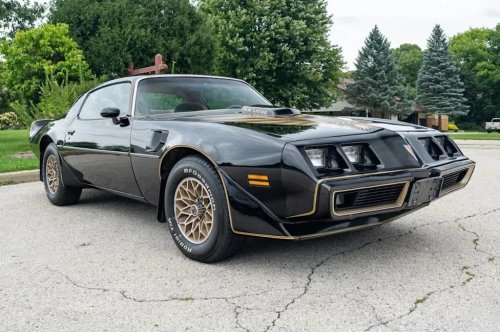
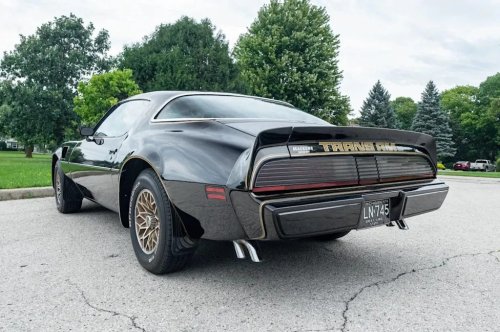
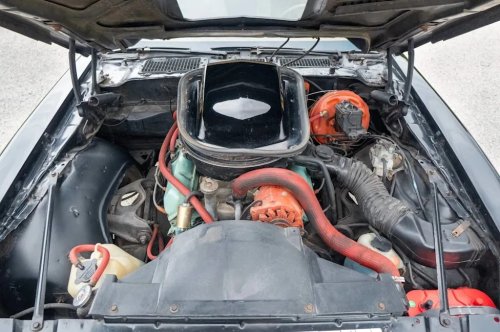
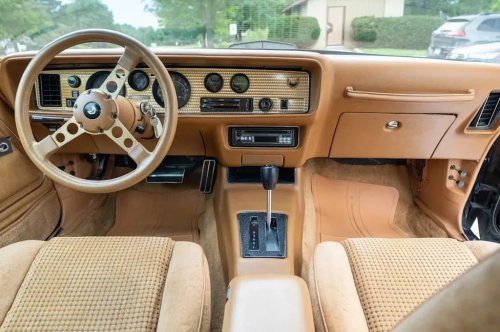
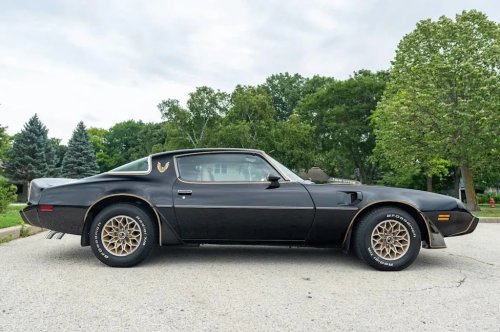
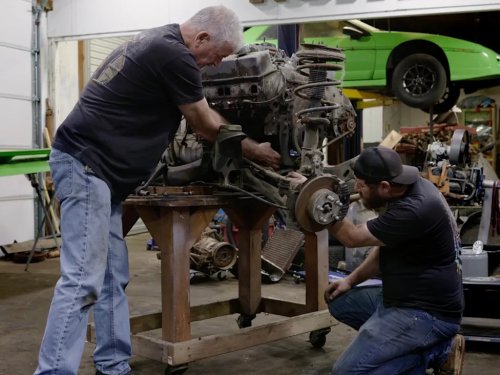
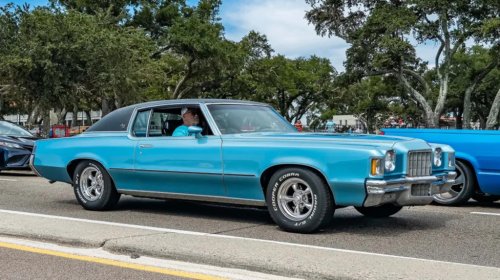
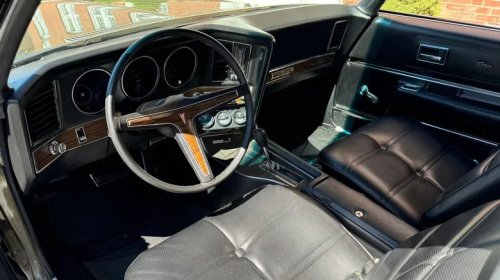
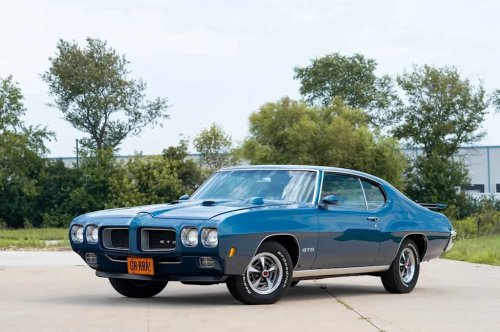
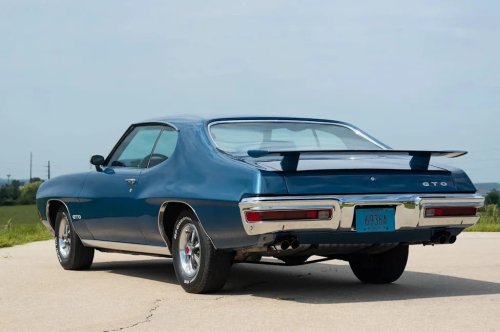
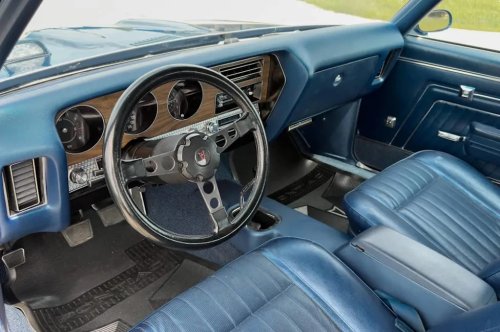
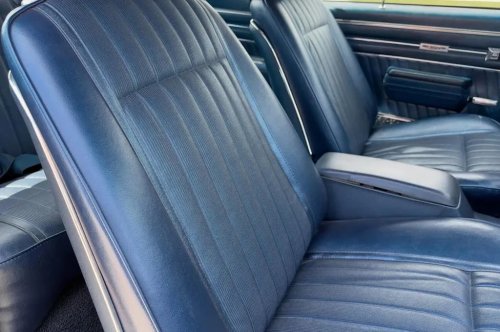
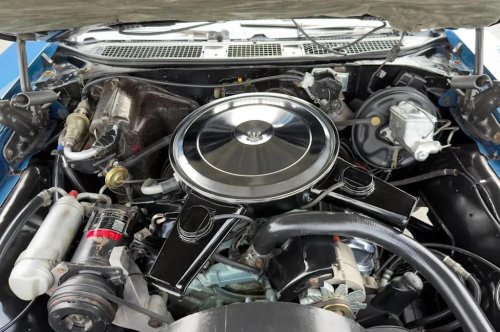
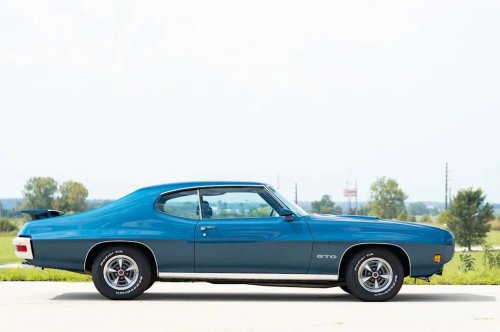
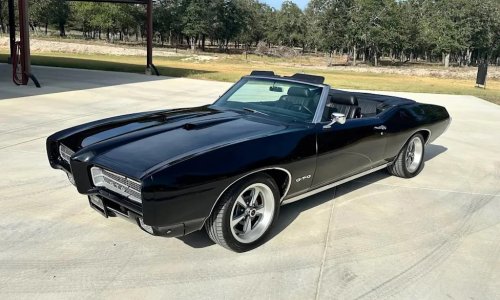
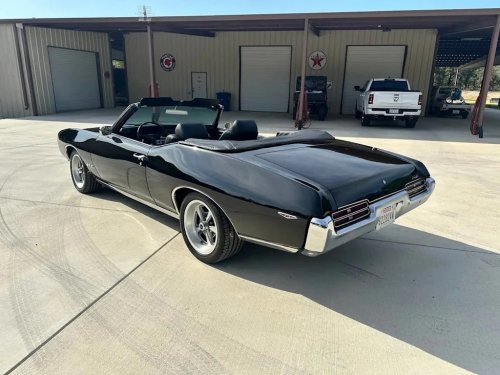
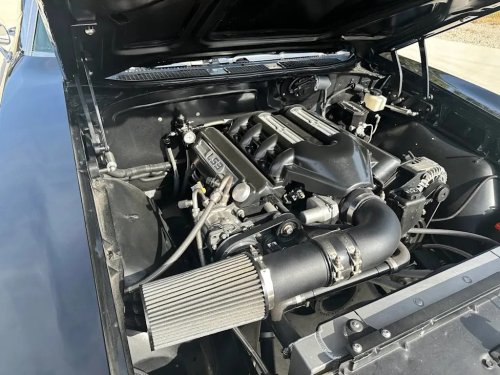
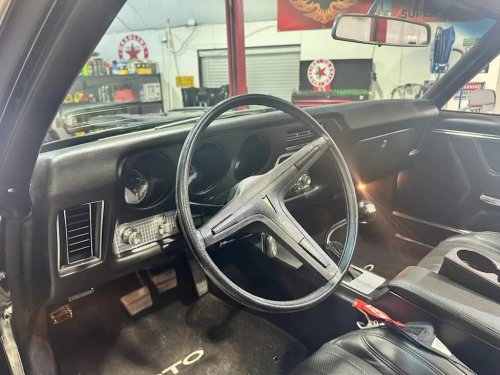
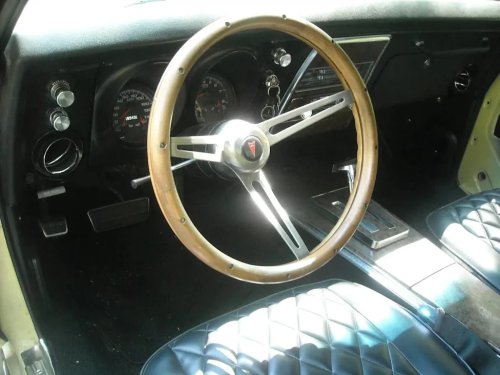
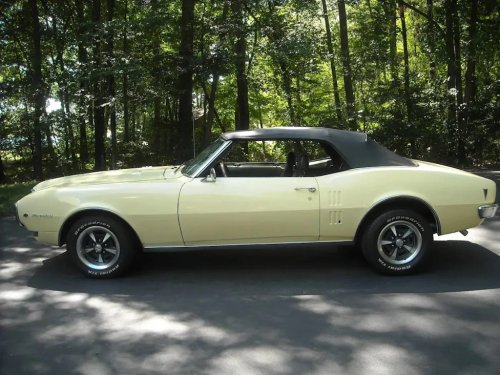
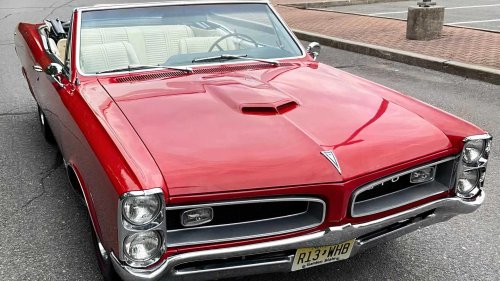
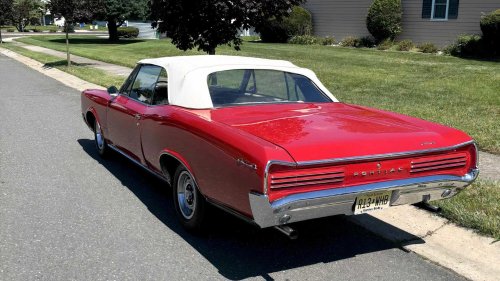
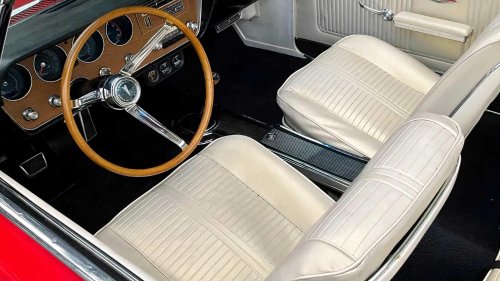
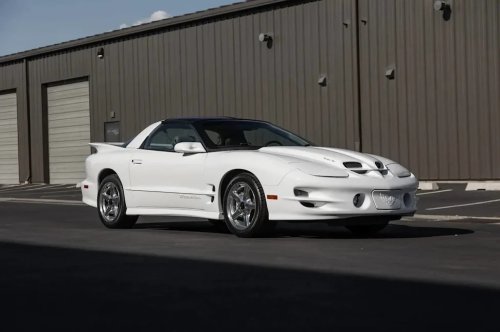
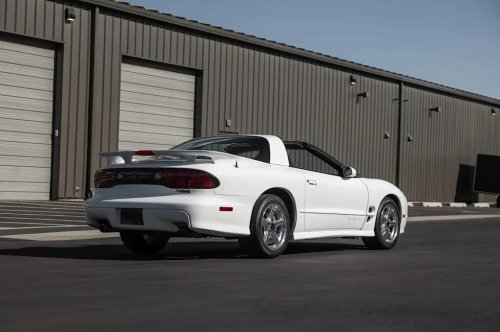
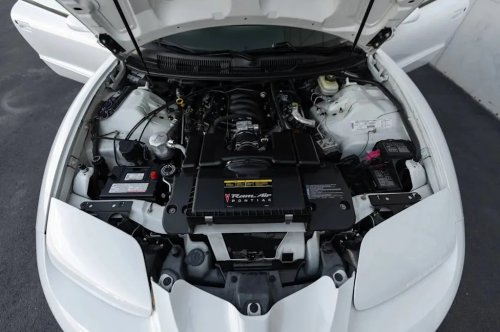
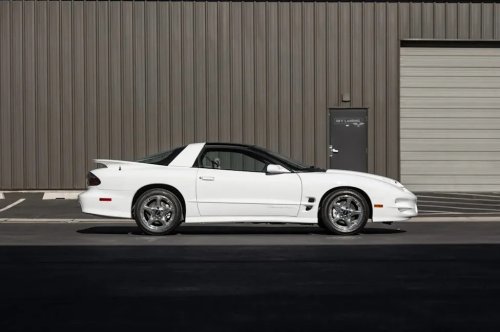
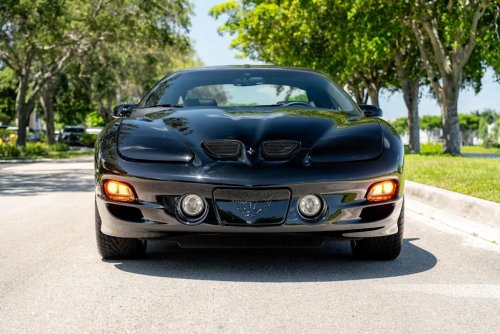
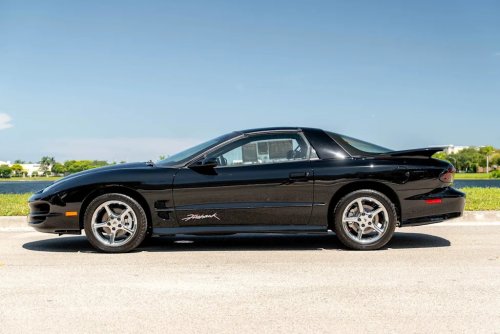
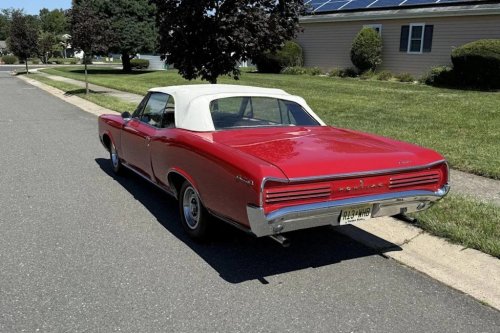
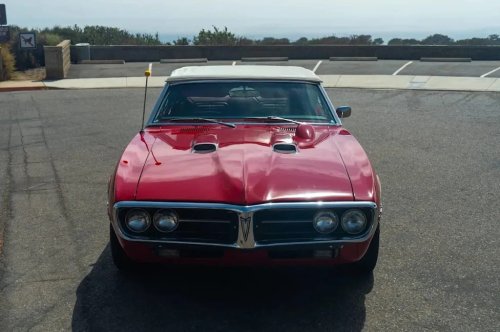
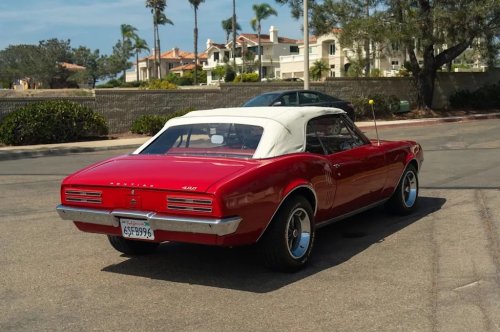
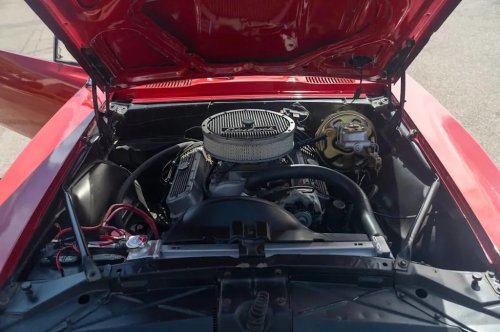
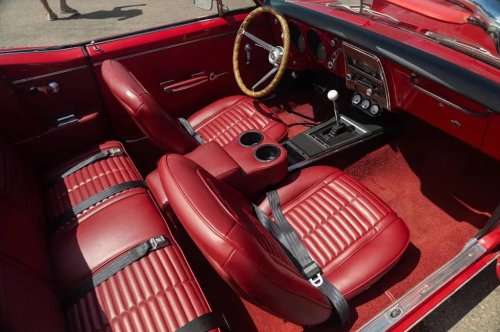
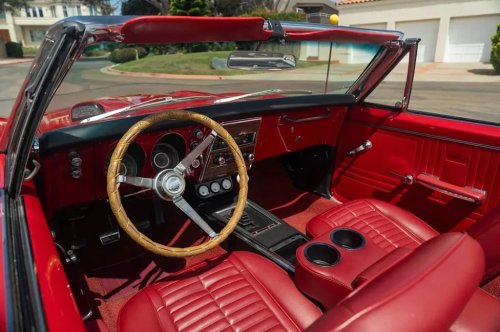
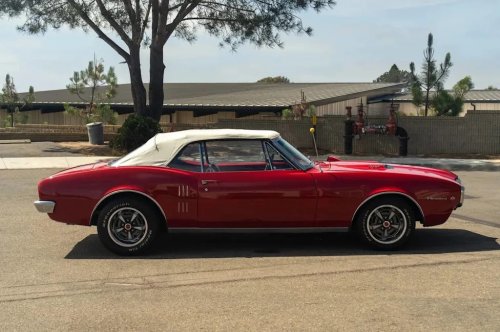
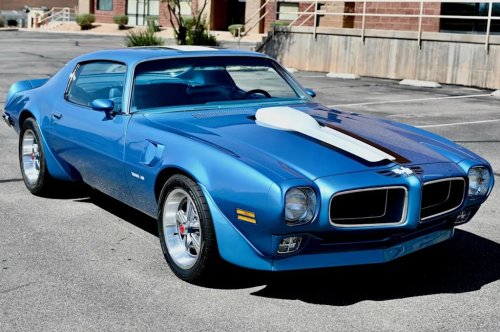
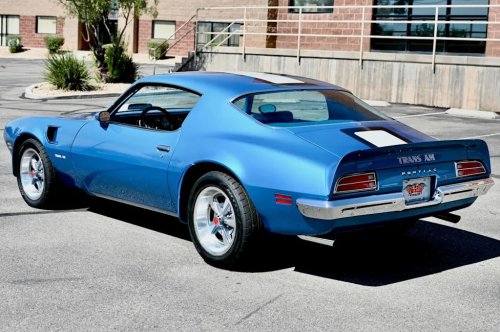
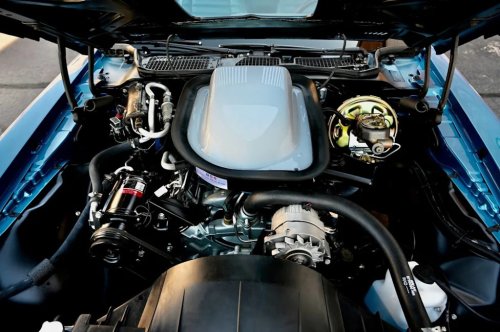
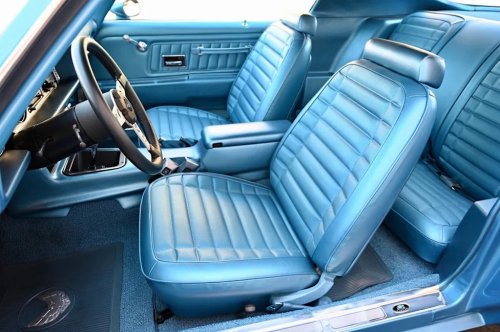
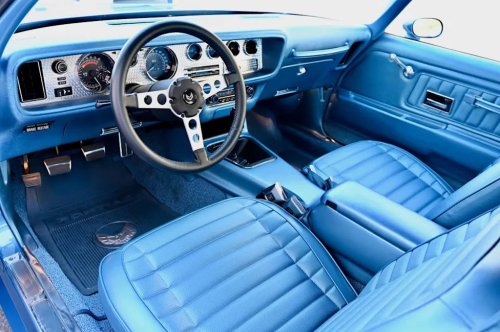
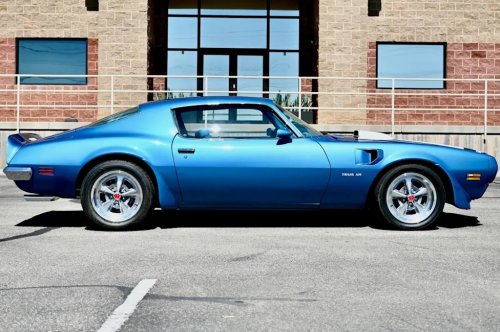
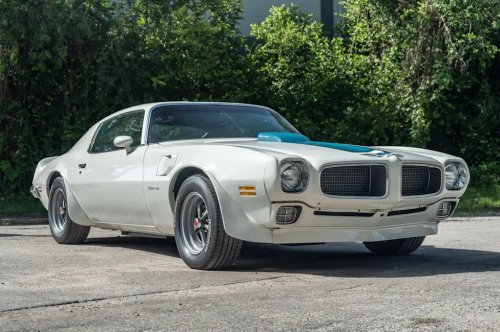
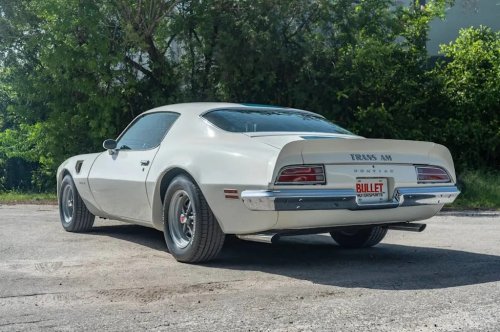
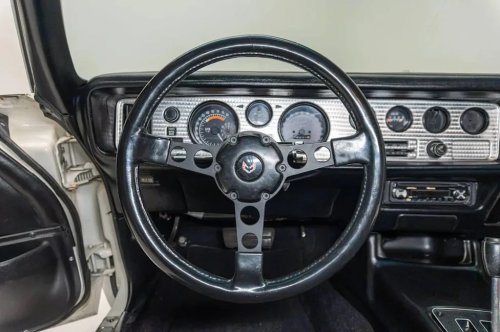
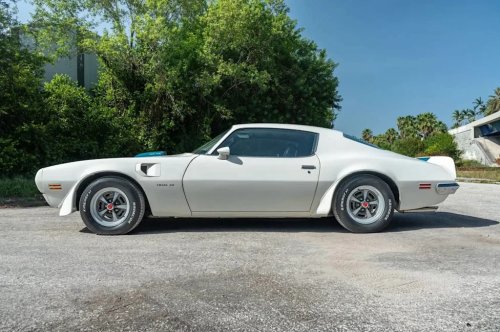
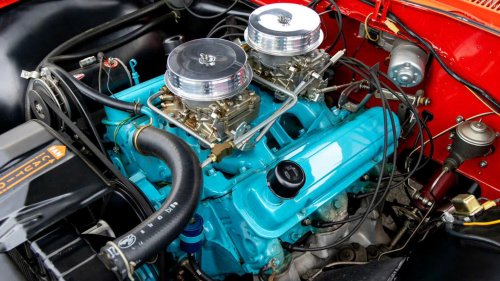
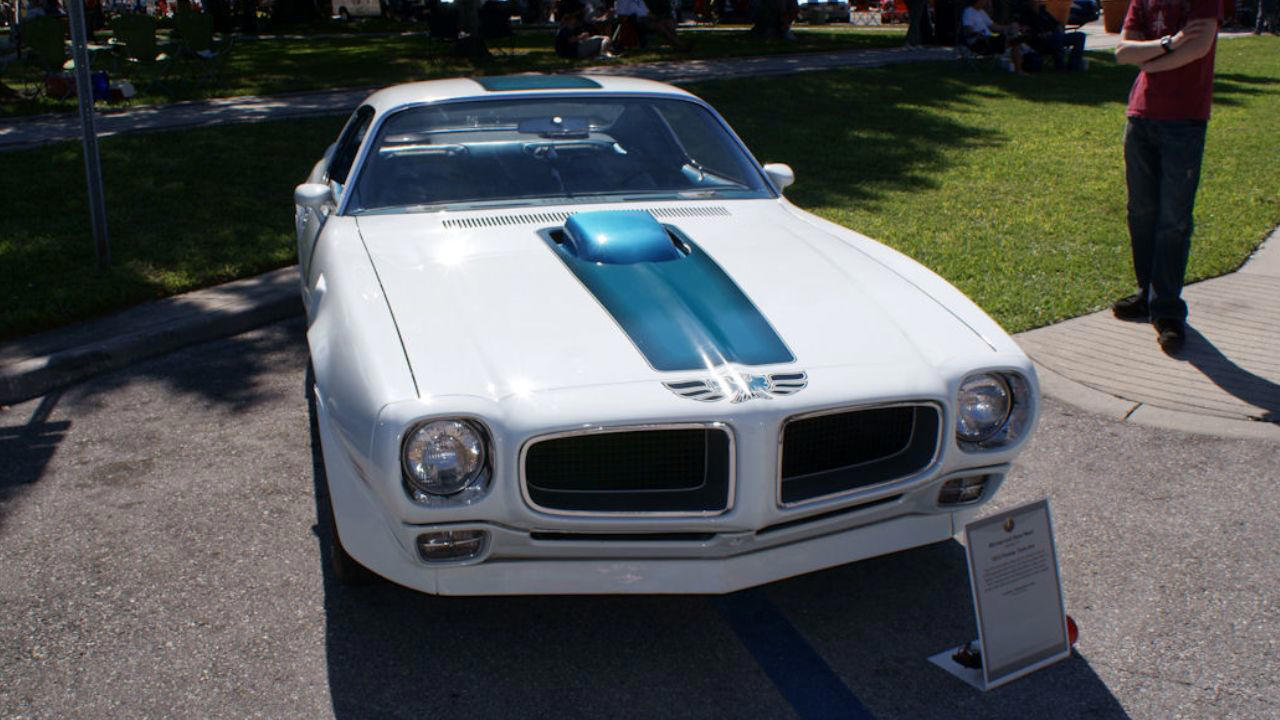
Pontiac’s 1970 Trans Am ran low 14s and helped define early muscleThe 1970 Pontiac Trans Am emerged as a pivotal model in the muscle car era, renowned for its impressive performance and bold styling. With its ability to run low 14-second quarter-mile times, the Trans Am not only delivered exhilarating speed but also played a critical role in defining the landscape of American muscle performance. Historical Context of the Muscle Car Era The late 1960s and early 1970s marked a golden age for the muscle car phenomenon. Manufacturers like Ford, Chevrolet, and Dodge were in a fierce competition to create the most powerful and stylish vehicles. This era saw the introduction of iconic models such as the Ford Mustang, Chevy Camaro, and Dodge Charger, which not only pushed performance boundaries but also shaped automotive culture in America. The demand for speed and power was at an all-time high, with car enthusiasts eager for vehicles that could deliver thrilling experiences on the open road. However, this period also faced challenges due to changing regulations. The introduction of stricter emissions and safety standards began to impact the design and performance of muscle cars. Manufacturers had to balance the pursuit of horsepower with these new requirements, leading to innovations in engineering but also a gradual decline in the raw power that had characterized the muscle car era. The 1970 Pontiac Trans Am emerged in this context, representing both the height of muscle performance and the beginning of a transitional phase in automotive history. The Pontiac Trans Am: A Brief Overview The Trans Am was first introduced in 1969 as a high-performance version of the Pontiac Firebird, but it was in 1970 that it truly found its identity. Pontiac aimed to distinguish the Trans Am from other muscle cars, focusing on performance, handling, and a unique aesthetic. The 1970 model year featured a host of improvements that made it stand out, including a more aggressive front-end design, functional hood scoops, and a distinctive rear spoiler. These features not only enhanced the car’s performance but also contributed to its iconic look. Pontiac’s marketing strategy capitalized on this uniqueness, portraying the Trans Am as a high-performance vehicle that could compete with the best in the muscle car market. The combination of performance and style helped solidify the Trans Am’s place in Pontiac’s lineup and among car enthusiasts, ensuring its legacy would endure long after production ended. Performance Specifications of the 1970 Trans Am The heart of the 1970 Trans Am was its powerful engine options, notably the 400 cubic inch (6.6-liter) V8, which was available in two versions: the standard 330 horsepower and the high-performance Ram Air III version that produced 340 horsepower. With a 0 to 60 mph time of approximately 6.5 seconds and quarter-mile times in the low 14-second range, the Trans Am was a formidable contender on the drag strip and the street alike. This performance placed it squarely among the top muscle cars of its time. When compared to competitors like the Chevy Camaro and Ford Mustang, the Trans Am held its ground firmly. For example, the 1970 Camaro Z28 with its 350ci V8 engine produced 360 horsepower but often struggled to match the Trans Am’s acceleration due to its heavier frame. The competitive spirit of this era pushed manufacturers to innovate continuously, and the Trans Am’s performance metrics helped elevate the standard for muscle cars. This spirit of competition not only drove performance but also fostered a community of enthusiasts who celebrated these vehicles. Design and Aesthetics The design elements of the 1970 Pontiac Trans Am played a crucial role in its appeal. The car featured an aggressive stance, characterized by a long hood, short rear deck, and wide body. The iconic “screaming chicken” graphic on the hood was not only a nod to Pontiac’s racing heritage but also a defining aesthetic that set the Trans Am apart from its peers. The functional hood scoops were not just decorative; they helped cool the powerful engine and contributed to the car’s performance capabilities. Inside the Trans Am, drivers were treated to a driver-focused cockpit that emphasized comfort and functionality. The interior featured supportive bucket seats, a sporty steering wheel, and an array of gauges that provided essential information at a glance. The blend of style and performance in the Trans Am’s design helped create a persona that resonated with drivers, making it not just a car but a statement of power and freedom. Cultural Impact and Legacy The cultural impact of the 1970 Trans Am cannot be overstated. It became an icon of American automotive culture, largely due to its appearances in popular films and television shows. The most notable of these was its role in the 1977 film “Smokey and the Bandit,” where it was showcased as a symbol of rebellion and adventure. This movie catapulted the Trans Am into the public consciousness, leading to a surge in demand and cementing its status as a classic muscle car. Beyond the silver screen, the Trans Am influenced a generation of car enthusiasts and collectors. Its bold styling and performance capabilities helped establish a loyal following that continues to thrive today. The legacy of the 1970 Trans Am is evident in the modern muscle cars that pay homage to its design and performance ethos, proving that the spirit of this iconic vehicle endures. Collector’s Market and Value Appreciation Today, the 1970 Pontiac Trans Am holds a significant place in the collector car market. Values for well-preserved examples have appreciated substantially over the decades, with some models fetching six-figure sums at auctions. Several factors contribute to this value appreciation, including the car’s rarity, performance pedigree, and cultural significance. Collectors often seek out original models with matching numbers and low mileage, which can command higher prices due to their authenticity. The restoration of a 1970 Trans Am can be a rewarding yet challenging endeavor. Enthusiasts often face difficulties in sourcing original parts, as many components have become scarce. However, the strong community of Pontiac enthusiasts provides valuable resources for restoration projects, from forums to clubs dedicated to preserving the legacy of the Trans Am. As interest in classic muscle cars continues to grow, the 1970 Trans Am remains a top choice for collectors and restorers alike. Owner Experiences and Community Insights Owning a 1970 Trans Am is often described as a thrilling experience by enthusiasts. Many owners share anecdotes of their driving adventures, highlighting the car’s raw power and unique character. Whether cruising down the highway or participating in local car shows, the Trans Am draws attention and admiration from fellow car lovers. The visceral connection between the driver and the machine is a defining aspect of the ownership experience. The Trans Am community is vibrant and active, with numerous clubs and online forums dedicated to Pontiac muscle cars. These platforms allow enthusiasts to share their knowledge, experiences, and resources related to ownership and restoration. Events such as car shows and meet-ups foster camaraderie among owners, creating a sense of belonging among those who appreciate the rich history and performance of the Trans Am. As I engage with fellow enthusiasts, it becomes clear that the passion for the 1970 Trans Am transcends mere ownership; it is a celebration of automotive heritage. More from Fast Lane OnlyUnboxing the WWII Jeep in a Crate15 rare Chevys collectors are quietly buying10 underrated V8s still worth hunting downPolice notice this before you even roll window down



















 +4 others