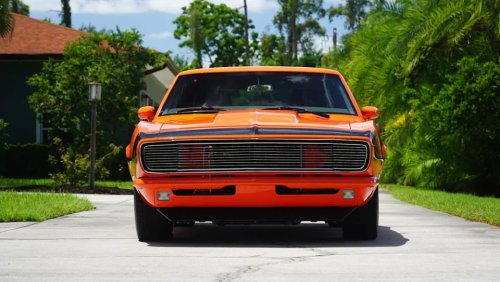
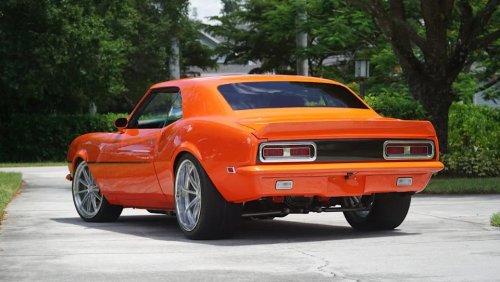
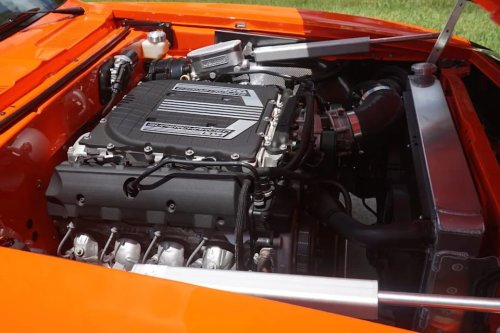
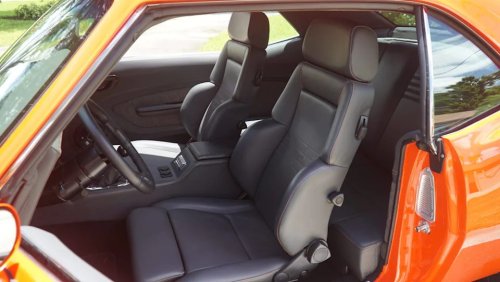
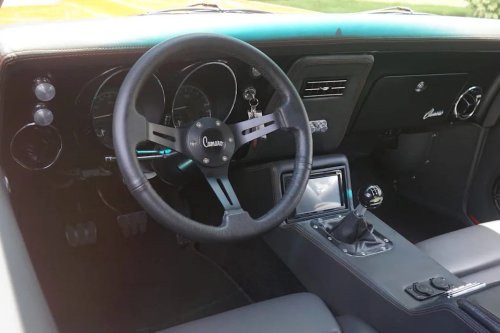
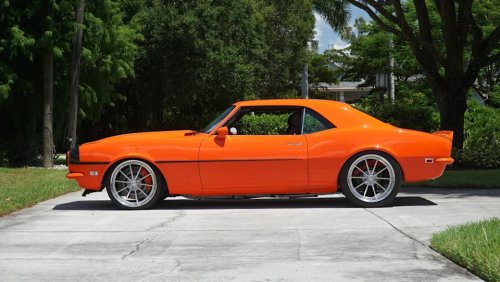
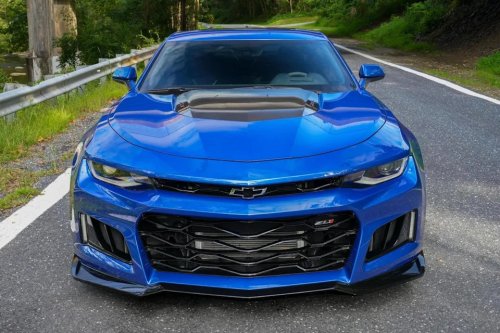
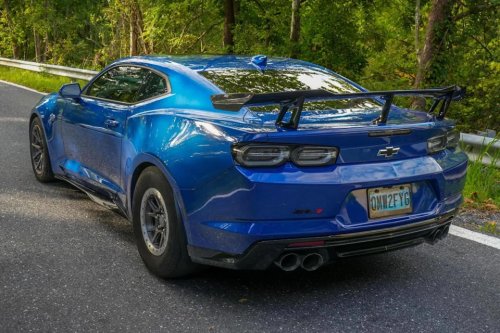
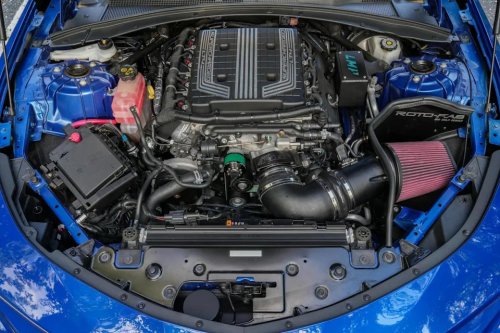
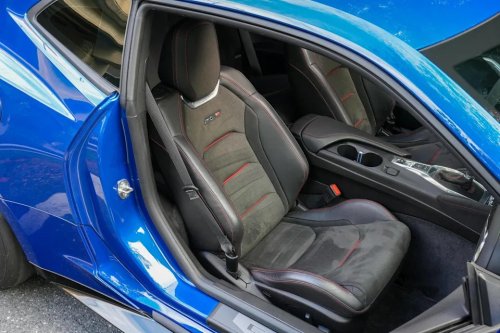
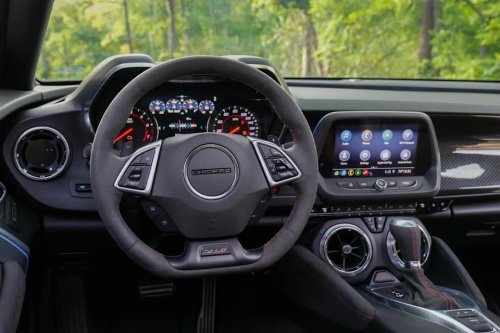
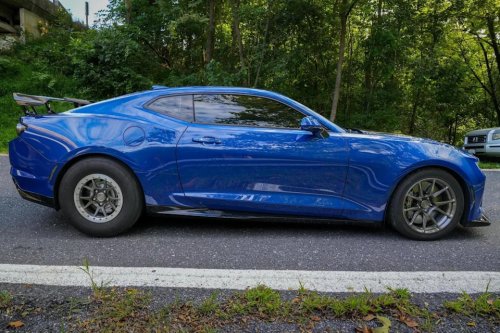
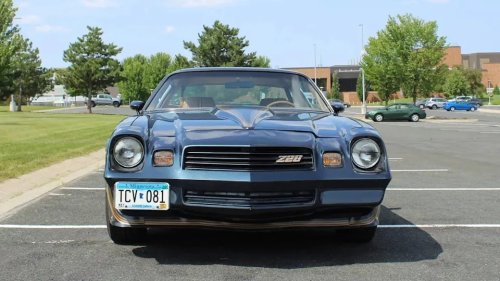
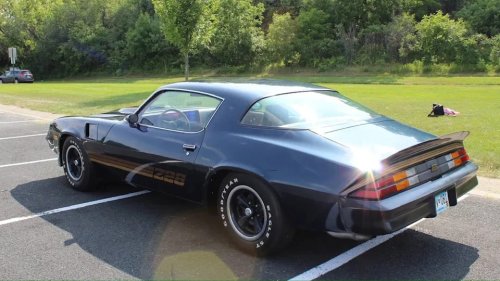
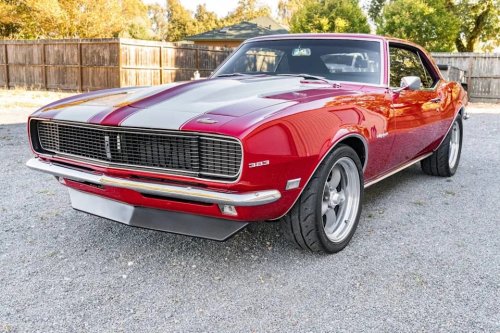
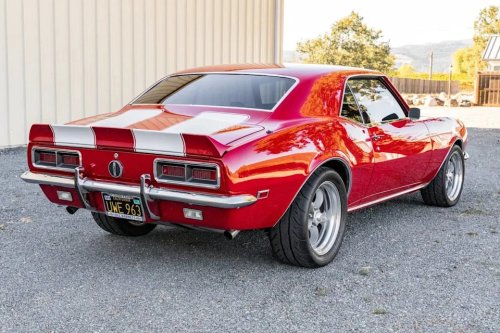
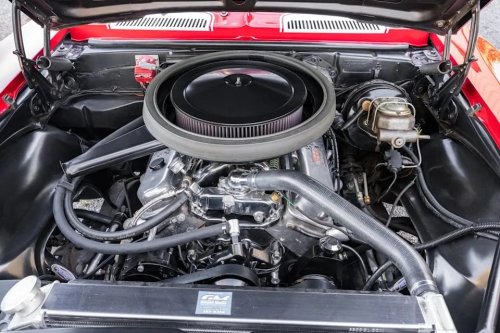
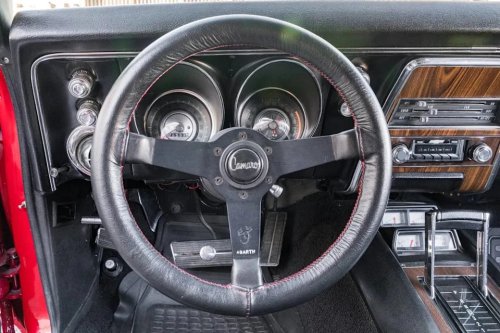
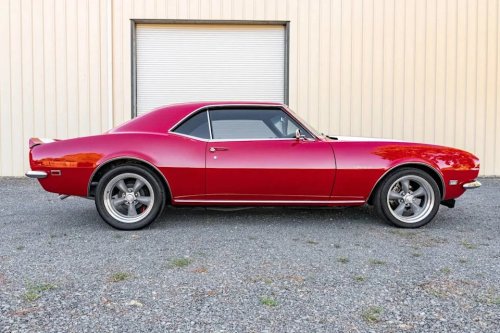
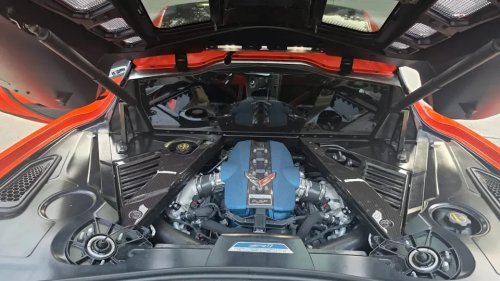
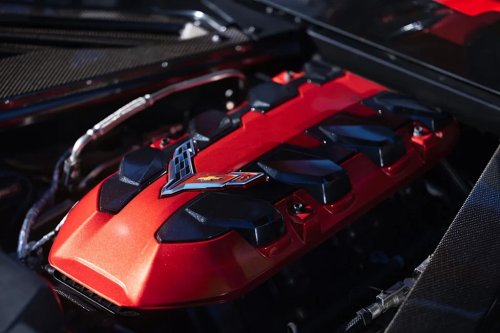
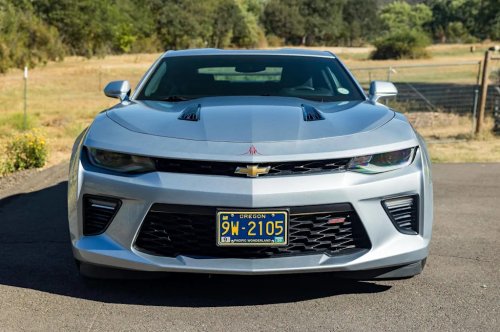
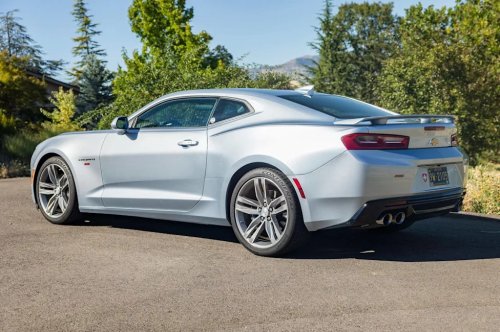
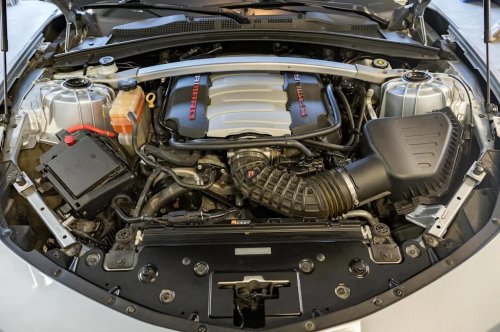
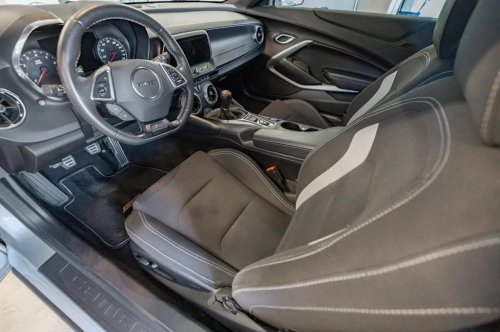
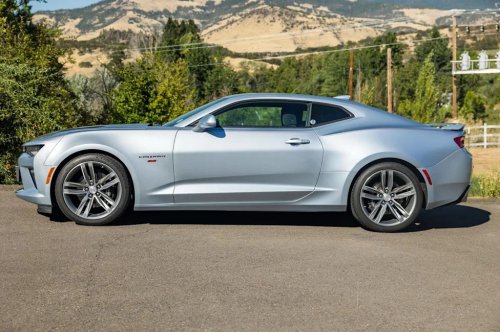
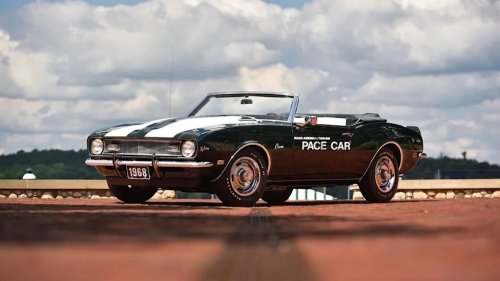
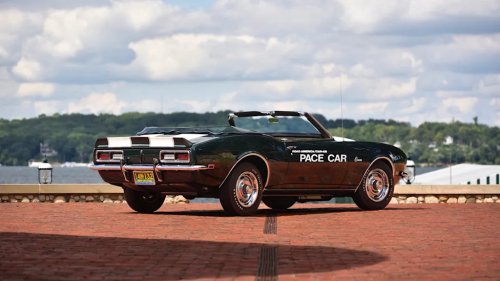
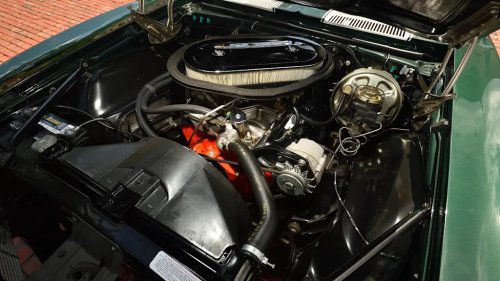
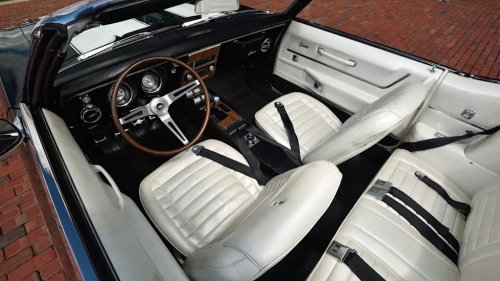
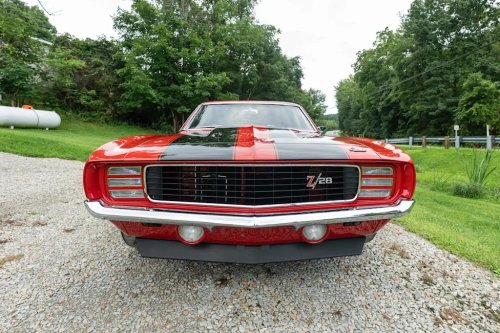
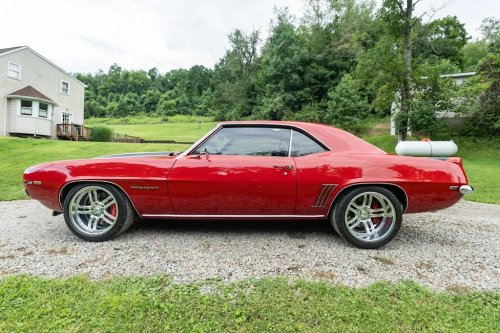
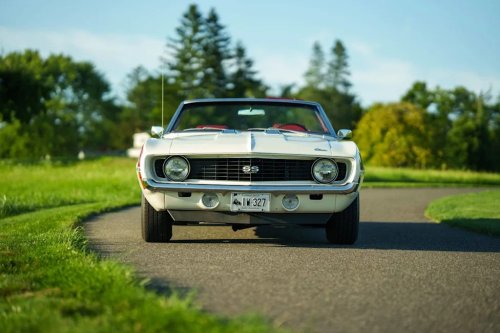
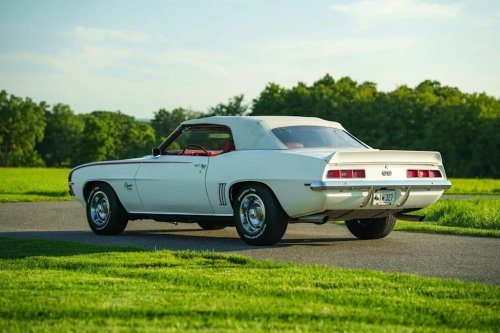
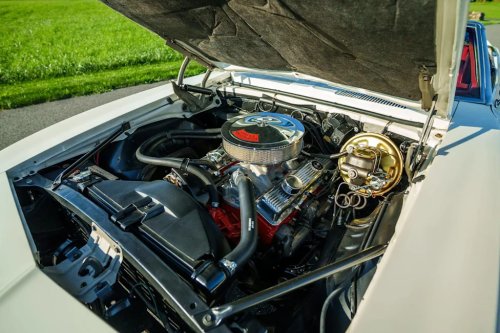
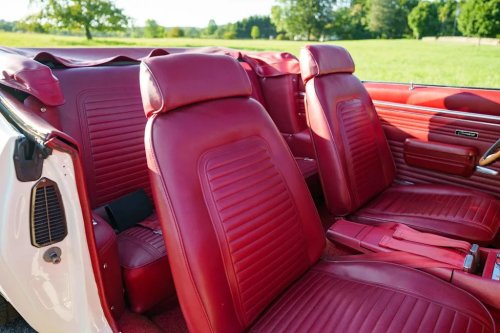
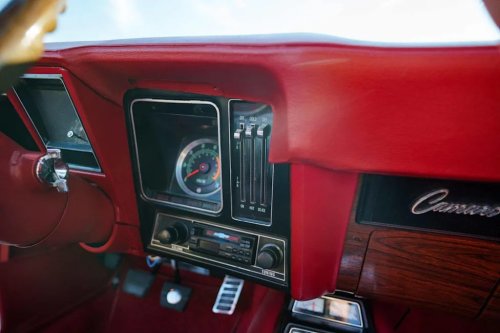
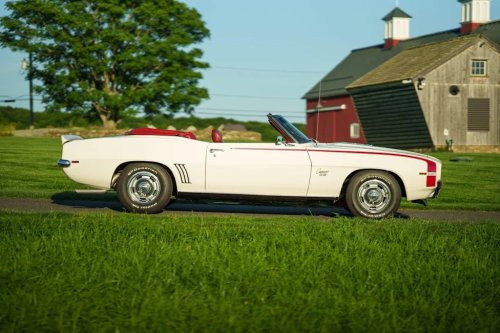
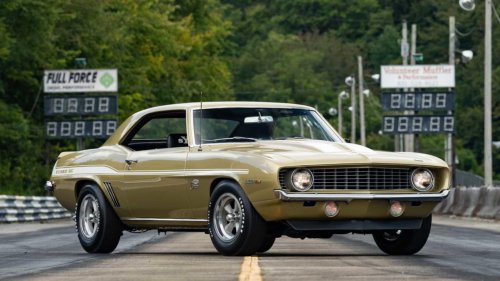
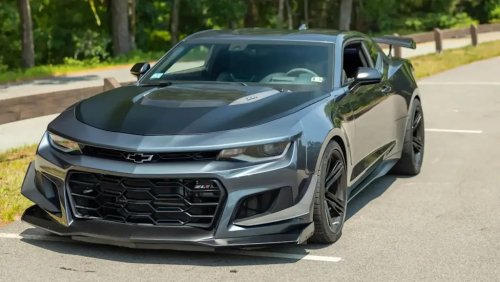
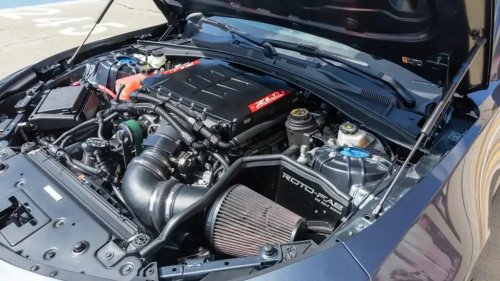
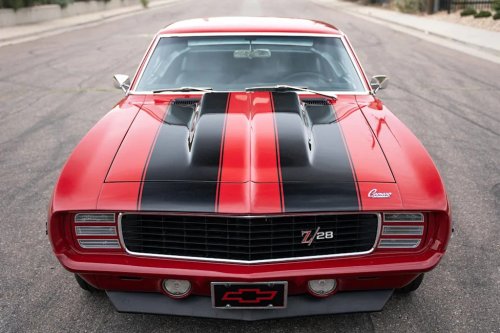
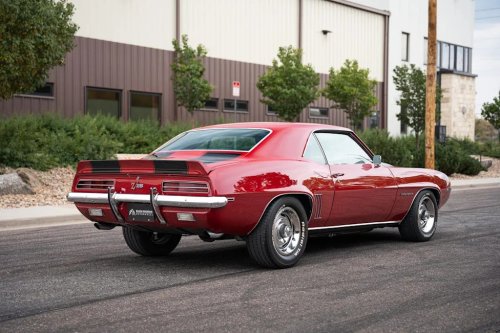
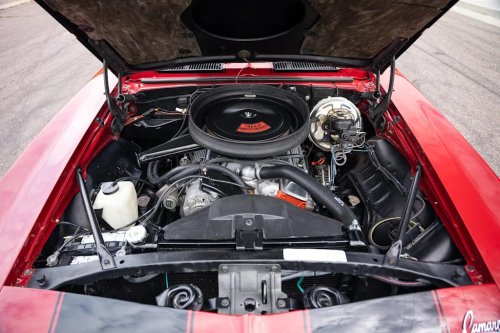
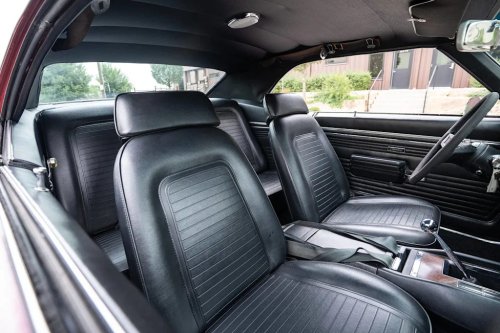
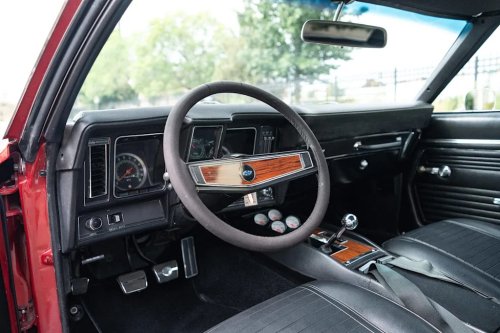
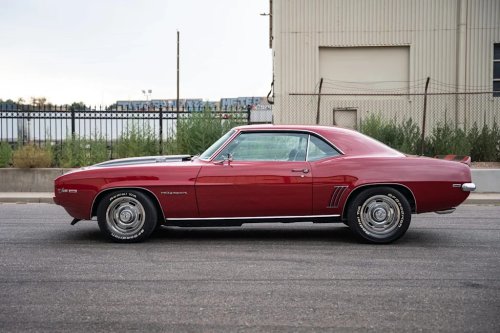
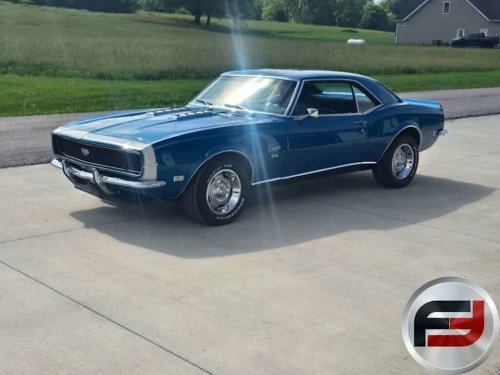
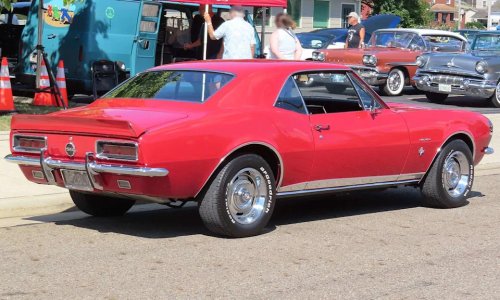
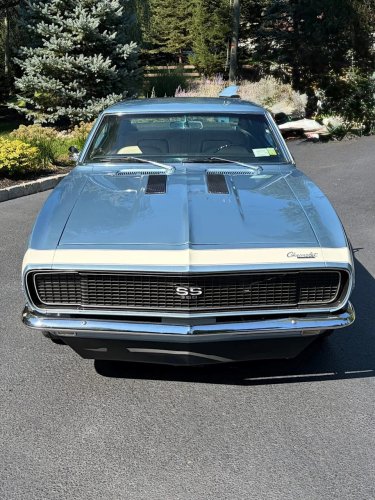
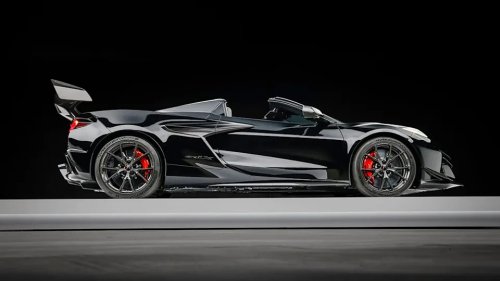
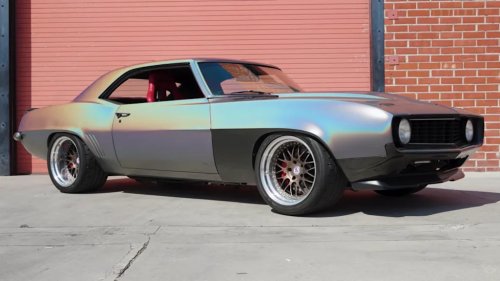
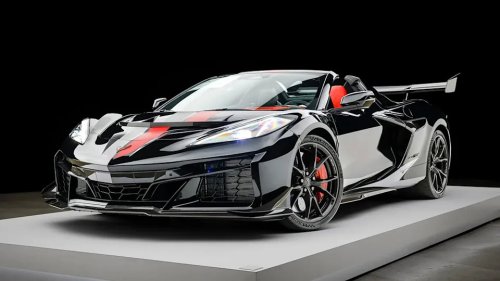
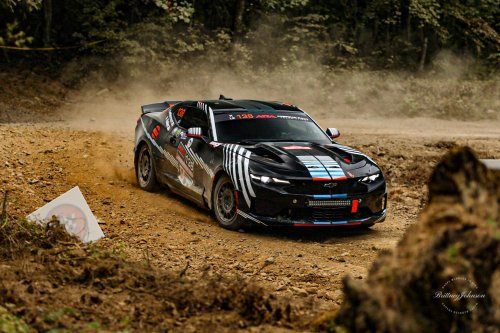
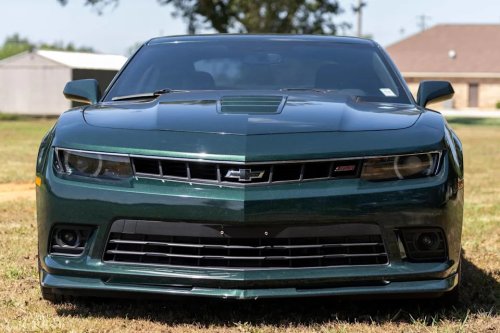
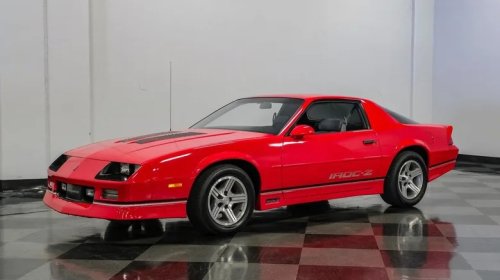
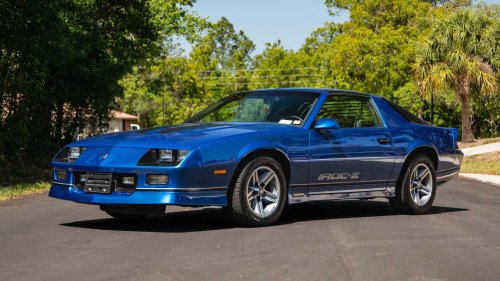
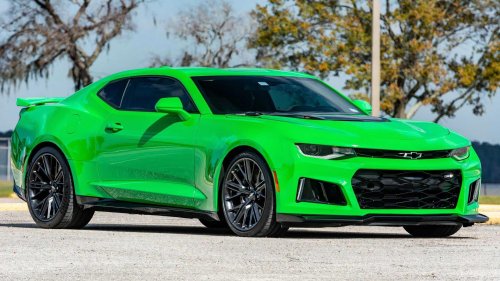
While the Chevrolet Camaro was retired in 2024, here at TopSpeed, we strongly believe it is poised for a comeback, sooner rather than later. A ride with that much spirit is going to get antsy in the old car's garage and needs to flex its muscles back on the streets before boredom sets in. Also, with the 500-horsepower Ford Mustang and 550-horsepower Dodge Charger SIX PACK tearing things up, Chevy is going to realize they need to represent with something that can compete, and what could do that better than a seventh-gen Camaro with a 670-horsepower Corvette Z06 engine?The Camaro may be gone for now, but it has such a prolific legacy that there's no shortage of cars to keep enthusiasts thrilled to the end of time. It's the best-selling muscle car of all time because, while the Mustang has moved more units for many years, the Ford lacked any kind of muscle car cred at all. Since its debut in 1967, the Camaro has provided an instant coolness upgrade to anyone who gets behind the wheel of one, and that's true across all six generations. Here are the five must-have Camaros for every collector or anyone who just wants a badass set of wheels.To give you the most up-to-date and accurate information possible, the data used to compile this article was sourced from various manufacturers and other authoritative sources, including Edmunds and Bring a Trailer. These amazing Camaros are in chronological order to show the evolution of one of the most iconic American nameplates. 1968 Camaro SS 396 Super Stud Pony Car 3/4 front view of 1968 Chevrolet Camaro SS 3961964 was the year that the Pontiac GTO and Ford Mustang hit the streets, simultaneously launching the Golden Age of American Muscle and the pony car craze. All of Detroit scrambled to replicate the runaway success of these next-gen rides, but Chevy figured they could tackle both segments with a single car, and that, of course, was the 1967 Camaro. While the Mustang was a playful pony, the Camaro had some serious attitude and was more performance-focused. As one of the first cars to employ the Coke bottle shape that dominated the classic era, the Camaro's design was trend-setting. 1968 Camaro SS 396 Power And Performance There were a few subtle exterior design changes for the 1968 Camaro that made it a little cooler-looking, including the nose stripe that integrated with the side stripes. All first-gen SS 396 cars could be optioned with the 375-horsepower version of the V-8, so picking the best is just a matter of taste, as any of them qualify as a masterpiece. We like the '68 for the above-mentioned reasons, but would never turn down a chance to drive a '67 or '69. In a contest this close, every little detail can tip the scales, and in this case, a 1968 Camaro SS is a little bit rarer than an SS from the other model years, so that's why it made the podium. 1970 Camaro Z/28 Z-Bomb Second-Gen Muscle 3/4 front view of 1970 Chevrolet Camaro Z/28The Camaro's second generation debuted in 1970, and it was such a gorgeous design that Chevy kept it going into the 1980s. With a stretched-out, rounded body, the second-gen Camaro was kind of like a bunker-buster bomb on wheels. While still maintaining its basic shape throughout its run, changes to the grill, as well as trim accents and graphics, made for some of the hottest-looking Camaros of all time in the late '70s/early '80s. Those cars, however, were victims of the detuned Dead Horsepower Era and lacked any kind of performance that would qualify them as Chevy masterpieces. The 1970 Camaro Z/28, on the other hand, was bad to the bone. 1970 Camaro Z/28 Power And Performance The Z/28 trim, introduced in 1967, was built for racing in the SCCA Trans Am Racing Series, which sounds sufficiently cool, but there was a limit on engine size, and its 290-horsepower 302ci V-8 was a little underwhelming. By 1970, Chevy said "screw it" and dropped a 360-horsepower 350-cubic-inch V-8 in the Z/28, making for the most powerful second-gen Camaro. By 1971, the 350 was detuned to 330 ponies, which began a long and painful horsepower slide that saw the once-mighty V-8 reduced to just 165 horsepower in 1981. When it comes to a scorching and sexy second-gen Camaro, nothing beats a '70 Z/28. 1987 Camaro IROC-Z Rock Out With The IROC-Z 3/4 front view of 1987 Chevrolet Camaro IROC-ZAfter the timeless awesomeness of the second-gen Camaro, there was worry that Chevy was going to royally flub the third-generation. Those concerns were instantly allayed when people got a look at the stunning design of the 1982 model, which both honored classic Camaro style with a decidedly updated look. The fact that Chevy pulled this off with what was essentially a hatchback is nothing short of a miracle, or perhaps some mad genius at work. In 1985, the Camaro got a new performance trim in the IROC-Z, named after the International Race of Champions, a competition series of identically-prepared cars meant to test pure driving skills. 1987 Camaro IROC-Z Power And Performance The IROC-Z differed from other Camaros with an upgraded sport suspension, bigger wheels and tires, plus some very cool graphics and trim accents. In 1987, the IROC-Z went nuclear, sort of, when it got the Corvette Tuned Port Injection 5.7-liter V-8, earning the rank of best Camaro of the 1980s. It produced the same horsepower as the '87 Ford Mustang GT 5.0 and was a little torqueier, which was all the edge it needed for Chevy fans to know it was the superior ride. With the sharp styling of the third-gen Camaro and the added performance of the IROC-Z, the '87 is truly a masterpiece of '80s American muscle. 1997 Camaro SS 30th Anniversary 30 Years Of Ass-Kicking 3/4 front view of 1997 Chevrolet Camaro SS 30th AnniversaryThe fourth-gen Camaro is easily the most underrated, but its sleek hyper-aerodynamic design is undeniably cool. It is sort of an '80s/'90s Japanese sports car style mixed with good old-fashioned American muscle, and that's awesome no matter how you look at it. In 1997, Chevrolet commemorated 30 years of the SS performance trim with a special appearance package available on the Z28, SS, and RS models. The package featured a striking white paint job with orange stripes, as well as killer 16-inch wheels, and was limited to just 979 units. It's unclear if that number is significant or if that's just how many were ordered, but either way, they are rare. 1997 Camaro SS 30th Anniversary Power And Performance Then, there were the 108 30th Anniversary models that were souped up by SLP Engineering, including the 330-horsepower 5.7-liter LT4 V-8, which were, as remarkable as it sounds, the fastest Camaros ever built up to that point. 30 years after the introduction of the SS, there was finally a 13-second Camaro and, again, that's pretty mind-blowing since the nameplate has been synonymous with performance for generations. This is a good one for frugal collectors, because it seems everyone who bought one sat on it for years, hoping it would increase in value, but it didn't. An 8,000-mile '97 SLP SS sold recently on Bring a Trailer for just $30,000, which is $11,000 less than the original MSRP. 2017 Camaro ZL1 Finally, A Factory Super Camaro 3/4 front view of 2017 Chevrolet Camaro ZL1The Chevrolet Camaro and its cousin car, the Pontiac Firebird, were mothballed in 2002, but the Modern Muscle Car Era started heating up a few years later with the reintroduction of the Dodge Challenger and Charger, as well as the smoking fifth-gen Ford Mustang. Chevy knew that they couldn't sit this one out and brought the Camaro roaring back to life, nailing the design with a look that harkened back to the first-gen SS. This was no phoned-in retro-reboot, however, as the fifth-gen Camaro had smart modern styling that captured the essence of the iconic muscle car with a bold, aggressive look for the new millennium. 2017 Camaro ZL1 Power And Performance The sixth-gen Camaro, introduced in 2016, wasn't radically different from the fifth, but it did get the ultimate performance package. The 2017 Camaro ZL1 packed a 650-horsepower, supercharged 6.2-liter V-8 that transformed the muscle car into a supercar. Back in the Golden Age, GM, for some reason, limited its divisions from putting engines with more than 400 cubic inches in intermediate cars, so some dealers special-ordered them with 427-cubic-inch Corvette engines, which were sold as "Super Camaros," at least by Yenko Chevrolet in Pennsylvania. With the ZL1, there was finally a factory Super Camaro, and its powers far exceeded anything in the legendary car's history, making it a true masterpiece.






















 +24 others