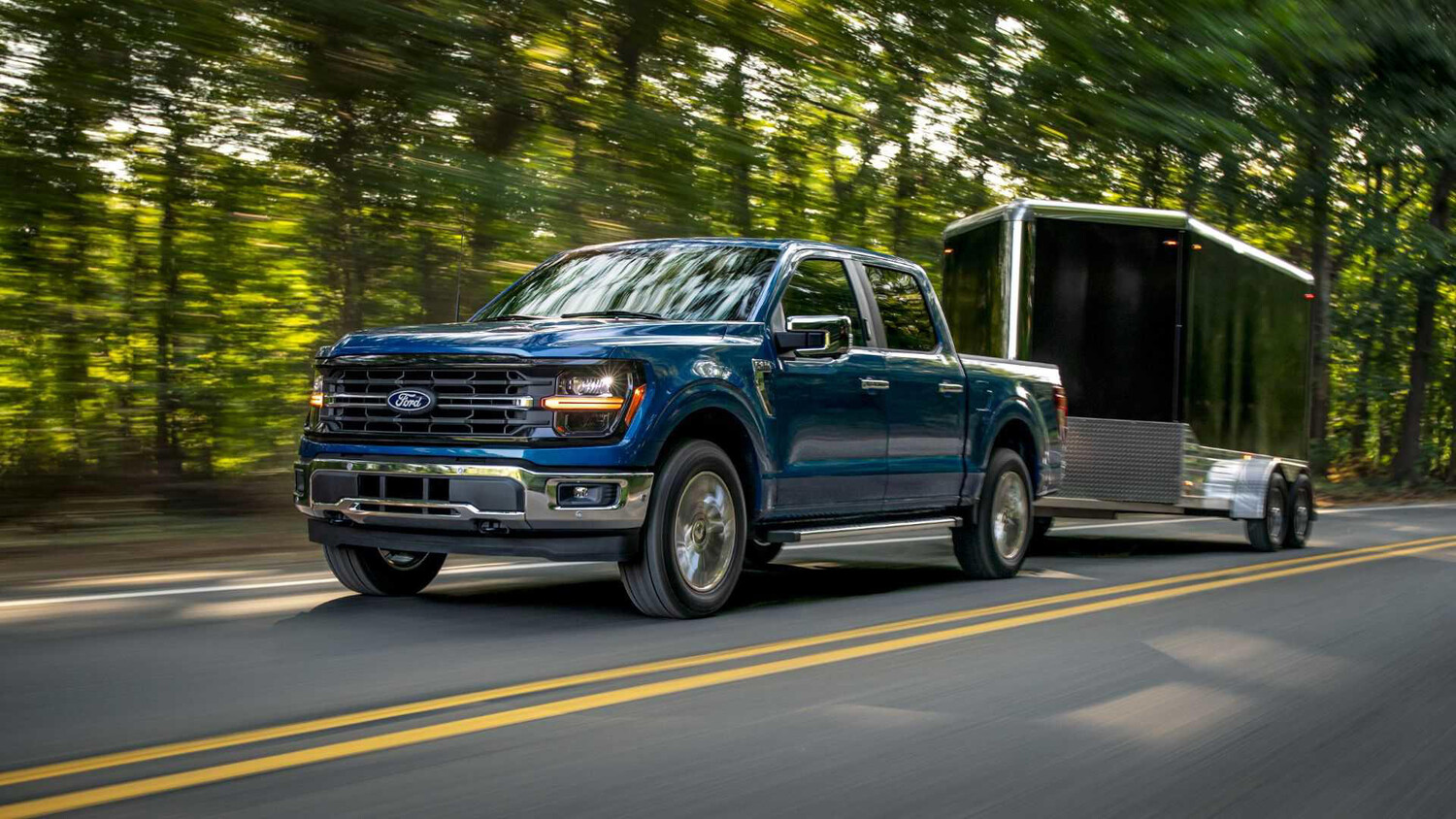
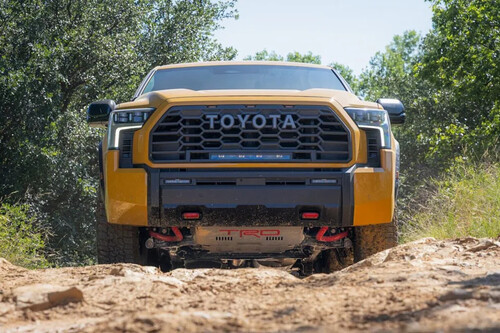
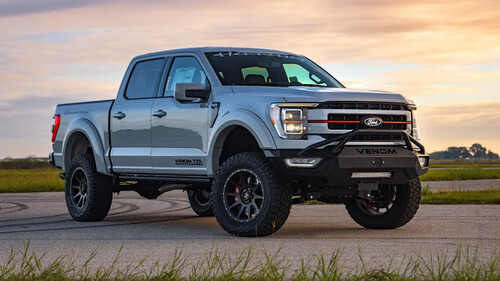
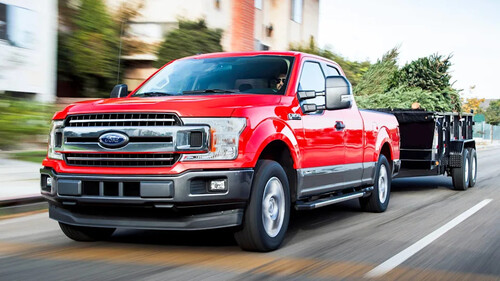
A seven-year car loan might help you to get those monthly payments nice and low, but think about it, you're going to spend 84 months paying this thing off. Even if we assume a nice, low interest rate of just 5%, that comes out to total loan interest of more than $9,000 on a $50,000 vehicle, meaning that we're paying close to one dollar to our lender for every five we're spending on a new Ford F-150 or Chevy Silverado.And it's not just the borrower's pockets that are hurting as a result of these long-term loans. When loans take longer to pay off, the cars eventually hit the market with higher miles and more wear and tear. If you're wondering why it's so hard to find a reliable used vehicle these days, these seven-year loan terms are a big part of the problem. How Did Seven-Year Loans Ever Become The Norm, Anyway? FordSix-year loans are currently the most common type of loan, making up 36.1% of all car loans, while seven-year loans make up more than one in five, at 21.6% of all new car loans, based on data from 2025's second quarter. If you want to know how the heck that happened, well, hard times have a way of compounding. It seems like it's never just stagnant wages, it's also higher prices and supply chain hangups and shortages, too. Bad news never comes in ones.In the case of the auto industry, we're seeing record high prices on vehicles, and on gas, while car insurance and maintenance have both gotten to be very expensive, while inflation has stifled the value of a dollar, and median household income is growing at a very slow rate. Put that all together, and it's not hard to imagine why someone would look at a seven-year loan term and decide that paying more interest in the long-term beats monthly payments that will be a struggle to keep up with. Long-Term Loans Eat Up Thousands Of Dollars You Should Be Saving Ford The average price of a new vehicle landed at $50,326 at the start of the year. If we plug that into the auto loan calculator, comparing three-year, five-year, and seven-year loan terms, here's what we get.With these numbers, you may think you're "saving" a couple hundred dollars a month, but you're actually taking it out of your own pocket, as you'll be spending more than a couple thousand extra by the end of the loan. These terms all assume a 5% interest rate, but you could be spending twice that.In more circumstances than not, we'll advocate for shorter loan terms with higher payments. Future-you will thank past-you for doing a little budgeting and making up the difference, because it could mean thousands of dollars in your pocket once the car is paid off. How Long Loan Terms Are Killing The Used Market On Reliability Mitsubishi In 2021, the average age of a car on an American highway was around 12.1 years. In 2024, J.D. Power reported that the average age of a car on the road was 12.6 years. In 2025, the number was reported at 12.8 years, and the average age of a vehicle on an American highway is projected to top 13 years by the end of 2026.The EPA assumes an average mileage of 15,000 miles per year, so we're looking at, at least, an extra 13,500 miles on a typical used car compared to five years ago by the time it hits the market, if people are tending to hold onto a vehicle for a year longer than they used to.So, for starters, that new-to-you used car is now 13,500 miles less reliable to begin with. But, if it's coming from someone who couldn't afford an extra $100 or $200 to make bigger payments and save themselves a few thousand in the long run, it's safe to assume that the car has missed out on some basic maintenance, as well. The Cost Of Owning A Car Is Out Of Control Nenad Stojkovic – Wikimedia Commons According to the Bureau of Labor Statistics, the average car repair costs around $838 in 2026, 33% higher than in 2021. Someone who can't afford an extra $150 on their car payment probably can't cover an $838 emergency repair without taking some time to save up. Meanwhile, the average cost of full coverage insurance was up a whopping 14% from 2023 to 2024, and then another 12% from 2024 to 2025, according to Bankrate, and do we even have to get started on the cost of gas?As all of these costs get further and further out of hand, the tendency is for the expense of owning a car to compound. A car's first owner is putting more and more miles on the car, and putting off repairs, because they can't afford to trade their car in every five years like they used to, and they need to free up some money for gas and insurance. The end result is more used cars hitting the market closer to the end of their life cycle than they are to the midpoint.Oh, and while we're on the subject, more and more drivers are going without insurance, too. According to MarketWatch, around 11% of drivers were going without insurance in the 2010s, while that number was more like 15.4% in 2024, totaling more than 35 million uninsured drivers. How To Avoid Buying A Dud In A Rough Market Toyota There are still some great deals to be had on the used market, but it's more important than ever to do your research. A few key tips to keep from buying a car that's been used up in less than a decade.Low mileage is key, obviously, but remember that not all miles take an equal toll. A Toyota Tundra with 150,000 miles of highway on its engine is just getting started. 150,000 city miles on a Chrysler Pacifica is a whole other story. Ask for service records. You don't want a car that's been putting off oil changes and skipping tire rotations. A pre-purchase inspection is almost always worth the money. Research the car you're buying. Does it have a lot of high-mileage instances, are there drivers out there getting free replacements from Toyota after putting a million miles on the odometer, or does it have a transmission that tends to go out at 100,000 miles? Never skip the test drive. And read some reviews of the car before you drive it so you know what to expect. Keep an eye out for red flags like corrosion in the undercarriage, a steering wheel that pulls to the left, mismatched headlights or wheels. Any signs of undisclosed damage are worth noting. Yes, these tips are the same we'd list in any sort of economic weather, but the prevalence of high-mileage beaters on the used market in 2026 makes it more important than ever to be a vigilant shopper, and the problem is likely to be worse in the coming years. The price of a new car only seems to be going up, the cost of a gallon of gas doesn't look to be coming down, and repairs aren't getting any cheaper.That is to say that what we're seeing is the ripple effect of high MSRPs, and high cost of ownership. Anything that spells bad news for new car buyers usually spells bad news for used car buyers, sooner or later. Until the toll of inflation, insurance costs, tariffs, and oil prices are all brought to heel, we're going to see more and more hoopties on the used car market.