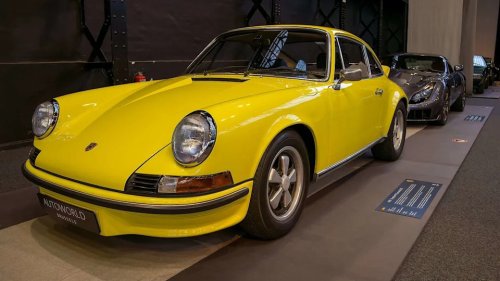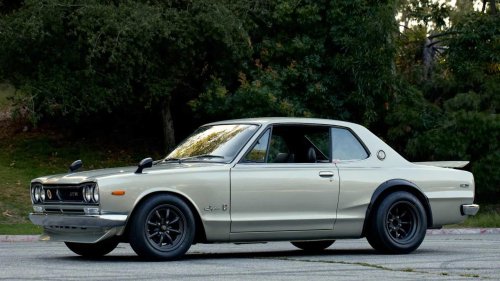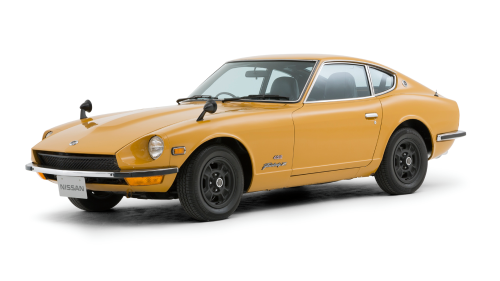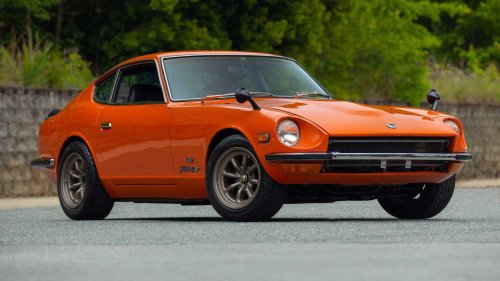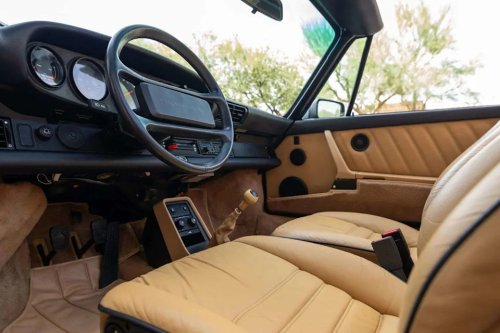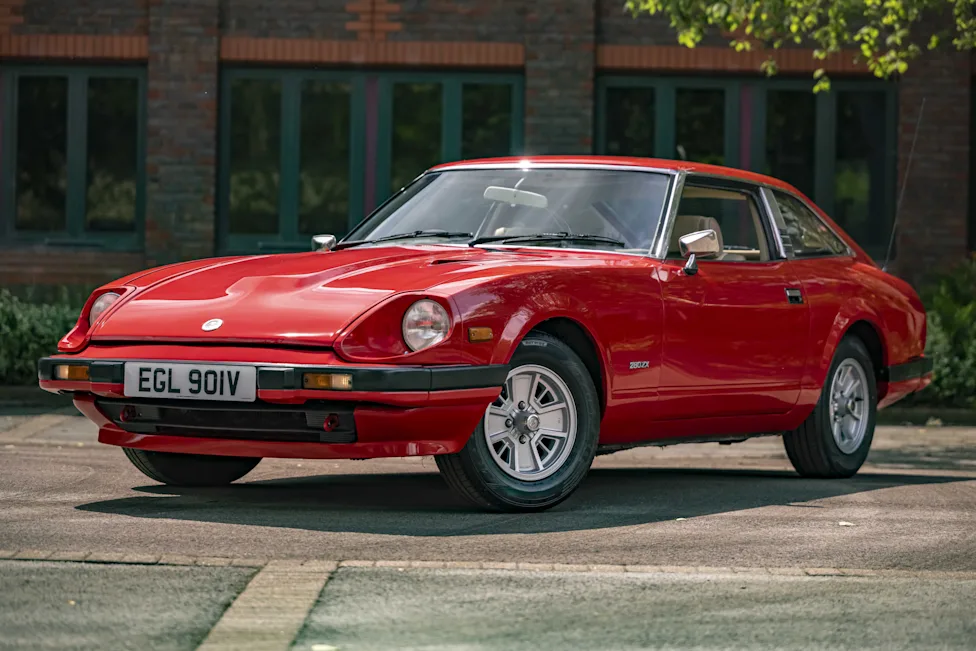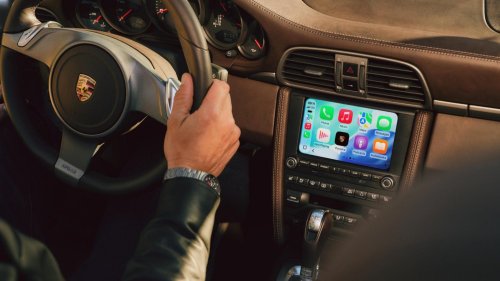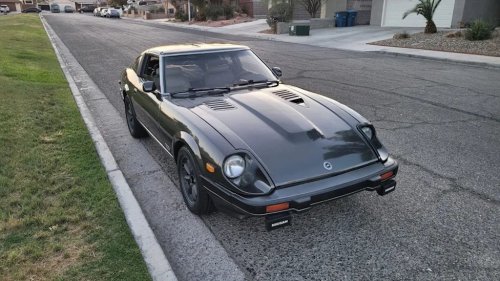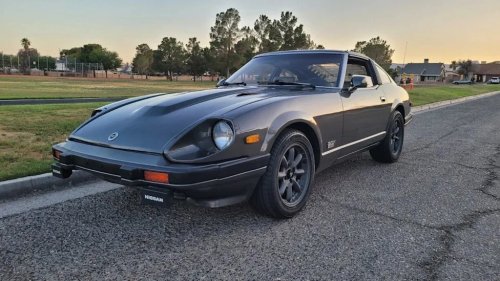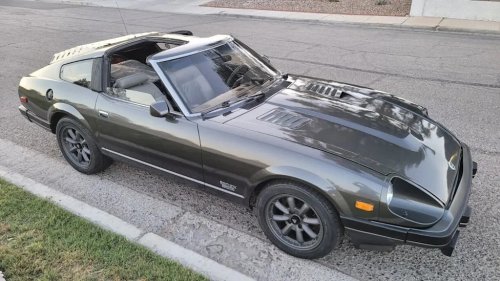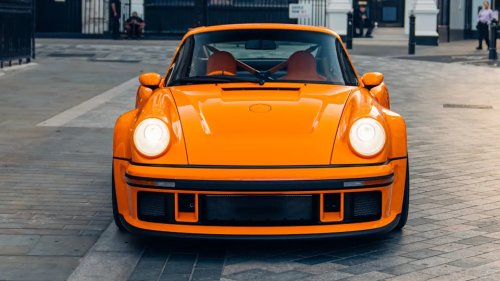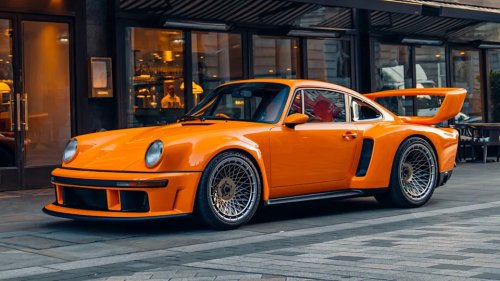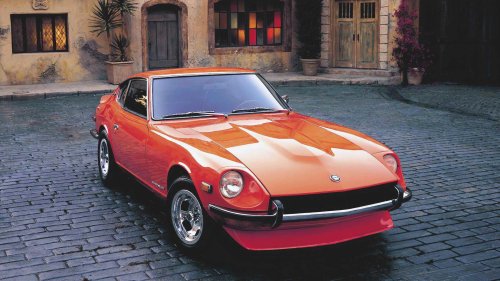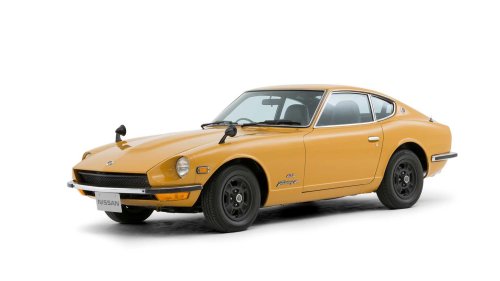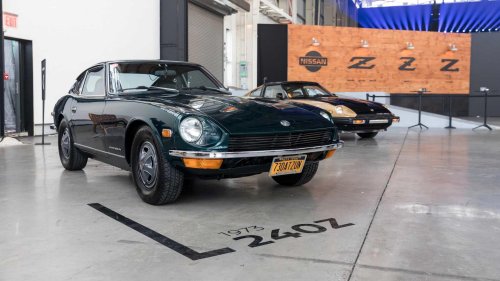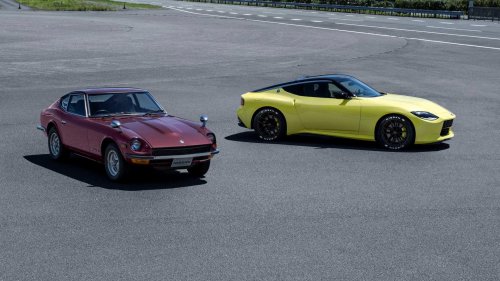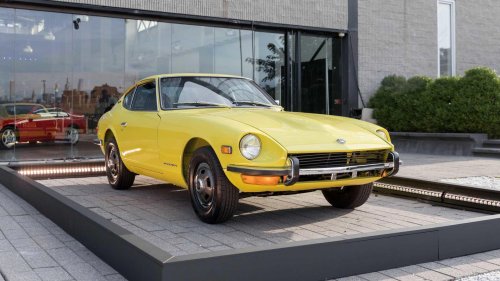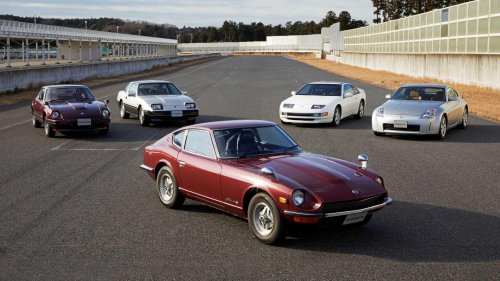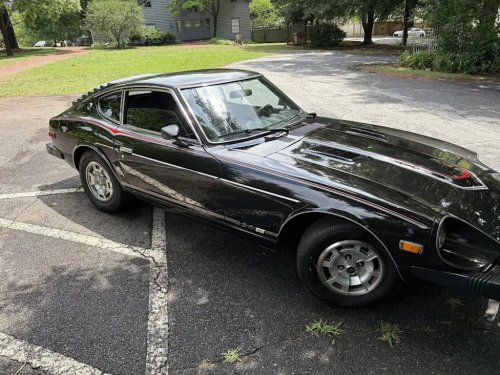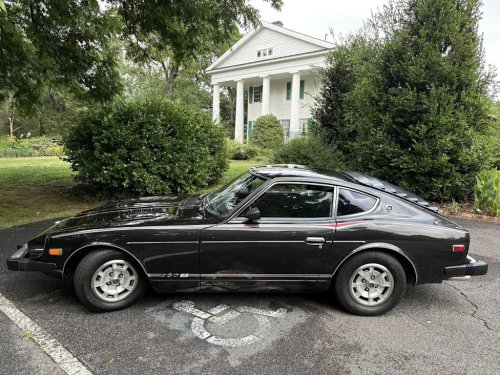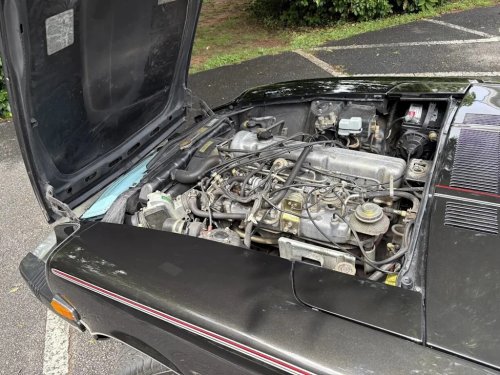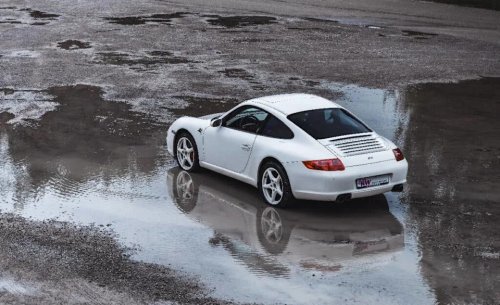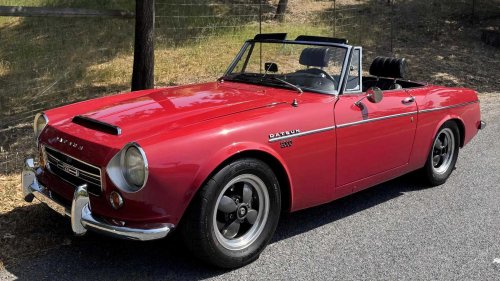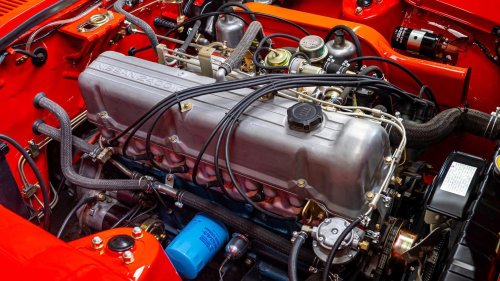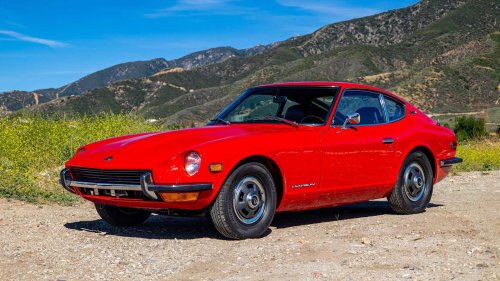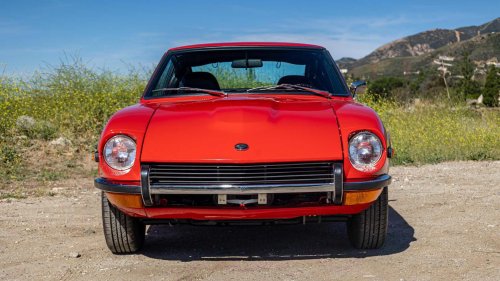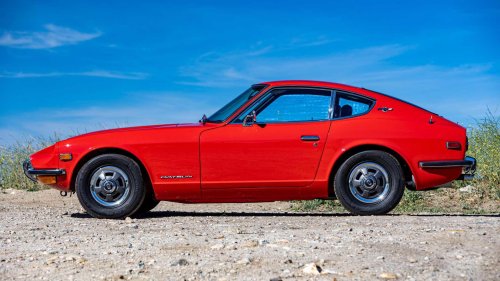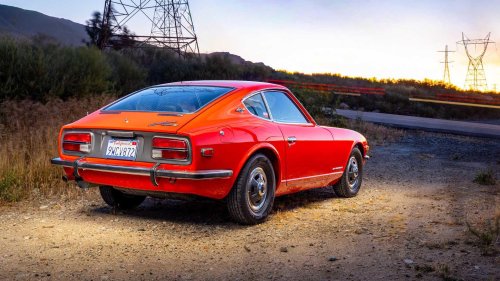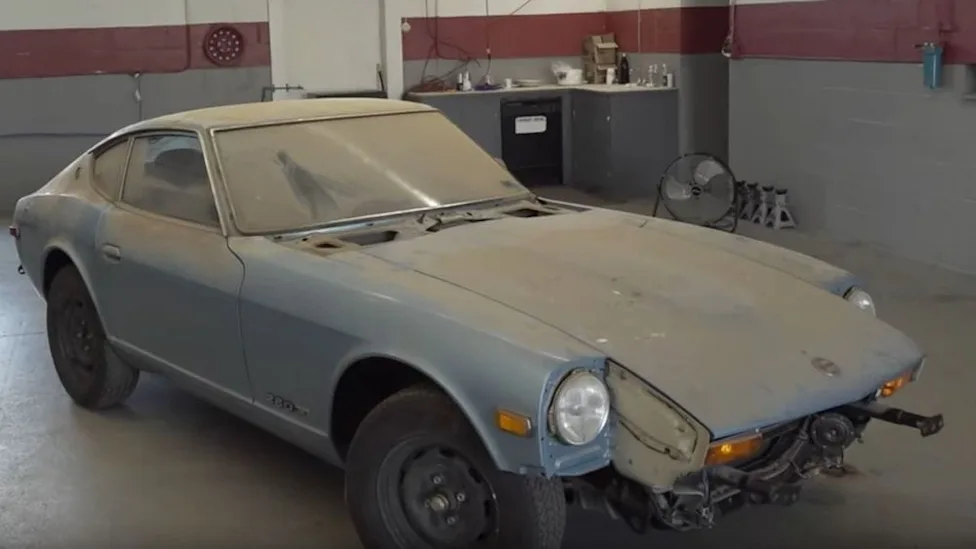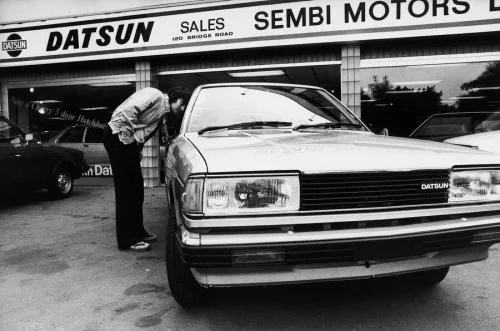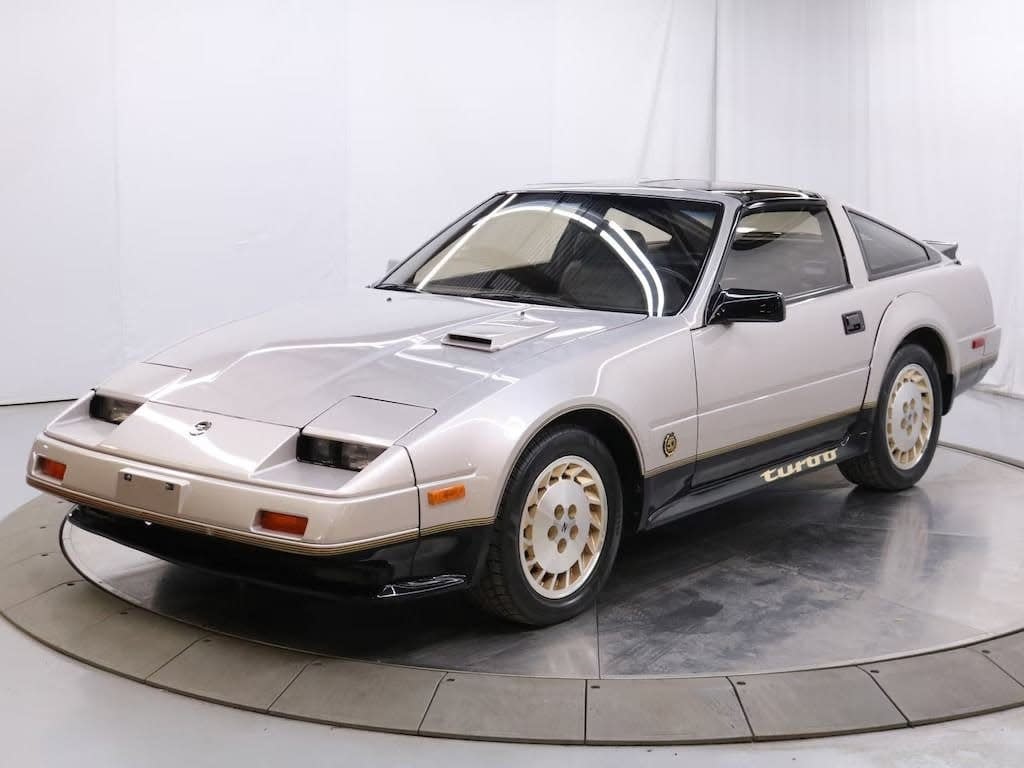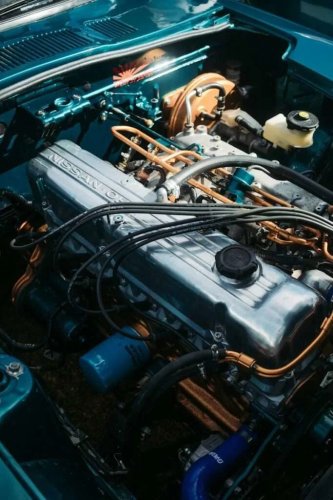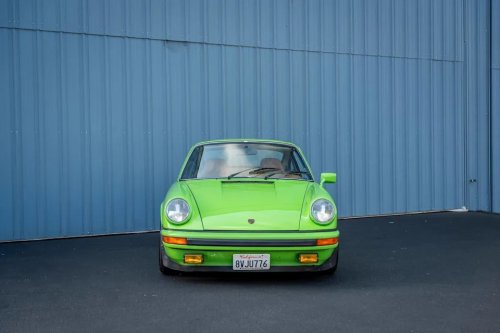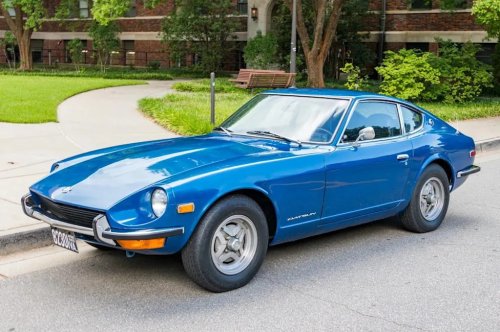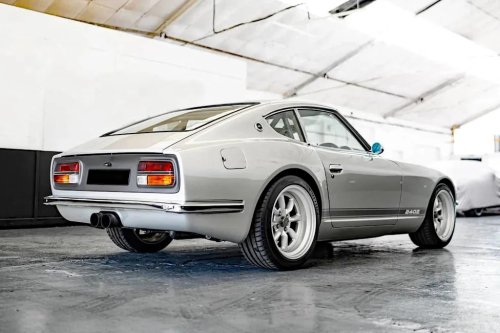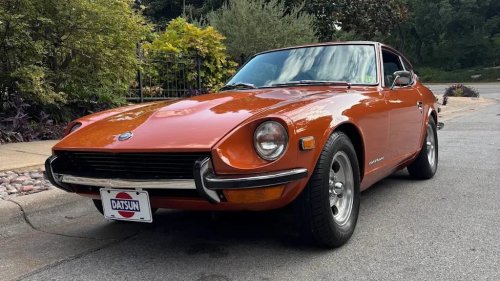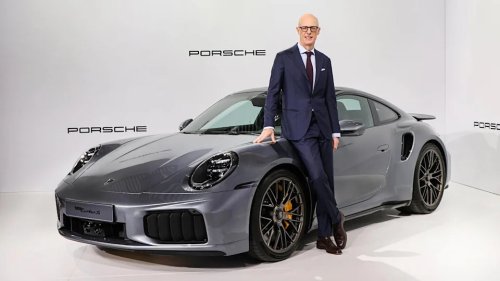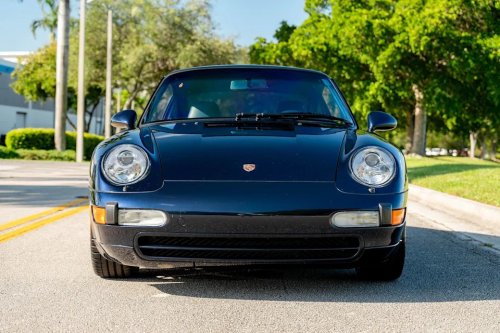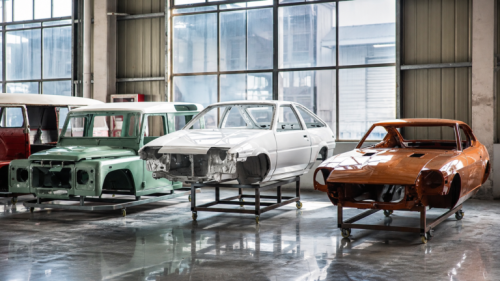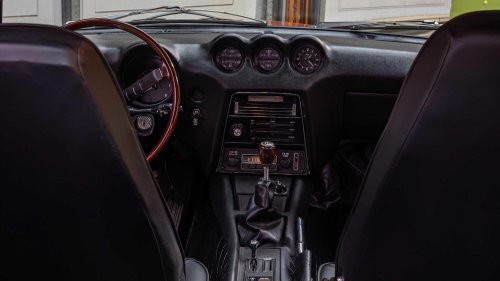
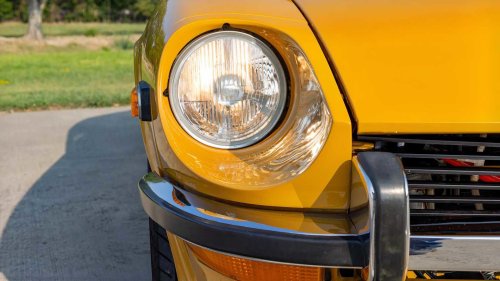
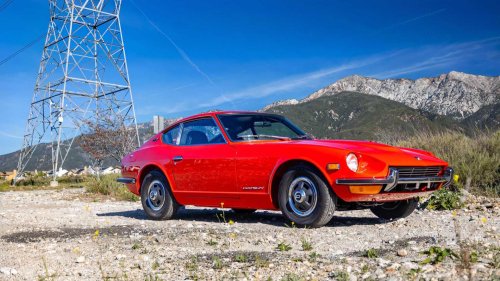
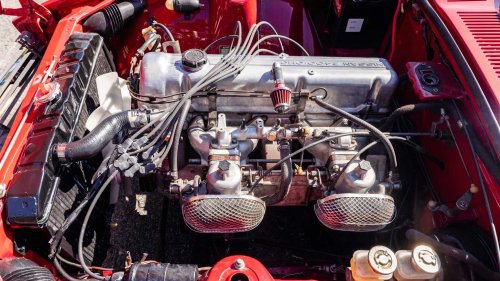
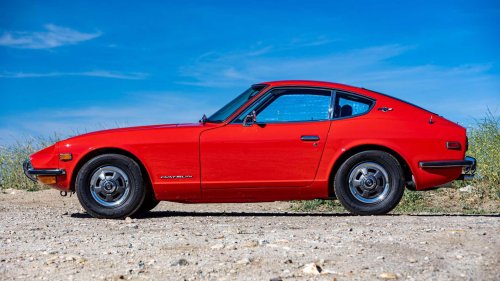
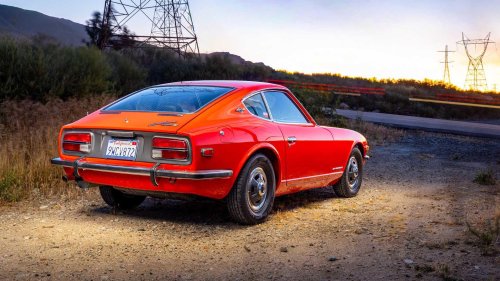
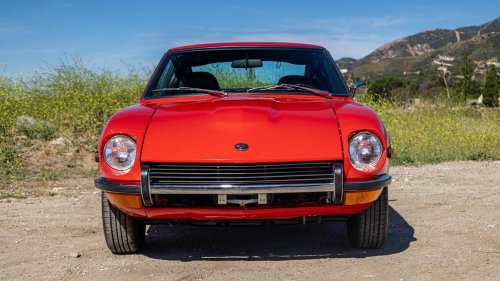



















In 1970, buying a proper sports car in America meant accepting a set of tradeoffs that most buyers quietly resented. European machines delivered the driving experience but demanded mechanical patience and a budget that stretched well beyond the sticker price. British roadsters offered involvement at an affordable entry point but came with reliability reputations that their owners navigated around rather than argued against.he car that changed the conversation arrived with no European heritage, no racing pedigree that American buyers recognized, and a badge that most enthusiasts at the time associated with economy transportation rather than driving excitement. Datsun was not supposed to be able to do what it did. The fact that it did it anyway is why collectors are still talking about the car more than fifty years later. Stuttgart Set the Standard and Nobody Questioned It Bring a Trailer By 1970, the Porsche 911 had established itself as the definitive driver's sports car for buyers who wanted European performance without committing to the maintenance demands of a Ferrari or the fragility of a Lotus. The 911T, the entry-level model in the three-tier lineup, sold in the United States for between $6,435 and $7,100 depending on specification. It was air-cooled, rear-engine, and built to a level of engineering precision that justified every dollar of that premium. Period reviewers treated it as the benchmark against which every other sports car in its class was measured, and for the most part, nothing in its price range came close.The 911T's position was not based on outright speed. Its 2.2-liter flat-six produced 125 horsepower at 5,800 rpm and 131 pound-feet of torque, and a 0-60 time of 9.5 seconds was not impressive on paper. What the 911T delivered was a quality of driver engagement, a precision of controls, and a tactile connection between car and road that no competitor at or near its price point could replicate. Stuttgart's engineers understood that the driving experience was the product, and buyers paid accordingly. The question nobody was seriously asking in 1970 was whether a Japanese manufacturer understood that too. Japan Had a Different Idea Bring a Trailer Nissan's American operations chief Yutaka Katayama had spent years trying to convince his Japanese superiors that the United States market wanted a genuine sports car, not another economy sedan. He had studied what American enthusiasts valued, what the roads demanded, and what price point created the broadest accessible market for a car that could deliver a real driving experience. The result of that analysis was a brief that called for a long-hood, short-deck fastback with a proper inline engine, independent suspension at all four corners, a five-speed close-ratio gearbox, and enough performance to embarrass cars that cost twice as much. Katayama pushed hard enough and long enough that the car eventually got built.The design brief drew openly on the European sports car tradition without copying any single example. The long hood recalled the E-Type Jaguar. The fastback roofline referenced contemporary Ferrari grand tourers. The cockpit dimensions were specified to accommodate a six-foot American driver, a requirement that European sports car manufacturers of the era regularly ignored. What emerged from the development process was a car that looked like it belonged among the European machines while being engineered for the realities of American ownership: easy maintenance, robust mechanicals, and a parts supply that would not require importing components from the other side of the world. The Datsun 240Z: When Japan Got It Right Bring a TrailerThe car was the 1970 Datsun 240Z. Car and Driver's June 1970 road test put it plainly: "the difference between the Datsun 240Z and your everyday three-and-a-half-thousand-dollar car is about twice as much thinking went into the Datsun." At a base price of $3,530, the 240Z cost less than half that of a comparably specified 911T. It weighed 2,300 pounds. It was faster to 60 mph than the car from Stuttgart. And it came with a four-year waiting list at US dealerships within months of its introduction.The performance table settles the argument immediately. Road and Track's April 1970 test recorded 0-60 in 8.7 seconds and a top speed of 122 mph, giving the 240Z a measurable edge over the 911T in acceleration from rest, at a price less than half that of the Porsche. The Triumph TR6, included as the closest British rival at a comparable price point, trailed both cars across every performance metric. Against the 911T specifically, the 240Z gave up five miles per hour at the top end in exchange for a 0.8-second advantage off the line and roughly $3,000 at the point of sale. The value proposition was not subtle. The L24 Engine That Outlasted Everything Bring a Trailer The L24 inline six-cylinder at the heart of the 240Z was a 2,393-cc unit with a cast-iron block, aluminum head, single overhead camshaft, and twin Hitachi SU-type carburetors. It produced 150 hp at 5,600 rpm and 146 lb-ft of torque at 4,400 rpm, and it ran on seven main bearings, a specification more typically associated with larger American V8s than Japanese sports car engines of the era. The compression ratio was 9.0:1, and the engine was designed from the outset for mechanical longevity rather than peak output. Solid valve lifters, wide bearing surfaces, and conservative tune margins meant that properly maintained L24 engines regularly exceeded 200,000 miles without major internal work, a claim that no contemporary European sports car engine could credibly make.The parts story strengthened the ownership case further. The L24's architecture shared significant component commonality with engines used across Datsun's broader lineup through the 1970s, meaning that replacement parts remained available, affordable, and stocked at ordinary dealerships rather than specialist importers.A 911T owner facing a failed engine component in 1973 was dealing with an air-cooled flat-six that required specialist knowledge and imported parts. A 240Z owner facing the same situation could resolve it at the local Datsun dealer on a standard service timeline. That difference in ownership reality is part of why so many 240Zs survived intact while so many early 911Ts were either modified, neglected, or quietly discarded. How a Front-Engine Car Drives Like a 911 Bring a Trailer The 240Z is a front-engine, rear-wheel-drive sports car, and its handling character comes from chassis engineering rather than any coincidence of layout with the rear-engined Porsche. Nissan's engineers specified a 53:47 front-to-rear weight distribution, independent strut suspension at all four corners, a front anti-roll bar, and a rear track that matched the front within three tenths of an inch. The result was a car that approached neutral balance under cornering and broke away at the rear progressively and predictably when pushed past its limit. That tail-happy oversteer character, present despite the front-engine layout rather than because of a rear-engine one, was the sensation that made the 240Z feel alive in a way that front-heavy sports cars of the era did not.Road and Track's April 1970 test concluded that the 240Z set "new standards in performance and elegance for medium-priced 2-seat GT cars" and described it as a car whose combination of styling, performance, and handling was far ahead of anything else under $4,000. That assessment came from a publication that tested the 911T in the same era and understood exactly what the benchmark looked like. The 240Z did not replicate the rear-engine 911's physics. It achieved a comparable result through different means, and the drivers who knew both cars recognized the achievement for what it was. What a Datsun 240Z Costs Against a 911 Today Bring a TrailerWhen you compare values between the 240Z and the 911, it reveals a gap that serious collectors have begun to notice. The 911T's full condition breakdown is publicly available, with a Good example valued at $57,000 and a concours car reaching $120,000. The 240Z's equivalent concours figure sits at $61,900 for a 1971 example, confirmed at five times the average value when a 21,750-mile 1971 Series I sold for a record $310,000 in 2023. Recent April 2026 auction results from the collector market show the range in practice: a high of $82,500 for a clean, documented example, with good-condition driver-quality cars trading between $20,000 and $32,000. The full condition breakdown for the 240Z sits behind a valuation tool login, but the available data paints a consistent picture.The ownership cost differential extends well beyond the purchase price. Classic 911T maintenance requires specialist knowledge and parts that command a significant premium over standard components. The 240Z's L24 engine remains one of the most straightforward classic sports car engines to maintain, with parts available through multiple suppliers at prices that reflect their production volume rather than their scarcity. Insurance costs favor the 240Z for comparable coverage levels, and the community infrastructure supporting these cars, including dedicated clubs, well-documented technical resources, and an active restorer network, means that running costs remain predictable in a way that few classic European sports cars can match. Why the 240Z Is the Smarter Collector's Choice Bring a Trailer The valuation gap between a 240Z and a comparable 911T from the same era has been narrowing for a decade, but the 911 still commands a premium that reflects brand prestige more than it reflects the driving experience on offer. A well-sorted 240Z and a well-sorted 911T deliver broadly similar levels of driver engagement on a twisting road. The Porsche has a more exotic engine note and a lower seating position. The Datsun has lighter controls, a more linear power delivery, and a mechanical confidence that comes from knowing the car will start reliably every morning regardless of the weather. These are not equivalent cars, but the gap in driving reward does not justify the gap in acquisition cost for a buyer whose priority is using the car rather than displaying it.The 240Z's collector case rests on a specific combination of factors that become more compelling with each passing year. Rust has significantly reduced the pool of clean, unmodified survivors, which means that numbers-correct, undamaged 240Zs are genuinely scarce in a way that their original production volume did not suggest. The cars that have survived in honest condition are largely in the hands of owners who understand what they have. When they sell, which is not often, they attract attention from a collector base that spans multiple generations and geographies. Datsun built something in 1970 that Stuttgart's engineers privately respected and that the American market took years to fully appreciate. The market is still catching up.