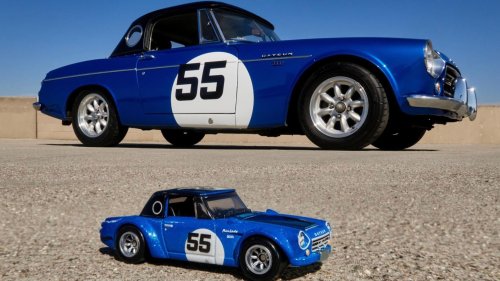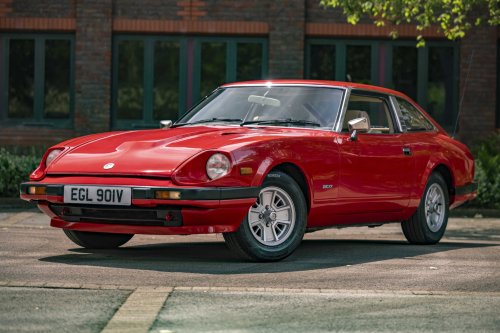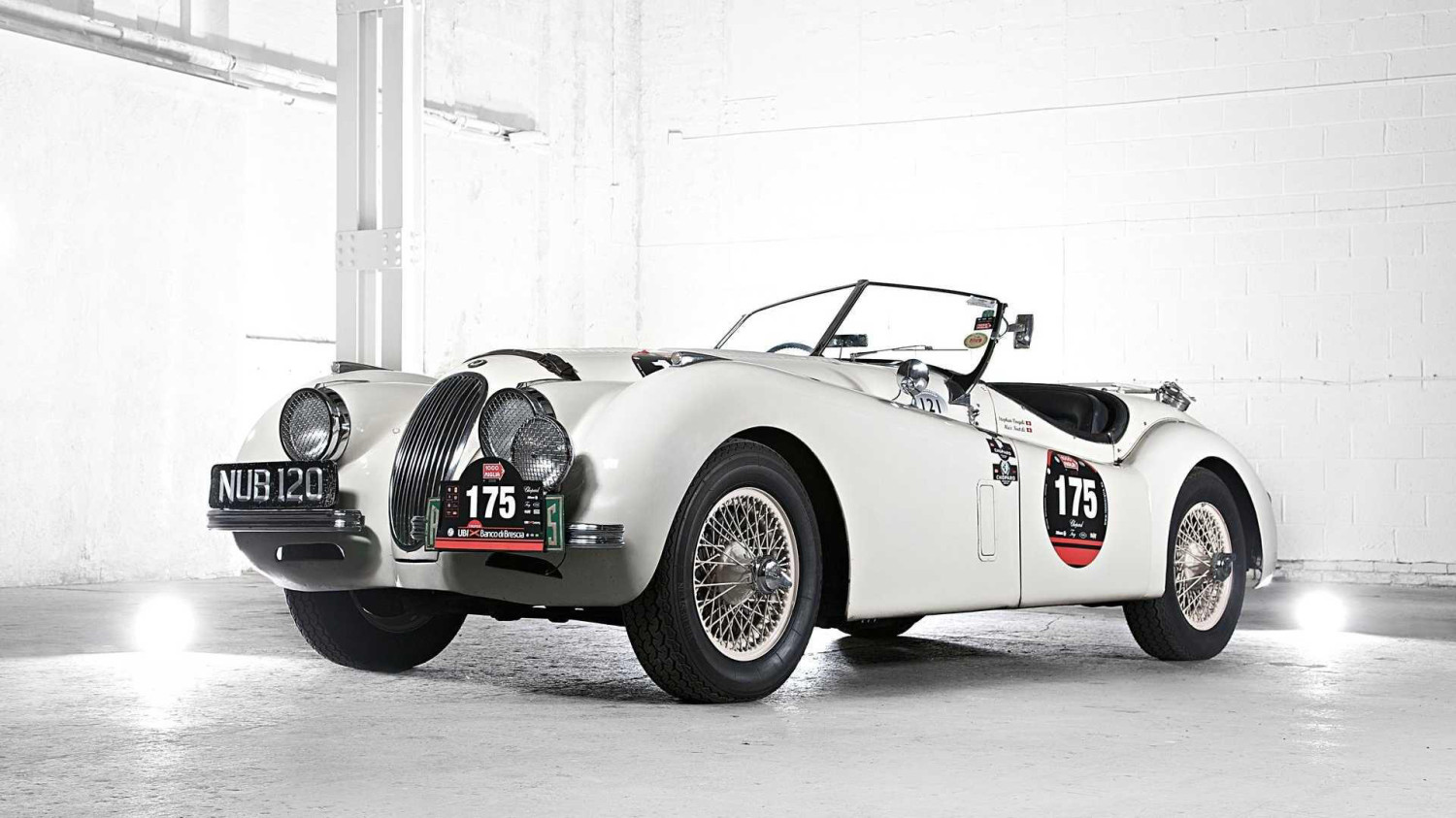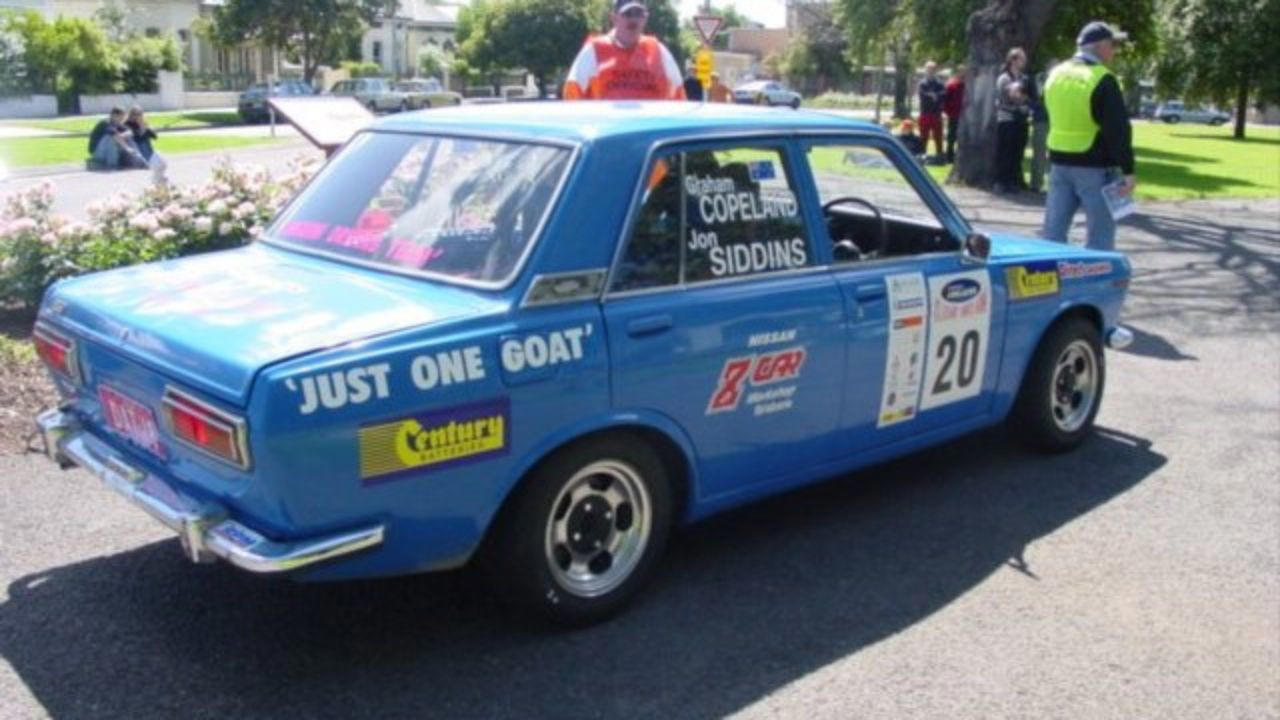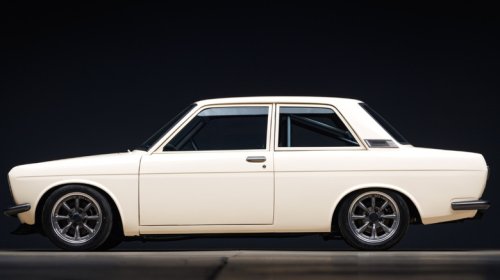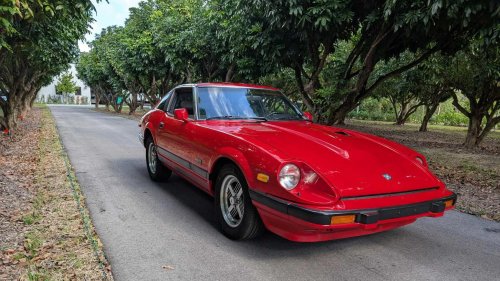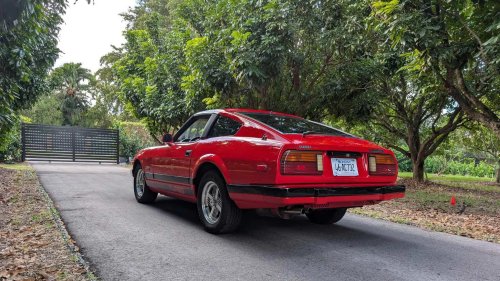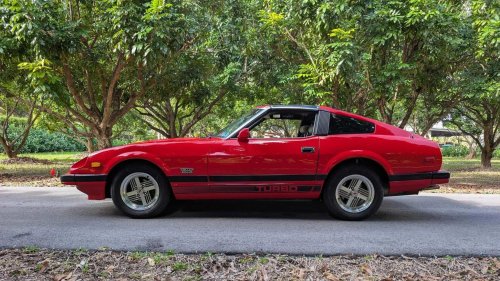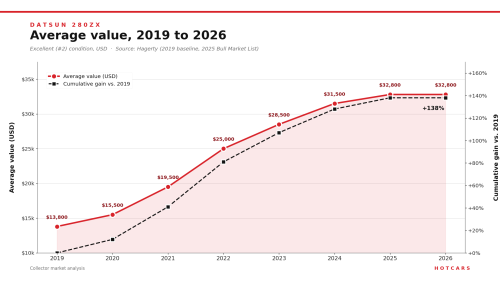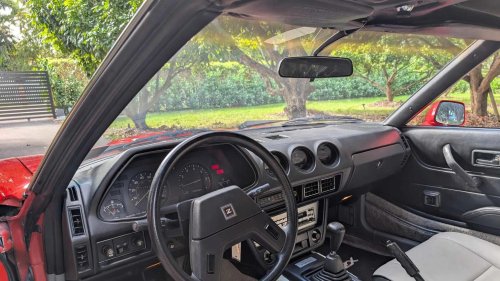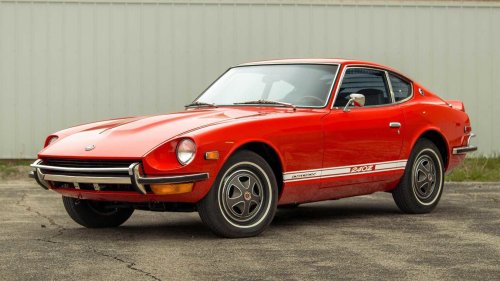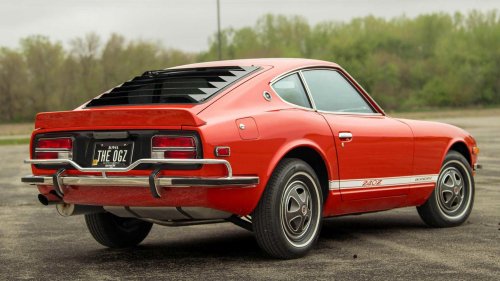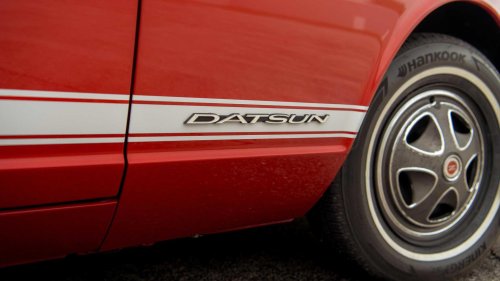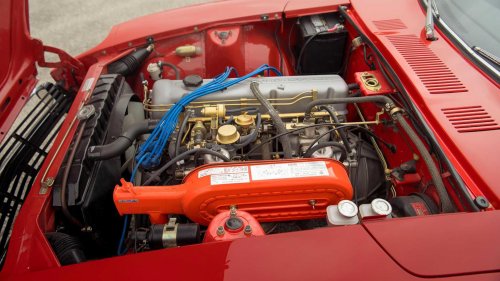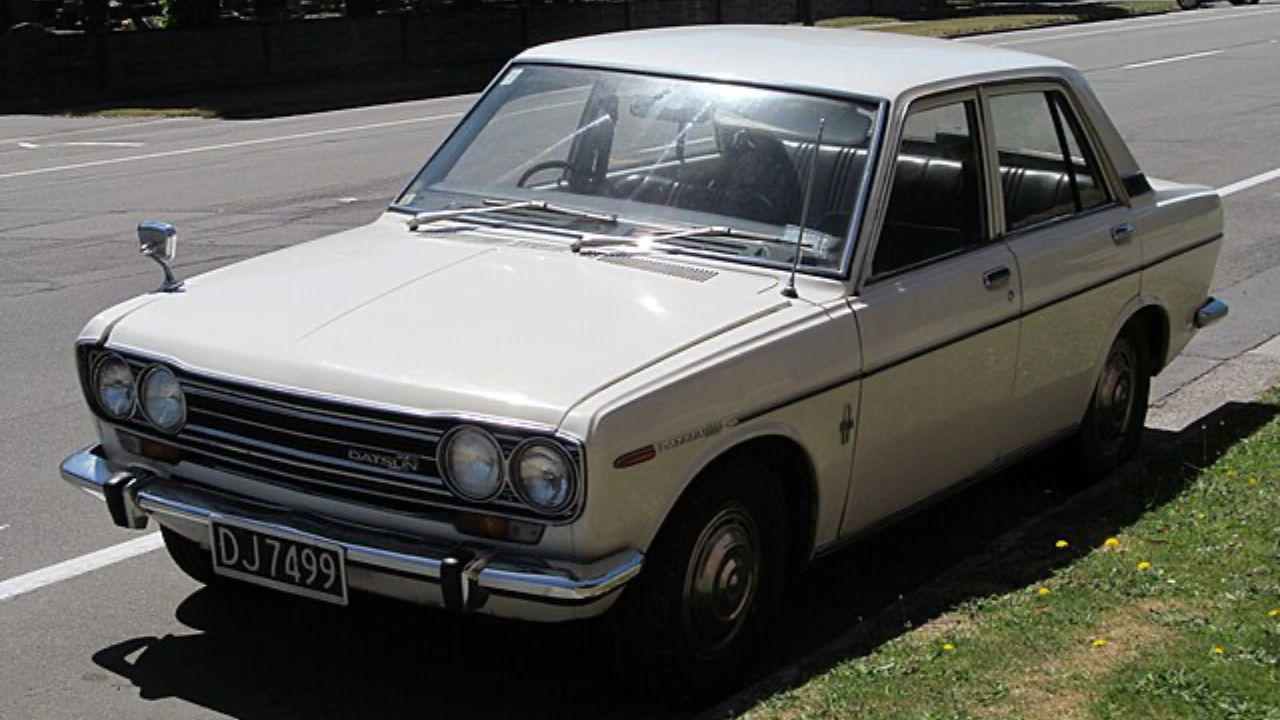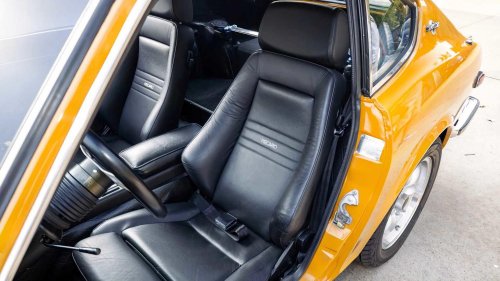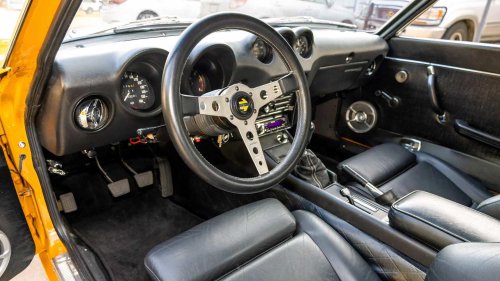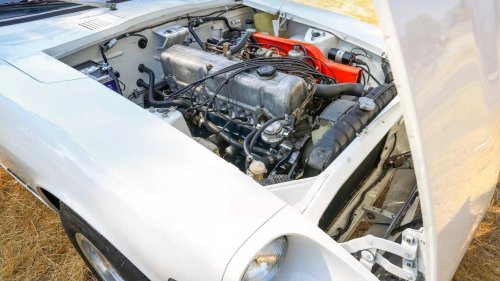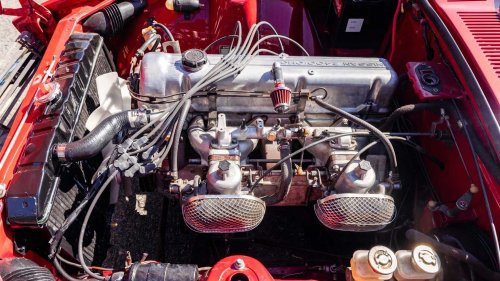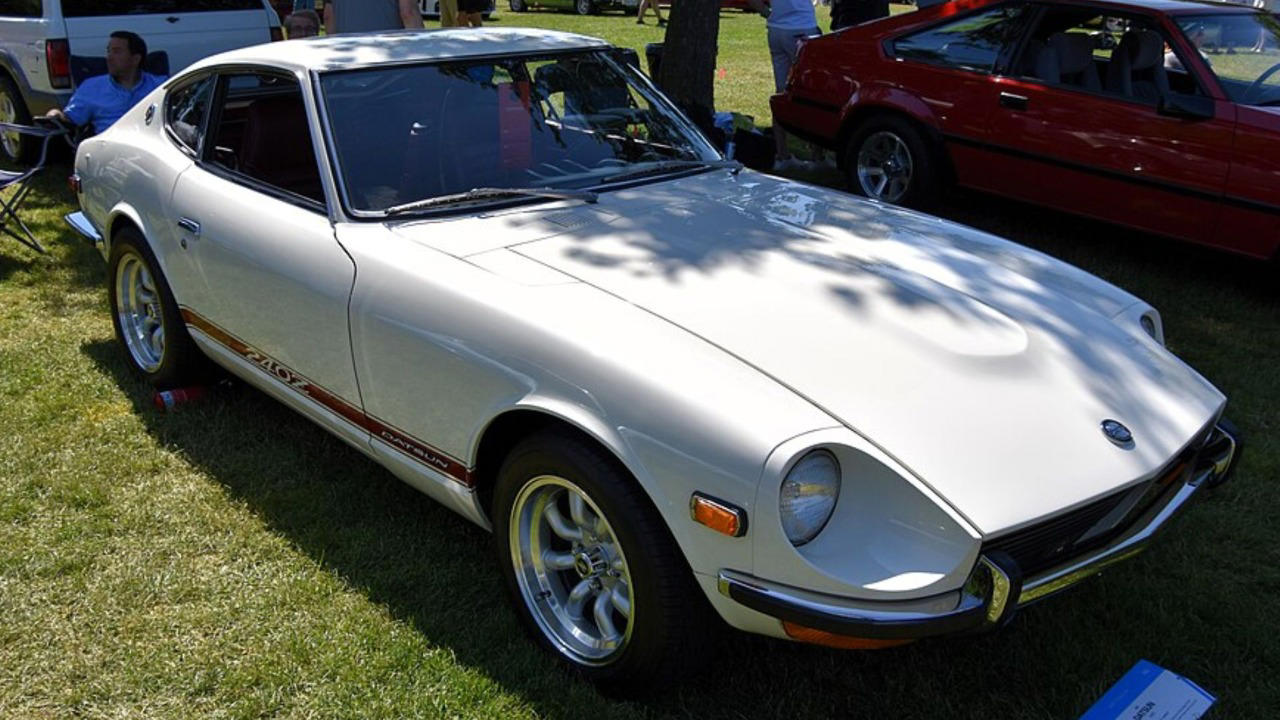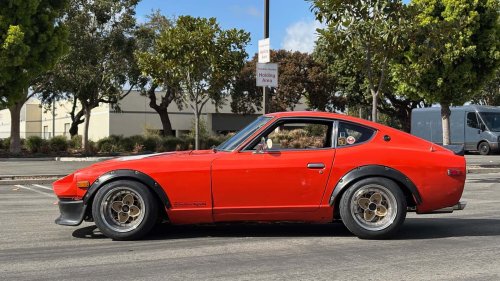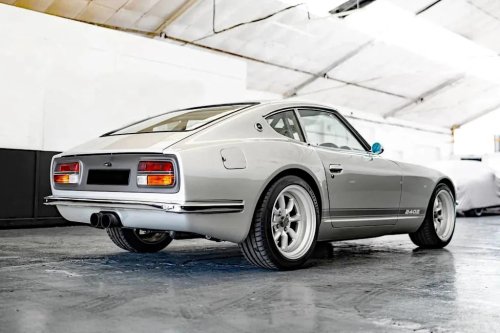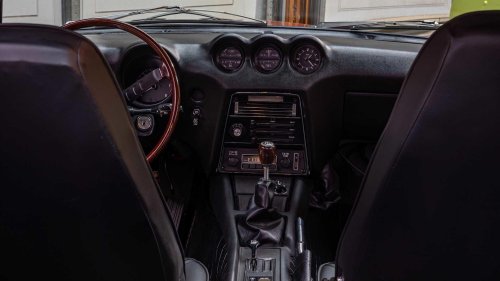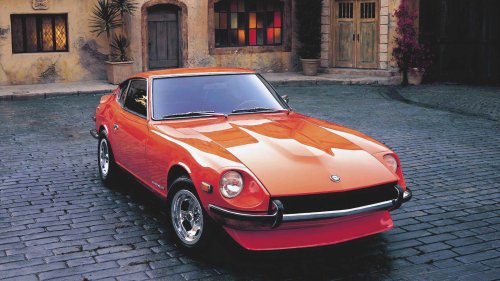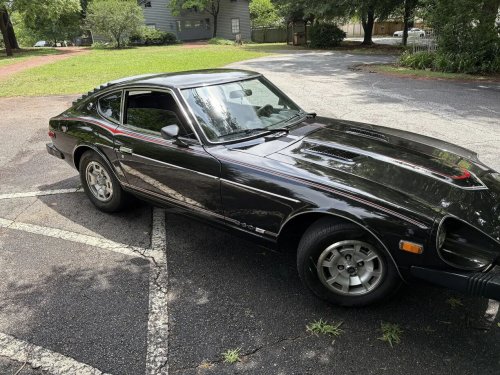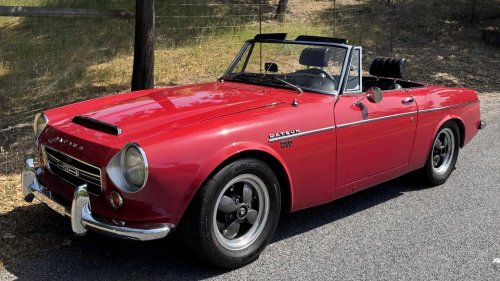



















The 1970 Datsun 240Z emerged as a game-changer in the automotive world, offering an impressive blend of performance, style, and affordability that left European competitors reeling. With its sleek design and remarkable engineering, the 240Z quickly became a favorite among sports car enthusiasts, reshaping perceptions of Japanese automobiles and paving the way for future models in the Z series. This piece delves into the various elements that contributed to the 240Z’s success and its lasting impact on the sports car market. The Birth of the Datsun 240Z Nissan’s vision for the Z series was rooted in the desire to create a sports car that could compete with European models while being more accessible to the average consumer. The company aimed to blend performance with affordability, which was a radical departure from other sports cars of the era. Key figures such as Yutaka Katayama, known as “Mr. K,” played a significant role in this vision, advocating for a car that would embody the spirit of sports driving while remaining within the reach of everyday Americans. The development of the 240Z began in the late 1960s, a period marked by significant changes in the automotive landscape. As American muscle cars gained popularity, there was a growing demand for lighter, more agile vehicles that could offer exhilarating driving experiences. The 240Z was designed to fill this niche, drawing inspiration from the sleek lines and performance of European sports cars while incorporating practical elements that would appeal to buyers in the United States. Design and Aesthetics The design of the Datsun 240Z drew heavily from European influences, particularly the iconic Jaguar E-Type and the Porsche 911. The long hood and short rear deck gave the car a sporty, aggressive stance that was both modern and timeless. The aerodynamic shape not only contributed to its aesthetic appeal but also improved performance by reducing drag. Apart from its silhouette, the 240Z featured several key design elements that made it visually striking. The distinctive round headlights, coupled with a simple yet elegant grille, created a front-end that was instantly recognizable. Inside, the cabin was driver-focused, with a layout that prioritized functionality while maintaining a sense of style. Automotive critics and enthusiasts alike praised the design for its balance between form and function, solidifying the 240Z’s status as a design icon from the moment it hit the market. Performance Specifications Under the hood, the 1970 Datsun 240Z housed a 2.4-liter inline-six engine capable of producing 151 horsepower. This powerplant, combined with a lightweight body weighing around 2,400 pounds, allowed the 240Z to accelerate from 0 to 60 mph in just over eight seconds. Such performance metrics were impressive, especially when compared to contemporary European models like the MGB and Alfa Romeo Spider, which offered less power and slower acceleration at higher price points. The lightweight construction played a crucial role in enhancing the car’s agility and handling. The 240Z featured a front-engine, rear-wheel-drive layout that provided an ideal balance for spirited driving, making it a favorite among car enthusiasts. Additionally, the suspension system, which included independent front suspension and a solid rear axle, contributed to the car’s stability and responsiveness, leading to a driving experience that was both thrilling and accessible. Affordability and Market Positioning One of the most significant factors in the success of the Datsun 240Z was its pricing strategy. Priced at approximately $3,500 upon its release, the 240Z was considerably cheaper than many of its European competitors, which often exceeded $5,000. This competitive pricing made the 240Z an attractive option for young professionals and sports car enthusiasts who were eager to experience performance without breaking the bank. The 240Z effectively targeted a demographic that was largely overlooked by European manufacturers. By appealing to consumers who desired a sports car that combined style, performance, and affordability, Datsun was able to carve out a significant market share. Sales figures reflected this success, with the 240Z selling over 150,000 units during its production run, proving that there was a robust demand for an affordable sports car. Critical Reception and Awards Upon its release, the Datsun 240Z received overwhelmingly positive reviews from automotive journalists and experts. Publications lauded the car for its blend of performance, handling, and value, often noting that it outperformed many European models that were double the price. The 240Z’s combination of features earned it accolades, including being named “Car of the Year” by various automotive magazines. The influence of early reviews on the car’s popularity cannot be overstated. As word spread about the 240Z’s capabilities, more consumers began to take notice, leading to heightened interest and increased sales. The positive reception not only solidified the 240Z’s place in automotive history but also set the stage for the future success of Nissan’s Z series, encouraging the company to continue developing performance-oriented vehicles. The 240Z’s Impact on Sports Car Culture The Datsun 240Z changed the perception of Japanese cars in the automotive world, proving that they could compete with established European brands in terms of performance and style. This shift helped to pave the way for a new generation of Japanese automakers who sought to create vehicles that combined quality engineering with appealing design. The concept of the “affordable sports car” was born, allowing a broader audience to experience the joy of driving a performance vehicle. Furthermore, the 240Z’s legacy extended beyond the showroom floor. It became a mainstay in motorsports, dominating events such as the SCCA (Sports Car Club of America) races and establishing itself as a favorite among racing enthusiasts. The car’s success on the track further cemented its reputation and attracted a dedicated fan base, which continues to thrive in enthusiast communities to this day. Competition and Challenges As the 240Z gained popularity, it inevitably attracted the attention of European competitors who were keen to defend their market share. Brands like MG, Triumph, and Alfa Romeo initially viewed the 240Z as a serious threat, prompting them to reevaluate their offerings. Many responded by enhancing their vehicles’ performance and features to retain their customer base, but they struggled to match the cost-effectiveness of the 240Z. However, Datsun faced its own challenges in maintaining market share as competition intensified. The automotive landscape was constantly evolving, with new entrants and models emerging that threatened to disrupt the status quo. In response, Nissan continued to innovate, launching subsequent models in the Z series that built upon the foundation laid by the 240Z, ensuring that they remained relevant and competitive in a rapidly changing market. The 240Z Today: A Classic Icon Today, the Datsun 240Z is celebrated not only as a classic car but also as a symbol of the transformation of the automotive industry. Its current market value has surged, with well-maintained models fetching prices in the tens of thousands of dollars at auctions and among collectors. This appreciation reflects a growing recognition of the 240Z’s historical significance and its role in shaping the modern sports car segment. The legacy of the 240Z continues to influence Japanese automakers, inspiring them to invest in performance-oriented vehicles that can compete on a global scale. As a classic icon, the 240Z stands as a testament to the innovative spirit of its creators and the lasting impact it has had on sports car culture. Its story is a reminder that great design, performance, and affordability can come together to create something truly remarkable. More from Fast Lane OnlyUnboxing the WWII Jeep in a Crate15 rare Chevys collectors are quietly buying10 underrated V8s still worth hunting downPolice notice this before you even roll window down