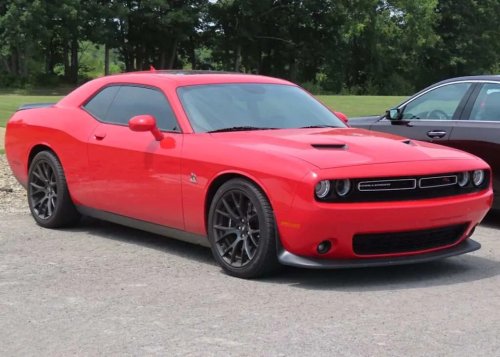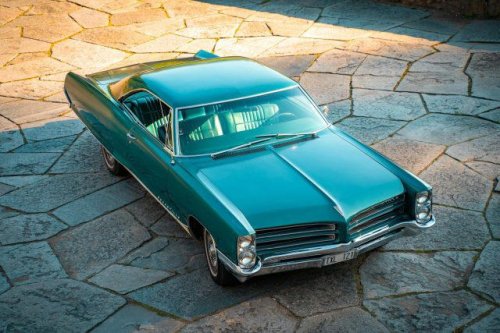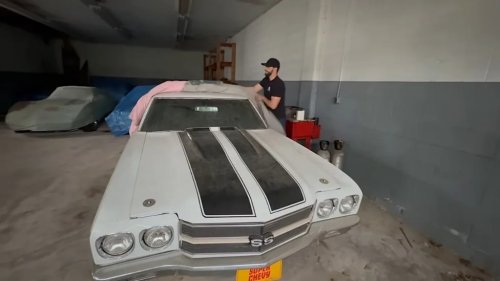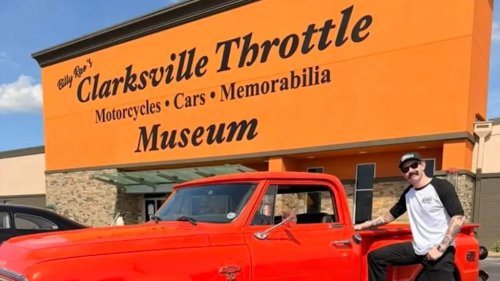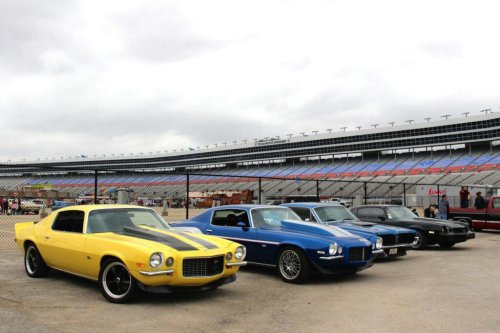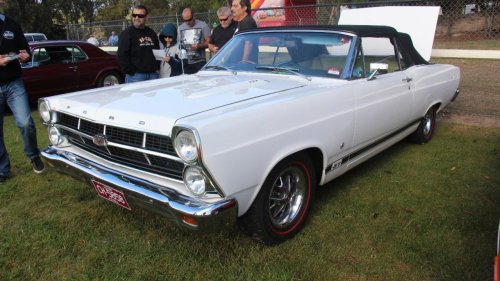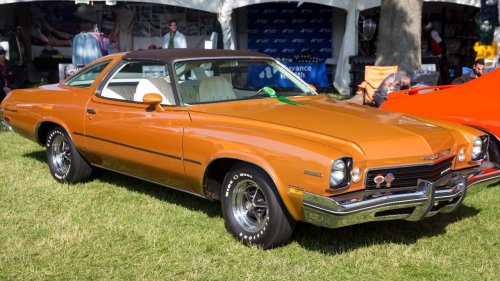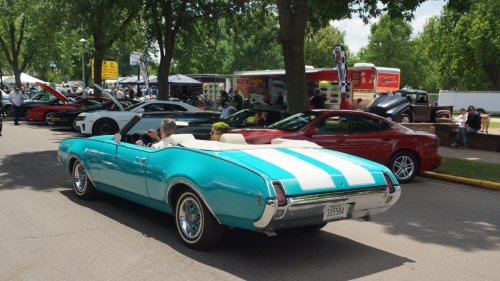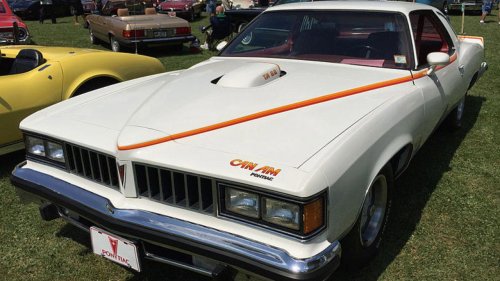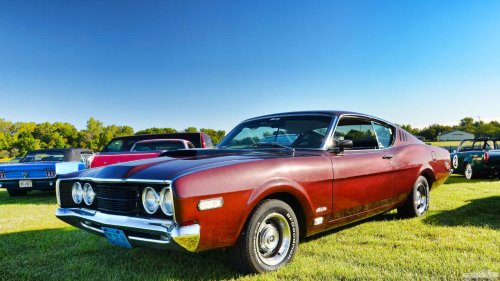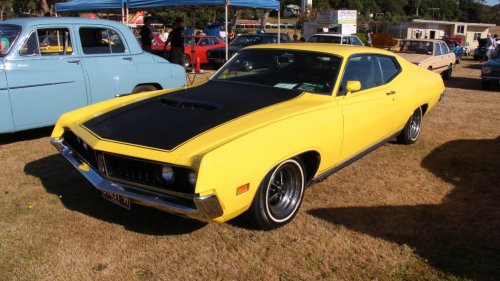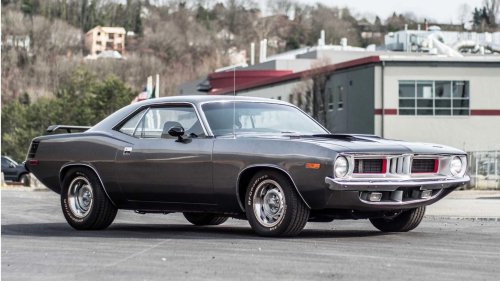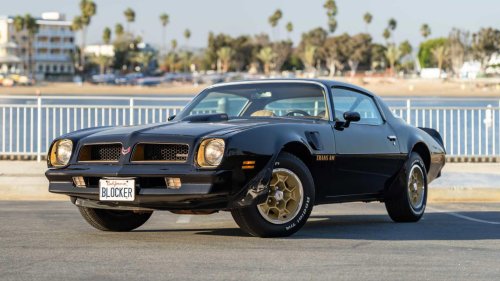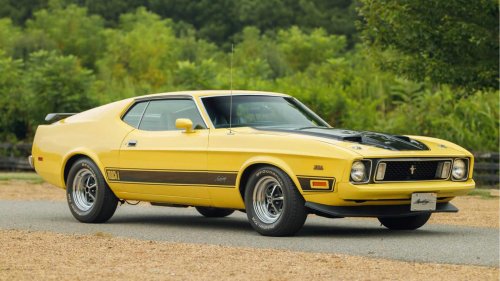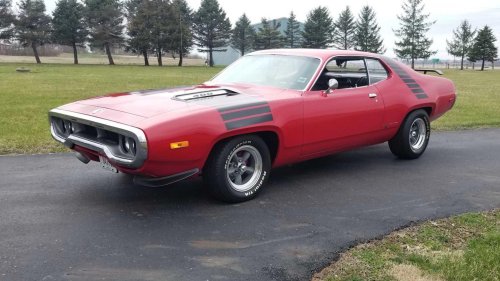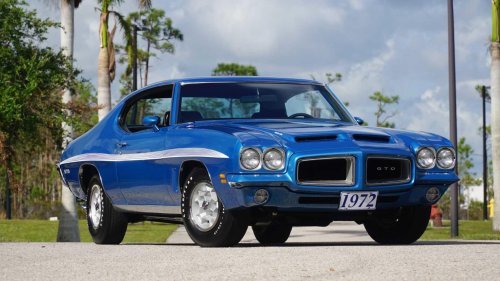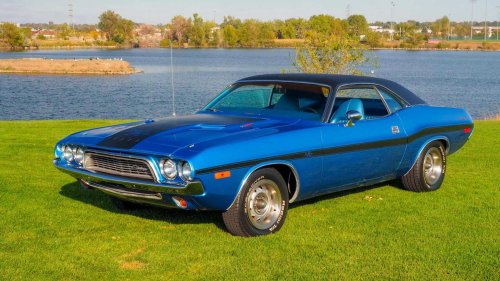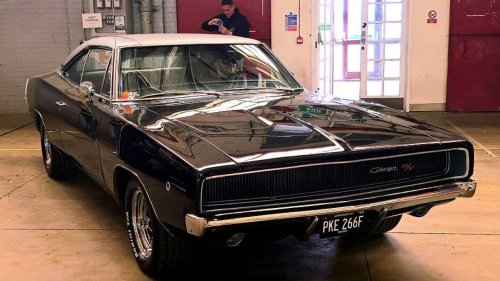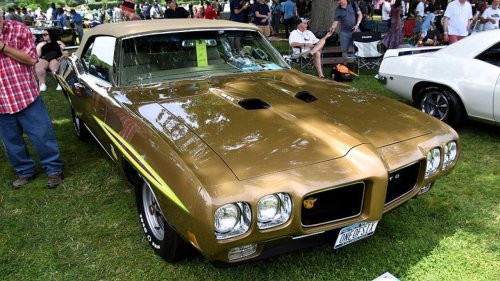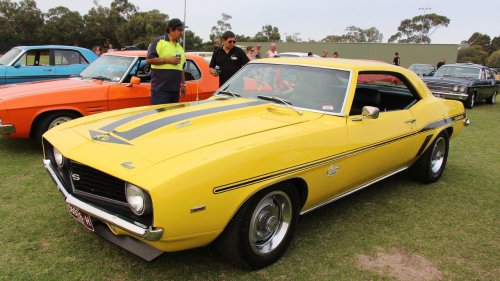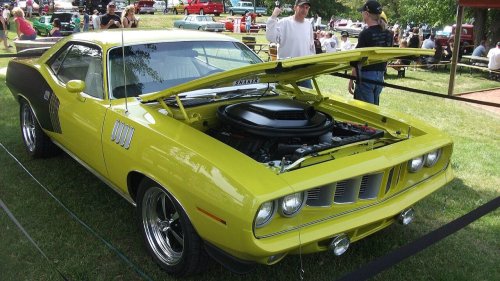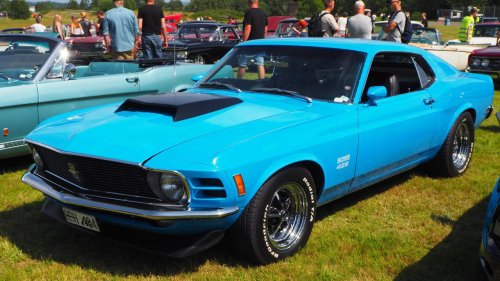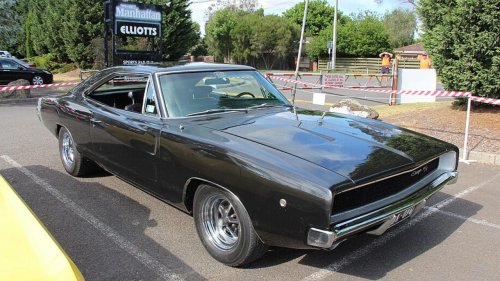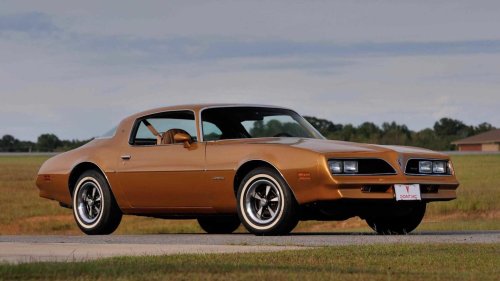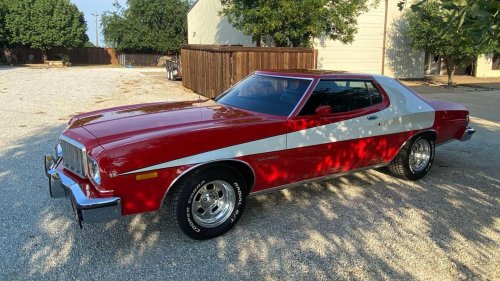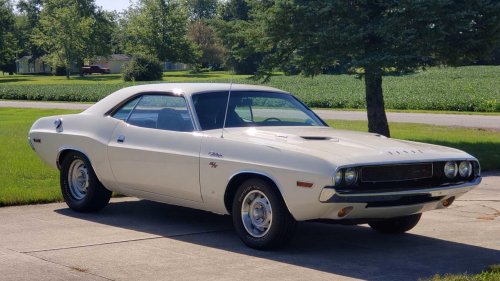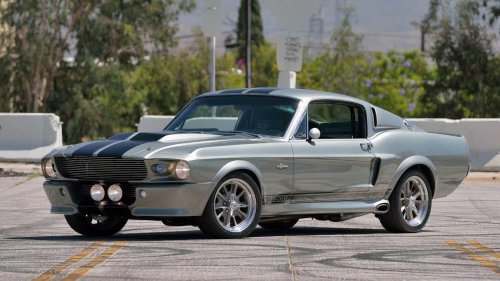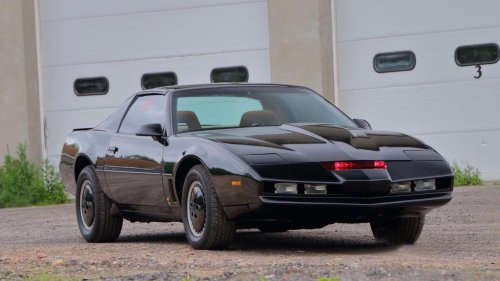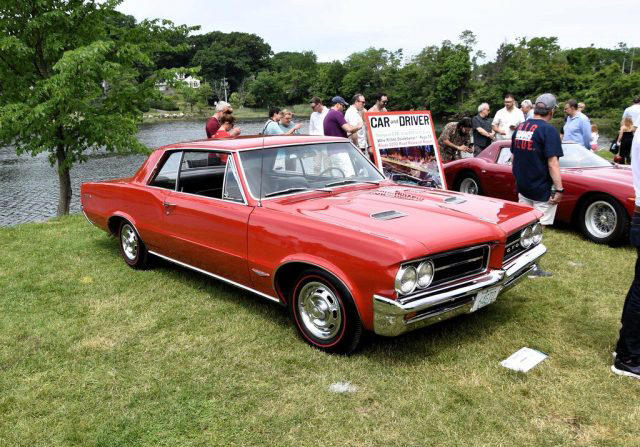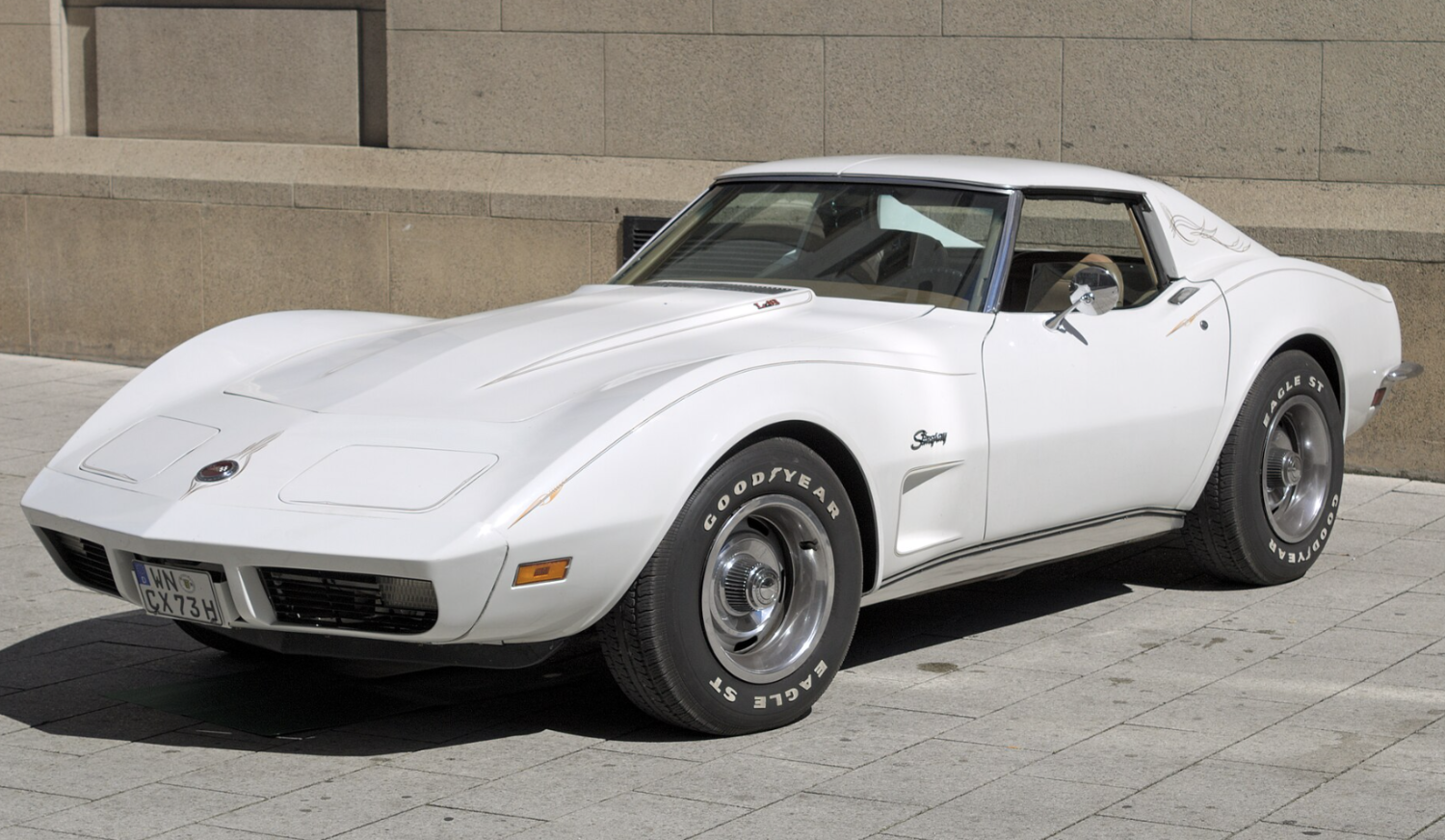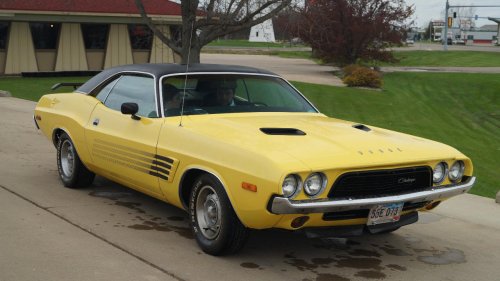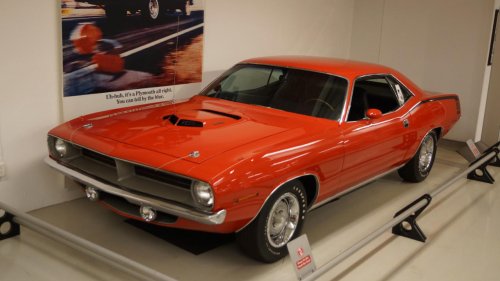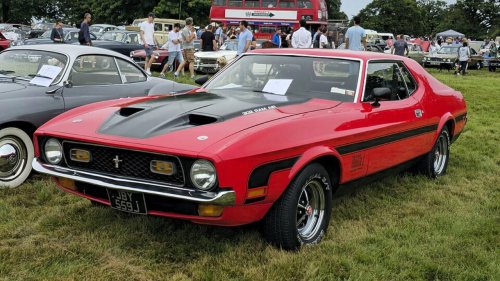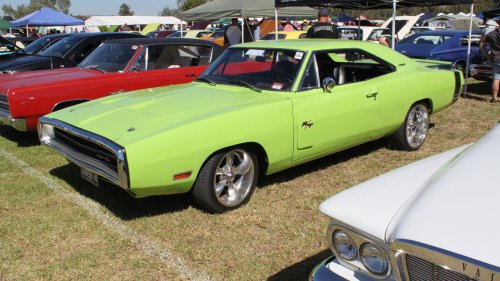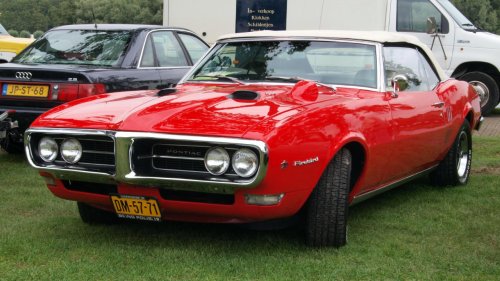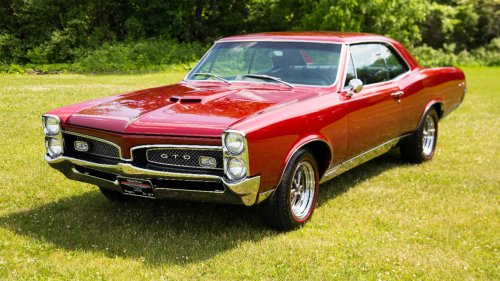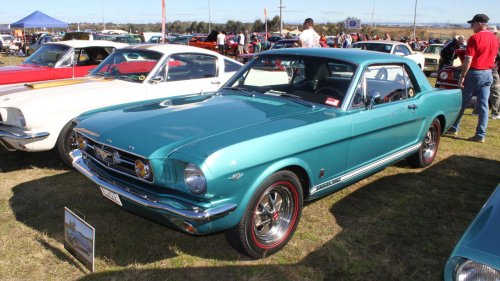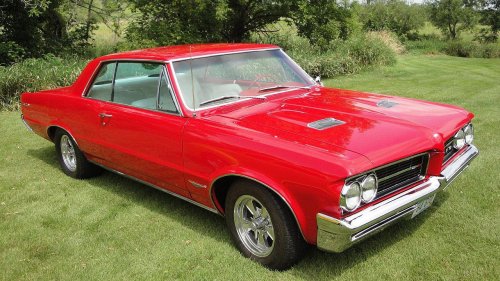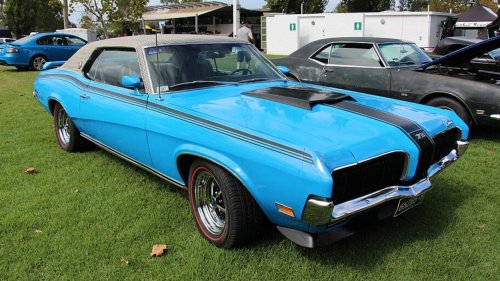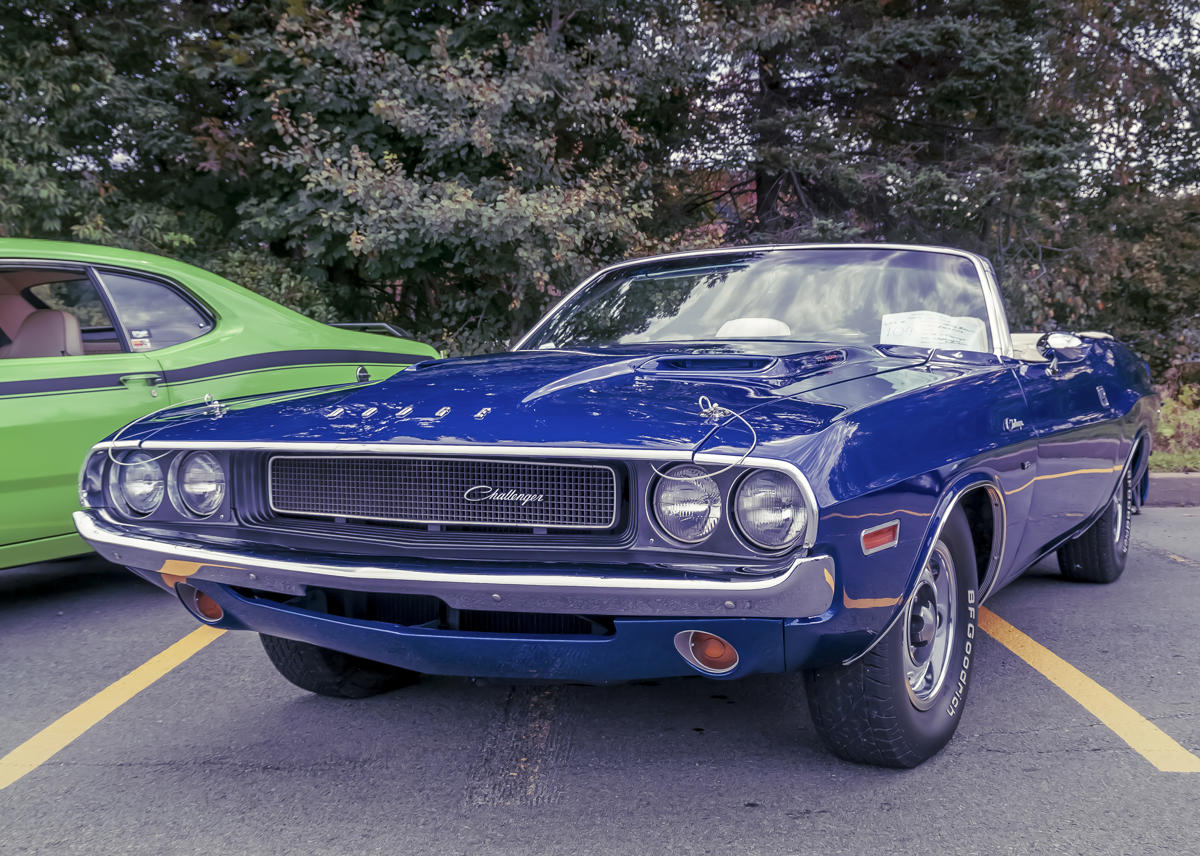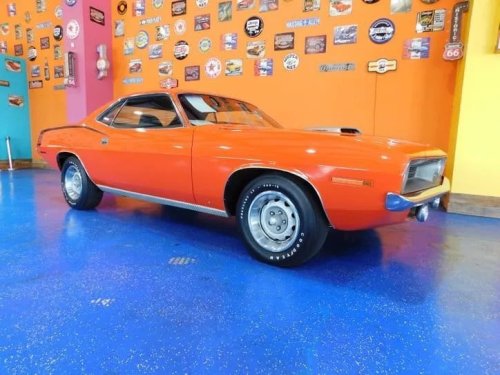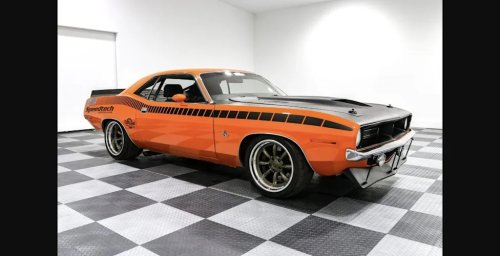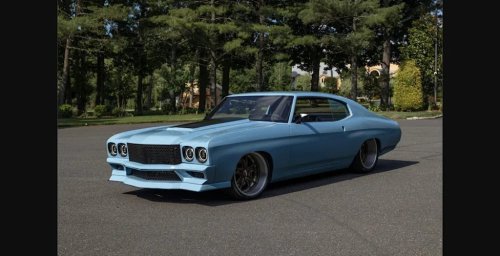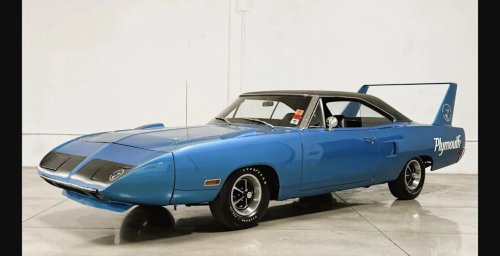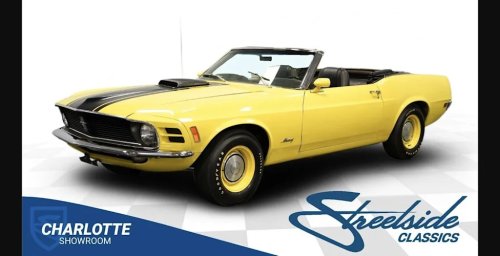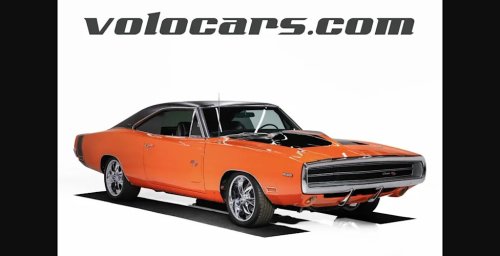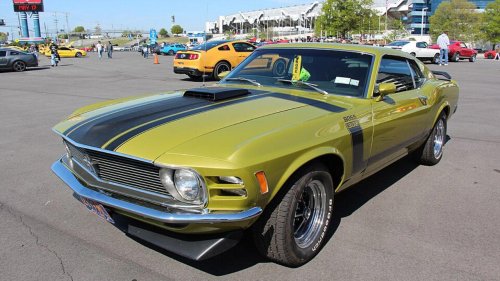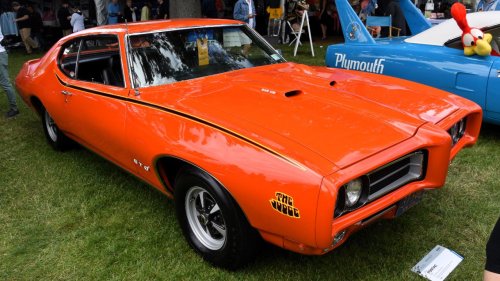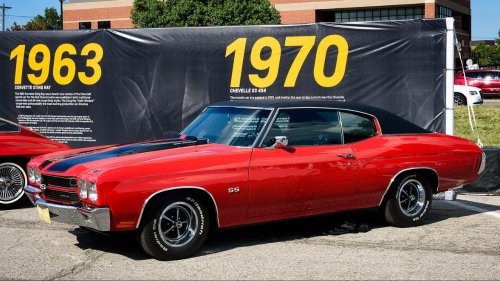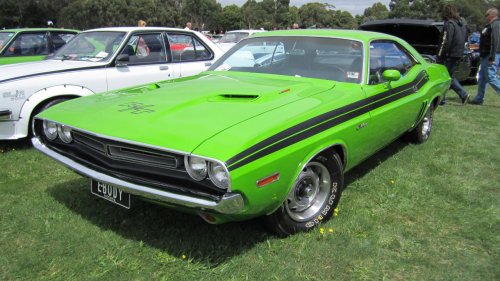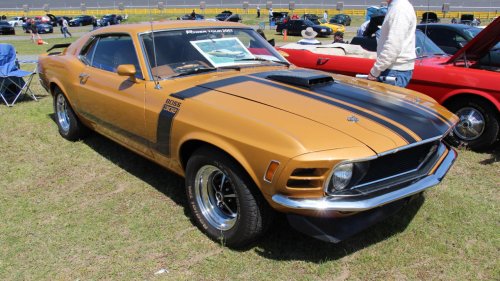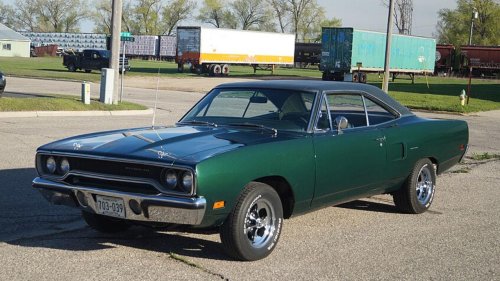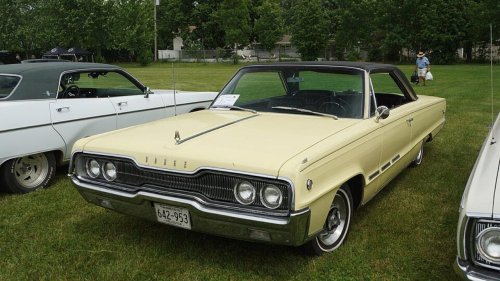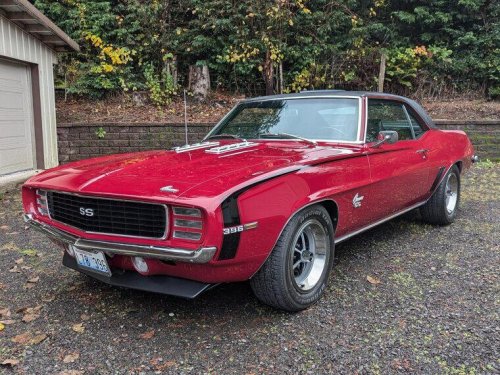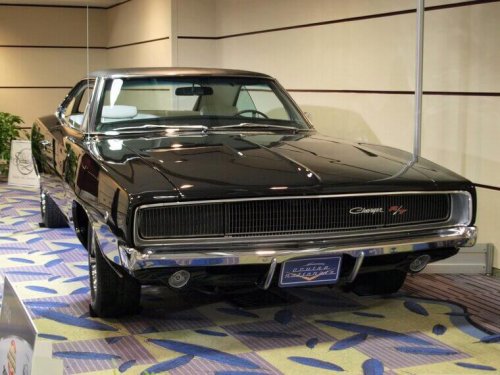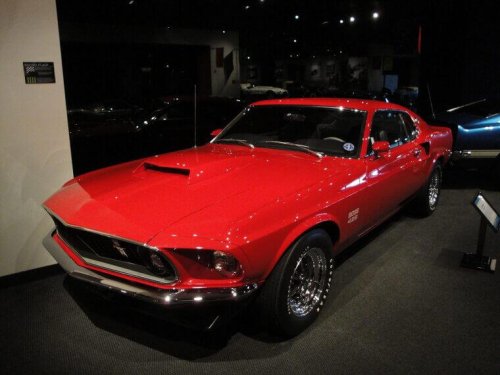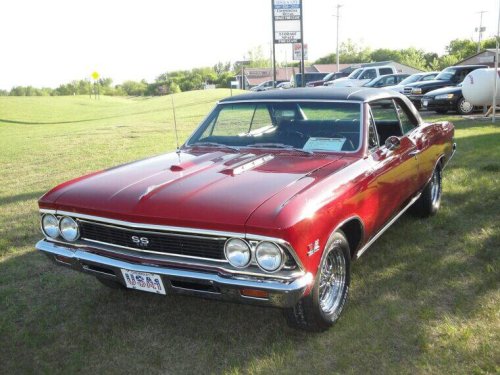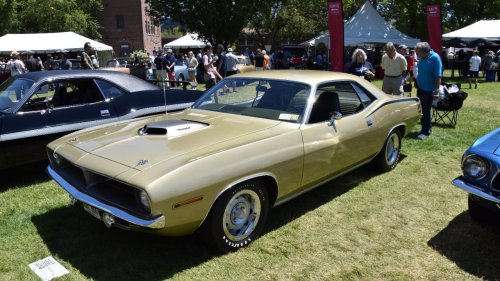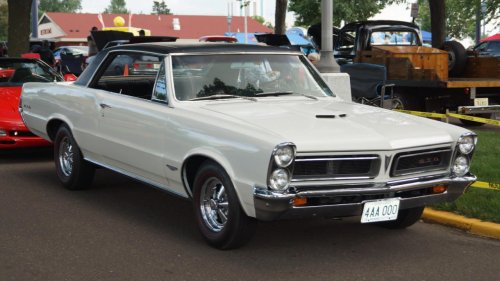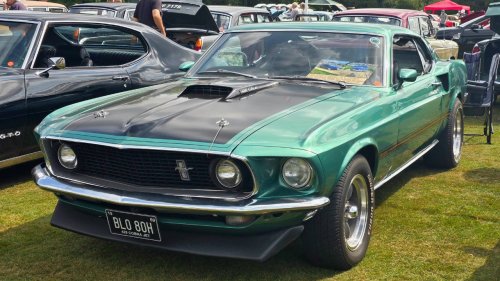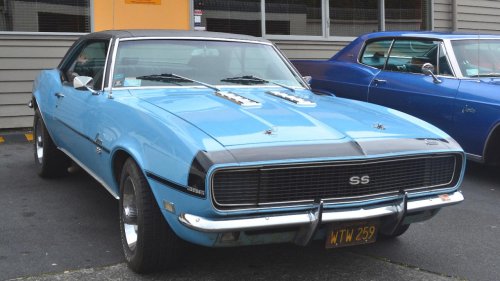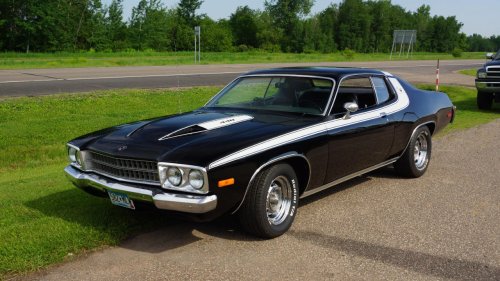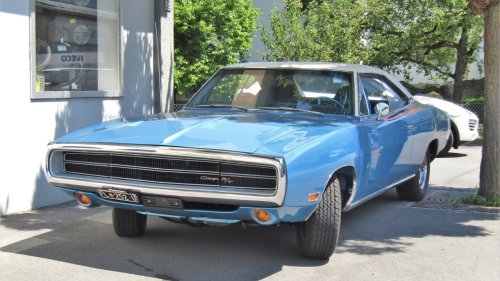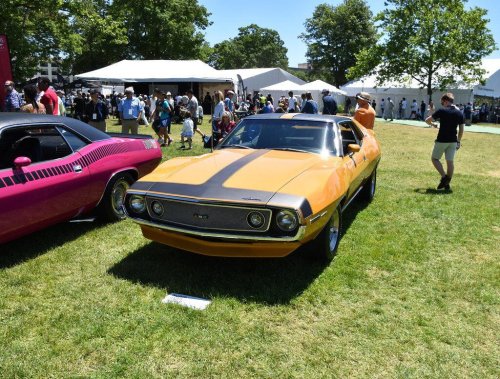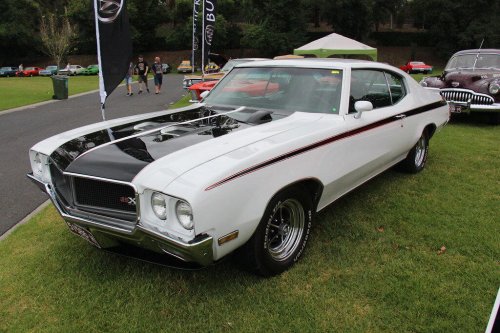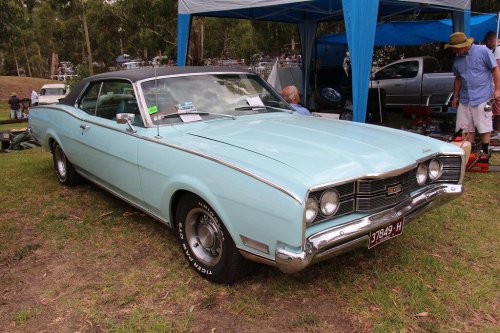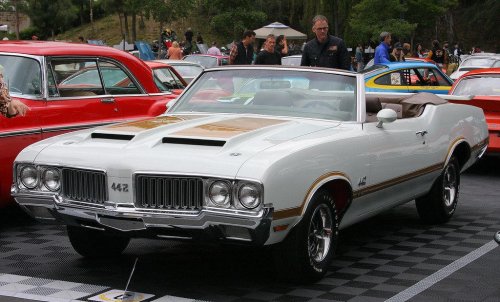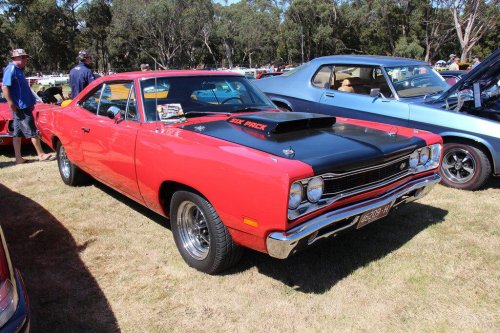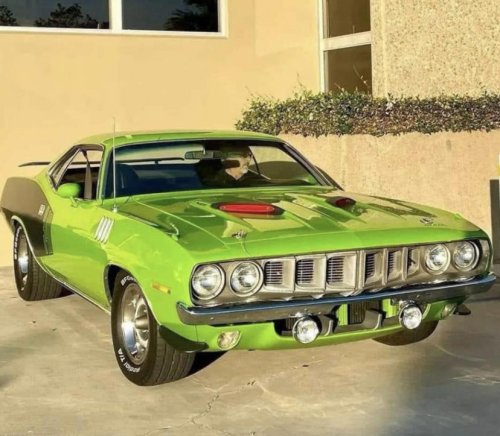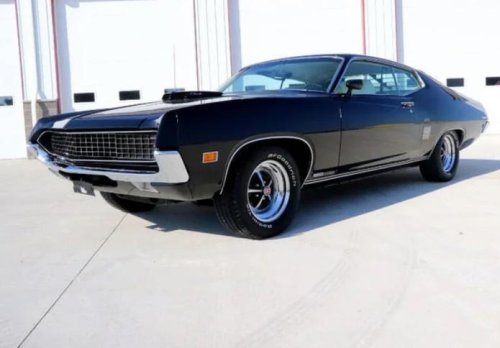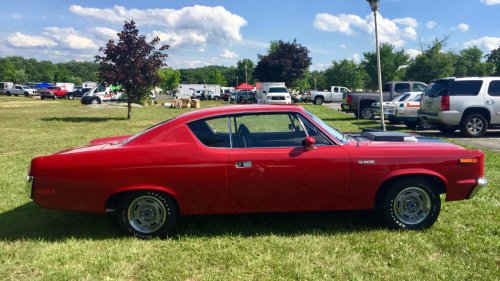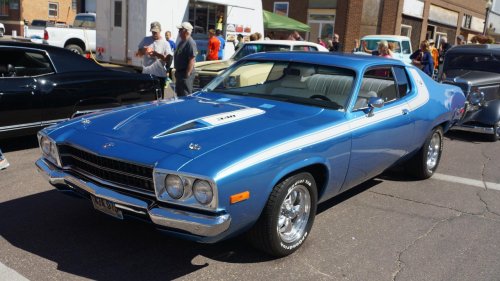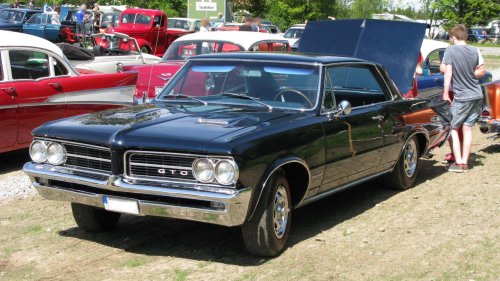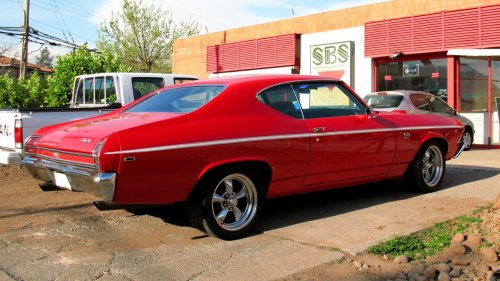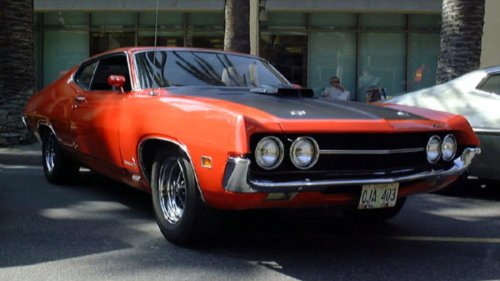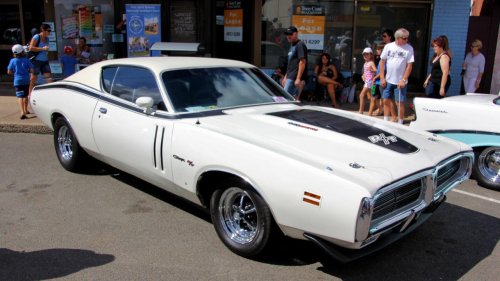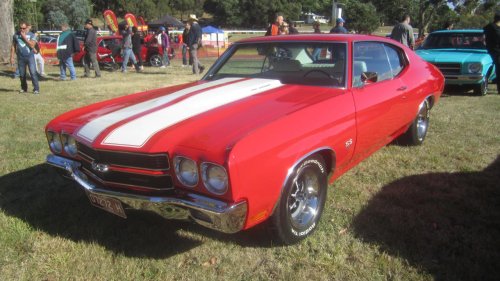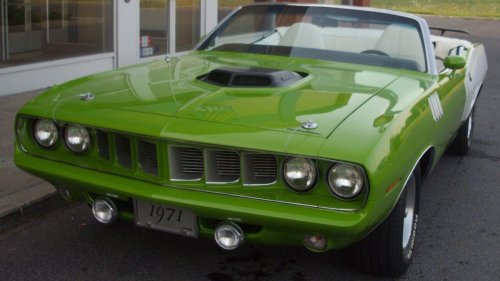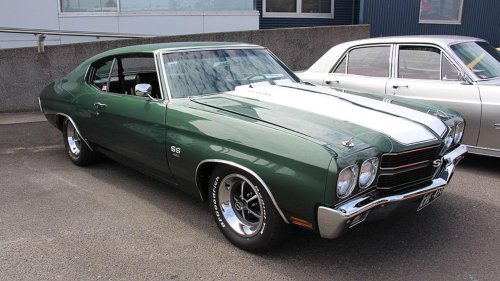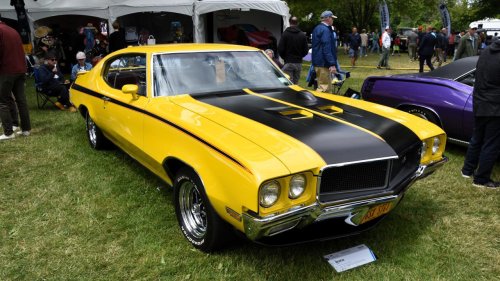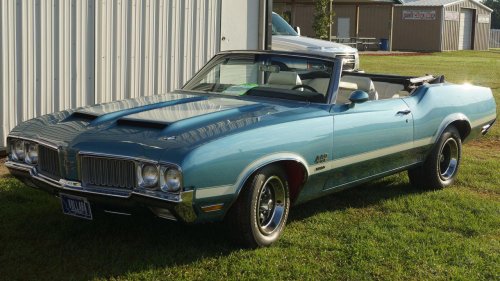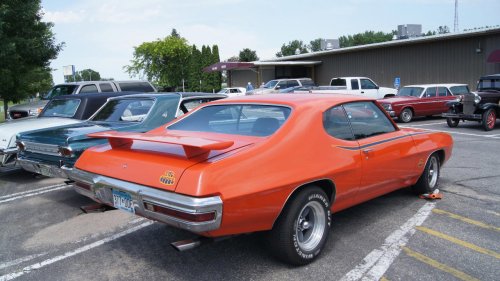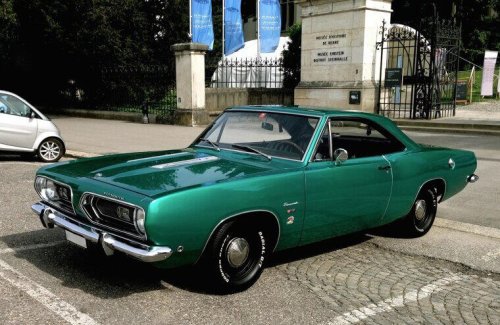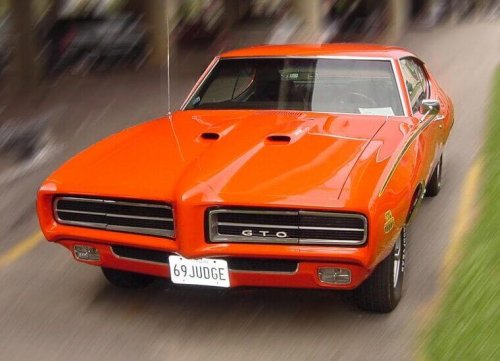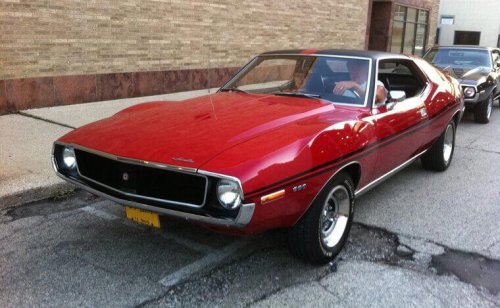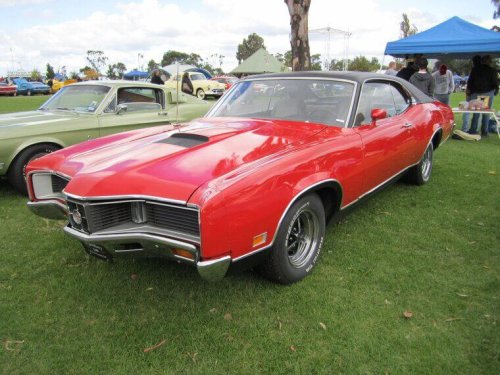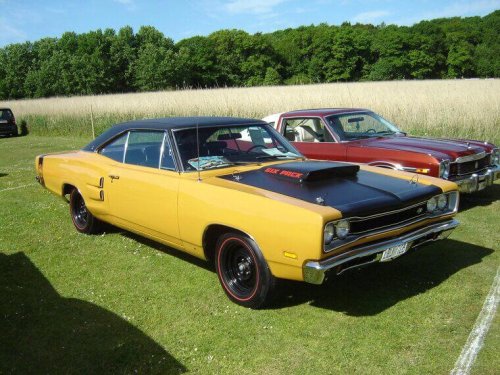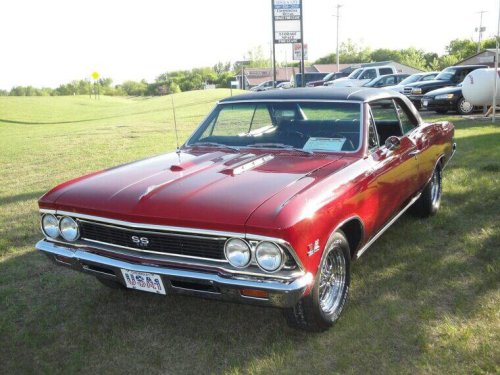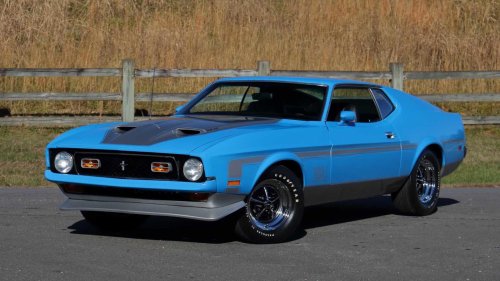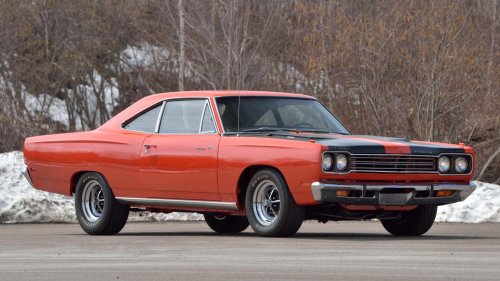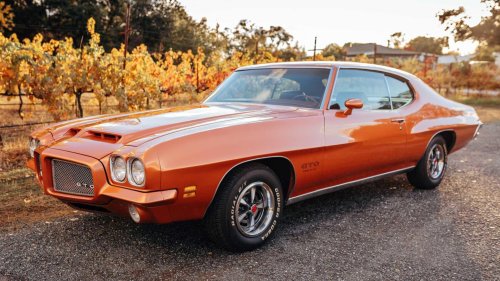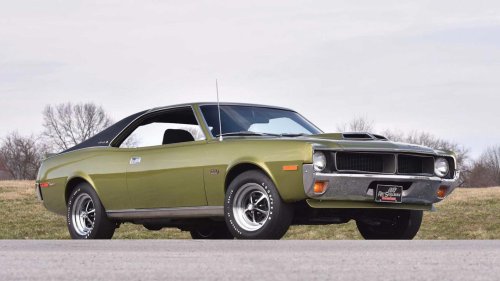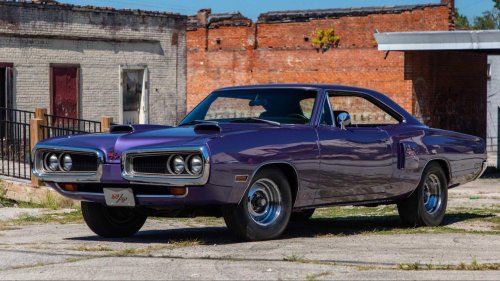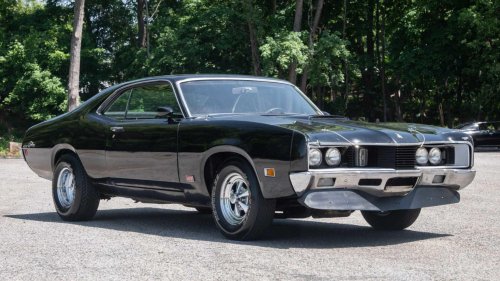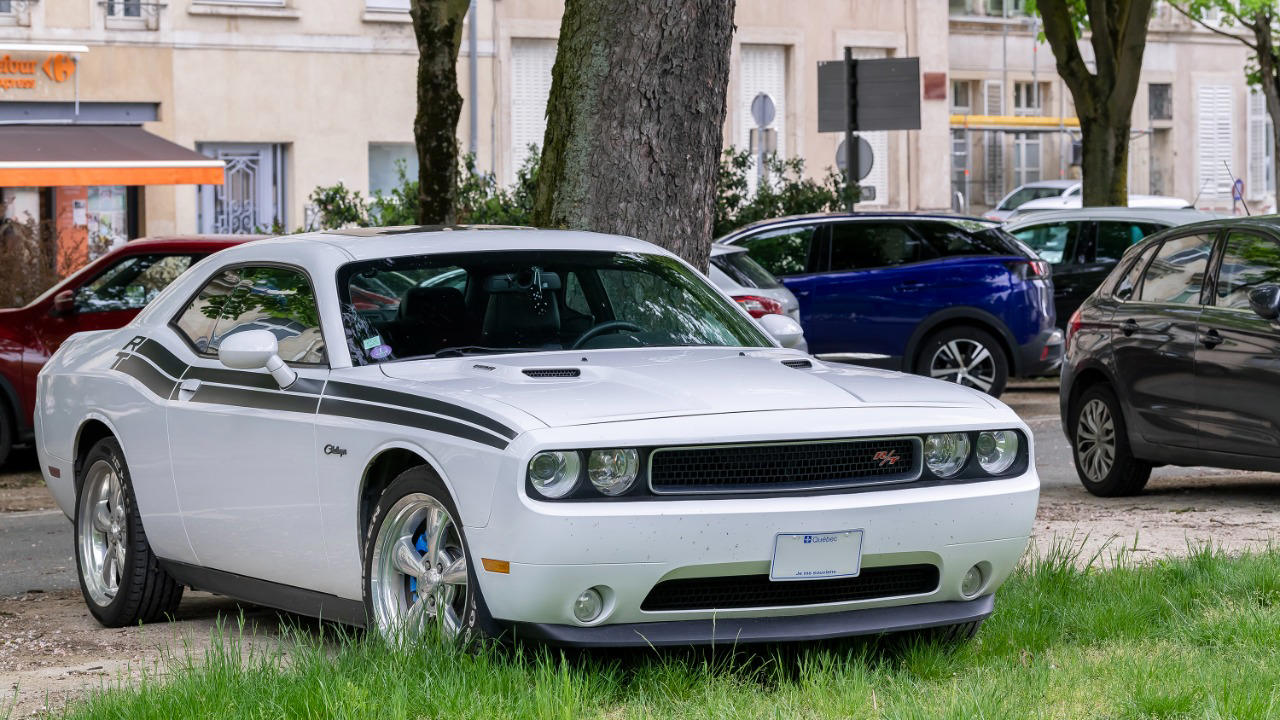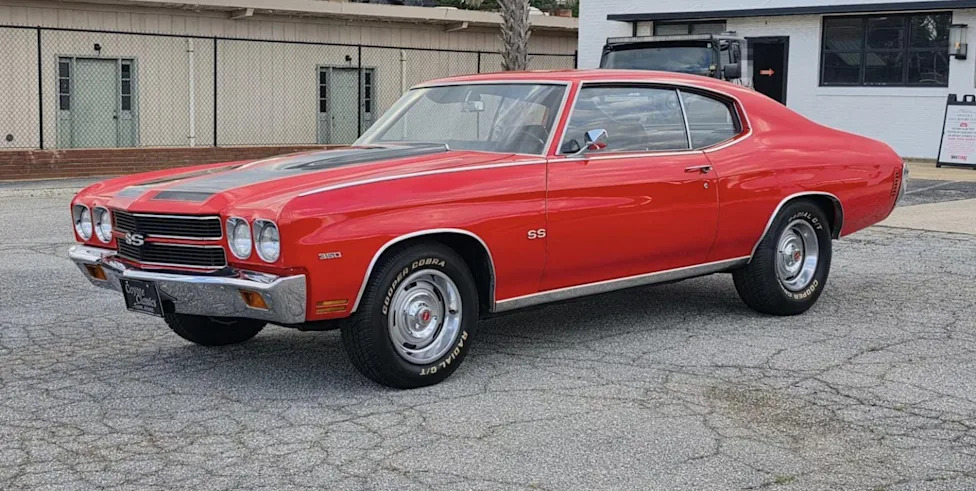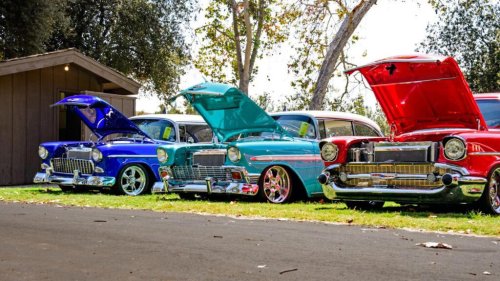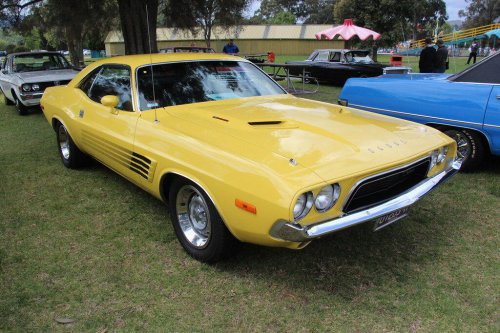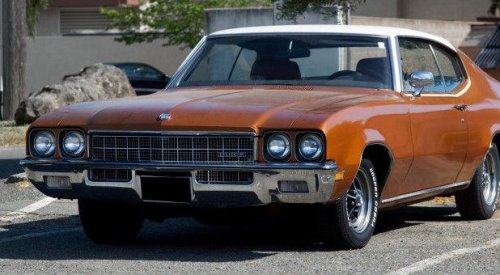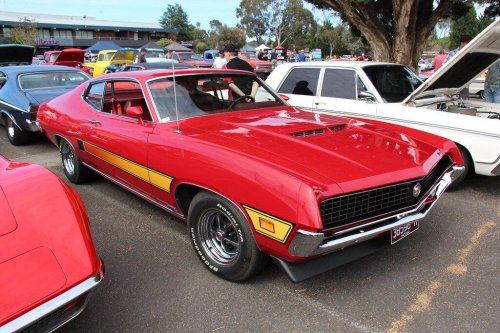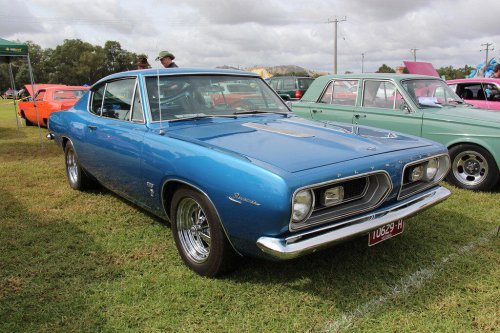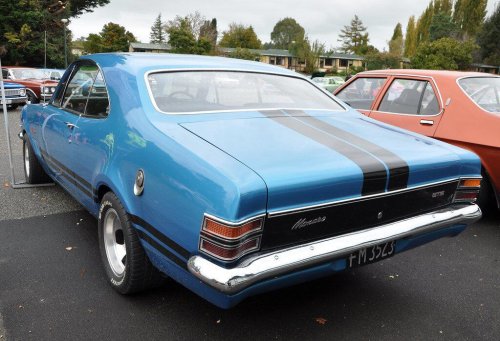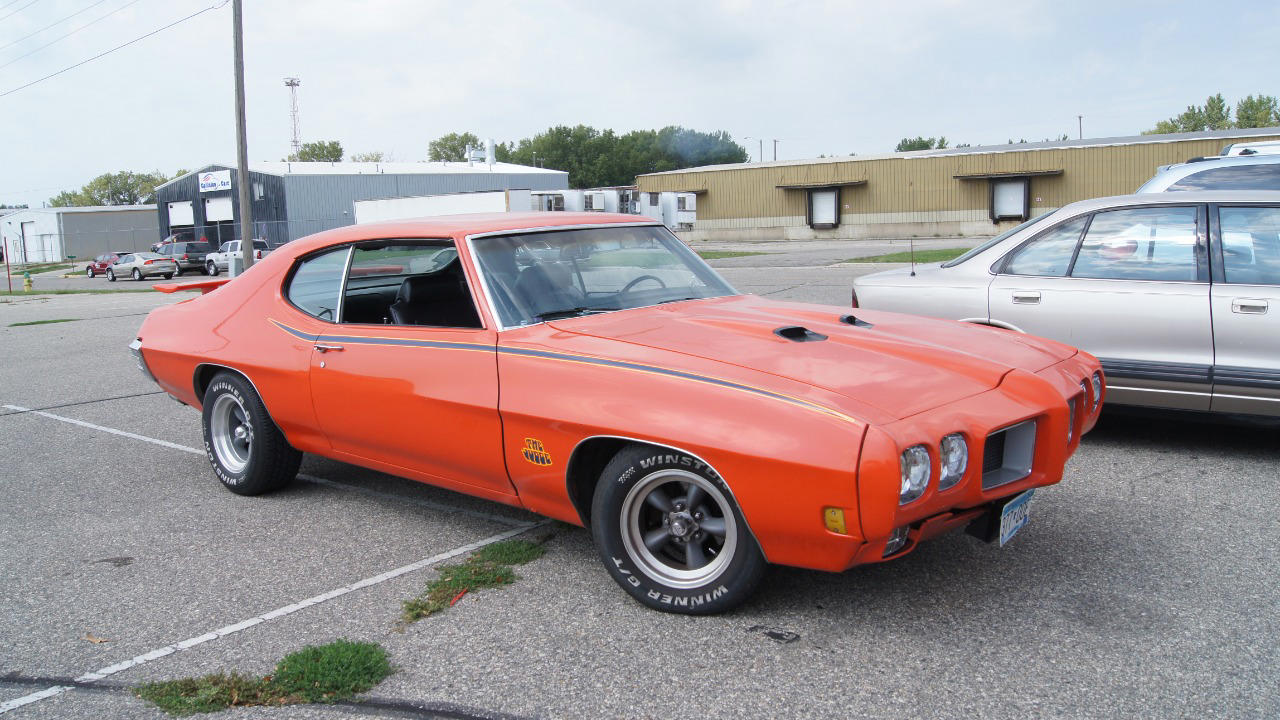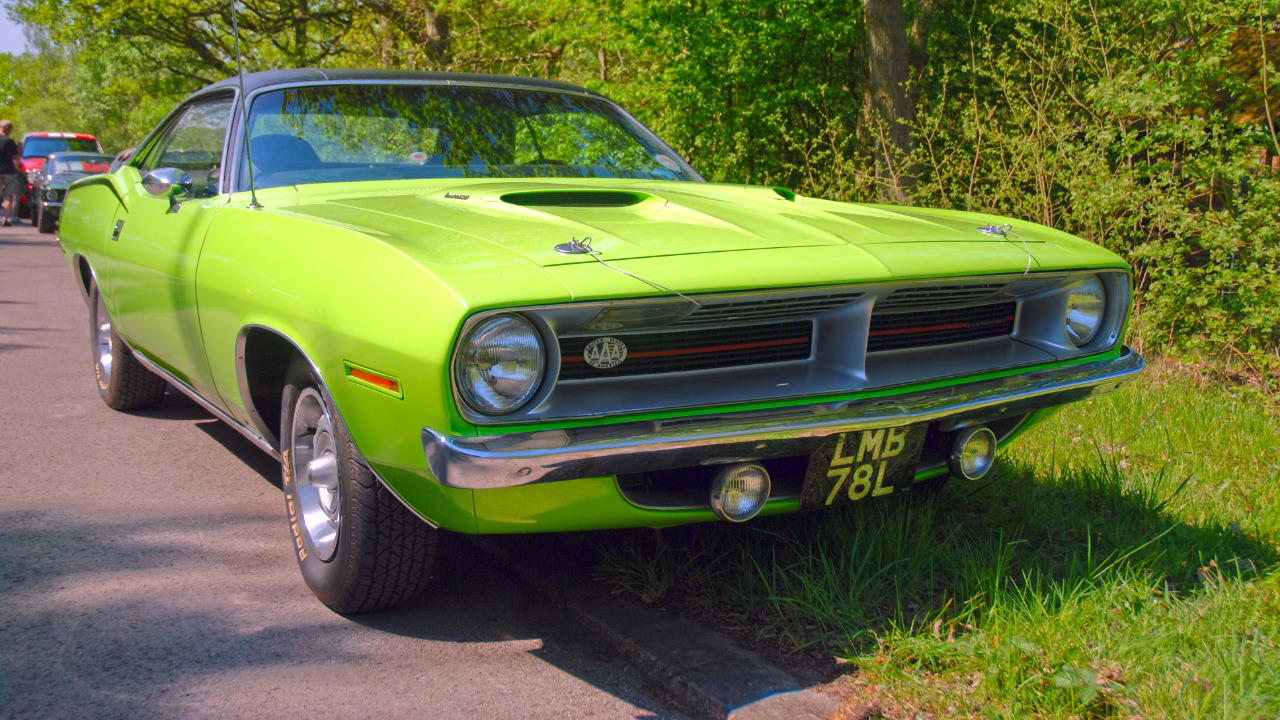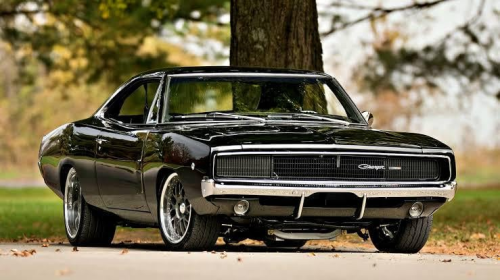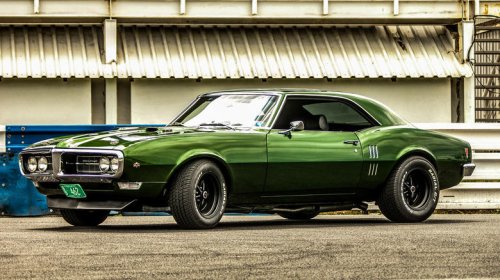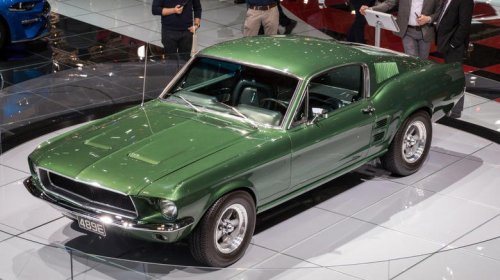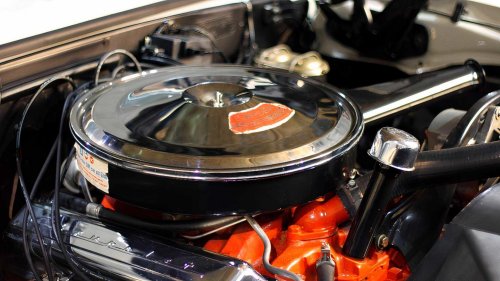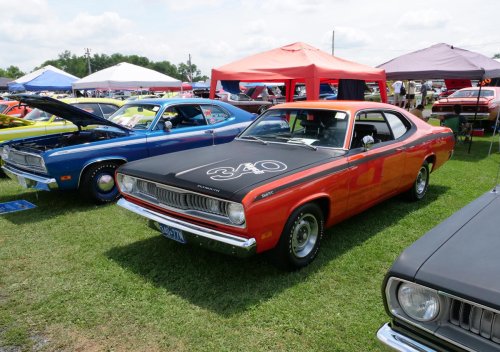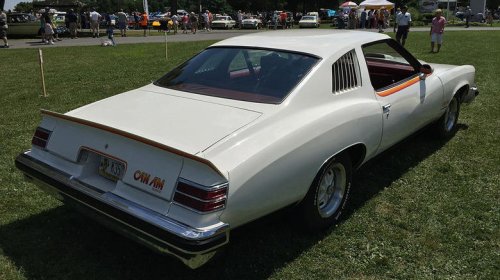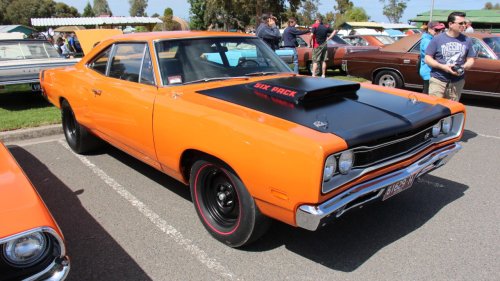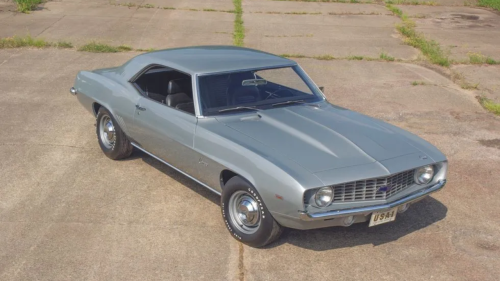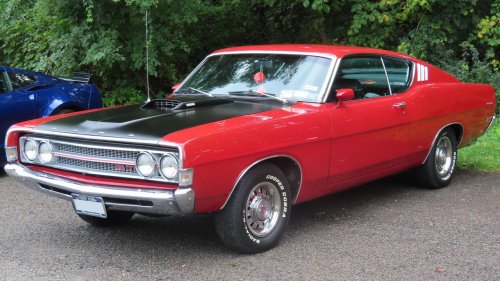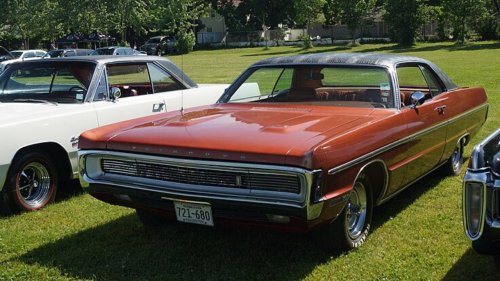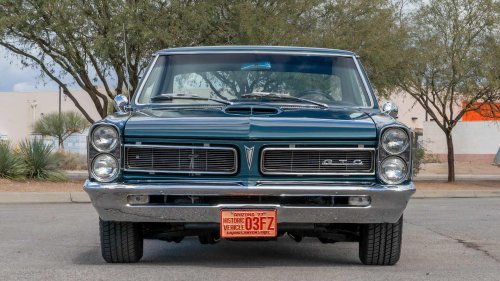
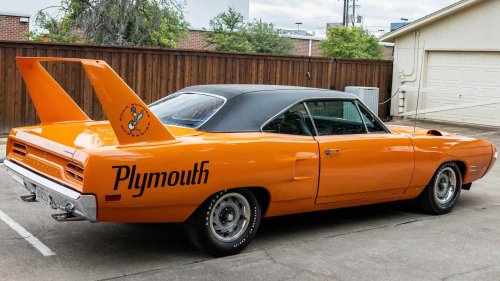
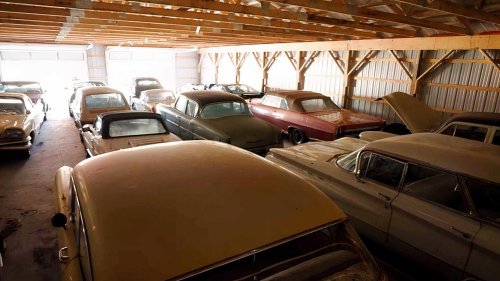
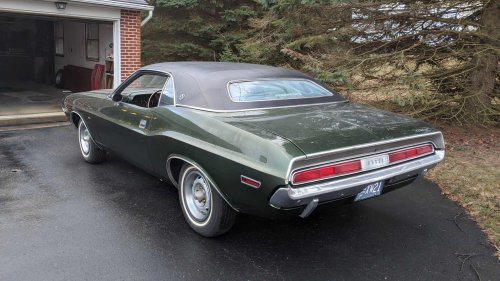
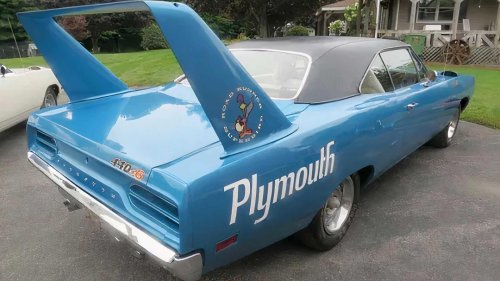
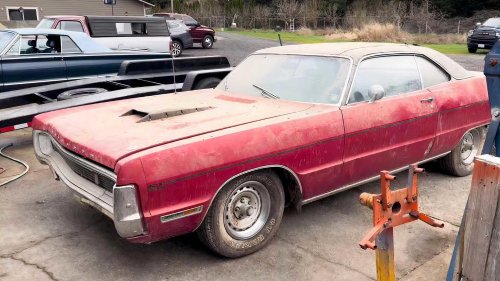
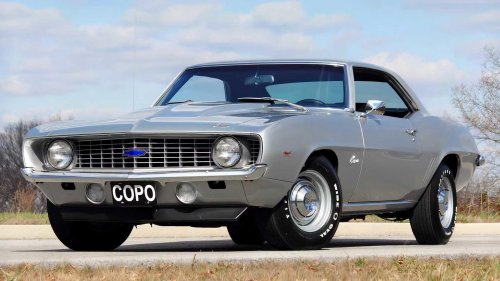
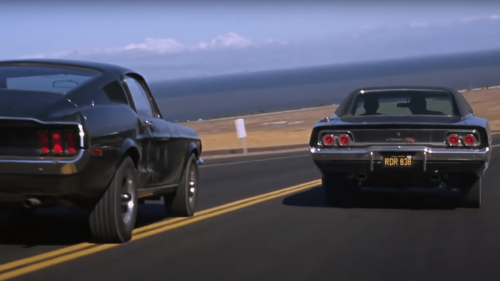
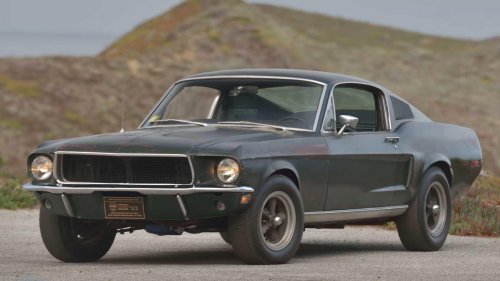



















Big, brash, raucous V-8 grunt, and a hunky exterior to die for. That’s what muscle cars from America’s Detroit have given to the world for the past 60 plus years. They cemented the USA as a car-building country, but more importantly defined Detroit as the legendary Motor City — 'Motown'. Arguably the best era for 'muscle' peaked during the 1970s when power increased, the bodies became more powerful to look at, and Detroit was pumping them out left, right, and center. But now, as the world looks towards sustainable mobility, they've become a faded dream lost in history, with barn find discoveries and preserved examples being the only thing that reminds us of what these big beasts brought to society and ultimately, did for Detroit. I guess the first thing we have to ask, is how, where and when did it all begin? Dawn Of The Muscle Era Bring A TrailerThe honor of being the first ‘Muscle car’ should go to the GTO - Brock YatesThose were the famous words of established Car and Driver writer Brock Yates who kick-started the muscle car era when he reviewed the 1964 Pontiac GTO for a Car and Driver March feature of the same year. Since then, the late '60s and early '70s saw America gorging itself on everything from Superbird Road Runners to Boss Mustangs. The ‘muscle’ culture’s popularity also spread overseas to Britain and Australia with the Jensen Interceptor and the four-door, Holden Commodore respectively.Bring a TrailerMuscle cars hit their sweet spot in the '70s. Their larger engine capacities increased power and performance; their wider, powerful, aggressive looks painted in eye-popping colors; and lower prices made them iconic symbols of youth culture. And their appearances on the big screen such as Bullitt, Gone in 60 Seconds and Vanishing Point gave the ‘muscle car’ widespread appeal. The Fall And Rise Of Muscle Bring A TrailerBut the popularity of big-engined, two-door coupes declined when the oil crisis hit in 1973. The cost of fuel prices and new federal CAFE regulations introduced in 1975, resulted in manufacturers shifting to smaller, fuel-efficient, front-wheel drive models like Ford’s Pinto and AMC’s Gremlin – cars which couldn’t build the cult status of the muscle cars from the 60s and 70s. Despite surviving through the late 70s and into the 80s, the 'muscle' Detroit produced was questionable compared to the benchmark models. The 1973 Mustang II's smaller size and less power couldn't match the image left by its '72 forefather. As the years progressed, the heroes of the muscle era were vanishing from history – scrapped, broken up, or lost forever. Thankfully, the faded gems which were hidden away and abandoned are now being discovered thanks to the popularity of barn finds. Lost And Found Treasures YouTube/ Hagerty Bushes, sheds, garages, barns, or just left outside. Unearthing lost, hidden, neglected vehicles in any of these is considered a barn find, with the rarest vehicles often getting the most interest. A vehicle's state can vary when found, ranging from mild detailing and recommissioning, to full nut-and-bolt restorations, but preservation is always first and foremost where possible. The number of years the vehicle has been stored away, and the state of the 'barn' in which it's concealed, also adds to the excitement of its discovery. Surging Popularity Of Barn Finds Bring A TrailerThe popularity of barn finds has even risen to finding a place in the Forza Horizon video games. Across the world, dedicated enthusiasts hunt for the best, with some of the rarest examples being found, including 1 of 6 original Shelby Daytona Coupes and a Ferrari 250 GTO abandoned on a trailer in Ohio. But is it just scarcity that makes respected barn finds like these earn colossal figures at auction? Value Shockers FordSeveral factors can affect a barn find’s value at auction: rare specifications or a limited production run tend to be one of the biggest, together with time-warped condition cars. Even conceptual lots like full-scale stationary mock-ups, prototypes, and one-off design showpieces can earn big figures. Last year in Paris, Renault sold off part of its heritage collection largely consisting of one-off concepts and racing memorabilia. Each lot's exclusivity contributed to how much they sold for. 1970s Muscle Barn Finds Which Shocked Auctions Hagerty, YouTubeWe've identified what barn finds are, the factors that can increase value at auction, and the era that defined muscle cars, so with all that in mind, now comes the best part — what 70s American muscle barn finds were discovered and why they surprised auctions. 1970 Dodge Challenger – Alan Rietz Collection Bring A TrailerAlan Rietz turned his passion for Mopars into one of the best derelict "farm" find collections. After his death, his wife auctioned all the cars on the farm in 2018. One of the Mopars to be sold — and one of the first he owned — was his orange ‘70 Dodge Challenger SE, which only sold for $15,500. Unlike most of the other American muscle cars in this feature, Alan’s ‘dilapidated’ collection sold for lower-than-expected prices likely due to their condition. 1970 Plymouth Superbird Pair Bring A TrailerSat for 35 years in dry storage, a pair of Superbird Road Runners – a blue B5 with white bucket seats and the other was in alpine white with black buckets and a console auto slapstick—was discovered in a garage. After going through a handful of owners, the pair appeared on eBay in 2018, selling for over $100,000 each. The story came about when the owner – who had successfully bought another blue Superbird Road Runner at the Owls Head Transportation Museum in Maine – was approached at the auction by someone who had two other barn find Superbirds. The car's 'aero' appearance with its 'droop snoot' nose cone and sky-high rear spoiler made it an instantly recognizable classic. The 1,920 built to homologate the NASCAR Superbird contributed to its higher value at auction. 1970 Plymouth Fury GT 440-6 Rocket RestorationsLeft in a barn since 1981, this 70s big block Plymouth Fury GT 440-6, was relatively well-intact when found, but its 440 motor was seized. It also suffered from an accident which bent the frame and cracked the quarter panel. Thankfully, the car was restored by Rocket Restorations in Olympia, Washington when the owner Dan from West Virginia passed it to his son Brent.Initially introduced in 1969, the car’s 440 engine was part of the A12 package seen on the Road Runner and Super Bee. Most Mopar muscle cars received the engine from 1970. But most standard Fury models didn’t receive this heroic engine. The Sport Fury GT V-Code 440-6 was produced in low numbers – 66 being produced for the US and a further three assembled for Canada. Of the 69 produced, only 13 are known to exist today, with only four of them having the original 440-6 motor – making this one of the ultimate American muscle barn finds in existence. 1970 Rapid Transit System Plymouth Cuda Unearthed from a garage in Detroit in 2022, this Plymouth Cuda was one of four custom show cars the company built for their ‘70-’71 Rapid Transit System (RTS) campaign. The idea of the RTS campaign was to enhance Chrysler’s image among younger buyers who wanted a fast lifestyle. A custom-built Cuda, Road Runner, GTX and a Duster were fitted with performance, specialized parts through the company’s “supercar clinics”.After 45 years in storage, this numbers-matching, one-of-a-kind RTS Cuda stunned fans with only 967 miles from new on the odometer. The paint was original and untouched, and it was wearing three of the originally supplied wheels from the factory – with the fourth wearing the original spare wheel. It was originally purchased in 1976 but was stored and never used. It was the final car of the four RTS models to be found and fetched $2.2 million when the hammer came down at Mecum’s 2023 Indy Auctions. Chevrolet COPO Barn Find Discoveries Chevrolet’s Central Office Production Order (COPO) specialized ordering system allowed dealers to order high performance engines for production models, bypassing regular production model restrictions. Originally used for fleet orders like police vehicles or taxis, dealers like Don Yenko used it to bypass the company's restrictions on engines with a higher displacement than 400 cubic inches in mid-sized production models. Many of these Chevrolets were lost or destroyed over the years and are now a rarity. Anyone in possession of one today may have hit gold. Ohio ‘Cortez Silver’ COPO Camaro Barn Find 1969-chevrolet-camaro-copo-cortez-silverOne example was a COPO Camaro found in Ohio which was originally purchased from new by Chalmer Nicholson in 1969. Despite being left to rot outside after going through three engines, fender damage, and a knackered drivetrain, the owner was reluctant to part with it. It was documented that enthusiasts knew about the car and wanted to purchase it, but the owner kept resisting — writing, “NOT FOR SALE! DON’T ASK!” on the windshield. Maine COPO Camaro This original numbers-matching Camaro, situated in Maine, was not the healthiest of discoveries – classed as ‘extremely rough’, it had been owned by the same owner, Jay, since graduating from high school in 1980. The engine and transmission were missing, the floors were rotted, and the trunk was jammed shut as a result of sitting under a pine tree. In 2024, Jay discovered the value of the car and consequently planned to sell it with the intention that the new owner would restore it. Muscle Movie Stars Resurrected Fame MovieClips (YT)While the COPOs were hailed for their performance rarity, they lacked the stardom of the Mustang’s Hollywood appearance in Steve McQueen’s 1968 film ‘Bullitt’. Two Highland Green Fastbacks provided by Ford were used for filming the chase sequences – the “hero” car driven by Steve McQueen himself for the close-up shots, and the “jump” car for the stunts. Once filming wrapped up, both cars vanished from the public eye. The Jump Mustang That was until the underdog “jump” car re-appeared in 2017, which was thought to have been scrapped due to extensive damage whilst filming, but it was actually found derelict in a Mexican junkyard by Ralph Garcia and rescued by Hugo Sanchez. It was initially going to be restored into an Elanor Shelby GT500 tribute, but it was later revealed – and validated by Marti Auto Works – as the jump Mustang. This was also backed by VIN numbers and the car's built-in modifications for the film. The car was in a below substandard state when it was discovered, but it underwent restoration soon after. Hero Mustang MecumBut more importantly, the star of the show was discovered a year later in 2018. The Kiernan family held onto the “hero” Mustang for 35 years, since ‘74 and hid it from preying eyes in a Kentucky barn. Even Steve McQueen himself tried to claw it from the family but failed. Later, the car was restored by a member of the family before it headed to auction – selling for $3.74 million (including fees)! Although these were officially ‘68 cars, their holy-grail story had to be included in this feature.Sources: HotRod magazine, MotorTrend, Mopar Connection magazine, Back Yard Barn Finds YouTube channel, The Auto Archiologist YouTube channel, Street Muscle magazine, Unique Cars magazine, Patrick Glenn Nicholas Musclecar Barn Finds YouTube channel, PowerNation YouTube channel