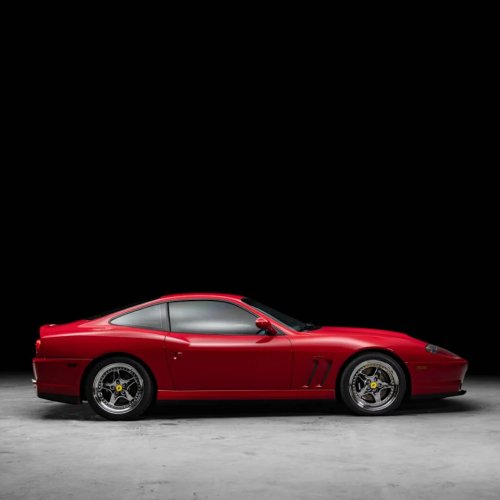
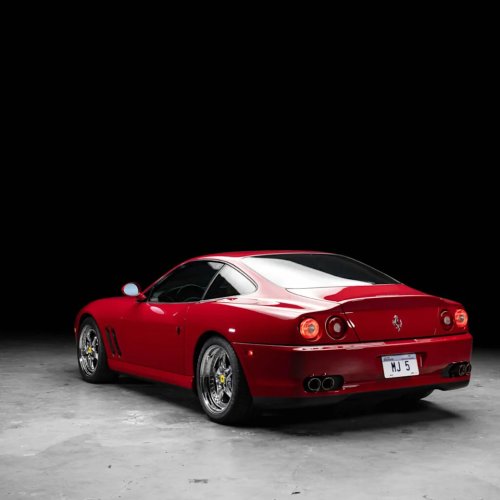
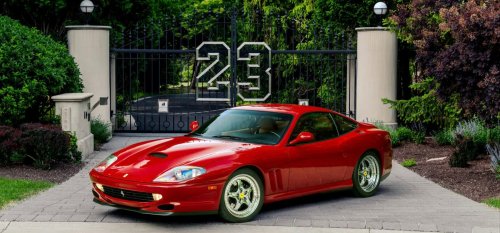
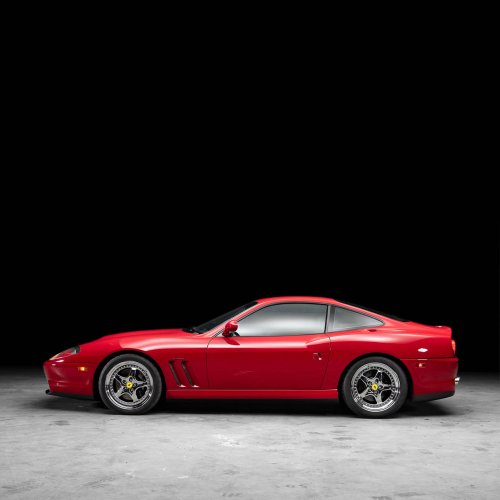
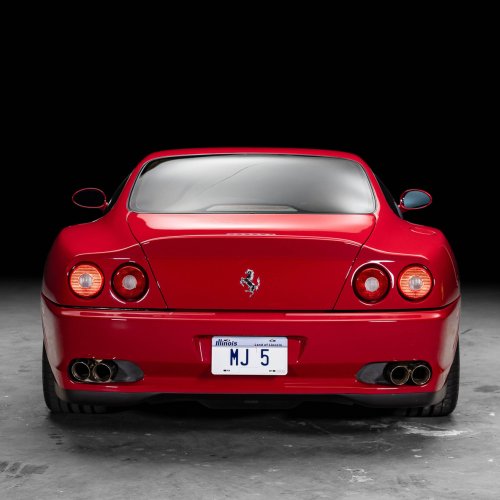
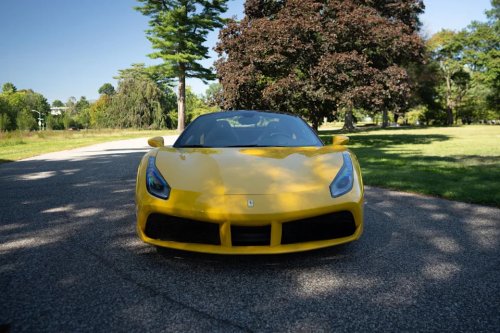
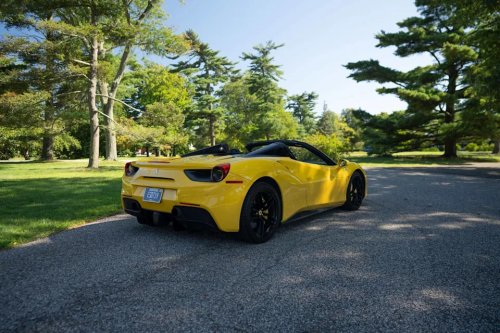
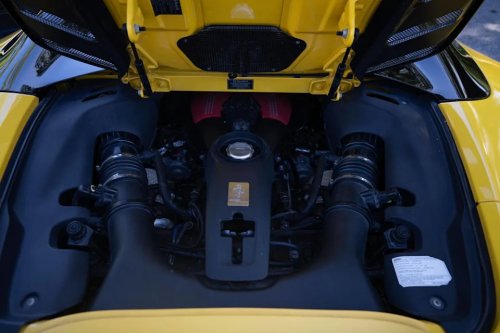
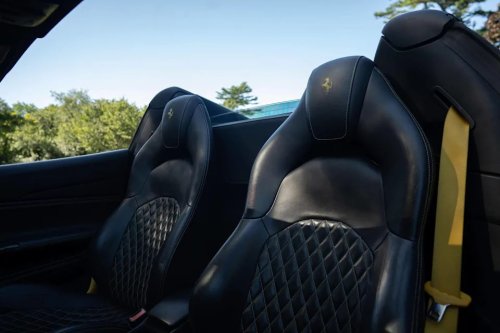
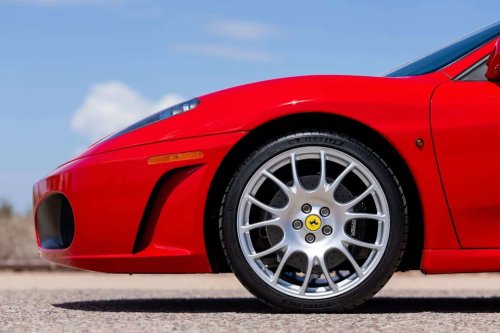
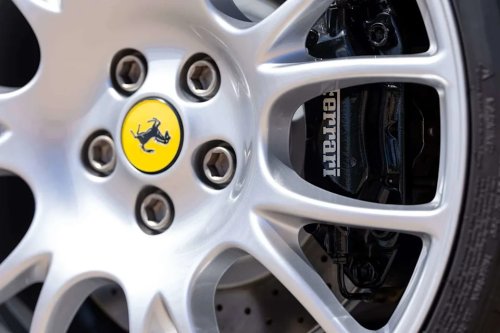
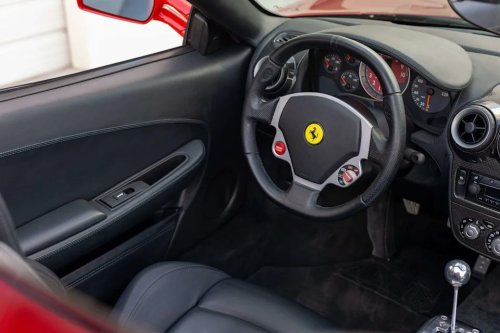
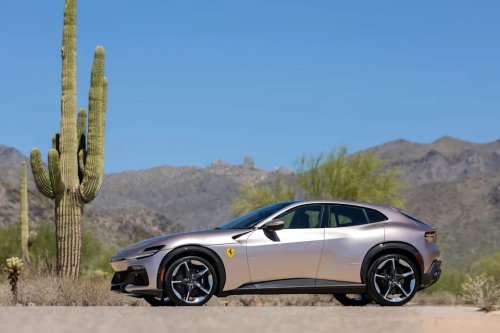
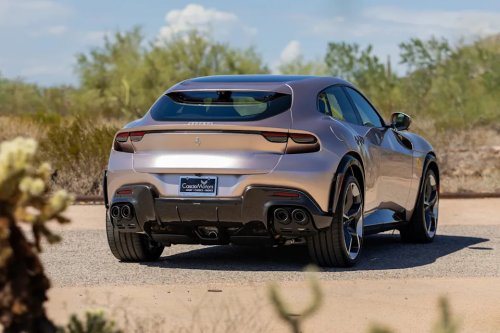
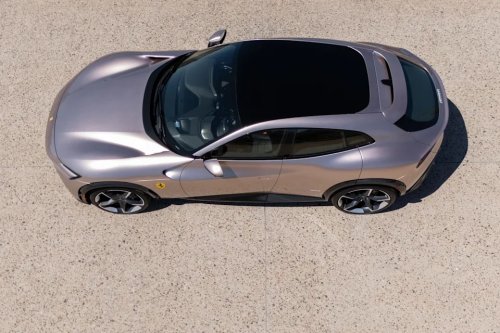
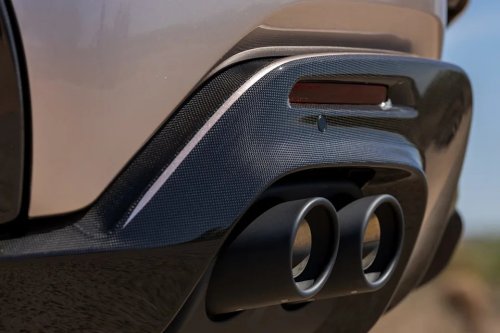
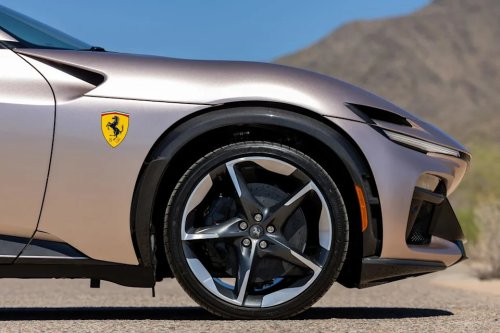
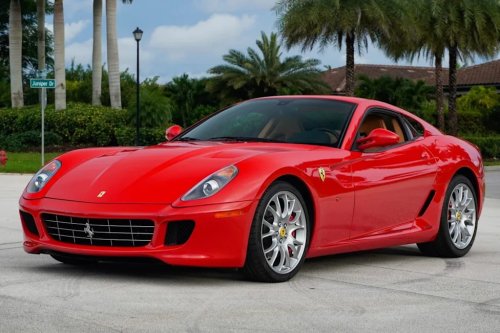
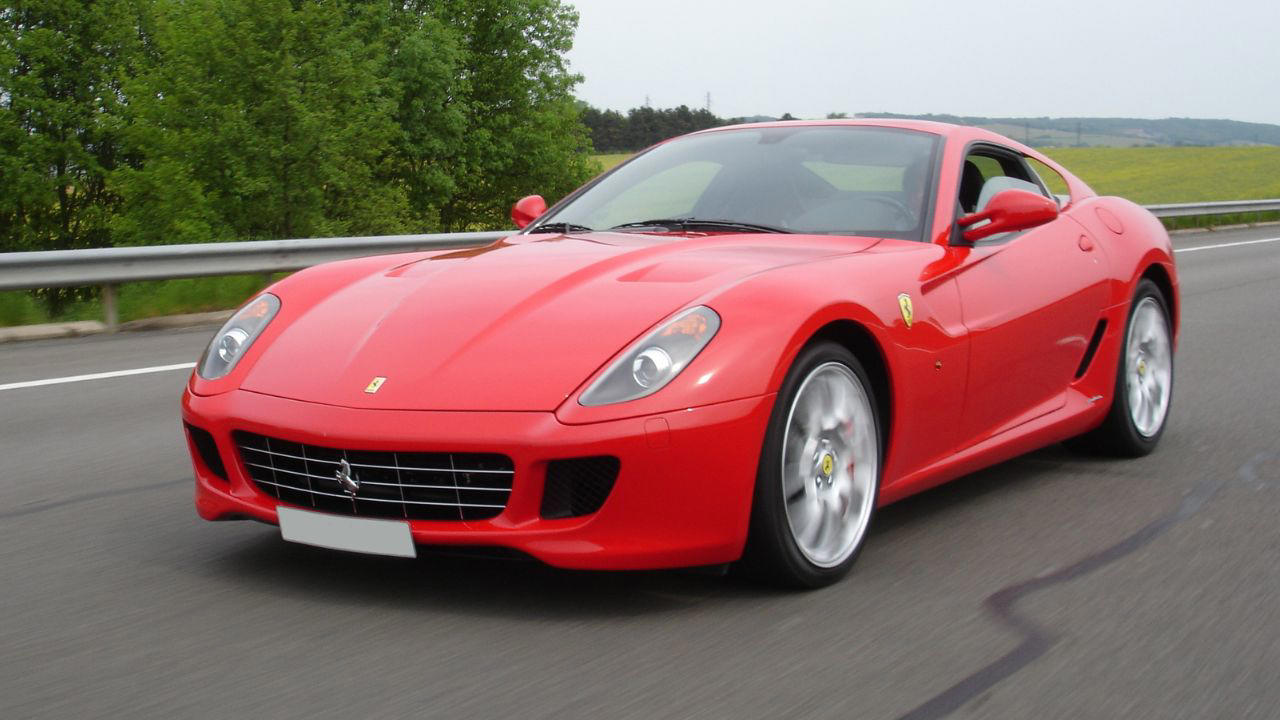
The 2007 Ferrari 599 GTB delivered front-engine performance few expectedThe Ferrari 599 GTB Fiorano arrived in 2007 as a front‑engined berlinetta that quietly rewrote expectations in Maranello. Rather than the comfortable grand tourer many anticipated, it delivered performance that stood shoulder to shoulder with the brand’s mid‑engined flagships and set a new benchmark for front‑engine supercars. With a chassis that mixed long‑distance civility and track‑ready composure, and a V12 derived from Ferrari’s halo Enzo, the 599 GTB turned a traditional layout into something close to a technical manifesto. Nearly two decades on, it still defines how modern front‑engine Ferraris are judged. From quiet replacement to performance benchmark When Ferrari introduced the 599 GTB Fiorano as the successor to the 575M Maranello, expectations followed a familiar script: a fast, comfortable, front‑engined V12 aimed at wealthy clients who valued refinement as much as outright speed. On paper, the recipe looked evolutionary. In practice, the 599 GTB arrived with a 6.0‑liter V12 closely related to the unit in the Enzo, a power output quoted at around 620 horsepower, and a top speed that pushed past 330 km/h. The car’s name referenced the Fiorano test track, a hint that this was not a gentle cruiser. Ferrari paired that engine with an aluminum chassis, extensive wind tunnel work, and electronics that were advanced for the era. The result was a front‑engine coupe that could lap circuits at a pace usually associated with mid‑engined exotics. Contemporary figures placed its acceleration from rest to 100 km/h in well under four seconds, a number that put it in direct contention with the most aggressive supercars of its time. That performance was not a marketing flourish. Testers found that the 599 GTB’s blend of straight‑line pace and cornering grip made it feel startlingly close to the Enzo in real‑world use, despite its more traditional layout and greater comfort. The front‑engine Ferrari that had once been expected to play the role of refined companion suddenly looked like a genuine track weapon. Engineering a front‑mid V12 to rival an Enzo The key to the 599 GTB’s unexpected capability lay in its engineering. Ferrari pushed the V12 as far back as possible in the chassis, creating what it described as a front‑mid configuration. That placement improved weight distribution and helped the car turn in with a sharpness that defied its long bonnet and relatively generous dimensions. The 6.0‑liter engine itself drew heavily from the Enzo’s unit, with a high rev limit and a distinctive, metallic induction note that built with intensity as the needle climbed. Period figures placed peak power at 620 horsepower and peak torque at around 608 Nm, delivered high in the rev range. The character of the engine encouraged drivers to chase the upper reaches of the tachometer, which in turn made the car feel more like a mid‑engined racer than a traditional grand tourer. Ferrari offered the 599 GTB with the automated F1‑style single‑clutch gearbox that dominated its range at the time. Shifts were rapid at speed, especially in the more aggressive modes, and the software worked with the engine’s power band to keep the V12 on song. While later dual‑clutch transmissions would surpass it in refinement, the gearbox helped define the 599’s character as a serious driver’s car rather than a purely luxurious coupe. Beneath the skin, the car used an aluminum spaceframe and a sophisticated suspension layout. Optional magnetorheological dampers allowed rapid changes in damping force, so the 599 GTB could soften its ride over poor surfaces and then firm up for aggressive cornering. The system, combined with wide tires and carefully tuned geometry, gave the car immense stability at speed and a surprising sense of agility for its size. Design that hid its aggression Visually, the 599 GTB did not shout about its performance in the way some contemporaries did. Its Pininfarina‑penned body mixed muscular haunches with a relatively clean profile, and the long hood, compact cabin, and short rear deck gave it classic front‑engine proportions. Subtle aerodynamic details, including the distinctive flying buttresses at the rear, helped manage airflow and added stability without resorting to large wings or overt add‑ons. The cabin followed a similar philosophy. The 599 GTB offered leather, carbon fiber, and a driver‑focused layout, but it avoided the stripped‑out feel of track specials. Large analog dials, prominent shift paddles, and the now‑familiar manettino switch on the steering wheel gave the driver clear control over the car’s behavior. At the same time, there was space, visibility, and a level of comfort that made long journeys realistic, which deepened the surprise when the car matched or exceeded the pace of more focused machines. That combination of understated design and aggressive capability helped the 599 GTB appeal to buyers who wanted a car that could cross countries in comfort and still feel at home on a circuit. It also set the tone for later front‑engine Ferraris that would continue to balance visual elegance with serious performance intent. Electronics that reshaped the driving experience The 599 GTB arrived at a moment when driver‑assistance electronics were becoming central to high‑performance cars, and Ferrari used the model to showcase what its systems could do. The manettino offered several modes, from more relaxed road settings to aggressive track configurations. Each step altered throttle mapping, shift speed, traction control thresholds, and the behavior of the stability systems. One of the key innovations was the integration of F1‑Trac, an advanced traction control system that monitored grip levels and adjusted power delivery to maximize acceleration out of corners. In practice, this meant that the 599 GTB could deploy its 620 horsepower more effectively than earlier V12s, especially in less than perfect conditions. Drivers reported that the car felt secure yet alive, with the electronics acting as a safety net rather than an intrusive nanny. These systems also helped narrow the gap between professional drivers and enthusiastic owners. Where older, high‑power Ferraris could be intimidating at the limit, the 599 GTB allowed more drivers to explore its performance without fear of sudden, irretrievable loss of control. That new accessibility played a major role in how the car was perceived and influenced the direction of later models. How the 599 GTB redefined Ferrari’s front‑engine identity Historically, Ferrari’s front‑engined V12s had been associated with grand touring, while the most extreme performance was reserved for mid‑engined cars. The 599 GTB blurred that line. Its lap times, acceleration, and high‑speed stability placed it in the same conversation as the Enzo and other mid‑engined supercars, yet it retained a level of comfort, luggage space, and usability that those cars could not match. This shift changed how enthusiasts and collectors viewed front‑engine Ferraris. Instead of being seen as the comfortable alternative, the 599 GTB became a reference point for how far the layout could be pushed. Later models, including more extreme versions of the 599 and its successors, built on that foundation by adding power, reducing weight, and further refining the electronics. Specialist resources such as Ferrari 599 registries and model guides have since cataloged the various configurations, options, and evolutions of the car, reinforcing its status as a turning point in Ferrari’s front‑engine lineage. The 599 GTB’s mix of technical sophistication and emotional appeal continues to attract attention from both historians and active drivers. Reception from road tests and track sessions Contemporary road tests consistently highlighted the 599 GTB’s blend of speed, balance, and day‑to‑day usability. Reviewers praised the steering for its precision and feedback, noting that the car could be placed on a line with confidence despite its size. The brakes, often carbon‑ceramic on higher‑spec cars, delivered repeated high‑speed stops with little fade, which reinforced the car’s credibility on circuit days. On track, the 599 GTB surprised experienced drivers with how little it felt like a traditional front‑engined grand tourer. Turn‑in was sharp, body control was tight, and the rear axle could be steered with the throttle in the more permissive electronic modes. The car’s balance made it approachable, yet it rewarded commitment with lap times that rivaled or surpassed many mid‑engined rivals. Later assessments, including detailed drives of the model in hindsight, have continued to emphasize how the 599 GTB straddled the line between supercar and grand tourer. Long‑form evaluations such as those on Ferrari 599 road tests describe a car that still feels fast and engaging by modern standards, with an engine that remains the centerpiece of the experience. Living with a 599 GTB in the real world Beyond performance figures and track impressions, the 599 GTB had to function as a usable car for its owners. In that respect, it delivered more practicality than its dramatic styling might suggest. The cabin provided enough space for two adults to travel in comfort, with supportive seats and a driving position that suited both relaxed cruising and aggressive driving. Visibility was better than in many mid‑engined supercars, which made city driving and parking less stressful. The ride quality, especially on cars fitted with magnetorheological dampers, could be surprisingly compliant in the softer settings. Road imperfections were filtered rather than transmitted directly, which encouraged owners to use the car frequently rather than reserving it for special occasions. At the same time, the exhaust note and high‑revving V12 ensured that even mundane journeys felt special. Ownership also brought the usual considerations of a high‑end Italian supercar. Servicing required specialist knowledge, and consumables such as tires and brakes reflected the performance on offer. For buyers prepared to engage with those demands, however, the 599 GTB offered a depth of experience that few other front‑engine cars could match at the time. Legacy in Ferrari’s modern V12 line The influence of the 599 GTB can be seen in the front‑engine V12 Ferraris that followed. Later models adopted similar front‑mid layouts, advanced traction and stability systems, and an ongoing focus on combining long‑distance comfort with track capability. The idea that a front‑engined Ferrari could equal or surpass the performance of mid‑engined rivals became accepted rather than surprising. In the collector market, the 599 GTB occupies an interesting position. It sits between older, more analog V12s and the highly digital, dual‑clutch generation that followed. That makes it attractive to enthusiasts who want a car with modern performance and safety systems but still value a relatively raw, naturally aspirated driving experience. Special variants and limited‑run derivatives have drawn particular attention, yet the standard 599 GTB continues to be appreciated for its core qualities. As emissions regulations and electrification reshape the supercar segment, the 599 GTB’s naturally aspirated V12 and relatively low‑assist steering feel increasingly distinctive. For many, it represents a high point in Ferrari’s ability to blend traditional mechanical drama with contemporary engineering and electronics. What the 599 GTB signals about front‑engine performance The 2007 Ferrari 599 GTB Fiorano did more than replace a previous model. It demonstrated that a front‑engined layout, when paired with advanced materials, sophisticated electronics, and a highly developed V12, could deliver performance that challenged assumptions inside and outside Maranello. The car’s ability to combine genuine supercar pace with real‑world usability reshaped expectations for front‑engine flagships. More from Fast Lane Only Unboxing the WWII Jeep in a Crate 15 rare Chevys collectors are quietly buying 10 underrated V8s still worth hunting down Police notice this before you even roll window down *Research for this article included AI assistance, with all final content reviewed by human editors.


















 +29 others