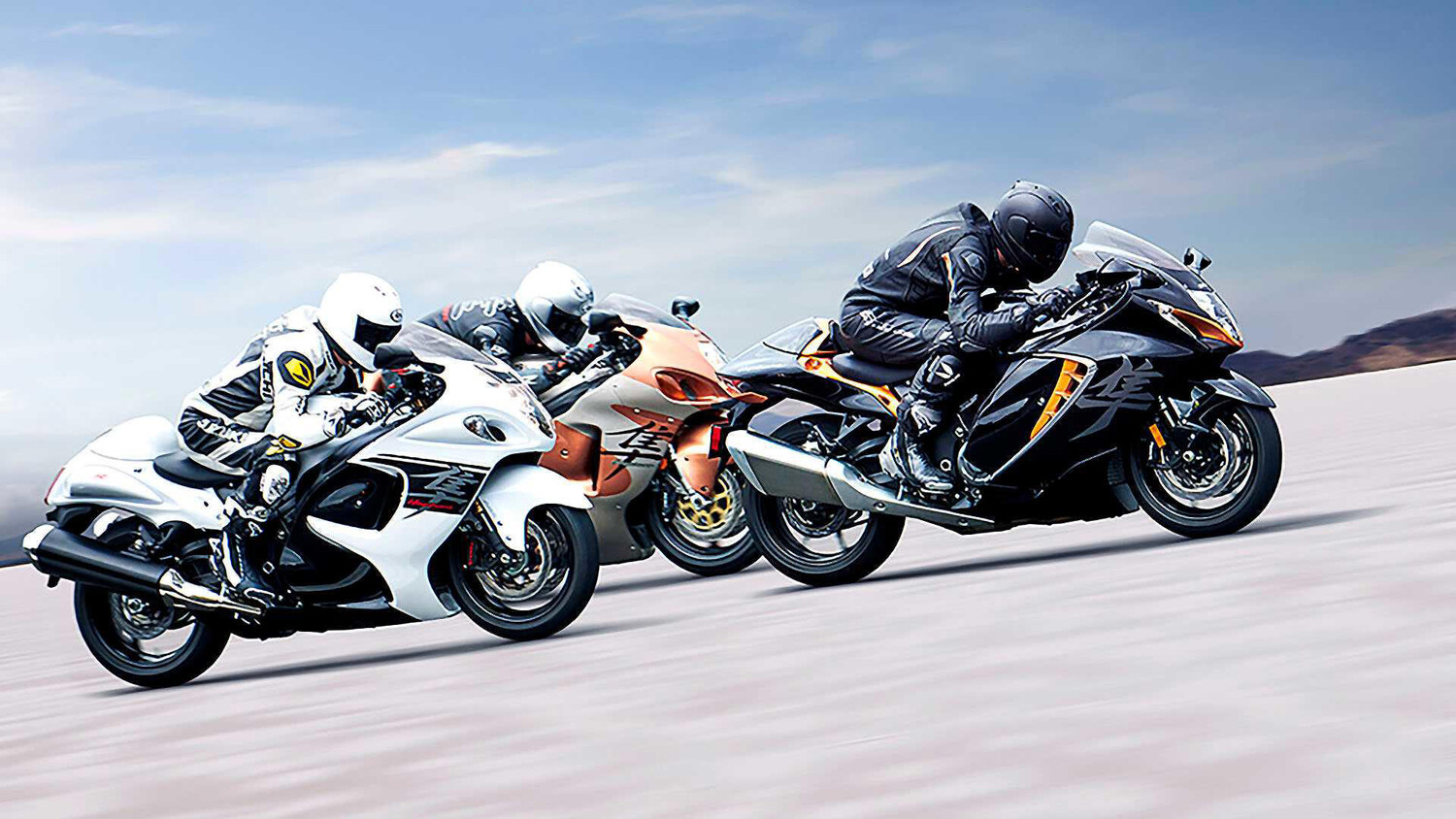
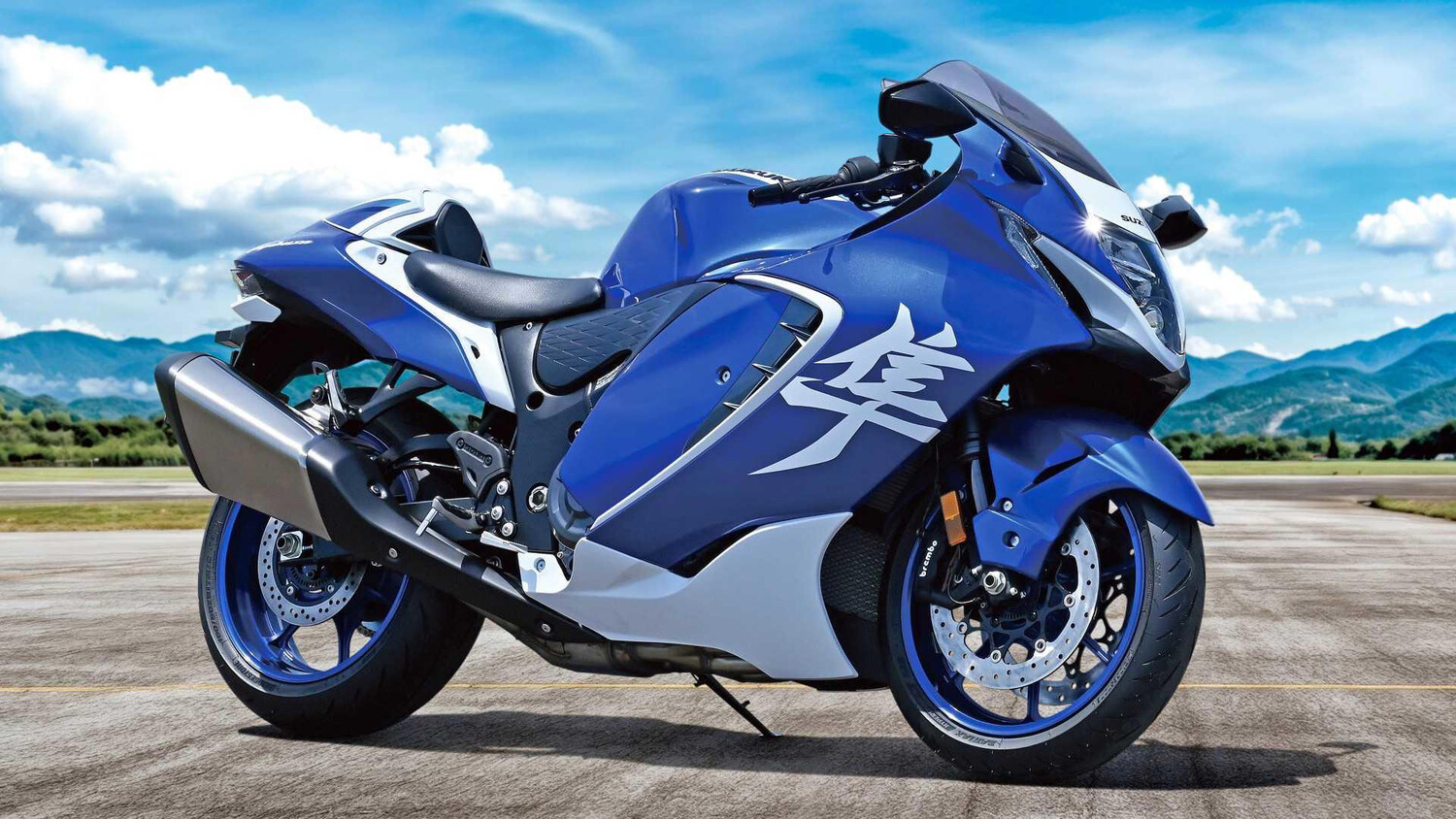
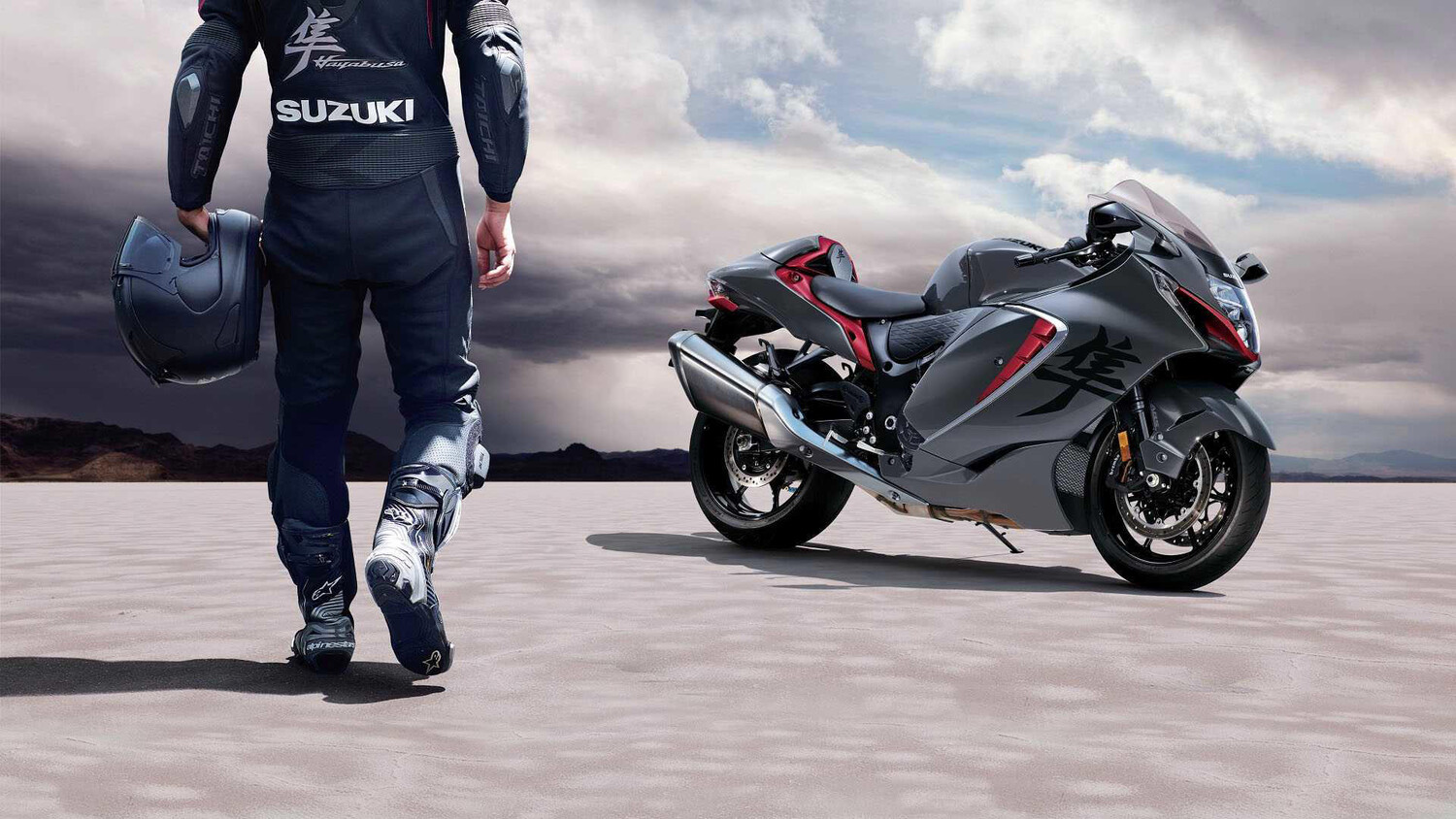
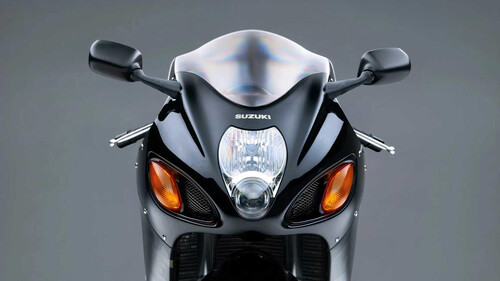
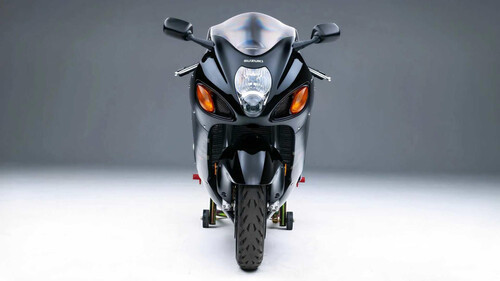
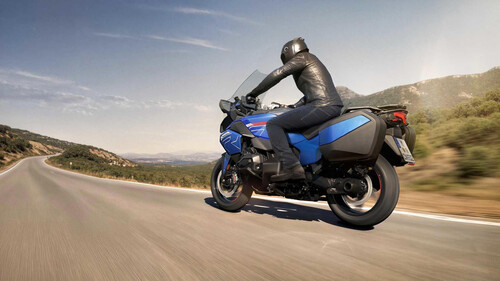
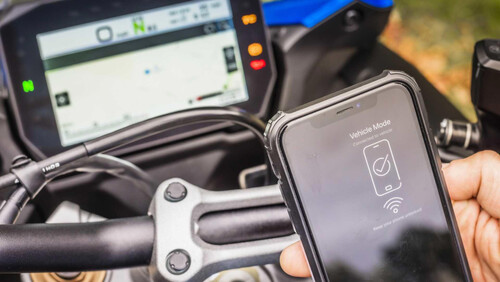
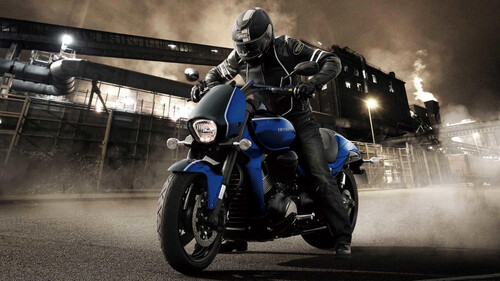
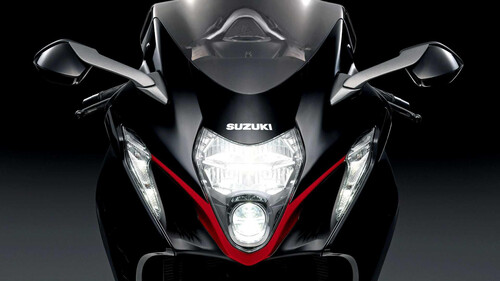
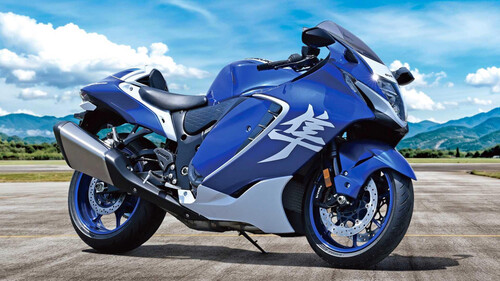
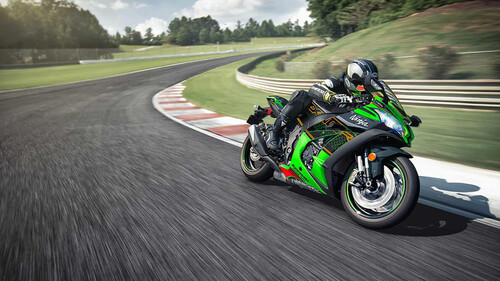
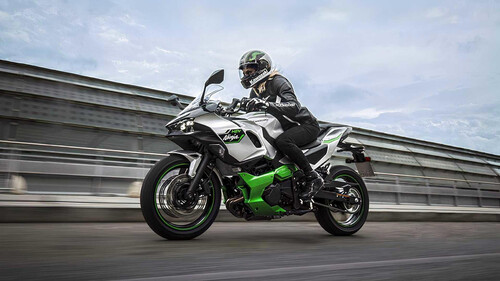
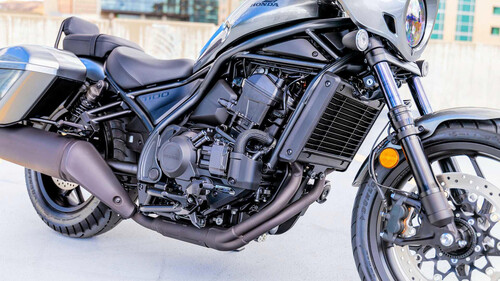
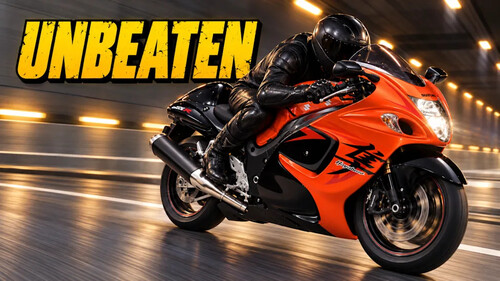
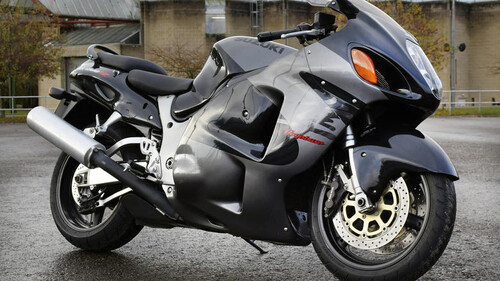
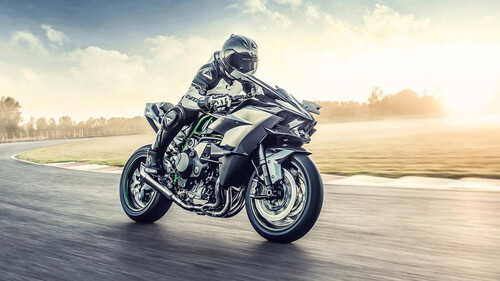
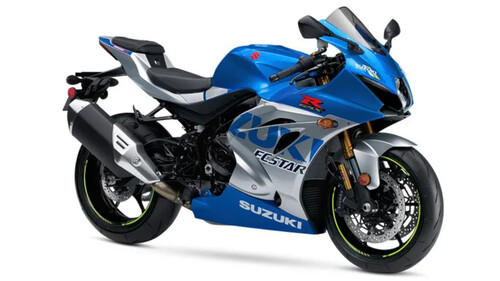
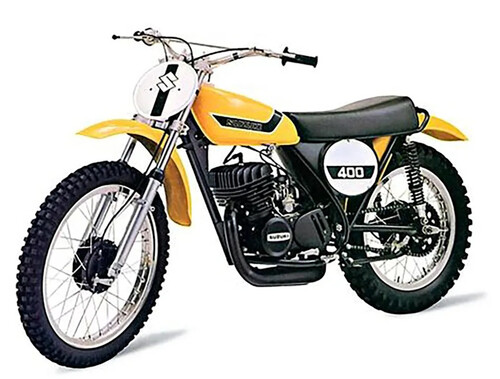
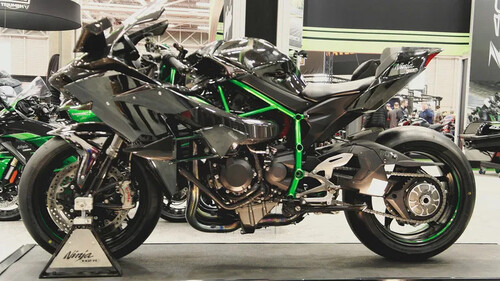
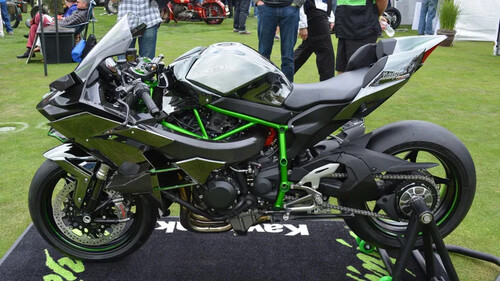
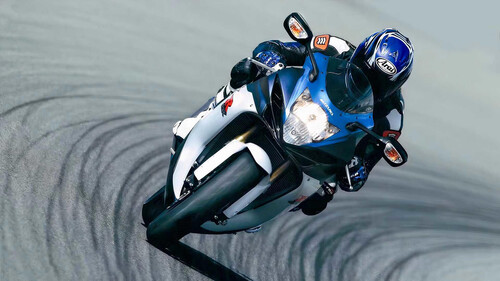
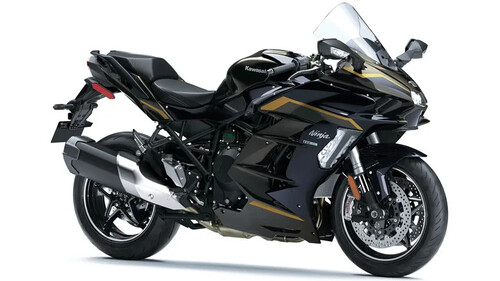
Performance bikes usually have a very fickle audience. They want the latest model with sci-fi tech that you can spend hours geeking out with and tuning to their riding style and specific racetrack. This is understandable; any performance automobile enthusiast will be seduced by the temptation of top trumps.However, there are a few performance models – even in the world of motorcycles – that stand the test of time and newer models. Sometimes it is because they take a giant leap forward, and the others cannot catch up easily. Other times, it is simply because it is such a unique product that it builds a loyal fan base that won’t accept any substitutes. The Different Kinds Of Performance Available Today SuzukiWhen you say ‘performance’ to a motorcycle rider, the assumption is that you’re talking about the fastest, lightest motorcycle. That’s a safe assumption to make, but that also makes them incredibly specialized products that don’t do much else other than scream around a racetrack at maximum chat, pumping adrenaline through your veins. However, should you want to ride home on one of these, it will be a very different experience. Which is why you need something that has a breadth of abilities and yet is, at its core, a performance bike. Suzuki And Its History With Performance Bikes Suzuki / ValnetSuzuki might be thought of as the smallest of the four Japanese motorcycle manufacturers, but it does have more high points than you’d think would be normal for a small manufacturer. It has a surprisingly (for the uninitiated) long list of successful performance motorcycles, whether it is dirt or tarmac. The GSX-R750 birthed a whole new category of sports bike, whereas the TM400 had Suzuki dominating in MX. In the cruiser space, the Boulevard M109R is still the most powerful cruiser under $20,000, 20 years after its launch. Among these lies a model widely acknowledged to be the best at what it does, which is why it is the performance bike that riders keep coming back to. The Suzuki Hayabusa Is The Performance Bike That Riders Keep Coming Back To SuzukiThe Hayabusa, originally the GSX1300R, is also known as the ‘Busa. It burst onto the scene in 1999, immediately establishing itself as the world’s fastest production motorcycle. This was before Suzuki restricted the top speed, but even with the later models, everyone knew the capability was there, even if it was restricted. It isn’t just the top speed, though; it is the ease with which the Hayabusa casually gets you to straight-to-jail speeds, coupled with the genuine ease of use as a daily (fuel and tire consumption notwithstanding). This is why it is a no-brainer: the Suzuki Hayabusa is the performance bike that riders keep coming back to. A Surprisingly Reasonable Price For The Performance SuzukiWhen you encounter motorcycles capable of warp speed at the twist of the wrist, you don’t expect them to be reasonably priced. However, the Hayabusa is an exception to this rule. It is priced at $19,499, and there is also a special edition available for a little more, at $20,129. This is a large motorcycle, and it is more of a sport tourer than an agile sport bike, but it feels like a bargain given the performance and electronics you get for the price. The 1,340cc Engine Is One Of The All-Time Greats SuzukiWhen Suzuki developed the Hayabusa, it had a single target in mind: to be good at the dragstrip and get that top speed record. As a result, it has one of the largest inline four-cylinder engines ever fitted to a motorcycle. It displaces 1,340 cc, has a compression ratio of 12.5:1, and utilizes a whole lot of tech to generate 187 horsepower and 110.6 pound-feet at 7,000 RPM. That torque figure is unmatched by any modern sport bike, including the Kawasaki Ninja H2 R. Only the Ninja ZX-14R manages to surpass it.SuzukiThis is coupled with a short-ratio six-speed gearbox to optimize acceleration, but the sixth speed is tall enough for comfortable highway cruising as well. A two-way quickshifter is standard, joined by a hydraulic clutch with slip and assist features. It has oil jets that spray the fourth, fifth, and sixth gears to keep them cool and reduce friction. Even the drive chain is unique because it is specially designed to handle the Hayabusa’s unique demands. In the real world, the Hayabusa doesn’t have the peaky rush of a liter supersport. It feels more like a four-cylinder freight train, with massive acceleration available no matter the gear or revs – all you need to do is open the throttle. Great Chassis Is In Tune With The Engine Suzuki CyclesThe Hayabusa uses a twin-spar aluminum frame with an aluminum swingarm and a steel subframe. It sounds like a sport bike, but once again, like the engine, it focuses on stability rather than quick turning. It is possible to muscle it around a racetrack, especially with the advancements and weight reduction of the current generation, but it will be happiest around sweeping bends and on long straights where you can let it stretch its legs.SuzukiThe suspension consists of 43 mm KYB inverted forks at the front with a diamond-like carbon coating. The rear shock has stepless preload adjustment and adjustable compression and damping. There is even a steering damper from the factory. Twin 320 mm fully floating brake discs are paired with Brembo Stylema radial four-piston fixed calipers at the front, and a 260 mm rear disc is paired with a single-piston Nissin caliper. 17-inch alloy wheels and tubeless tires are present. It Is Long And Low, Like A Drag Bike The Hayabusa looks like nothing else. Its river-pebble look of the first generation was shaped by aerodynamic needs, and it might have polarized opinion, but it certainly made people take notice. It is the same with the current generation, which is an evolution of that design. The dimensions tell the same tale, thanks to nearly 89 inches of length and 29 inches of width with a 58.3-inch wheelbase. However, the seat is just 31.5 inches, and the ground clearance is 4.9 inches. Weight isn't its strong suit, though (at over 580 pounds wet). A Full Electronics Suite Paired With Legendary Reliability Is A Great Combination SuzukiThe Hayabusa is one of the few products that forges its own path and doesn’t fear trends. The instrument cluster is mostly analog despite its electronic features being up to date. The instrument cluster has a central TFT display flanked by two large analog dials for the speed and revs, and these in turn are bracketed by analog gauges for the fuel level and coolant temperature. The by-wire throttle and six-axis IMU offer everything you’d expect from a modern sport bike: ride modes, adjustable traction control, ABS, anti-wheelie, engine brake control, hill hold, cruise control, and launch control. Special mention must be made of the cruise control that allows you to shift gears without turning it off. Only One Real Competitor In The Real World KawasakiWe’ve mentioned the Kawasaki Ninja H2R here, and it measures up quite well to the Hayabusa if you’re looking for a really sporty sport tourer. It is more committed, better around a corner, and of course, you get cool forced induction noises from the engine. However, the ‘Busa’s natural enemy is another Ninja, the ZX-14R. This is a motorcycle in the exact mold as the Suzuki, with a little more power and torque (197 horsepower and 116.5 pound-feet), but we don’t expect it to survive another round of emission norm updates. The Hayabusa will soldier on, being Euro 5+ compliant.It is this feeling of invincibility that the Hayabusa offers, with an engine that can go 100,000 miles with no major trouble, that is difficult for any other performance bike to replicate. And it does it with a grace and ease that will allow you to ride it in traffic or with a pillion in comfort, should you so wish. That is why it has a loyal fan base that keeps coming back to it.Source: Suzuki Cycles