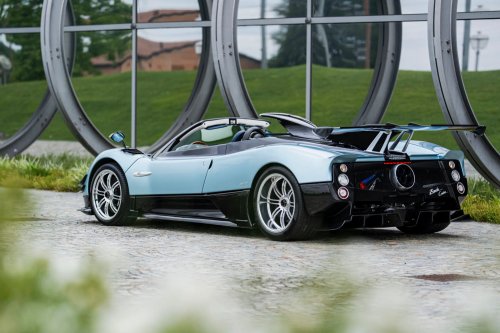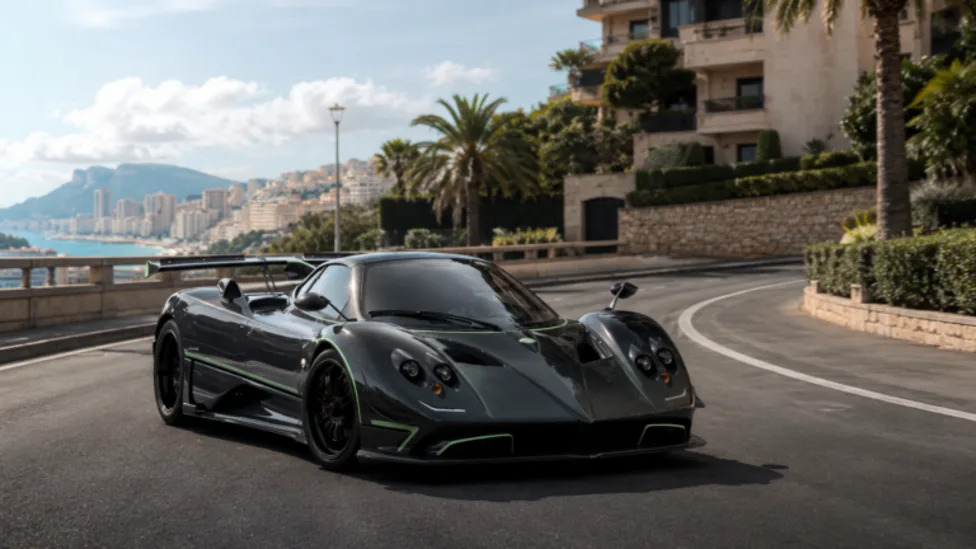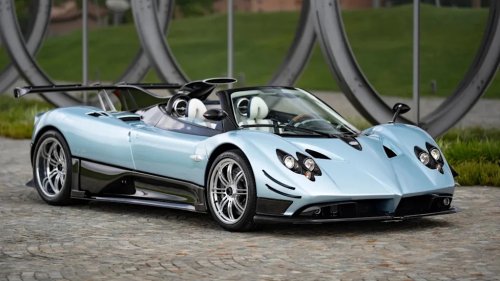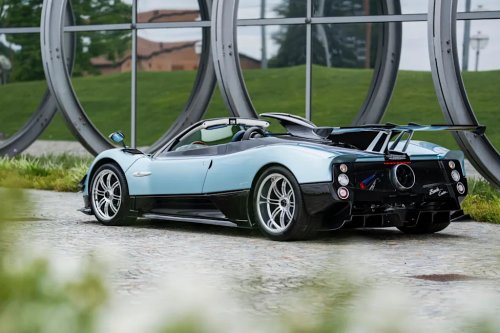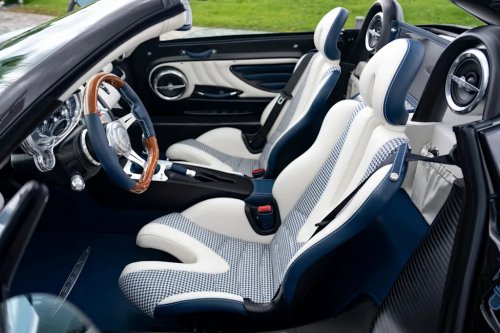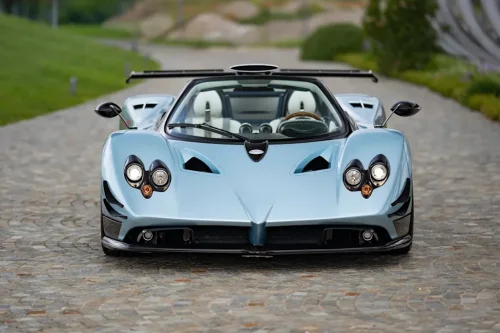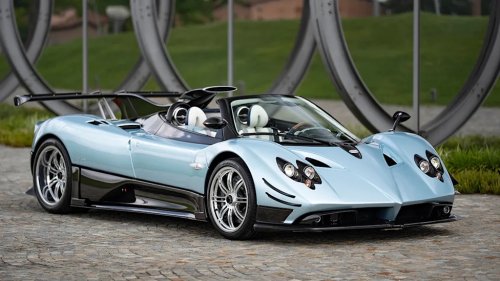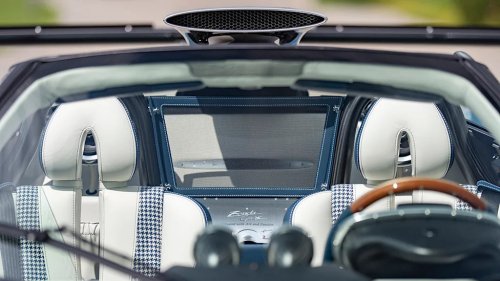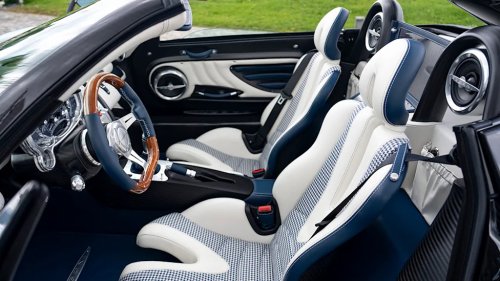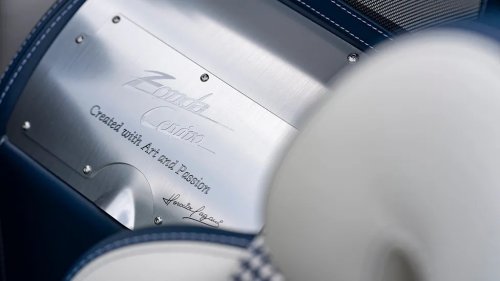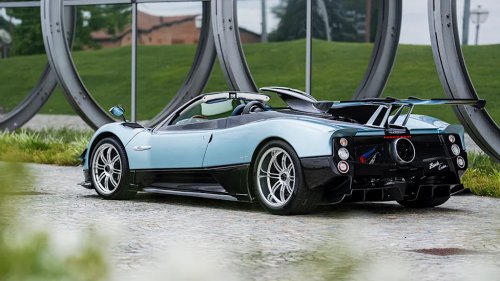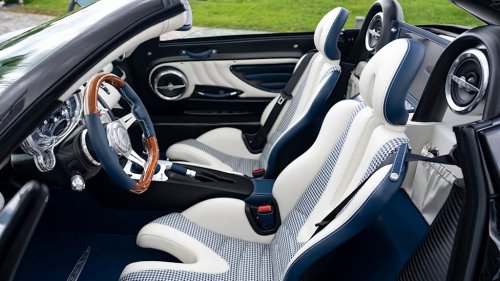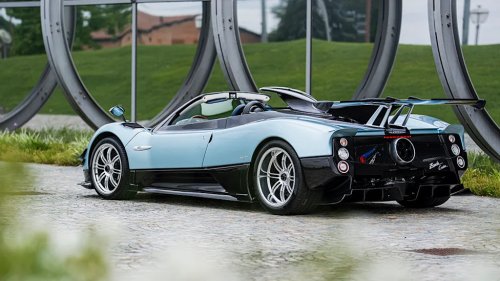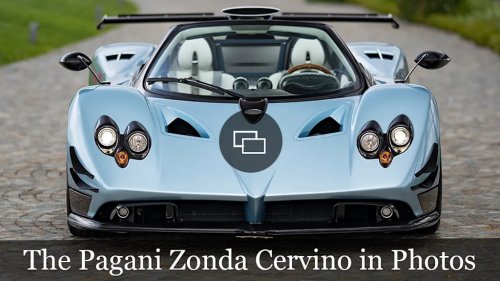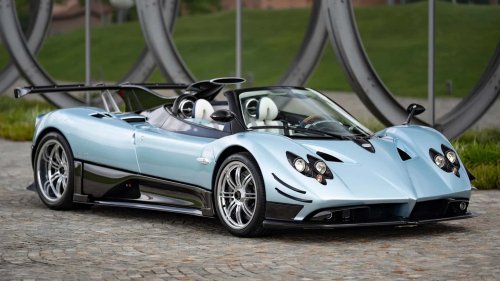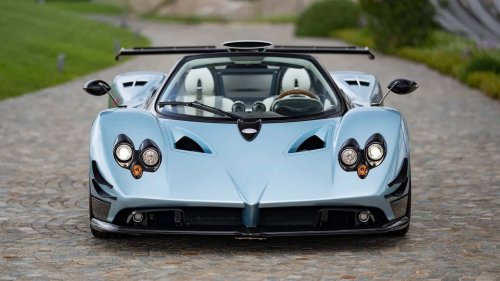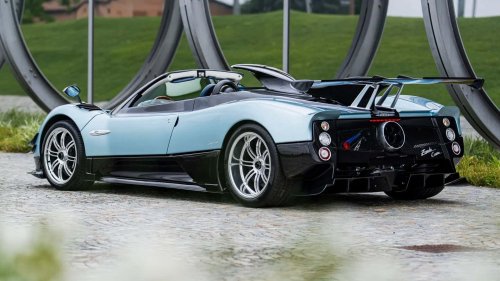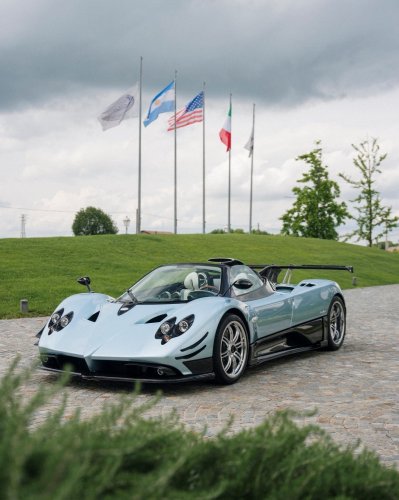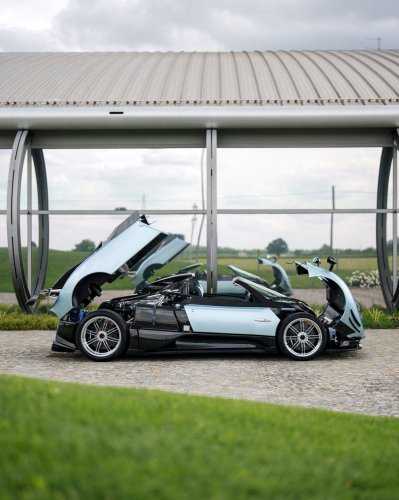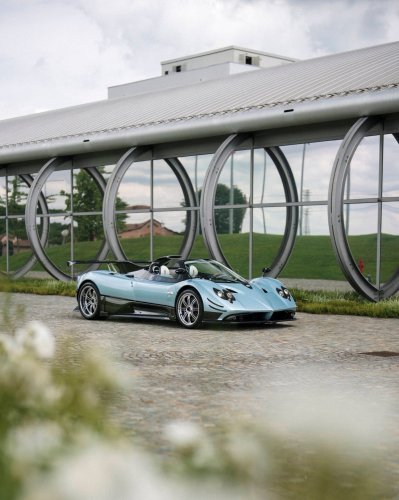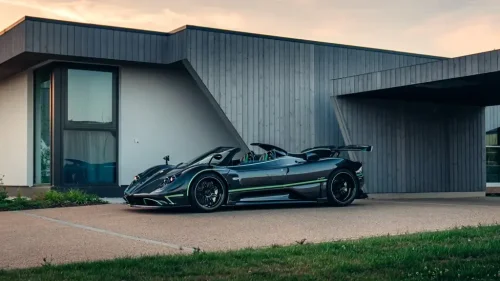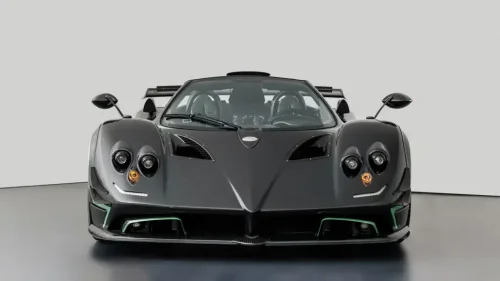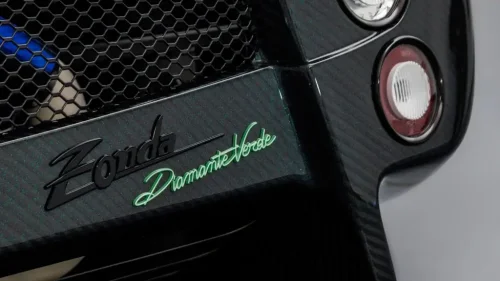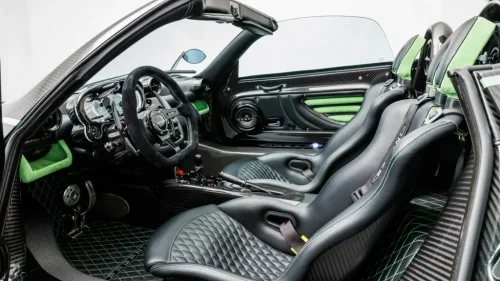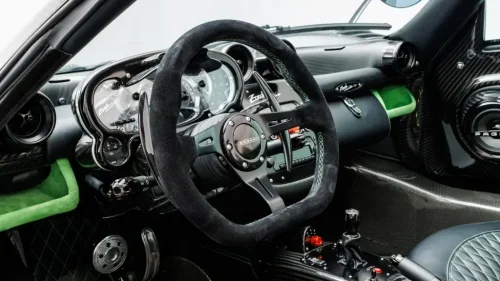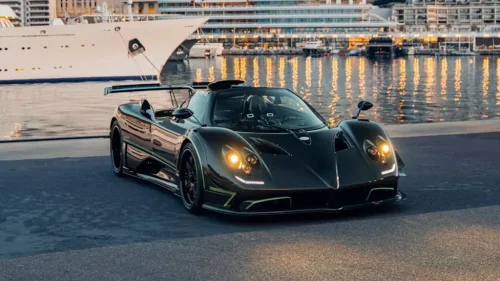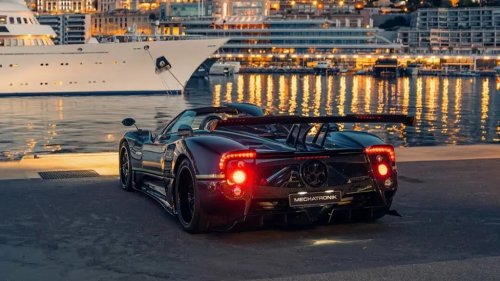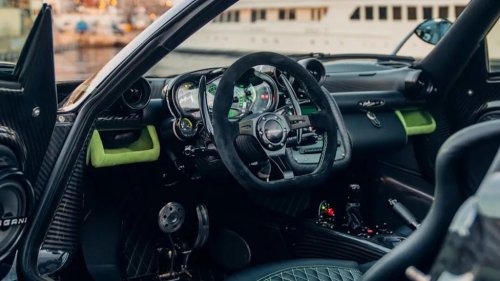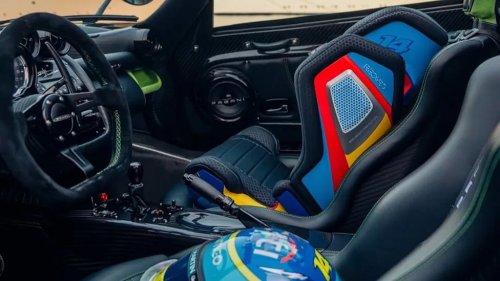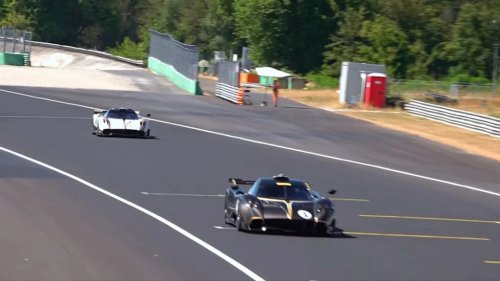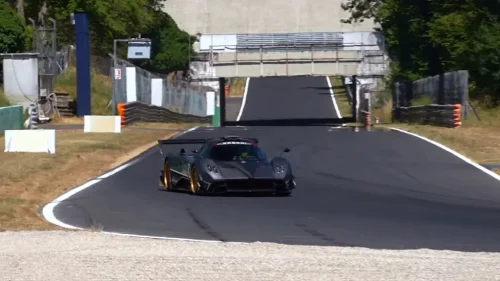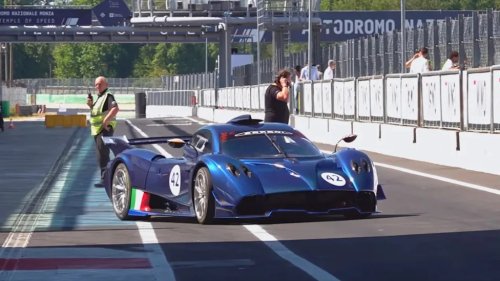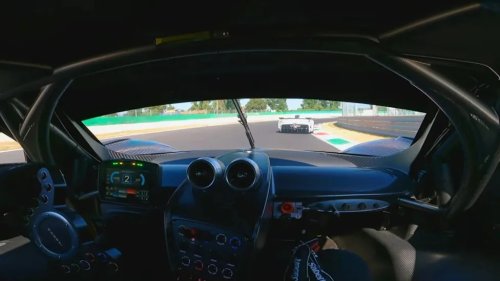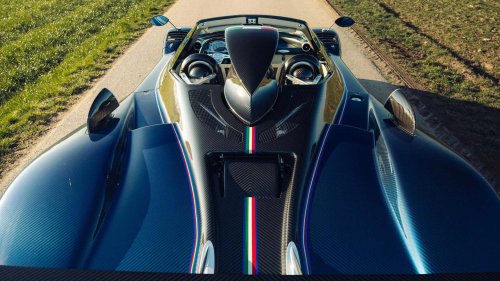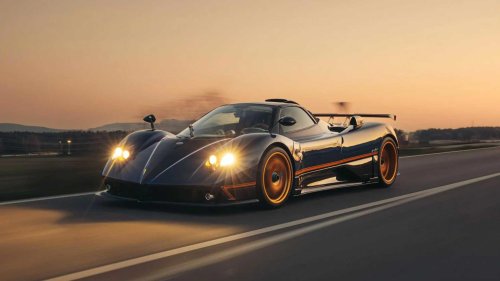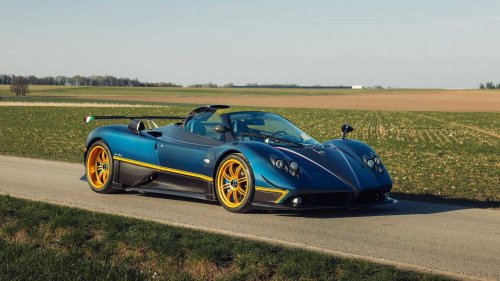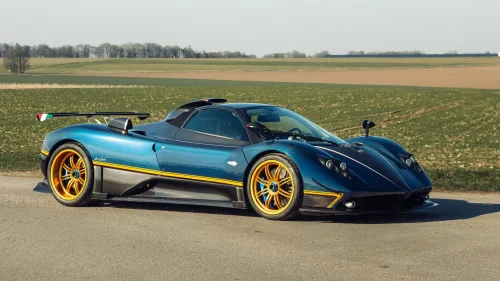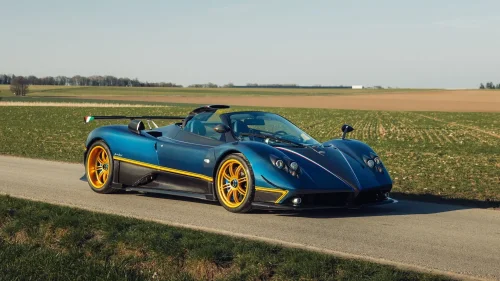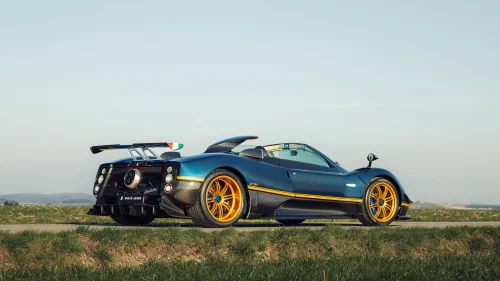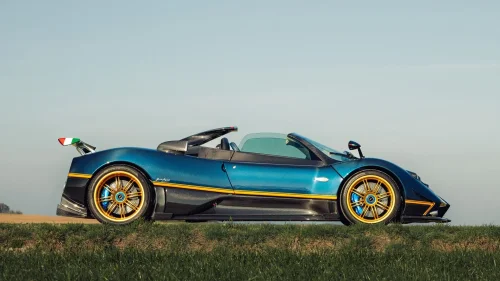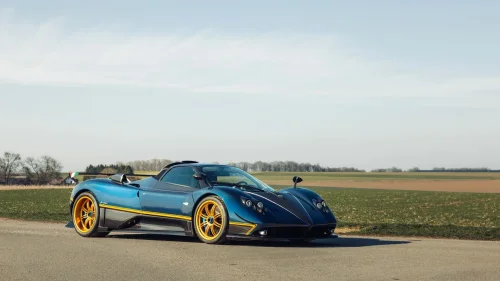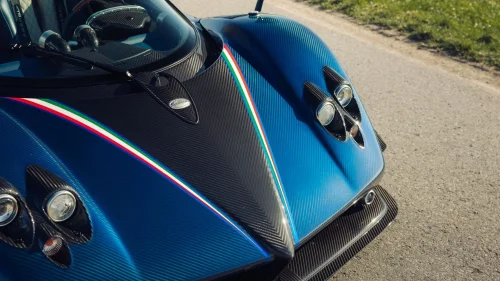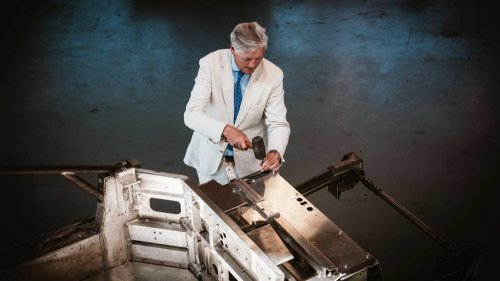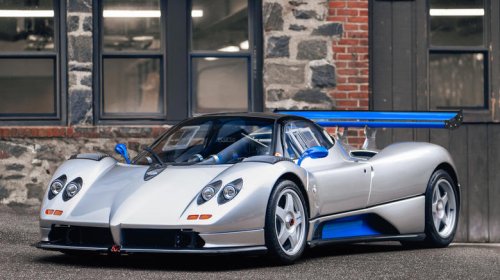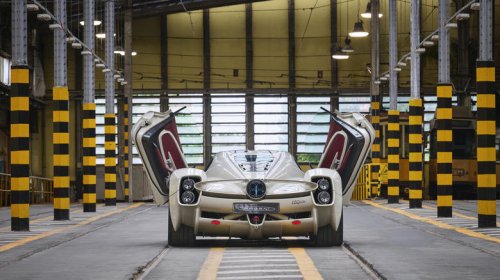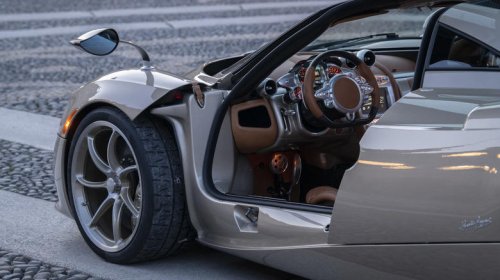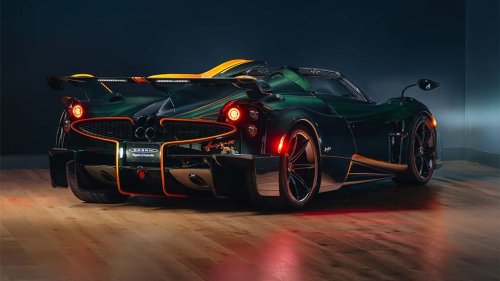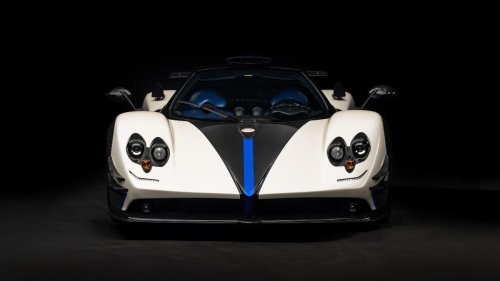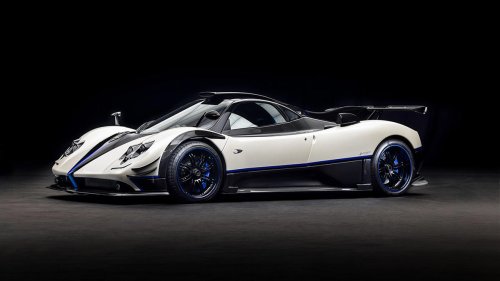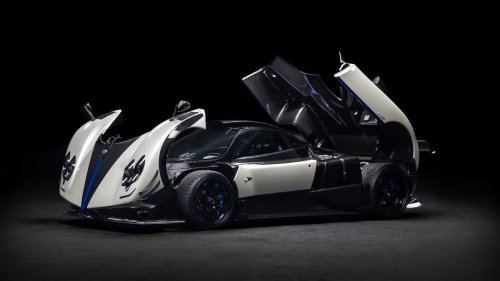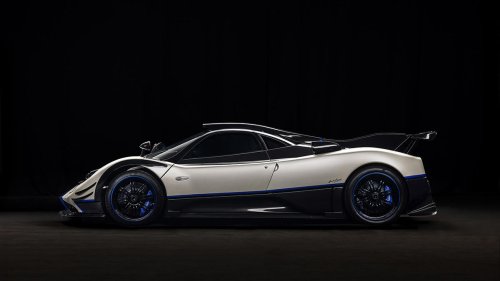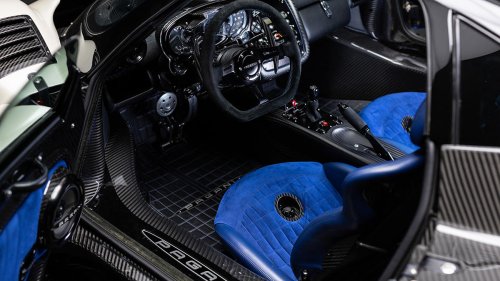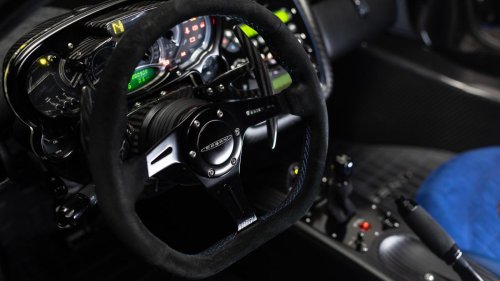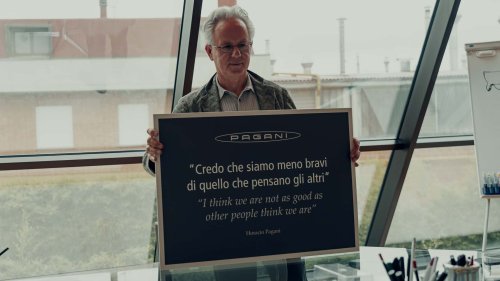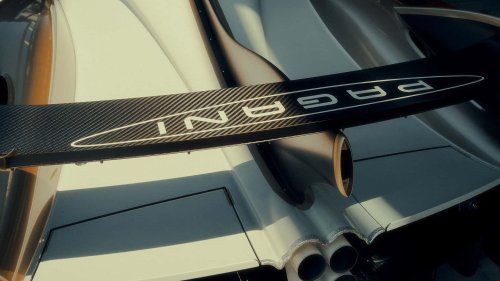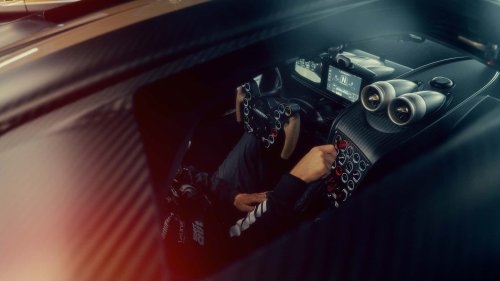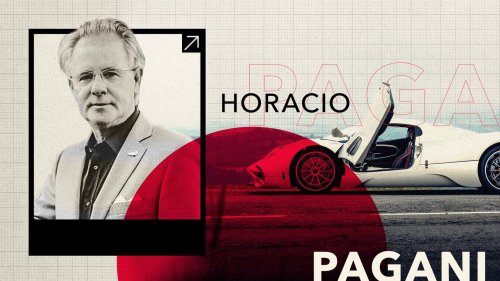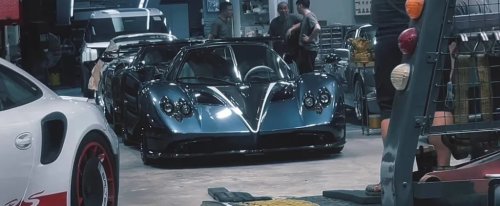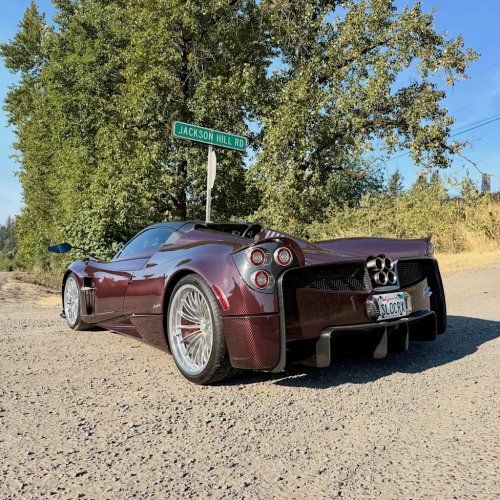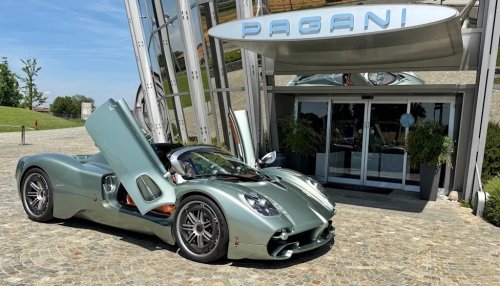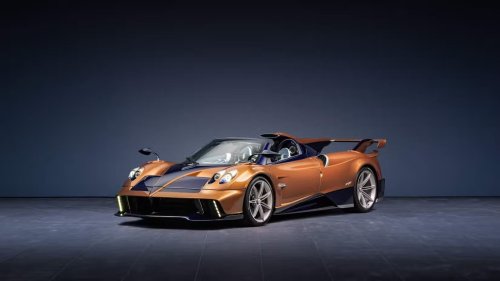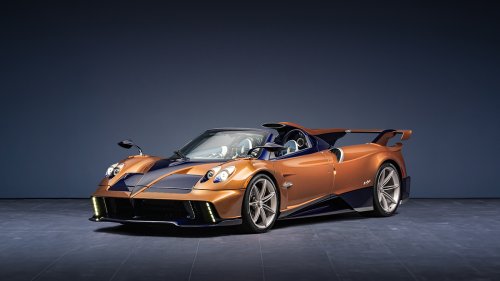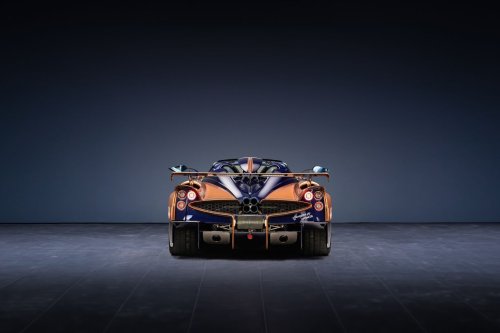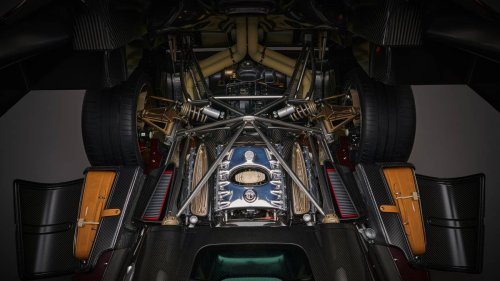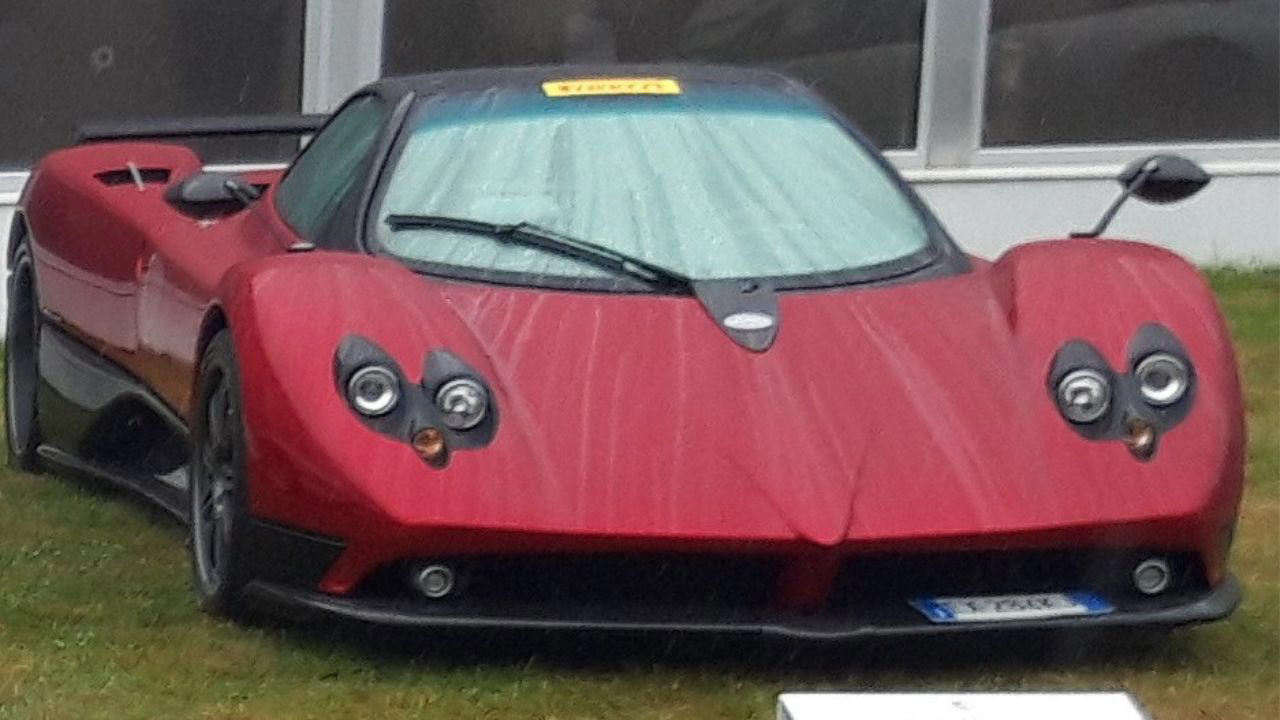



















The 2006 Pagani Zonda F delivered craftsmanship and performance in equal measureThe 2006 Pagani Zonda F arrived at a time when supercars were chasing ever higher power figures, yet few matched its blend of a 7.3 liter naturally aspirated V12, obsessive weight saving and coachbuilt detail. It was a road car shaped by race-car logic and finished with the care of a bespoke watch. Two decades later, it still stands as one of the clearest expressions of Horacio Pagani’s belief that performance and artistry should be inseparable. Built around that huge Mercedes-AMG engine and a carbon fiber body that looked sculpted rather than stamped, the Zonda F helped define what a modern boutique hypercar could be. Its numbers were startling, but its enduring impact comes from how those figures were wrapped in hand-finished aluminum, exposed carbon and a sense of theatre that mass-produced exotics rarely match. The 7.3 liter V12 at the heart of the Zonda F At the center of the 2006 Zonda F sat a 7.3 liter V12 developed by Mercedes-AMG, an evolution of the M120 unit that had powered earlier Zondas. In the F, output climbed to around 602 horsepower and roughly 760 Nm of torque, figures that pushed the car into the same performance territory as the most aggressive supercars of its era. The engine was mounted longitudinally behind the cabin, feeding power to the rear wheels through a traditional six speed manual transmission that reinforced the car’s analog character. That displacement and cylinder count were not just for bragging rights. The long-stroke V12 delivered a deep well of torque from low revs, which meant the Zonda F could surge forward in almost any gear without waiting for boost or complex hybrid systems to wake up. Drivers did not need to chase the redline to feel the car at full stride, yet the engine still rewarded high revs with a hard-edged, metallic howl that became part of the Zonda legend. Despite its size, the V12 was tuned for responsiveness. Individual throttle bodies, careful calibration of the intake and exhaust, and a relatively light flywheel helped the engine rev quickly for such a large unit. Throttle inputs translated into immediate changes in sound and acceleration, giving the car an intimacy that many later turbocharged hypercars struggled to replicate. The powertrain felt mechanical and direct, with little electronic filtering between the driver’s right foot and the rear tires. Performance figures that matched the drama The Zonda F’s performance numbers reflected the potency of its 7.3 liter heart and the obsessive focus on mass. According to period data, the car could sprint from 0 to 100 km/h in roughly 3.6 seconds and reach 200 km/h in about 9.8 seconds. Top speed hovered near 345 km/h, placing it firmly in the upper tier of mid-2000s hypercars. Those figures were achieved without all-wheel drive or dual clutch trickery, relying instead on mechanical grip, aerodynamics and the skill of the person behind the wheel. Engineers kept weight to around 1,230 kilograms in coupe form, a remarkably low figure for a twelve cylinder car with a full interior and safety equipment. Extensive use of carbon fiber for the monocoque and body panels, titanium fasteners and lightweight suspension components all contributed to that number. The resulting power-to-weight ratio gave the Zonda F a level of agility that surprised drivers who expected a long-nosed, wide-bodied V12 machine to feel heavy. On track, the car translated its straight-line speed into lap time through downforce and mechanical balance. Revised aerodynamics, including a more aggressive front splitter, larger rear wing and reworked underbody, improved stability at high speed. Wider tires and refinements to the double wishbone suspension helped the Zonda F generate serious lateral grip while still riding with a degree of compliance on public roads. It was not a stripped-out racer, but it could deliver track pace when asked. Handcrafted artistry in carbon and aluminum Performance alone did not make the Zonda F special. Its visual and tactile details turned it into a rolling piece of automotive art. The bodywork combined exposed carbon fiber sections with painted surfaces, highlighting the weave and depth of the composite material. The carbon was not just structural; it was finished to a standard that made the surface itself a design feature rather than something to be hidden under paint. Inside, the cabin showcased the kind of handcraft that defined Pagani’s early work. The steering wheel, switchgear and ventilation controls were milled from aluminum, then polished or brushed to a jewel-like finish. Leather was stitched with visible care, following the complex curves of the seats and dashboard. Even the instrument cluster, with its deeply set analog dials and ornate fonts, looked more like a bespoke chronograph than a typical car display. Horacio Pagani’s background in composite engineering and design shaped this approach. He treated the car as a sculpture that also happened to be extremely fast. Exposed fasteners, visible carbon weave and intricate metalwork were not random flourishes, but part of a cohesive aesthetic that linked the exterior, interior and even the engine bay. The V12 itself sat under a clear cover, framed by carbon and titanium, inviting inspection in the same way a watch with a skeletonized movement does. Pagani’s philosophy of art and engineering The Zonda F emerged from a philosophy that treated engineering and aesthetics as equal partners. Horacio Pagani had long argued that a supercar should appeal to all the senses, not just the stopwatch. That belief is reflected in the way the car sounds, feels and even smells, from the aroma of leather to the heat shimmering off the titanium exhaust tips after a spirited drive. This philosophy can be seen today in the way Pagani presents its history. The company’s own collection of cars and artifacts, gathered in the Pagani museum, treats models like the Zonda F as milestones in a larger story about design and innovation. The car is not just displayed as a performance object, but as evidence of a particular approach to materials, form and craftsmanship. In that context, the Zonda F represents a turning point. Earlier Zondas had already established the brand’s identity, but the F refined it, bringing more power, more advanced aerodynamics and a more mature design language. It balanced aggression with elegance, showing that a hypercar could be flamboyant without slipping into caricature. The car’s proportions, with its low nose, teardrop cabin and dramatic rear overhang, still look cohesive and purposeful today. How the Zonda F evolved from its predecessors The F was an evolution of the original Zonda C12 concept, but the changes were significant enough that it felt like a new generation rather than a simple update. According to period specifications, the car’s 7.3 liter engine gained power over the earlier S and C12S models, while the chassis and suspension were reworked to improve stiffness and responsiveness. The aerodynamics were also extensively revised, with new front and rear treatments that increased downforce without adding excessive drag. Technical references from sources such as model archives highlight how the F’s lighter components and improved brake package contributed to shorter stopping distances and better track performance. Carbon ceramic discs were optional, giving the car fade resistance that matched its straight-line potential. These upgrades reflected feedback from owners who were using their cars on circuits as well as public roads. Visually, the F introduced details that would become signatures for later Pagani models. The quad central exhaust, already a Zonda hallmark, was integrated more cleanly into the rear fascia. The side air intakes grew in size and complexity, feeding the larger engine and cooling systems while adding visual drama. The wheels adopted a more sculpted, turbine-like design that complemented the flowing bodywork. The human stories behind a low-volume icon Because production numbers were extremely limited, each Zonda F carried a personal story. Pagani built the cars in small batches, often tailoring details to individual customers. Paint colors, interior materials, stitching patterns and even small pieces of trim could be specified to a degree that went far beyond typical options lists. Owners were not just buying a fast car, but commissioning a piece of functional art. One particularly telling example involves Horacio Pagani himself. Reporting on his personal garage describes how he has chosen to drive a nearly 20 year old Zonda F that originally belonged to Pagani’s first customer, a car valued around 12 million dollars in the current collector market. That specific car, chronicled in a profile of Horacio’s Zonda, shows how the model has become part of the company’s personal mythology as well as its public image. The fact that the founder still spends time behind the wheel of a Zonda F, rather than only the latest models, reinforces the idea that the car occupies a special place in Pagani’s history. It is not treated as a museum piece to be locked away, but as a living machine that continues to be driven and enjoyed. That approach aligns with the brand’s message that these cars are meant to be experienced, not just collected. Why the 2006 Zonda F still matters in 2025 Nearly two decades after its debut, the Zonda F continues to influence how enthusiasts and manufacturers think about ultra-low volume performance cars. Its blend of naturally aspirated power, manual transmission and handcrafted detail has become increasingly rare in a market that now leans heavily on turbocharging, hybridization and digital interfaces. For many collectors, those analog qualities are exactly what make the car so desirable. Values on the secondary market reflect that perception. While exact figures vary depending on specification and provenance, Zonda F examples have traded hands at prices that place them among the most expensive modern classics. The combination of limited production, distinctive design and the enduring reputation of the 7.3 liter V12 has turned the car into a blue-chip asset in the hypercar world. Beyond money, the Zonda F’s legacy can be seen in how later Paganis are judged. Newer models such as the Huayra and its derivatives are often compared back to the F in terms of steering feel, sound and sense of occasion. Enthusiasts frequently treat the Zonda line, and the F in particular, as a benchmark for emotional engagement, even when newer cars eclipse it on paper with more power or advanced electronics. Collectors, museums and the preservation of craftsmanship The Zonda F’s status as an icon has also shaped how institutions and private collectors present it. Within the Pagani museum and other curated collections, the car is often displayed alongside earlier Zondas and engineering artifacts that show its development path. That setting helps visitors understand the car not just as a standalone object, but as a chapter in a continuing story about how a small Italian company challenged established supercar brands. Preserving these cars involves more than keeping them clean and polished. The hand-built nature of the Zonda F means that replacement parts and repairs require the involvement of the original manufacturer or specialists who understand the unique construction techniques. Carbon fiber panels, bespoke aluminum components and tailored interiors cannot simply be ordered from a parts catalog. This dependency reinforces the bond between owners and the factory, and it helps maintain the car’s authenticity over time. More from Fast Lane Only Unboxing the WWII Jeep in a Crate 15 rare Chevys collectors are quietly buying 10 underrated V8s still worth hunting down Police notice this before you even roll window down *Research for this article included AI assistance, with all final content reviewed by human editors.