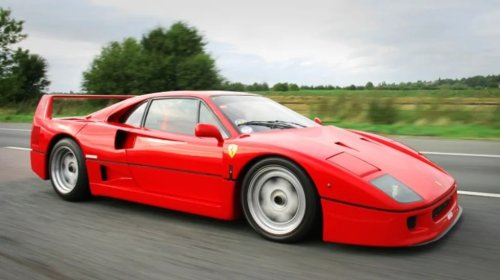
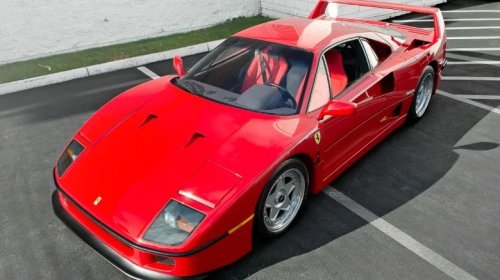
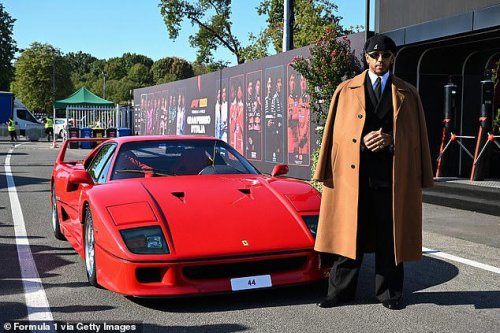
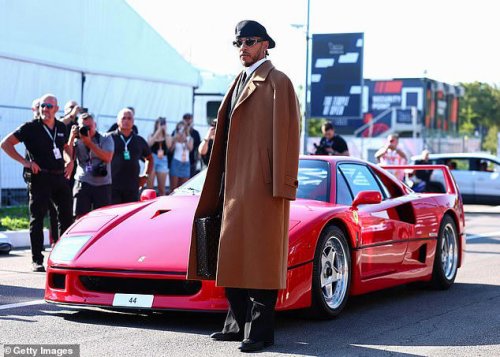
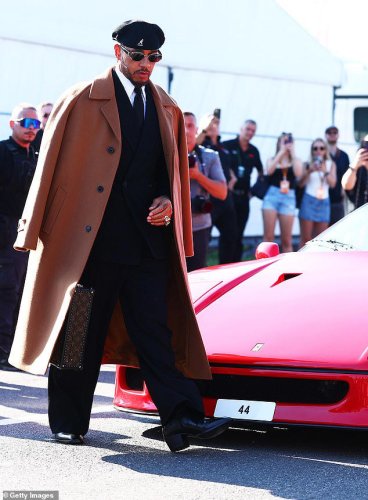
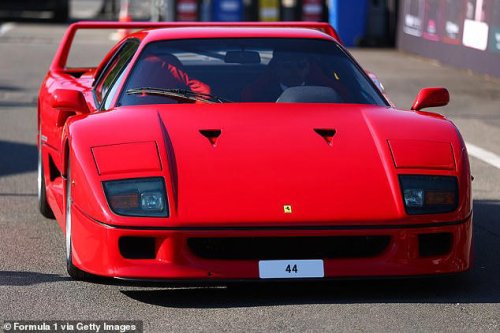
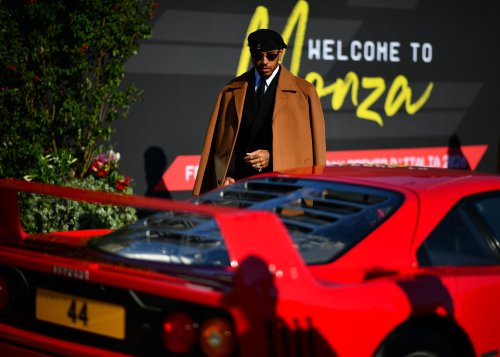
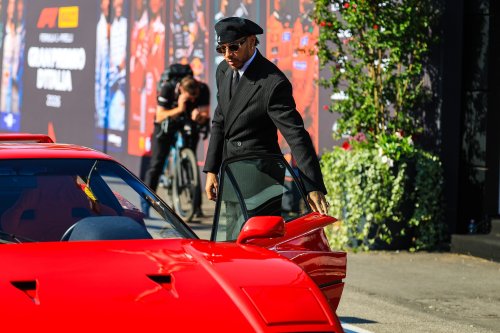
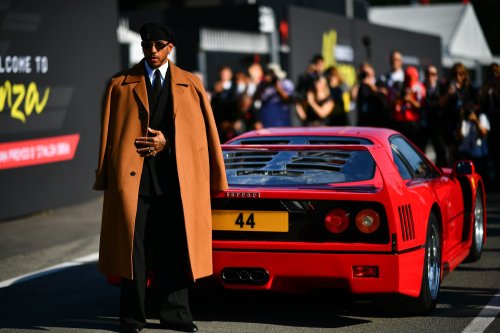
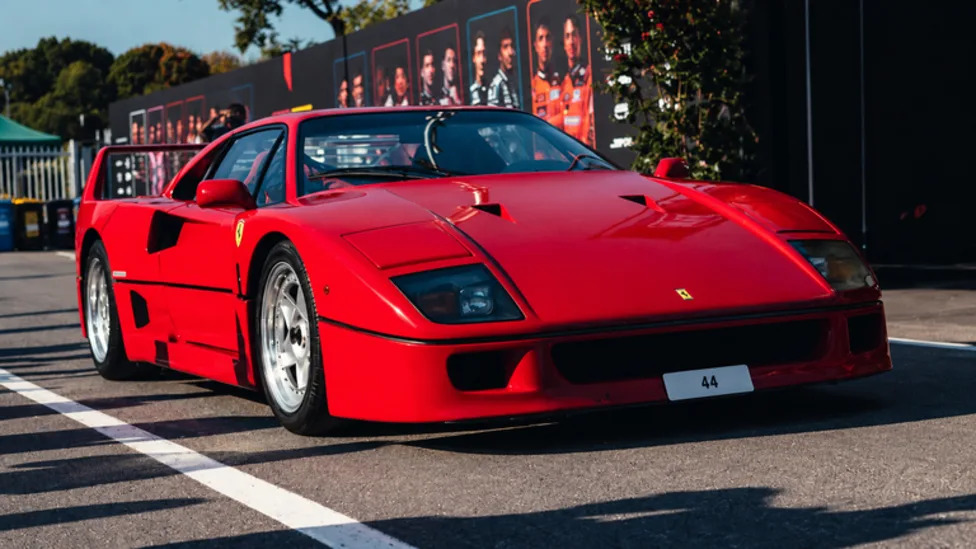
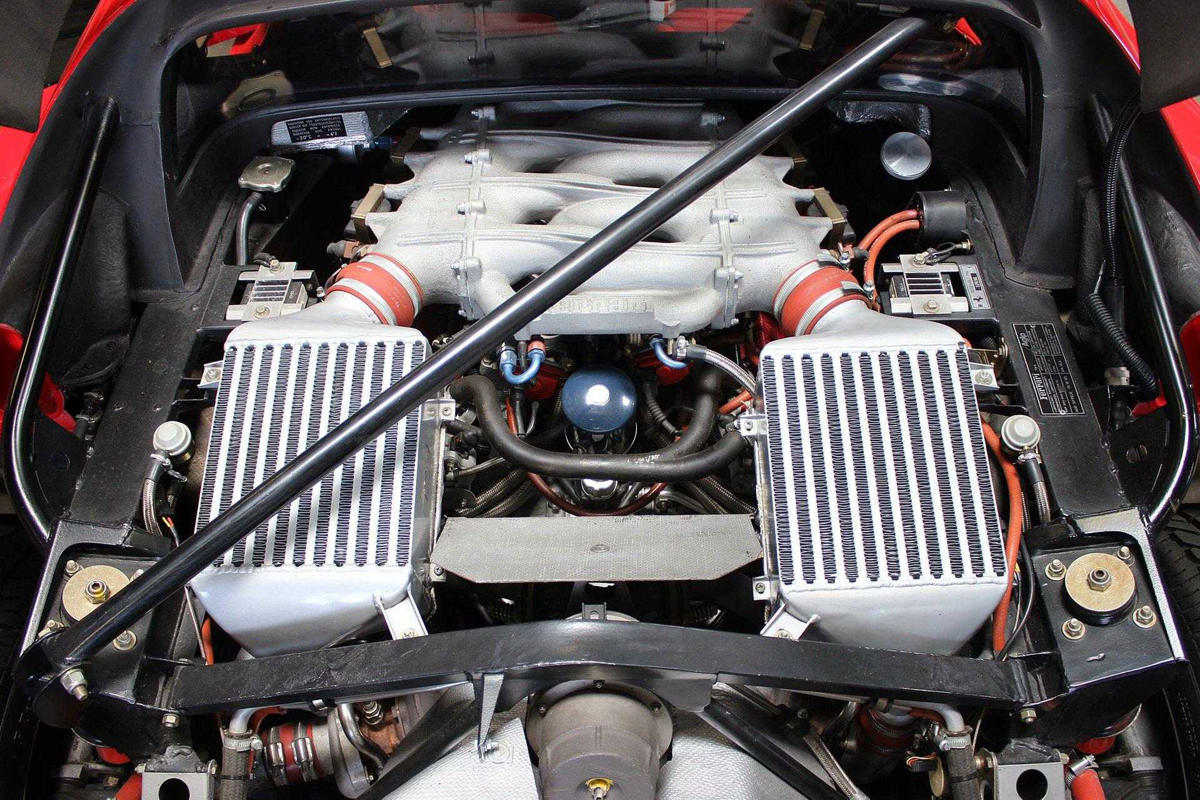
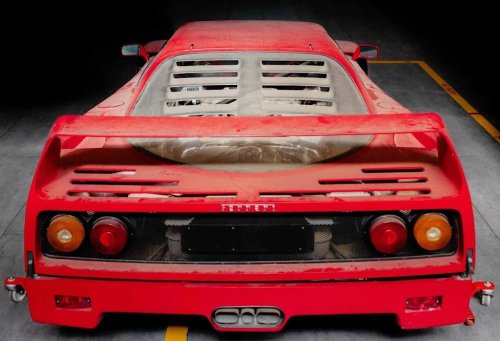
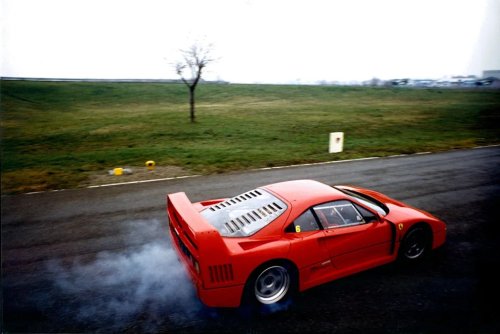
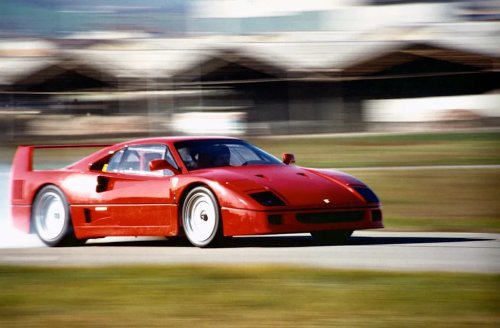
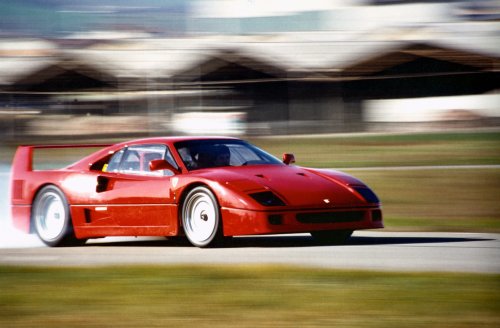
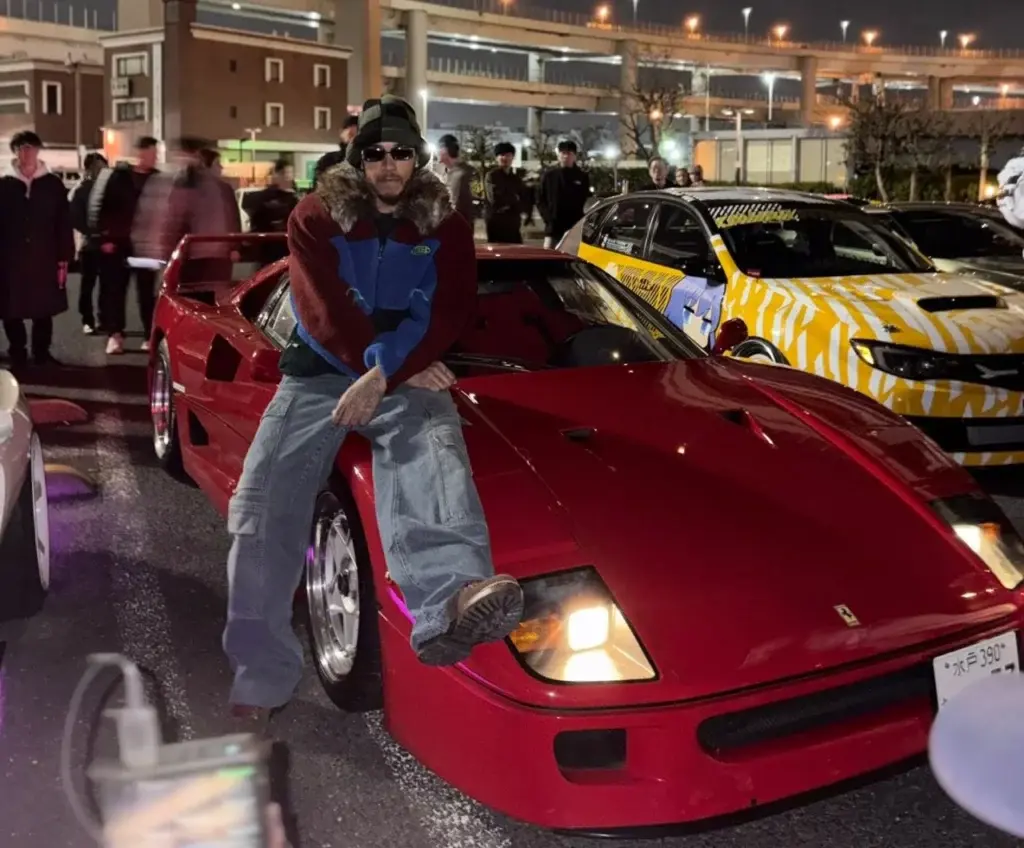
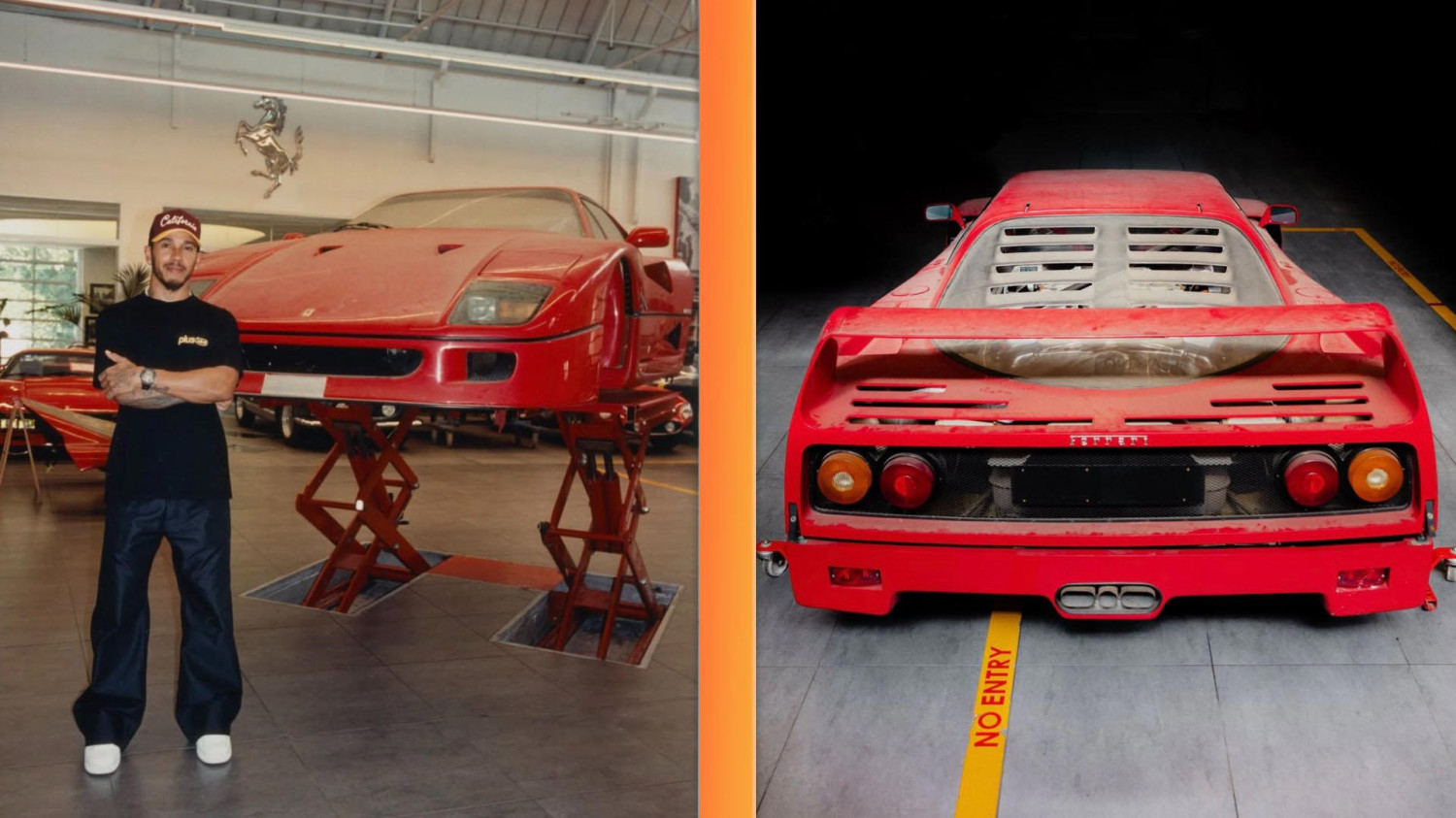
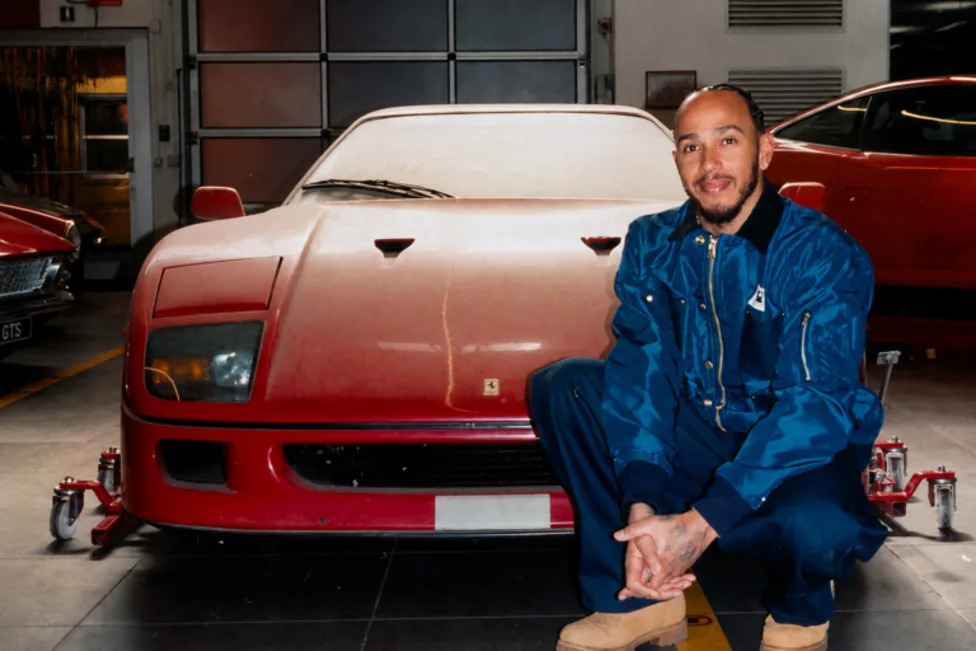
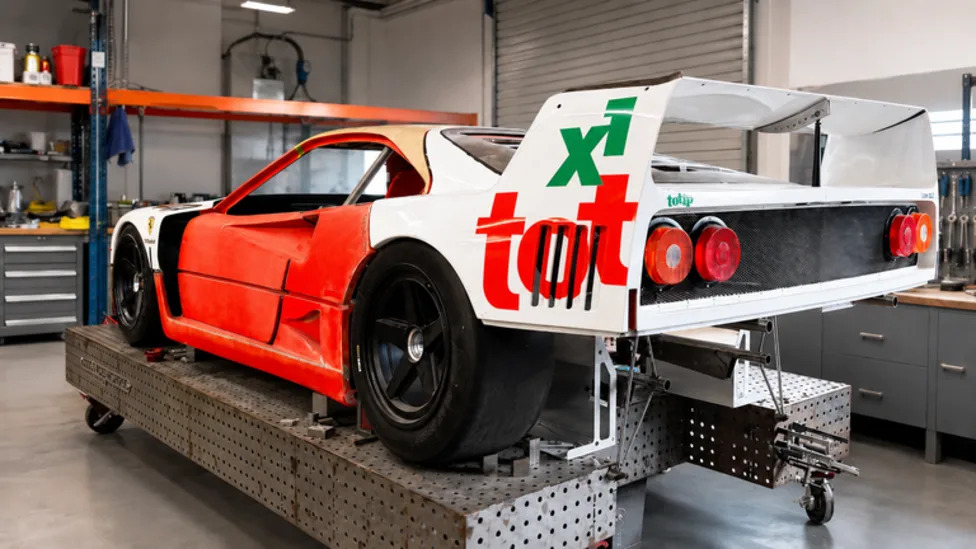
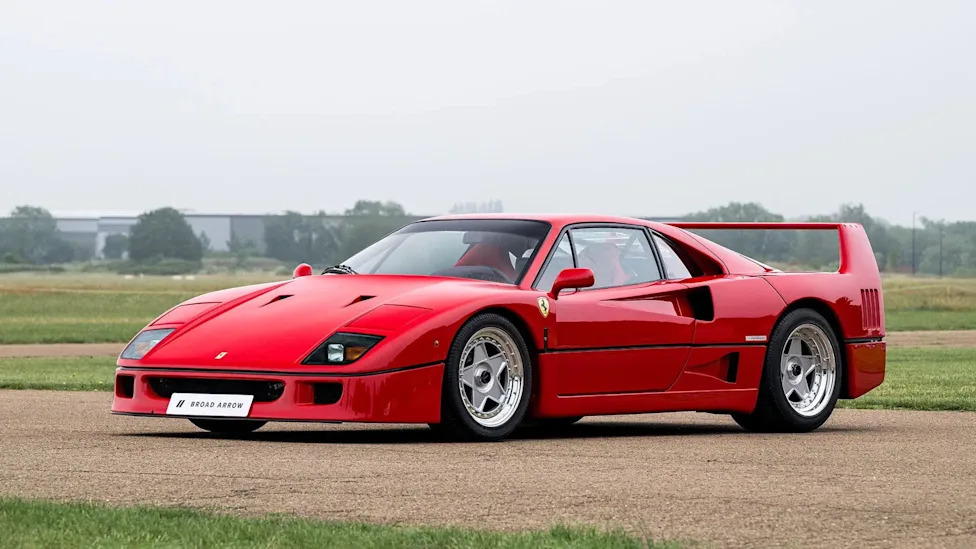
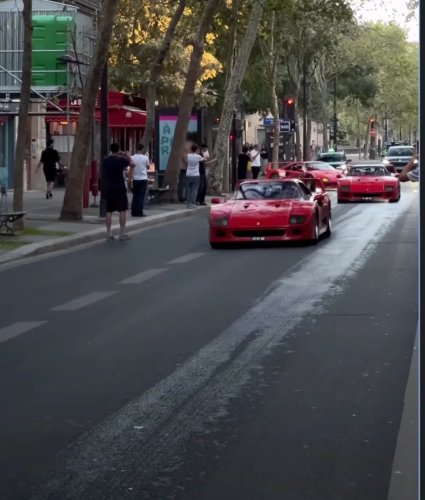
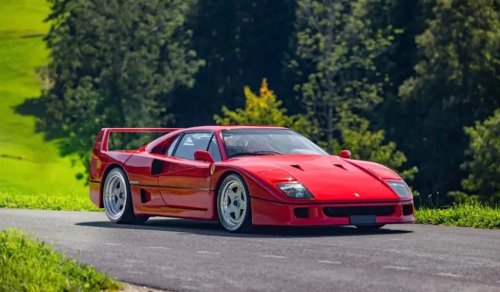
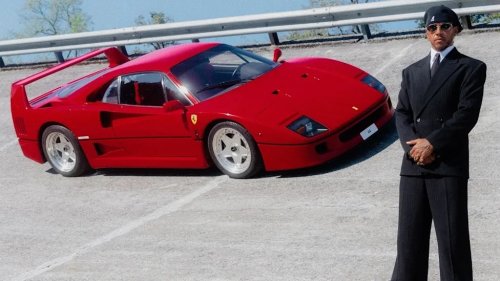
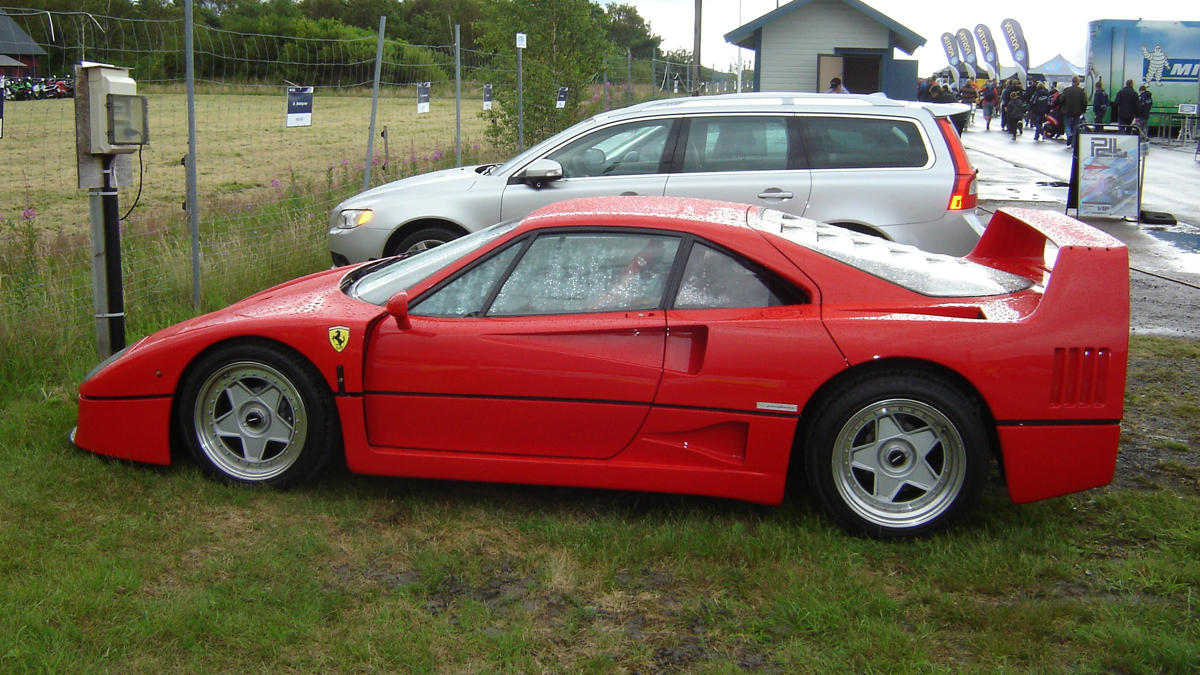
The Ferrari F40 arrived in 1987 as a celebration of Ferrari’s 40th anniversary, but it quickly became something more than a poster car. Built with race-bred hardware and almost no comfort features, it offered a level of mechanical honesty that modern supercars rarely attempt. For many enthusiasts it remains the clearest expression of Ferrari’s focus on speed first, style second, and driver comfort a distant third. Over time, that reputation has only grown as the car’s story has been retold. The F40’s twin-turbo V8, sparse cabin, and aggressive aerodynamics created a machine that looked dramatic yet felt closer to a competition car than a grand tourer. The result is a legend that still shapes how collectors, engineers, and even pop culture think about what an uncompromising performance car should be. What happened Ferrari introduced the F40 in 1987 as a limited-production flagship that marked four decades of the company’s road cars. Conceived during the final years of Enzo Ferrari’s life and widely described as the last road car he personally approved, it has taken on a special status among fans and historians. Period accounts describe how the project took lessons from the 288 GTO Evoluzione racing program and translated them into a road-legal package with minimal concessions to comfort. At its core was a 2.9 liter twin-turbocharged V8 that produced around 478 horsepower in European specification, driving the rear wheels through a five-speed manual gearbox. Contemporary tests highlighted how the engine’s boost delivery defined the experience, with a relatively calm response below the turbo threshold and a violent surge of acceleration once the turbos came on song. The official top speed figure of about 201 miles per hour placed the car among the fastest production vehicles of its era, and period road tests treated that number as a headline achievement. Ferrari wrapped that drivetrain in a body constructed from lightweight materials such as Kevlar, carbon fiber, and aluminum, all bonded to a tubular steel chassis. The exterior design, often described in detail by analysts of the model’s legacy, combined functional vents and ducts with a long, low profile and a fixed rear wing. The car’s styling has been praised as one of the most recognizable silhouettes in automotive history, yet engineers repeatedly emphasized that the shape was dictated by cooling and downforce targets more than fashion. The interior reflected the same philosophy. Reports on surviving examples describe bare composite panels, exposed adhesive seams, simple pull cords in place of elaborate door hardware, and fixed-back bucket seats trimmed in thin cloth. Air conditioning was optional, sound insulation was almost nonexistent, and there were no advanced driver aids. The focus on low weight kept the car around 1,100 kilograms in many configurations, which magnified both its performance and its reputation for demanding driver input. Period production plans initially called for a relatively small run, but demand from collectors and enthusiasts led Ferrari to build more than 1,300 cars. Detailed breakdowns of the production figures vary slightly between sources, yet they consistently place the total well above the first estimates, underlining how quickly the F40’s reputation spread among buyers. Despite the increased volume, the car remained rare enough that each chassis is now tracked closely in the collector world. Modern profiles of the model describe how the F40’s raw character has become a key part of its appeal. One detailed overview of the car’s design and ownership experience notes that the lack of electronic safety nets and the explosive turbo response can intimidate drivers who are used to modern supercars, but that same quality makes the car feel uniquely alive to those who learn its limits. That analysis of the F40 as an “icon” highlights how the car’s reputation has grown as its contemporaries have faded from public memory, reinforcing its status as a benchmark for analog performance cars, as seen in one detailed retrospective. Collectors and historians also point out that the F40’s use of turbocharging was part of a broader shift inside Ferrari. A focused history of the company’s 1980s models explains how forced induction moved from the track to the road during that decade, with the F40 representing a culmination of that experimentation. The same analysis notes that Ferrari’s early turbo road cars were known for significant lag and a sudden hit of power, a trait that shaped the way drivers learned to manage throttle and gear selection in the F40, as described in a study of how an 1980s Ferrari introduced to the brand’s road lineup. Beyond the engineering details, the F40’s story has been retold through modern collector coverage. One in-depth look at the car’s legacy traces how its auction values climbed sharply as analog supercars gained favor among younger buyers. That piece links the car’s market performance to its reputation as a “driver’s car,” emphasizing that collectors are not only chasing rarity but also the unique experience that comes from a lightweight, turbocharged machine without electronic intervention, as outlined in a recent legacy-focused analysis. Why it matters The F40 matters first because it captured a philosophy that is increasingly rare in modern performance cars. With no traction control, no stability control, and a chassis tuned for high-speed stability rather than everyday comfort, it demands that the driver bring skill and attention to every drive. Enthusiast writers often describe how the car’s steering weight, manual gearbox, and turbo delivery create a sense of occasion even at moderate speeds. That level of engagement has become a reference point in debates about whether contemporary supercars, with their dual-clutch transmissions and advanced electronics, have sacrificed too much feel in pursuit of lap times and usability. In engineering terms, the F40 represented a peak in Ferrari’s early turbocharging experiments on road cars. The brand had already tested forced induction in earlier models, but the F40’s 2.9 liter V8 pushed the concept to an extreme that made sense only in a limited-production flagship. The car’s success helped normalize the idea that a Ferrari could be turbocharged without losing its identity. Later decades would see the company return to turbocharging in a more refined form, yet the F40 remains the most famous example of the raw, high-boost approach that defined that first wave. The car also marked a shift in how manufacturers and buyers viewed limited-run supercars. Before the F40, halo models were often treated primarily as technology showcases or homologation specials. The F40 blended that approach with a clear focus on collectability and brand image. Its aggressive styling, visible carbon weave, and prominent rear wing were not subtle. They signaled that this was a car built to stand apart even from other Ferraris. That strategy has since become standard practice, from later Ferrari flagships to rival brands that now plan entire product cycles around limited-series models. Comparisons with the Ferrari F50 highlight how the F40’s personality shaped expectations for its successors. A detailed comparison of the two cars notes that the F50 adopted a naturally aspirated V12 derived from Formula 1 technology, used a more sophisticated carbon tub, and offered a slightly more refined interior. Yet the same analysis observes that many enthusiasts still view the F40 as the more visceral machine, largely because of its lighter weight and more aggressive turbocharged power delivery. The comparison underscores how the F40 set a template that even its direct successor could not fully replicate, a point made clear in a side-by-side evaluation of the two flagships. From a cultural perspective, the F40 has become one of the most recognizable supercars of the late twentieth century. Its presence in period posters, video games, and scale models made it a childhood dream car for a generation that is now old enough to buy and collect these machines. As that cohort has gained purchasing power, demand for the F40 has helped push values higher, reinforcing the car’s status as both a financial asset and a symbol of a certain kind of analog driving experience. The car’s influence extends into contemporary music and fashion circles as well. Modern artists and celebrities who grew up with the F40 on their walls have sought out the real thing, often using it as a visual shorthand for exclusivity and taste. One example is the rapper and producer Tyler, The Creator, whose personal F40 appeared in one of his music videos. Coverage of that cameo emphasized how the car’s bright red finish and distinctive shape instantly communicated a sense of rarefied automotive culture, even to viewers who might not know its full history, as highlighted in a report on Tyler, The Creator’s. That kind of pop culture visibility matters because it keeps the F40 relevant to audiences far removed from traditional car circles. When a three-decade-old supercar appears alongside contemporary fashion and music, it signals that the design and story still resonate. For Ferrari, this ongoing presence reinforces the brand’s identity as a maker of aspirational objects that transcend pure transportation. For the broader car world, it shows how a machine built with uncompromising engineering choices can become a lasting icon rather than a period curiosity. Automotive historians also point to the F40 when tracing the evolution of supercar safety and usability. The car’s minimal driver aids and sharp responses have led some modern reviewers to describe it as challenging at the limit, particularly in wet conditions or on unfamiliar roads. That reputation has influenced how later manufacturers balance performance with accessibility. Many of today’s hypercars use sophisticated electronics to deliver similar or greater performance with a much wider safety margin. The F40 serves as a reference point in that conversation, a reminder of what happens when power and low weight are combined with limited assistance. Finally, the F40’s continued presence in “greatest supercars” lists and retrospective features shows how strongly it anchors the narrative of 1980s performance cars. Some surveys of that decade’s standout machines single out the F40 as the defining model, citing its blend of racing technology, turbocharged power, and austere cabin. One such overview of 1980s supercars highlights how the F40’s top speed and visual drama made it the poster child for the era’s excess, while its stripped-back interior kept it rooted in motorsport values, as described in a feature on 1980s supercars. What to watch next The F40’s story is not static. Its place in the market, in technology discussions, and in culture continues to evolve as new generations discover the car. On the market side, analysts will keep watching how values behave as more analog supercars reach key anniversaries and as economic cycles shift. The F40’s combination of relatively high production for a limited car and intense demand from enthusiasts makes it a useful indicator of how much weight buyers place on driving feel compared with rarity alone. More from Fast Lane Only Unboxing the WWII Jeep in a Crate 15 rare Chevys collectors are quietly buying 10 underrated V8s still worth hunting down Police notice this before you even roll window down



















 +77 others