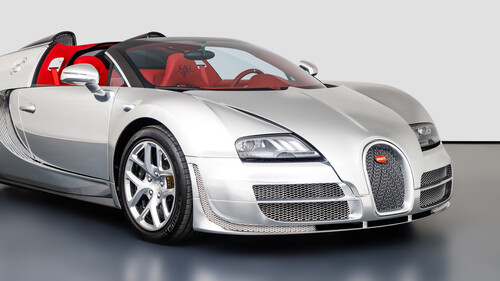
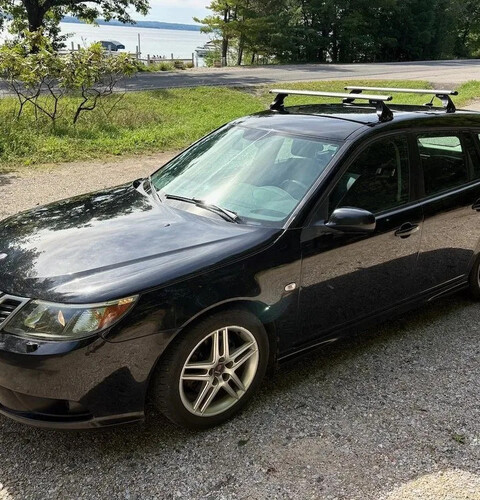
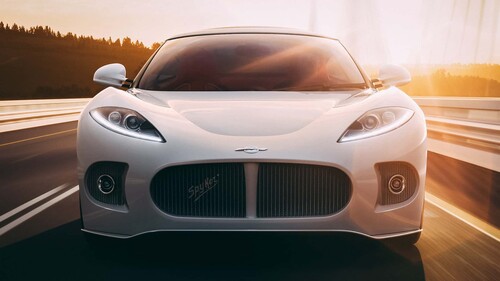
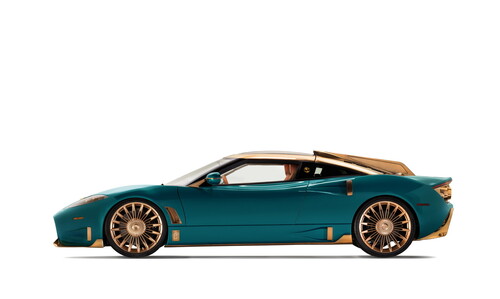
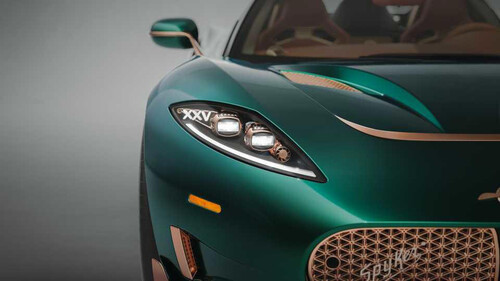
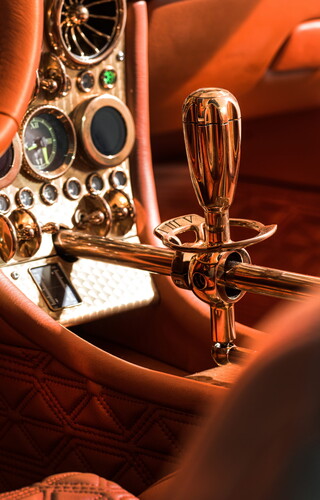
Liam Labelle · 5 months ago@liamlabelle71The Dutch Pagani is almost ready to reveal its new 800-hp V8 supercar Liked by+55 othersSaabSpykerSpyker C8 PreliatorPost commentRelated PostsSpyker C8 Preliator XXV Unveiled As A 788-HP Manual Hypercar You Actually Want To Drive 82 · Gabriel Campbell · 2 months ago55 of the biggest disasters in automotive history 67 · Emily Brown · 6 months agoCollector Car Market Brief: A One-of-Three Veyron Soars in Zurich While the Hypercars Stall 69 · Henry Mitchell · 26 days agoQOTD: After Buttons, What Feature Needs A Comeback? 58 · Lily Morgan · 26 days agoSpyker Is Back With The 800-HP, Gold-Plated, Manual-Only C8 Preliator XXV Coupe 29 · Isabelle Morgan · 2 months ago6 cars that shared an engine with their exotic counterparts 39 · Lucas Campbell · 6 months agoYou Won’t Believe Who Now Owns The Most Expensive Bugatti Veyron Ever Built 94 · Liam Bouchard · 1 months ago2009 Saab 9-3 For Sale 44 · Jenna Fortin · 26 days agoIf Audi’s Nuvolari Isn’t Your Style, Spyker’s C8 Preliator Offers Audi V-8 Power with Classic Looks 80 · Mia Harris · 2 months agoCan a used Saab be reliable? Yes, but it will take some work 16 · Thomas Walker · 7 months agoMichael Schumacher’s $18M Ferrari misses out on top spot in most expensive celebrity-owned car sales 48 · Lucas Poirier · 1 months agoThese are your worst experiences with a recall 77 · Isabelle Moreau · 28 days agoSpyker’s C8 Preliator XXV Coupé Marks the Revival of the Dutch Supercar Company 42 · Amélie King · 2 months agoThe world's greatest hypercars 74 · Amelia Anderson · 8 months agoFernando Alonso splashes out $5 million in eye-watering new purchase 31 · Kayla Harris · 1 months ago20 vintage classics that felt faster than anything in their class 21 · Lucas Johnson · 28 days agoSpyker C8 Preliator XXV Coupé First Look: The Antidote to the Electric Ferrari 55 · Mia Walker · 2 months ago10 cars inspired by aviation 67 · Audrey Scott · 8 months agoHave This With Your Coffee: Your Backfire News Round-Up for September 16 51 · Claire Macdonald · 1 months agoAMC Rambler, Nissan Skyline, Spartan Armored Personnel Carrier: The Dopest Cars I Found For Sale Online 30 · Thomas Wilson · 28 days ago




 +55 others