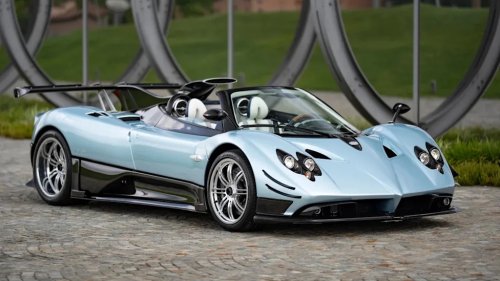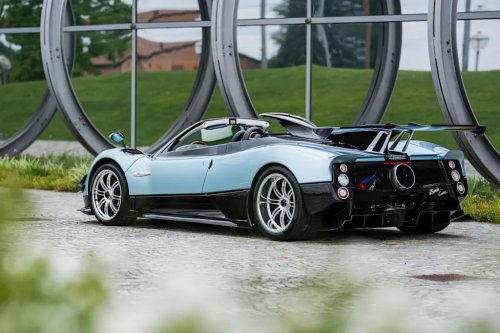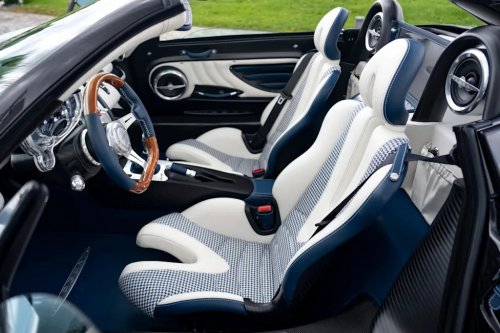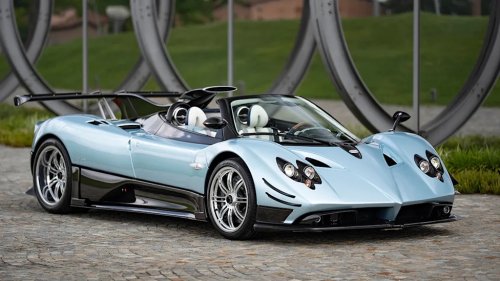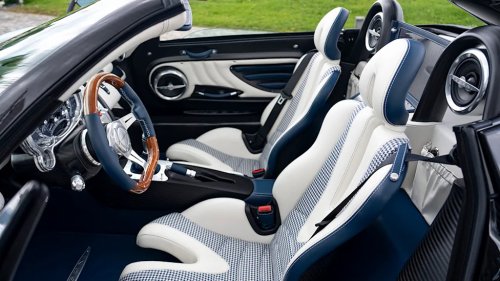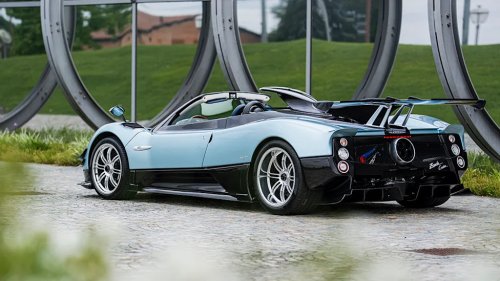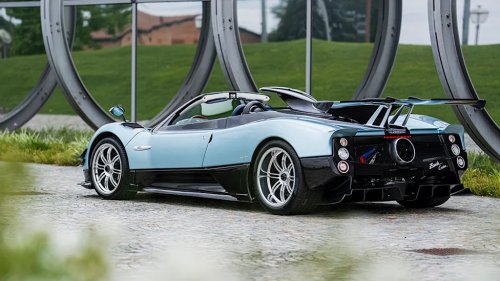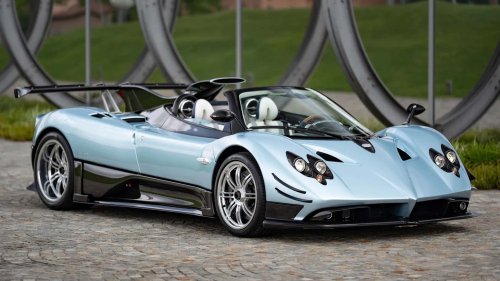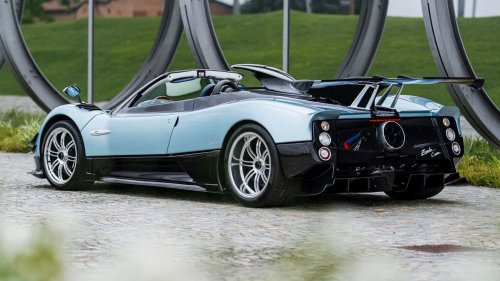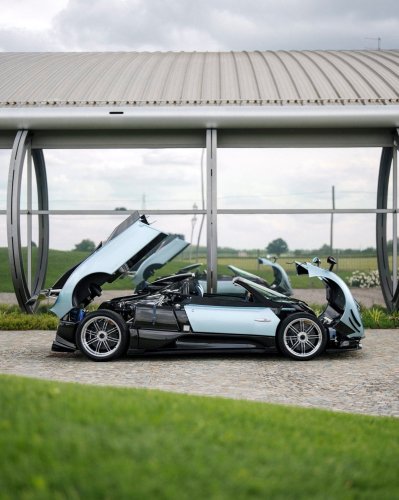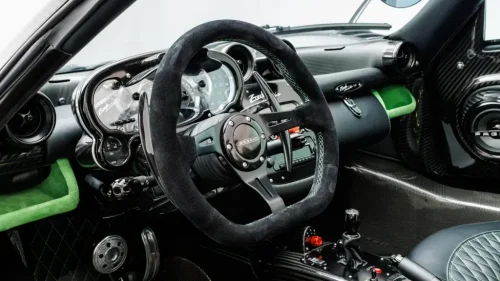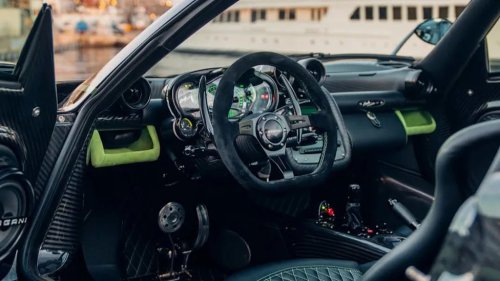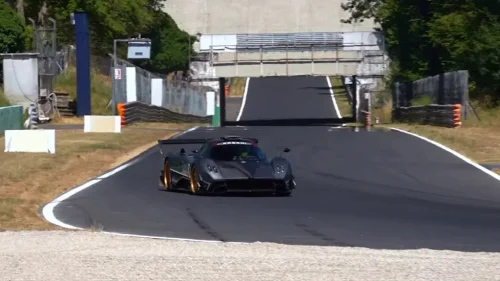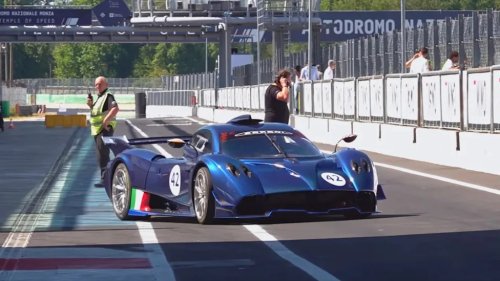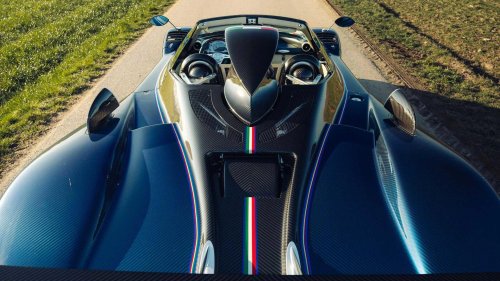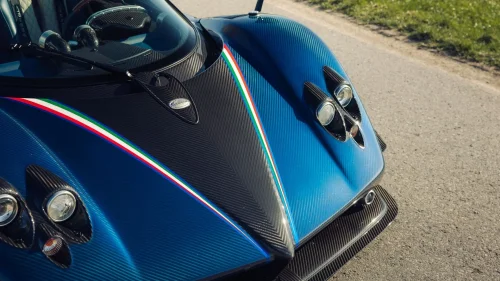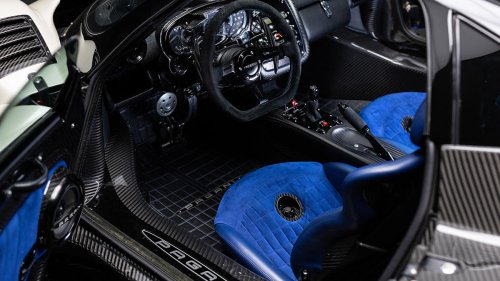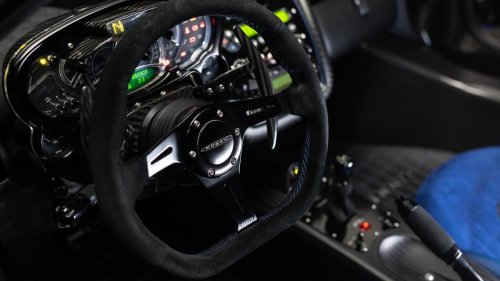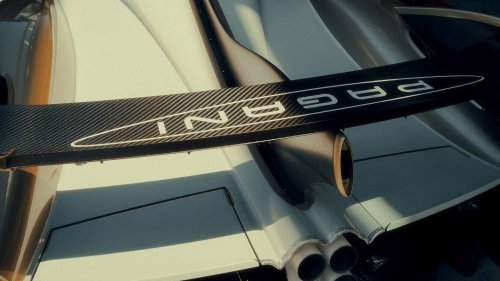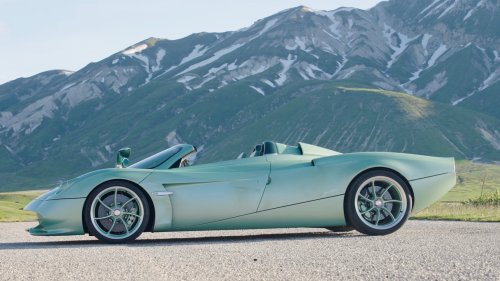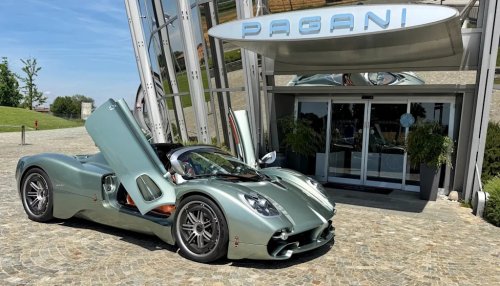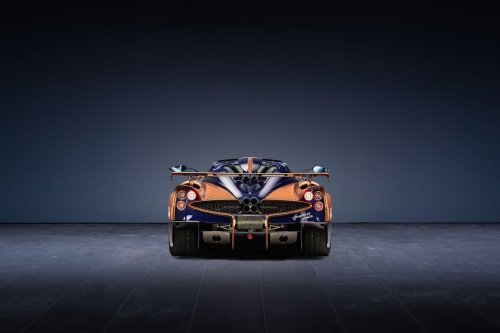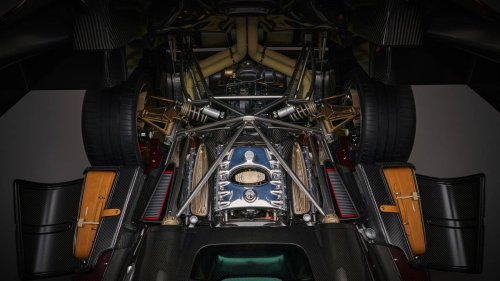





















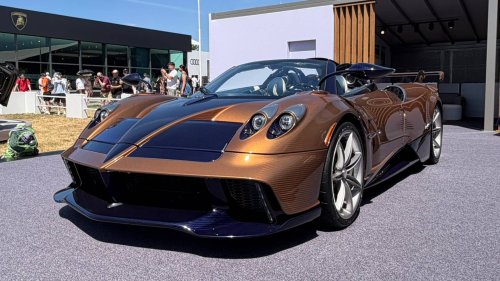
Before widespread fame, the 2011 Pagani Huayra delivered next-level engineeringThe 2011 Pagani Huayra arrived as a low-volume hypercar, but its real legacy lies in the engineering hidden inside its sculpted body. Long before active aero became a marketing buzzword, the Huayra treated airflow as a controllable resource rather than a fixed constraint, and built an entire vehicle philosophy around that idea. Its active aerodynamics system did more than chase lap times; it reshaped how a small manufacturer could outthink giants through clever integration of electronics, hydraulics and aerodynamics. Viewed today, the car looks like an early blueprint for the modern hypercar playbook. Lightweight structure, turbocharged power and a cabin filled with exposed mechanical artistry all matter, yet the real breakthrough is how the Huayra used movable surfaces and live data to balance drag, downforce and stability in real time. From Zonda to Huayra: why Pagani needed a new idea When Pagani Automobili moved from the naturally aspirated Zonda to the Huayra, the company was not simply replacing a model. It was trying to future proof its flagship against tightening emissions rules and rising performance benchmarks. The Zonda’s high-revving V12 and relatively simple aero package could not easily meet those demands without a complete rethink of the car’s architecture. The Huayra project, therefore, started with two parallel targets. The first was a new powertrain based on a Mercedes AMG twin turbo V12, chosen for its ability to deliver extreme power with cleaner emissions. The second was a body and chassis concept that could actively respond to changing conditions, so the car could switch between low drag and high downforce without crude compromises. Pagani’s team treated the car as a rolling experiment in controlled airflow. The company already had experience with advanced materials from the Zonda, including carbon fiber structures and intricate composite bodywork. For the Huayra, it pushed further, combining carbon fiber with titanium in the central tub to create a very stiff, very light structure that could support movable aerodynamic elements without adding excessive weight or flex. The basics of the Huayra’s active aerodynamics At the heart of the Huayra’s innovation sit four independently actuated flaps, two at the front and two at the rear. These panels look like small, hinged sections of the bodywork, but they are connected to a network of sensors and a control unit that constantly evaluates speed, steering angle, throttle position and braking force. During straight-line acceleration, the system can lower the flaps to reduce drag and let the Huayra slice through the air with minimal resistance. As the driver approaches a corner, the computer starts to raise specific flaps to increase downforce over the loaded wheels. The result is extra grip where the car needs it most, delivered only for as long as it is useful. Under heavy braking, the rear flaps rise sharply and act like airbrakes, increasing drag and pushing the rear tires into the asphalt. This improves stability and shortens stopping distances. Unlike fixed wings that impose their drag penalty all the time, these surfaces only create extra resistance when the driver demands deceleration or cornering force. The system does not work in isolation. It is integrated into the Huayra’s suspension and stability control logic, allowing the car to coordinate body roll, pitch and aerodynamic load. The goal is not simply more downforce, but a predictable balance between front and rear so the driver can trust the car’s reactions at very high speeds. How Pagani tuned the car around airflow Active aero only pays off if the rest of the car is designed to exploit it. The Huayra’s body uses a teardrop profile with a narrow cabin and wide, muscular fenders that guide air around and over the car. Large intakes feed the mid-mounted V12 and the rear-mounted radiators, while carefully shaped outlets manage hot air without creating unwanted turbulence. The underbody is just as important. Smooth panels, diffusers and channels help generate ground effect, pulling the car toward the road as speed rises. The active flaps then fine tune this baseline by adjusting how much air flows over the top surfaces and how pressure is distributed front to rear. Pagani’s engineers also considered how the car would behave in crosswinds and during quick direction changes. The flaps can move asymmetrically, for example raising only one side under certain conditions. That lets the system counteract roll or yaw moments and keep the car more neutral. It is a subtle form of aerodynamic torque vectoring that supplements the mechanical grip of the tires and suspension. Because the Huayra is a low-production car, the development process relied heavily on both wind tunnel testing and track validation. Each change to flap angle, actuator speed or control algorithm had to be checked against real-world feedback from development drivers. The result is a calibration that feels organic rather than intrusive, with the aero system working in the background instead of constantly reminding the driver of its presence. Powertrain, structure and aero as a single package Any discussion of the Huayra’s aerodynamics must acknowledge how closely the system is tied to the rest of the car. The Mercedes AMG V12, with its twin turbochargers, produces immense torque at relatively low engine speeds. That characteristic demands strong traction and stability, particularly in mid-range acceleration where sudden surges of power can unsettle a car. The active aero system helps manage that by keeping the rear tires loaded and by stabilizing the chassis as the driver feeds in throttle. When the car senses aggressive acceleration, it can adjust flap positions to maintain a safe balance, especially if the road surface is not perfectly smooth. The carbon-titanium central tub, sometimes described as a carbotitanium monocoque, gives the Huayra a rigid backbone that resists flex under these varying aerodynamic loads. Mounting the suspension and aero actuators to such a stiff structure means the control algorithms can rely on consistent geometry. That precision is essential when the car is operating at speeds where small changes in angle or ride height can dramatically alter downforce. Weight distribution also plays a role. With the engine mounted behind the cabin and the fuel tanks integrated into the central structure, the Huayra achieves a balance that works hand in hand with the aero package. The flaps can then fine-tune the load on each axle without fighting an inherently nose-heavy or tail heavy layout. Inside the cockpit: what the driver feels From the driver’s seat, the active aerodynamics system is mostly invisible, which is exactly the point. There is no need to constantly adjust settings or select modes to make the car behave. The Huayra’s electronics do that automatically, leaving the driver to focus on steering, throttle and braking. What the driver does feel is a sense of composure at speeds where many cars start to feel light or nervous. On a fast straight, the Huayra tracks cleanly, with the flaps trimmed for low drag. As the driver turns in, the nose bites with confidence, helped by increased front downforce. Mid corner bumps or surface changes that might unsettle a more traditional supercar are absorbed with fewer corrections, because the aero system is already working to keep the chassis settled. Under hard braking, the car feels anchored rather than twitchy. The rear airbrakes contribute to this, adding a layer of aerodynamic stability on top of the mechanical brakes and tires. The driver may notice the flaps in the mirrors during such maneuvers, but their operation is so quick that it becomes part of the car’s character rather than a distraction. For owners who value craftsmanship, the knowledge that this invisible performance comes from a carefully engineered network of sensors, hydraulics and composite structures adds to the car’s appeal. It fits with Pagani’s philosophy of blending art and science into a single object, where every visible detail hints at deeper layers of engineering beneath the surface. How does the Huayra compare with its contemporaries? When the Huayra launched, active aerodynamics were still relatively rare in road cars. Some supercars used deployable rear wings or adjustable spoilers, usually tied to speed thresholds rather than a fully integrated control strategy. The Huayra went further by making each flap independently controlled and by linking their behavior to a wide range of inputs. This approach allowed a finer granularity of response than simple speed based deployment. The car could, for instance, raise only the inside front flap during certain cornering situations to improve turn in, or adjust the rear flaps differently under partial braking compared with full emergency stops. This level of nuance helped the Huayra stand apart from rivals that relied more heavily on fixed aero solutions or less sophisticated active systems. The car’s low production numbers meant this technology did not immediately reshape the broader market, but it did influence how engineers and enthusiasts thought about aero. Instead of treating wings and spoilers as static add ons, the Huayra framed them as dynamic tools that could be orchestrated in real time, much like traction control or adaptive damping. Over time, more manufacturers began experimenting with similar concepts, from variable rear wings to active underbody elements. The Huayra’s early commitment to this philosophy gave it a kind of technical credibility that extended beyond raw performance figures. Engineering details that reveal Pagani’s priorities Looking closely at the Huayra’s design reveals how deeply active aero is woven into the car. The hinges and actuators for the flaps are integrated into the bodywork so they do not disrupt airflow when closed. The control unit that manages their motion is calibrated not only for speed and grip, but also for durability and reliability in the harsh environment of high-performance driving. The cooling system is another example. Air that enters the front of the car must feed radiators, brakes and intake ducts without causing lift or turbulence. The active flaps help manage pressure zones around these openings, ensuring that the car can maintain optimal temperatures without sacrificing stability. Even the exhaust layout, with its signature quad pipes exiting high at the rear center, interacts with the aero strategy. By directing hot gases away from the diffuser and lower body surfaces, the design helps keep the underbody flow cleaner and more predictable. That, in turn, lets the active system work with more consistent baseline conditions. These choices show that Pagani did not treat active aero as a bolt-on feature. Instead, the company built the Huayra as a holistic package where structure, cooling, exhaust and suspension all support the same aerodynamic goals. The car’s profile on supercars.net highlights how this integrated approach helped the Huayra achieve both high performance and distinctive design. Why the Huayra’s aero still matters More than a decade after its debut, the Huayra’s active aerodynamics system remains a reference point for how a small manufacturer can innovate. Larger brands have since introduced their own interpretations of active aero, often with greater budgets and production volumes. Yet the core idea that airflow can be managed dynamically to serve multiple objectives at once was already present in the Huayra’s design. More from Fast Lane Only Unboxing the WWII Jeep in a Crate 15 rare Chevys collectors are quietly buying 10 underrated V8s still worth hunting down Police notice this before you even roll window down *Research for this article included AI assistance, with all final content reviewed by human editors.