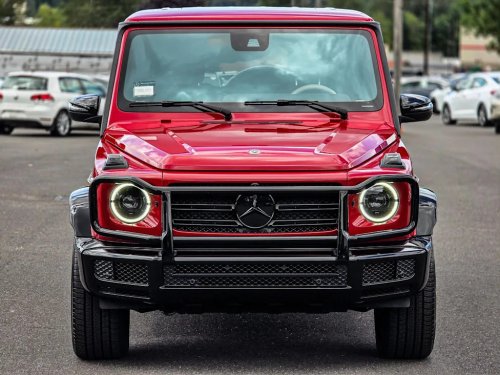
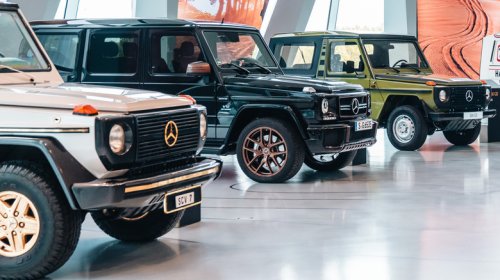
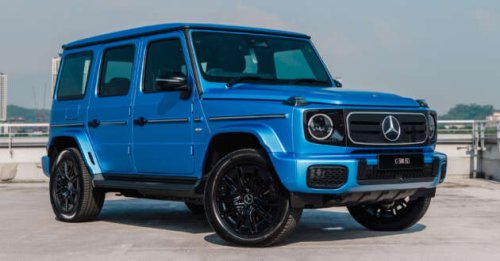
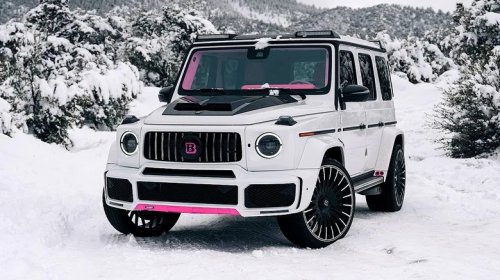
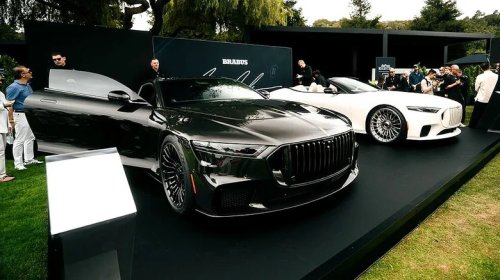
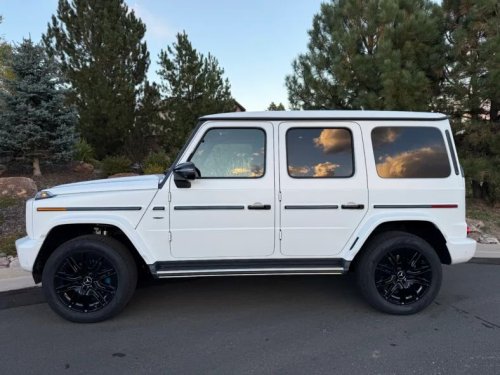
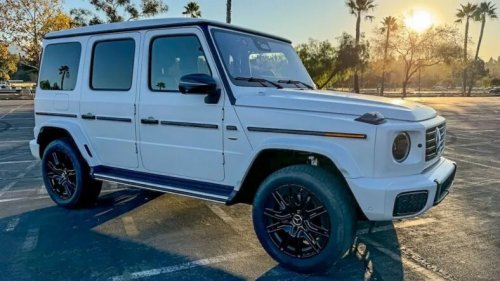
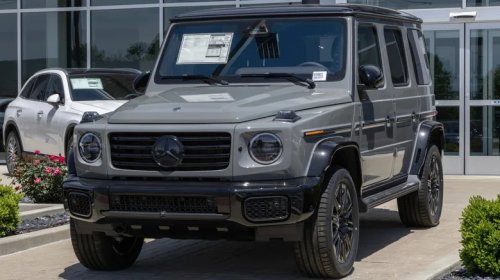
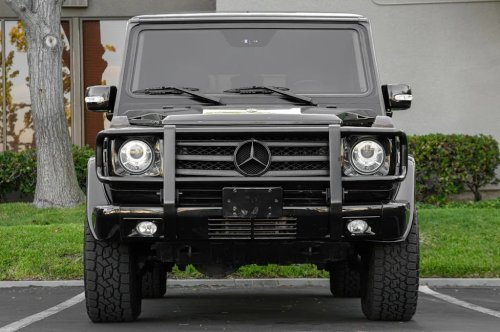
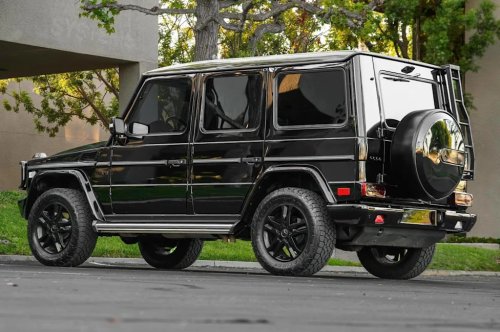
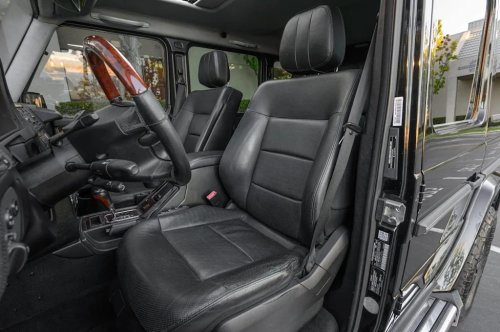
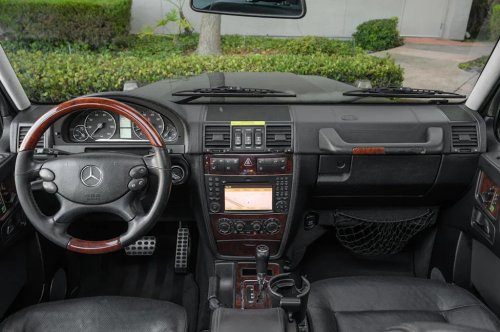
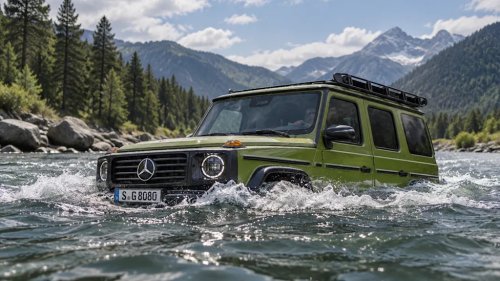
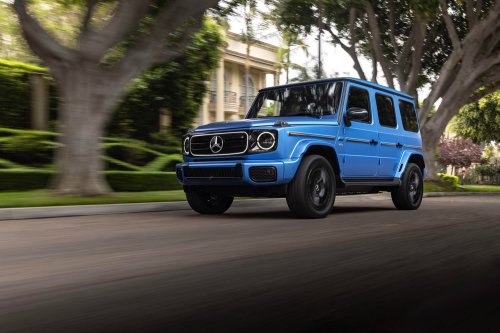
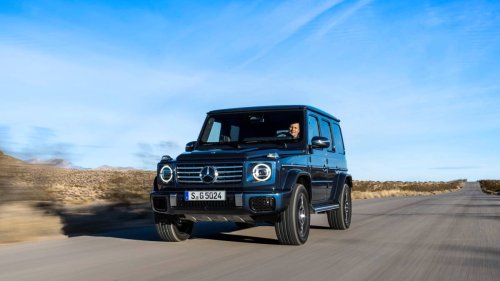
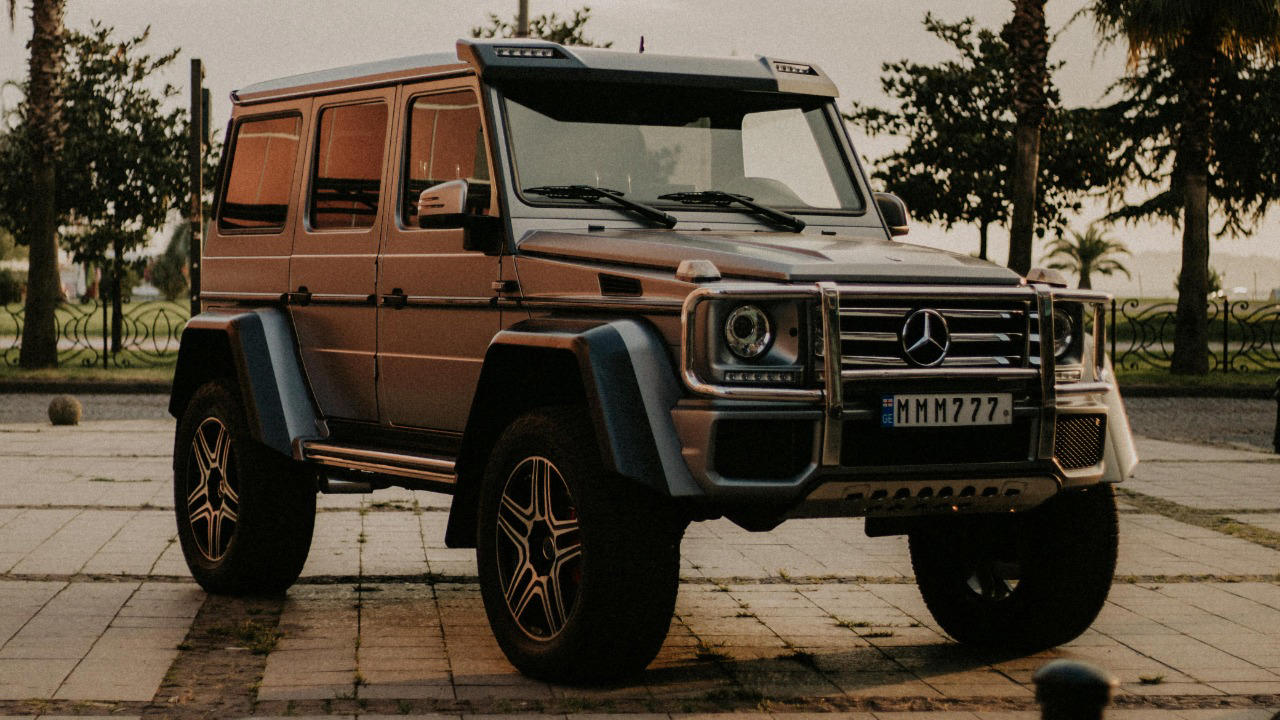
Mercedes-Benz G-Class turned rugged roots into status symbol fameThe Mercedes-Benz G-Class began life as a utilitarian tool for harsh terrain and hostile borders, yet it now moves through city centers as comfortably as it once crawled over rock fields. That journey from Geländewagen to global status symbol captures how a single boxy silhouette came to signify both rugged endurance and high-end excess. The upright body that once emphasized survival now conveys social status. Over decades, the G-Class maintained visual consistency while automotive expectations evolved around it. Its evolution mirrors a broader shift in luxury, where buyers increasingly want authenticity and heritage alongside leather-lined comfort. More than almost any other SUV, the G-Class managed to keep its military-grade credibility intact while embracing that new demand for prestige. From Geländewagen to global icon The story begins with a straightforward brief: build a vehicle that could survive conditions too punishing for ordinary road cars. The Mercedes-Benz G-Class, often shortened to G-Wagon or G-Wagen from the German word Geländewagen, was conceived as a four-wheel-drive workhorse with a ladder frame, locking differentials, and a body shaped for practicality rather than beauty. Early versions prioritized visibility, approach angles, and ease of repair, which is why the profile remains a near-vertical stack of flat glass and steel, as detailed in historical overviews of The Mercedes. That focus on function created a kind of accidental design classic. The upright greenhouse, exposed hinges, and slab sides were not styled for fashion, yet they aged into a recognizable logo on wheels. Over time, incremental refinements in engines, safety systems, and interior appointments arrived, but the core engineering philosophy stayed rooted in off-road ability and durability. The vehicle that began as a Geländewagen for military and utility roles slowly became a civilian favorite without discarding the traits that made it credible in the first place. Engineering grit that never went away Even as the G-Class moved into private garages and valet lines, its technical character remained anchored in serious off-road hardware. The first production model combined strong all-terrain capability with road comfort and the safety priorities typical of Mercedes, a formula that has carried through successive generations of the vehicle. Communications from the brand describe how that initial blend of climbing ability, ground clearance, and on-road stability set the template for later versions that still rely on a sturdy frame and advanced four-wheel drive, a point reinforced in reports on the 600,000th G-Class. The production story further underlines that commitment to authenticity. Each G-Class is hand-assembled in Graz, Austria, a process maintained since the model’s inception, reinforcing its reputation for craftsmanship over mass production. Marketing materials highlight that this tradition in Graz, Austria, along with minimal changes to the exterior shape, has helped preserve a distinct DNA that separates the G-Class from softer crossovers, a point emphasized in descriptions of the model as an off-road icon and blend of utility. How a utility vehicle became a fashion accessory The transformation from military-style tool to celebrity accessory did not happen by accident. Over the past four decades, Mercedes and its partners repositioned the G-Class from a low-profile specialist machine into a highly visible luxury object, while demand from affluent buyers amplified the effect. Analysts describe how the German manufacturer recognized that the same squared-off silhouette that signaled toughness in the field could signal confidence on city streets, and gradually introduced more powerful engines, richer interiors, and high-performance AMG variants that turned the G-Wagon into a rolling statement, as chronicled in coverage of how Mercedes-Benz turned a military vehicle. Celebrity ownership accelerated that image shift. High-profile figures, including Arnold Schwarzenegger, became closely associated with the G-Class, with videos highlighting his enthusiasm for its blend of luxury and rugged capability. Social media clips and dealership campaigns now present the G-Class as an essential part of the ultra-rich lifestyle, with some commentators calling G-Wagons the unofficial mascot of that group as they dominate the luxury SUV market, a narrative echoed in posts that describe how Mercedes G-Wagons became shorthand for extreme wealth. Timeless design, limited numbers, and luxury positioning The G-Class did not reach status-symbol territory on image alone; its product strategy has leaned heavily on scarcity, continuity, and escalating comfort. Commentators often point to the Timeless exterior as a core reason for the model’s appeal, arguing that one of the key strengths of the Class is that it has changed very little in silhouette while the mechanicals and interior have advanced. Enthusiast discussions of specific variants such as the 500 AMG describe the G-Class as a “sports car in an SUV body,” a phrase that captures how high-output engines and firm chassis tuning have pushed the vehicle into performance territory without sacrificing its boxy identity, as seen in analysis of why the Class became iconic. Limited editions and high pricing have further cemented the G-Class as an object of desire rather than a common sight. A collector-focused video highlights the 1980 Edition G-Class, one of only 460 worldwide, illustrating the model’s limited production for exclusivity. Dealer narratives now present the model as a Legacy of Power, Prestige and performance, stressing that ownership is as much about making a statement as it is about transport, a perspective captured in descriptions of the Mercedes Benz G-Class as a Legacy of Power,. More from Fast Lane Only Unboxing the WWII Jeep in a Crate 15 rare Chevys collectors are quietly buying 10 underrated V8s still worth hunting down Police notice this before you even roll window down


















 +6 others