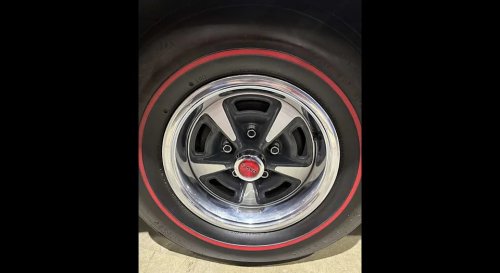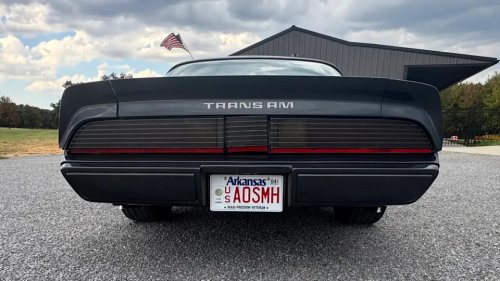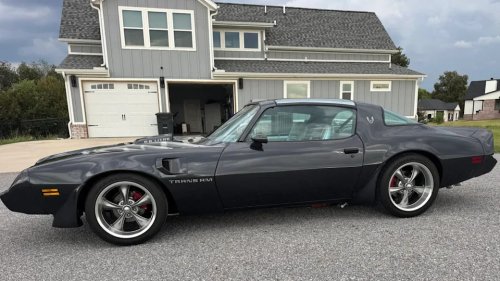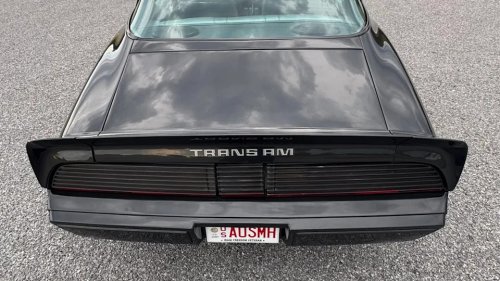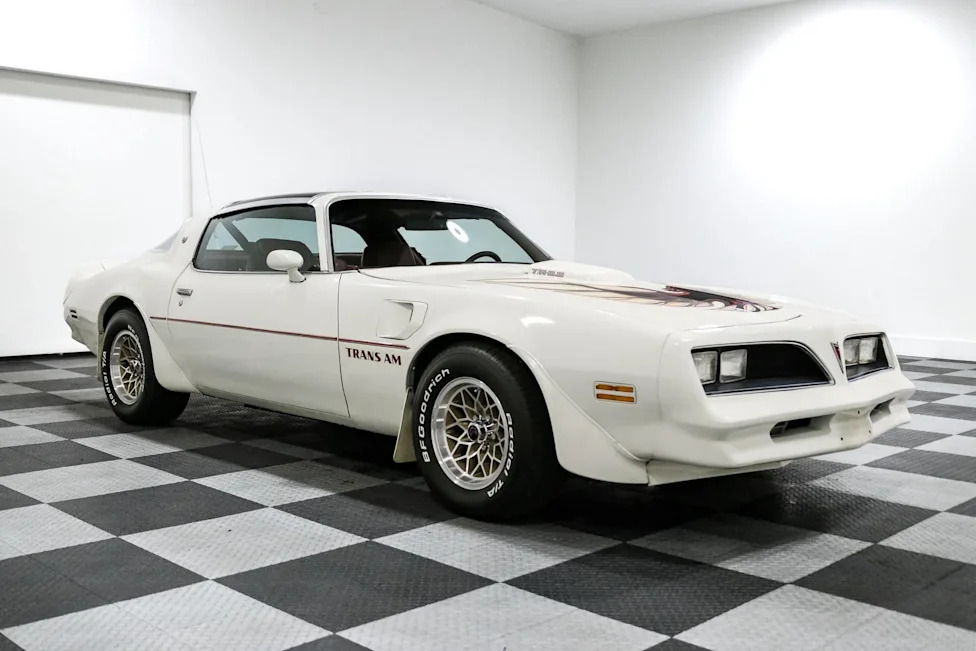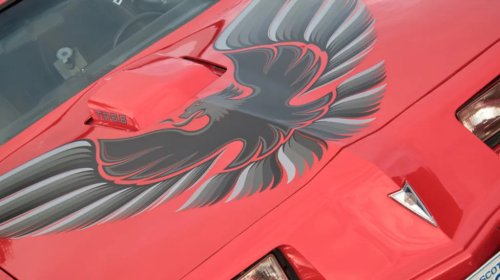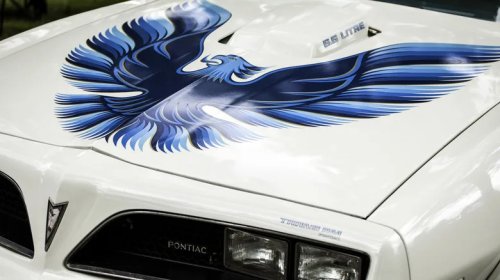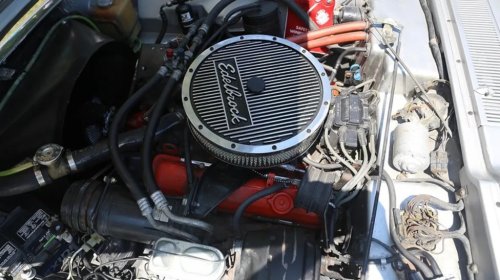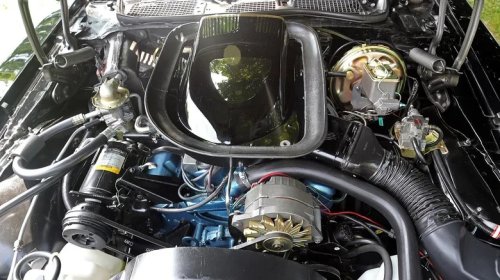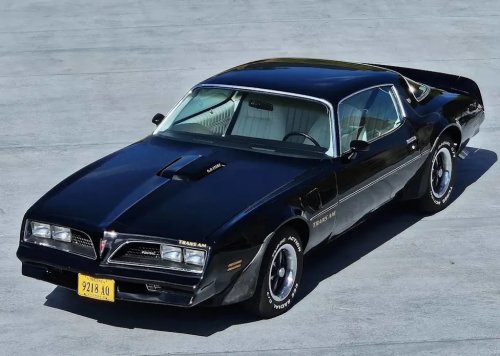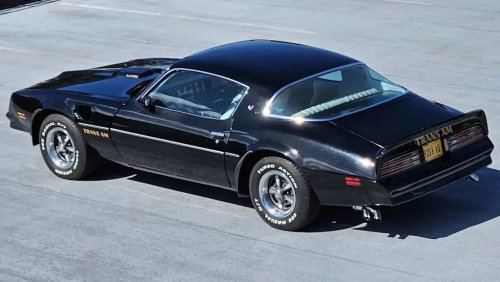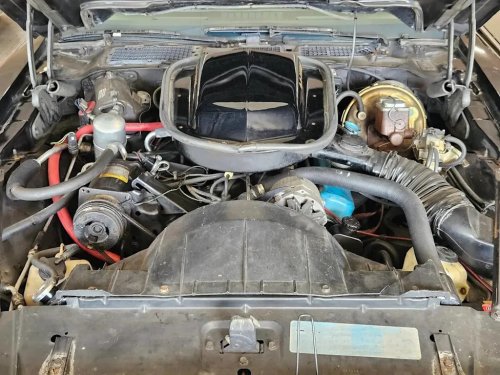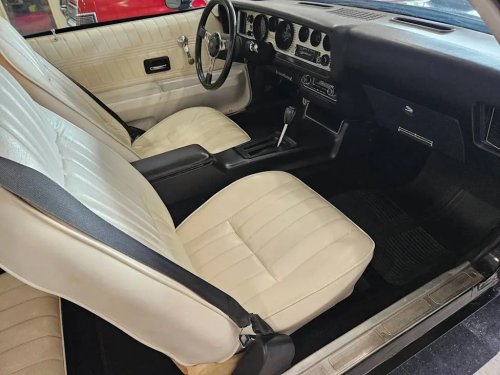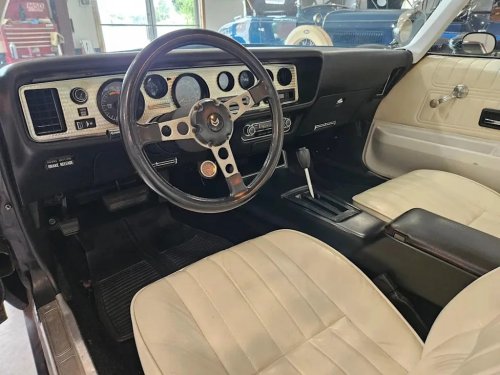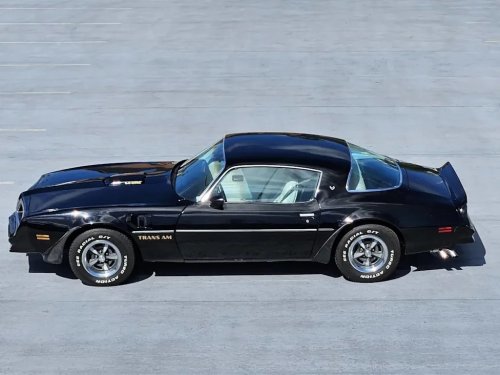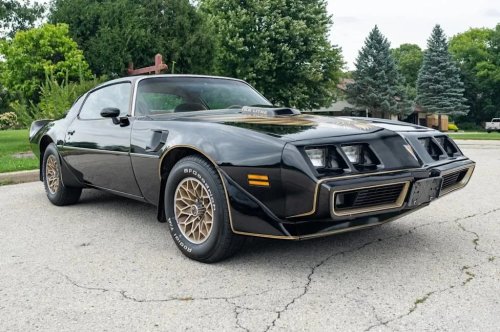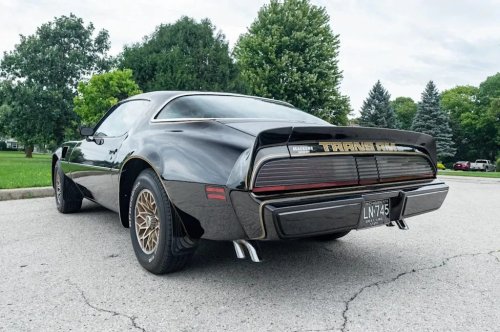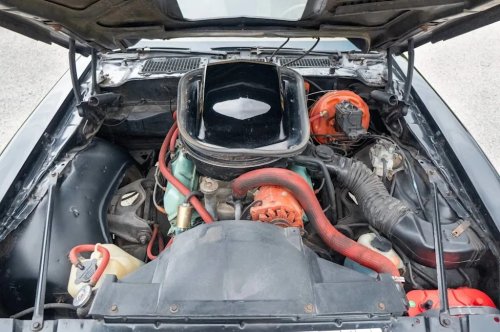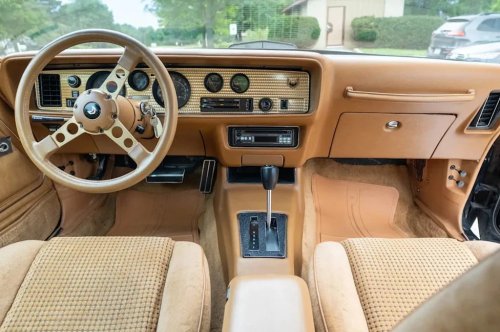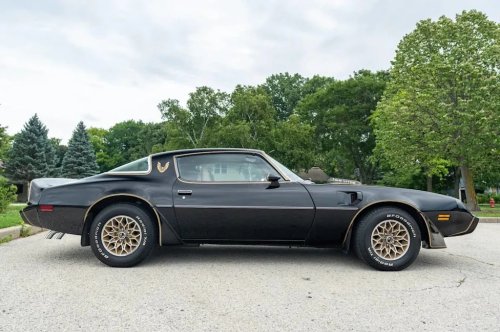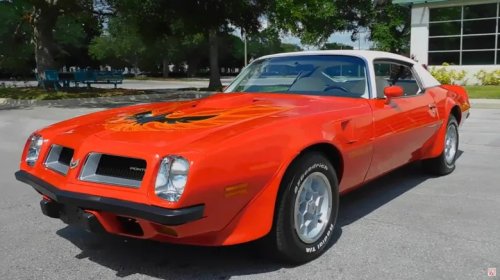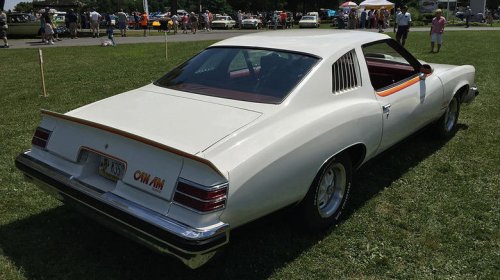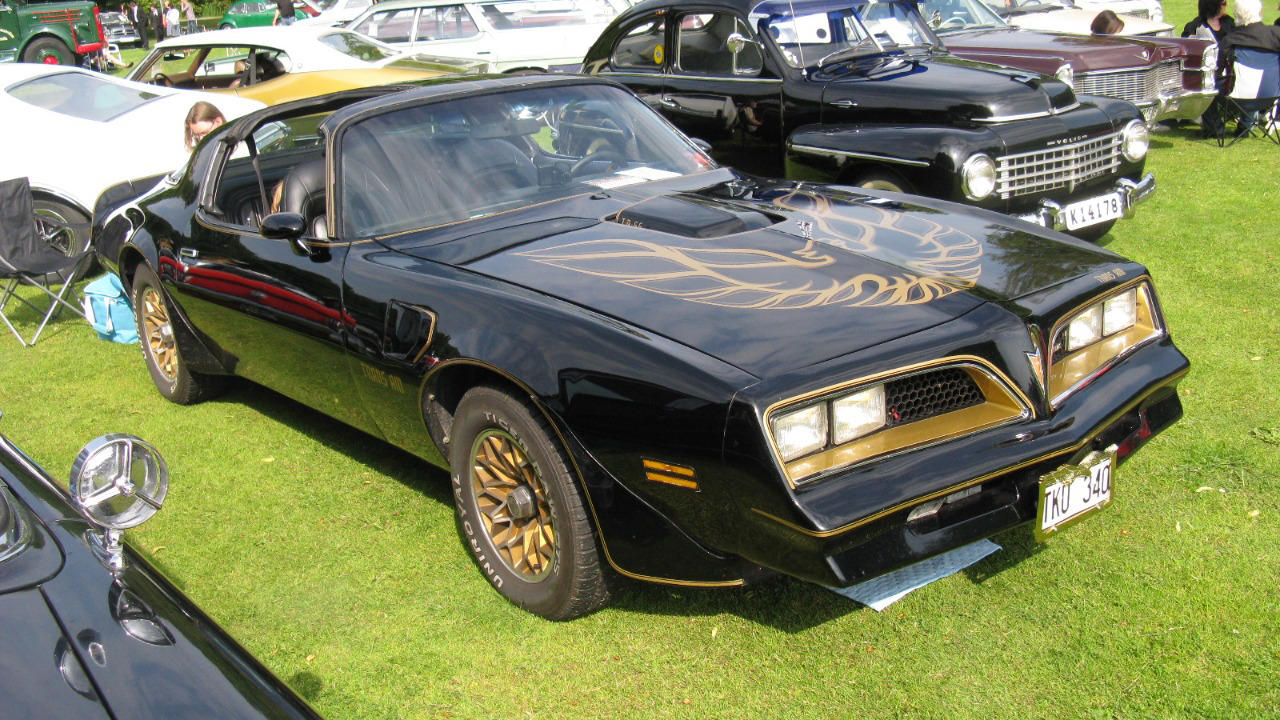



















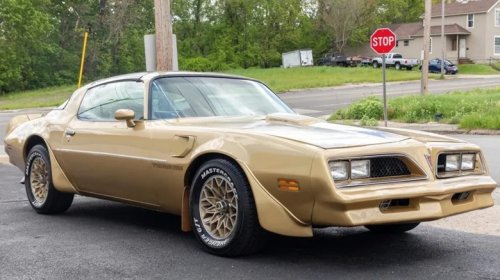
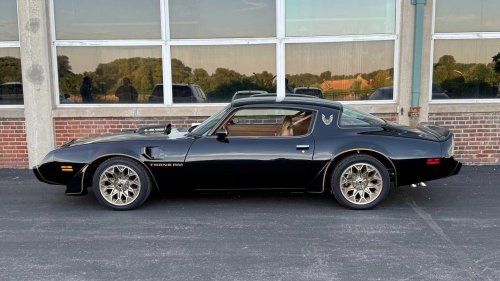

The 1977 Pontiac Trans AM gained fame from film and strong salesThe 1977 Pontiac Trans Am occupies a rare place in car culture, where a single model year is forever tied to one piece of pop entertainment and a surge in showroom traffic. The black-and-gold F-body that streaked across movie screens in the late 1970s turned a solid performance coupe into a mass-market fantasy, then into a sales juggernaut. Its mix of attitude, accessible pricing, and relentless exposure reshaped what a muscle car could mean after the first horsepower wars had already cooled. What happened By 1977, Pontiac had already spent several years refining the second-generation Firebird Trans Am into a sharper, more aggressive version of General Motors’ F-body platform. The car combined a long-hood, short-deck profile with fender vents, a shaker scoop, and a growing menu of graphics packages. Pontiac engineers worked within tightening emissions rules that had cut power across the industry, so the Trans Am leaned on chassis tuning, gearing, and visual drama to keep performance buyers interested. The turning point arrived when a black 1977 Trans Am with gold striping and the famous screaming chicken hood decal became the hero car in the film “Smokey and the Bandit.” The production used multiple Trans Am stunt cars, but audiences saw a single charismatic machine sliding across Southern highways, jumping bridges, and outrunning patrol cars while the characters treated it as the ultimate outlaw tool. The combination of black paint, gold snowflake wheels, and a t-top roof burned into the public imagination. Pontiac had already offered a Special Edition appearance package with black paint and gold detailing, but the movie gave that option an entirely new level of desirability. Dealers reported customers walking in and asking specifically for “the Bandit car,” often with little interest in the rest of the Firebird lineup. The car’s screen time functioned as a two-hour commercial wrapped in a chase comedy, and it hit just as American buyers were looking for something fun to offset the malaise of fuel crises and shrinking engines. The impact showed up quickly in sales figures. Trans Am production jumped significantly for the 1977 model year, then climbed again in 1978 as the film’s popularity spread and word of mouth turned into deposits. Pontiac leaned into the demand with more Special Edition builds, more prominent hood birds, and marketing that highlighted the car’s rebellious image. According to enthusiast histories of the Smokey and the, the model’s profile among younger buyers rose sharply, and used examples began trading at premiums in some regions. Even as the image took off, the Trans Am remained a legitimate performance option in a market where many muscle nameplates had either disappeared or softened into luxury coupes. The 1977 lineup included V8 engines that, while down on paper horsepower compared with late 1960s figures, delivered strong torque and respectable straight-line speed. Combined with a firm suspension and quick steering, the car backed up its movie reputation with real-world capability, even if the on-screen stunts pushed far beyond what a stock example could endure. Why it matters The 1977 Trans Am’s rise shows how a single pop culture moment can transform a car from a catalog entry into an icon. Before the film, the Trans Am was a respected but niche player in the performance market. After the film, it became shorthand for a certain kind of American bravado: fast, a bit loud, and unconcerned with authority. The car’s success helped keep Pontiac relevant at a time when some domestic brands struggled to connect with younger enthusiasts. That halo effect spread beyond Pontiac’s showrooms. The Trans Am’s on-screen persona helped rehabilitate the idea of a sporty American coupe in an era dominated by fuel economy headlines and rising imports. Buyers who might have considered compact sedans or small trucks were reminded that a V8 coupe could still be part of everyday life, even with new emissions and mileage standards. The car signaled that performance did not have to vanish completely; it simply had to evolve. The model also influenced how automakers thought about product placement and film tie-ins. The success of the black-and-gold Trans Am demonstrated that a movie could function as a more powerful brand campaign than traditional advertising, especially when the car was woven into the plot instead of appearing as background scenery. Later partnerships between car companies and film franchises, from high-speed action series to superhero blockbusters, followed a playbook that the 1977 Trans Am helped write. From a design perspective, the 1977 Trans Am validated the power of visual theater. The car’s mechanical upgrades mattered to enthusiasts, but the broader public latched onto the screaming chicken, the t-tops, and the color scheme. That lesson encouraged Pontiac and other brands to treat graphics, special editions, and limited-run appearance packages as serious tools for driving traffic. It also helped normalize the idea that a car could be aspirational primarily because of how it looked and what it symbolized, not just because of raw performance numbers. In collector circles, the 1977 Trans Am now stands as one of the most recognizable American performance cars of the late 1970s. Values for well-preserved examples, especially genuine Special Edition cars with correct trim and documentation, reflect both nostalgia and scarcity. Enthusiasts who grew up watching the film often seek out these models decades later, which keeps demand alive even as newer performance cars eclipse the original in acceleration, braking, and handling. The car’s legacy also matters for what it says about Pontiac itself. The division would later disappear, but the 1977 Trans Am remains one of its defining achievements. It captured Pontiac’s traditional focus on excitement and style at a moment when corporate constraints could easily have flattened the brand into anonymity. For many enthusiasts, the image of a black Trans Am sliding sideways across the screen stands as the purest expression of what Pontiac tried to be. What to watch next Interest in late 1970s Trans Ams continues to influence both the collector market and modern car culture. Auction results for well-optioned 1977 and 1978 Special Edition cars provide a barometer for how strongly nostalgia still pulls. When prices for these models climb, it often signals a broader wave of enthusiasm for analog, V8-powered coupes from the era before widespread digital controls. Conversely, any cooling in demand can reveal shifting tastes toward newer classics from the 1980s and 1990s. Restoration trends offer another window into the car’s ongoing relevance. Shops that specialize in F-body builds report steady business restoring or restomodding 1977 Trans Ams, often with modern drivetrains, upgraded brakes, and improved suspension parts. The choice between faithful restoration and performance modernization reflects a larger debate about how to keep icons alive. Some owners want a car that feels exactly like the one on screen, while others prefer a version that can stand up to contemporary traffic and long-distance driving. Automakers also continue to mine the Trans Am’s playbook for modern marketing. Limited-edition appearance packages, retro graphics, and movie tie-ins remain common strategies for generating buzz around performance models. When a new sports coupe appears in a high-profile film or streaming series, the 1977 Trans Am’s example hangs in the background as proof that such exposure can translate into real sales. Observers watch to see which current models manage to capture a similar blend of character and timing. There is also ongoing discussion about how future regulations and electrification will affect the legacy of cars like the 1977 Trans Am. As cities consider tighter emissions rules and as electric performance cars gain ground, the traditional V8 muscle formula faces new constraints. Enthusiast groups and preservation societies track policy developments that could limit where and how vintage performance cars are driven. Their efforts to secure exemptions or special status for classic vehicles will shape how often a 1977 Trans Am can still be enjoyed on public roads. More From Fast Lane Only: Unboxing the WWII Jeep in a Crate 15 rare Chevys collectors are quietly buying 10 underrated V8s still worth hunting down Police notice this before you even roll window down