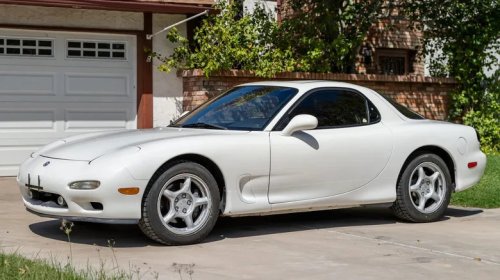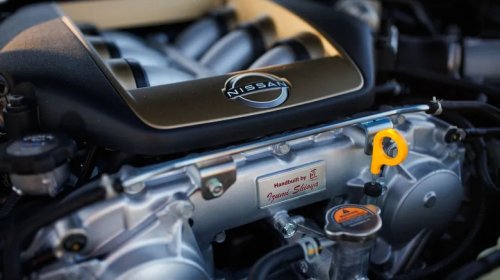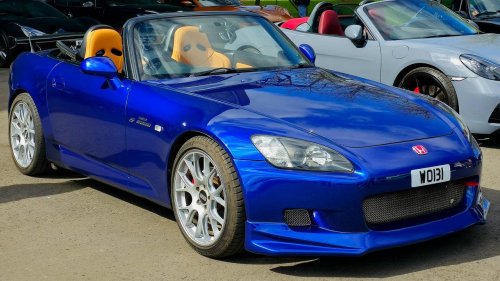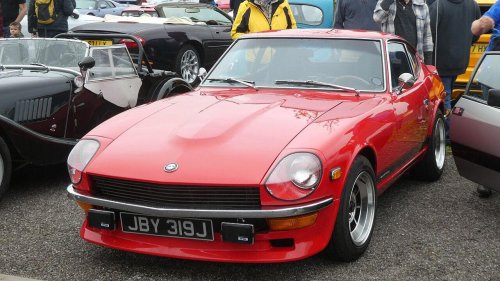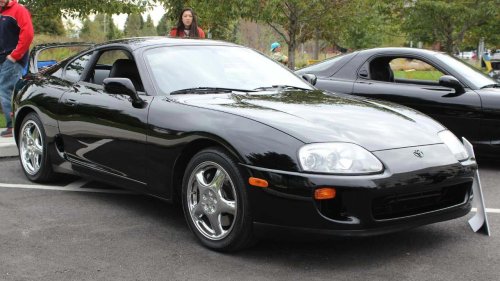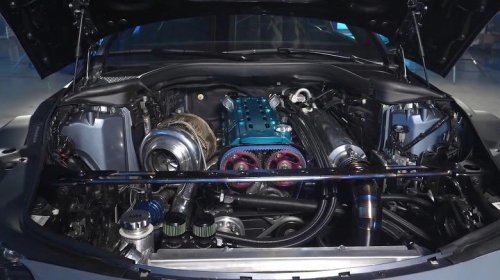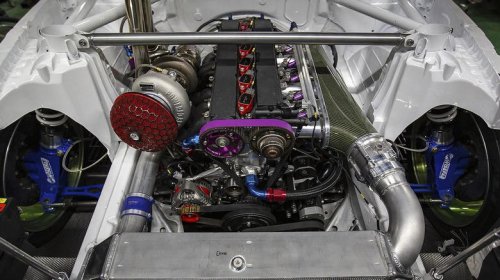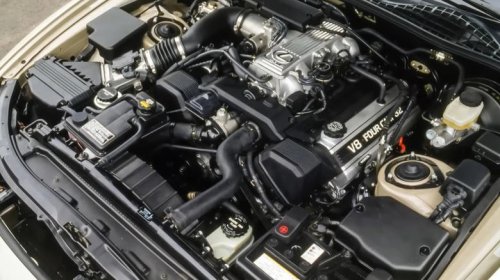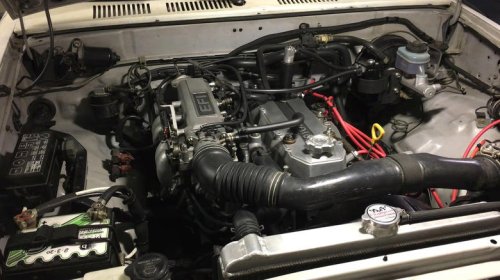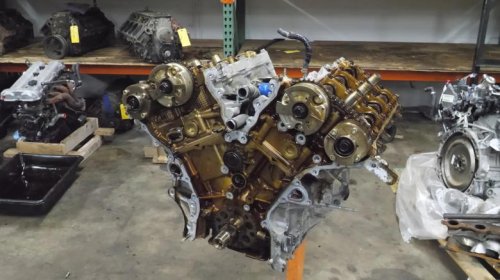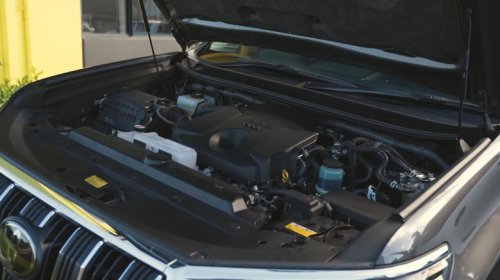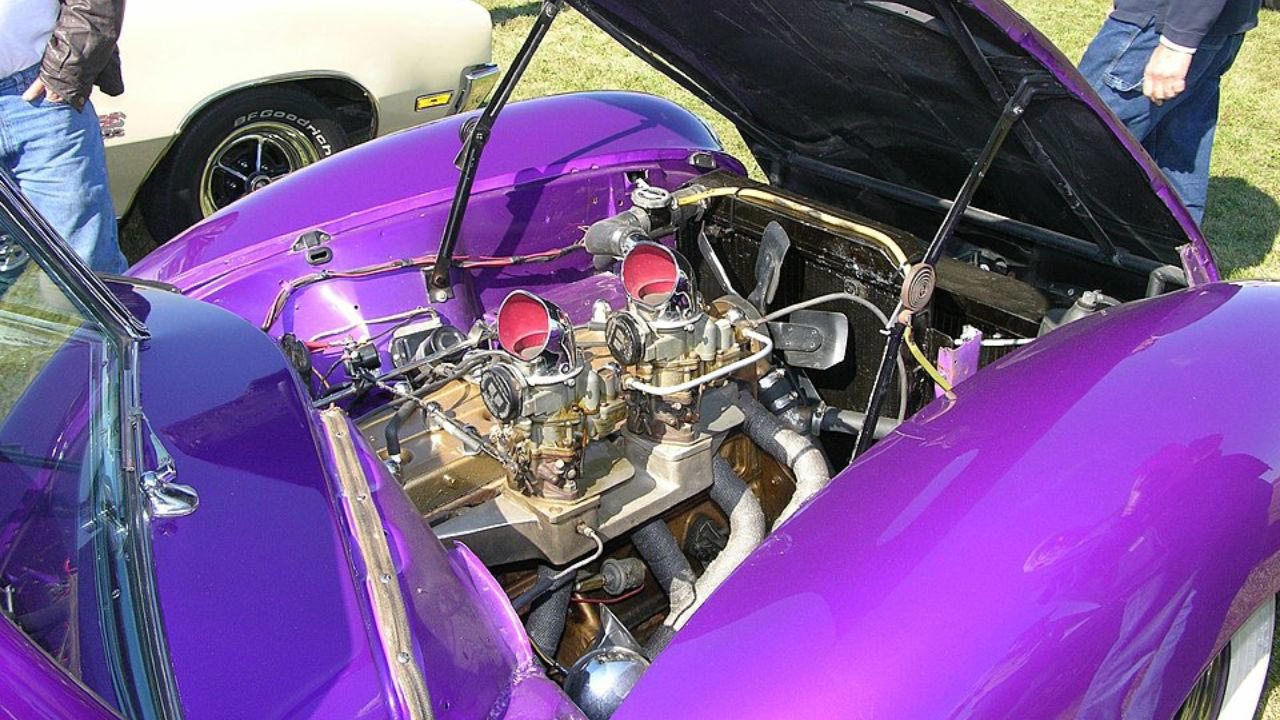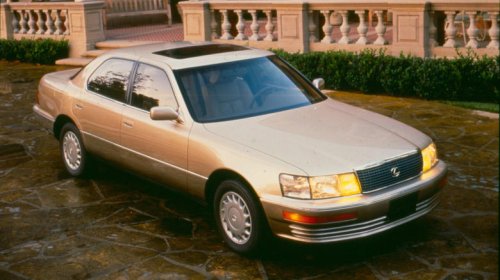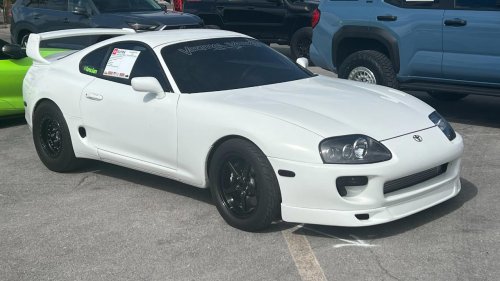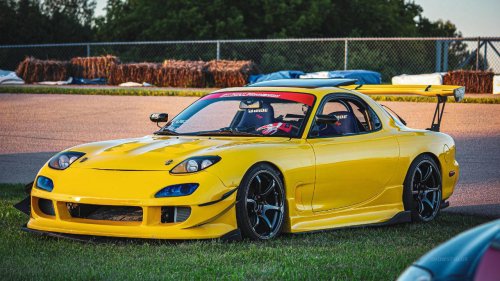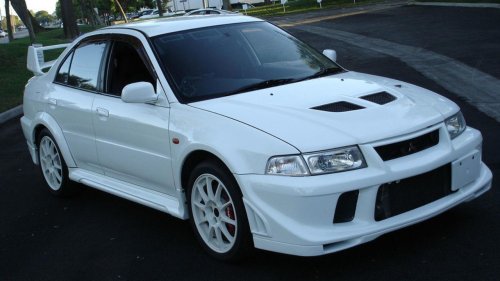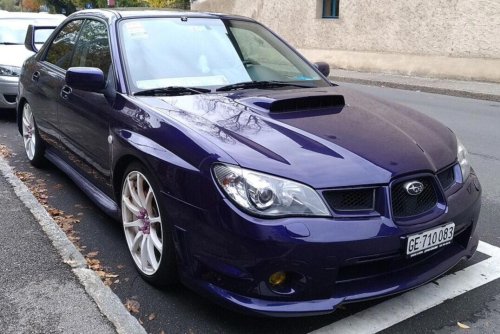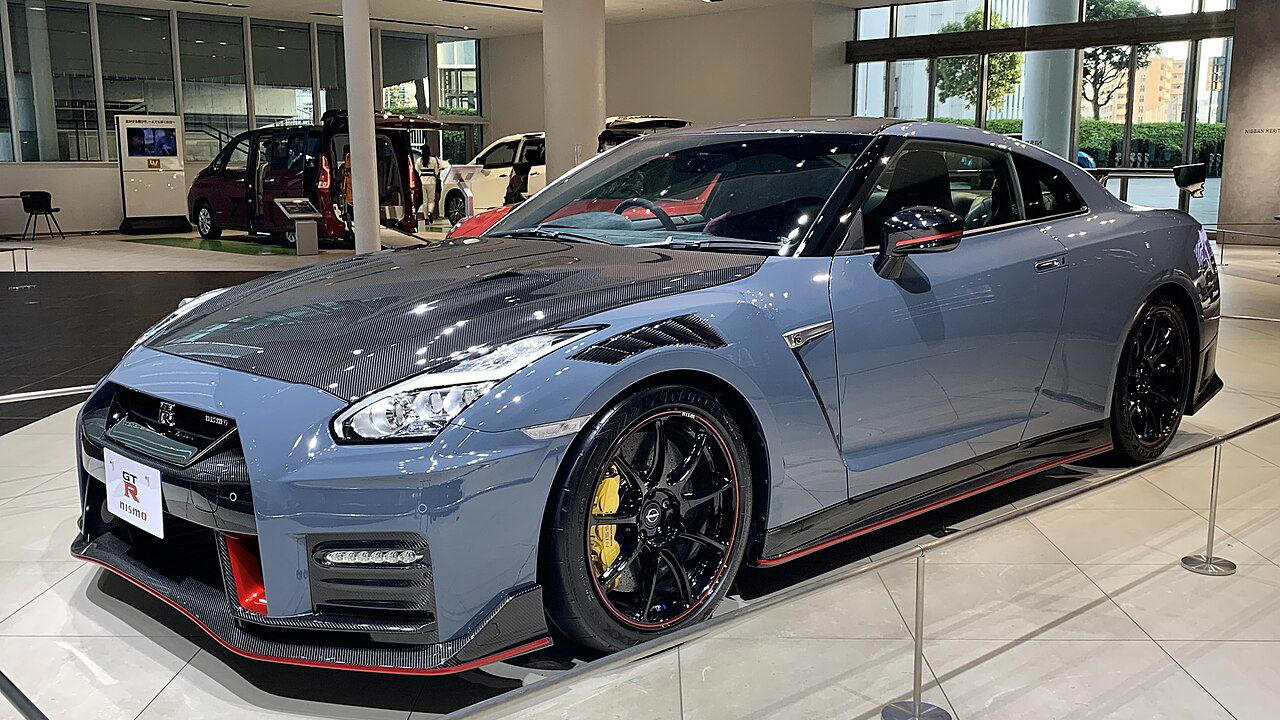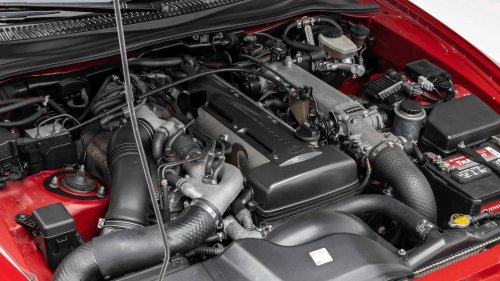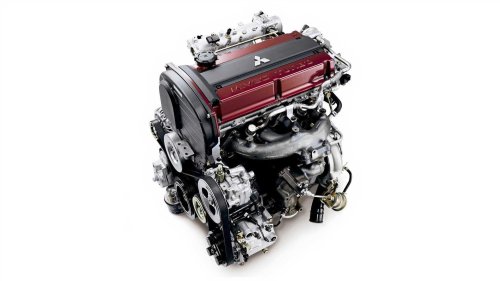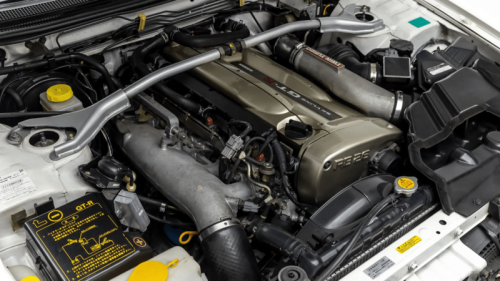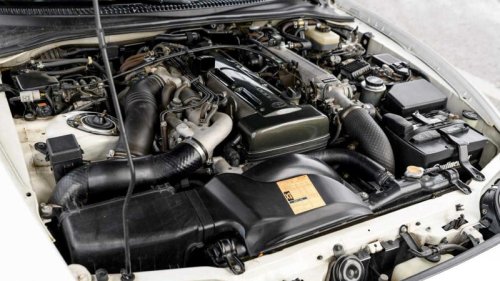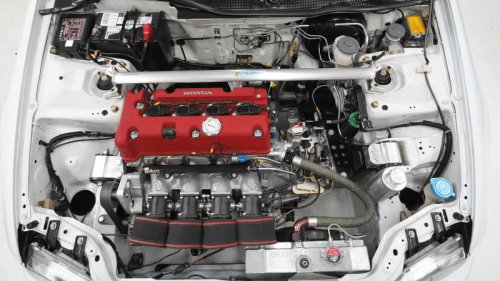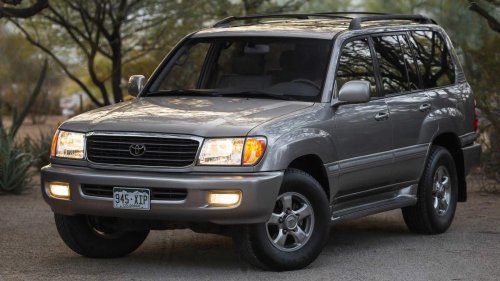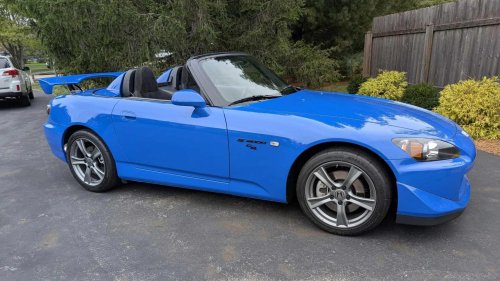
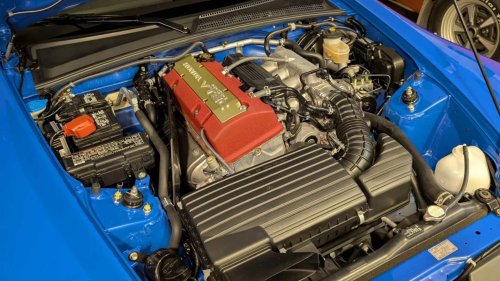
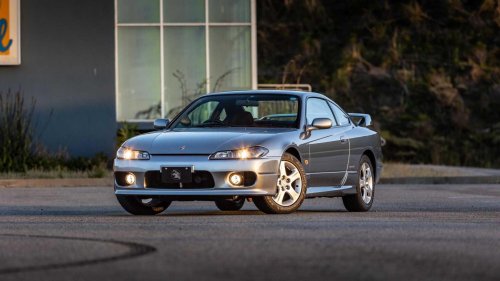
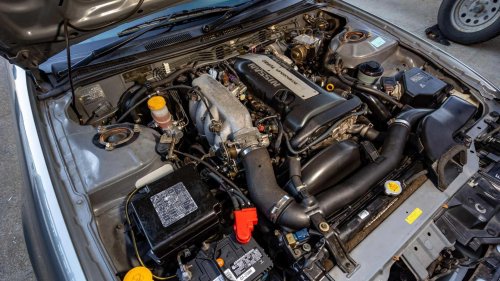
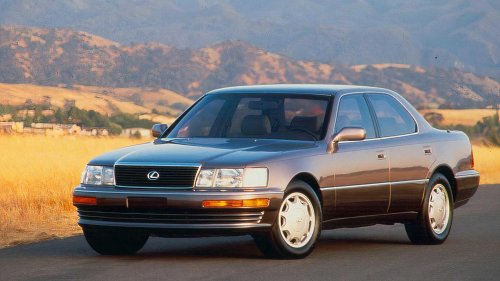
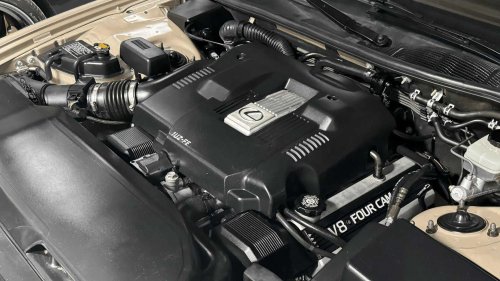
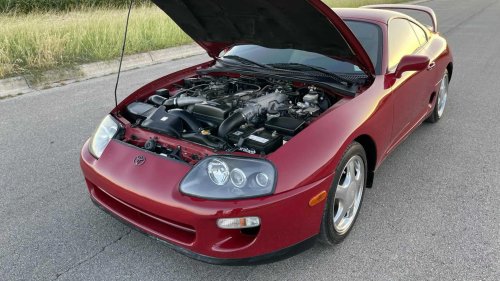
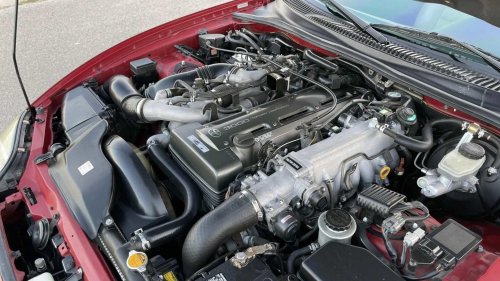
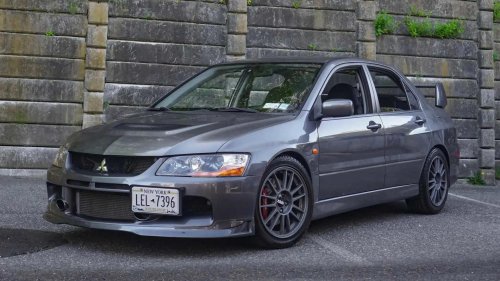
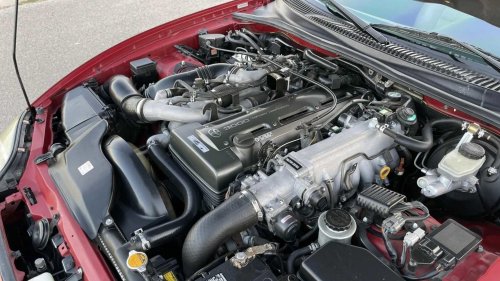
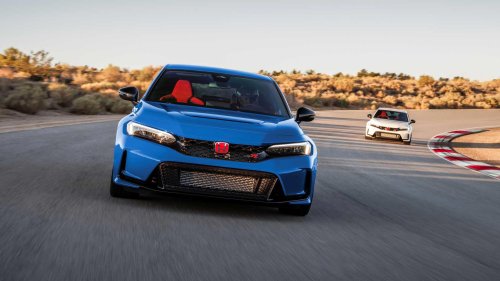
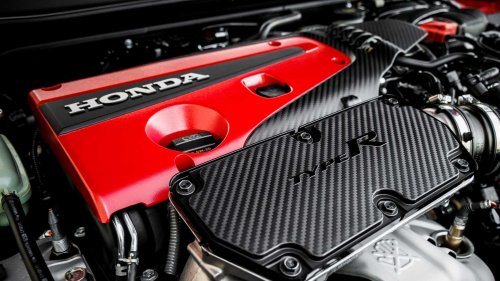
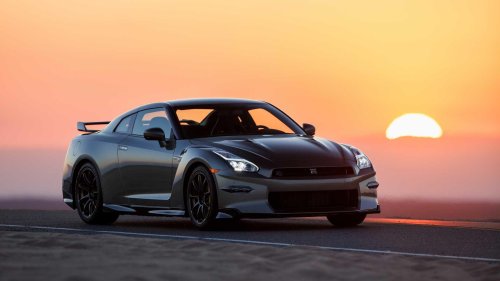
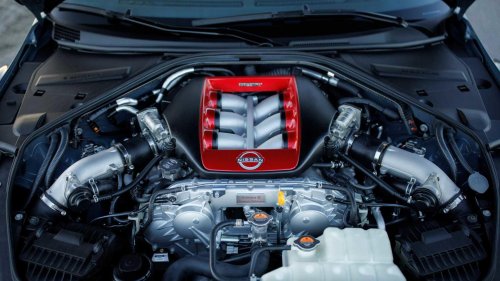



















The engine is the heart and soul of every combustion-powered car and truck on the road. Good powerplants, ones that are smooth, efficient, powerful, and reliable, can make driving – and the overall ownership experience – an absolute joy. Conversely, engines that vibrate like a plate compactor, guzzle obscene amounts of fuel, or require endless repairs can absolutely ruin a vehicle.High-end European manufacturers like BMW, Mercedes-Benz, and Volvo have built scores of stellar engines over the years, but even mainstream companies like Volkswagen, Renault, and Fiat have introduced some legendary powerplants. Not to be outdone, however, Japanese car manufacturers know a thing or two about building engines, and manufacturers from this East-Asian country have introduced some absolutely legendary powerplants that really put the hurt to even the best Europe has to offer.The following list contains 7 Japanese engines that definitevely outperformed what their European rivals had under the hood, offering superior power and reliability. All the specs and information provided in this article are courtesy of the respective car manufacturers. The engines have been ranked according to their factory horsepower outputs, from least to most powerful. Honda F22C1 Inline-4 237 HP; 162 LB-FT Via rotorhead60 on Bring A Trailer First up, we have a legendary engine, a small, naturally aspirated four-cylinder that delivers absolutely valiant performance despite its small size. Employed to great effect in the Honda S2000 sports car, specifically the refreshed AP2 model, the F22C1 cranks out a heady 237 horsepower from just 2.2 liters of lung capacity.That’s a few more horses than the BMW N52B30 3.0-liter inline-six that was built during the same period, though this Bimmer powerplant does have a bit more torque. Aside from all that, and despite its 8,000-plus-RPM redline, the Honda F22C1 is famed for bulletproof reliability, easily able to rack up hundreds of thousands of miles with proper maintenance. F22C1 Specifications And Applications Via rotorhead60 on Bring A TrailerThe F22C1 was essentially only used in the S2000, meaning production was quite limited. An offshoot of the F20C, this engine displaces 2.2 liters, opposed to its predecessor, which clocked in at just 2.0 liters. Honda engineers increased the lung capacity to improve torque output, which makes vehicles feel livelier off the line and at lower speeds.Production Years: 2004 to 2009 Displacement: 2.2 liters Horsepower: 237 hp Torque: 162 lb-ft Noteworthy Applications: Honda S2000 AP2 Where research meets the right dealBrowse This Model Nissan SR20DET Turbocharged Inline-4 247 HP, 203 LB-FT Via WolfreignMotors on Cars and Bids Next up, a legendary Nissan engine, a 2.0-liter-four with a turbocharger forcing air down its throat. The SR20DET is famous for its performance and reliability, able to go hundreds of thousands of miles with proper maintenance. According to owners on forums, problems seem to be relatively few, limited to turbocharger failures, oil leaks, and occasional overheating. This engine is also robust enough to handle some power-enhancing modifications without exploding like an egg in the microwave. SR20DET Specifications And Applications Via WolfreignMotors on Cars and BidsAs you might imagine, the SR20DET was installed in a wide array of vehicles, many Japanese-market offerings like the Avenir, Bluebird, Pulsar, and Sunny. In the 1998 to 2002 Nissan Silvia Spec-R, however, this engine delivered 247 hp, 203 lb-ft of torque, impressive figures for the time, and easily more of each than a 30-valve Audi 1.8T of the period delivered. With upgraded internals (read: forged) and a bigger turbo, 350 to 400 horses should be easily within reach as well.Production Years: 1989 to 2002 Displacement: 2.0 liters Horsepower: 247 hp Torque: 203 lb-ft Noteworthy Applications: Nissan Silvia, 200SX, Pulsar Toyota 1UZ-FE DOHC V8 250 HP, 260 LB-FT Lexus So far, we’ve covered two famous Japanese four-cylinder engines on this list, but now it’s time for a little more, specifically, a powerplant with twice as many cylinders. The Toyota 1UZ-FE is a dual-overhead camshaft V8 that delivered an impressive 250 hp and 260 lb-ft of torque in the groundbreaking Lexus LS 400. Aside from that, this engine is super smooth and nearly silent, which is perfect for a luxury sedan, plus the Toyota 1UZ-FE is reportedly one of the most reliable engines ever made.This V8 may be a bit less powerful than the contemporary BMW M60B40 from, say, the 1993 BMW 540i (282 hp, 295 lb-ft), but this German alternative had worse reliability, a fatal issue with its Nikasil cylinder liners degrading over time when high-sulfur fuel was used. This defect necessitated a complete engine rebuild or replacement to rectify. 1UZ-FE Engine Specifications And Applications Bring A TrailerThis phenomenal Toyota V8 was launched way back in 1989. During its production run, this engine was used in a range of larger Toyota and Lexus models, from the LS 400 to the Crown to the GS 400 and HiAce. Displacing an even 4.0 liters, the design is slightly oversquare, meaning the bore (3.44 inches) is larger than the stroke (3.25 inches), which allows larger valves to be installed in the cylinder heads, so more air and fuel can be pulled in, resulting in more power. And while this was never really a performance engine, it spawned plenty of other Toyota V8s in subsequent years.Production Years: 1989 to 2004 Displacement: 4.0 liters Horsepower: 250 hp Torque: 260 lb-ft Noteworthy Applications: Lexus LS 400, Toyota Crown, Toyota HiAce Toyota 2JZ-GTE Twin-Turbocharged Inline-Six 276 (320) HP, 318 LB-FT Via Austinbutler85 on Bring a Trailer Unquestionably, one of the greatest engines of all time is – surprise, surprise – another Toyota powerplant, the legendary JZ family. This inline-six, which was offered in both naturally aspirated and turbocharged varieties as well as several displacements, is famed for its smoothness, tuning potential, and incredible, astonishing, unimpeachable strength.The 2JZ-GTE variety featured twin turbochargers and delivered an impressive 276 hp and 318 lb-ft of twist in the 1998 Toyota Supra sports car, though with a little work, this engine could easily crank out 1,000 hp – or more. In comparison, the BMW N54B30 installed in, say, a 2007 335i sedan is also a 3.0-liter turbocharged inline-six. A great engine in its own right, this Bimmer-six is good for 300 hp and 300 lb-ft of torque right out of the box, more horses than the 2JZ-GTE, but the Toyota is lauded for being nearly indestructible. This BMW offering is probably nowhere near as robust. 2JZ Specifications And Applications Via Austinbutler85 on Bring a TrailerA core aspect of its incredible strength, the 2JZ has a cast-iron cylinder block and a solid, proven design. Like some other engines, this one has a bore of 86 mm (3.386 inches) and a stroke of the exact same amount, a so-called “square” design. The 2JZ in all its variations, including naturally aspirated ones, was installed in a wide array of different vehicles, from the abovementioned Supra, to the tuning icons like the Lexus IS 300/Altezza, Crown, and plenty of other models.Production Years: 1991 to 2005 Displacement: 3.0 liters Horsepower: 276 hp (320 in America) Torque: 318 lb-ft Noteworthy Applications: Toyota Supra, Toyota Aristo Mitsubishi 4G63 Turbocharged Inline-4 286 HP, 289 LB-FT Via JDM_Jason on Bring a Trailer Remember Mitsubishi? Unlike Honda or Toyota, this Japanese automaker is far from a household name in the U.S., but the triple-diamond brand still has a proud history and has built a range of high-performance vehicles over the years. And one of this company’s best engines is unquestionably the 4G63, a turbocharged inline-four that was installed in the speedy Lancer Evolution. In the 2006 model, this engine was rated at 286 hp and 289 lb-ft of torque, heady numbers 20 years ago. With a sturdy, cast-iron block and forged internals, this engine is as tough as it is potent. Similarly, high-performance versions of the Renault Mégane were powered by the French automaker’s F4RT, an engine of similar design, though one that doesn’t seem as powerful or reliable. 4G63 Specifications And Applications Via JDM_Jason on Bring a TrailerA jack-of-all-trades engine, Mitsubishi’s 4G6 family was offered in a dizzying range of displacements, outputs and with either single- or dual-overhead camshafts. Aside from the revered Lancer Evolution, the 4G63 was installed in other models, too, including the Galant sedan and Eclipse coupe. As for problems, this engine is rock-solid and has few reported issues.Production Years: 1980 to 2007 Displacement: 2.0 liters Horsepower: 286 hp Torque: 289 lb-ft Noteworthy Applications: Mitsubishi Lancer Evolution Honda K20C1 Turbocharged Inline-4 315 HP; 310 LB-FT Honda In addition to the S2000’s powerplant, another fantastic Honda four-cylinder is the company’s K20C1. If you’re not in the know (that’s probably why you’re reading this article), this is the engine that powers the latest generation Civic Type R, which is an absolutely fantastic high-performance car. In this application, the engine is rated at a stout 315 hp and 310 lb-ft of torque. That compares very favorably to the EA888 engine used in the current-generation Volkswagen Golf R hatchback.In Europe, the EA888 in the Golf R produces 328 hp and 295 lb-ft, while U.S. versions make 315 hp, matching the Civic but with a touch less torque. A member of Honda’s vaunted K-Series engine family, the K20C1 is famed for its all-around reliability and strong performance. The longstanding EA888 family is also very solid, though it’s perhaps not quite as dependable, reportedly facing oil-consumption, carbon buildup, and timing chain tensioner issues. K20C1 Specifications And Applications HondaThe K-Series engine family is used in a huge range of different Honda and Acura vehicles, far too many to list here. Suffice it to say, this engine is hugely important to the Japanese automaker. As for the K20C1 specifically, this powerplant has really only been installed in the Civic Type R, a very exclusive engine for an equally special car.Production Years: 2015 to Present Displacement: 2.0 liters Horsepower: 315 hp Torque: 310 lb-ft Noteworthy Applications: Honda Civic Type R Where research meets the right dealBrowse This Model Nissan VR38DETT Twin-Turbo V6 600 HP, 481 LB-FT Nissan And finally, one of the greatest Japanese engines of all time, an absolute beast of a powerplant, is the VR38DETT, the twin-turbocharged V6 found between the front fenders of the Nissan GT-R sports car (or is it an exotic? You decide!). In the range-topping Nismo model, this engine cranks out a whopping 600 hp along with 481 lb-ft of torque, though if that’s not enough, there’s plenty of room for tuning. The engine can do more with its stock internals, but with appropriate upgrades, the VR38DETT can deliver 1,000 horsepower, 2,000, or even more. The Mercedes-Benz M177 twin-turbocharged 4.0-liter V8 in the 2025 GT 63 4-Door Coupe, for instance, only delivers 577 horsepower, less than this Nissan V6. VR38DETT Specifications And Applications NissanA member of the automaker’s VR engine lineup, which is an evolution of the VQ family, these powerplants are available in 3.0- and 3.5-, and 3.8-liter displacements. With twin turbochargers and dual overhead camshafts, these V6s are smooth and very potent. The VR38DETT is used exclusively in the GT-R (aside from a few concept vehicles), but other VR engines have been installed in many Nissan and Infiniti models, including the Nissan Armada and Infiniti QX80, as well as the Nissan Z and Infiniti Q50 and Q60.Production Years: 2007 to 2005 Displacement: 3.8 liters Horsepower: 600 hp Torque: 481 lb-ft Noteworthy Applications: Nissan GT-R Where research meets the right dealBrowse This ModelSources: Automaker brochures and media sites, Car and Driver, SpecsData.com