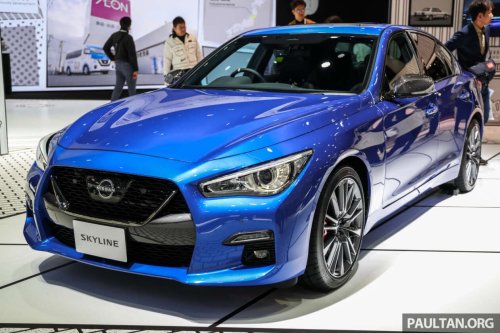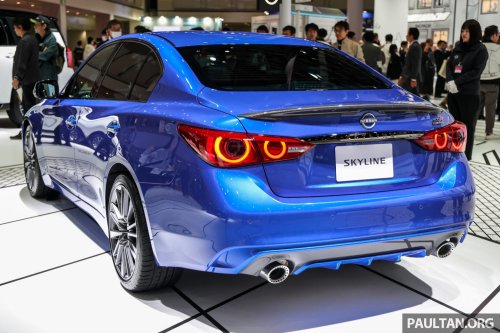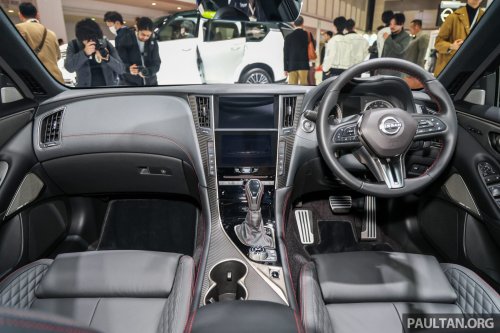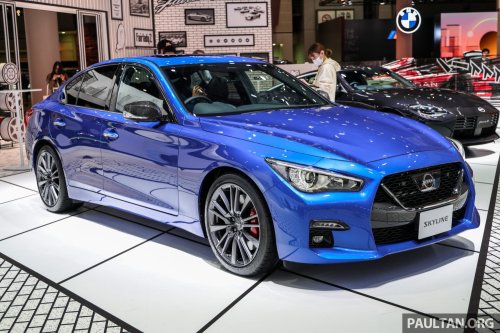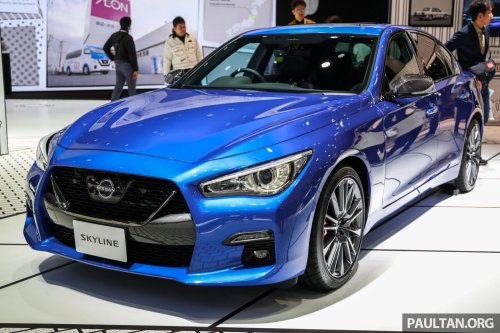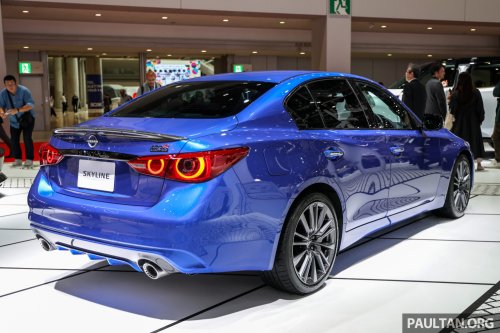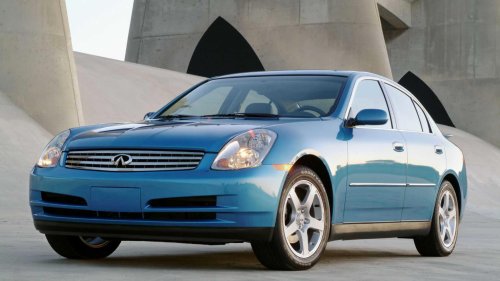
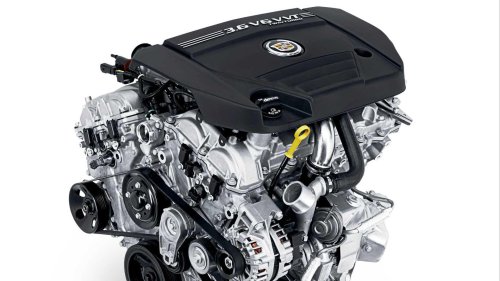
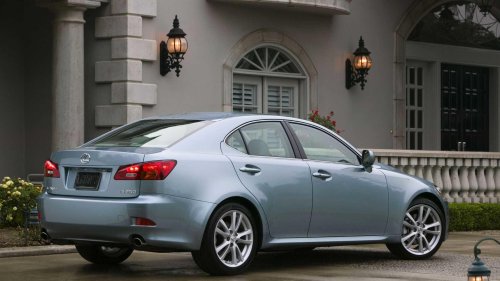
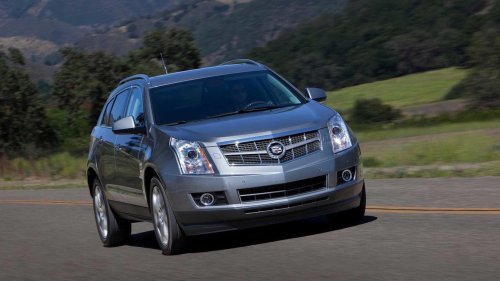
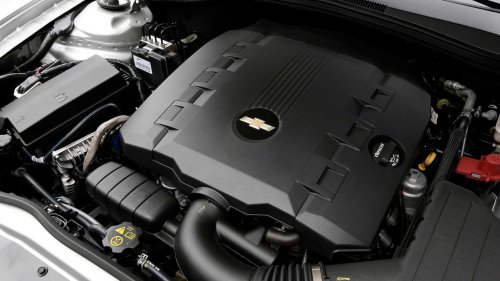
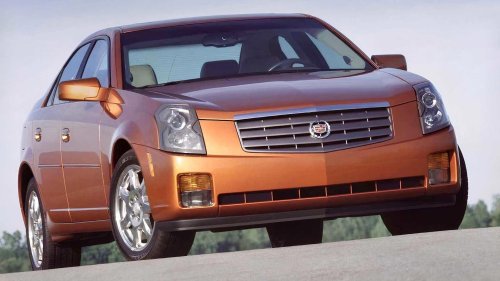
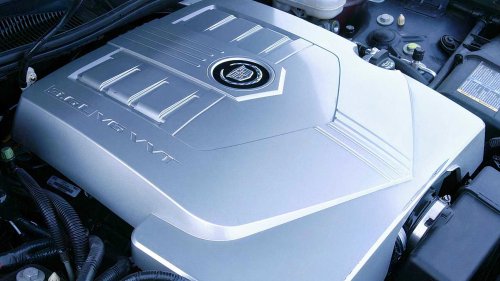
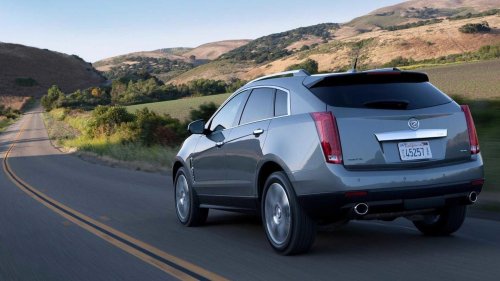
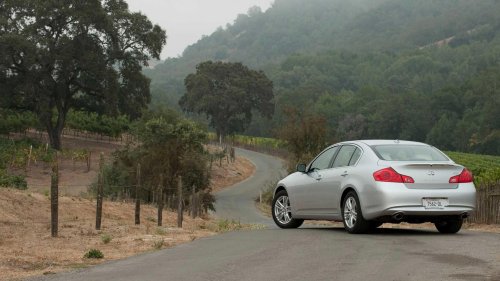
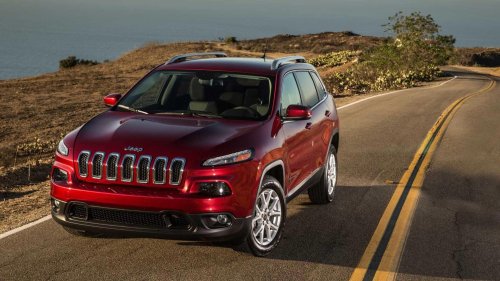
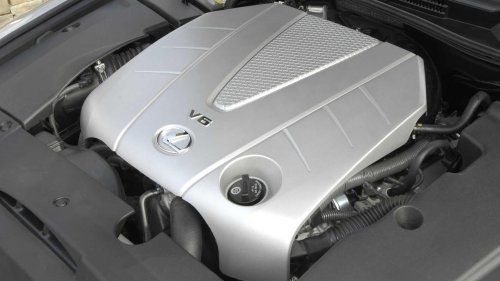
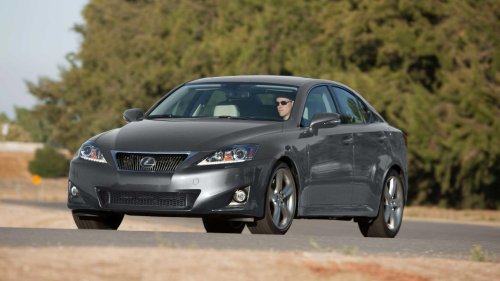
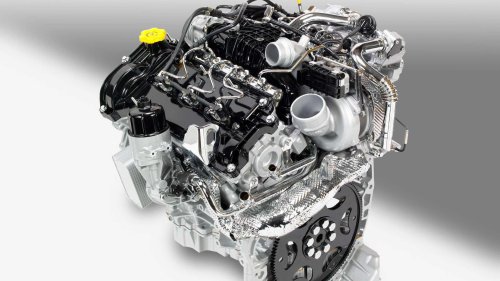



















In the early to mid-2000s, a wave of new high-tech, high-efficiency V6 engines was launching in cars like the Cadillac CTS and Infiniti G35 to challenge dated V8s of the day. These next-generation V6 engines could deliver V8-like performance without the gas bill, but customers were being pinched at the pumps, and some wanted even further fuel efficiency gains.In an attempt to satisfy those particular shoppers, a trend kicked off that didn't stick around for very long, and resulted in a misfit generation of short-lived, small-displacement "economy" V6 engines that (mostly) found few fans and quickly disappeared as new technologies entered the scene.Below, we'll dig into the weird era of the misfit V6, meet some of the powerplants that defined it, and see how two particularly long-lived examples defied the eventual shift away from V6 engines. The 'Illusion Of Efficiency' Era Began Around 2006 InfinitiIt all began, more or less, around 2003 and 2004. Fuel prices were swinging wildly, and modern drivers wanted future-proof fuel economy. This was the start of an era that took the naturally aspirated V6 engine to its limits, years before widespread turbocharging changed the game.The V6 had been largely perfected through decades of experience, and the latest hot V6s came pouring in. One automaker after the next began rolling out their latest with advanced valve timing technologies, engine control electronics, variable intake systems, the latest friction-fighting measures, and the latest advanced materials.Engineers had more processing power at their disposal than ever, allowing them to chase efficiency and performance gains not possible with previous-generation engine families. Engine computers had more processing power at their disposal, too, allowing limits to be pushed even higher. Direct Injection was moving in as a new standard, enabling even higher compression ratios. This was the heyday of the free-breathing engine, and automakers were aggressively benchmarking each other's new V6s.Cadillac The benchmarking generally centered around performance, not fuel economy. Vehicles were getting bigger and heavier, and the SUV craze was in full swing. The latest V6 advances were largely being used to sell shoppers a vehicle that was bigger, heavier, and more powerful for the same amount of gas dollars, as opposed to pushing fuel consumption downwards. Put another way, automakers were mostly using the latest technological tools to chase V6 horsepower output, not fuel efficiency.Lexus Still, some shoppers wanted better fuel-saving options. Trouble was, there weren't many good ones in the luxury performance space. A decade later, turbocharged four-cylinder engines in luxury cars would be the new norm, and hybrid tech would roll out widely soon afterward. But in the mid-2000s, customer perception of four-cylinder engines and hybrids made them a no-go for applications with a V6 price tag.General Motors The short-lived solution was to sell a smaller alternative to the latest flagship V6 engines, targeting those fuel-economy-minded shoppers, but without the need to create an all-new engine. The V6 image could be maintained while meeting demands for lower fuel consumption. The result was a brief period where you could buy a downsized V6 that would lower fuel consumption at the expense of a few ponies, at least on paper. Meet The Misfit V6s ChevroletA few key automakers exemplified the trend. General Motors launched the 3.6-liter V6 engine family initially in 2004, under the hood of the Cadillac CTS, with 255 hp. That same year, a downsized 2.8-liter version arrived with 210–230 hp, depending on the application.The smaller engine was short on torque and needed to work harder than the larger V6 more of the time. According to fueleconomy.gov data, the CTS got a 19 MPG combined rating, regardless of the engine chosen.Cadillac The 2.8-liter engine disappeared after 2009, by which point the 3.6-liter unit had evolved to an output of 280–304 hp. With the 2.8-liter engine gone and the powered-up 3.6 making headlines, a new 3-liter fuel-economy V6 was introduced, with the same 255 hp as the original 3.6-liter engine in most applications.Cadillac The Cadillac SRX is a good example of the misfit V6 trend here. When the second-generation machine launched for 2010, the base engine was that new 3-liter V6, delivering 265 hp. By 2012, the 3.6-liter LFX V6 (308 hp) replaced it.Despite a 43-hp difference, the sluggish 3-liter engine only delivered a combined fuel economy rating 1 MPG better than the 3.6-liter unit, which struggled far less to move the SRX around. For context, turbocharged four-cylinder engines were now starting to become more normal in the SUV scene, rendering the 3-liter V6 offering obsolete.General Motors Another example comes from Infiniti. By 2011, their G37 had become a highly respected performance line with one of the most celebrated V6 engines on the market. It was a big one too: at 3.7 liters displacement, it could spin up 330 hp and rev to 7,000 rpm. Fuel prices were rising, and Infiniti wanted to lower the fuel consumption and entry price of the G-Series to attract a new shopper. InfinitiAs a brand with deep roots in V6 history, a four-cylinder engine wouldn't do the job. The result was a new 2.5-liter V6 offering with 218 hp and a four-cylinder-like 187 lb-ft of torque. From the driver's seat, the engine was smooth and lovely to listen to, but it failed to hustle the car along in any sort of hurry, and often needed to gear hunt generously on hilly terrain. Infiniti The smaller V6 engine lowered the entry price of the car, but the 2 MPG combined advantage listed on paper rarely materialized for owners in real life. In this way, the G25 became a way for owners to save a few dollars by slashing power output, with no significant fuel economy gains. The G25 only existed for two model years. How Lexus and Jeep Won The V6 Civil War JeepAs automakers pitted their big V6 and small V6 engines against one another with limited success, two automakers stood out by defying the trend: Lexus, and Jeep.Over at Lexus, the popular IS sports sedan was offered with two naturally aspirated V6 engines of 2.5 and 3.5 liters displacement in the IS 250 and IS 350 models, respectively. From 2006, the 2.5-liter V6 made 204 hp and 185 lb-ft of torque, and outperformed comparably powerful four-cylinder engines when it came to smoothness and refinement. This was the entry-grade V6 engine, not a fuel-saving downsize. Shoppers willing to spend more for upgraded thrills could step up into an IS 350, with the extra liter of displacement taking them past 300 hp.Lexus The standard 2.5-liter engine was sold from 2006 to 2015 before being replaced by a turbo-four. With AWD fitted, it got 22 MPG combined, with the AWD-equipped IS 350 achieving 20 MPG combined. In a way, the 2.5-liter Lexus V6 survived the misfit V6 phase because it was a genuinely good V6 engine used in the right way, not a rapidly-downsized quick fix.LexusThen, there's the biggest misfit V6 survivor of them all: the 3.2-liter Pentastar V6 used exclusively in the Jeep Cherokee from its launch in the 2014 model year. By this point, the 3.6-liter Pentastar V6 engine was widely familiar as the V6 powering every other V6-powered model under Mopar's umbrella.Stellantis You'd find it under the hood of the Jeep Grand Cherokee, which might have been part of the problem: in order not to overshadow its big brother, the Jeep Cherokee would run a smaller 3.2-liter version of the hero 3.6-liter V6 from further up the pricing ladder. The idea was to give the Cherokee a smaller, more economical V6 engine that targeted around 250 hp, or 40 hp less than the 290 you'd find in the Grand Cherokee of the day.Stellantis To the surprise of the engine's very creators, the 3.2-liter unit came back from testing and validation with 271 hp, just shy of the bigger Pentastar V6. That unexpectedly powerful 3.2-liter V6 would only ever find duty under the hood of the Jeep Cherokee. Not only would it outlast every other V6 engine in the compact SUV segment, but it'd go on to sell for five more years as the only V6 powering a compact SUV before the Cherokee's discontinuation in 2023.