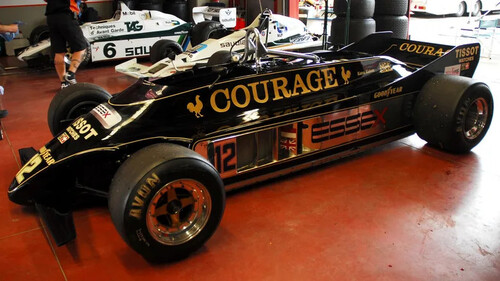
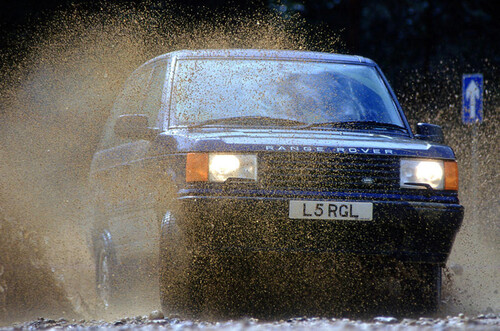
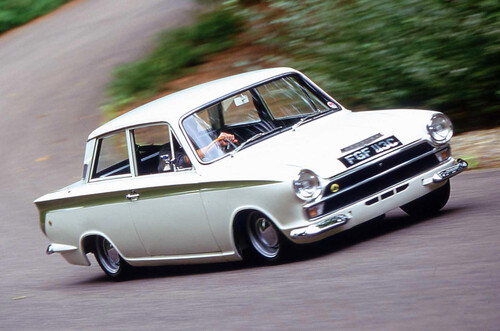
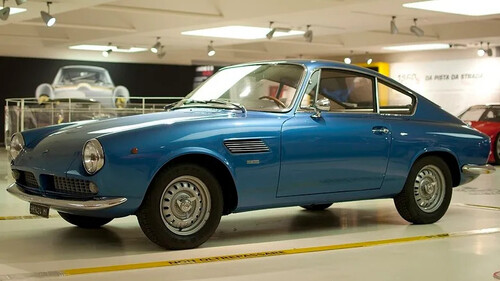
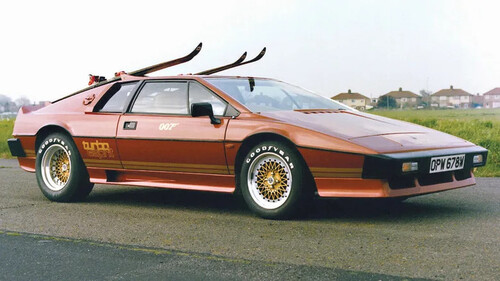
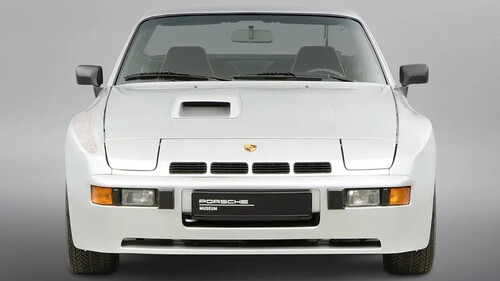
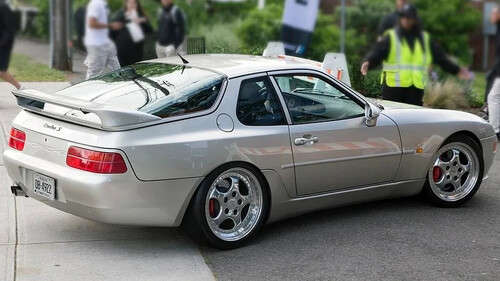
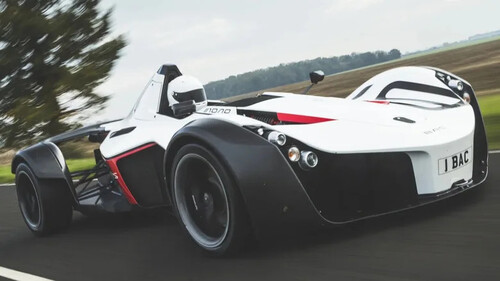
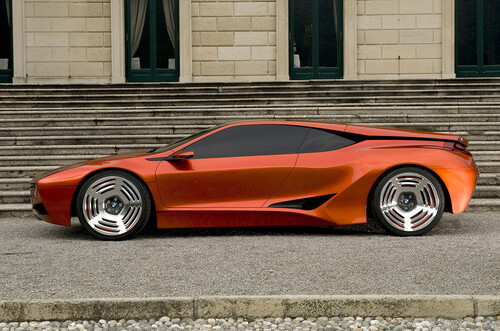
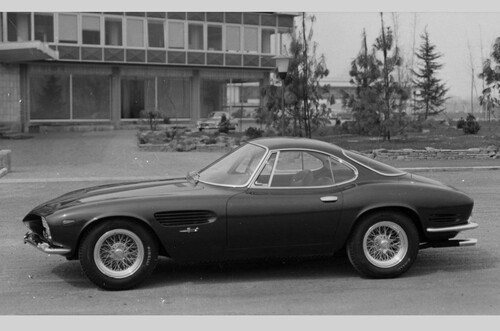
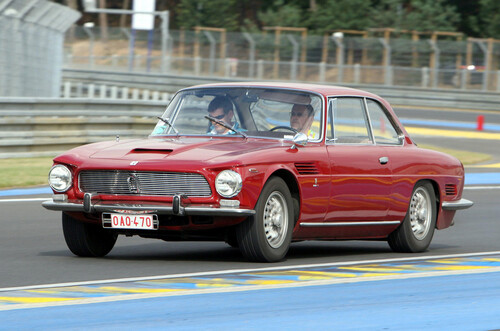
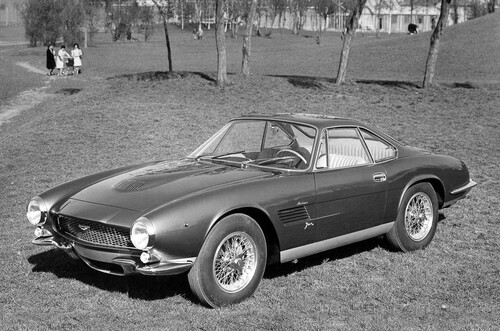
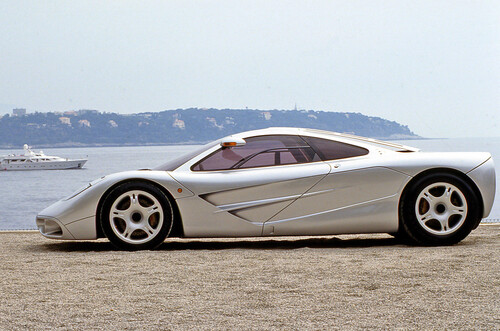
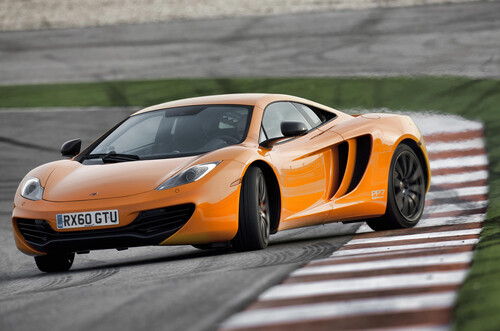
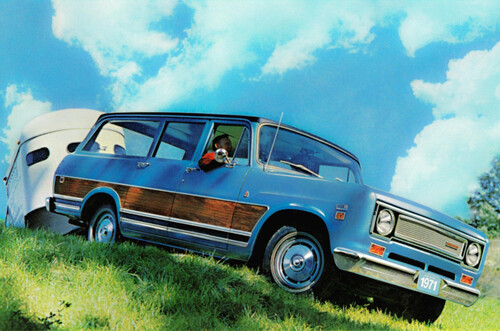
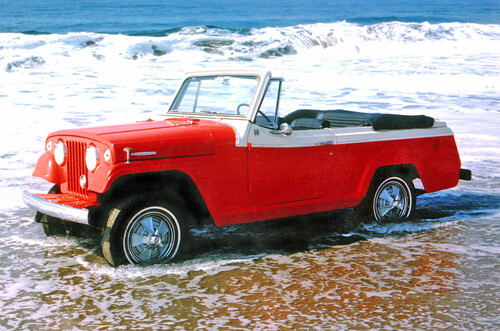
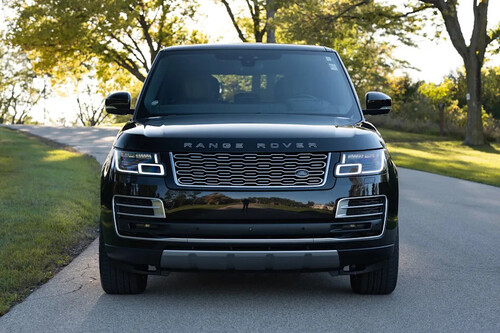
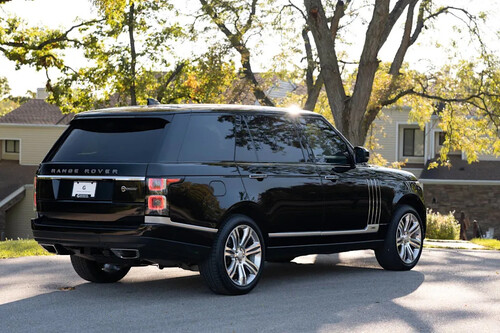
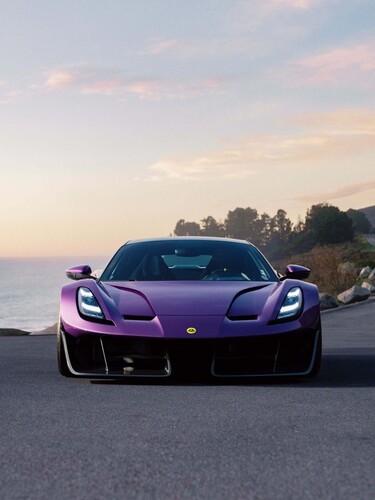
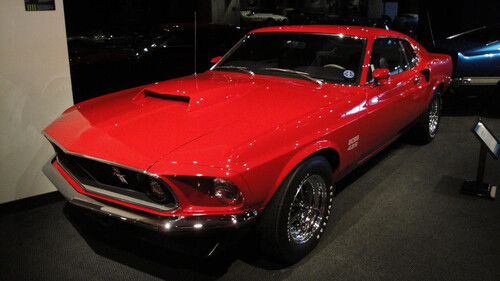
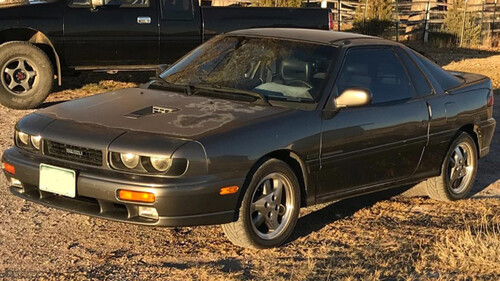
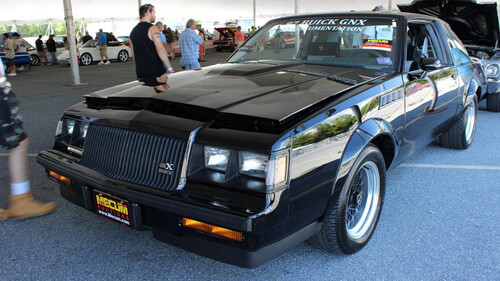
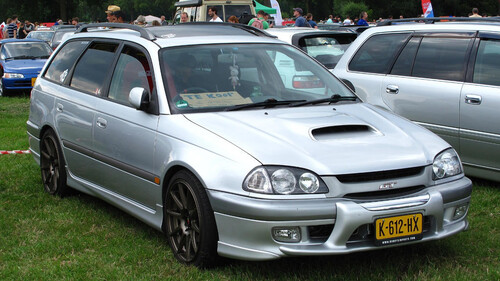
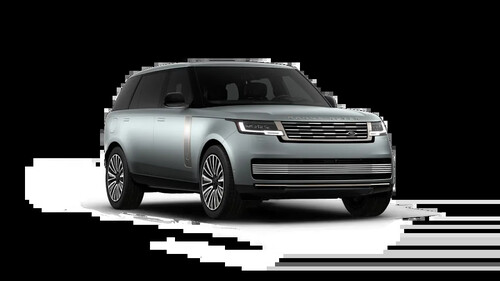
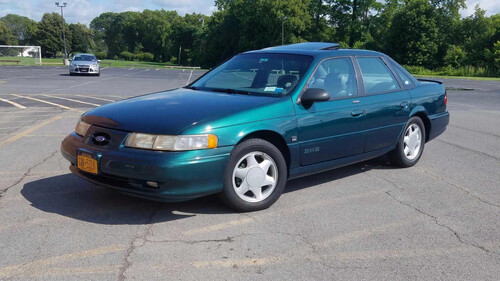
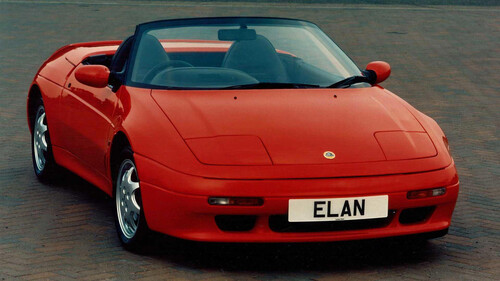
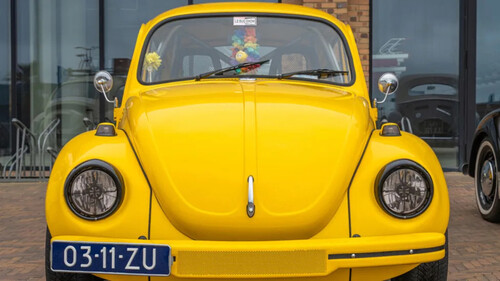
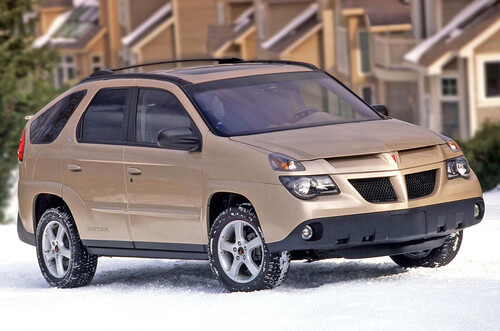
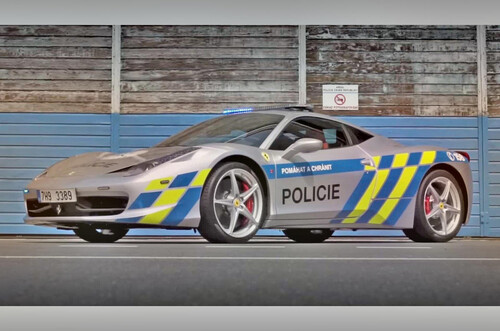
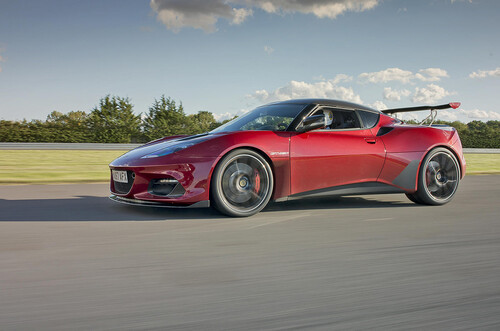
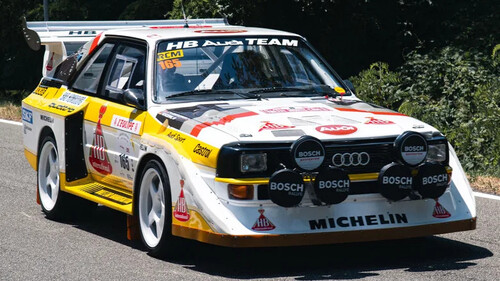
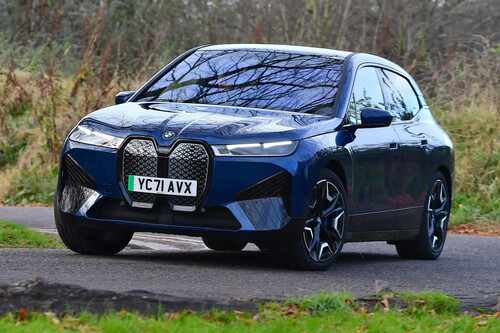
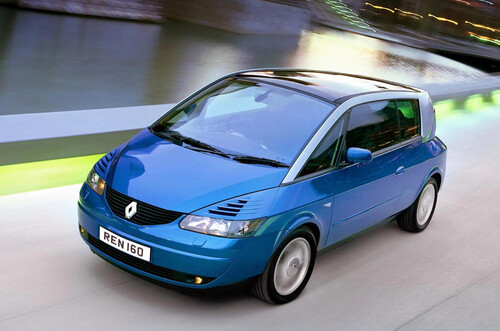
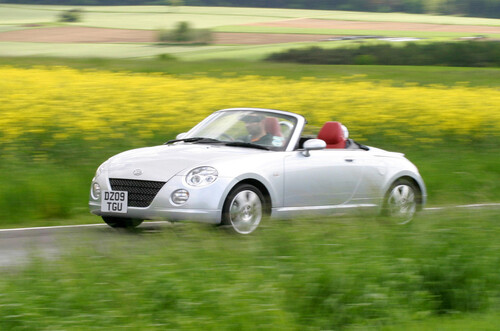
Mia Macdonald · 5 months ago@miamacdonald31712 short-lived cars we wish were still around Liked by+1 othersIsuzuLotusRange RoverPost commentRelated PostsHow Lotus' Two-Chassis F1 Car Got Banned Before It RacedJustin Brown · 19 days ago1991 Isuzu Impulse Wagonback LS For Sale 99 · Emma Fortin · 4 months agoThe best getaway cars 59 · Caleb Scott · 9 months ago7 Four-Cylinder Sports Cars That, Dare We Say, Could Be Called SuperHenry Walker · 20 days agoThe fantastic car designs of Giorgetto Giugiaro 43 · Jacob White · 4 months agoThe 50 greatest British cars 77 · Justin White · 10 months agoEvery Toyota Supra Generation Ranked By 0-60Adam Roy · 21 days agoThe biggest oddballs ever made in the car world 41 · Nicole Tremblay · 5 months agoThe Range Rover Sport Offers Less Power But Plenty Of Fun | ReviewJenna Brown · 13 days ago7 Of The Most Powerful Engines You Could Order In A CorvetteAnnabelle Bouchard · 22 days agoThe most obscure cars ever made by General Motors 89 · Samuel Wright · 6 months agoJaguar's Next Electric Car Is Coming, But It Won't Be a Range Rover RivalMorgan Labelle · 15 days agoAt $24,000, Would You Be King (Or Queen) Of The Hill In This 1994 Chevy Corvette ZR1?Daniel Nelson · 24 days agoThe most obscure SUVs ever made 77 · Lily Girard · 6 months ago2019 Land Rover Range Rover SVAutobiography LWB For Sale With 10,000 MilesGrace Rogers · 15 days agoThe Next Lotus Won’t Look Like This, But It Should 12 · Parker Bouchard · 24 days ago9 rare factory performance packages most collectors overlook 74 · Abigail Lewis · 7 months agoA Fully-Loaded Range Rover EV Costs Bentley Bentayga MoneyCaleb Clark · 18 days agoElon Musk's Car Collection: A Crashed McLaren, a Bond Submarine and a Roadster in Deep Space 13 · Charlotte White · 25 days agoTop 10 Overlooked Performance Cars of the 1990s 28 · Lily Morgan · 11 months ago




 +1 others