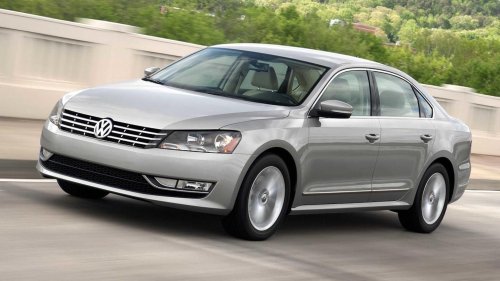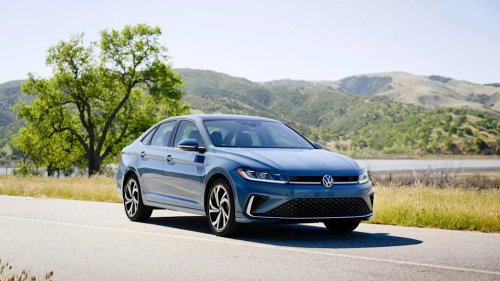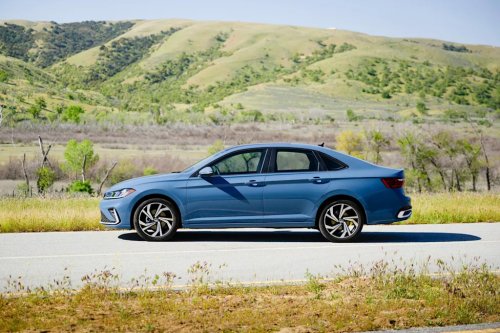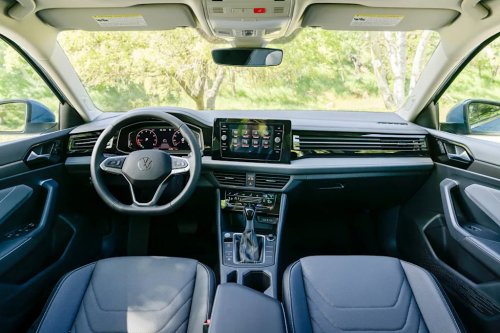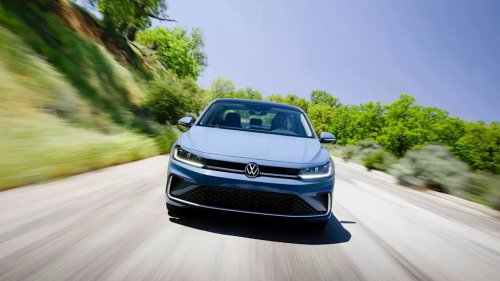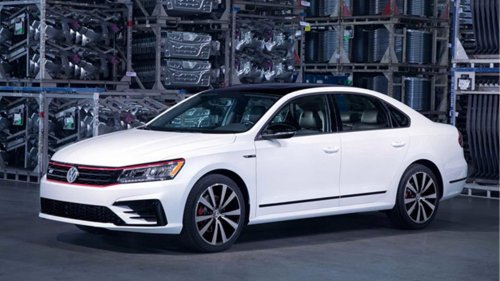
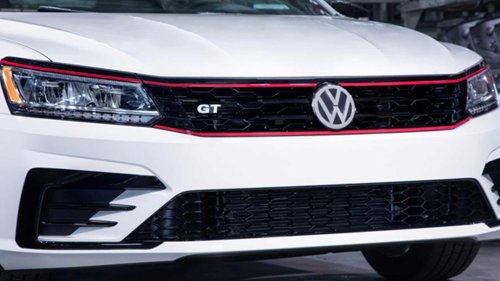
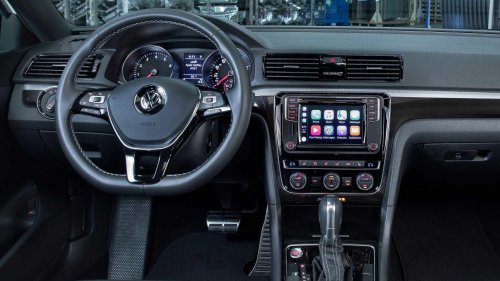
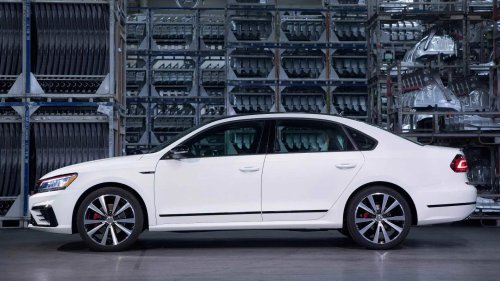
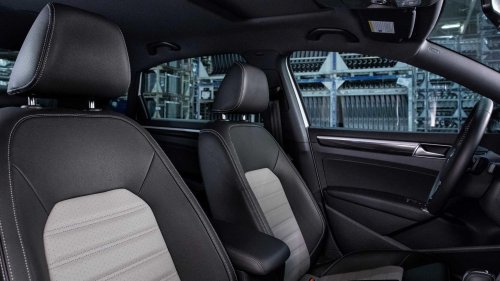
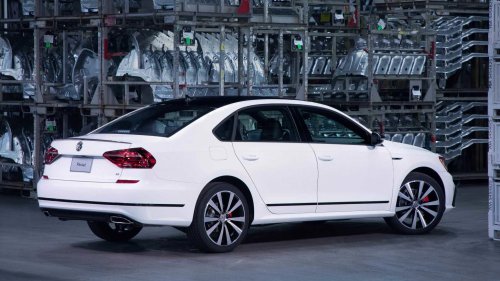
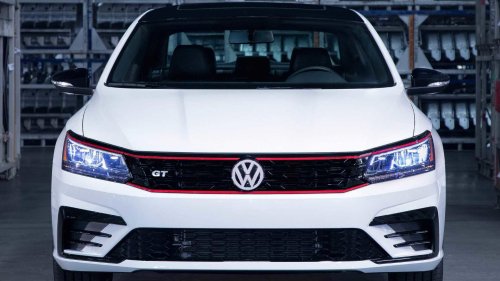
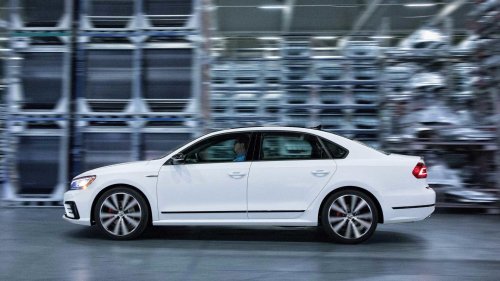



















Euro-minded gearheads will be quite familiar with the Volkswagen VR6 engine. It first entered the fold in the early 1990s, and was one of the first groundbreaking new engine designs of the modern era. For those not in the know, the VR6 engine is, essentially, a V6 with an extremely narrow bank angle of just about 15 degrees. In addition, instead of two separate cylinder heads, all six pistons are housed underneath a single head.The VR6 was a staple mill in the Volkswagen Passat since its inception. However, just eight years ago, the VR6 found itself inside a Passat for the final time. That year, VW produced the Passat GT: a one-year-only model, all of which sported the funky engine under the hood. These days, you can find numerous examples of the model for sale on the used market and, judging by its specs and features list, it doesn't look to be a bad buy, except for one issue. One Quick Commuter Volkswagen In 1974, Volkswagen released the Passat into the US market. However, until 1990, it was actually known as the "Dasher". In 1992, the Passat's VR6 engine finally made it to US shores, where it remained a staple engine option until its final year, 2018. That same year, the Passat's GT trim entered the fold for its first year, creating a perfect storm for the GT grade's introduction. This means the '18 Passat GT isn't exactly a common car.Not to mention, it isn't exactly slow, either. The VR6 living underneath its hood is a 3.6-liter iteration, the largest version of the engine ever produced for a mass-market vehicle. It's a dual-overhead camshaft mill which operates a 24-valve valvetrain, and it takes advantage of automatic tensioners. Direct fuel injection handles the fueling, and a performance-tuned exhaust system juts out of the back of the GT that's designed to be a bit louder than stock.Volkswagen Handling the 3.6-liter VR6's power is a six-speed Direct-Shift Gearbox (DSG) transmission, with no option for a manual. The sole drivetrain option is front-wheel drive. Its suspension setup differs from the standard Passat in numerous ways. For starters, it's lower by 0.6 inches than standard, and it also takes advantage of stiffer springs and dampers, the latter of which were specially tailored for the model. Its 19-inch "Tornado" wheels are designed for better handling, as they're wider than standard, necessitating thinner and wider tires to be installed. What It Offers VolkswagenFor its limited run, VW decided to base the GT's features on those found on the Passat R-Line. Exterior Volkswagen While the GT shares the Passat R-Line's front bumper, it sports its own, unique honeycomb grille, along with a pair of LED headlights. A small red trim line runs along both the top and bottom of the grille. Turning your attention to its flanks will reveal a black trim line near the bottom of the doors, along with blacked-out mirrors, door trim, and roof. Its small trunk spoiler is also blackened, and its tail lights received a light peppering of smoke for a slightly darker-than-stock look. Interior And Tech VolkswagenIts interior is similarly darkened, albeit with black-and-gray seats. Its dashboard, center console, and instrument cluster all feature piano black with carbon-fiber trim acting as the accent. Front seat passengers are treated to heated seats that also boast eight-way power adjustment. In addition, it also boasts a standard power sliding moonroof, along with a black headliner. Rear-seat passengers are provided a single USB charging port, but no seat heating.Sitting center stage in the Passat GT's dashboard is a 6.3-inch touchscreen infotainment system utilizing VW's MIB2.5 software. It's compatible with both Apple CarPlay and Android Auto, and is hooked right into a standard six-speaker audio system. Driver assistance features include things like blind-spot monitoring, lane-keep assist, collision-mitigation braking, and forward collision warning, among others. How Much It'll Cost You VolkswagenWhen the 2018 Passat GT first hit the market, Volkswagen set a suggested retail price of $29,145. However, some eight years on, its value has dropped quite a bit. These days, Kelley Blue Book reports an average used price of $14,120. When compared to other VW models produced around the same time, it's actually managed to hold onto a good bit of value, as Volkswagens tend to depreciate quite quickly.To paint a better picture of how well the Passat GT's value has held up, we need to take a look at some of its competitors. Because of its 280-hp output, we need to find a few other mid-size sedans with similar oomphs. Models like the 2018 Toyota Camry XSE V6, the 2018 Honda Accord Sport 2.0T, and the 2018 Ford Fusion Sport are the first to come to mind. In the table below, we'll compare them all side-by-side and see which can be had for the lowest average used price: The Fly In The Ointment VolkswagenIf you're thinking all of this sounds good so far, we were too. However, your mood might change once we get into the Passat GT's reliability. It isn't exactly great.We decided to take a look at RepairPal.com for the Passat GT's reliability ratings, and for any common issues that may plague the model. According to the site, its average annual maintenance cost is $639, over $100 more than the mid-size sedan's market average annual cost of $526. In addition, RepairPal.com ranks the Passat GT 17th out of 24th, putting it below average when it comes to overall dependability.Volkswagen If you continue to peel the onion, you'll find that its average unscheduled repair frequency is 0.45, more than the segment average of 0.4. However, the likelihood of any given repair, scheduled or not, of being severe is nine percent, below the market average of 12 percent. A small gold nugget in an otherwise un-shiny pile. To top it off, parts for the Passat GT tend to be on the more expensive side, as most European car components tend to be in the US.So, when you put it all together, the 2018 VW Passat GT is a good-looking, cool, and rather quick sports sedan. It's also relatively cheap when compared to some of its competitors. However, make sure you're prepared for the eventual repairs, as they may end up costing you dearly.