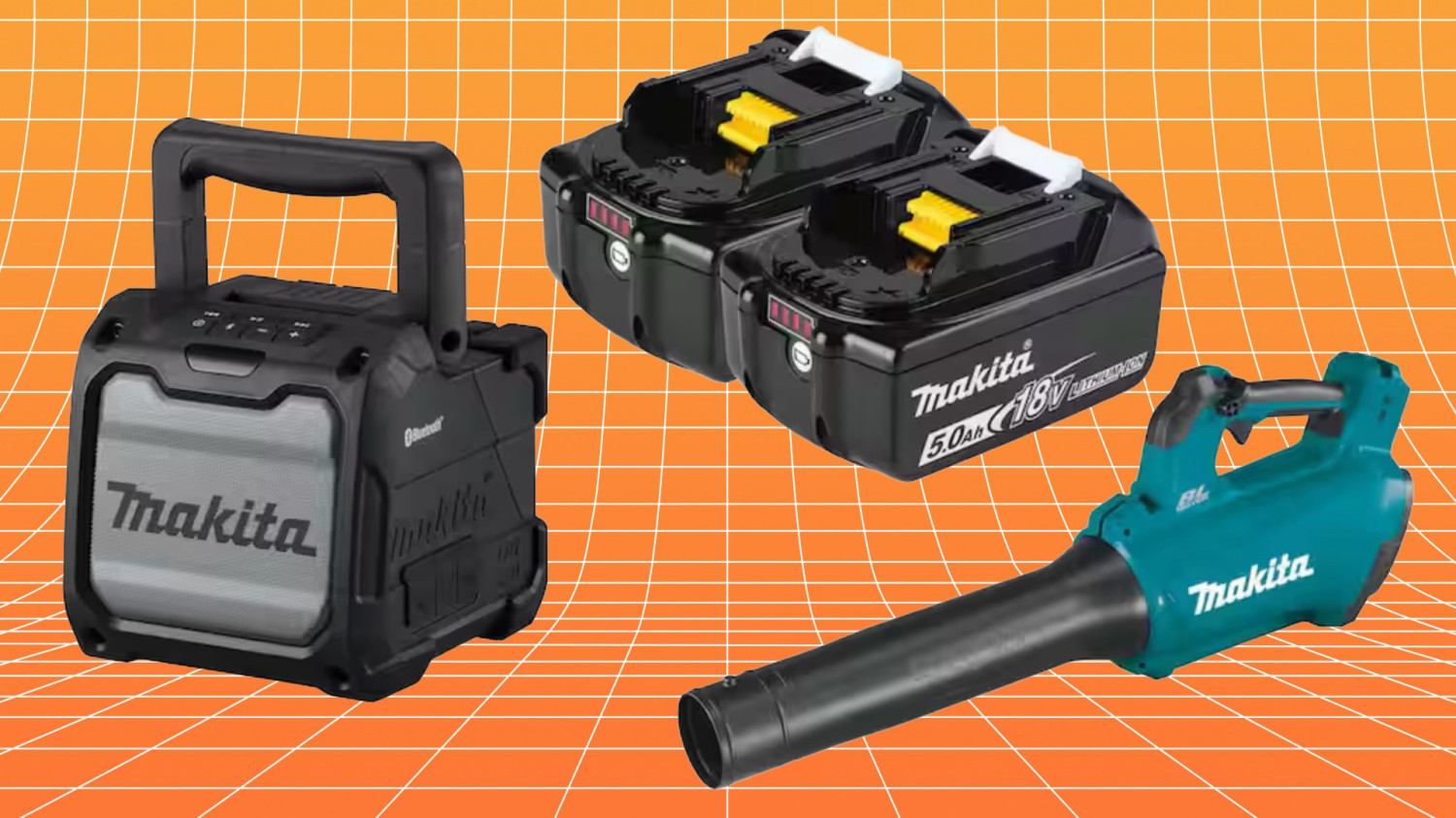
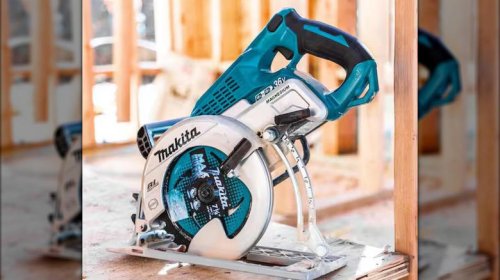
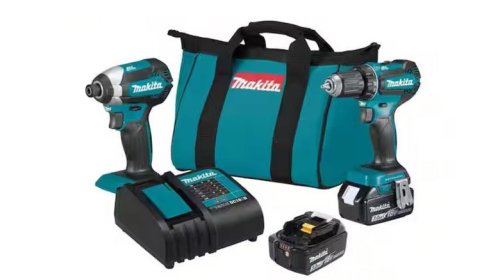
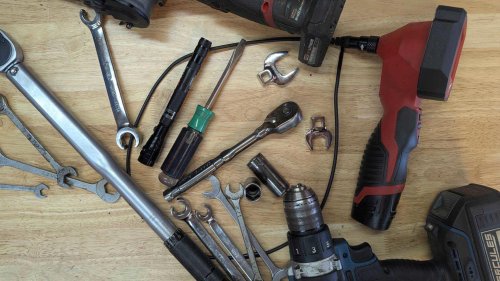
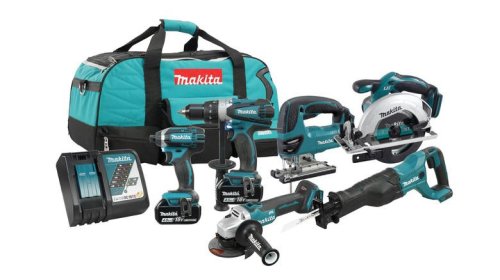
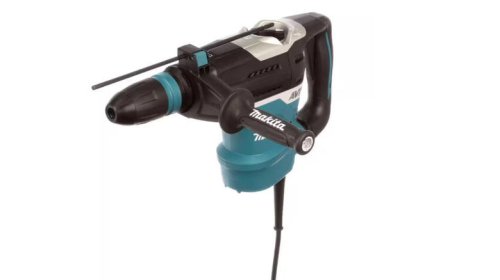
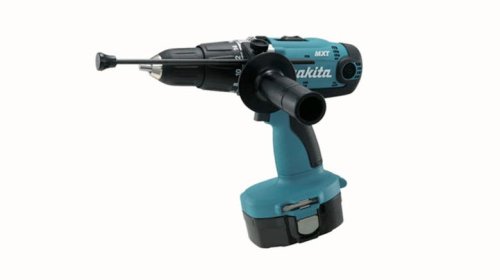
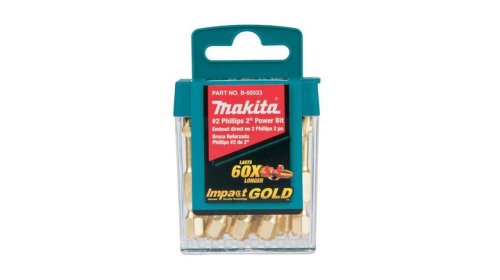
Makita 18V LXT six-tool combo kit (DLX6079M)Few cordless kits offered as much value at the same time as the Makita DLX6079M. Built around Makita's proven 18V LXT battery platform, the six-tool combo kit became a staple for contractors, handymen, and serious DIYers looking for a ready-to-go arsenal of jobsite essentials. Inside the kit, users got a versatile mix: a hammer drill/driver, impact driver, circular saw, recipro saw, angle grinder, and LED work light — all powered by two 4.0Ah LXT batteries and a dual-port charger.What made the DLX6079M especially appealing wasn't just the tool selection, but the balance of performance, durability, and portability. The impact driver and hammer drill could tackle anything from cabinetry to concrete anchor installations, while the grinder and saws handled framing and quick metal cuts. It was the kind of kit that could live in the back of a truck and be ready for virtually anything.Makita eventually discontinued the DLX6079M, likely due to upgrades across its LXT tool lineup. As newer brushless versions of these tools hit the market with better runtime, power efficiency, and added safety features, it made sense to phase out legacy kits in favor of more advanced bundles or customizable build-your-own-kit options.Still, the DLX6079M remains fondly remembered as a one-stop shop solution for professionals or casual users who needed power and versatility in one box. While you can't buy it new anymore, most of its individual tools live on with newer motors and smarter batteries under the hood.Makita 1¼-inch SDS-PLUS Rotary Hammer (HR3210C)When it came to mid-range rotary hammers, the Makita HR3210C was a beast. It had an 8.2-amp motor and 1¼-inch SDS-PLUS chuck that tackled concrete, stone, and heavy masonry easily. Designed for pros in need of a durable, versatile demolition and drilling solution, the HR3210C offered three modes: rotation only, hammering with rotation, and hammering only, offering full control over how they chewed through tough materials.What set this model apart was its anti-vibration technology (AVT) system, which dramatically reduced fatigue on longer jobs without compromising power. Paired with soft-start technology and a torque-limiting clutch, the HR3210C delivered power precisely when and where it was needed, without twisting your wrist out of socket if the bit hit rebar or bound up mid-drill.Despite its reliability and proven jobsite performance, the HR3210C was eventually discontinued as Makita continued expanding its AVT rotary hammer lineup with more ergonomic, lightweight models. Tools like the Makita HR3011FCK offer similar SDS-PLUS capacity but with brushless motors, more refined AVT systems, and improved dust extraction features that align with stricter jobsite safety regulations. Either way, the HR3210C's departure marked the end of a workhorse. It was truly a no-frills rotary hammer that got the job done every time. If you can still find one secondhand in good condition, it's worth grabbing.Makita 12V 3-Speed Hammer Drill (8414DWFE)Before subcompact drills became the brushless marvels they are today, Makita's 8414DWFE was showing everyone just how much punch a 12V tool could pack. The three-speed hammer drill was relatively small in stature and had an older NiMH battery system, but delivered impressive torque and versatility, making it a favorite among cabinet installers, electricians, and anyone working in crawl spaces or overhead.What really stood out was its three-speed transmission, something you don't typically see on compact drills. The first speed provided high torque for heavy fastening, the second gave a balanced blend of speed and torque, and the third cranked up the RPMs for fast drilling in softer materials. Combined with its hammer mode, this little drill was a powerhouse in its class. It was fully capable of sinking fasteners into studs, drilling through concrete blocks, or handling light-duty masonry jobs.Its discontinuation wasn't much of a surprise, though. As lithium-ion batteries took over the industry, NiMH tools like the 8414DWFE quickly became outdated in terms of runtime, recharge speed, and weight. Makita phased it out as the 12V max CXT platform rose to prominence, offering slimmer, lighter, and more efficient tools built for modern demands.Makita Gold Impact BitsDrill bits might not be the flashiest items in the tool chest, but Makita's Gold Impact Bits made the last spot on our list of discontinued greatness because it built a reputation that went far beyond the packaging. The precision-machined, gold-coated driver bits were engineered to handle the punishing torque of modern impact drivers, and for years, they were the go-to choice for pros who needed something tougher than an average Phillips #2. They were built with high-strength steel and crafted through a proprietary heat treatment process. Makita's Gold line was designed for longer life, better fit, and less cam-out under load.Contractors and tradespeople loved them not just for their durability, but for how they gripped fasteners. Driving deck screws, drywall anchors, or lag bolts into stubborn lumber, the bits rarely let go. The gold coating wasn't just for show either. It offered added wear resistance and made it easier to pick them out in a cluttered toolbox. They came in sets or singles, and the cases they shipped in were compact and organized.It's still a bit of a mystery why Makita pulled them from the shelves. Some speculation was floating around that it was due to production cost or a shift in marketing strategy toward its Impact XPS line, a newer bit series promising longer life and improved performance.If you find a box of Makita Golds hiding at the back of a hardware store shelf or on Amazon or eBay, buy them. These bits were a quiet staple, and their disappearance left a small but noticeable void in toolboxes.



















 +42 others