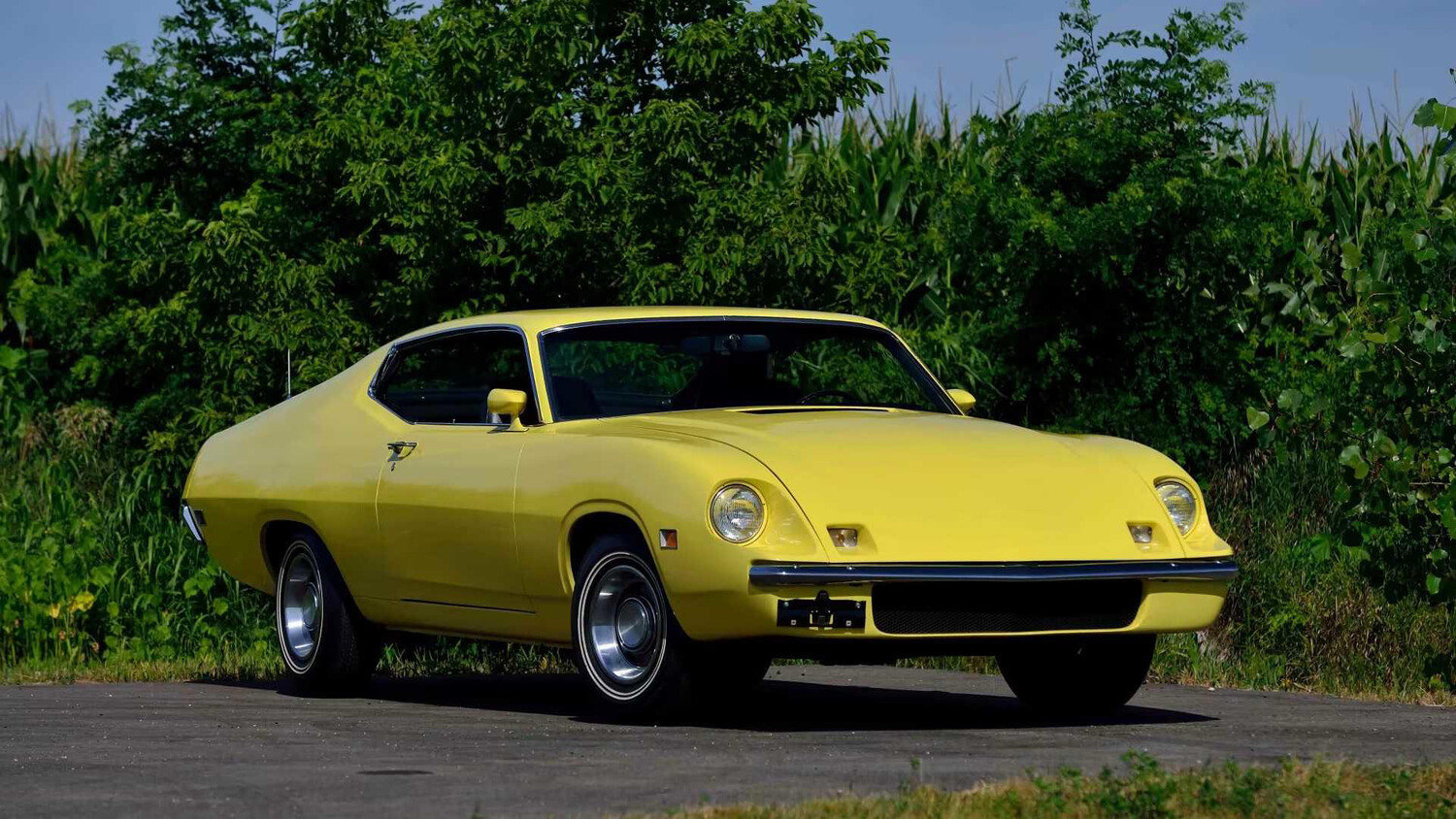
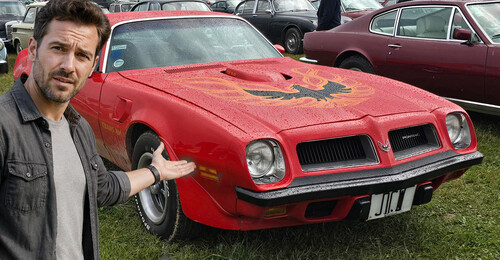
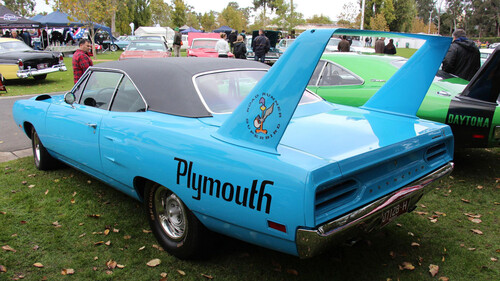
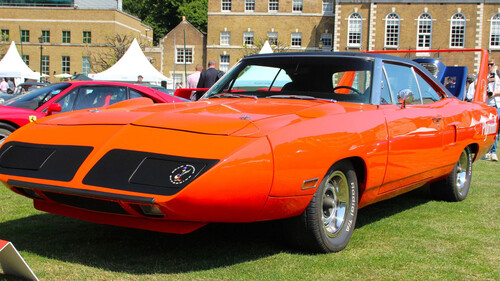
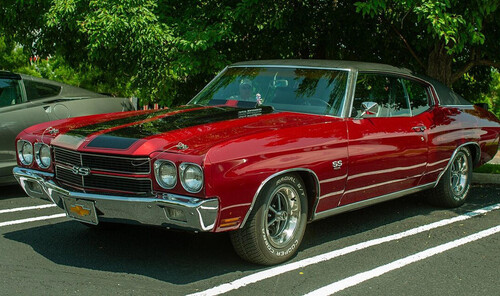
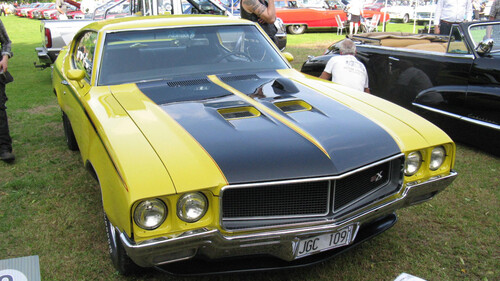
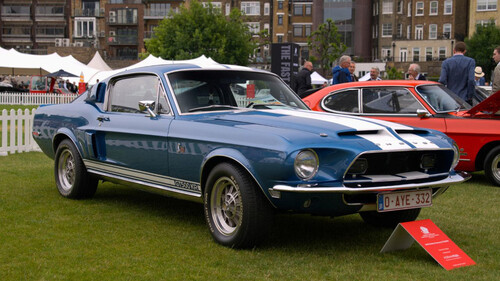
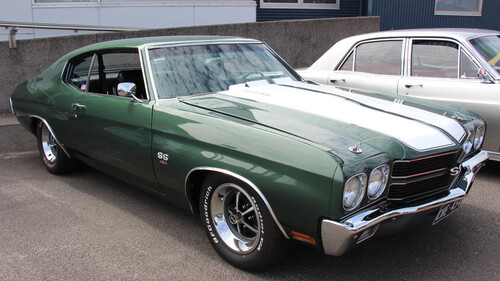
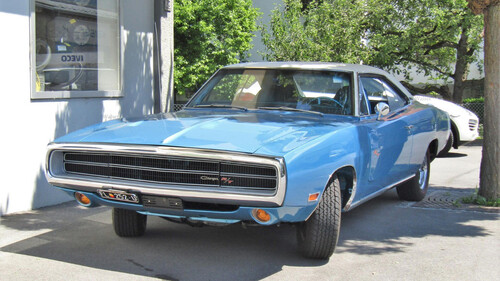
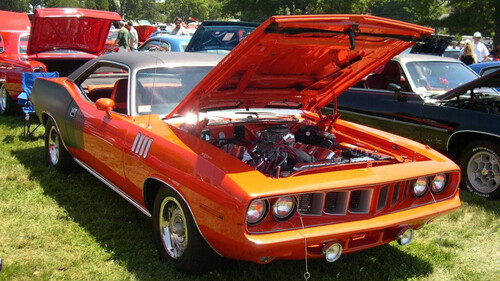
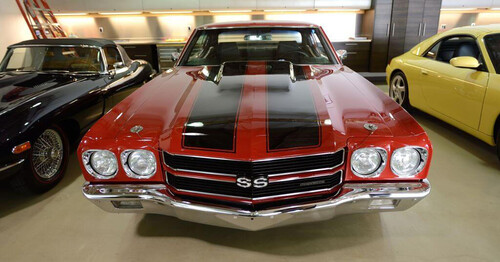
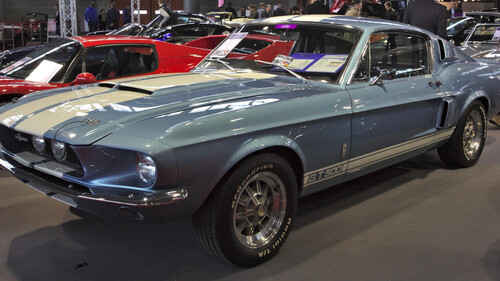
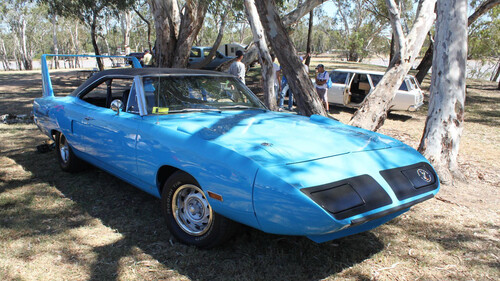
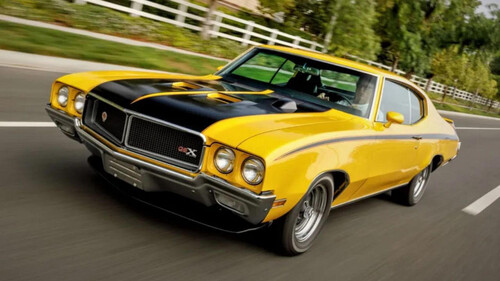
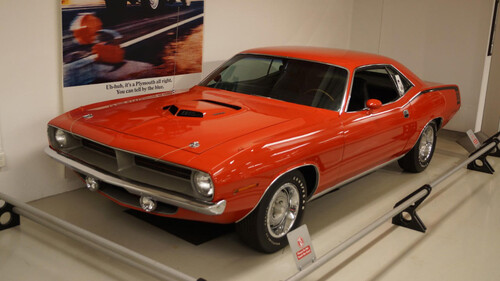
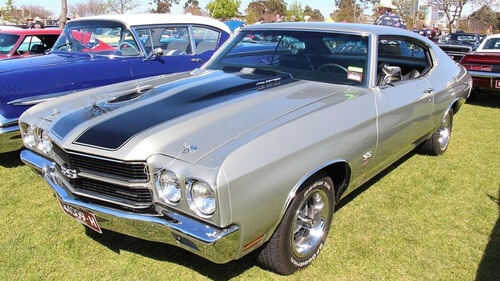
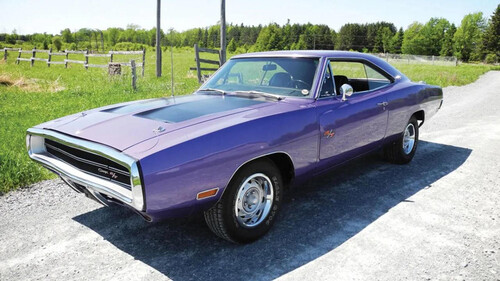
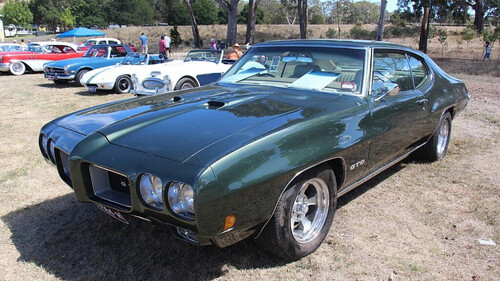
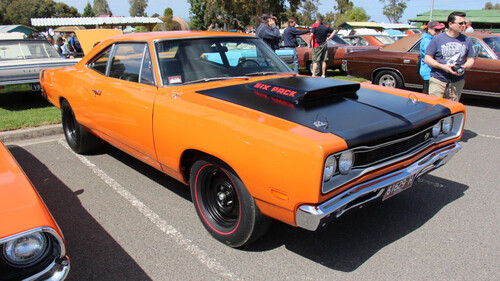
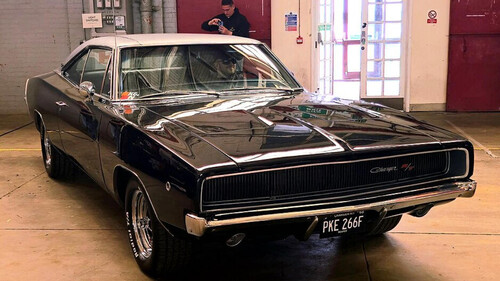
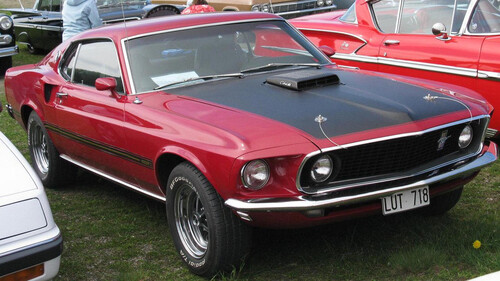
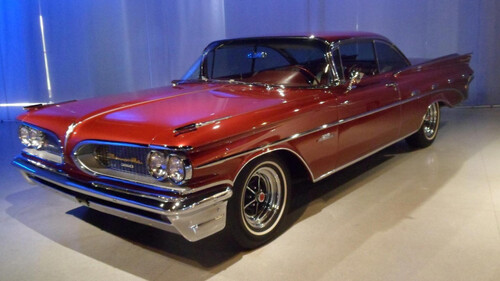
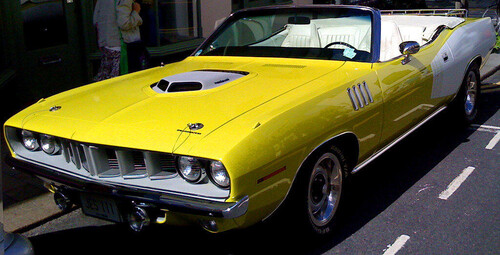
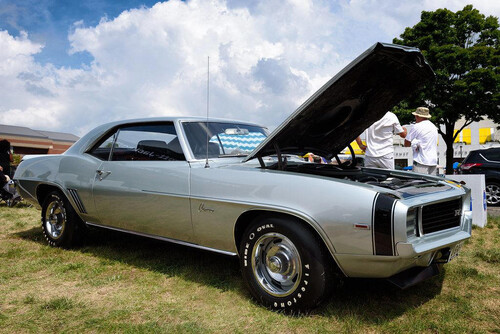
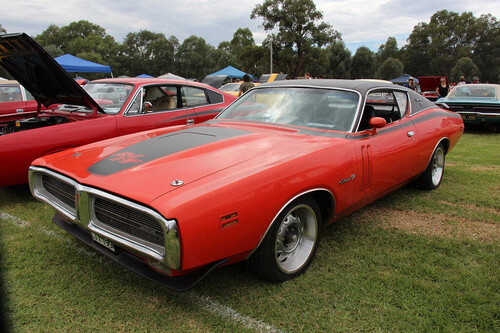
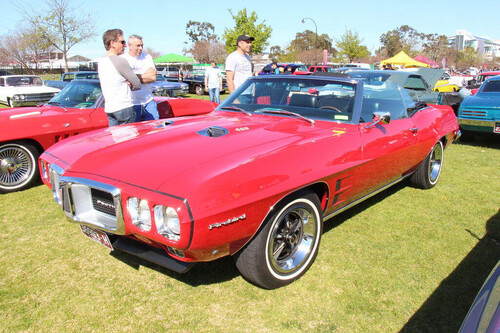
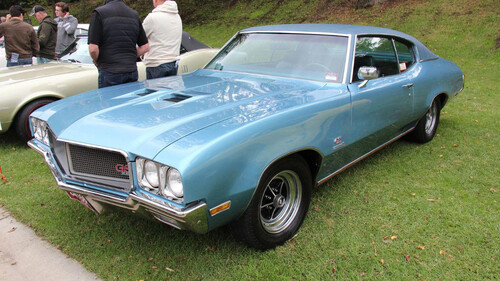
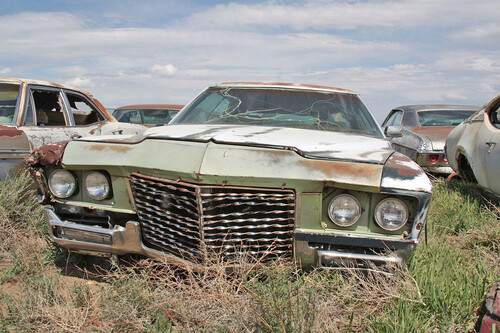
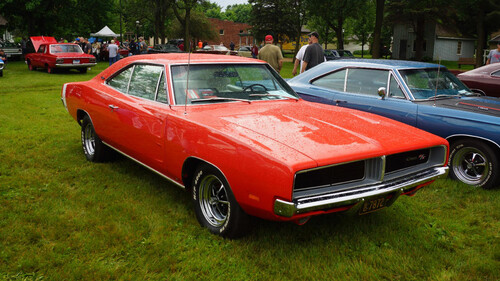
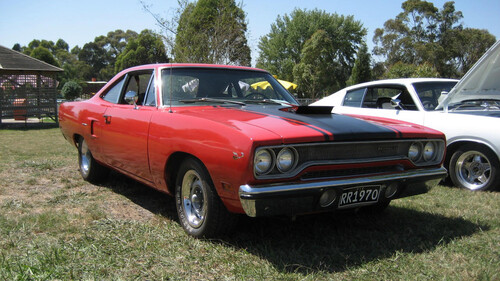
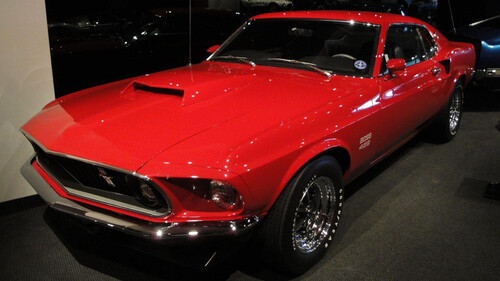
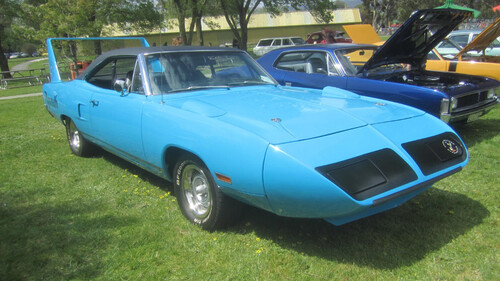
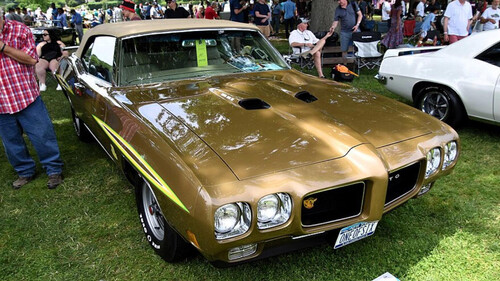
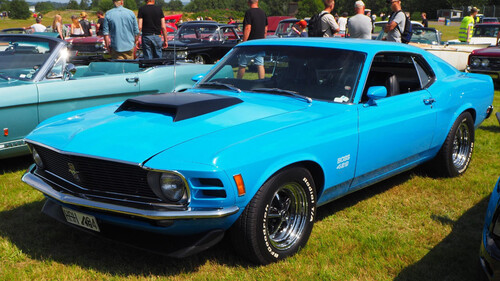
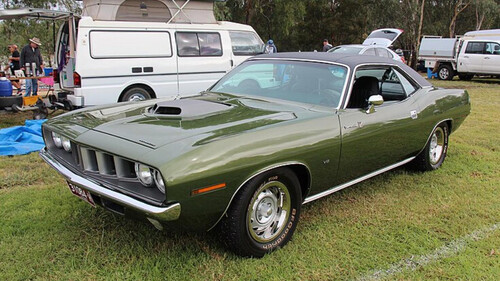
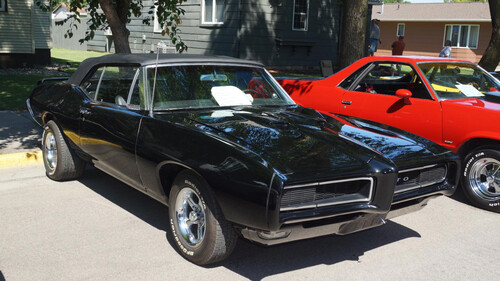
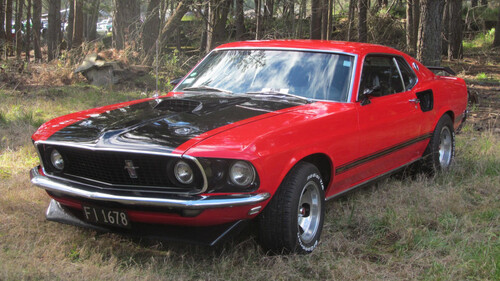
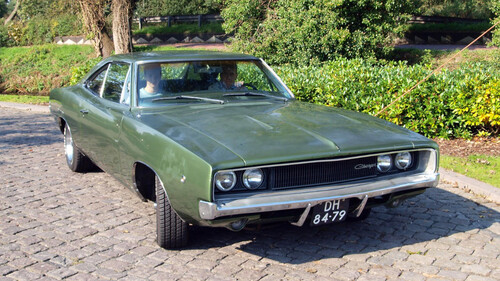
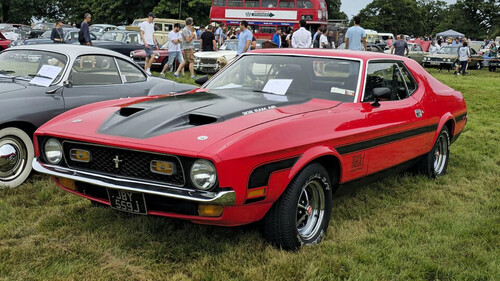
It's Muscle Car Madness week here at HotCars. As such, we're celebrating cars with big engines, rear-wheel-drive, and no-nonsense packaging. As a lifelong muscle car nut and the owner of a 1969 Dodge Charger that I just slammed a 650-horsepower Hemi into, I'm all sorts of fired up about this.Don't go making the mistake that my love is Mopar exclusive. Sure, I'm a bit biased, but, like many of you, I have a deep appreciation for muscle from all of the carmakers that partook in the horsepower wars slugfest. That said, I do tend to lean toward the classics when it comes to my cars of choice. Which ones? Those with big power, of course. I put together a list of the top ten absolute powerhouses of classic muscle cars I wish I had in my garage. If you think something is missing from the round-up, make sure to drop a comment sharing the details of that car. 1969-1/2 A12 Road Runner Bring A Trailer The A12 package was introduced to the Plymouth Road Runner and the Dodge Super Bee halfway through the 1969 model year. These machines were low-trim variants, equipped with a Dana 60 rear and 4:10 gears, black 15-inch wheels, and a fiberglass hood with a 440 cubic-inch V8 beneath it. The Holley tri-power intake manifold with three two-barrel carburetors up top was the centerpiece of this configuration. While only a handful were made, they made serious waves. When Ronnie Sox drove an A12 Road Runner into the 12s, it became the fastest factory-equipped car of the era. 1970 Chevelle LS6 American Muscle Car Museum Chevy made a lot of the best-looking cars of all time. In my opinion, none are more muscular in appearance than the 1970 Chevelle. The thing looks like the embodiment of brutality, and when you opt for the LS6 package, that's exactly what it becomes. TheLS6 Chevelle had an absolute beast of a 454 under its hood that was rated to produce 450 horsepower and 500 LB-FT of torque. It was the most powerful engine option for the 1970 model year, famously putting the 426 Hemi cars in its rearview mirror in stock form. It also came with all the best hardware of the time, making it a certified dream car for any muscle car enthusiast. 1969 Ford Mustang Boss 429 Mecum Auctions Mustangs are easily among the greatest cars of all time. As a Mopar fan, it took me a while to get on board with that notion, but the 1969 Mustang Boss 429 was the car that finally made me come around. In terms of styling, this is the best of the Mustang lineage, period. While it's undoubtedly a Ford pony car, the twisted metal is much more menacing than any of its peers. What lies under the hood, though, that's the real magic. The 429 cubic inch V8 was Ford's answer to Mopar's Hemi. It produced 380 horsepower and 490 lb-ft of torque. It took up every bit of the 'Stang's engine bay, and the potential is there to make it an absolute rocket. 1969 Dodge Charger Daytona Hemi (NASCAR SPEC) If I could own only one other Mopar for the rest of my life, it would have to be a NASCAR-spec Dodge Charger Daytona. 1969 was a huge year for Dodge. On top of the introduction of the A12 Super Bee, it also unleashed the 1969 Charger Daytona on the world. These cars were shaped in wind tunnels and built for the sole purpose of winning races. It did that very well. So well, in fact, that a rule change effectively banned Dodge's secret recipe after just one season. NASCAR variants are different from the street-bound homologation cars sold to the general public in many ways. Chief among them is the 426 cubic-inch race Hemi under the hood that produced 650 horsepower. 1969 Camaro ZL1 Mecum There's really no arguing that the designers who came up with the first-generation Camaro were at the top of their game. Every square inch of these cars is perfectly sculpted, with just the right level of flair and elegance. For my money, the 1969 model year is the best of the batch. That's especially true if we're talking about theZL1 variants. These monsters came with an all-aluminum 427 cubic-inch V8 under the hood. From the factory, they were rated to produce 430 horsepower and 450 lb-ft of torque. However, there are rumors that Chevy lied about the power output, and this thing was really cranking out north of 500 horsepower. Talk about the perfect combo out of the box. 1987 Buick Grand National GNX via Bring A TrailerThe Big Three weren't the only ones to make big power. Not all used V8s to get it done in their muscle cars, either. In the late 1980s, Buick redefined what the world thought of muscle cars when it released the 1987 Grand National GNX. By this point, the Buick Grand National was already a thing of legend with a turbocharged V6 under its hood. The engineers decided to send it off with a bang for its final production year. Buick teamed up with McLaren/ASC to make 547 weapons of the black bricks. The engines were outfitted with bigger turbos and intercoolers with a tune to match, special styling ques were added, and the Grand National eXperimental was born. As for the power output, Buick's official rating was 276 horsepower and 360 lb-ft of torque, but some sources say that claim falls short of reality. 1971 Hemi ‘Cuda Mecum AuctionsCould you believe that, on release, many felt that the 1971 Plymouth 'Cuda was an ugly car? As the second year for Plymouth's E-body, it's the only one to feature the quad-headlight design and cheese grater grille. Maybe it's not for everyone, but I think it is the meanest-looking Mopar of all time, and I absolutely love it. Believe it or not, Plymouth did cram the 426 Hemi under the hood of these gnarly machines, making it a total nightmare for would-be contenders. Only a handful were produced, though. 'Cudas of the likes are essentially unobtanium for most of us living in the real world. That's all right, though. I'd settle for the 340 model. 1965 Plymouth A990 Bring A Trailer I heard you. I promise, I'm done talking about Mopar Hemi cars. At least, after this one. The 1965 Plymouth A990 is technically more of a factory race car than a muscle car, but they're so cool I needed to include one anyway. These cars are known as factory lightweights, as Mopar saw fit to strip them of anything that didn't need to go for the ride in order to make them blisteringly fast. The interiors were barren, the seat brackets had holes drilled in them, and they even deleted the 'Park' setting from automatic transmissions to save weight. The A990 package came with a 426 Hemi under the hood that was advertised to produce 425 horsepower and 490 lb-ft of torque, but most experts agree they made close more than 500 horsepower. As for speed, these may have actually been the first factory-equipped cars to slam through the quarter mile in 10 seconds. Ford Torino King Cobra Mecum Auctions Here's a car you might not have known existed, and, technically speaking, it didn't. It's a prototype car that Ford only built three of before canceling the project. However, these are among the most significant cars ever made, in my opinion, so I had to include them. The Ford Torino King Cobra was the Blue Oval's answer to Dodge's winged warrior. It was an aero car equipped with a 429 cubic inch V8, which was said to produce 370 horsepower and 450 lb-ft of torque, but NASCAR variants would have made around 550 horsepower. That said, this would have only been the tip of the iceberg had Dodge and Ford continued the aerowars of the '60s. If this car made it to racing, the notorious 'Cammer' engine would have soon followed, along with Dodge's 'Doomsday' Hemi. Suffice it to say, hadn't NASCAR prevented the battle from continuing, modern cars might have looked very, very different. 1970 Buick GSX Kuyoth's Klassics The Buick, Olds, and Pontiac crew is horrendously underrepresented in most muscle car conversations. While the Big Three always steal the spotlight, there's an entire subculture that celebrates the underrated glory of the BOP lines. That said, the Buick GSX is at least one car most car enthusiasts know about. These things were known as Hemi Killers, because they put Mopar's baddest street cars behind them in the quarter-mile. That was largely thanks to the 455 cubic-inch V8 under the hood that produced 360 horsepower and 510 lb-ft of torque. On top of having serious grunt down low, the sheet metal was sculpted to be intimidating enough to send even the bravest street machines packing.