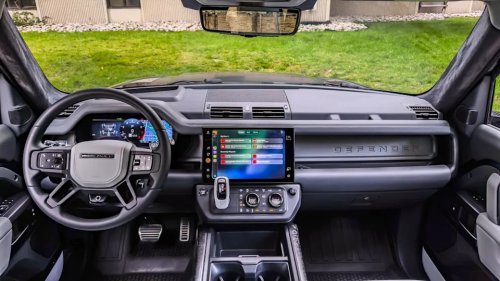
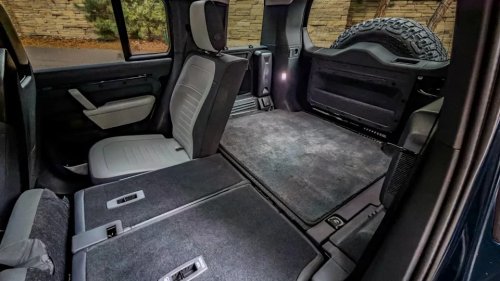
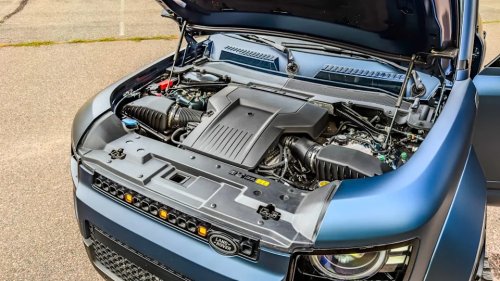
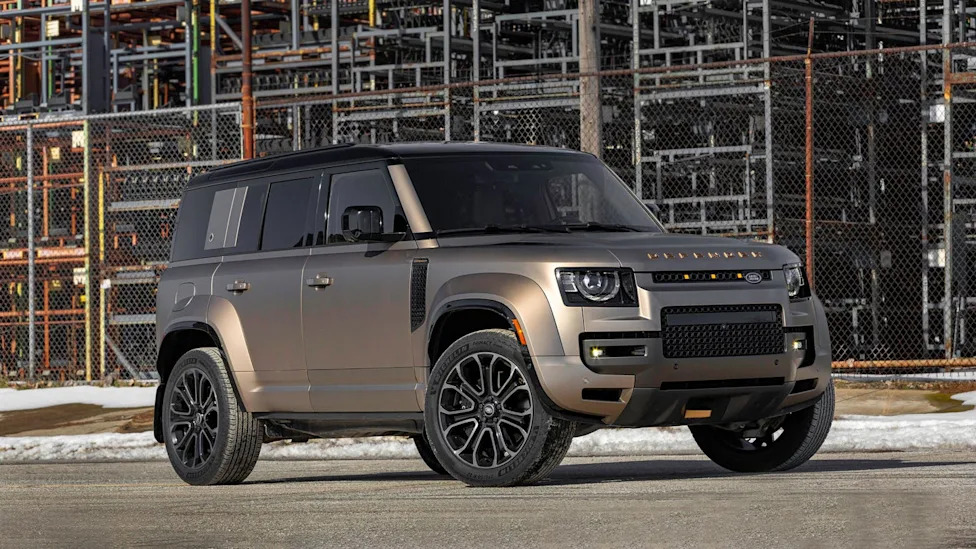
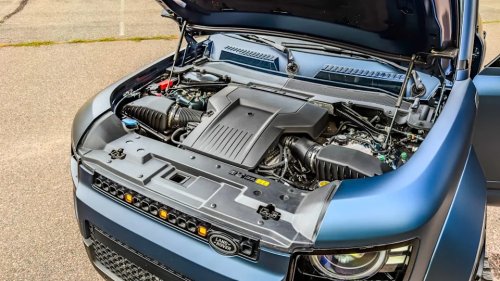
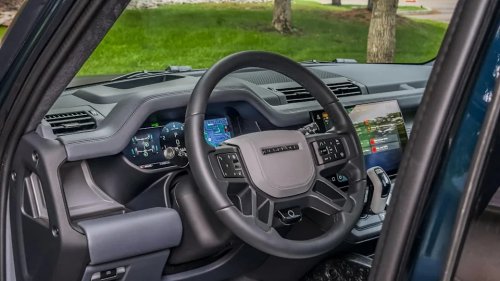
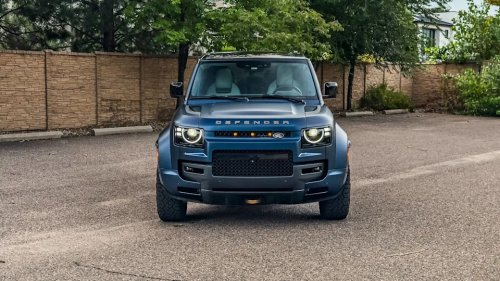
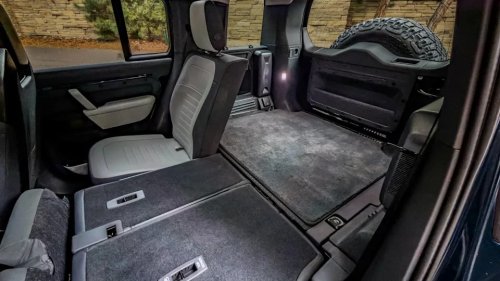
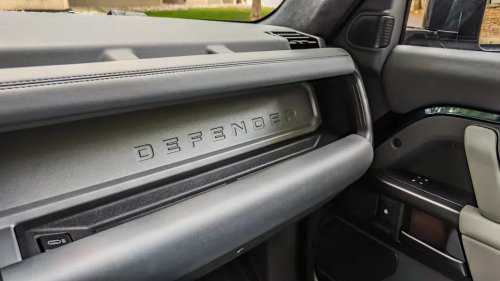
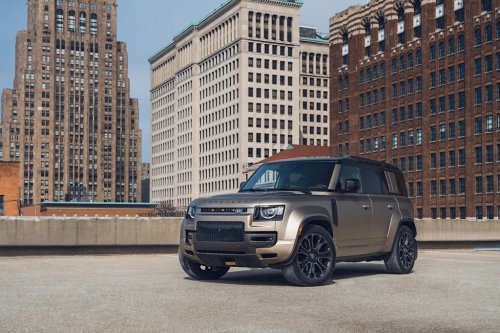
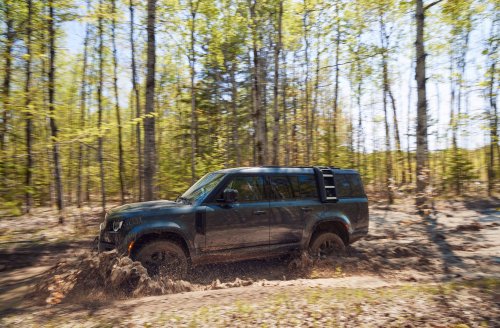
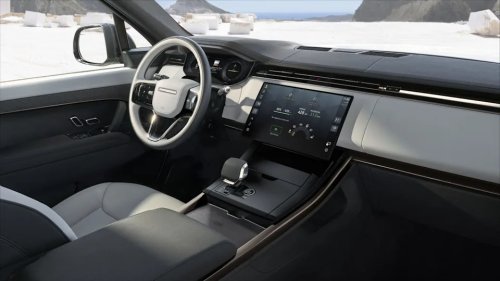
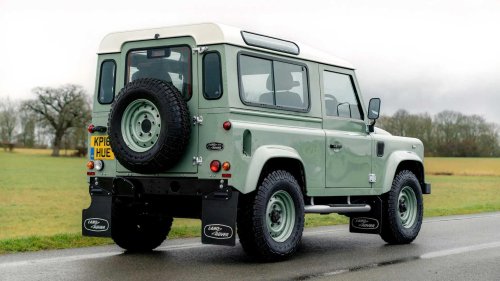
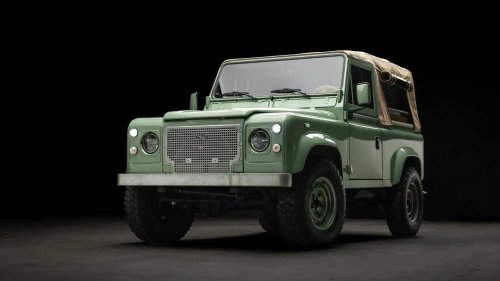
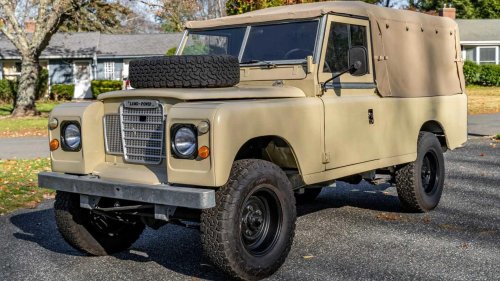
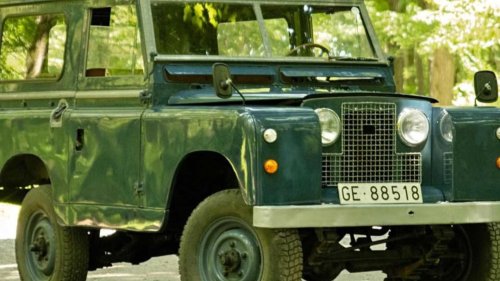
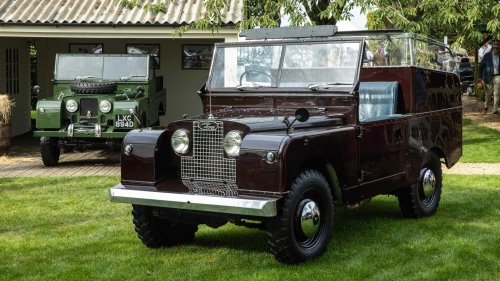
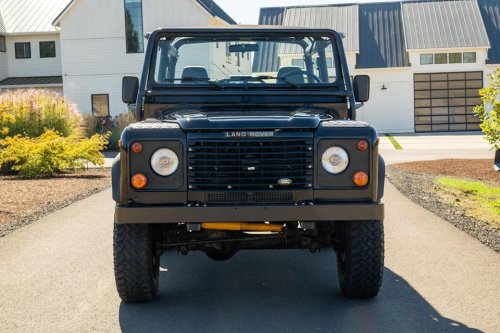
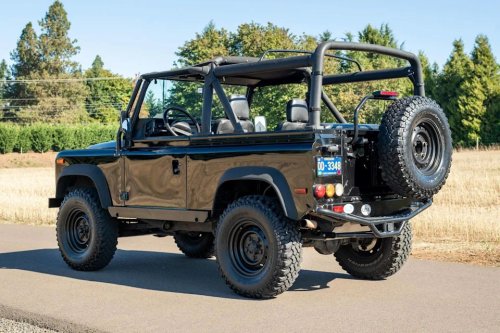
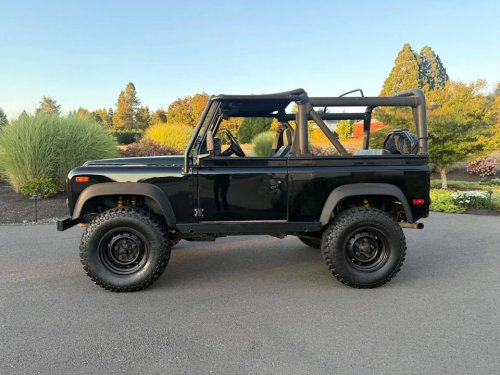
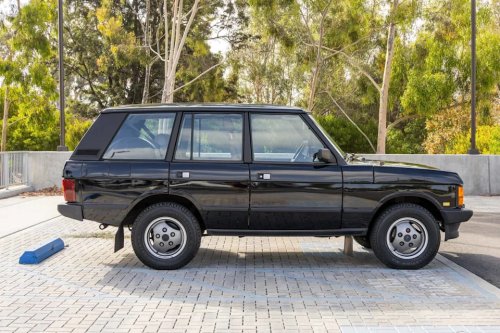
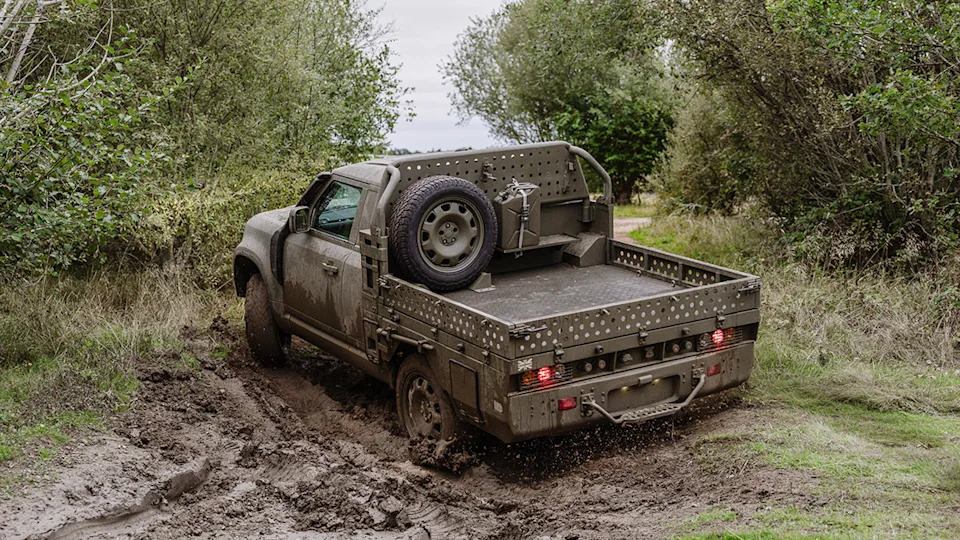
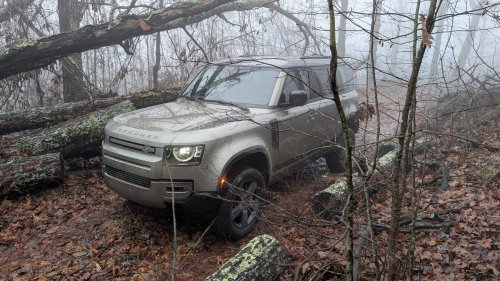
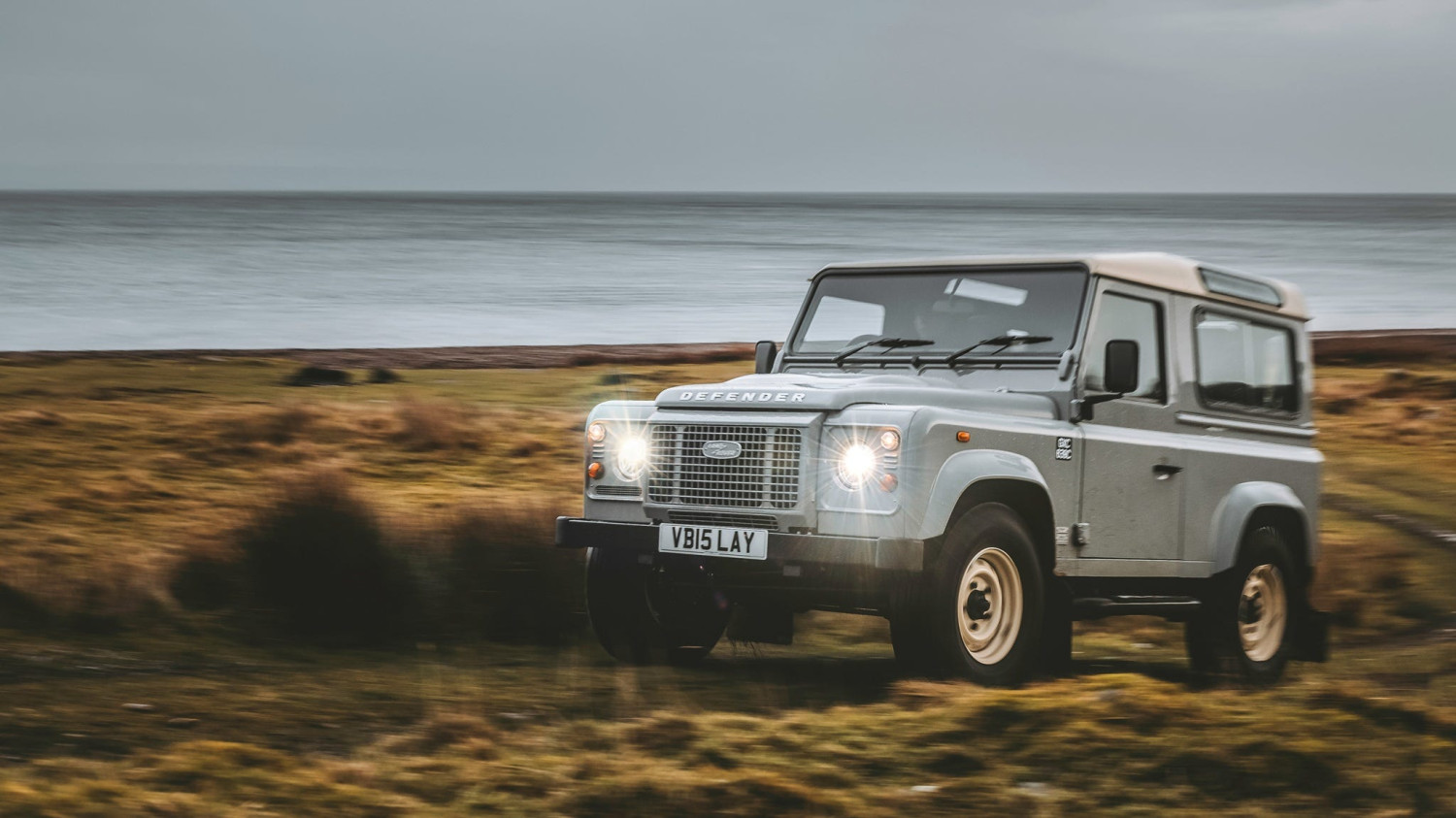
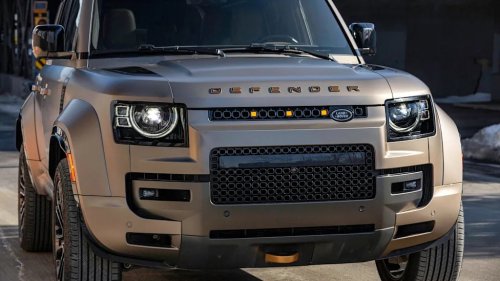
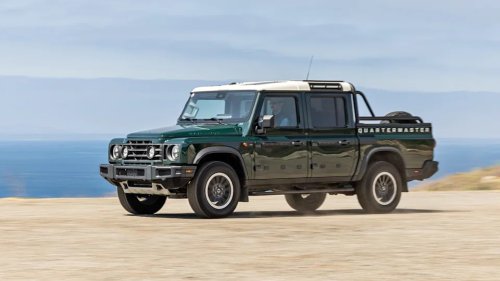
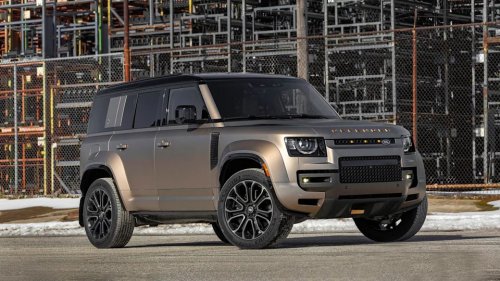
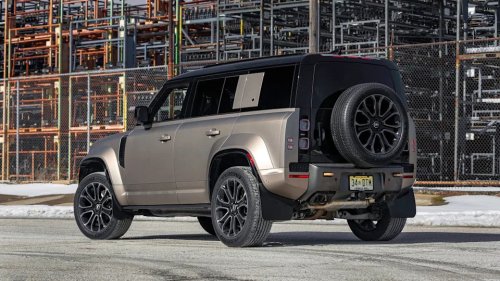
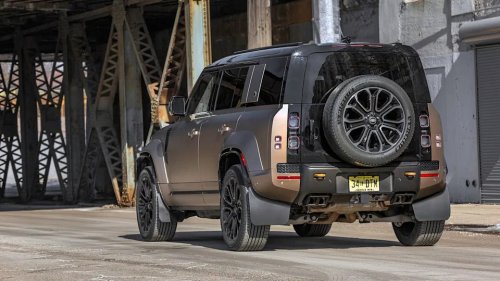
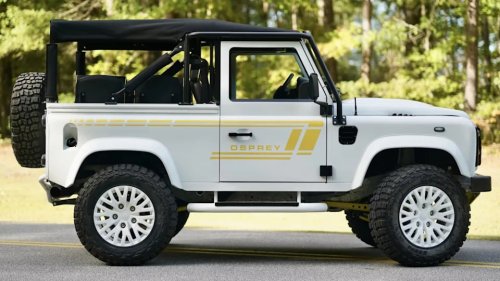
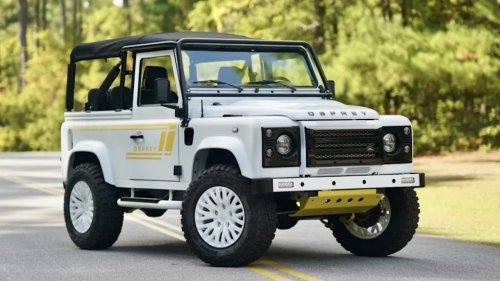
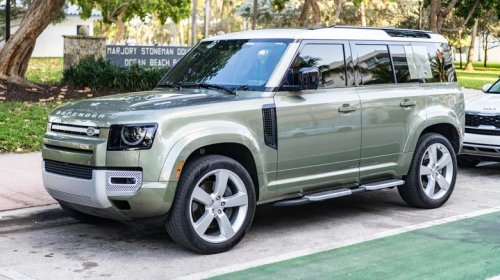
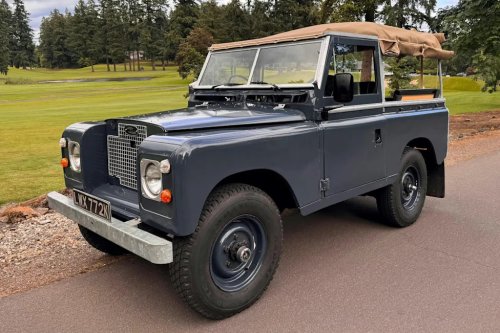
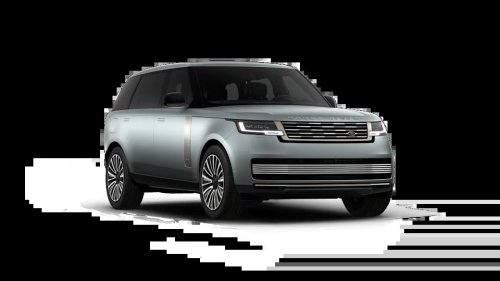
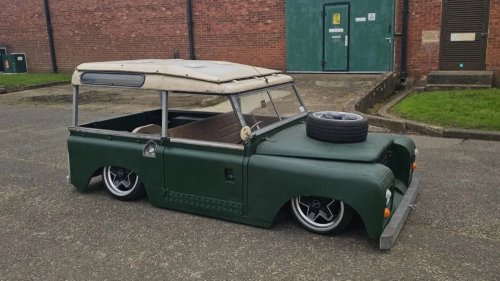
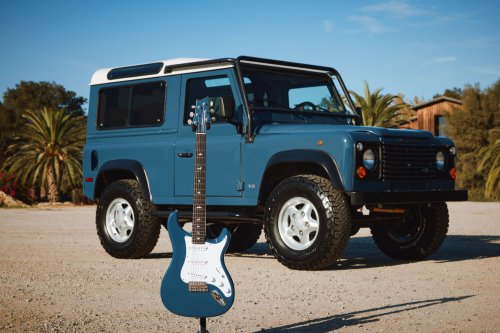
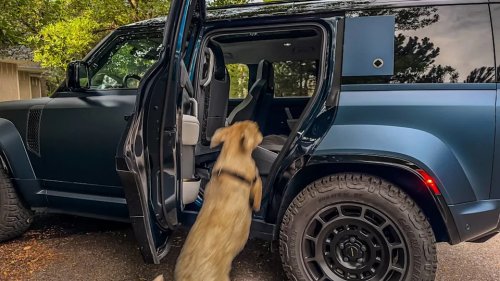
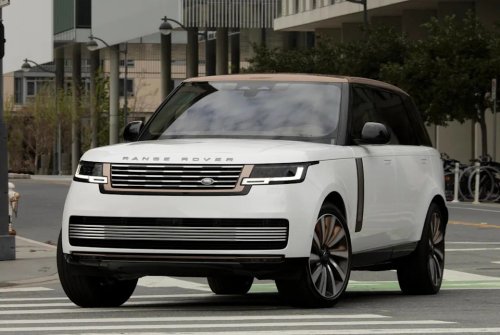
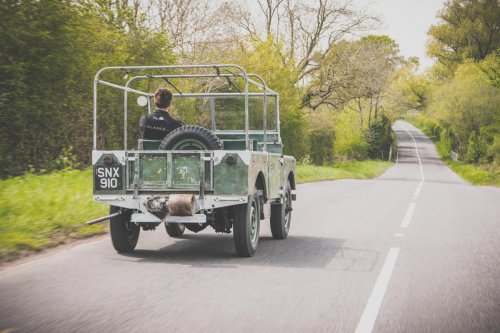
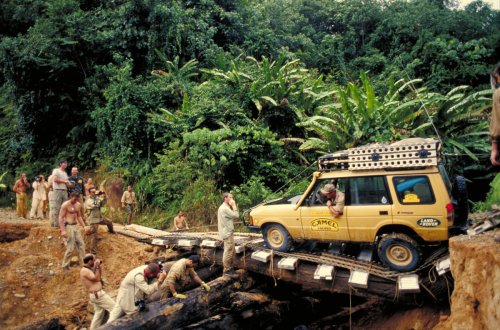
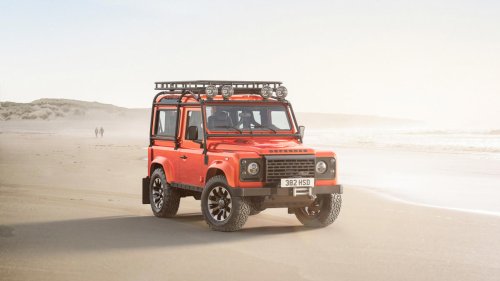
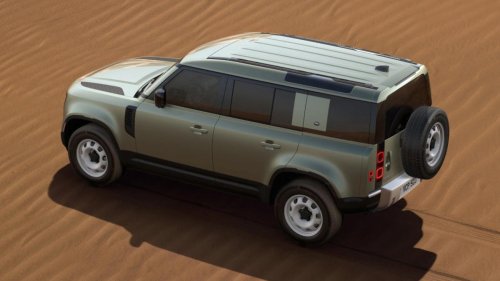
From fields to frontlinesThe first Land Rover in 1948 was an unpretentious piece of engineering, designed to be durable and functional in rugged environments. Metal, mud, and ingenuity were its core values that would set the stage for the Defender's decades-long legacy. Land Rover founders Maurice and Spencer Wilks saw this vehicle as a solution for agricultural needs; they needed a truck that could assist with farm work, tow loads, and drive to markets. The model used aluminum alloy panels due to post-war steel shortages and a ladder frame similar to that of military trucks. The design process was more improvisational than it was marketing. The Wilks brothers reportedly used an old American-made Willys-Overland Jeep they owned as inspiration for the Series I, according to The History Channel. This Jeep proved to Britain that a straightforward 4x4 could handle any terrain and be accessible to everyday users. The Land Rover Series I was designed to power tools via a rear PTO shaft, serve as a tractor substitute, and cross rough farmland, rooting the brand image in utility rather than luxury. This original utility-based image of the Series I would give later luxury models authenticity.one-of-three-land-rovers-from-the-automakers-debut-in-1948 Utility turns into adventureAs Land Rover moved away from pastures, it made an unobtrusive shift that would reflect its new identity by the 1960s and 70s. Land Rover’s Series II and III models roamed some of the world’s most remote areas, including Africa’s savannahs, Australia’s backcountry routes, and desert trails. Adventurers found that very few vehicles could withstand the extremes of nature, and Land Rovers were among them. TV viewers at home saw the vehicles as integral to each journey, transporting BBC film crews through environments such as jungles. In 1980, the first off-road Camel Trophy competition was held, bringing the endurance of models like Land Rovers to a wider audience. While most 4X4 off-roaders, such as Jeeps or Toyota Land Cruisers, emphasized durability and off-road capability, Land Rovers had a gentlemanly identity rooted in expedition, fieldwork, and overlanding over great distances. The Defender name takes hold In the 1980s, Land Rover’s various offshoots (utility vehicles, luxury vehicles, family SUVs) were beginning to expand, and the brand needed to find a direction for each. Between 1983 and 1990, the rugged and durable Land Rover Series III evolved into the Land Rover 90 and 110 models, which featured the Range Rover’s coil-spring suspension and upgraded interior materials. With improved comfort levels, it could attract an even wider variety of customers. Land Rover introduced the County Station Wagon trim (first available on the 110 model and later extended to the 90 model) that allowed buyers to have both the functionality they required and the style they desired through features like color-matched panels and striped fabric seats. Following the Discovery’s introduction in 1989, Land Rover had to separate its working-class heritage, adopting the “Defender” name in 1990 to signify that heritage while its siblings (Discovery, Range Rover) pursued refinement. Need new tires? Save up to 30% at Tire RackFind the perfect tires for your exact vehicle and driving style. Click here to shop all top-tier brands, including Michelin, Bridgestone, and more, directly at Tire Rack.The modern world pushes back The world around the Defender began to evolve rapidly. With the automotive industry’s rise of comfort and safety, what had previously been seen as authenticity was becoming outdated. From the late 1990s through the 2010s, both tighter global regulatory requirements for vehicle testing and changing consumer expectations ultimately made it difficult for Land Rover to maintain the Defender’s original, simple design. Although the Defender's ladder frame and steel bulkhead were robust, they weren’t compatible with modern airbags or crash standards. Additionally, increasingly stringent Euro emissions regulations made it difficult for older Defender diesels to get an emissions certificate. The arrival of posh adventure SUVs (e.g., the Mercedes-Benz G-Class) reframed ruggedness as luxury. However, Land Rover didn’t want to give up its minimalist philosophy, which contributed to the model’s 2016 retirement. Reinventing an icon (the 2020 reboot)The time had come for Land Rover to evolve. During the four years the Defender was out of production, competitors such as Jeep modernized its Wrangler, and Mercedes-Benz polished the G-Class into a luxury statement. When the all-new Defender was launched in 2020, Land Rover ensured that its choices (Alpine windows, upright profile, tailgate-mounted spare) blended classic style with modern engineering. It was built on Land Rover’s new aluminum D7x body and introduced optional air suspension, P400 inline-six mild-hybrid powertrains, and digital off-road features such as Terrain Response 2. The entire lineup expertly balanced nostalgia and current needs with the compact Defender 90, the versatile midsize Defender 110, and the family-friendly three-row Defender 130.The soul that stayed the same Even as the Defender evolved from a humble farm truck into an international symbol of capability, its essence has always been rooted in purpose. Its practicality on farms laid the foundation for the iconic brand that defines Land Rover today. First through utility, then through nostalgia, and finally through style. Check out more automotive history stories, such as The Unloved Cars of the 1970s, on Road Ethos.



















 +51 others