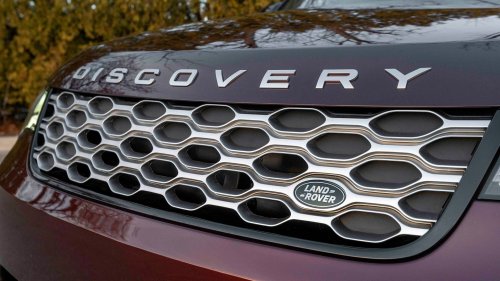
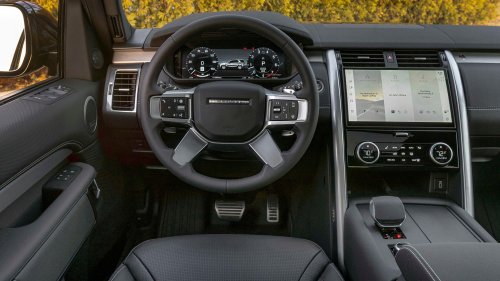
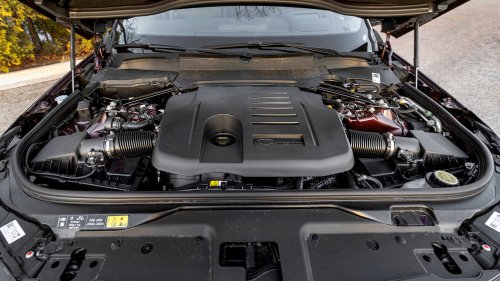
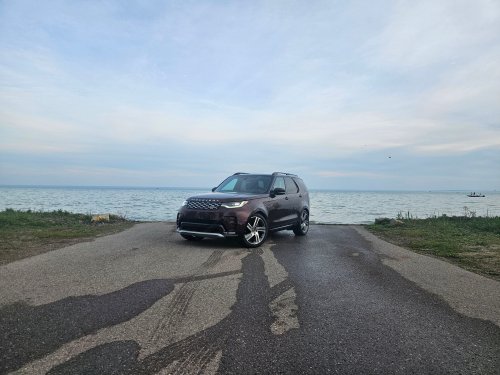
The reliability debate surrounding the Land Rover DiscoveryThe Land Rover Discovery has long promised a rare blend of family practicality and serious off-road ability, yet few models spark such fierce argument about whether that promise holds up over years of ownership. The reliability debate around this SUV now shapes used prices, leasing decisions, and even brand loyalty among buyers who might otherwise choose a more predictable rival. As evidence from owner reviews, independent workshops, and reliability ratings accumulates, the question is no longer whether problems exist, but how consistently they appear and what they really cost. From one angle, the Discovery is a characterful, highly capable SUV that rewards careful ownership and regular maintenance. From another, it is a complex, premium product that can punish inattentive servicing and expose design weaknesses in areas such as suspension, electronics, and diesel emissions hardware. The truth sits somewhere between those poles, and the stakes for consumers are high enough that the details now matter more than the mythology around the badge. What the numbers say about Discovery reliability Independent reliability data paints a sobering picture for the brand that builds the Discovery. Independent reliability data assigns Land Rover a score of 2.5 out of 5.0, placing the brand 31st out of 32 and indicating that owners should expect more problems than average. That figure does not isolate the Discovery alone, but it frames the environment in which the SUV operates and helps explain why so many buyers approach the model with caution rather than blind enthusiasm. Owner feedback on specific Discovery generations is more mixed, which is where the debate intensifies. For example, 2020 Land Rover Discovery consumer reviews on a major marketplace show a composite score of 4.4 out of 5 from 16 owners, with 75% awarding the highest rating and 80% recommending the vehicle, even though several describe reliability as its weakest aspect. That tension, between high satisfaction scores and persistent complaints, captures why Discovery reliability remains such a contested topic among real-world owners. Common mechanical and electrical trouble spots Behind the statistics sit familiar patterns of failure that specialists now know almost by rote. Guides to Land Rover Discovery describe how The Land Rover Discovery, positioned as a midsize SUV with a powerful turbocharged engine and sophisticated all-wheel drive, is frequently tripped up by less glamorous components. Reports highlight recurring issues with air suspension compressors and height sensors, coolant leaks that can escalate into overheating, and electrical glitches that affect everything from infotainment screens to keyless entry systems. Each problem on its own might be manageable, yet the cumulative effect can turn ownership into a rolling to-do list. Earlier Discovery generations, particularly the Discovery 4, have attracted detailed technical scrutiny from independent workshops that see these vehicles once the factory warranty expires. A widely circulated technical summary of Jun Common Problems for the Land Rover Discovery 4 singles out Air Suspension System Issues and notes that One of the most frequent complaints involves the Discovery dropping to its bump stops or displaying suspension fault warnings that trace back to tired compressors, leaking air springs, or corroded lines. Those same sources also describe premature wear in lower suspension arms, oil pump and timing system vulnerabilities on certain diesel engines, and intermittent electrical faults in body control modules that can leave owners chasing parasitic battery drains. How Discovery Sport owners experience reliability The Discovery Sport, which shares its badge but not its platform with earlier full-size models, generates its own reliability storyline. A detailed used review of the Land Rover Discovery Sport TD4 notes that the compact SUV is a strong family all-rounder in terms of space, driving position, and off-road ability, yet advises that prospective buyers must investigate reliability carefully. That assessment is echoed in owner anecdotes that mention issues with the 9-speed automatic gearbox, diesel particulate filter blockages on short-trip cars, and warning lights linked to complex driver assistance systems. Some Discovery Sport owners, however, report relatively uneventful experiences, which keeps the argument alive on forums and in comment sections. Another owner discussion includes an example of an engine failure on a 7% grade that left a family stranded and facing a significant repair bill. Another thread, framed as an honest question in a Comments Section for Discovery Sport owners, includes a stark example of an engine failure on a 7% grade that left a family stranded and facing a significant repair bill. Taken together, these accounts suggest that the compact Discovery is capable of trouble-free service, but only when the right engine, usage pattern, and maintenance regime align. Why some owners still swear by the Discovery Despite the pattern of faults, a vocal group of enthusiasts continues to defend the Discovery as a uniquely capable and rewarding SUV. Long-form ownership videos from presenters such as Fuel Up Classic and Dan from Tour Overland show how a well-sorted Discovery 4 or later model can tackle remote trails, tow heavy loads, and carry families in comfort, all while delivering the sense of occasion that fans associate with the badge. In one clip, Dan from Tour Overland talks through Discovery 4 Reliability and 5 Issues you must understand, and his message is not to avoid the vehicle outright but to budget for known weak points and to treat proactive maintenance as part of the ownership experience rather than an unwelcome surprise. Specialist engine builders also argue that, when cared for properly, the core mechanical package can last longer than horror stories suggest. A technical guide explains that, in normal use, a well-maintained Discovery engine typically lasts between 140,000 and 180,000 miles before requiring major work, although some fail earlier if oil changes are delayed or known design updates are ignored. The same analysis notes that some issues appear between 120,000 and 160,000 miles, meaning that a buyer considering a high-mileage example without a clear service history assumes significant risk. Enthusiasts who accept these parameters, and who set aside a contingency fund, often report satisfying ownership that contrasts sharply with the experiences of those who treat the Discovery like a low-maintenance appliance. How prospective buyers can read the reliability debate For anyone considering a Discovery, the challenge is to interpret these conflicting signals without either blind optimism or excessive fear. General brand data from sources that rate Land Rover at 2.5 out of 5.0 and 31st out of 32 on reliability should push buyers to treat pre-purchase inspections as essential rather than optional, especially for older or higher-mileage examples. At the same time, model-specific owner feedback, such as the 4.4 score, 75% top ratings, and 80% Recommend rate in the 2020 Land Rover Discovery Consumer Reviews aggregated on one major marketplace, shows that many drivers are satisfied enough to endorse the SUV in spite of its flaws. The key is to understand that those positive ratings often come from owners who either have not yet encountered the expensive failures or who can absorb them without financial strain. More from Fast Lane Only Unboxing the WWII Jeep in a Crate 15 rare Chevys collectors are quietly buying 10 underrated V8s still worth hunting down Police notice this before you even roll window down




















 +40 others