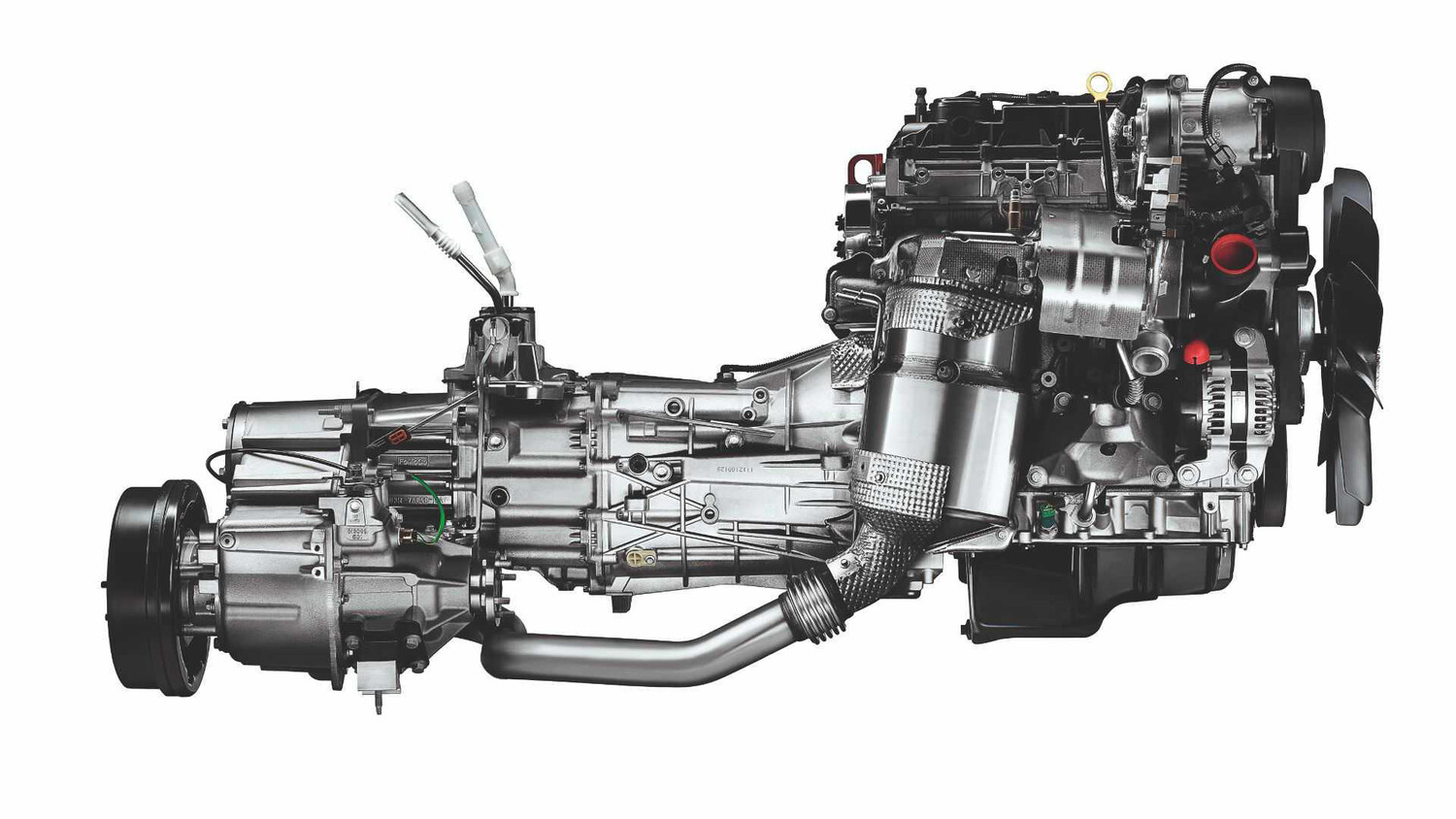
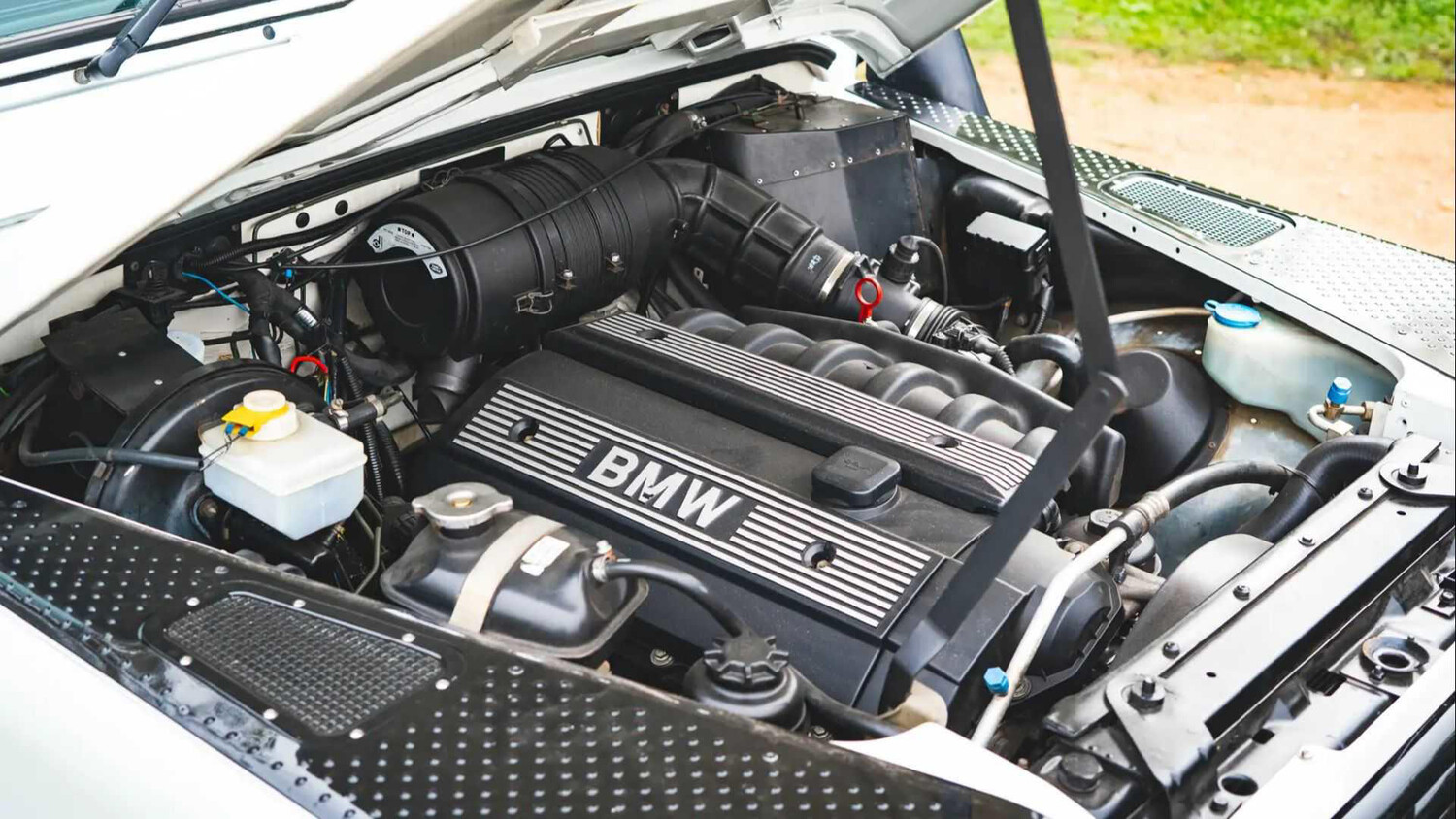
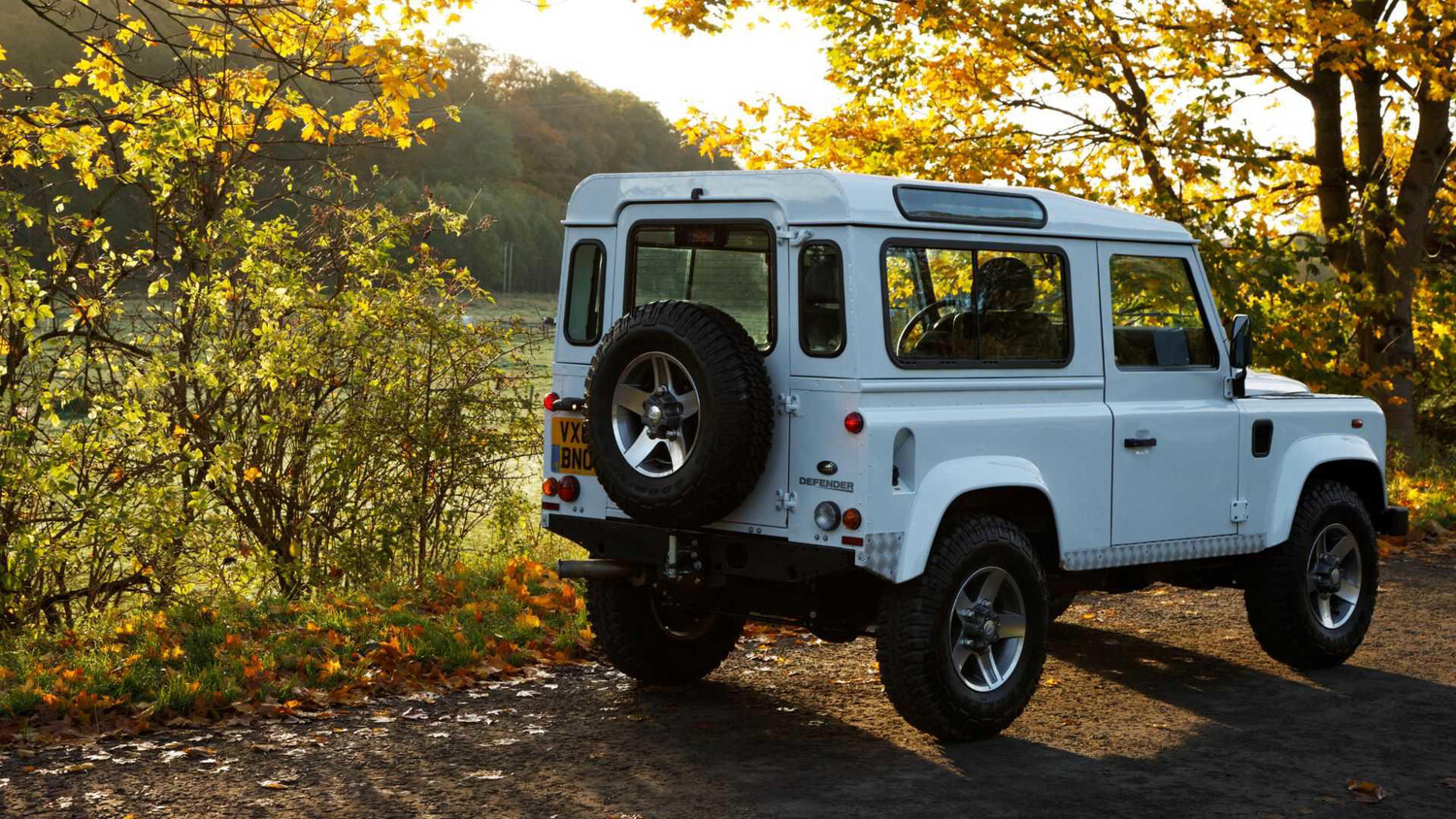
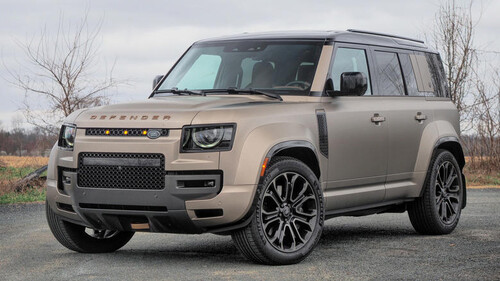
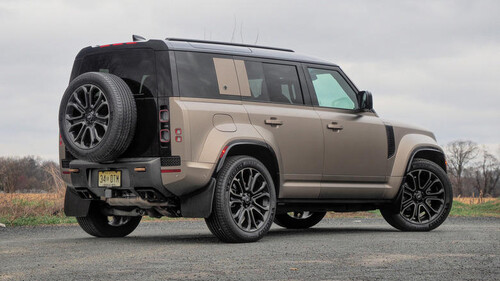
Jump LinksThey say that forbidden fruit is always the sweetest, and if you talk to Land Rover Defender diehards about the Puma diesel engine, they'd know exactly what you mean. The Puma was the last diesel engine linked to the old-shaped Defender, and while the powerplant proved very popular in far-off places, Land Rover never introduced it to the brand's fans in the United States.The company didn't seem to care that many people consider the Puma to be the ultimate Defender powertrain, and some buyers were rather upset they couldn’t get one. Instead, Land Rover remained pragmatic in its decision-making and decided to keep the final old-shape diesel update in areas where it made more financial sense. So, even though the old Defender had become a cult vehicle in the US due to its earlier popularity, Land Rover pulled the plug on US consumers for regulatory reasons. Whether those enthusiasts understood the logic or not, they could only admire the Puma diesel from a distance. Why America Never Got The Puma Diesel Land RoverLand Rover used to sell North American-spec Defender in the 1990s with gas V8s, so it certainly had some history of selling the model stateside. But the automaker chose to withdraw the Defender from its American lineup altogether, as the vehicle would have required some comprehensive updates to meet US safety and emissions requirements.Meanwhile, in Europe, Land Rover developed the Puma engine to meet very specific EU requirements, with the later 2.2-liter version meeting tighter Euro 5 rules in relevant markets. Unfortunately, those Euro-centric rules are very different from any emissions requirements in the US, and Land Rover would not have been able to import the Puma engine for any American Defender without significant additional expenditure. This engine, therefore, became the final diesel evolution for a truck that was out of date in the US, and in any case, the market door was firmly shut by the time Land Rover's best diesel version actually showed up. What The Puma Diesel Actually Is Land Rover The Puma is the final generation of the diesel engine lineup that featured in old Defenders between 2007 and 2016. The earliest version featured a 2.5-liter Ford Duratorq turbodiesel, but later models switched over to a 2.2-liter version for EU-5 markets. Both engines were linked to a six-speed manual gearbox and featured plenty of torque as the headline figure rather than crazy horsepower. Both engines sat at somewhere around 120 hp but were specifically tuned to meet tighter emissions rules in their respective regions.Of course, 120 hp is nothing by utility vehicle standards, and you might wonder why people consider this to be a heroic engine in that context. The attraction here was the way that the Puma delivered low-down pull while being equally adept at relaxed highway cruising. It essentially transformed the old Defender from something that felt like a piece of agricultural equipment into a vehicle that people could actually live with every day.The six-speed gearbox also flattered the engine, giving the Defender a much friendlier spread of ratios at both ends. You could crawl along comfortably in first gear but rely on a higher top gear for calmer cruising. And when taken all together, the powertrain made the truck feel far less frantic on fast roads and perfectly at ease for mixed use.When Land Rover fitted the Puma to the Defender, it helped to soften some of the vehicle's rougher edges without blunting its personality. The latest models would still feel like proper old Defenders like the 200 TDI, 300 TDI, or TD5, but would now be far more settled in modern traffic while keeping up with the rest at highway speeds. You'd still get a traditional Defender with some of that bolted-together charm, heavy controls, and upright seating position, but you'd now get the best all-round factory engine as well.The Puma represented something of a swan song for the Defender as that old formula was certainly nearing an end. As the 2000s rolled on, chunky diesels were simply too outdated for the modern world, but Land Rover introduced the Puma engine anyway in certain markets to give it one last lease of life. Why Enthusiasts Still Want The Puma Land Rover If scarcity sharpens desire, it's no surprise that Americans are enthused about the Puma engine. Purists were already aware of the appeal of the old Defender, and they could see that the Puma was transforming this old timer into something special. They knew that a TDI Defender was mechanically honest and full of character, but those vehicles just asked too much from their driver.To enthusiasts, the Puma seemed to complement the Defender’s utility vibe and old-school posture but added back in areas that really mattered. And it could transform the Defender with better gearing and a more usable spread of torque to give the SUV a calmer cruising character. Yes, the combination would still be relatively slow by modern standards and noisy if you wanted to compare everything to a contemporary SUV. Still, the package would likely have been far easier to live with than the earlier trucks were.Many American enthusiasts were pining over a Defender that they could actually use more often and a vehicle that would require them to make fewer sacrifices. They simply wanted an all-around, enjoyable truck that could handle school drop-offs, make light work of a muddy lane, tow a trailer, or be dependable for a weekend away. They didn't necessarily want something that was far too easy or polished, but they would have liked something with more modern usability, and that made this Defender variant very attractive. It was never going to be the most collectible in any pure auction house, but it would certainly be tempting for those who actually wanted to use one. And it would have championed the classic Defender experience with far fewer headaches along the way. The Other Cult Favorite And The BMW Six-Cylinder 2.8i Iconic AuctioneersWhile American enthusiasts pine over the Puma, some knowledgeable fans argue for a different Defender engine altogether. They might say that the rare South African spec Defender 2.8i harbors a much tastier motor in the shape of its BMW 2.8-liter gas inline-six. Certainly, that combination seems weird, as you wouldn't expect an old-school Defender to have a BMW straight-six under its hood, but for partisan enthusiasts, this was a marriage made in heaven.This particular engine became so popular mainly because it was so rare, improbable, and certainly mechanically unusual. And for those reasons, South African enthusiasts often jump to its defense in arguments over the most coveted Defender engine. The BMW version is very appealing because it's so unexpected and some might even consider it a curveball in Land Rover history. And that gives it a very different kind of appeal, making it difficult to compare to the Puma. Fans of the Puma engine still believe that it should be the one on the pedestal because it's the version that Land Rover should have sold to more people. An Engine Too Far Land Rover America didn't actually ban the Puma Diesel outright in the literal sense, but the result was basically the same, and enthusiasts couldn't have one. Land Rover had pulled the Defender from the US market by the time the Puma appeared, and the company was never going to certify a different kind of engine for American sale, with all the costs and hassle it would entail. That left US enthusiasts to look at what was arguably the best factory diesel for an old-shaped Defender from the outside.Those fans also know that it will still be quite a long time before Puma Defenders become eligible to import into the US under the 25-year rule. Until then, the Puma diesel will remain forbidden fruit for American enthusiasts who can simply dream about the Defender's final and most polished factory answer. They can just imagine what a Puma engine would have been like on US roads and how it could have transformed the original Defender without losing what made that vehicle special in the first place.