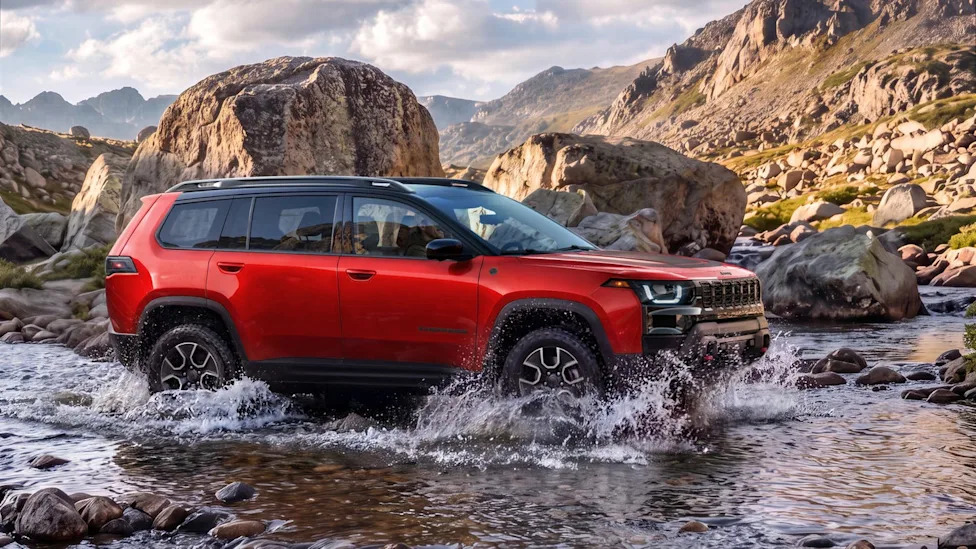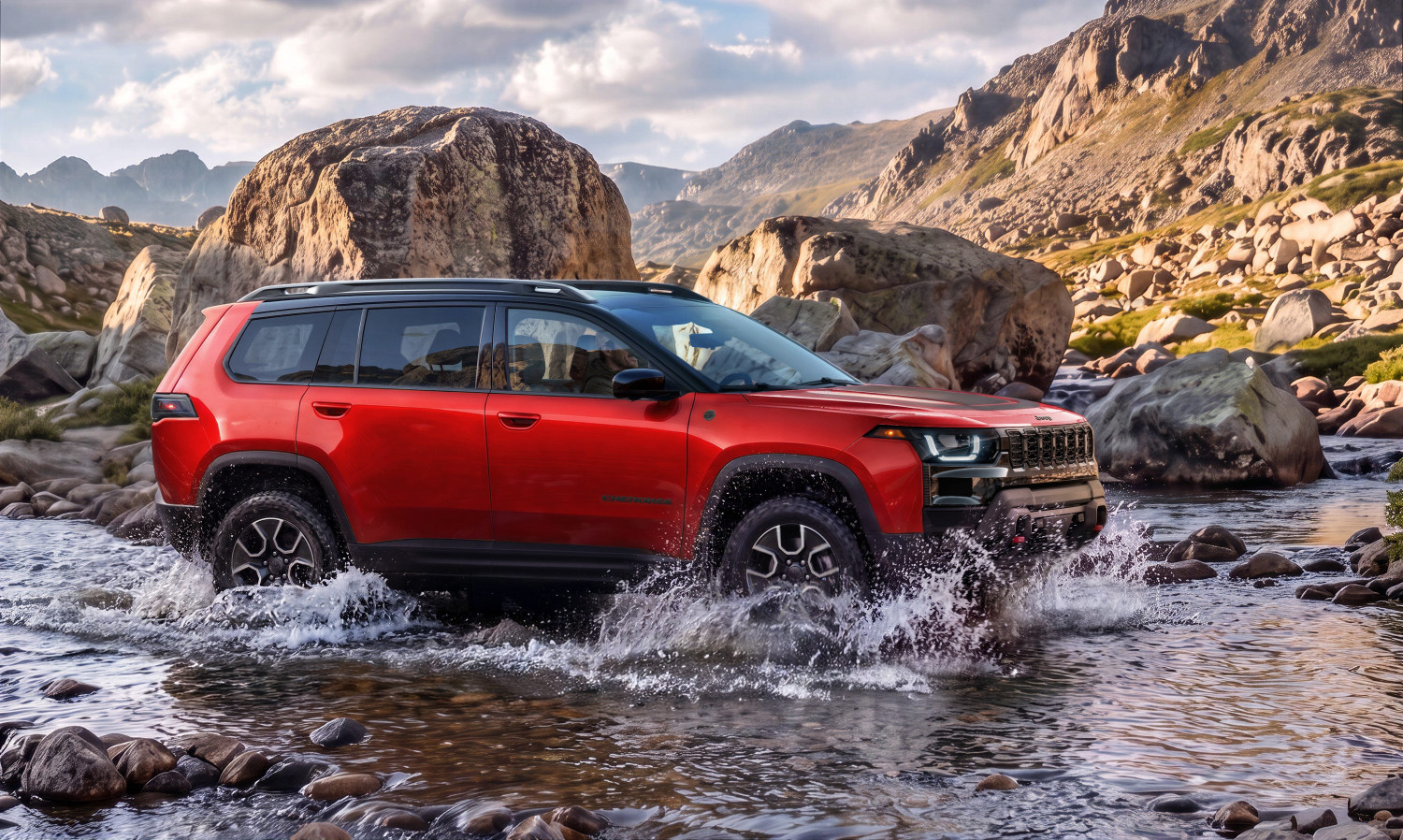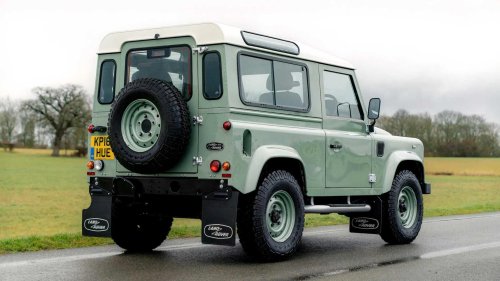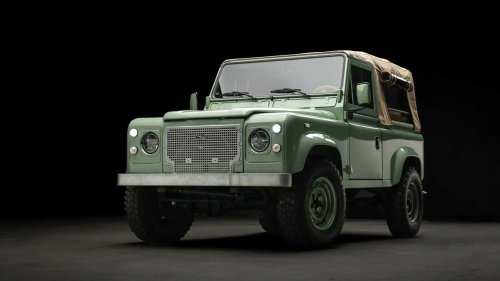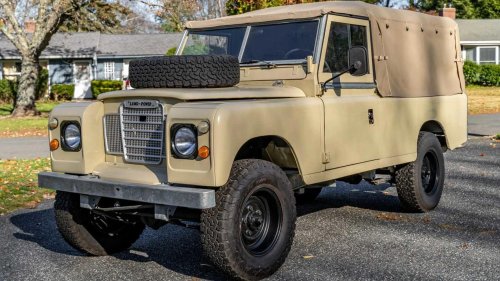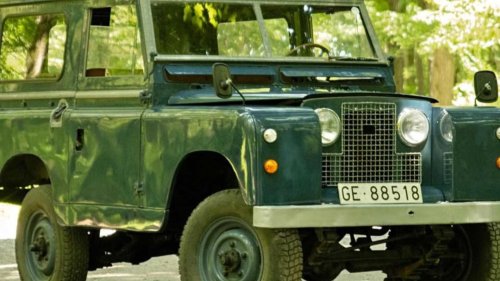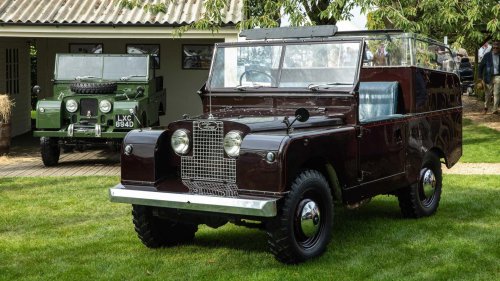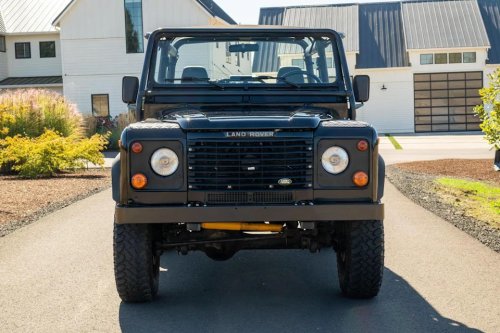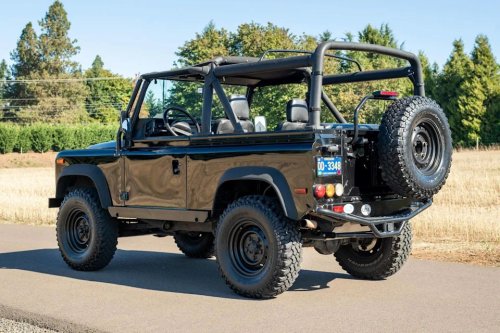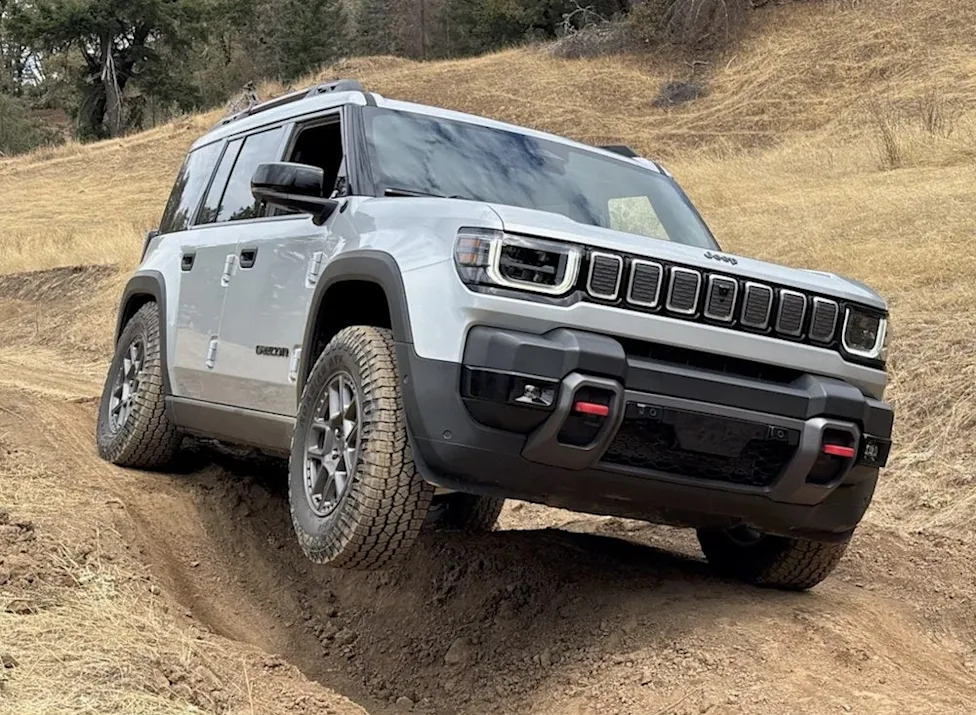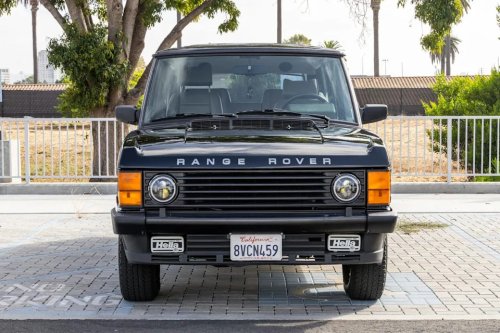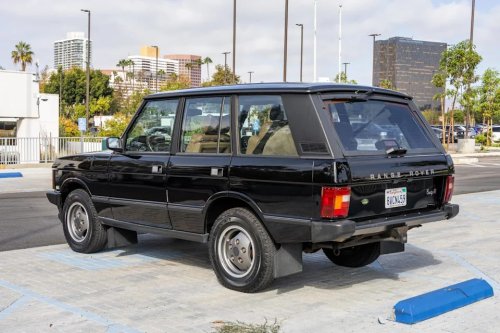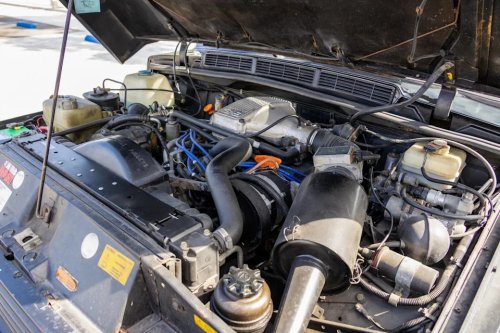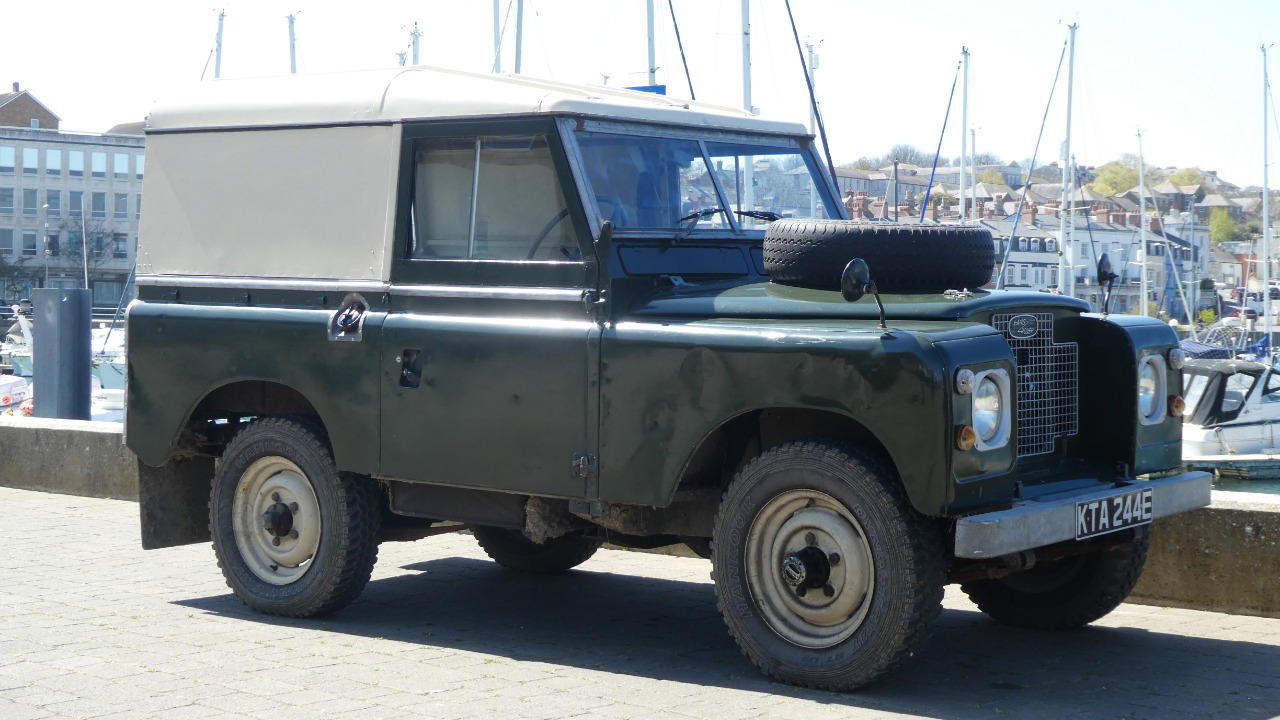



















1967 Jeep Wagoneer vs 1967 Land Rover Series IIA which one actually held upThe 1967 Jeep Wagoneer and the 1967 Land Rover Series IIA were born into the same off-road world but aimed at very different lives. One tried to invent the family-friendly sport utility formula, the other doubled down on simple, go-anywhere engineering. Six decades later, the question that matters to buyers and enthusiasts is not which one was more glamorous, but which actually held up in the long run. How each 1967 icon was positioned when new The Wagoneer arrived a few years earlier, after Jeep retired the Willys Jeep Station Wagon that had been built since the 1940s. According to period histories, it was introduced in November 1962 for the 1963 model year as a successor to the long-serving Willys Jeep Station. That timing matters because it put the Jeep several years ahead of the luxury 4×4 wave that later defined the segment. By the mid 1960s the Wagoneer had evolved into multiple trims. The 1967 Jeep Wagoneer Base was a traditional body-on-frame Station Wagon 4×4, with Hagerty listing a 2dr Station Wagon 4×4 configuration and a #3 Condition value of $20,500 for the 6-cylinder 232cid engine. The Custom Wagoneer and Jeep Super Wagoneer pushed further upmarket, with the Custom carrying a #3 Condition valuation of $15,900 for a 2dr Station Wagon 4×4 and the Jeep Super Wagoneer marketed as a premium package. Contemporary analysis later described how the Wagoneer used raised station wagon styling and more sophisticated trim than typical work trucks, framing it as an early luxury SUV rather than a bare utility rig. oodwood’s retrospective on off-road pioneers describes how the Wagoneer contrasted with more utilitarian rivals from Land Rover, Chevrolet and International. In comparison to its rugged but rough utilitarian-orientated four-wheel-drive rivals produced by Land Rover, Chevrolet and Internati, the Jeep was marketed with more car-like civility. That split in philosophy would shape how each truck aged in the decades that followed. Mechanical toughness and known weak points Longevity in a 1960s 4×4 starts with the mechanical package. On paper, both the 1967 Wagoneer and the 1967 Land Rover Series IIA used simple, serviceable hardware. In practice, each came with predictable trouble spots that still define ownership today. For the Land Rover Series IIA, specialists catalog a list of recurring issues. A common one is Steering Box Wear in the recirculating ball steering system. Over time, the steering develops excessive play and vague response. One technical guide describes how Recirculating ball steering systems wear over time, causing vague steering or excessive play, then outlines a Fix through adjustment or rebuild. That same guide lists other age-related issues such as chassis rust around spring hangers and bulkhead corrosion, both of which can be terminal if ignored. Owners also report that interiors on unrestored Series IIA trucks often look tired after decades of use. One seller of a 1967 Series IIA wrote that She is starting to show her age, with Inside described as faded and front upholstery needing retacking to the base. The comment was affectionate rather than critical, but it underlines that original materials were functional rather than plush and tend to wear visibly. The Wagoneer’s mechanical story is different. Its engines and drivetrains were generally robust, but complexity and comfort features introduced their own headaches. A long-running discussion among Wagoneer enthusiasts about years to avoid makes a blunt point: You are going to spend money on anything over 30 years old, Either up front or on the backside. The advice is to Check for a solid core, particularly frame condition and rust around the tailgate and floor. The Wagoneer’s more elaborate trim and electrics can also be harder to restore correctly than the Land Rover’s bare-bones fittings. Another thread aimed at buyers of a 1967 Super Wagoneer warns about common pitfalls when looking at a truck that has been sitting. One experienced owner cautions that if a vehicle has not run in years, a buyer should not try to start it on the sales floor. Out in the field the mice, field rats and everything else tend to invade stored vehicles, and turning the key without inspection can cause damage. That kind of storage risk applies to any old 4×4, but the Wagoneer’s more complex fuel and electrical systems can be less forgiving of neglect than the Land Rover’s simpler layout. On the trail, Land Rover partisans often argue that the Series IIA is inherently tougher. One off-road comparison notes that The Land Rover can beat a comparable Jeep by about 3 degrees in approach angle, and explains that Breakover angle is Hard to explain briefly but describes the angle the vehicle can straddle without grounding. Better approach and breakover angles reduce underbody impacts and frame damage over decades of use. The Wagoneer’s longer overhangs and lower bumpers gave it a more car-like profile, which made it quieter on the road but more vulnerable off it. Rust, bodies and the battle with time Rust is often the deciding factor in whether a 1960s 4×4 survives. Here, the Jeep and Land Rover took very different paths. The Wagoneer used a conventional steel body on a ladder frame. Later models famously added woodgrain trim, but even the 1967 versions carried relatively complex body stampings and large glass areas. A vintage review of the 1963 Jeep Wagoneer, which shared its basic shell with the 1967, describes it as a revolutionary vehicle from a sleeper manufacturer and comments on how its independent front suspension experiment did not last. That early I.F.S. was dropped, but the body architecture remained. Large steel panels and hidden cavities around the tailgate, roof pillars and rocker panels created many places for corrosion to start. Owners looking at survivor Wagoneers are repeatedly told to inspect the frame rails, rear wheel arches and floorpans carefully. The same enthusiast guidance that warns You are going to spend money on anything over 30 years old adds that a solid core is the key. Once rust perforates structural areas, repair becomes complex and expensive because the Station Wagon body is integrated and relies on those panels for rigidity. Even a Wagoneer with a healthy engine can be beyond saving if the shell is rotten. The Land Rover Series IIA took a different approach, with an aluminum alloy body mounted on a steel frame. The alloy panels resist surface rust, which is why many Series IIAs still wear their original skins. However, the underlying steel chassis and bulkhead can corrode badly, especially in damp climates. The technical guide that lists Steering Box Wear also singles out frame rust as a common problem and suggests inspection around spring hangers and outriggers. When those sections fail, the vehicle can sag or become unsafe. Despite that, many restorers find that replacing or repairing a Land Rover chassis is more straightforward than reconstructing a Wagoneer body. The Series IIA’s boxy, riveted panels can be unbolted, repaired or replaced individually, then refitted to a new or refurbished frame. The Wagoneer’s more sculpted Station Wagon shell often demands extensive metal fabrication to achieve factory lines, especially around curved glass and trim. Visual aging also plays into perceptions of durability. The Land Rover’s simple interior and exposed fasteners age in a way that enthusiasts often find charming. Faded paint and dents can be left as-is on a working truck. A Wagoneer with peeling headliner, cracked dash and worn seat vinyl, by contrast, looks tired in a way that clashes with its original upscale intent. That difference shapes which vehicles are restored and which are left to decay. Comfort, usability and how people actually used them Durability is not only about what survives in a barn. It is also about how owners used these vehicles over decades and whether the design suited that use. The Wagoneer was pitched from the start as a family wagon that could tow, haul and still feel at home in town. A later retrospective on the model’s legacy notes that Best not judged by its covers, the Wagoneer went for a decidedly sophisticated raised station wagon styling that emphasized comfort over bare utility. That approach encouraged owners to use Wagoneers as daily drivers, ski shuttles and tow rigs. Many racked up high mileages on paved roads, winter salt and suburban errands, which accelerated wear on bodies and interiors. The Jeep’s comfort helped it pioneer what is now called the sport utility vehicle concept. A commemorative look back at its introduction notes that On This Day Wednesday 14th November 1962, 59 years ago, The Jeep Wagoneer was introduced and that it pioneered the sport utility vehicle concept. That pioneering status came with a tradeoff. The more the Wagoneer felt like a car, the more it was used like one, often with less attention to long-term preservation than a cherished classic or a dedicated farm tool might receive. The Land Rover Series IIA, especially in 88 inch form, usually led a harder but more focused life. Many were bought as agricultural, military or expedition vehicles. The short 88 wheelbase two-door layout, described in pricing guides as a 2 Door Wagon 4×4 88, made it nimble off-road but less convenient for families on long trips. As a result, fewer Series IIAs accumulated commuter miles in salted city environments. Instead, they often worked on farms, estates or in remote areas where corrosion came more from mud and moisture than from de-icing chemicals. That usage pattern explains why many surviving Land Rovers show heavy cosmetic wear but remain structurally viable. Owners accepted spartan interiors and noisy drivetrains as part of the package. When something broke, it was fixed with basic tools and parts. The mechanical simplicity that leads to Steering Box Wear and other age-related issues also makes those issues repairable without specialized equipment. By contrast, the Wagoneer’s more complex features, including automatic transmissions, power accessories and elaborate trim, can fail in ways that require specialist knowledge or scarce parts. A buyer looking at a 1967 Jeep Wagoneer Base today is advised by valuation guides to Protect the vehicle from the unexpected and to recognize that More 1967 Jeep Wagoneer Base values depend heavily on Condition. A seemingly minor electrical fault can become a major barrier to roadworthiness if parts or expertise are thin on the ground. Survivor values as a proxy for longevity One way to measure which vehicle held up better is to look at how the market values them today in comparable condition. While values reflect desirability as much as durability, they are influenced by how many good examples remain and how hard they are to keep on the road. For the 1967 Land Rover Series IIA 88 Base, Hagerty’s valuation tool records auction sales of $19,780 and $22,019 for similar vehicles, and references a related 1969 Land Rover Series IIA 109 Base that achieved strong prices. These figures suggest that collectors are willing to pay solid money for well-preserved or properly restored examples. Another guide that tracks Prices for the 1967 Land Rover Series IIA 2 Door Wagon 4×4 88 reinforces that the short-wheelbase models have a stable market, especially in driver-quality condition. On the Jeep side, the 1967 Jeep Wagoneer Base in #3 Condition is valued at $20,500 for the 6-cylinder Station Wagon 4×4. The 1967 Jeep Custom Wagoneer Base in similar #3 Condition comes in at $15,900 for a 2dr Station Wagon 4×4. Premium variants like the Jeep Super Wagoneer sit at the top of the range, with valuation tools inviting buyers to Find more values and asking How much is a 1967 Jeep Super Wagoneer worth, while emphasizing that the value can vary greatly depending on originality and preservation. These numbers show that, in driver-quality form, a Wagoneer can be at least as valuable as a comparable Series IIA. That suggests that enough good Jeeps have survived to support a healthy market. However, the spread between base and premium trims, and the emphasis on Condition, also hint at a wide range of quality among survivors. Rust and neglected interiors can drag values down sharply. For the Land Rover, the narrower model range and simpler trim levels mean that values cluster more tightly. A tired but structurally sound Series IIA can often be revived with chassis work and mechanical refresh, then used hard again. The aluminum body panels resist the kind of visible decay that scares off casual buyers, even if the chassis needs attention underneath. Market behavior also reflects the type of enthusiast each vehicle attracts. Land Rover Series IIA buyers often prioritize mechanical originality and patina, while Wagoneer buyers may seek period-correct luxury details and factory colors. The latter are harder to replicate if lost, which places a premium on trucks that were stored well from the start. Which one actually held up better? With all of that context, the question of which 1967 4×4 held up better has more than one answer depending on how durability is defined. If durability is measured by resistance to neglect and ease of revival after decades in a field, the Land Rover Series IIA has a strong case. Its simple drivetrain, recirculating ball steering and body-on-frame construction with aluminum panels make it a forgiving candidate for restoration. Problems such as Steering Box Wear can be addressed with a straightforward Fix, and even severe chassis rust can be solved with replacement frames and bolt-on panels. Many Series IIAs still run in remote regions on basic maintenance, which speaks to the underlying design. If durability is measured by ability to serve as a comfortable, usable classic that can keep up with modern traffic, the 1967 Jeep Wagoneer offers advantages. Its more powerful engines, better on-road manners and family-friendly Station Wagon layout make it easier to integrate into contemporary life. That utility has a cost, however. The Wagoneer’s steel body and complex trim suffer more from corrosion and sun damage, and owners who ignored rust prevention or regular care often left behind vehicles that are now too far gone. More from Fast Lane Only Unboxing the WWII Jeep in a Crate 15 rare Chevys collectors are quietly buying 10 underrated V8s still worth hunting down Police notice this before you even roll window down