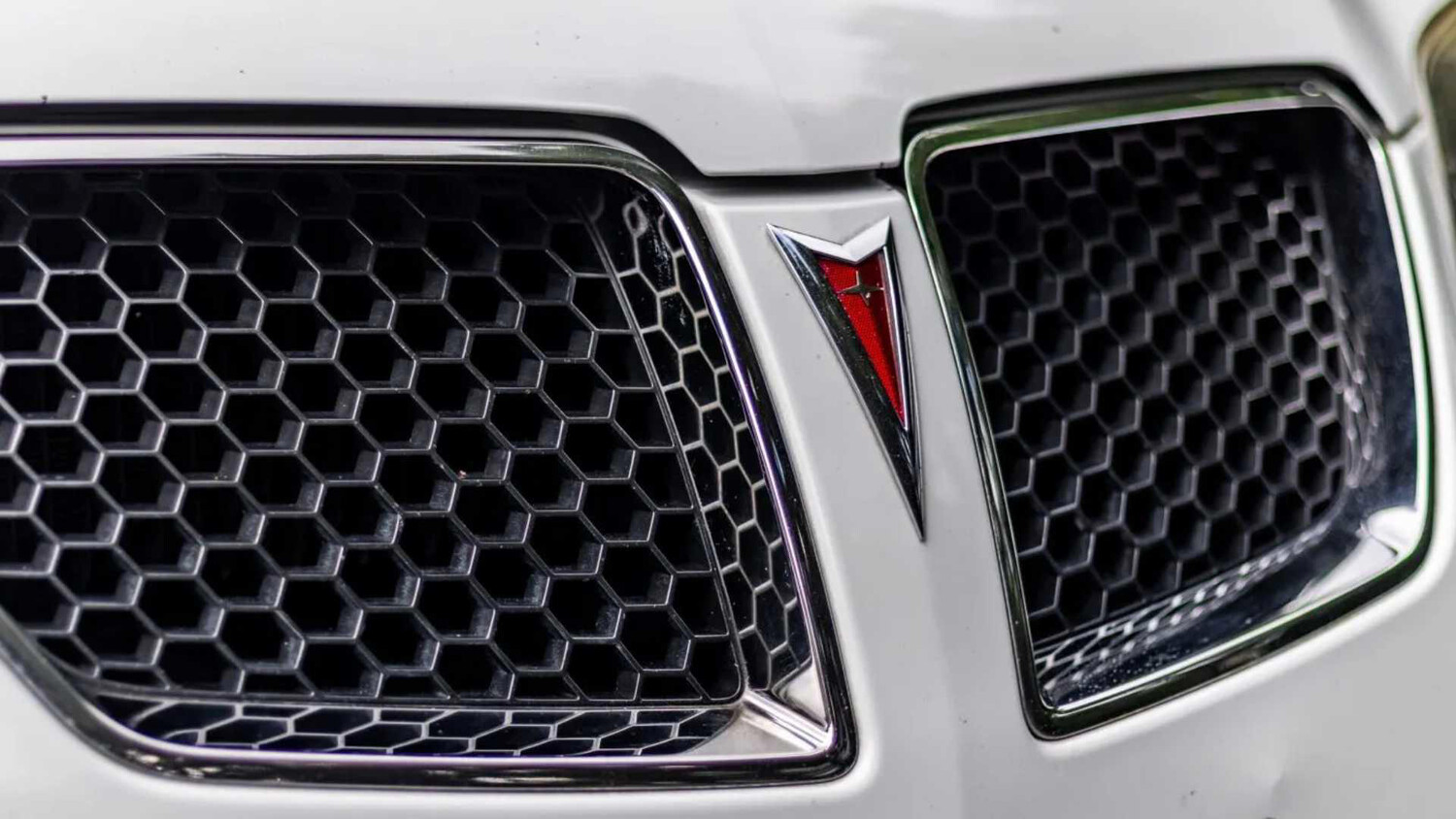
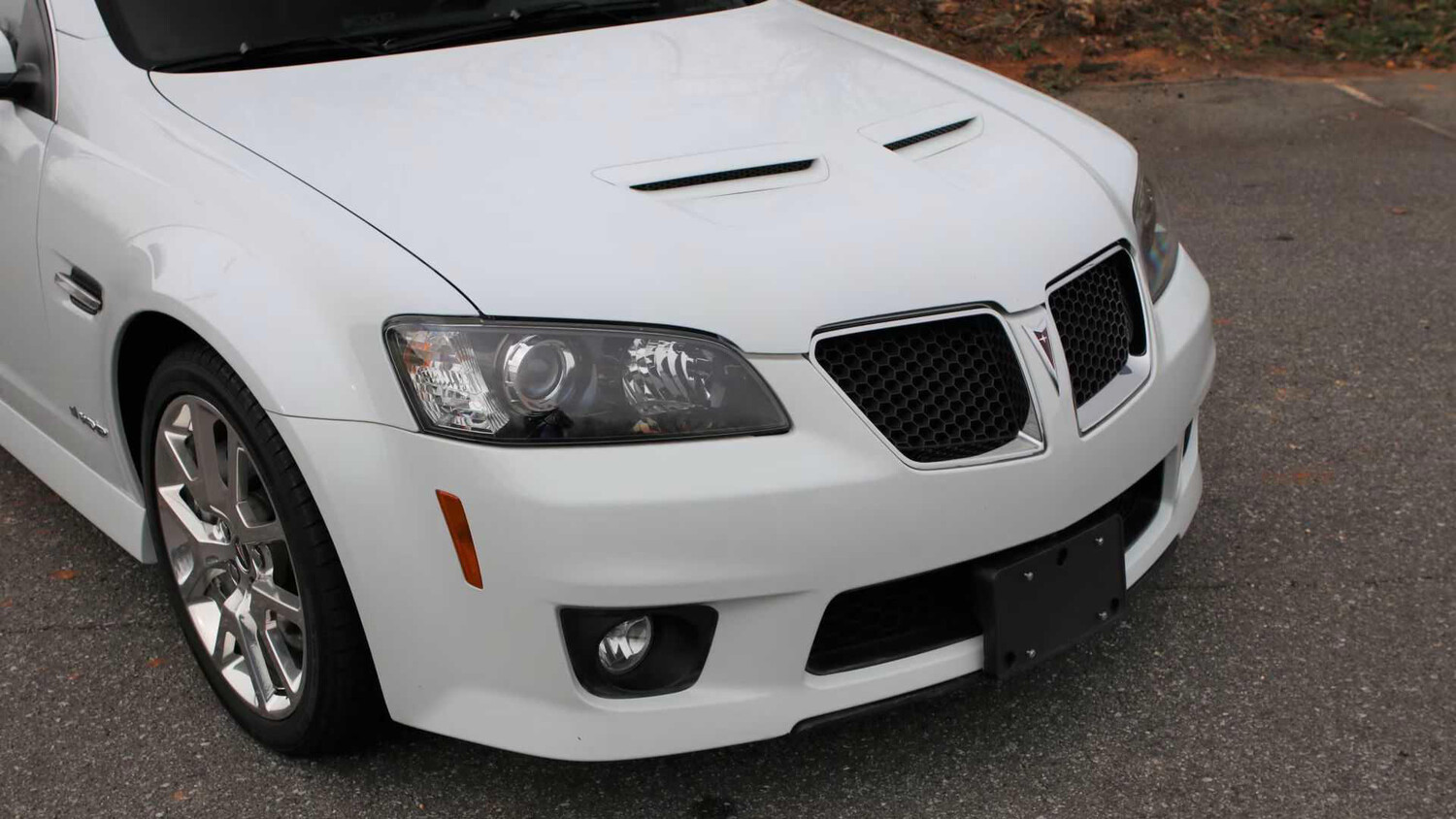
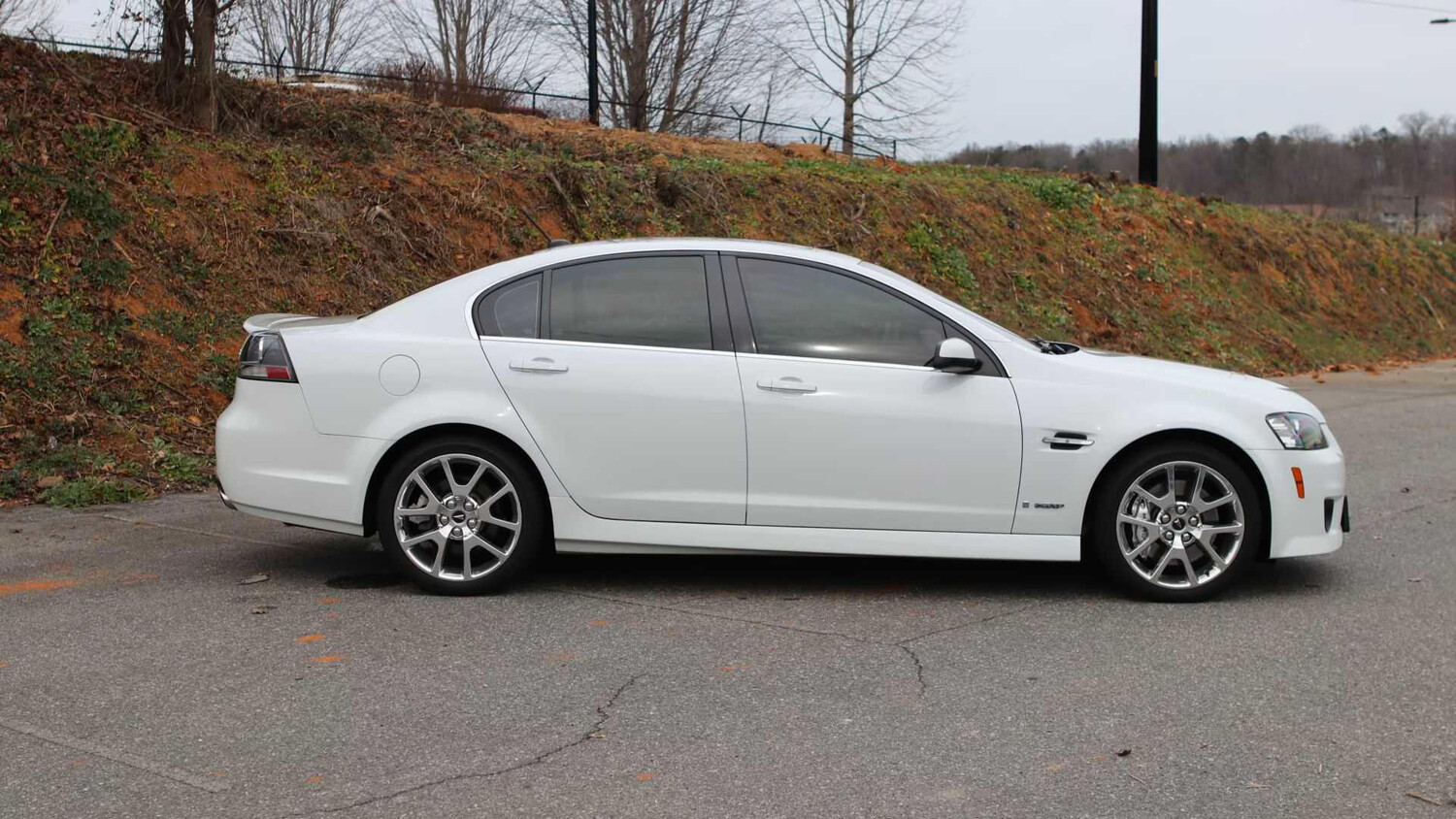
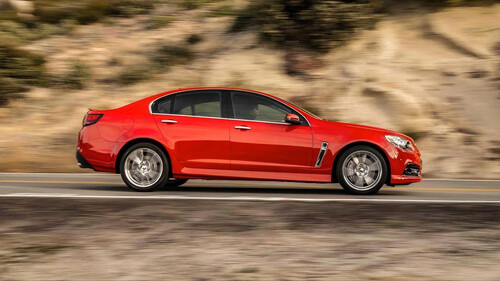
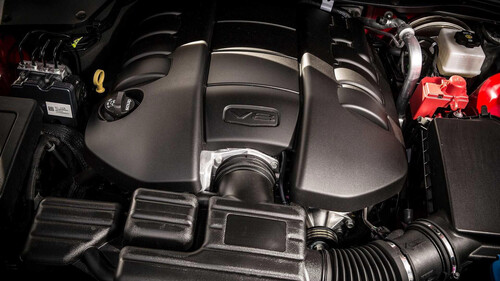
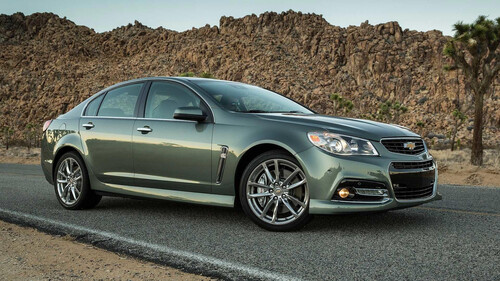
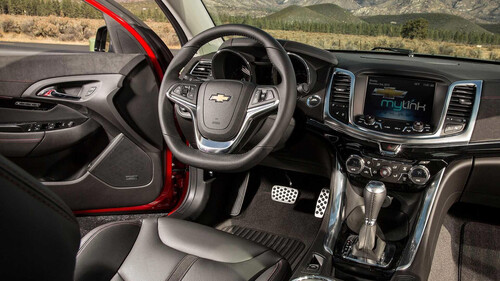
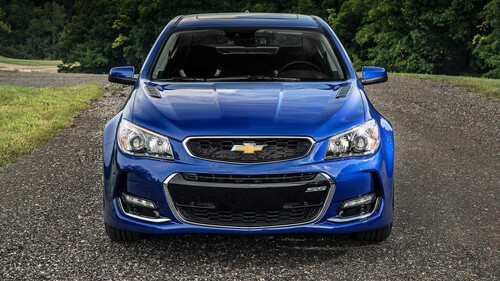
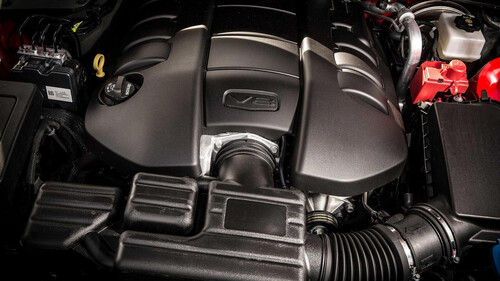
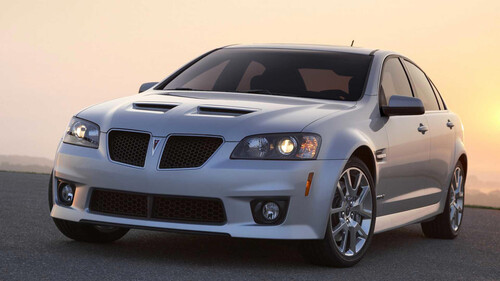
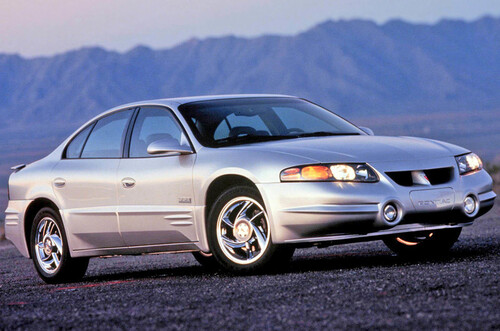
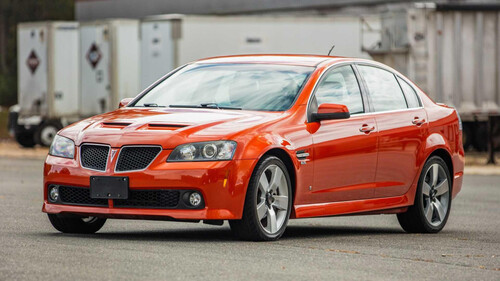
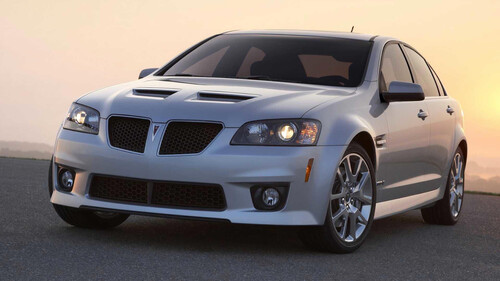
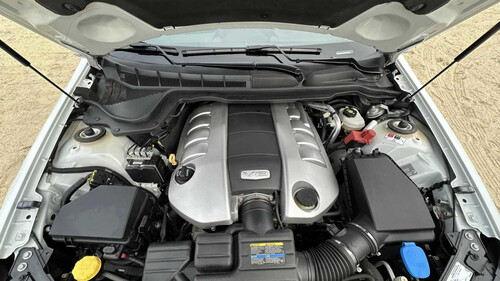
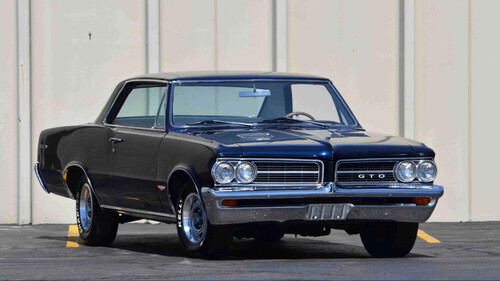
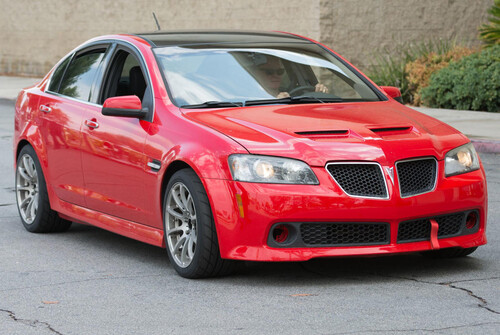
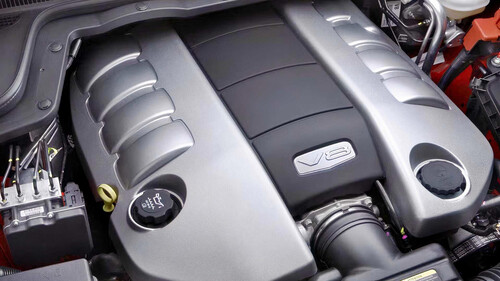
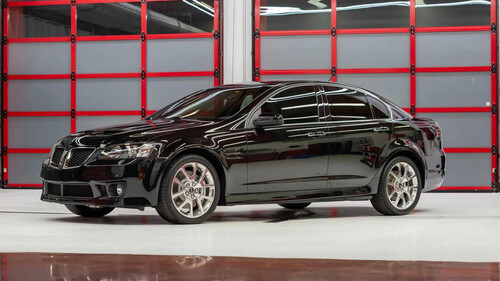
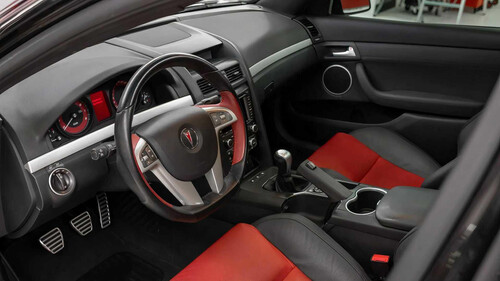
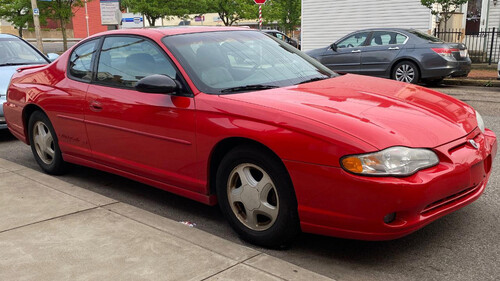
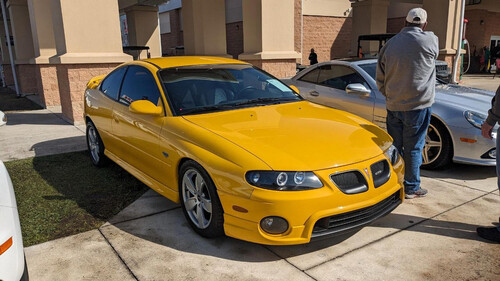
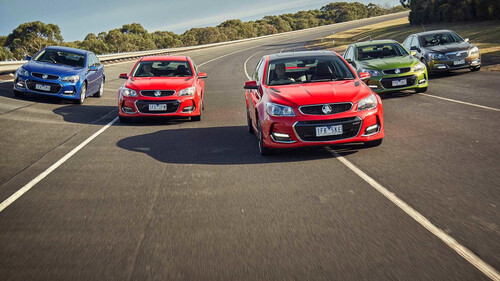
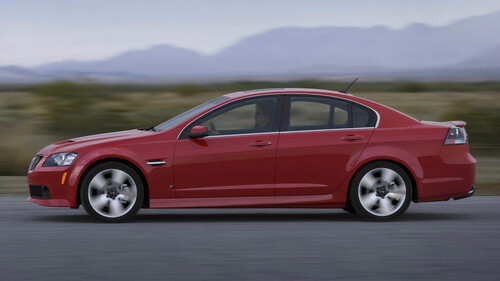
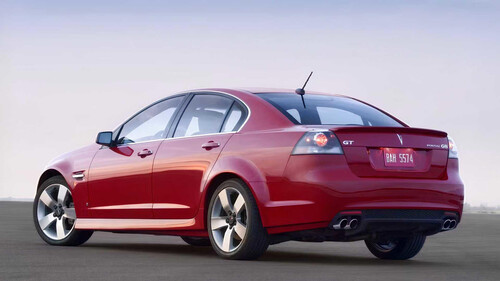
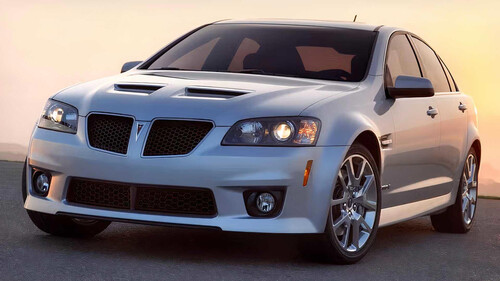
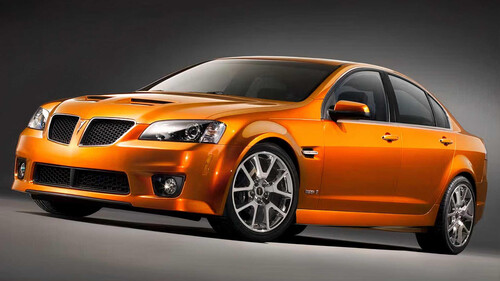
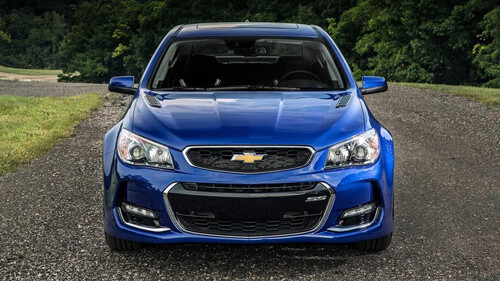
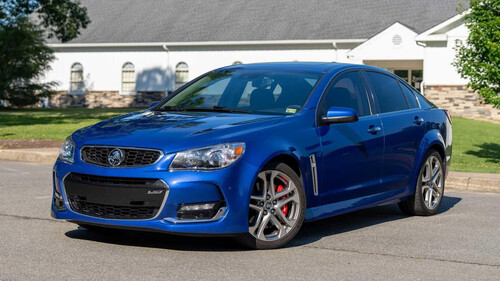
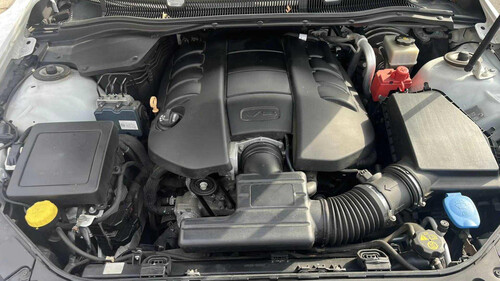
In the 1960s, Detroit ruled the performance sedan market with one simple formula: a massive V8 up front, rear-wheel-drive, and enough straight-line speed to leave everyone in a cloud of smoke. This formula created wild machines that probably shouldn't have made it past the focus group stage, but after the 1970s rolled in and effectively neutered American performance, raw, big-engine American sedans became a thing of the past. While America pivoted to efficiency and front-wheel-drive commuters, the Europeans perfected the high-performance sports sedan in the decades that followed, blending luxury with surgical precision to create the likes of the BMW M3, AMG-tuned Mercedes-Benz sedans, and other popular sports sedans.For decades, Detroit had no answer to European sports sedans, but by the late 2000s, Pontiac had seen enough. A performance brand at heart, Pontiac decided to fight back by creating a four-door sedan that threatened European dominance with a heavy-hitting Corvette-sourced V8, a manual transmission, and a world-class chassis that begged for a corner. This sedan had a bright future, but it ended up having too little time in the spotlight to really shine. Pontiac Was Running Out Of Time In The 2000s Bring a TrailerIn the 1960s, Pontiac was the coolest kid in the GM cafeteria, defining the muscle car era and being rewarded with massive sales figures. Pontiac sold nearly a million units in its prime in 1968, a figure that only Chevrolet and Ford could beat.Fast-forward to the 2000s, and the swagger was long gone. Annual sales had plummeted from their 1960s highs after Pontiac lost its performance identity, and for the first time in decades, the storied brand was staring down a terminal diagnosis. A Performance Brand Losing Its Identity General MotorsPontiac spent its early decades producing dependable but unexciting "grandma cars," but that changed in the late 1950s when the management quietly went against the AMA resolution to end factory-supported racing and began racing in NASCAR and NHRA. Pontiac dominated the racing world in the early '60s with 421 Super Duty monsters, which not only gave it the performance DNA it previously lacked but also helped it become one of the best-selling brands in Detroit. Pontiac became GM's unofficial performance brand from the 1960s to the early 1970s and even helped launch the muscle car craze when it built the legendary GTO in 1964.But by the 2000s, that performance DNA had been diluted into a cocktail of plastic cladding and front-wheel-drive mediocrity. GM's "Excitement Division" was suffering from a profound identity crisis, surviving on heritage it was no longer building.GM's Growing Financial Crisis Changed EverythingGeneral MotorsPontiac wasn't the only brand feeling the heat at the turn of the century, as the entire GM empire was beginning to crumble. The General was hemorrhaging billions as it navigated a perfect storm of high production costs, bloated manufacturing, and a reliance on gas-guzzling SUVs that left it vulnerable, not to mention the global economic meltdown that was taking shape at the time. GM's "too big to fail" status was suddenly put to the ultimate test.As the credit markets froze and sales plummeted, GM entered a fight-or-flight mode that put every division under a microscope, and Pontiac scrambled to launch a Hail Mary strategy that it hoped would save it. Pontiac's Last Attempt To Fix Everything Via Mecum AuctionsPontiac spent the 2000s throwing everything at the wall to see what would stick in an attempt to improve sales figures. It all started in 2001 with the Aztek, a crossover SUV that Pontiac hoped would help boost sales, but it quickly earned the top spot on every "ugly car" list and became a PR disaster that left a big stain on its legacy. Pontiac then tried to pivot back to performance by resurrecting the GTO nameplate in a rebadged Monaro coupe from GM's Australian division Holden, but it failed miserably as many purists viewed it as an insult to such an iconic badge.With the clock ticking and vultures circling, Pontiac doubled down on its Holden connection for one final, insane gamble, creating a specialized, tire-shredding performance sedan that made everything else in its lineup look like a golf cart. Meet the Pontiac G8 GXP. 2009 Pontiac G8 GXP: The Sedan That Almost Got It Right Via Mecum AuctionsWith the walls closing in after the failed GTO revival, Pontiac finally cracked the code in 2009 with the G8 GXP, the performance-oriented version of the G8 sedan introduced a year before. Unlike the GTO, the G8 was a masterclass of badge-engineering that helped Pontiac save the time and massive cost it would have needed to build a rear-wheel-drive sedan platform from the ground up.While the GTO was based on an end-of-life Monaro platform with dated styling, the G8 was brought in at the beginning of the Holden VE Commodore's new Zeta platform and featured aggressive, modern styling that better suited the Pontiac image. The world-class rear-wheel-drive platform also offered European-style handling and driving dynamics, and Pontiac hoped it would help the G8 compete with European rivals, especially in the top-tier GXP trim.Via Mecum AuctionsThe G8 GXP not only looked the part with its muscular, flared aesthetic, but it also had a proper American heart. It was powered by a Corvette-sourced LS3 V8 that gave it the grunt it needed to chase down rivals while delivering the raw, RWD thrills enthusiasts had been begging for. Crucially, by not labeling it a Bonneville, LeMans, or other nostalgia-heavy nameplate, Pontiac gave its loyal fans the performance sedan they craved without the identity crisis. A Nürburgring-Tuned Monster Built To Restore Pontiac's Performance Credentials Via Mecum AuctionsBefore the G8 GXP, you'd have to go all the way back to 1986 to find a rear-wheel-drive Pontiac sedan and even further back to find one that offered decent performance. The G8 GXP changed that narrative instantly. For starters, the GXP had a Corvette-sourced 6.2-liter naturally aspirated LS3 V8 cranking out 415 hp and 415 lb-ft of torque, and it could be paired with either a six-speed automatic or, the purist's choice, a six-speed Tremec manual. The do-it-yourself option was only reserved for the GXP, making it even more appealing for enthusiasts.The powertrain was just one piece of the G8 GXP's performance puzzle. To ensure it could truly compete with European sports sedans, Pontiac engineers equipped it with the FE3 suspension package, which had been validated and tuned on the ultimate testing ground — the Nürburgring Nordschleife. This combination allowed the heavy track-honed sedan to go from 0 to 60 mph in a brisk 4.5 seconds. Even more impressive was the unofficial 8 minutes and 30 seconds lap time a development mule reportedly clocked at the Nürburgring, putting it within striking distance of the BMW M5 (E60), which cost more than double the G8 GXP's price. A Victim Of Timing Via Mecum AuctionsThe G8 GXP had all the necessary ingredients to be a winner and was the world-class sedan Pontiac enthusiasts had spent decades begging for, but the world around it crumbled just before it hit dealership floors. GM was already facing a terminal decline in the years leading up to the G8's debut, but the 2008 financial crisis was the final, devastating blow.The economic collapse that followed left GM staring down the barrel of bankruptcy, forcing the US government to step in with a restructuring plan that required it to close down some of its brands. Pontiac was sacrificed to save the General, leaving the GXP with almost no time in the spotlight. By the time production ended in 2009, Pontiac had built around 37,000 G8s, and of those, only about 1,829 units were GXPs. SLP Built A Wilder And Far Rarer Version Via Bring A TrailerWhen Pontiac introduced the G8 with its powerful engine and Nürburgring-tuned driving dynamics, Street Legal Performance (SLP) saw it as the perfect canvas to revive the storied Firehawk nameplate. SLP had worked with Pontiac in the '90s to build rare and powerful Pontiac Firebird versions, and it hoped to work the same magic on the G8.SLP worked on both the G8 GT and G8 GXP, but the GXP was the most impressive by far. SLP took the already potent GXP and bolted on a TVS 1900 Series supercharger, cranking the LS3 up to a claimed 550–600 hp. However, with the bankruptcy axe falling, production was halted almost immediately, and just 9 GXP Firehawks were built. It's one of the rarest sedans ever. Why The G8 GXP Still Matters Today Via Mecum AuctionsThe G8 GXP proved there was a dedicated niche of enthusiasts who valued the formula of a big V8, rear-wheel drive, and a three-pedal setup. Even with Pontiac gone, the G8 GXP's DNA was too potent to stay buried. GM eventually realized the formula was too good to waste, resurrecting the G8 GXP spirit years later in the form of the 2014–2017 Chevrolet SS, which was based on the Holden VF Commodore.In the years since the GXP's demise, the sports sedan market has shrunk as more buyers flock to SUVs and crossovers, and the remaining options have shifted toward complex AWD systems and turbocharged downsizing. Today, only a handful of pure V8, RWD, manual models remain, which is why analog survivors like the GXP are attracting collector interest. Its Short Life Turned It Into A Modern Classic Via Mecum AuctionsThe G8 GXP was well-positioned to become one of Pontiac's best modern models and a popular choice for budget-minded sports sedan buyers who wanted something that could run with Europe's best for an original price of around $40,000, but its short time in the spotlight killed any hope of that becoming a reality.With only 1,829 built, the G8 GXP is now a modern classic that often sells for amounts higher than its original MSRP, though it's still underrated. The highest public sale we found was in December 2025, where a G8 GXP with only 108 miles on the odometer sold for $61,614. The far rarer G8 GXP Firehawk would be expected to fetch a lot more, but since only 9 units were produced, sales records are almost impossible to find. Could The Pontiac G8 GXP Make A Comeback? Via Mecum AuctionsThe better question is: could Pontiac itself make a comeback? As of 2026, the answer is no. Even after filing to renew the Pontiac name and logo in 2025, GM has no official plans to revive the iconic brand. Those trademark filings are more about protecting merchandise rights and heritage than assembly lines. As for the G8 GXP, its return is blocked by a shifting industry that has pivoted toward SUVs and electrification, but its spirit lives on in models like the Cadillac CT5-V Blackwing, which is among the final high-performance, rear-wheel-drive, manual American sedans.Ultimately, the G8 GXP represents a mechanical formula that is nearly impossible to find in modern sedans. It was a car built for drivers by people who loved to drive, but it was too late. As one of the most refined and powerful machines to ever wear the arrowhead badge, it serves as the definitive last hurrah for Pontiac and will ensure the brand's name lives on for many years to come.Sources: Hagerty, MotorTrend, Bring a Trailer