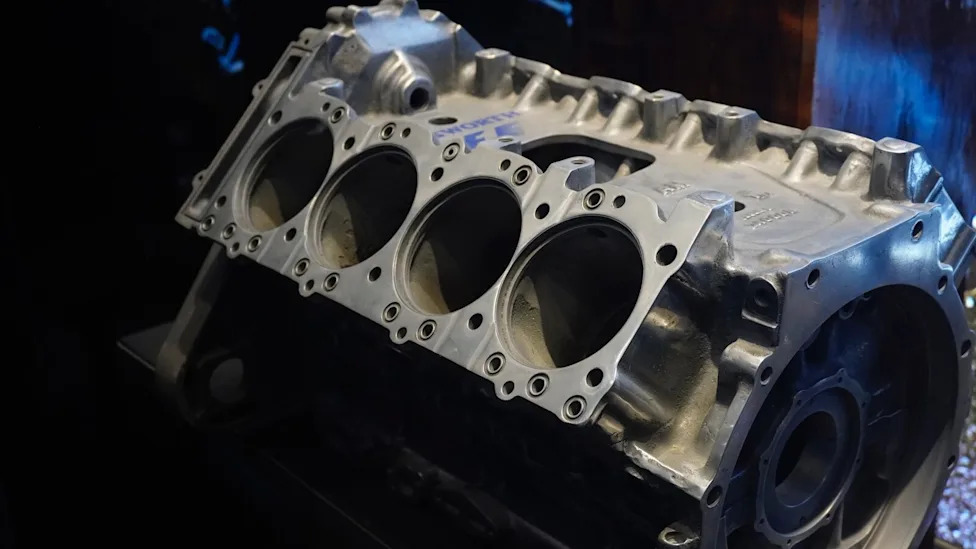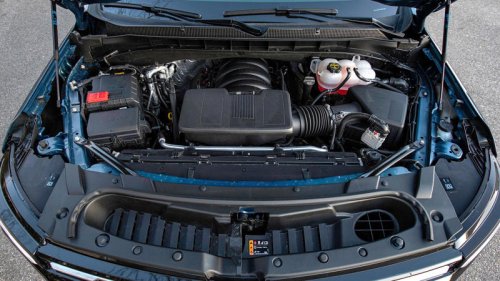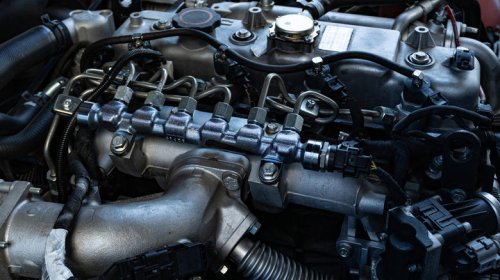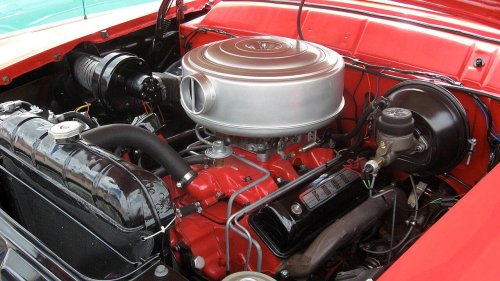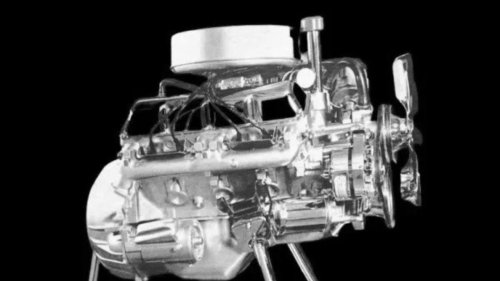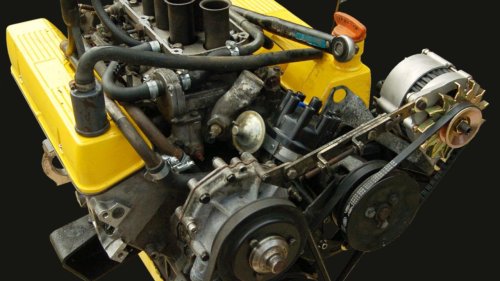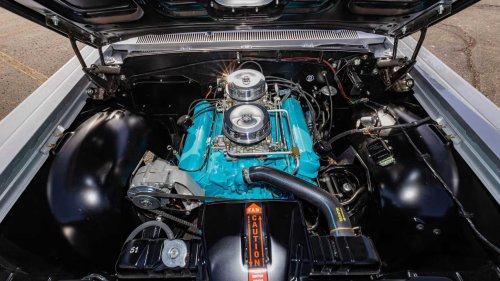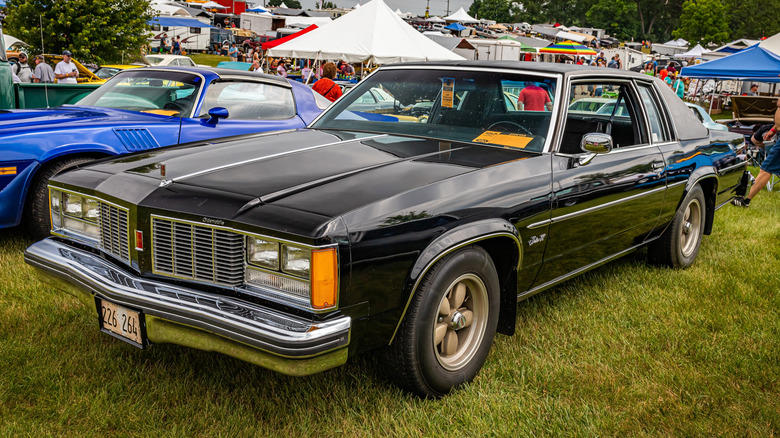
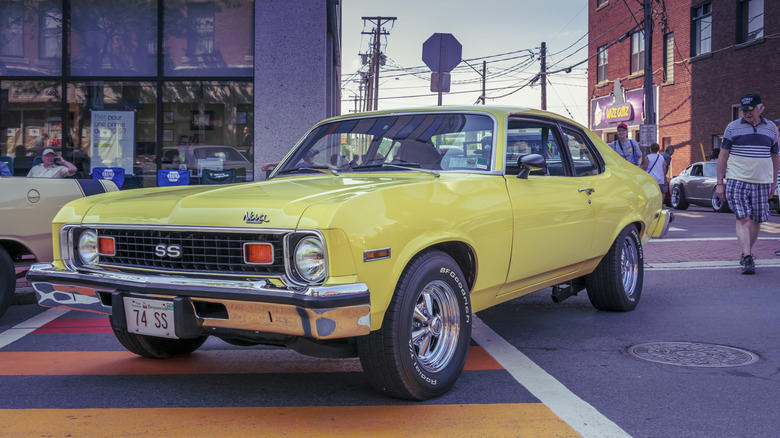



















Oldsmobile LF9 V8: A diesel-powered dudthe Oldsmobile LF9 diesel V8 was introduced in 1978 an attempt by General Motors to meet new environmental regulations and respond to the oil crisis of 1973. Many believe that the LF9 V8 was a re-engineered version of GM's gasoline-fueled 350-inch V8 small block, but this isn't correct. While it shared its displacement figure, a cylinder head bolt pattern, and some components with gasoline equivalents, the LF9's block was a beefed-up design unique to that motor. Sadly, that point does nothing to excuse just how bad this engine was. Initially, the outlook for the 5.7-liter LF9 was promising. It was introduced in the Delta 88 and 98 on September 13, 1977 and sold 60,000 units in its first year. Additional sales in Cadillac Sevilles and Chevy C-10 pickups took the total to 129,000 units, but this was the high point for the LF9. One of its major issues was with the head gasket, which blew frequently thanks to head bolts that simply weren't up to the job. Other design flaws included the absence of a water separator. This allowed coolant to build up inside the fuel system and sometimes destroy the fuel injection pump. The performance of the engine wasn't anything to write home about, either. The first-generation version produced an unimpressive 120 horsepower, which was not great for a 5.7-liter V8. The LF9 helped scare American buyers away from diesel engines for decades — you could say it put the "die" in diesel. Chevrolet 262 small block V8: Underpowered and underwhelmingNot every American V8 was destined for greatness, as the Chevrolet 262 cubic inch (4.3-liter) small block introduced in 1975 demonstrates. This engine came around at the worst time for V8s, as tighter emissions regulations and rising fuel prices were transforming the industry. This engine aimed to deliver improved efficiency while retaining traditional V8 power and appeal. Unfortunately, the reality didn't quite match expectations; the best that can be said is that it helped keep the V8 format on the market for a brief while. This was the smallest and weakest first-generation Chevy small-block engine ever, with a displacement less than some of today's six-cylinder engines and an output of only 110 horsepower. Ultimately, it was this lack of power that sounded the death knell for the engine, and production was halted towards the end of 1976 after just a couple of years. In its short lifespan, the 262 found its way into three GM models: the Chevy Monza and Nova and the Pontiac Ventura. It was replaced by a 305-inch V8 in 1977.