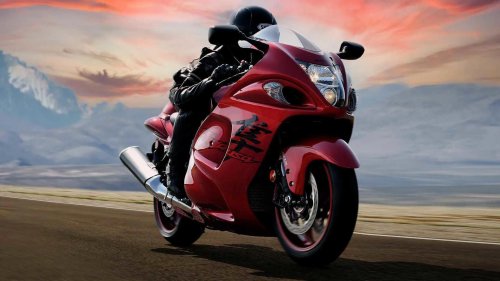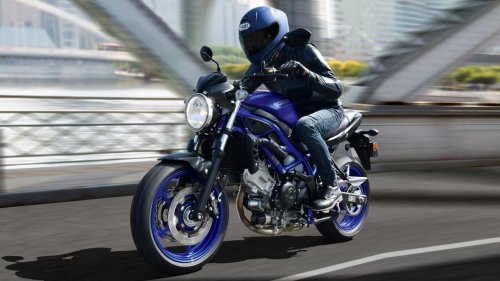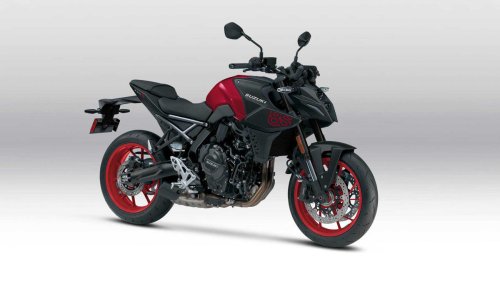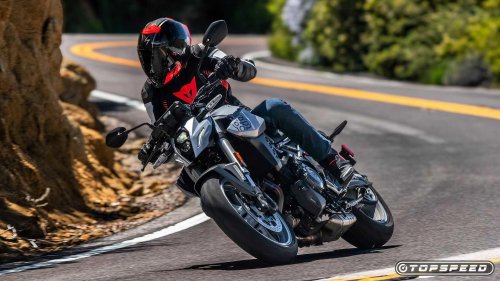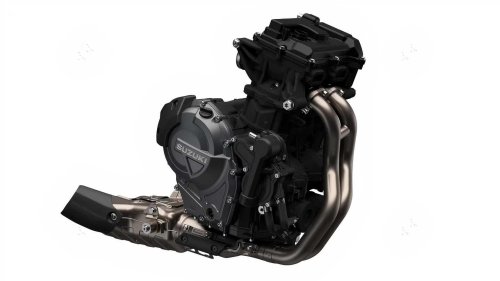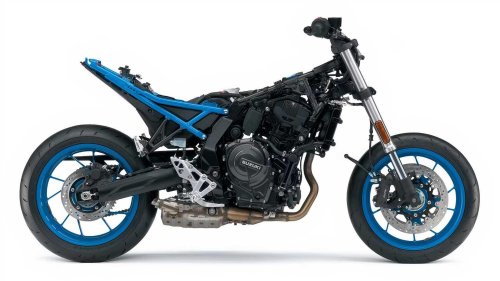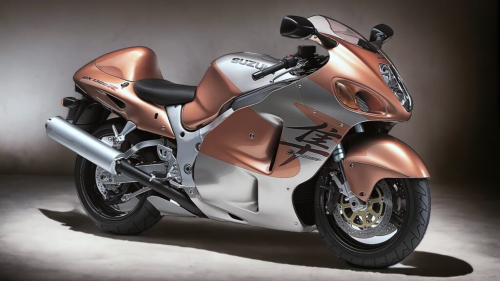
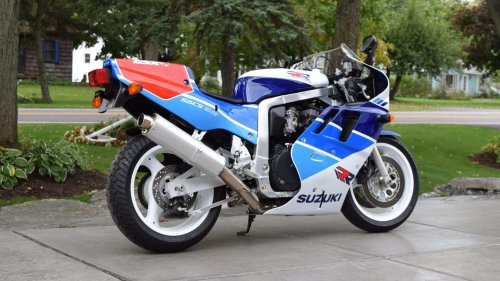
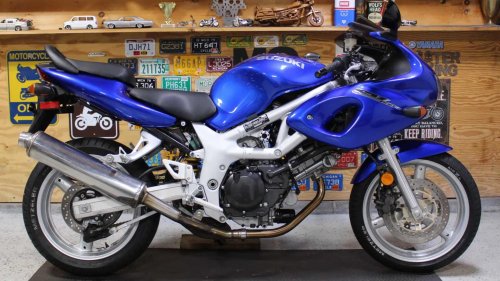
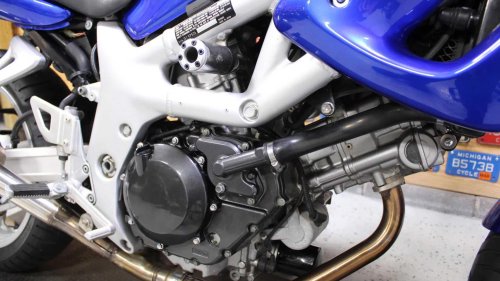
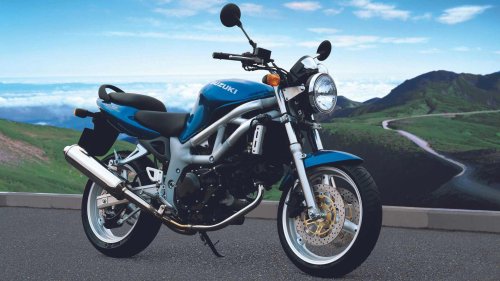
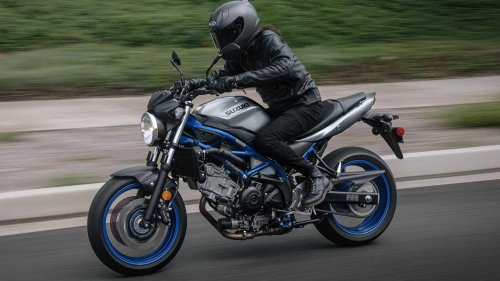
















In a world of extremes, those in the middle often don’t get the attention they deserve. Whether that’s because they don’t naturally sit somewhere in the conversation, they won’t find their names in lists, or because people want to dream of something they can’t attain, some bikes just don’t get talked about as much as they should. In 1999, there was a bike that did its job better than almost any other, quietly putting Kawasaki Honda, and Yamaha in their place, yet it doesn't get the praise it deserves. Manufacturers Chased Power, Not Balance via MotofomoBy the late 1990s, manufacturers were engaged in somewhat of a horsepower arms race. Figures were the marketing tools of the day, and making your numbers either bigger or smaller than someone else’s numbers was a way to differentiate your product from the rest. Does your bike have more horsepower than the current leader? Does it get to 60 mph faster? Does it have a higher top speed? Quick figures to put in a magazine advert were the order of the day, and key selling points.It’s much harder to quantify balance. A jack of all trades is a master of none, as the saying goes. When you’re trying to prove that a consumer should buy your bike over a competitor’s, balance is a hard sell. Especially as liter sports bikes were the ones to have at the time, nobody wanted to fantasize about a daily commuter and, when you’ve got the Suzuki Hayabusa coming out in the same year, it’s hard to market a versatile workhorse. One Bike Achieved It, And Became A Cult Favorite MecumFor all the bluster and bragging of the motorcycle industry at the time, manufacturers still knew that incredibly fast, incredibly powerful sports bikes weren’t their bread and butter. Sure, bigger, more powerful bikes were popular, and race replicas/homologation bikes had their place, but they were never going to be for everyone.While liter-bikes were taking the limelight, there was also an abundance of lightweight commuter bikes and 500 cc machines that were very popular. Through this, though, there was one bike that wanted to be the first “big bike” for riders without throwing too much power at an inexperienced rider, or prohibitively pricing itself out of rookie territory.This focus on the middle ground of motorcycling, where regular riders would more often than not find themselves, gave people a bike that they could attain, and could call their own. It was an instant success, to the surprise of even the people who made it. The Suzuki SV650 Offered A Little Bit Of Everything Bring A TrailerSuzuki had a busy 1999. Not only did it release the game-changing Hayabusa, forever altering the path of motorcycles, but it also released the SV650. And for as much as the Hayabusa pushed the sportsbike segment forwards, the SV650 did the same for middleweights.It all started with the engine. Competitors from Honda, Yamaha, and even within Suzuki’s own stable were using an inline-four layout to their engines, popular for the smooth power delivery and higher RPMs. The SV650 bucked this trend by using a V-twin, primarily to add more character and torque. This immediately gave the bike a different feel as, rather than relying on high RPMs and a screaming engine to generate power, the grunt came lower down. This more immediate power made the bike more suited to everyday riding, making it a much more enjoyable ride than competitors which needed to be higher up in the power band.Then there was the bike’s weight, or lack thereof. See, a V-Twin doesn’t just provide power benefits, but weight advantages as well. The engine’s low weight and natural balance meant that there were fewer vibrations, and fewer vibrations meant that the frame didn’t need to be as heavy. This made the SV650 an incredibly light bike, which only helped to improve its maneuverability and enhance the ride.Bring a TrailerFor comparison, the SV650 was going up against bikes like Yamaha’s FZS600 Fazer and Ducati’s Monster M600. The FZS weighed 416 pounds dry, while the M600 was 383 pounds dry. The SV650 beat both by coming in at 364 pounds dry and 386 pounds wet, making a bike with a far better power-to-weight ratio and being more fun in the process.There was also the look of the bike. Naked bikes (those without fairings) were starting to get more popular in the mid-1990s, with the 1994 Triumph Speed Triple, an 885 cc naked streetfighter bikep, roving that manufacturer-created naked bikes could be popular, rather than just an aftermarket choice. How Suzuki’s SV650 Got On With Its Job SuzukiThe SV650 was a revelation, being as much at home commuting to work as it was on the racetrack. The low-end power made it suitable for relative beginners, while its nimble, agile frame made it a popular track day bike. Though not as powerful as a supersport bike, it wasn’t as expensive as one either, retailing for $5,699 new. That was some $2,000 cheaper than comparative sports models, making it an easy choice for many riders.As such, the bike sold significantly better than expected. It became the best-selling middleweight in Europe soon after launch and continued for three generations, ending on the Gladius version in 2013, before being revived in 2016 due to its popularity. Though It Didn’t Shout The Loudest, It Still Earned Its Place SuzukiThe SV650 didn’t announce itself onto the market with grandiose fanfare in the same way that other bikes did. The Suzuki Hayabusa, released the same year as the SV650, was the darling of the motorcycle industry, at least in terms of hype and influence, for its utterly insane approach to speed, and is still discussed and adored as one of the most powerful bikes today. Likewise, bikes like the Honda Fireblade and Suzuki GSX-R750 grabbed attention for their unwavering commitment to race-readiness and sportiness. But the SV650 was more understated.The SV650 did its job, and it did it incredibly well. It didn’t over-hype itself, nor did it make a huge song and dance about how it was revolutionizing the industry. It was incredibly popular, gaining respect for being fun and versatile. In this way, sincere word of mouth promoted the bike far harder than any advertising could. Updates to subsequent models came and went, the bike continuing to do the job for which it was made, and continuing its cult fandom.Ultimately, the SV650 knew that it didn’t have to be the superlative to be the best. It didn’t have to be the absolute fastest, or the absolute lightest, or the absolute most powerful. It could be a mixture of everything and still be the best option for almost everyone. In catering to the masses, it found its audience. And it was everyone.