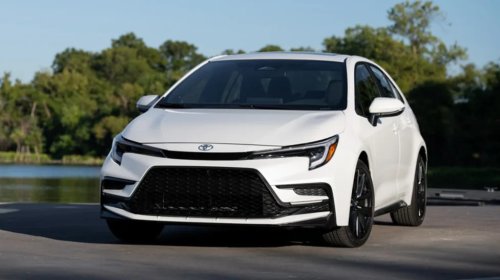
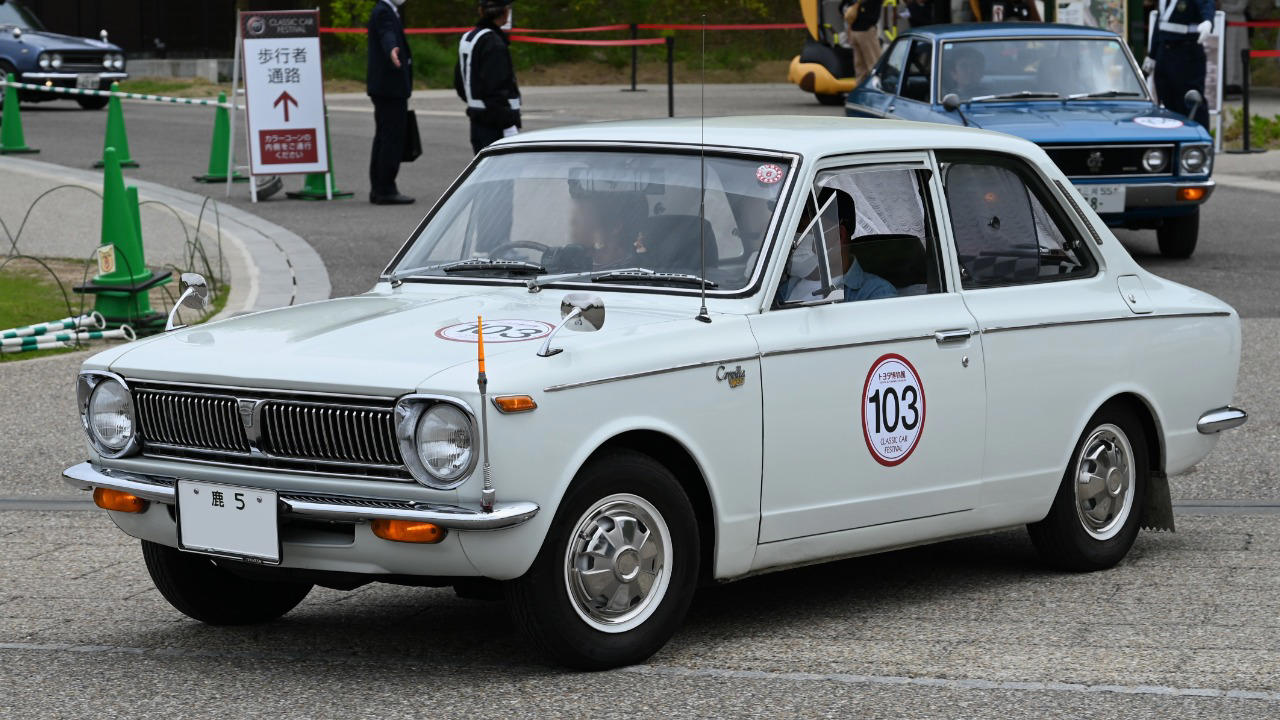
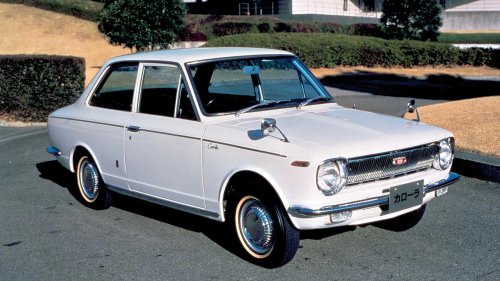
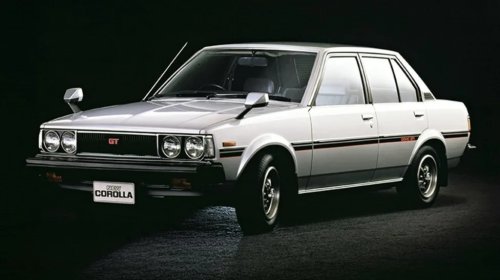
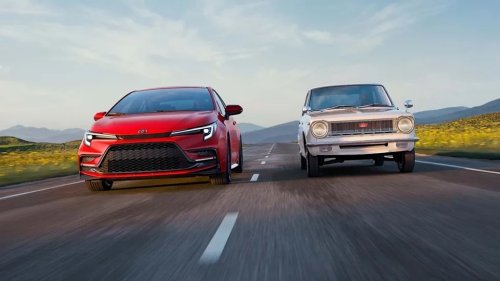
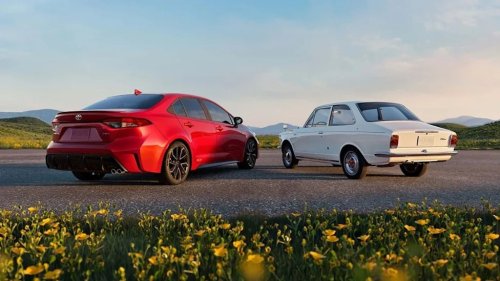
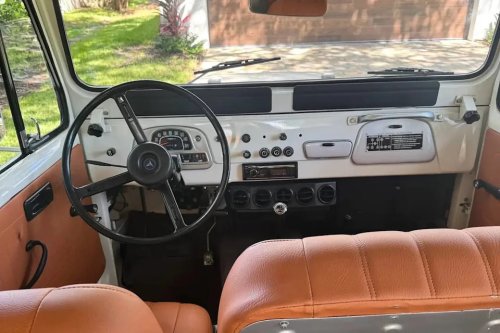
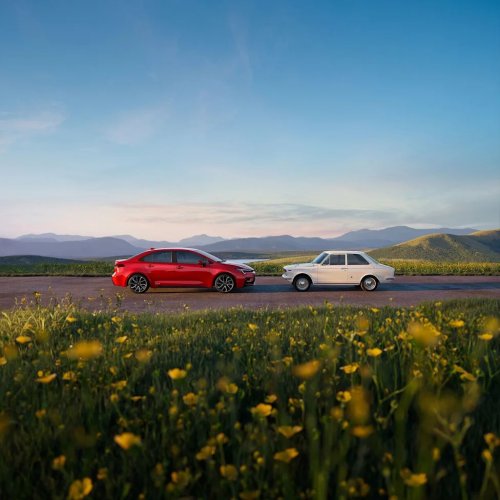
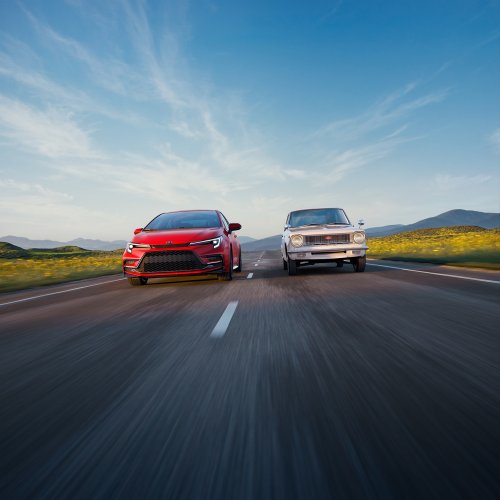
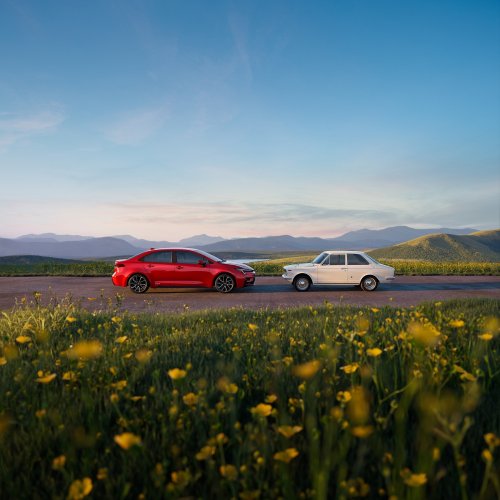
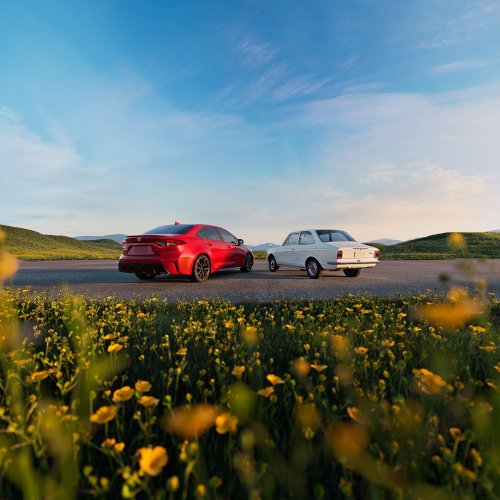
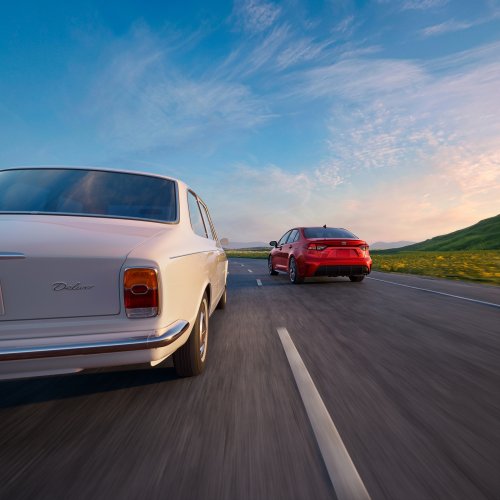
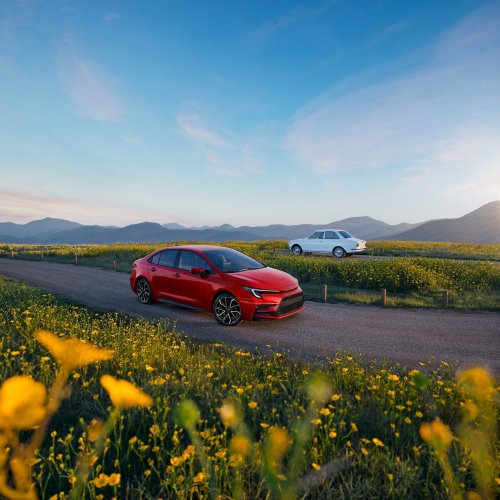
The 1969 Toyota Corolla quietly built a reputation that still holds todayThe 1969 Toyota Corolla arrived as a modest compact in an era obsessed with size and power, yet it quietly established habits that still define the nameplate. Light, efficient and simple to own, it did not need big numbers to win long-term loyalty, and its formula helped set up what would become the best-selling car line in history. More than half a century later, that early Corolla still shapes how drivers and automakers think about reliability, value and everyday usability. From obscure import to American fixture The Toyota Corolla had already started production in Japan before it reached American buyers, but its impact in the United States really began once the car arrived as a compact alternative to domestic iron. According to one history of Toyota Corolla Through, Toyota started Corolla production in 1966 and then brought the Corolla to the American market in 1968, positioning it as a small, efficient sedan and coupe. By 1969, the model was only in its second year on sale in the United States, yet it was already building a reputation for being easy to live with and relatively frugal at a time when fuel cost less and efficiency was not a mainstream priority. That context is essential. In the era of cheap gasoline, small, fuel-efficient cars had to fight for attention against big V-8s from Detroit. One detailed look at a preserved example of a 1969 Corolla notes that, in that period, large engines and full-size bodies still dominated American driveways, so Toyota had to persuade buyers that a compact import could deliver real value. The same piece describes how, in the beginning, Toyota faced skepticism but gradually won over drivers who discovered that this little sedan could handle daily use with far fewer headaches than some domestic rivals. A feature on gorgeous 1969 Corolla from Toyota’s early days in the US illustrates how that early foothold has turned into nostalgia, with collectors now seeking out clean survivors from that formative era. The first generation’s short run, lasting impact The opening act of the Corolla story was surprisingly brief. A dealer history that tracks the model over time explains that The Original Toyota Corolla The first generation of the Toyota Corolla lasted just from 1968 and 1969. When it arrived, the Corolla line was aimed squarely at budget-conscious buyers who wanted basic transportation without the compromises that often came with low-cost cars. Despite the short production span of that first generation, the configuration of a compact body, simple mechanicals and a focus on usable space set the pattern for everything that followed. That same overview of five decades of shows how quickly Toyota iterated on the formula, but it is the 1969 car that crystallized the idea that a small sedan could feel well thought out rather than stripped bare. The car’s straightforward layout, with a conventional front engine and rear-wheel drive, made it familiar enough for mechanics and owners while still feeling distinctly Japanese in its packaging and efficiency. Power figures that should not have worked On paper, the early Corolla hardly looked impressive. A period-correct 1968 model, mechanically similar to the 1969 car, is described in one video review as having 60 horsepower, that’s it 60, my modern lawn mower has more power than that. The same commentary jokes that 60 m might sound laughable alongside modern performance numbers, yet this little econob box from Japan still managed to win buyers who cared more about running costs and dependability than quarter-mile times. A clip analyzing that early engine and carburetor setup captures how Toyota squeezed usable performance out of modest output through low weight and smart gearing, something that carried over to the 1969 cars. The focus on sensible power rather than brute force also appears in other early Corolla references. A discussion of a later 1968 model that formed part of the second generation mentions a 1.6-liter engine that combined power and fuel efficiency, making it ideal for drivers who wanted a balance of responsiveness and economy. That detail from a Jun enthusiast post highlights how Toyota consistently treated the engine as a tool for everyday use rather than a bragging point, a mindset that already existed around the 1969 cars even when displacement and output were smaller. For owners, those modest figures translated into a car that would start, run and sip fuel without drama. The 1969 Corolla might not have thrilled muscle car fans, but it delivered exactly what commuters needed in cities and suburbs, especially as traffic grew and parking space shrank. Design that favored practicality over flash Visually, the 1969 Corolla was conservative, yet that restraint helped it age gracefully. Period photos and modern features on surviving cars show a boxy two- or four-door body with thin pillars, large glass areas and simple chrome accents. The upright greenhouse created excellent visibility, which made urban driving and parking easier, and the compact footprint allowed the Corolla to slip into spaces that larger sedans simply could not use. Inside, the cabin was basic but intelligently arranged. Controls were straightforward, with clear gauges and durable materials rather than elaborate trim. Contemporary descriptions of the first-generation layout indicate that Toyota prioritized logical ergonomics and storage, giving drivers a car that felt intuitive from the first drive. That philosophy fits with later commentary on how small touches, such as well-placed switches and comfortable seating, made early Corollas feel more livable than their price tags suggested. Reliability as a defining trait Long before reliability surveys became marketing tools, the Corolla was already building a reputation for durability. A historical overview from a parts retailer describes how The Toyota Corolla has left an indelible mark on the automotive industry, etching its name as a paragon of reliability, affordability and everyday usability. That assessment reflects decades of owner experience, but the roots trace directly back to the late 1960s cars, which were engineered for simplicity and ease of maintenance. Mechanically, the 1969 Corolla used straightforward components that local mechanics could service without specialized tools. The engine bay was uncluttered, and regular maintenance tasks such as oil changes and tune-ups were easy to perform. This simplicity reduced ownership costs and encouraged buyers who might have been wary of imported cars. A detailed history at Toyota parts site connects that early focus on durability with the model’s long-term success, arguing that predictable performance and low repair bills did as much to build the Corolla name as any marketing campaign. Modern recall and service infrastructure also reflects that legacy. Toyota maintains a dedicated portal where owners can check recall information by vehicle identification number, and the same corporate ecosystem includes tire and service centers that support older models. Links from dealer history pages route owners toward resources such as a central recall database and a related tire center network, reinforcing the idea that the brand still supports long-lived vehicles, including early Corollas that remain on the road. How a modest sedan helped create a global best seller The scale of the Corolla story is now staggering. A promotional video from a dealership group points out that the Toyota Corolla is the bestselling car of all time since its launch in 1966 and that Toyota has sold over 50 m Corol units worldwide. That figure, referenced in a Aug social clip, shows how a car that began as a small experiment grew into a global staple. Analysts who track the model’s evolution argue that the earliest generations, including the 1969 car, established the template for that success. A detailed essay on how the Corolla achieved its sales crown notes that They made owners feel looked after by including small extras and thoughtful features that improved daily life. Those little touches, combined with low running costs, created strong word-of-mouth. The same piece explains that Mar was a turning point for understanding how incremental improvements across generations, rather than radical reinventions, kept the Corolla relevant. A closer look at how the Corolla connects this strategy directly to the trust built in the late 1960s, when early adopters discovered that the car simply did what it promised. Those first satisfied owners were often the best marketing that Toyota could have asked for. In neighborhoods where a 1969 Corolla quietly racked up miles without major failures, neighbors noticed. As fuel prices later rose and environmental concerns grew, the logic of a compact, efficient sedan that already had a track record became even more compelling. The 1969 car in the collector spotlight Today, the 1969 Corolla occupies an unusual niche in the classic car world. It lacks the performance credentials of period sports cars, yet it draws attention at shows and meets precisely because it represents a turning point in automotive history. A short video from earlier this year captures the reaction when a 1969 Toyota Corolla pulled up to Cars & Kaveh and stole the spotlight. The description calls it Old school charm, Timeless style, real history on wheels, language that would have surprised anyone who dismissed the car as a disposable economy box when it was new. That event coverage, shared via a Mar social video, underlines how enthusiast culture has embraced the car’s authenticity. Surviving examples often retain original paint, trim and mechanicals, and their unpretentious character stands out in a field of heavily modified imports and high-end exotics. For many younger enthusiasts, seeing a stock 1969 Corolla offers a direct link to the origins of a nameplate they grew up knowing only as a ubiquitous modern compact. Collector interest has practical effects. Auction listings and private sales now highlight originality and low mileage on first-generation Corollas, and some owners invest in careful restorations that preserve factory details. The earlier feature on a preserved 1969 example in the United States shows how even a simple sedan can command attention when it represents the beginning of a global success story. Dealer networks and local histories Another reason the 1969 Corolla still resonates lies in the way local dealers wove it into community life. Regional histories compiled by long-standing Toyota stores trace how early Corollas introduced buyers to the brand. One such narrative, accessible through mapped dealership listing, describes how a store that once sold a handful of compact imports now relies on the Corolla as a core product. Related links, such as a shortened map reference and a digital accessory kiosk tied to the same dealer group, show how the business has grown around a model that started as a niche offering. These local stories connect directly to broader marketing campaigns that highlight the Corolla’s longevity. A promotional link that tracks engagement with content about the car as the best-selling model uses a shortened URL to funnel viewers toward brand messaging, while separate dealership tools, such as a sign-in page for online marketplaces and a registration portal, hint at how even classic Corollas now trade hands through digital platforms. Behind the scenes, advertising dashboards like a pay-per-click wallet and messaging hubs such as a buyer-seller inbox support the small but growing market for early cars. More from Fast Lane Only Unboxing the WWII Jeep in a Crate 15 rare Chevys collectors are quietly buying 10 underrated V8s still worth hunting down Police notice this before you even roll window down






































![Toyota's $15,000 Chinese EV spotted overseas in RHD [Images]](https://cdn.topcarnews.net/thumb/id/aHR0cHM6Ly9pMC53cC5jb20vZWxlY3Ry-ZWsuY28vd3AtY29udGVudC91cGxvYWRz-L3NpdGVzLzMvMjAyNi8wOS9Ub3lvdGEt-YlozWC1FVi1SSEQuanBlZz93PTE1MDAm-YW1wO3F1YWxpdHk9ODImYW1wO3N0cmlw-PWFsbCZhbXA7c3NsPTE/3fdd3b5d03bdc27308f0c99caa99667e.jpeg?t=20260923&post_id=64756)