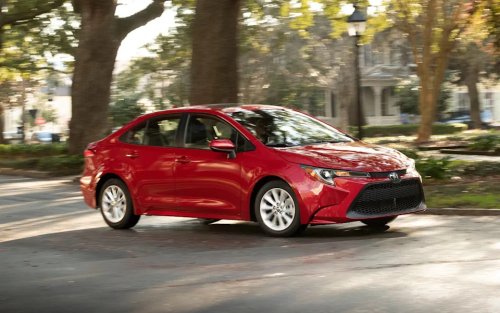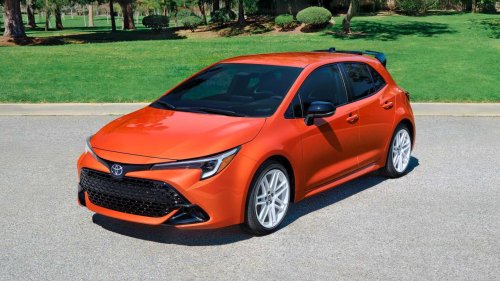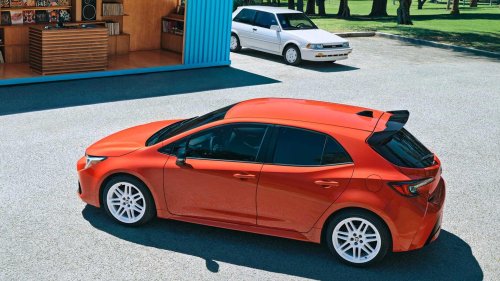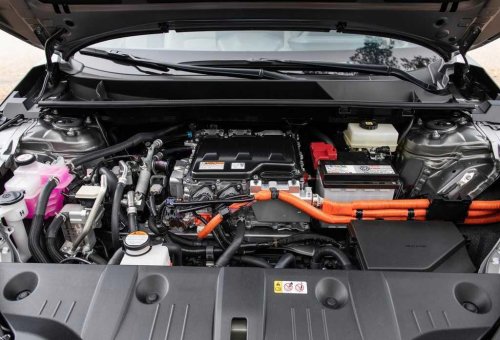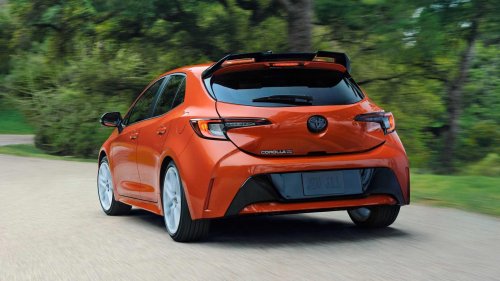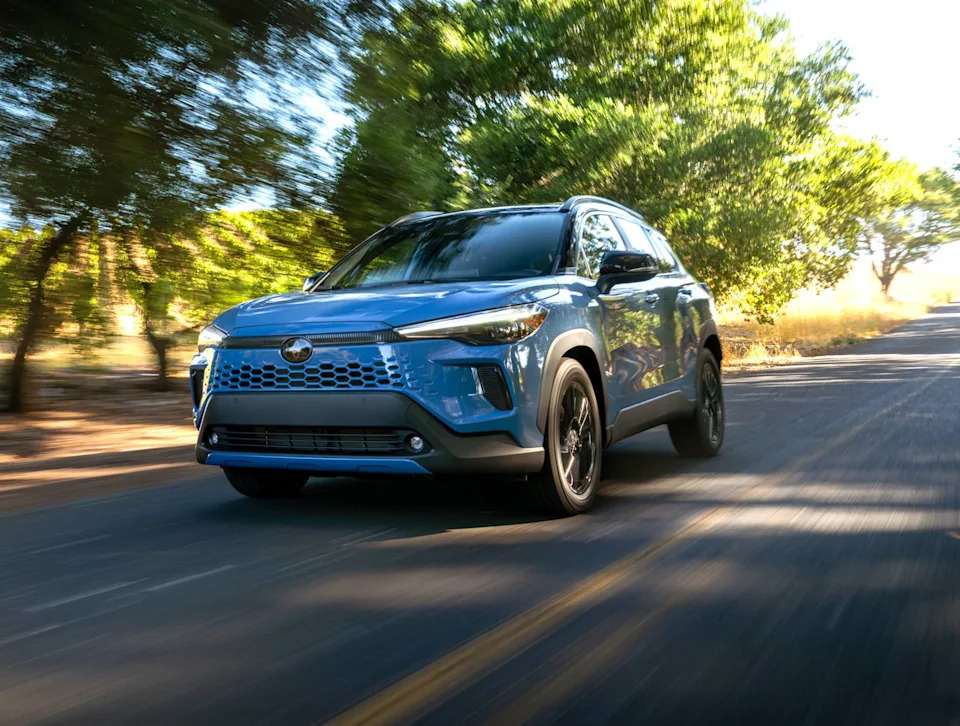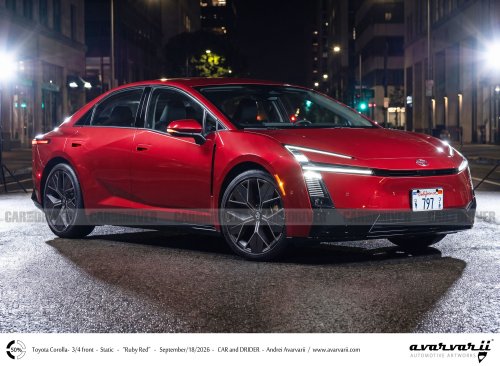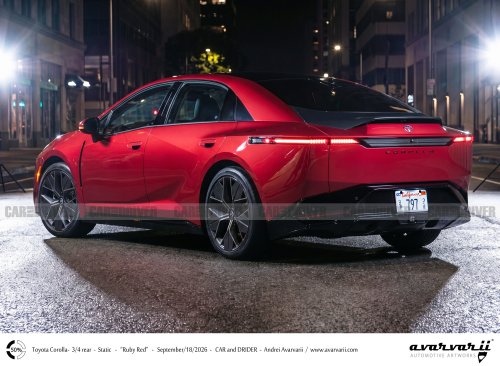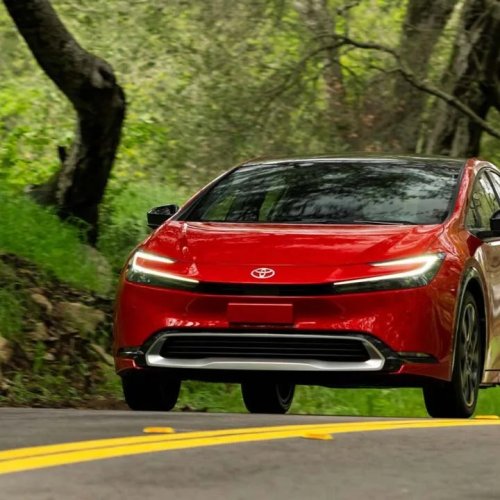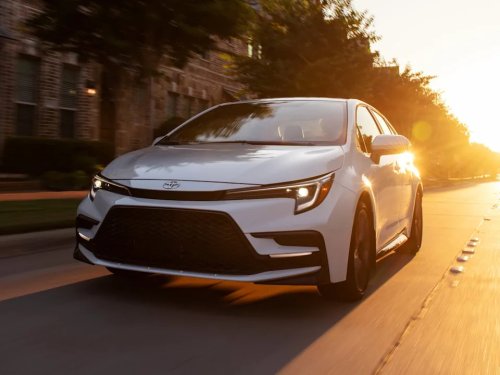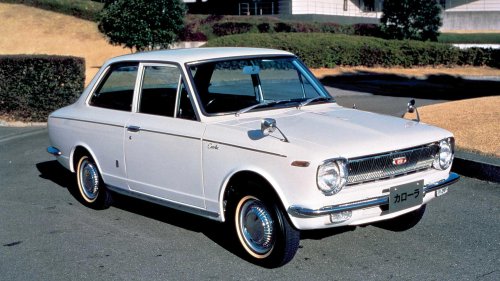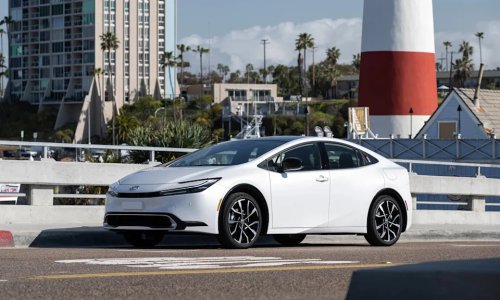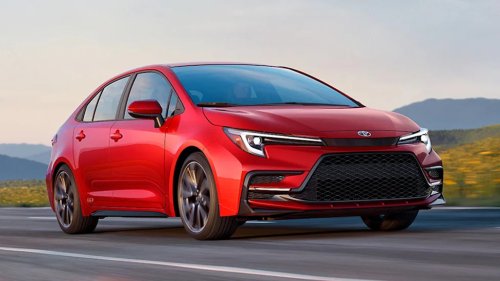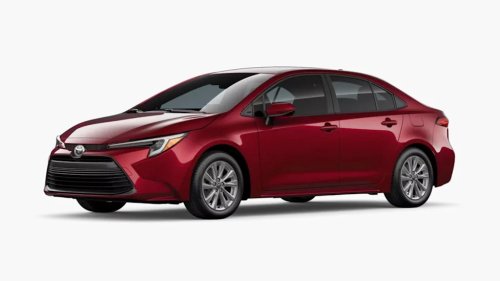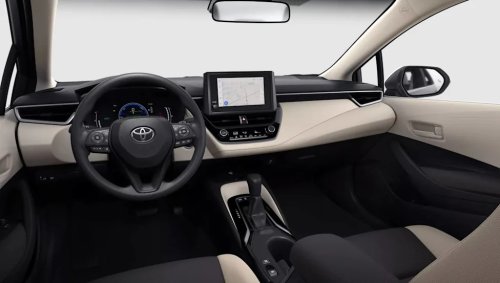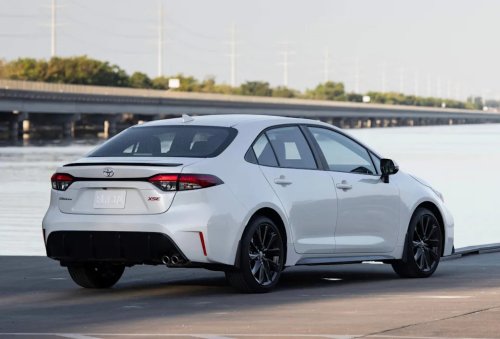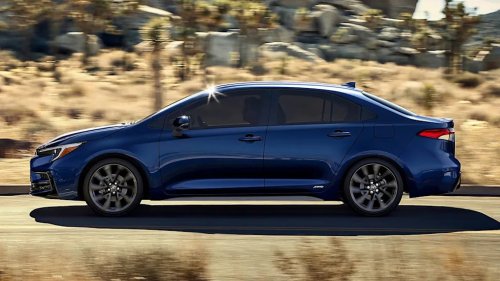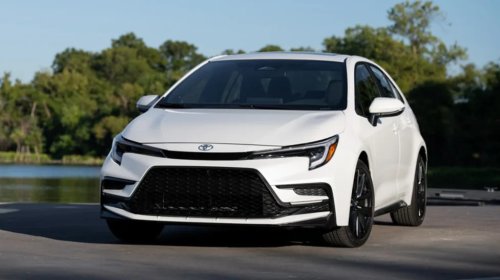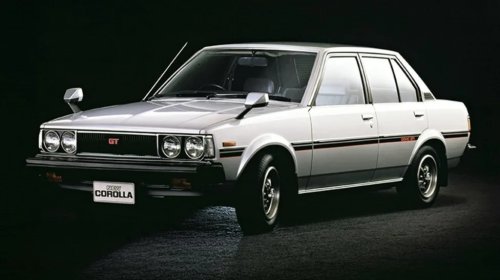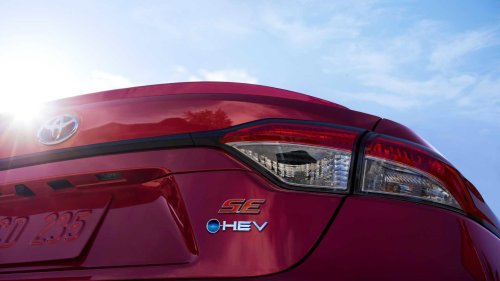
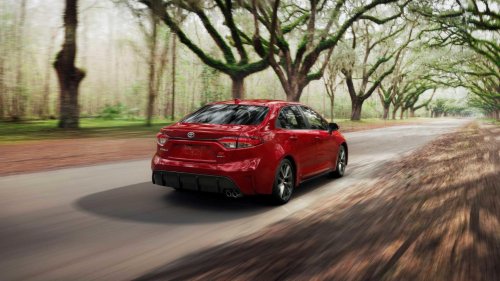
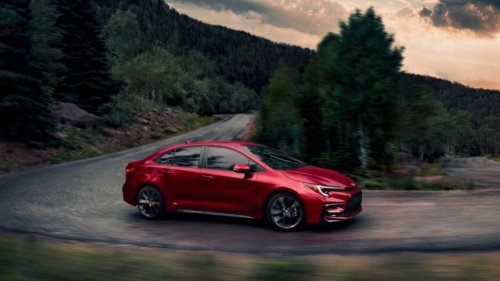
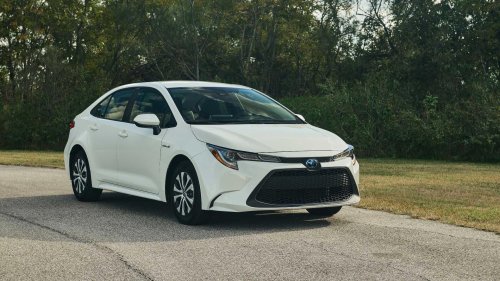
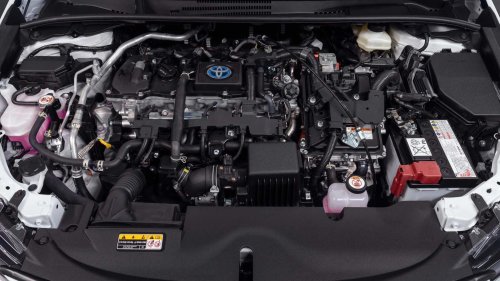
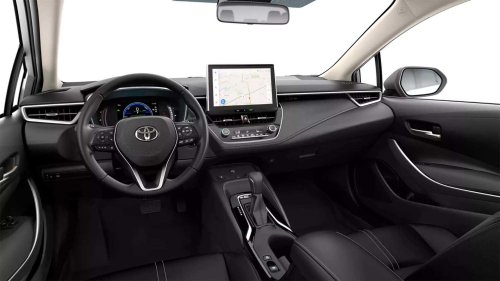
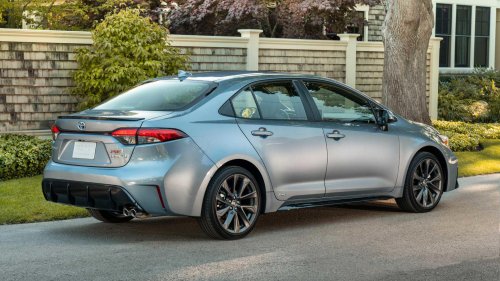
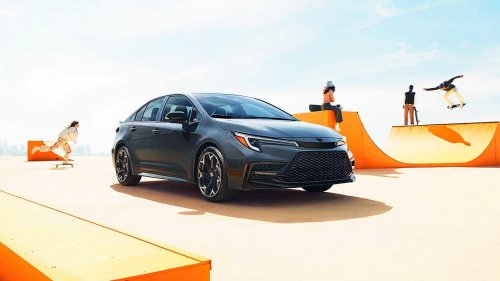



















Gas prices in the U.S. are becoming a concern for many car owners, prompting the need for more efficient and cost-effective cars. As of 2026, it seems that no brand knows how to achieve this better than Toyota. The 2026 Toyota Corolla Hybrid is its most competitively priced gasoline-electric option, which explains its considerably impressive sales performance during the first quarter of this year.Thanks to its adoption of the previous-generation Prius's drivetrain, the subcompact sedan is able to maintain near class-leading fuel economy returns and refueling costs. It also comes with the added benefit of tried-and-tested reliability, further motivating it as one of the best long-term purchases that you can currently consider in the new vehicle market. Toyota's Rise To Hybrid Stardom Toyota When it comes to gasoline-hybrid technology, it's very difficult not to think about the Toyota brand first. While Honda introduced this technology to the U.S. with the first-generation Insight, Toyota led the development and mass-adoption of the technology. The Japanese brand has always maintained a high level of commitment to hybrids, led by the Prius, but popularized by models like the Corolla, Camry, and RAV4.Toyota's philosophy has always been to incorporate multiple fueling methods, including hydrogen, diesel, and electricity. Hybrid models have increasingly become the driving force of its modern catalog, with the 2026 Camry and RAV4 being available exclusively with its new-generation HEV drivetrains.Toyota backs its technology with a comprehensive warranty that covers all hybrid components for eight years and the battery for 10 years. Consumers recognize the brand's dedication to the more efficient drivetrain technology and have responded favorably. Over the last few quarters, the brand has reported a considerable interest in its hybrid models, and more car owners seek to lower their monthly fuel bill. The Corolla's Monumental Impact On The U.S. Market Toyota Since arriving in the U.S. for the 1969 model year, the Toyota Corolla has cemented itself as a cornerstone of the American automotive landscape. The Japanese brand has transformed it from a simple people’s car into a sophisticated benchmark for the compact segment. While its early reputation was built on bulletproof reliability and an accessible entry price, the modern Corolla has successfully integrated premium elements.This includes the high-tech TNGA platform, standard Toyota Safety Sense 3.0 suite, and soft-touch interior materials. These elements help it punch above its weight class while retaining affordability. This evolution is perhaps most evident in its strategic shift toward hybridization, which has managed to provide flagship-level fuel efficiency and technical complexity at a price point that remains within reach for budget-conscious buyers. The Corolla Hybrid's Budget-Beating Fuel Costs Toyota The 2026 Toyota Corolla Hybrid sedan is one of the brand's most successful hybrid products, for multiple reasons. It may not be a high-performance hybrid, but it returns some attractive EPA-estimated fuel consumption results. The front-wheel-drive LE is the most efficient of the lot, returning a 53/46/50 MPG result on its city/highway/combined cycle. The EPA indicates this model will save you $3,000 in fuel costs over five years compared to the average new vehicle sold in the U.S. You'll spend $950 on fuel every year and $1.55 to drive 25 miles.The Corolla Hybrid range also has the added benefit of an optional all-wheel-drive system. The all-wheel-drive SE is the least efficient of the lot, bringing in a 41/47/44 MPG result. The all-wheel-drive model reduces the car's tank size from 13.2 to 11.3 gallons, resulting in a decreased range from 565 to 497 miles on a single tank of gas. All hybrids feature the same 0.9 kWh nickel-metal-hydride battery. Long-Term Running Costs Are Just As Appealing Toyota According to Edmunds, the entry-level LE is the cheapest model that you can own, with an expected ownership cost of $38,804 over the course of five years and 60,000 miles. Included in this is $4,367 on maintenance, $773 on repairs, $10,124 on depreciation, and $7,486 on fuel. According to CarEdge, the Corolla, on average, will cost $34,616 to own, including $9,013 on depreciation, $6,600 on fuel, and $1,430 on maintenance.RepairPal estimates that the 2026 Toyota Corolla Hybrid has an average annual maintenance and repair cost of $362, significantly lower than the $526 average for compact cars. Both the non-hybrid and hybrid models benefit from Toyota’s high reliability rating of 4.5 out of 5.0. Kelley Blue Book highlights that despite the hybrid's specialized components, its long-term maintenance remains competitive with the gasoline model, often averaging under $400 annually once the free coverage expires. Toyota's Tried-And-Tested HEV System Toyota The Toyota Corolla Hybrid features the brand's previous-generation 1.8-liter four-cylinder Atkinson cycle 2ZR-FXE engine. The engine has the same bore and stroke as the non-hybrid model. Toyota gives it an increased 13.0:1 compression ratio and a late-stage closing inlet valve. In isolation, the powertrain generates 98 horsepower and 105 pound-feet.Toyota merges this engine with a triple-permanent-magnet Hybrid Synergy Drive configuration, bringing the combined output up to 138 horsepower and 152 pound-feet of torque. The larger motor generates 93 horsepower, and the smaller just 40 horsepower. Toyota doesn't disclose the third motor's output or any of the torque figures. This output doesn't change whether you select the front or all-wheel drive system. Toyota's signature Electronically Controlled Continuously Variable Transmission is the only transmission option available.Toyota doesn't declare any official performance times, but independent testers reveal the all-wheel-drive model accelerates from 0 to 60 MPH in 9.0 seconds. The front-wheel-drive model is marginally slower, with a 9.6-second 0-60 MPH time. Toyota limits the entire range's top speed to 114 MPH. Toyota Keeps The Pricing Competitive ToyotaThe Toyota Corolla Hybrid range starts at a very competitive $24,975 for the base LE, followed by the $27,415 SE, and flagship $29,340 XLE. You can fit all derivatives with the $1,400 all-wheel drive system, and you also have to consider the brand's mandatory $1,195 destination fee. The brand also offers a host of optional extras and packages, but these differ depending on which trim you are considering.Additional options include the $425 premium Pearl paint options, consisting of Ruby Flare and Wind Chill. Convenience Package prices range between $530 and $1,340, depending on your specifications. The Premium Package costs between $1,220 and $2,190. Toyota also offers a host of accessories covering storage, cooling, body and interior protection, and pet-friendly equipment, with prices ranging from $80 to $1,200, depending on what accessory you desire. How Toyota Keeps The Corolla So Well-Priced ToyotaToyota anchors the 2026 Corolla’s affordability in the U.S. market at a time when the average new car price now sits very close to the $48,000 mark. The brand achieves such a competitive pricing strategy thanks to its Toyota Production System, which prioritizes a build-where-you-sell philosophy.Corolla models intended for the U.S. are put together at the Toyota Motor Manufacturing Mississippi in Blue Springs. The brand made a recent $125 million investment in this facility to modernize the line for the assembly of hybrid cars. By utilizing the modular TNGA platform, Toyota significantly slashes research and development and manufacturing costs through parts sharing and the platform's increased longevity.TNGA-based products are designed to be modern and relevant for a much longer period compared to previous platforms. This forms part of Toyota's continuous improvement philosophy, which it calls Kaizen. Working hand-in-hand with this is its Jidoka philosophy, which focuses on automation with a human touch, allowing workers to eliminate waste in real-time. The Corolla's Longstanding Reliability Toyota The 2026 Toyota Corolla sedan in both ICE and HEV formats benefits from highly impressive reliability standards, making it an exceptional option if you are a first-time buyer who doesn't want to be left stranded on the side of the road. iSeeCars groups the drivetrains together and estimates that all Corollas will have an average lifespan of 11.4 years or 149,308 miles with a 17.5 percent probability of reaching 200,000 miles.J.D. Power, grouping both drivetrain options as well, backs this with an 81/100 quality and reliability score, together with 79/100 for the driving experience, 88/100 for resale, and 76/100 for the dealership experience, bringing its consumer-verified overall score up to 76/100.Sources: Toyota, EPA, J.D. Power, RepairPal, KBB, Edmunds, CarEdge, and iSeeCars.