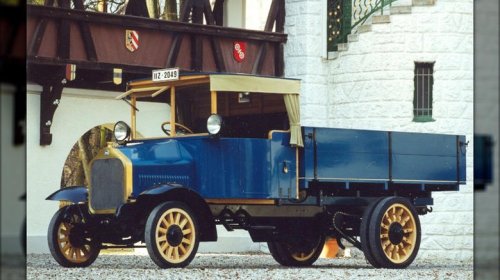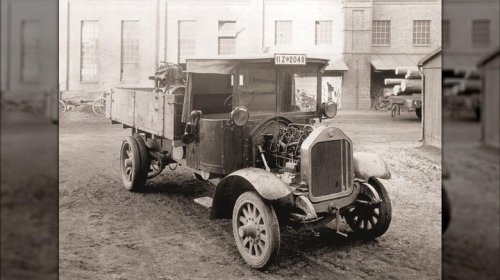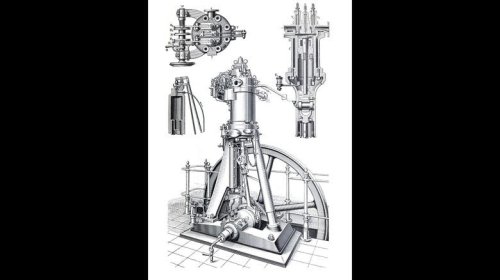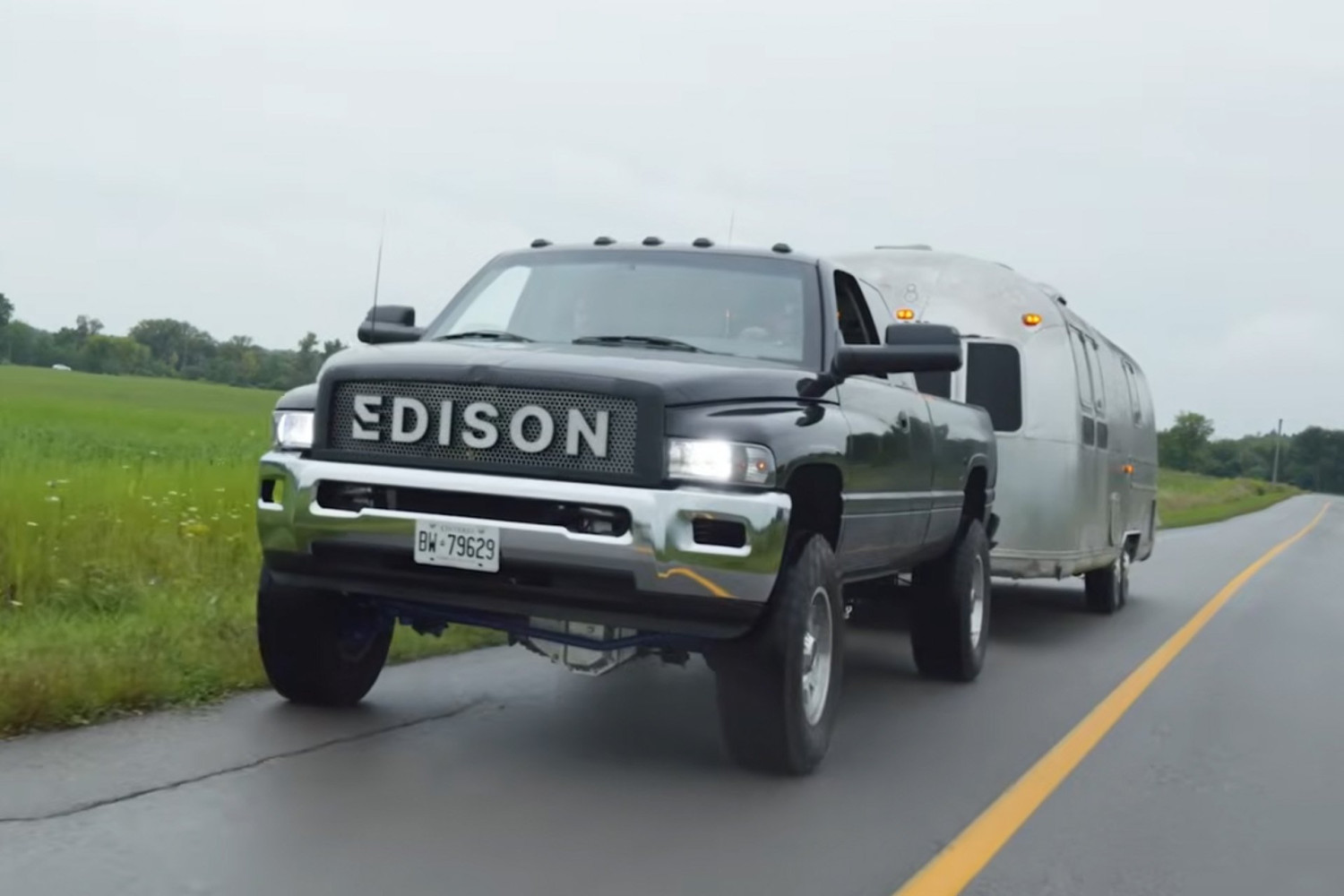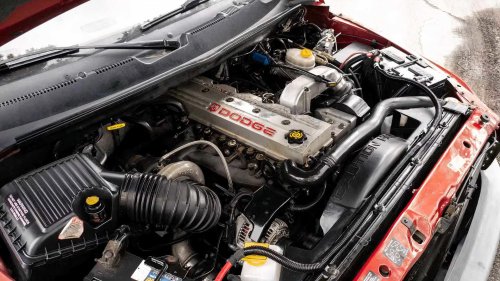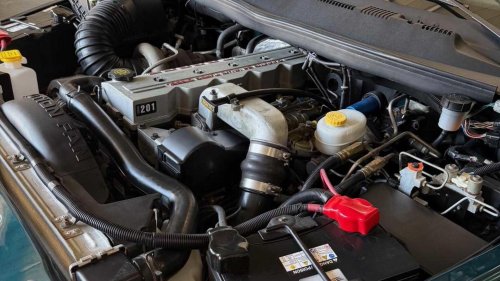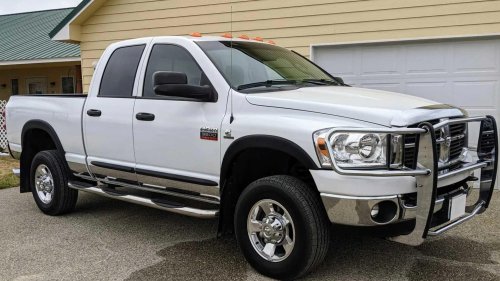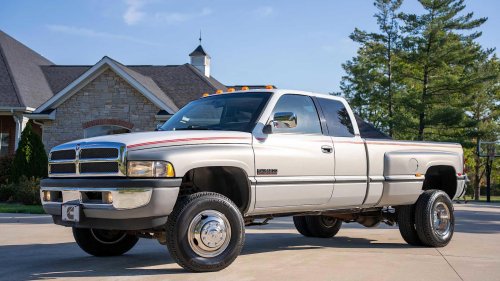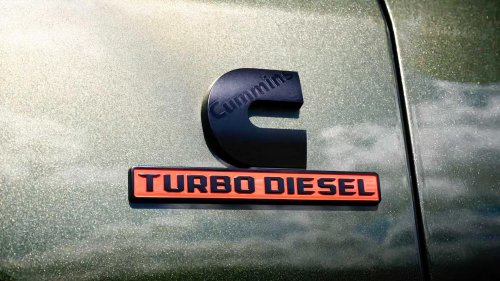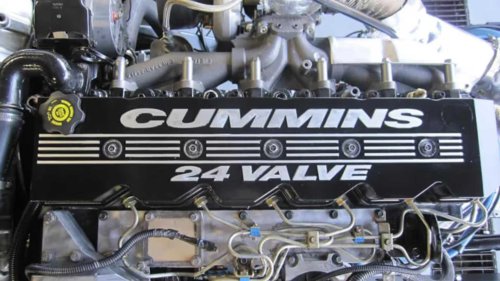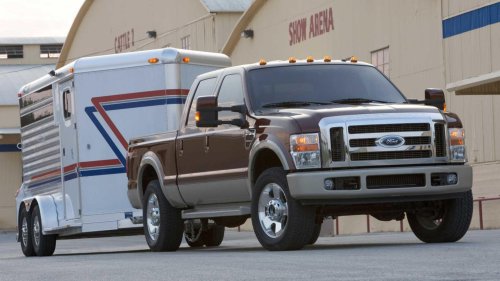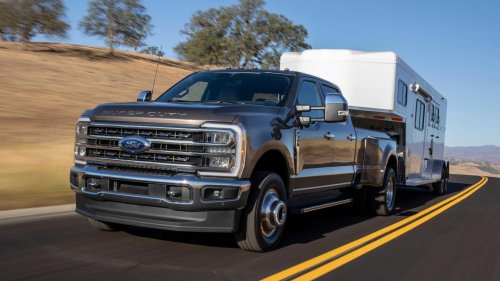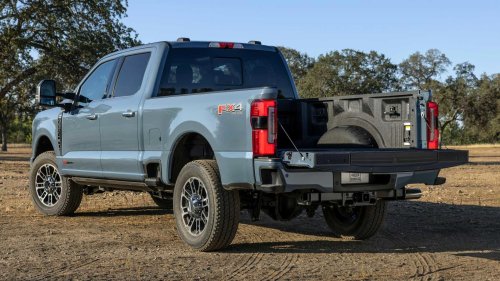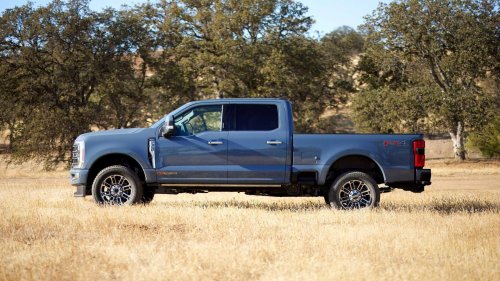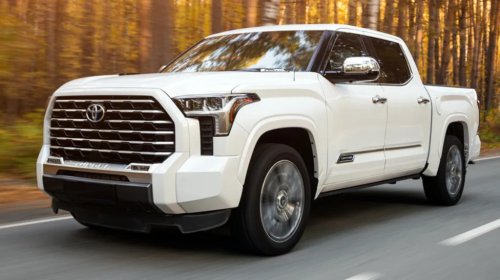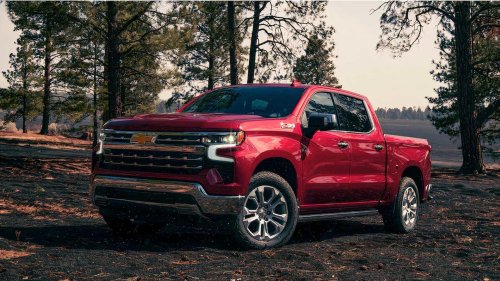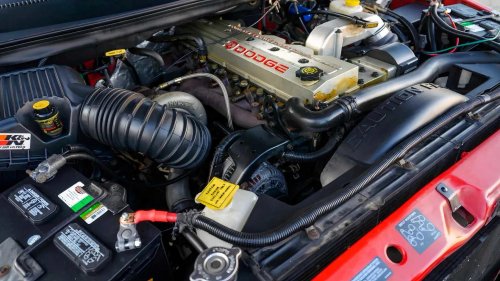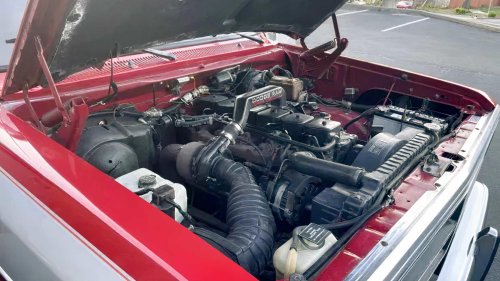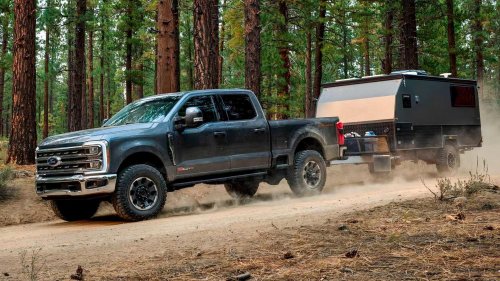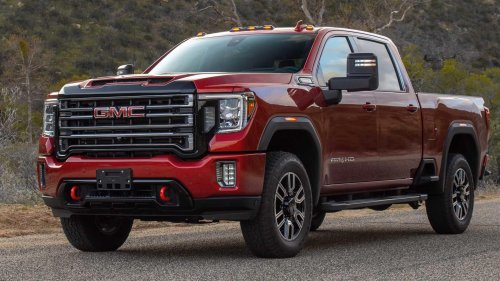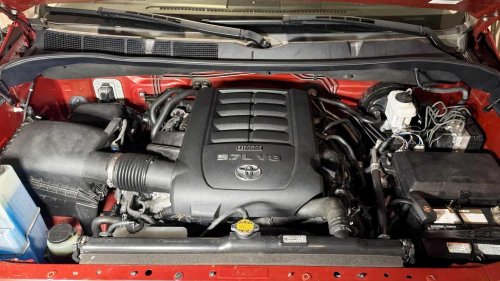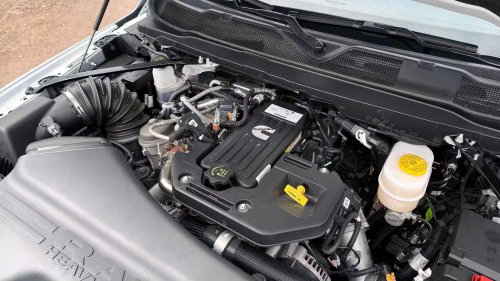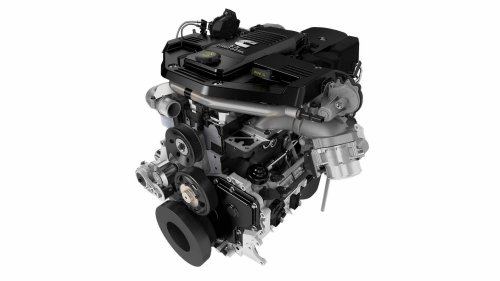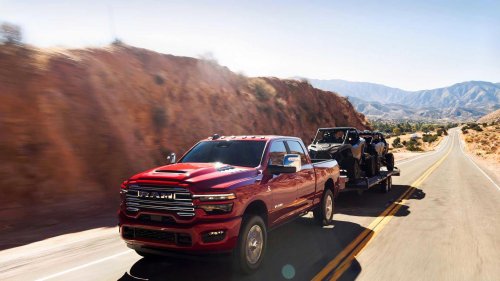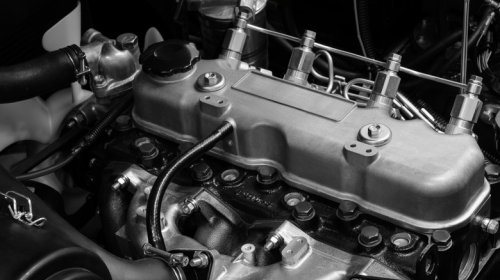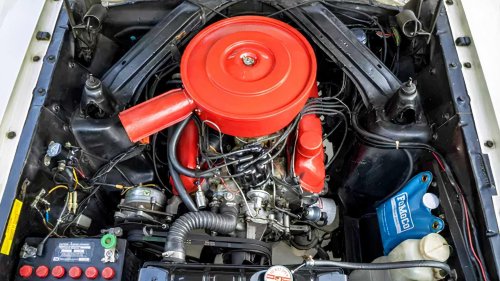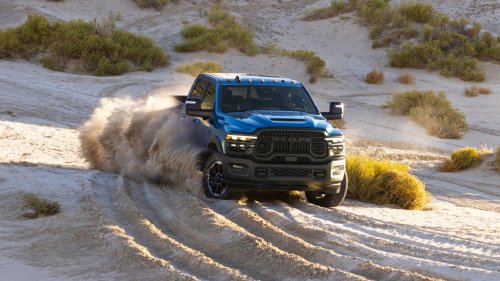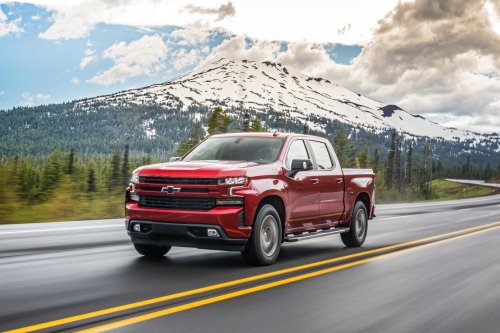
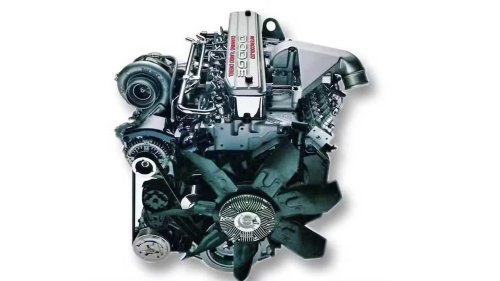
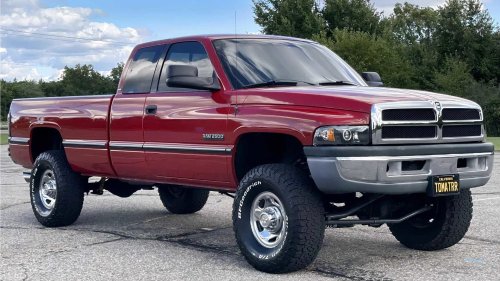
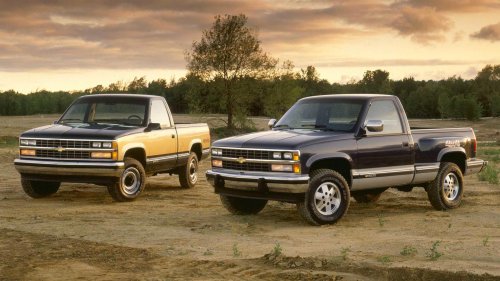
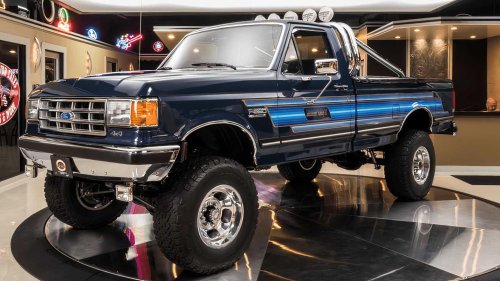



















I apologize for being cliché and saying they don’t make ‘em like they used to. But sadly, for diesel engines and pickup trucks, that is true! There's one iconic diesel engine that ran circles around its rivals that pickup truck owners still miss today.While it wasn't exactly the first durable diesel engine, it was the first one to be considered bullet-proof, which greatly increased competition in its class. Pickup truck owners have pride in their rides and want the best option possible.While owners compare various specs like towing capabilities and off-roading features, the most important aspect of proving that your truck is the best is reliability. Plus, diesel truck owners typically have more respect. So, having the most reliable diesel truck gave owners a sense of unmatched pride for work and play.This diesel engine is credited for building a reliable, hard-working, and efficient reputation that it gained in the 1990s. Despite being decades old, one engine with a simple design is still trucking today as owners continue to depend on it to outlast rivals.Pickup Trucks And Diesel Engines Simply Go TogetherVia ChevroletPressroomI grew up in South Carolina listening to men and women constantly talk about their pickup trucks needed for work and towing. While comparing brands such as Chevrolet and Ford to determine which had the best truck, people often got more excited when they found out a diesel engine was under the hood. I’m willing to bet this experience isn’t unique to the Southeast or me.The first diesel engine was placed in a Benz truck back in 1923 and immediately proved a benefit that diesel-powered trucks still provide today, over 100 years later. It proved to be more efficient by consuming 25 percent less fuel.Currently, the most fuel-efficient engine can be found in the 2026 Chevrolet Silverado 1500 and GMC Sierra 1500. The LZ0 3.0-liter I-6 turbo diesel engine delivers 305 hp and 495 lb-ft of torque while sipping fuel with an economy of up to 23 mpg in the city, 28 mpg on the highway, and 25 mpg combined. But some drivers report getting over 30 miles per gallon.Despite being around for decades, diesel pickup trucks didn’t become popular until the 1980s. This changed when drivers needed more towing power and durability. Plus, fuel prices were on the rise, so automakers wanted to improve fuel economy. But earlier options in the 1980s were notoriously slow, loud, and smoky.As they gained torque, diesel engines became superior for towing compared to gasoline engines. Plus, they have fewer parts as they lack spark plugs, ignition coils, and standard throttle bodies. This, along with having more convenient access to parts in the engine bay, makes diesel engines much easier to work on. The 12-Valve 5.9-Liter Cummins Is The First Bullet Proof Diesel Engine StellantisThis might come as a surprise, but the first pickup truck with the 12-valve 5.9-liter Cummins was a Dodge Ram. This diesel engine arrived in 1989 and was available with the Dodge Ram D250/W250 and D350/W350. The second generation was paired with the Dodge Ram 2500 and 3500 until it was replaced by the 24-valve ISB engine in the middle of 1998. It has an estimated fuel economy of up to 18 mpg in the city and 25 mpg on the highway.The 12-valve 5.9-liter Cummins churns out 160 to 215 hp and 400 to 440 lb-ft of torque. Based on truck configuration, the towing capacity with this engine ranges from 7,000 to more than 12,000 lbs. The 4.10 axle ratio provides a higher towing capacity over the 3.55 ratio. While the 5.9-liter Cummins could tow more, there were safety, braking, and drivetrain restrictions due to the maximum gross combined weight rating.It features a cast-iron block head, heavy-duty rod bolts, a forged steel crankshaft, connecting rods, high-flow heads, and a stroke of 4.72 inches. Plus, it has an inline-six design and benefits from mechanically controlled direct injection. The second generation, which was produced from 1994 to 1998, gained the legendary mechanical Bosch P17000 injection pump or 'P-pump' to boost its reliability even more.This engine features interchangeable parts. For example, the P71000 injection pump can be added to the 89 - 93 models. Other interchangeable parts include camshafts, turbos, and connecting rods. Overall, the simple design makes the 5.9-liter Cummins extremely easy to work on and rebuild. How Reliable Is The 12-Valve 5.9-Liter Cummins? Bring a TrailerThe 12-valve 5.9-Liter Cummins (6BT) is considered to be notoriously tough as one of the most reliable engines in the world. It set the benchmark for reliable and efficient power as rivals scrambled to catch up. Many examples have easily surpassed 300,000 miles while operating under stout workloads. Some units even last more than 500,000 miles before requiring major work.In heavy-duty and commercial applications, there are 6BT engines that have survived more than 1,000,000 miles. With regular care, the 6BT can operate for more than 20,000 hours in industrial and marine applications. Engines used for long-hauls on the highway tend to last longer than those used for heavy towing applications. However, regular care and routine maintenance are the key to survival.Some drivers report going even further. For example, Howard Clayoton has a Dodge Ram 3500 with over 2.6 million miles on the odometer. He bought the truck new and uses it to deliver RVs. While his truck still has the original engine, it was rebuilt, and the six-speed gearbox was replaced. Clayton travels 700 miles a day with 3,000-mile service intervals.Reportedly, there are 90 examples with more than one million miles on the odometer. The longest lasting example currently reigns supreme at about 3,016,789. Sometimes, owners may complain that everything else in the truck falls apart while the engine still has years of life left. For that reason, it’s still popular over newer diesel engines that feature more electrical components. Here’s Why General Motors Fell Short ChevroletA few other diesel engines gained fame in the 1980s and early 1990s despite not being able to survive nearly as long as the unkillable 12-Valve 5.9-Liter Cummins. For example, the General Motors 6.2-liter Detroit Diesel naturally aspirated V8 engine was in production from 1982 to 1993.The GM 6.2L engine provides between 130 and 160 hp and 240 to 285 lb-ft of torque. It can tow up to 13,500 lbs. It has an estimated fuel economy of up to 18 mpg in the city and up to 24 mpg on the highway.Problems with the GM 6.2-liter diesel engine relate to it being called gutless. It was designed to provide a superior fuel economy, not for power. So, it is a bit underpowered for heavy-duty towing. Also, the engine bottom is a bit weak, and the main bearing webbing is prone to cracking.Other problems involve it being difficult to start in cold weather due to faulty glow plugs, cracking cylinder heads, blown head gasket, broken crankshafts, and failing harmonic balancers. Still, with regular maintenance, this engine is known for making it between 200,000 and 300,000 miles. Some examples have survived more than 500,000 miles. Ford’s 1983 Design Couldn’t Compete Either Vanguard Motor SalesThe Ford 6.9-liter Indirect Injection V8 engine arrived in 1983 and remained in production until 1993. As a workhorse, the 6.9-liter IDI engine produces 170 hp and 315 lb-ft of torque with a towing capacity of 9,400 lbs. It gets an estimated fuel economy of 17 mpg in the city and 24 mpg on the highway.The Ford 6.9L IDI engine is also a bit slow and underpowered for heavy-duty towing. It also suffers from burning out glow plugs, causing issues with cold-weather starts. Air intrusion into the fuel lines allows fuel to drain into the tank, leading to hard starts or engine stalling. This problem is related to the fuel return lines, plastic caps, and O-rings degrading over time.More common problems include the oil-to-water seals failing, allowing oil to leak into the coolant, and earlier models lacking strengthening at the block heater port, leading to engine block cracking. Head gasket problems are related to overheating, and the water separator is weak.This engine does a bit better than General Motors’ with the ability to make it between 300,000 to 500,000 miles. Some owners report getting close to one million miles. One early problem that plagues this engine is the injection pump that requires servicing around 100,000 and 150,000 miles.Each of these early diesel engines helped pave the way for diesel dominance among pickup trucks with more torque for towing and unmatched efficiency. However, it was the 12-valve 5.9-liter Cummins (6BT) that cemented diesel engines with the reputation of being bulletproof thanks to unmatched reliability.