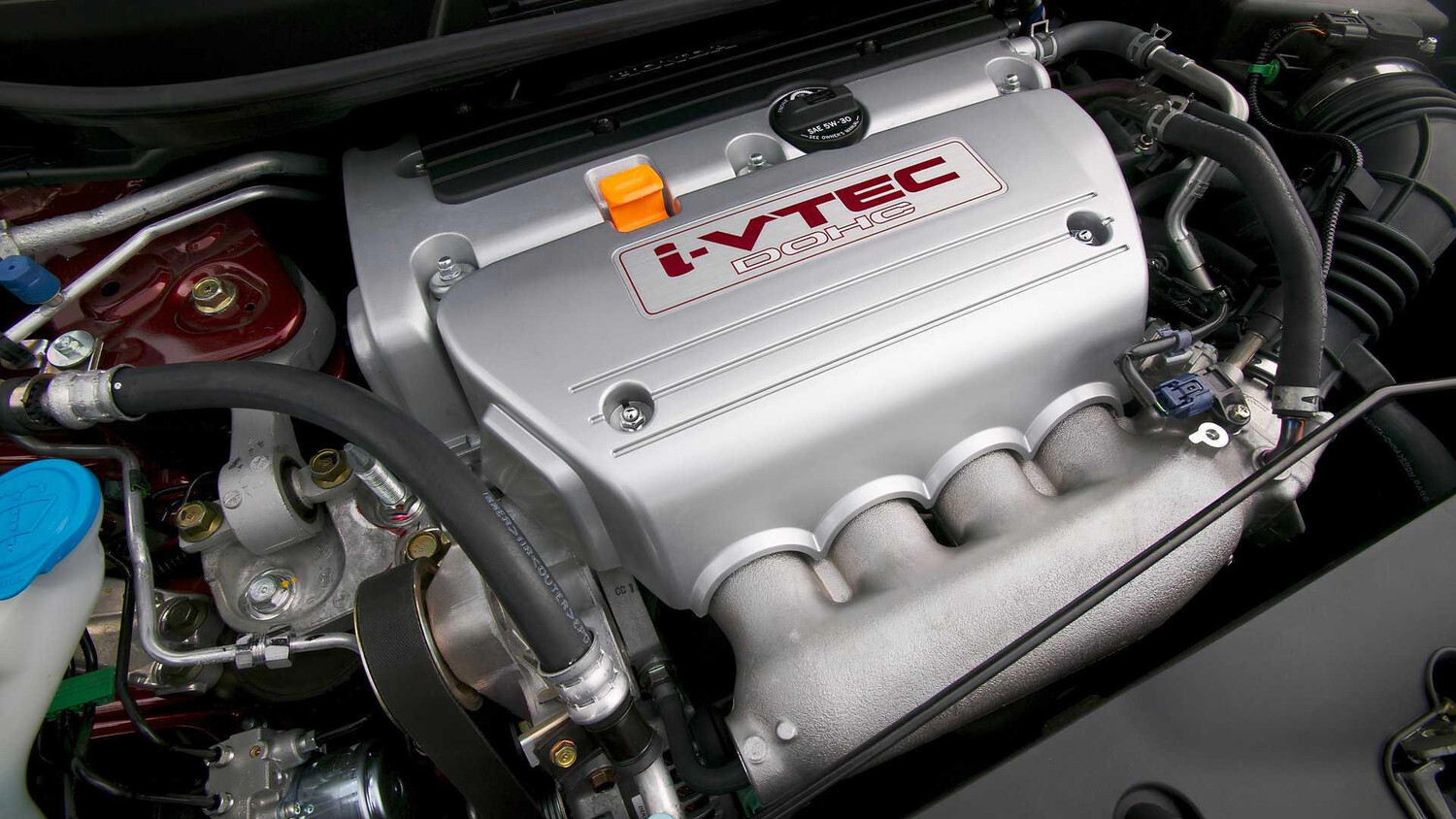
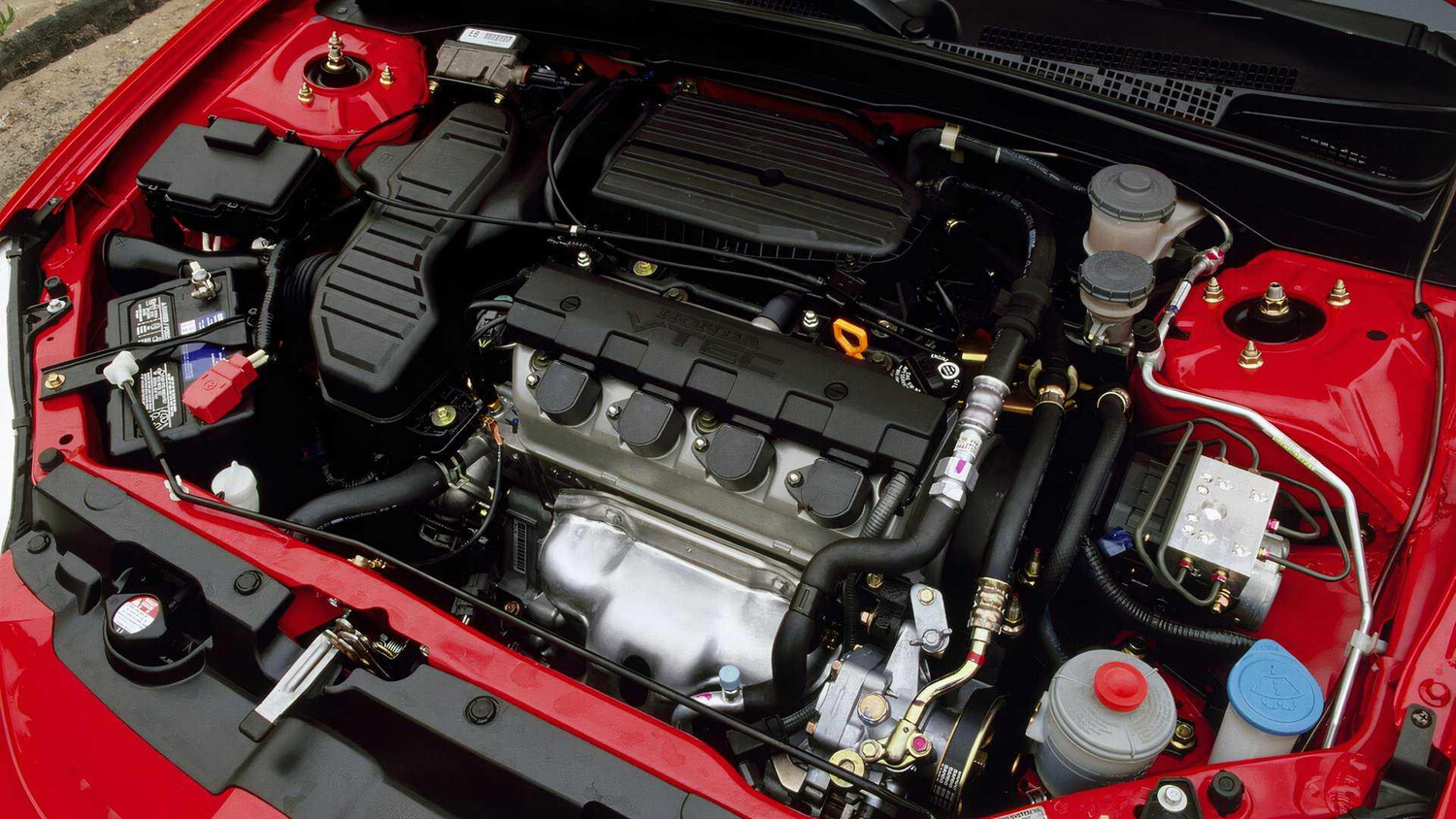
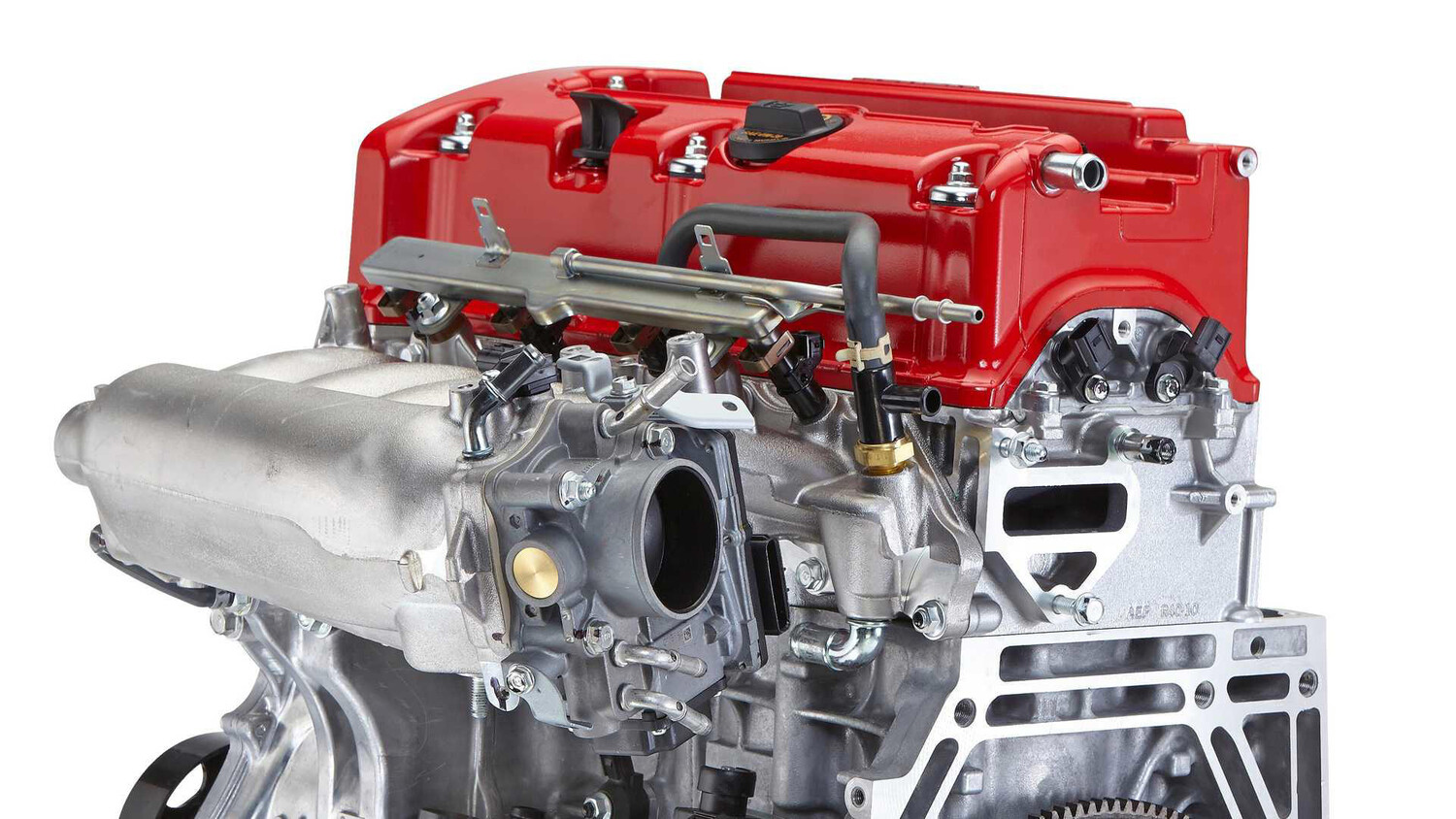
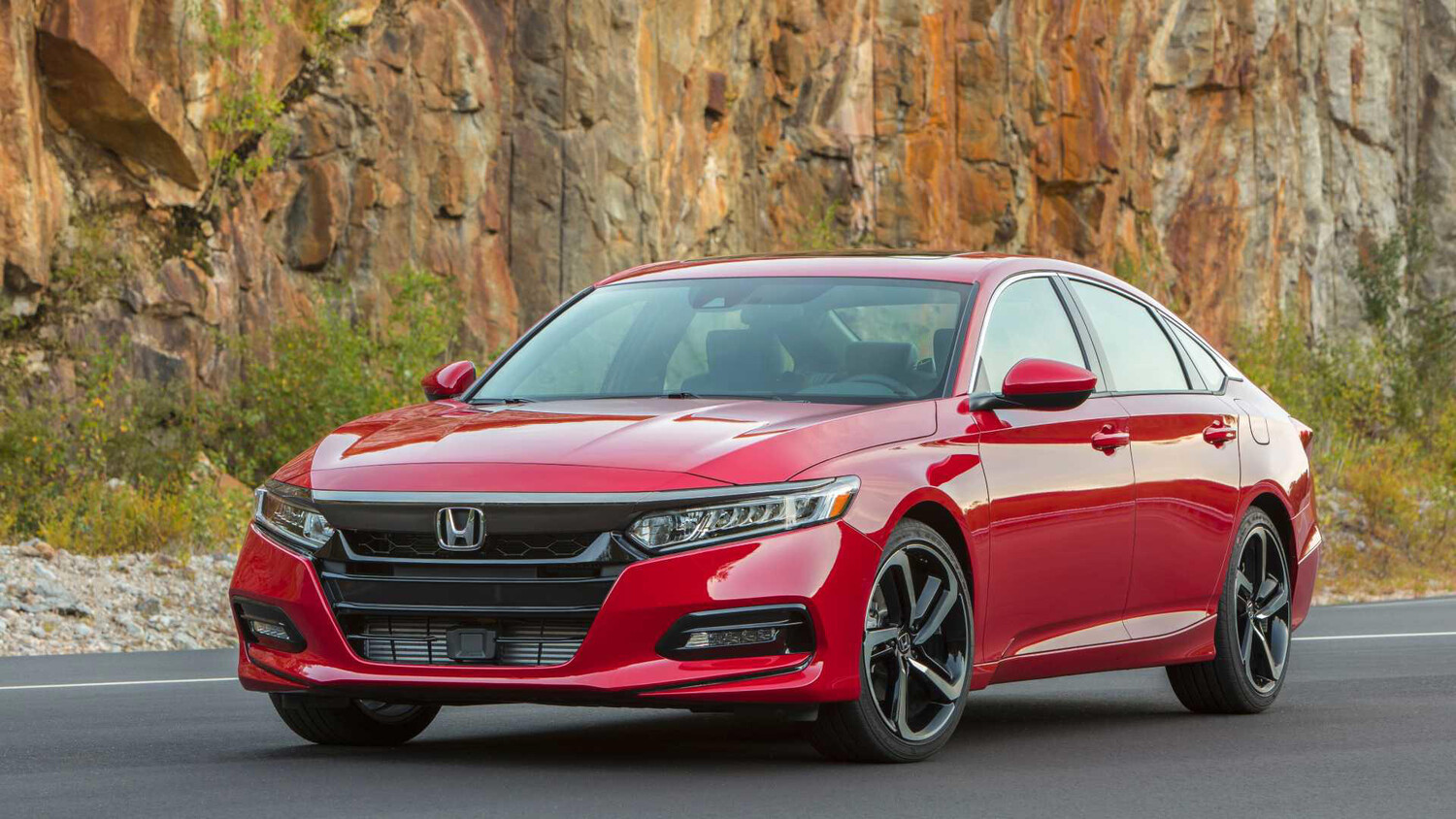
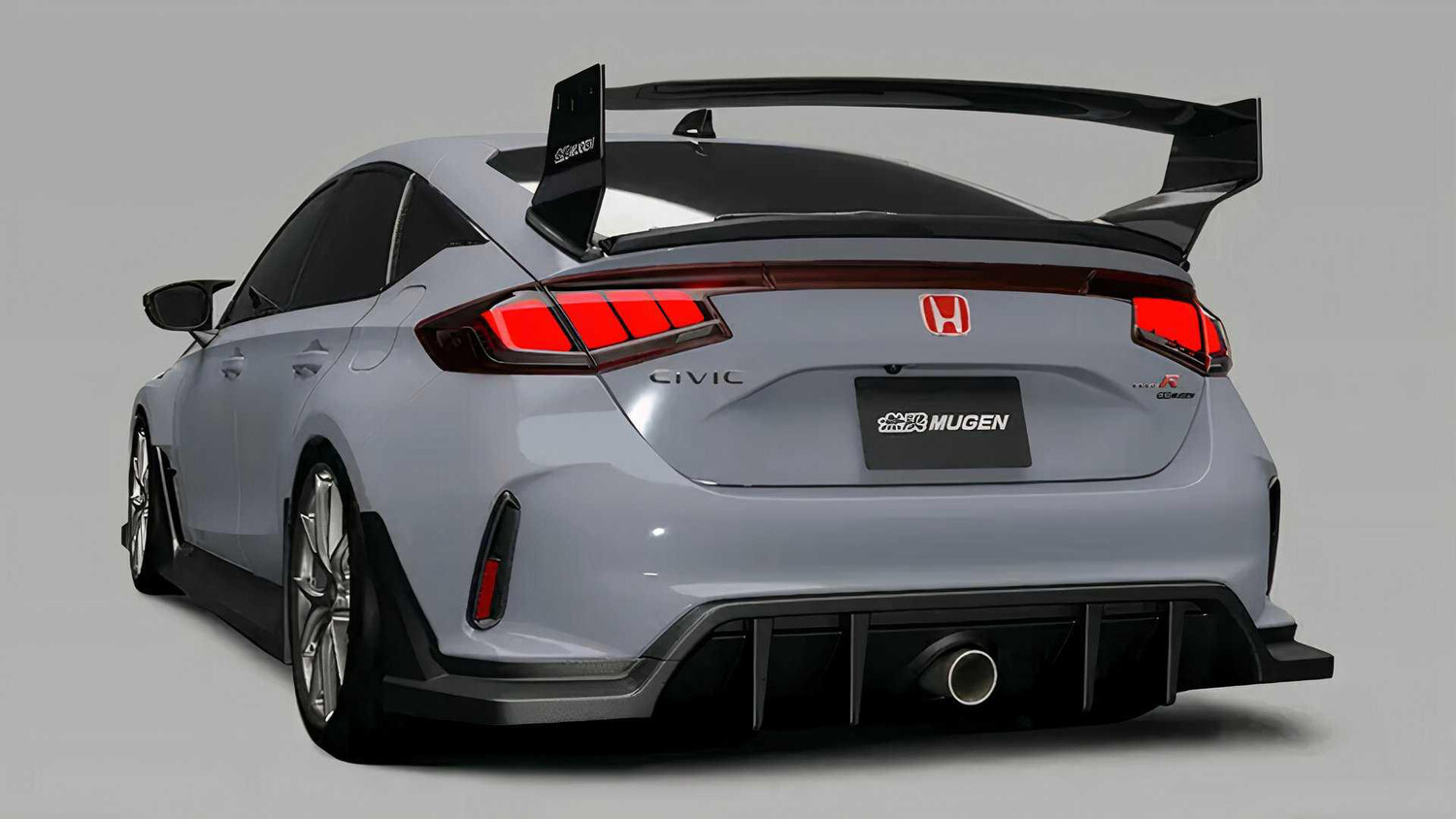
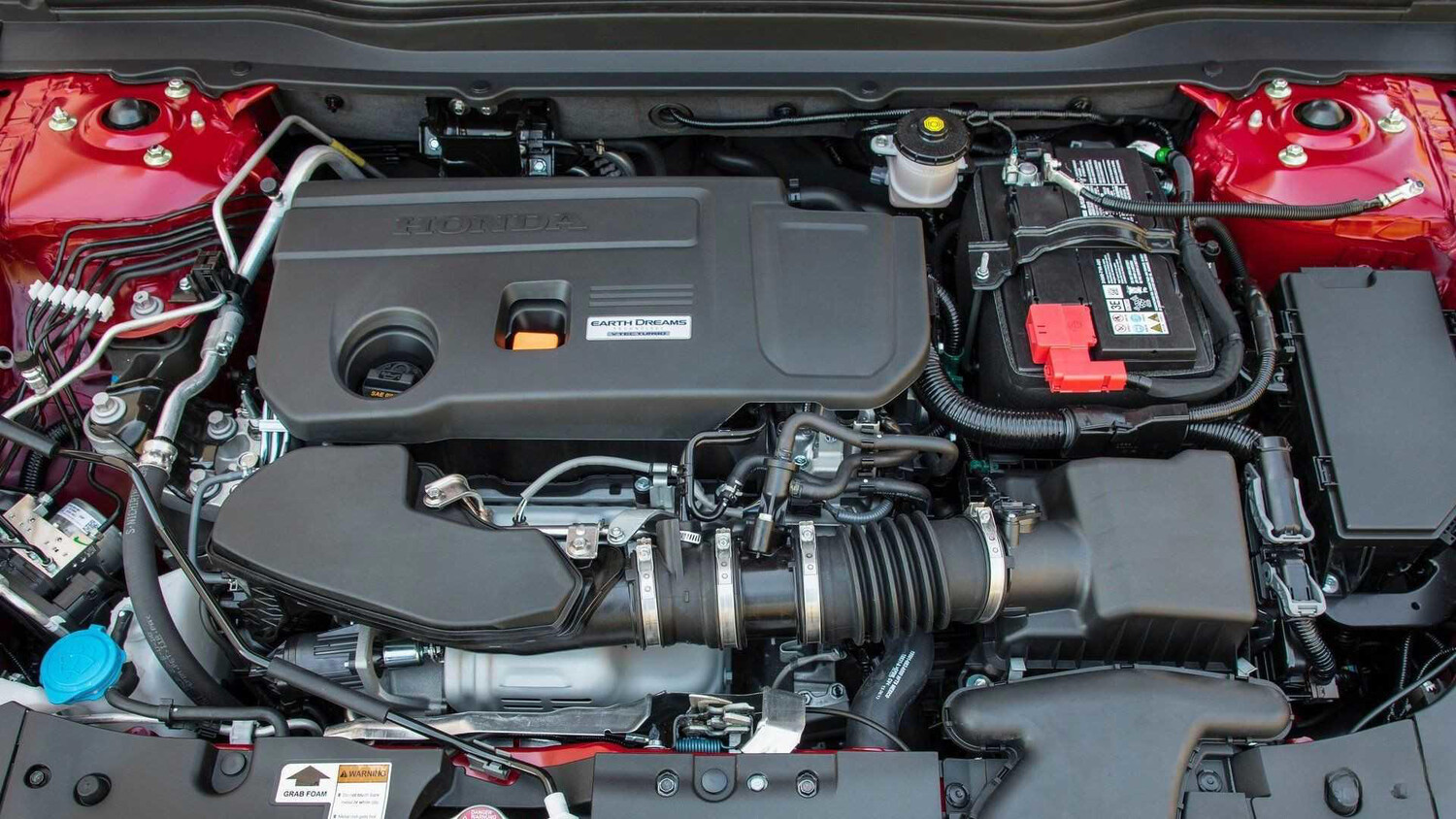
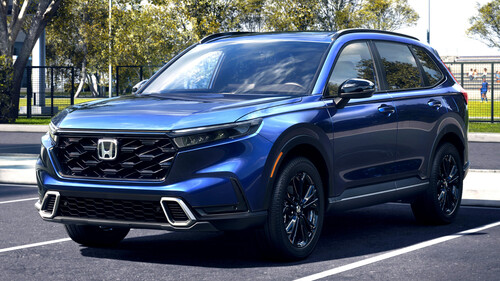
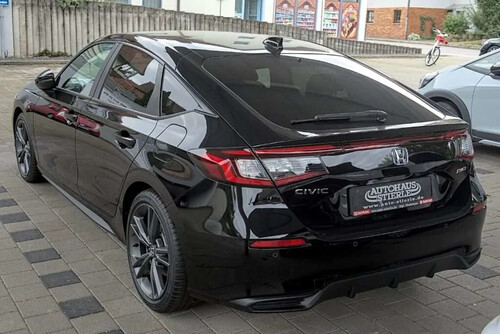
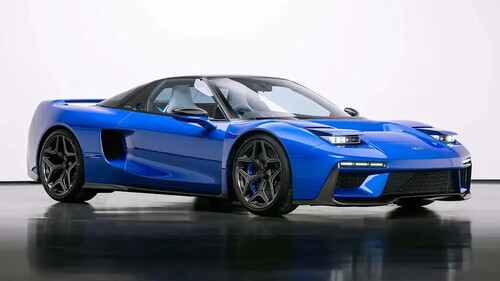
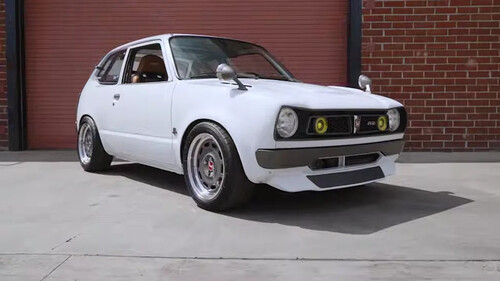
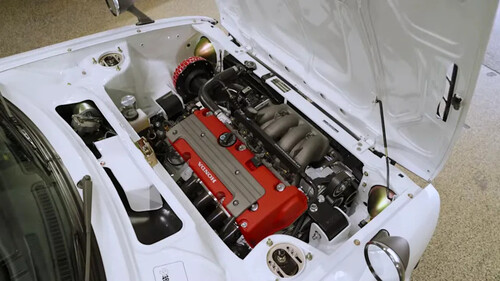
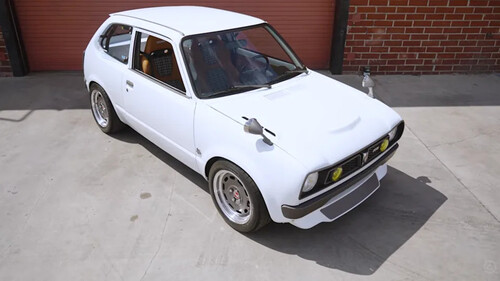
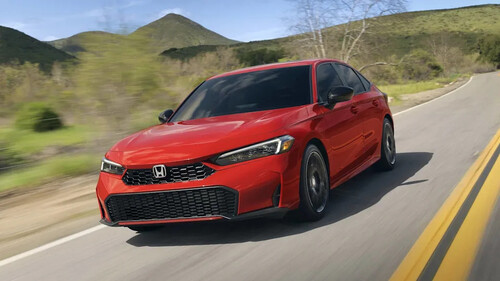
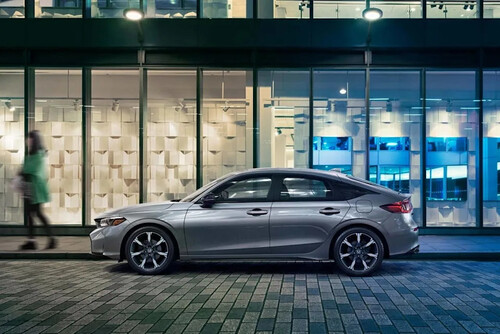
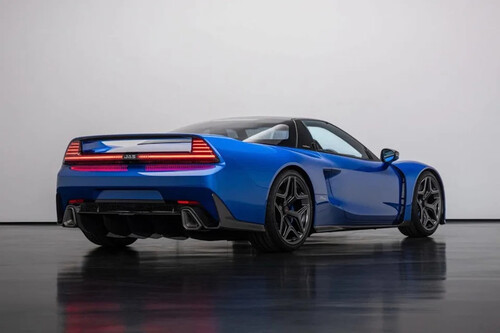
We all know the term K-swap, where a Honda K engine is put into another car, because this high-revving engine can be tuned to produce a lot of power. K-swaps are often used to spice up Miatas, or turn everyday Toyotas into hot sleepers. Another reason the K engines are popular is because they last so long, with care, for over 400,000 miles.The K-series engine family succeeded the legendary Honda B-series at the turn of the millennium and quickly established itself as the new staple of automotive engineering. K engines gave a balance of high-revving performance and reliable daily driving. They were and still are used across several generations and a wide range of Honda and Acura sedans, coupes, SUVs, and more, including the Civic Si and RSX, to the CR-V and Accord. K engines are inline-fours, with all-aluminum construction, DOHC configuration, and the legendary i-VTEC. Origins And Evolution Of The Honda K Series Honda The Honda K engine family made its debut in 2001, building on the success of the popular B-series. It brought Honda into a new era of performance, efficiency, and reliability. DOHC i-VTEC gave the K serious performance, but this engine also gained a reputation for longevity and reliability. Enthusiasts and everyday drivers often note that, with proper care, these engines will run past 300,000 and even 400,000 miles, way beyond the generally accepted engine lifespan of 200,000 miles. Introduction Of The K-Series Honda The original K engines were designed to replace Honda's B-series and bring newer technology to mainstream models. They featured DOHC with four valves per cylinder, a coil-on-plug ignition system, and Honda's i-VTEC variable valve timing. The latter continuously optimized valve timing for performance and efficiency, instead of switching in and out like the older VTEC designs. This gave the engine strong power delivery throughout the rev range, while still achieving maximum fuel efficiency. The K-series block and head were made from aluminum, while the cylinder sleeves were cast iron, to keep the weight down while resisting heat and wear. Evolution Through Variants Honda There are multiple variants in the K family, including the K20 and K24. These differ in displacement and tuning, but share the same durable architecture. The standard K20 has a square engine, with an 86mm bore and stroke, and a 2.0-liter displacement. The K24 typically has an 87mm bore and 99mm stroke, producing more torque. Over the years, Honda added turbocharged versions of the K engines, bringing more power, but keeping the durable fundamentals as a base. Engineering Features That Promote Longevity Isaac Atienza Solid engineering with a focus on durability, heat management, and super-efficient mechanical processes is the foundation of the longevity of the K-series engines. Materials used and the design of the engines resulted in minimum stress on parts, minimal friction, and efficient management of heat. These are the basis of the K engines' long lifespan and ability to keep going for way more miles than conventional engines. Robust Internal Architecture Honda The internal construction of the K engine plays a big role in its reputation for longevity. The die-cast aluminum engine block and head are lightweight, with excellent thermal efficiency. Cast iron cylinder sleeves may sound old-fashioned, but these can handle heat and wear better than most modern alternatives, while costing way less. Internals, including crankshafts and other parts that rotate, are forged. This makes them stronger and more resistant to metal fatigue than cast ones. Because they operate at reasonably moderate compression ratios and within conservative design margins, these components suffer less stress in normal use, resulting in slower wear and higher mileage. Advanced Valvetrain And Timing Nicole Wakelin | TopSpeed Honda's intelligent variable valve timing and lift electronic control (i-VTEC) used in the K series boosts performance and also contributes to the engine's reliability. The continuously-adjusting intake valve timing throughout the whole rpm range smooths out mechanical transitions, which reduces valvetrain stress when compared to the previous VTEC systems that relied on fixed cam profiles. The K engines also use chain-driven camshafts rather than timing belts, as these are more durable and require less servicing, reducing costs over the lifespan of the engine. Real-World Reliability: Why They Last So Long Honda The 400,000-mile lifespan of the K engines did not start as company hype, but grew from real-world owner experiences, often repeated and backed up in forum discussions, and mechanics who specialized in these engines. Obviously, every K engine will not last that long, but those that are properly cared for quite often do. Longevity starts with solid engineering design and manufacturing processes, is made possible and practical through widespread availability of parts, and will be enhanced by sensible and comprehensive maintenance. Maintenance Practices That Keep Them Going Honda Owner Experiences And Longevity Guillaume Fournier | TopSpeed There is no official register of which engines last longer and which don't, but a narrative does emerge from enthusiast forums and owner communities. There are numerous accounts of K engines running 300,000 to 400,000 plus with routine care and minor repairs. Given the tendency of consumers to list bad experiences rather than good, this does point to a lot of people using cars with K engines and being satisfied with what they have. When problems are mentioned, they are usually minor, like gaskets or sensors, rather than catastrophic engine failures. Limitations, Common Issues, And Aftermarket Support Honda To call the K-series engines infallible would be dumb. Any mechanical thing can fail, and the more complex, the more likely that something will go wrong. K engines are great and tend to last longer than most other engines, but they do wear over time, and things do break. But because the K family has been around for a quarter of a century, even though it evolved a lot, we know a lot about them. The issues that do crop up with K engines are well understood and can be managed. There is a massive aftermarket industry supporting the K-series, and this makes repairs, upgrades, and even full rebuilds both possible and quite affordable. Typical High-Mileage Wear Points Mugen When mileage starts to really pile on, some K engines can develop oil leaks in seals and gaskets. Leaks most often mentioned are in the front main seal or i-VTEC solenoid gasket. Another sign of extreme mileage is wear in the timing chain tensioner. The leaks can result in oil seepage, while the timing chain can become noisy, but these issues are normally manageable if detected early and dealt with. Engines with direct injection can accumulate carbon on the intake valves, but this is a maintenance, rather than a repair issue. Aftermarket And Rebuild Options Honda The K-series is probably the most tuned and rebuilt engine of the past few decades. Tuners and engine builders love these versatile and durable engines, and the aftermarket industry got into this from early on. There is a massive range of aftermarket performance and rebuild options to choose from. These include everything from performance cams to full turbo kits, well-made internal components, and peripheral parts like gaskets. Old K engines don't die, they just get rebuilt.