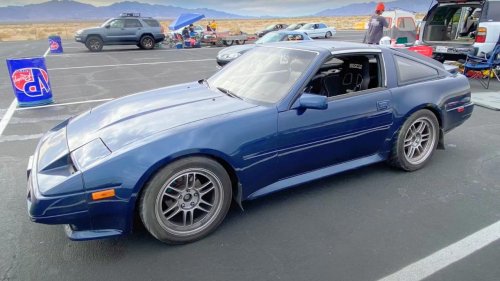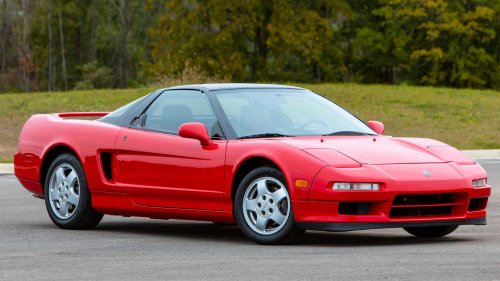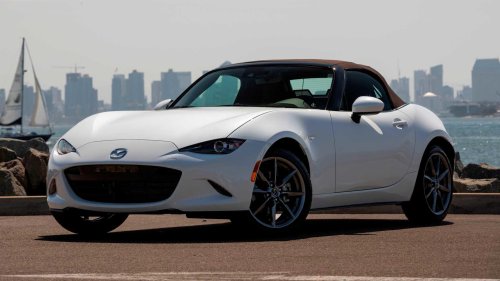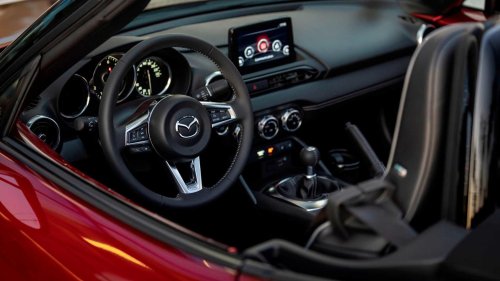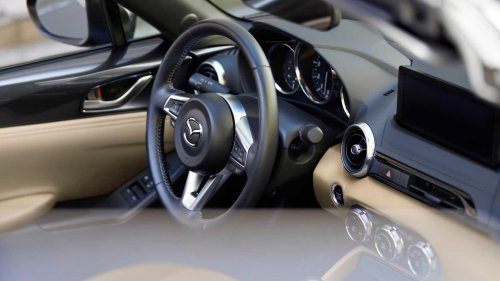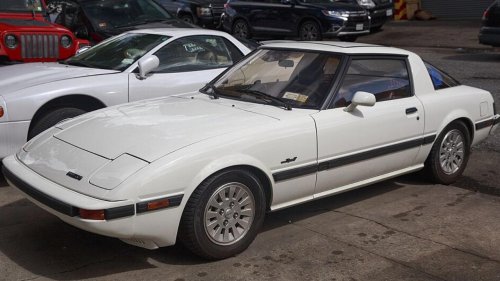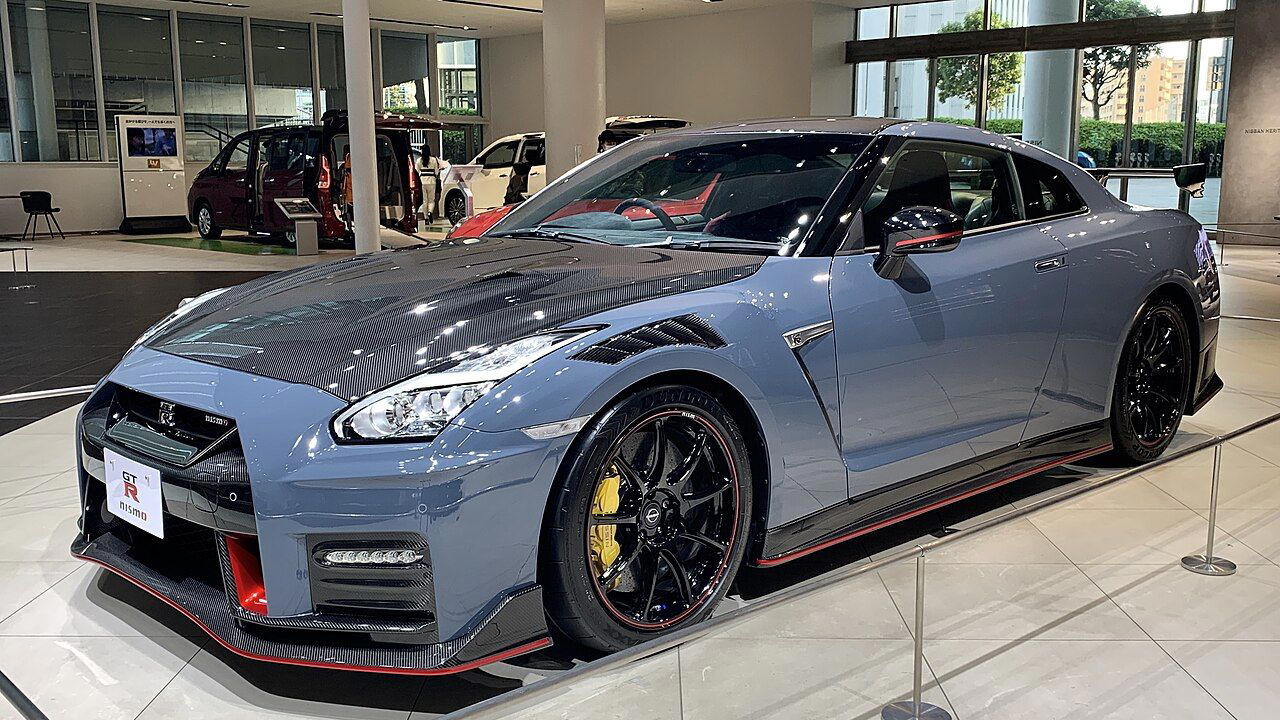



















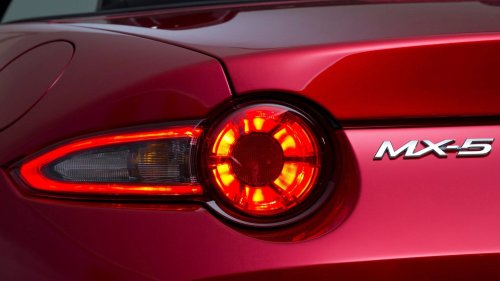
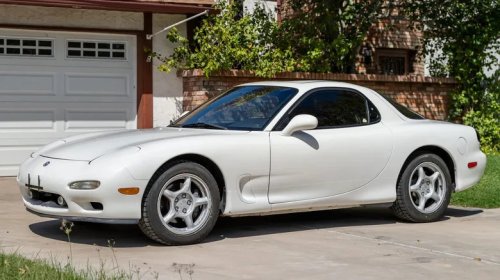

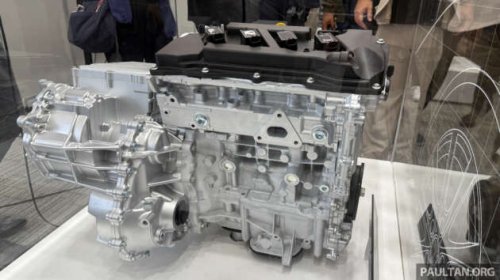


The world of sports cars has long been dominated by European manufacturers, known for their powerful engines and sleek designs. However, one Japanese sports car has emerged as a formidable contender, quietly outperforming its bigger European rivals and capturing the hearts of enthusiasts worldwide. The Rise of Japanese Sports Cars The evolution of Japanese automotive engineering in the late 20th century marked a significant turning point in the sports car market. Japan began to emerge as a powerhouse in the automotive industry, with manufacturers like Toyota, Nissan, and Mazda producing vehicles that not only matched but often exceeded the performance of European brands. The introduction of models like the Nissan Skyline GT-R in the 1980s and the Mazda RX-7 showcased Japan’s commitment to innovation, power, and agility. Beyond performance, these vehicles began to influence pop culture in Japan, becoming symbols of youth and rebellion. The JDM (Japanese Domestic Market) scene exploded, with enthusiasts tuning and modifying their cars, leading to a rich culture of automotive passion that still resonates today. Through car meets and racing events, Japanese sports cars became pivotal in shaping the landscape of motorsport both locally and internationally. Performance Metrics: How It Compares When it comes to performance metrics, the Japanese sports car that stands out often boasts impressive horsepower and torque figures. For instance, the Nissan GT-R, with its turbocharged V6 engine, can produce up to 565 horsepower, making it a formidable competitor against European heavyweights like the Porsche 911 Turbo. The acceleration figures speak volumes; the GT-R can go from 0 to 60 mph in just around 3 seconds, placing it in the same league as some of the best European models. Handling and agility are also crucial metrics where Japanese cars excel. They often feature advanced suspension systems that enhance weight distribution and cornering capabilities. The lightweight chassis of the Toyota Supra, for example, allows for incredible nimbleness on the track, giving it an edge over stiffer European models that may prioritize raw power over finesse. Real-world testing by enthusiasts consistently highlights these advantages, often leading to rave reviews that praise the blend of speed and control. Design and Aesthetics The design philosophies behind Japanese sports cars differ notably from their European counterparts. While European designs tend to emphasize elegance and grandeur, Japanese aesthetics often lean towards a more aggressive and angular approach. The sleek lines of the Honda NSX or the bold front fascia of the Toyota GR Supra exemplify this distinct style, attracting attention for their uniqueness and flair. Interior features in Japanese sports cars are also tailored to enhance user experience and comfort. The cockpit of a Mazda MX-5, for instance, is designed with the driver in mind, incorporating intuitive controls and high-quality materials without excessive flash. This practical yet stylish approach often makes Japanese sports cars more accessible to a wider audience, contrasting the sometimes overly luxurious interiors found in European vehicles. Moreover, aerodynamics play a crucial role in enhancing performance; designs that prioritize airflow can significantly improve speed and handling, making aesthetics and function work hand in hand. Technological Innovations Japanese sports cars are renowned for their technological innovations, particularly in engine technology. Advances in turbocharging, seen in models like the Subaru WRX STI, have allowed these vehicles to maximize power output while maintaining fuel efficiency. Hybrid systems, such as those found in the Toyota GR Prius, are also becoming increasingly common, showcasing Japan’s commitment to sustainability without sacrificing performance. Safety features in Japanese sports cars are another area where they excel. Manufacturers like Honda and Toyota have integrated advanced safety technologies, including adaptive cruise control, lane-keeping assist, and collision mitigation systems, which enhance the driving experience while ensuring driver protection. This focus on safety, combined with a reputation for reliability, makes Japanese cars appealing to consumers who prioritize long-term maintenance costs over initial purchase price. The Driving Experience The driving experience of Japanese sports cars is often highlighted by personal accounts from drivers who revel in the thrill of motorsport. Enthusiasts frequently share their stories on platforms like Reddit, discussing how the raw feedback from models such as the Nissan 370Z or the Subaru BRZ provides an exhilarating connection to the road that many drivers crave. For many, these cars are not just vehicles; they are an extension of their personalities and passions. Community and culture also play a vital role in enhancing the driving experience. Car clubs dedicated to specific models foster camaraderie among enthusiasts, offering opportunities for track days, meetups, and social events. These gatherings allow owners to share modifications, experiences, and tips, creating a rich tapestry of shared knowledge and excitement. Track performance reviews further bolster the reputation of Japanese sports cars, with many models consistently outperforming expectations in competitive environments. Market Reception and Popularity The market reception of Japanese sports cars has been overwhelmingly positive, with sales figures reflecting growing demand. For example, the Toyota GR Supra has seen a surge in popularity since its release, appealing to both new buyers and seasoned enthusiasts. Analyzing trends in the automotive market reveals that Japanese manufacturers often outpace European brands in terms of affordability and accessibility, attracting a broader range of consumers. Awards and accolades further validate the success of these vehicles; numerous Japanese sports cars have received recognition from automotive publications for their design, performance, and innovation. Collectability is another aspect that contributes to their popularity, with models like the Acura NSX and Nissan Skyline GT-R becoming sought-after classics. Factors such as rarity, historical significance, and performance capabilities contribute to their status as investment-worthy vehicles, often fetching high prices in auctions. The Competition: European Brands European sports cars have long been the gold standard in performance and luxury, with brands like Ferrari, Porsche, and Lamborghini maintaining a stronghold in the market. Their flagship models often feature cutting-edge engineering and exquisite design, making them desirable among affluent buyers. However, the rise of Japanese sports cars presents a compelling challenge to this dominance. Direct comparisons reveal intriguing insights; while a Porsche 911 Carrera may boast superior handling, the Nissan GT-R often levels the playing field with its advanced all-wheel-drive system and impressive power-to-weight ratio. Perceptions of Japanese versus European performance are evolving, as many enthusiasts now recognize the value offered by Japanese manufacturers, leading to a shift in the competitive landscape of the sports car market. Challenges and Criticisms Despite their achievements, Japanese sports cars face several challenges and criticisms. Market misconceptions often paint these vehicles as less capable than their European counterparts, leading to a stigma that persists among some automotive enthusiasts. Addressing these stereotypes is crucial for changing perceptions and highlighting the true capabilities of modern Japanese sports cars. Performance limits can also be a point of contention. While many Japanese models excel in various metrics, some may fall short when compared directly to European rivals in areas such as top-end speed or luxury features. This reality drives Japanese manufacturers to innovate and evolve, pushing the boundaries of what these cars can achieve in the face of fierce competition. The Future of Japanese Sports Cars Looking ahead, the future of Japanese sports cars appears bright, with several upcoming models generating excitement among enthusiasts. Brands like Toyota and Nissan are committed to pushing the envelope in terms of performance and technology, with electric and hybrid models set to redefine the sports car experience. The anticipated release of the next-generation Nissan Z and further developments in Toyota’s GR lineup promise to deliver exhilarating driving experiences. Sustainability and innovation are at the forefront of this evolution, as Japanese manufacturers increasingly focus on developing environmentally friendly technologies. As the automotive industry shifts towards electric power, the legacy of performance established by iconic Japanese cars will undoubtedly influence future designs and models, ensuring that the spirit of competition remains alive. More from Fast Lane OnlyUnboxing the WWII Jeep in a Crate15 rare Chevys collectors are quietly buying10 underrated V8s still worth hunting downPolice notice this before you even roll window down