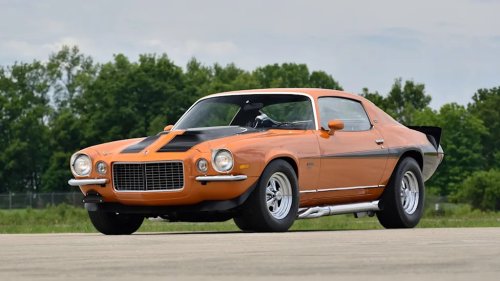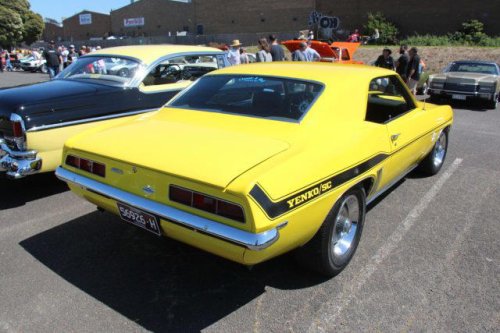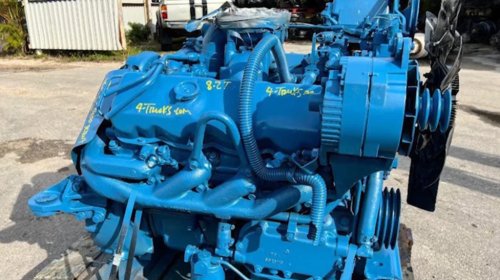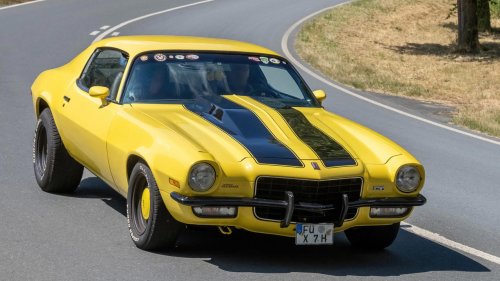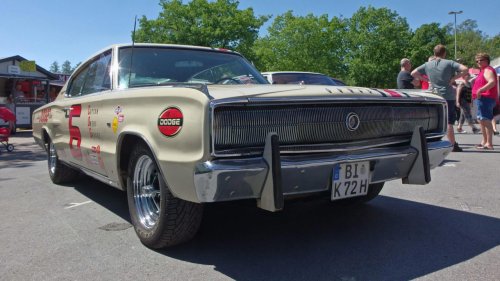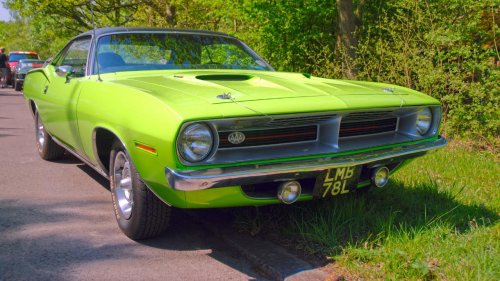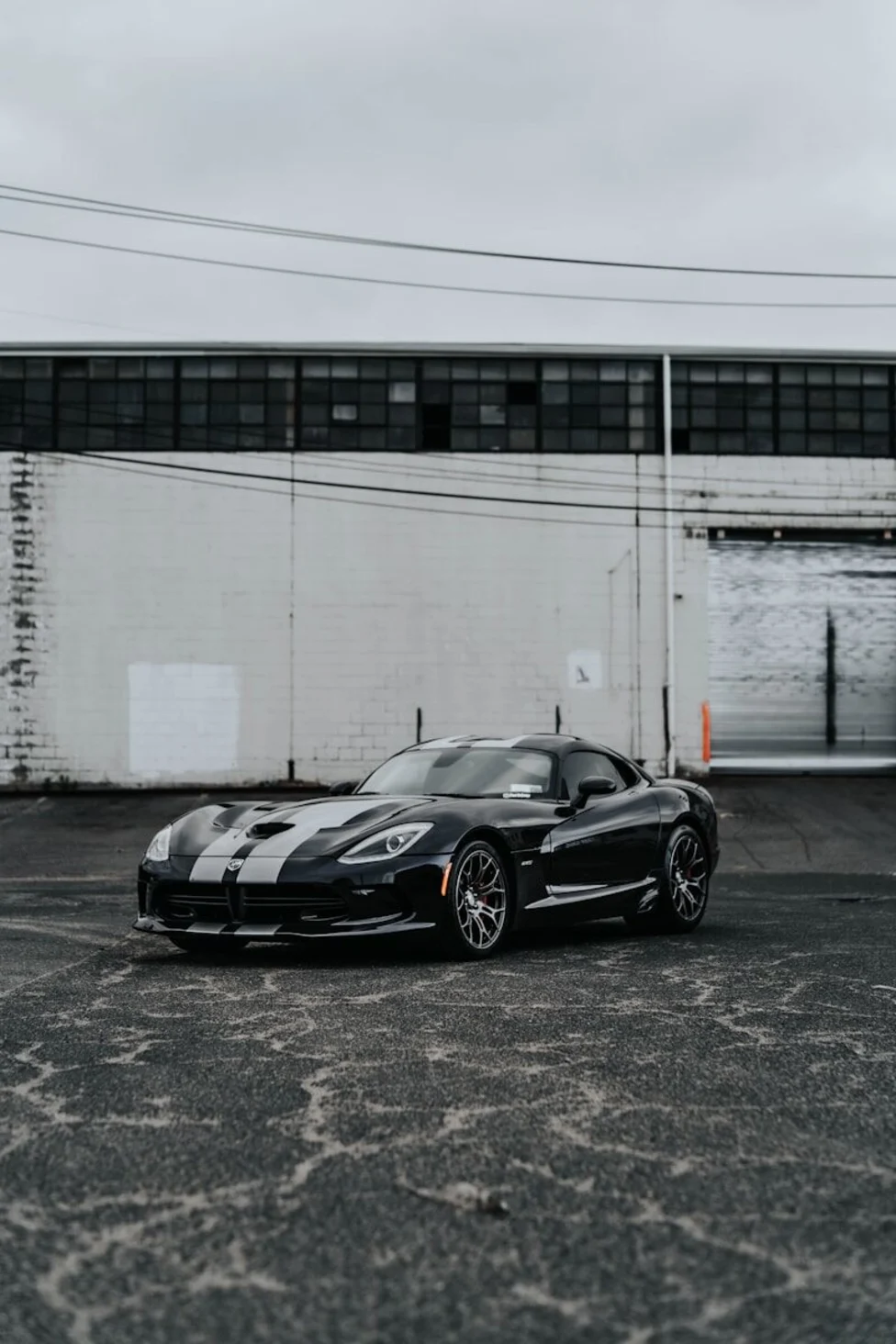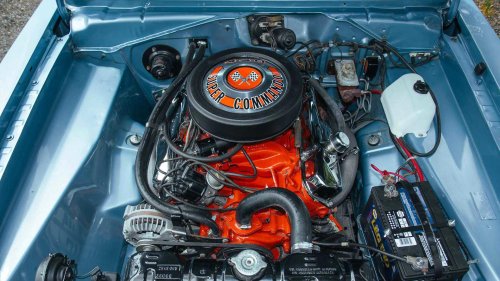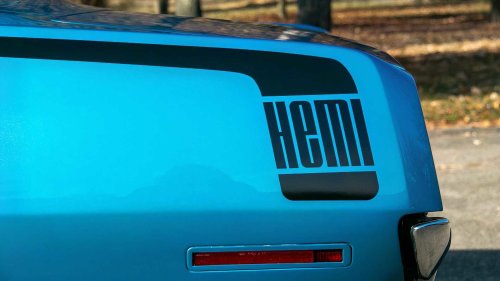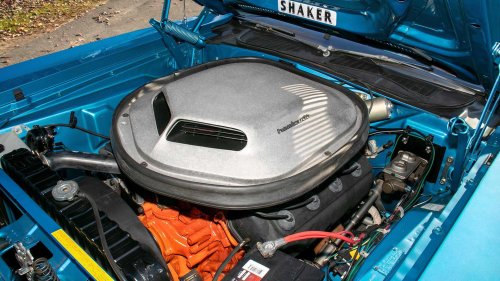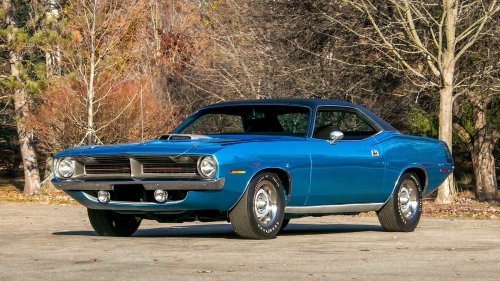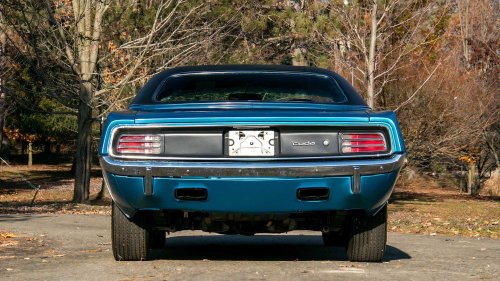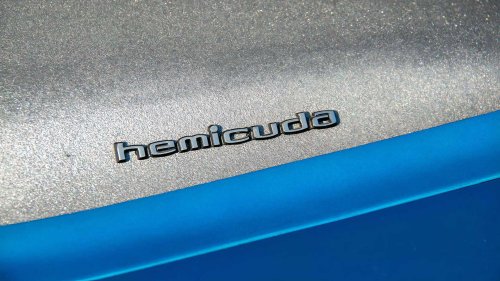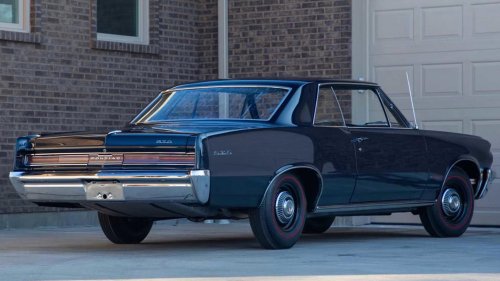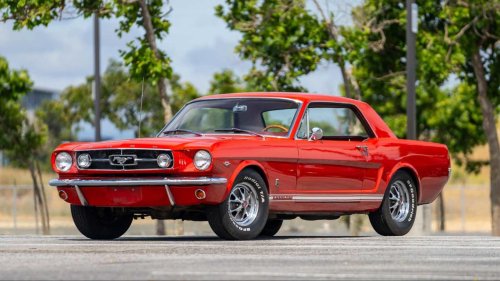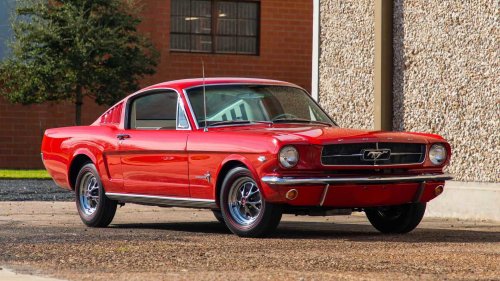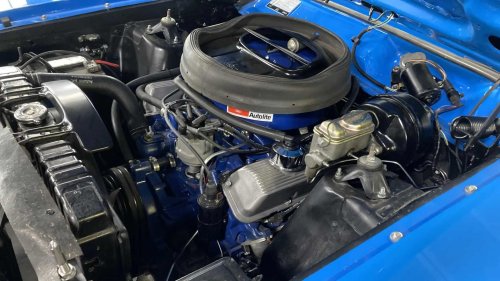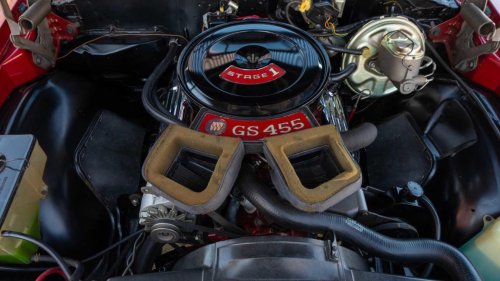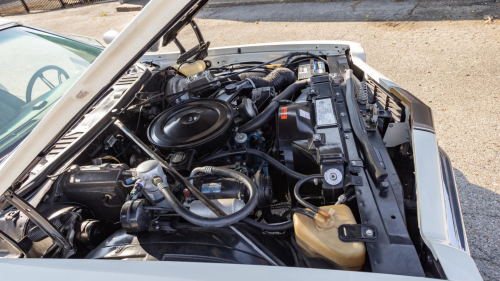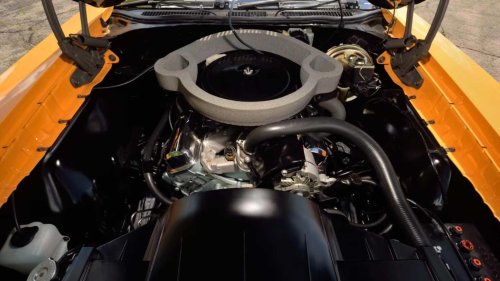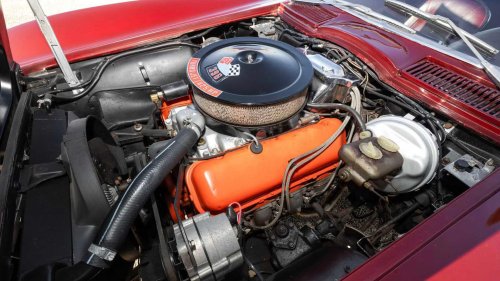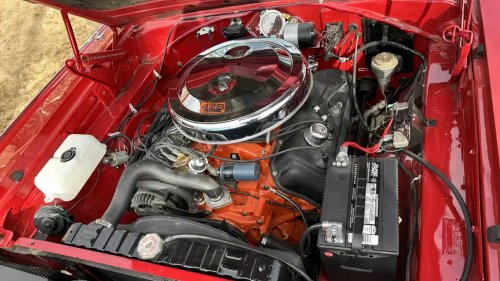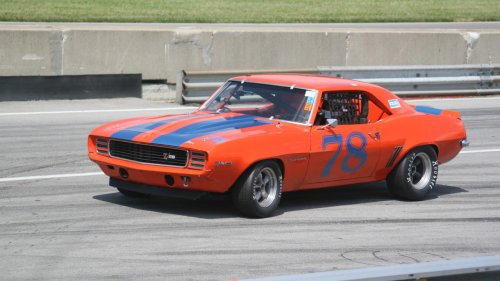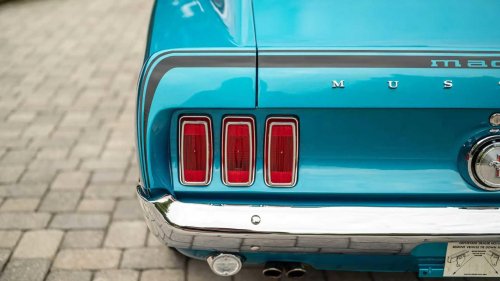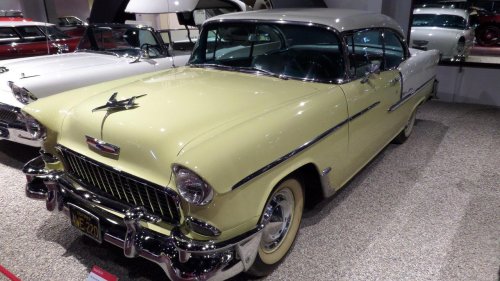
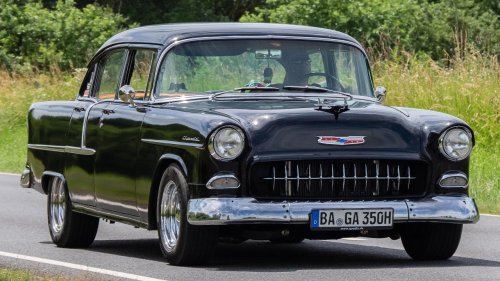
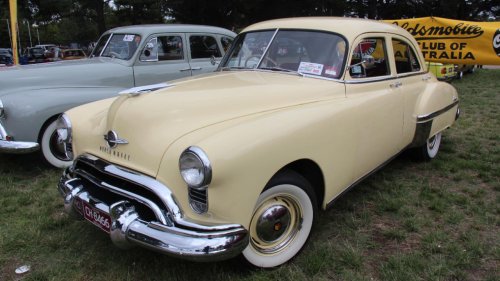
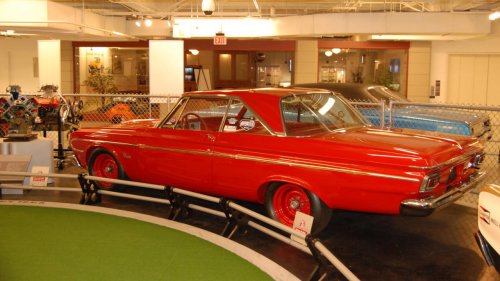
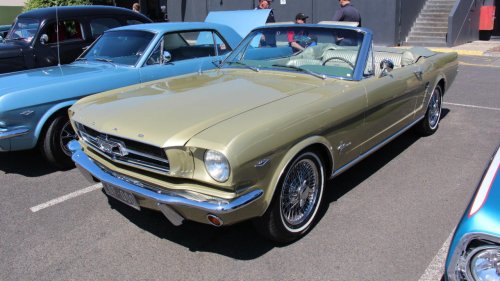
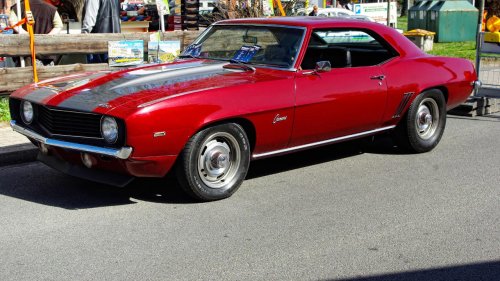
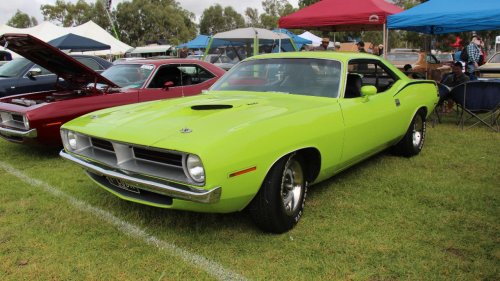
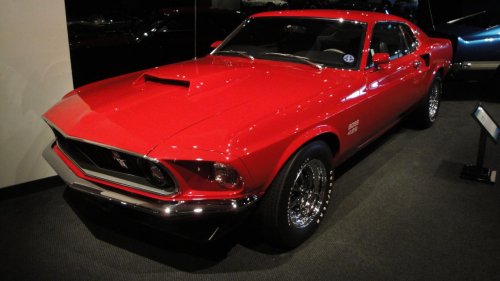



















You feel the legend of Detroit every time a big American V8 clears its throat at a stoplight. To see how that legend took shape, you can follow eight cars whose engines turned raw displacement into national obsession, from early postwar torque monsters to modern screamers that still keep the muscle flame alive.1955 Chevrolet Bel AirThe 1955 Chevrolet Bel Air lets you experience the moment Detroit discovered how compact power could transform everyday driving. Under its hood, the original Chevrolet Small Block arrived as a tidy, lightweight V8 that fit almost anywhere and pulled harder than most straight-sixes. When you look at how long the 1955 to 2003 production run lasted, you see why one source calls the Chevrolet Small Block the backbone of the American performance scene. In a Bel Air, that engine gave you effortless cruising and cheap speed with a simple cam swap or dual exhaust. Hot rodders learned that the compact block responded to tuning far better than the heavy mills it replaced. If you trace modern crate engines and grassroots racing builds, you still feel the 1955 Bel Air’s influence every time someone reaches for a small block swap.1949 Oldsmobile 88The 1949 Oldsmobile 88 shows you how Detroit first blended a relatively light body with a serious overhead valve V8. When you drop the new Oldsmobile Rocket engine into the 88 shell, you get a car that many historians point to as the first true muscle car template. Reporting on the Oldsmobile Rocket highlights how that 88 combination quickly became a favorite in early stock car racing. As a driver, you would have felt the leap from flathead smoothness to overhead valve urgency. The 88 could haul a family during the week and then line up at the dragstrip on Saturday night. That dual personality set expectations for every V8 sedan that followed and proved you did not need a stripped coupe to enjoy serious Detroit power.1964 Plymouth Belvedere HEMIThe 1964 Plymouth Belvedere with the 426 Hemi lets you tap into Detroit’s most feared race engine. The Chrysler 426 Hemi arrived as a purpose built big block with hemispherical combustion chambers that racers quickly nicknamed the “elephant engine” for its size and strength. Coverage of the 426 Hemi notes how it first appeared in 1964 and was rated at 425 horsepower. When you ordered a Belvedere with this engine, you were essentially buying a factory race car with license plates. Later accounts of the HEMI racing success explain how dominance on drag strips and high speed ovals eventually triggered rule changes that targeted big block engines like this one. That backlash proves how thoroughly the Belvedere Hemi reshaped Detroit’s idea of performance.1965 Ford Mustang GT 289The 1965 Ford Mustang GT 289 gives you a front row seat to the moment performance went mainstream. You could order a stylish coupe or fastback, then check the box for a high revving small block that turned a secretary’s car into a street fighter. Later small block families such as The Ford Modular Engine and the modern Ford Coyote trace their philosophy back to this mix of compact packaging and usable power. In GT trim, the 289 let you enjoy long highway pulls and weekend autocross runs with equal confidence. You could tune it with simple bolt ons and still rely on it as a daily driver. That balance encouraged younger buyers to see Detroit V8s not just as drag strip tools but as partners in everyday freedom.1969 Chevrolet Camaro Z/28The 1969 Chevrolet Camaro Z/28 represents Detroit’s road racing side of the V8 legend. Instead of chasing big cubic inches, you get the high winding 302 cubic inch small block built to meet Trans Am displacement rules. Enthusiast rankings that place the Chevrolet 350 Small Block near the top of a Table of Contents for great engines help you see how the same architecture supported both the 302 and the later 350 based performance Camaros. Behind the wheel, you would work the Z/28 hard, living above 5,000 rpm where the 302 really sang. That character taught Detroit that not every legendary V8 had to be a drag strip torque monster. Some of the most memorable engines, including later small blocks, earned their status by rewarding you for using every gear and every last rev.1970 Plymouth Hemi ’CudaThe 1970 Plymouth Hemi ’Cuda lets you feel what happens when a pure race engine meets a showroom muscle car body. By this point, the 426 Hemi had already proven itself in competition, and dropping it into the compact E body created one of the most intimidating street cars Detroit ever sold. Accounts of the HEMI engine describe how its success continued until rule changes and shifting tastes pushed big blocks aside. When you drove a Hemi ’Cuda, you managed a lumpy idle, heavy clutch, and traction problems that started the moment you brushed the throttle. Yet that unruly behavior is exactly why collectors chase these cars now. They capture the last moment when Detroit let race bred hardware roll straight from the assembly line to Main Street.1969 Ford Mustang Boss 429The 1969 Ford Mustang Boss 429 shows you how far Detroit would go to win on Sunday. To homologate a new big block for NASCAR, engineers shoehorned the wide 429 cubic inch V8 into a Mustang body that was never meant to hold it. Reporting on the Ford Boss highlights a Maximum Power rating of 375 horsepower, along with the detail that each Shot of the 429 cubic inch engine in a 1969 Ford Mustang Boss 429 was hand assembled. From your seat, that meant a lumpy, under rated monster that begged for headers and carb tuning. The Boss 429’s rarity and racing purpose turned it into a halo car that still shapes how you think about homologation specials. It proves that sometimes Detroit’s wildest V8s existed mainly to satisfy rule books, not accountants.