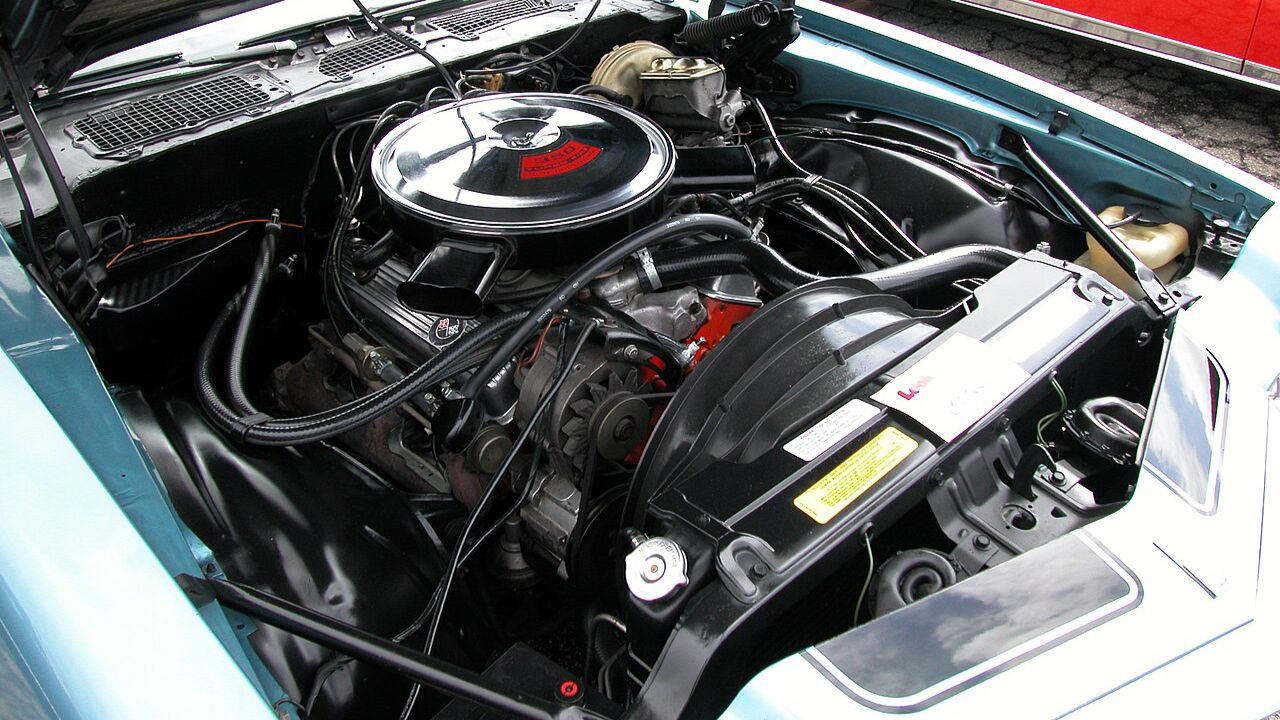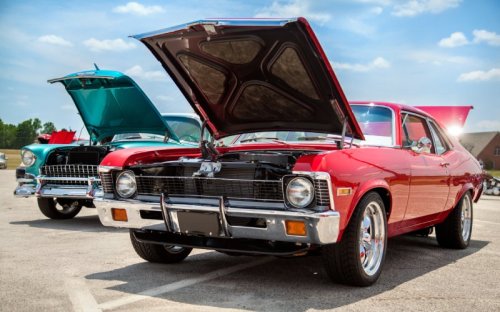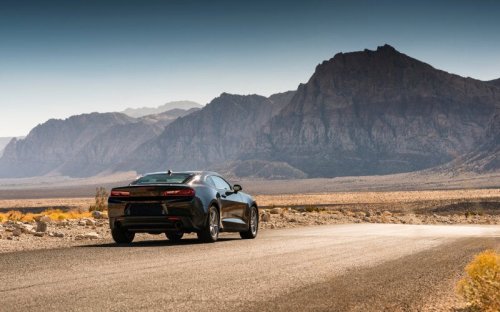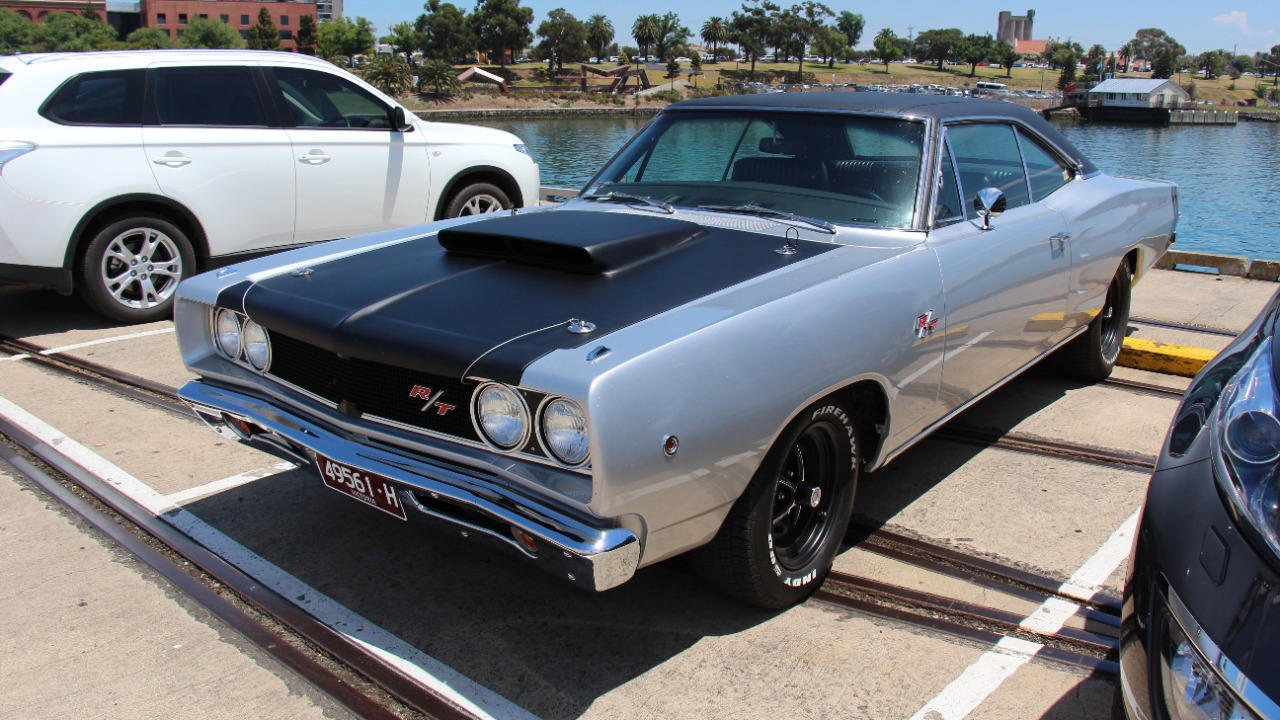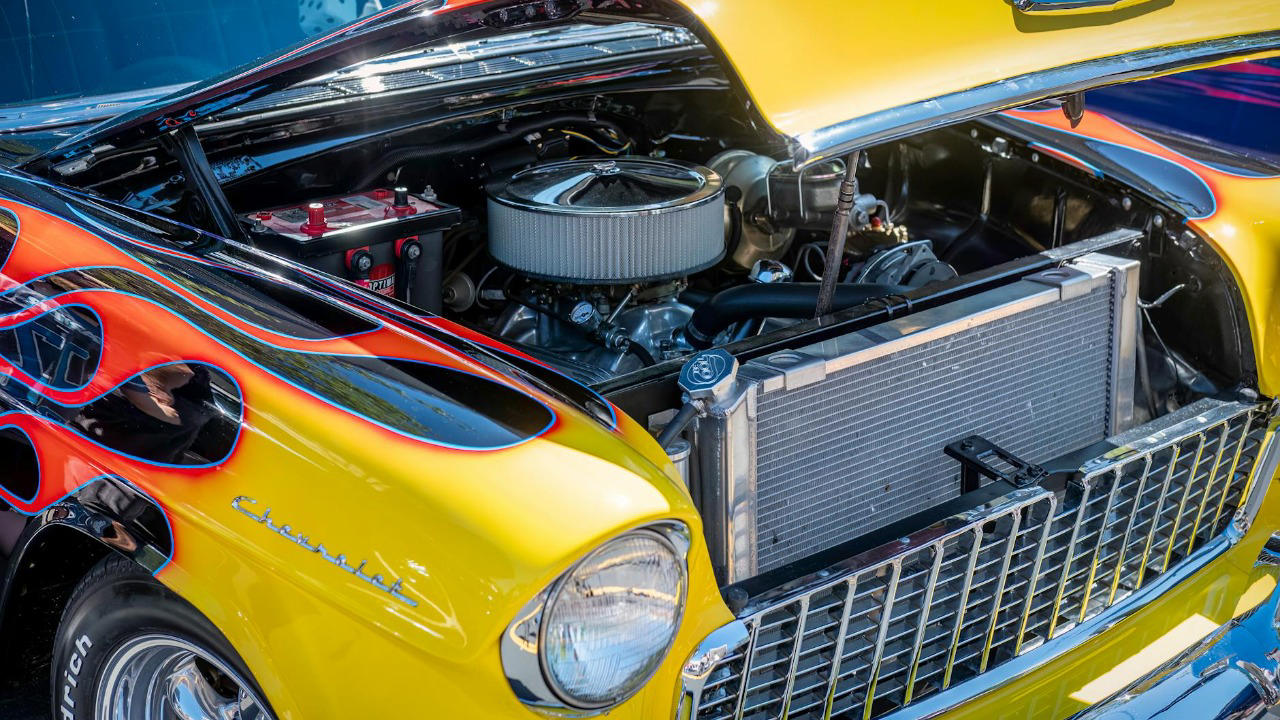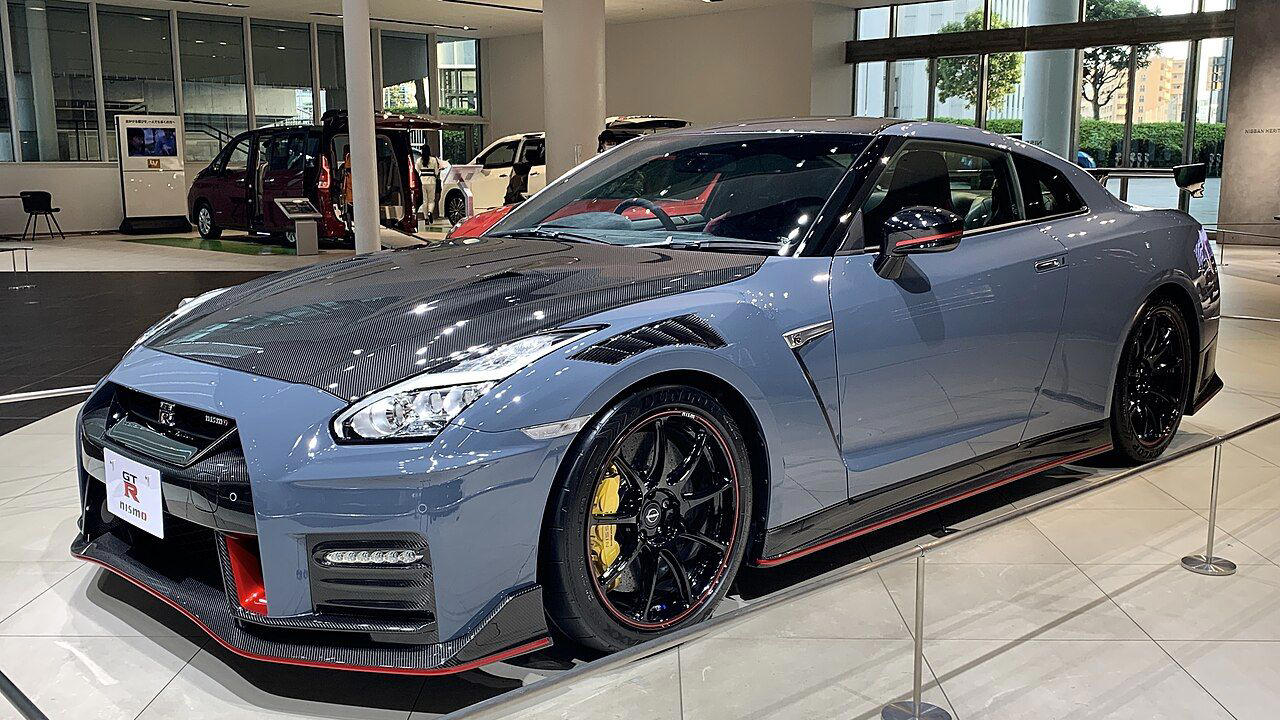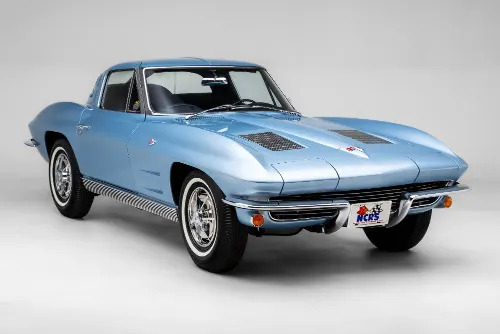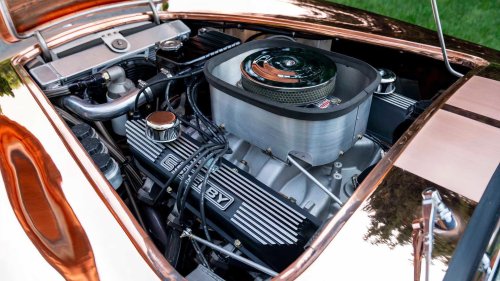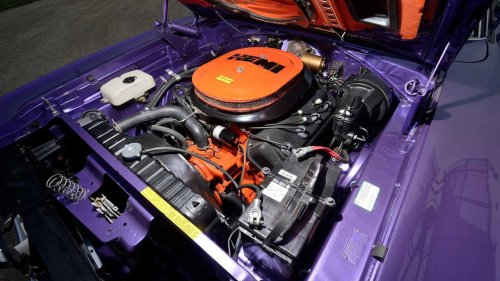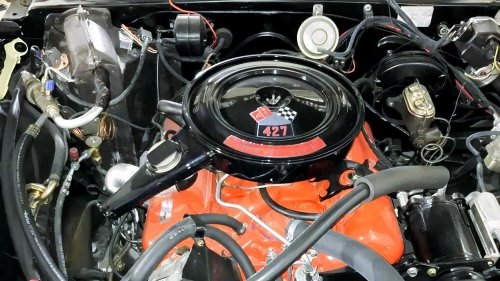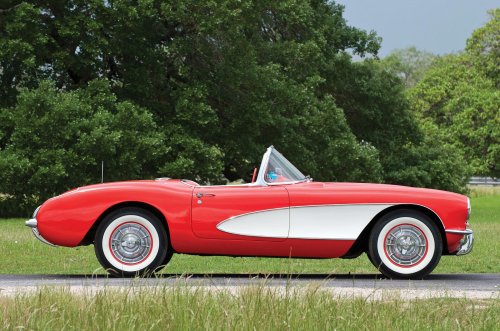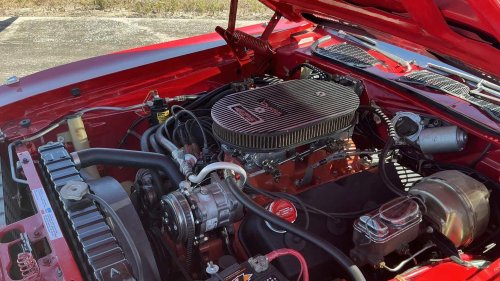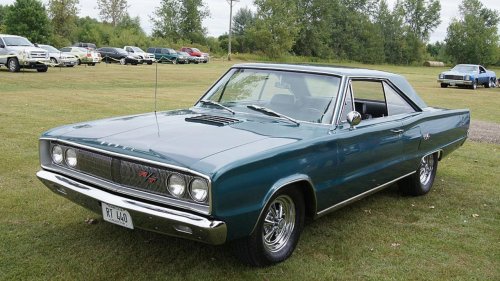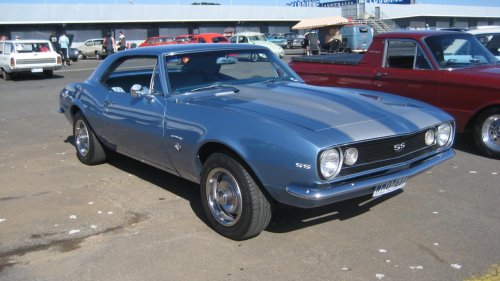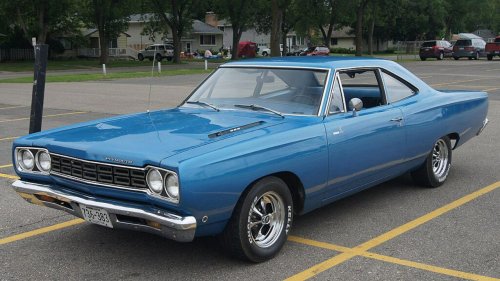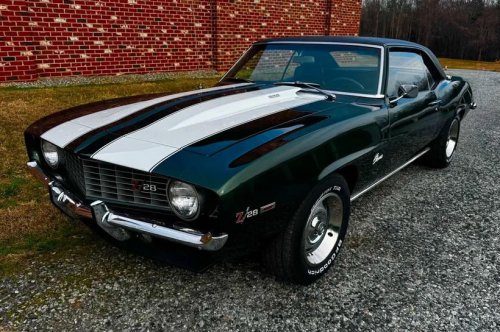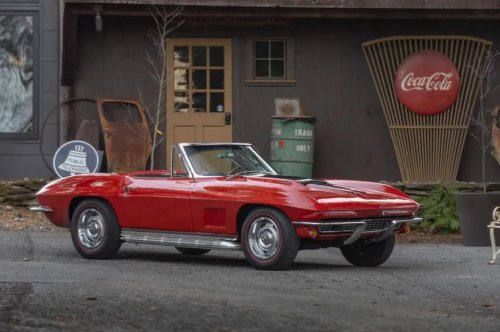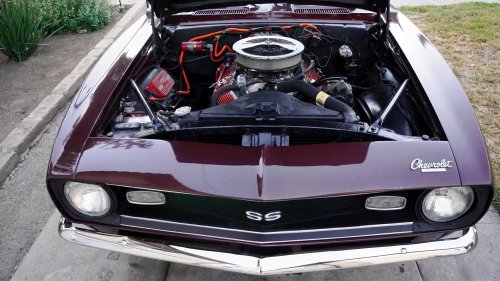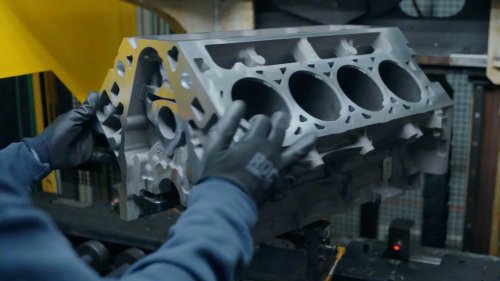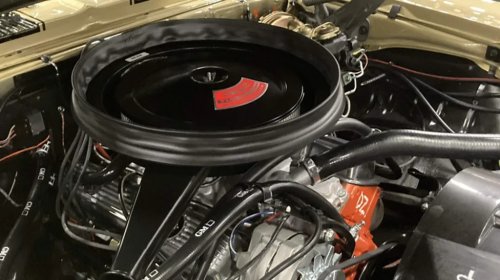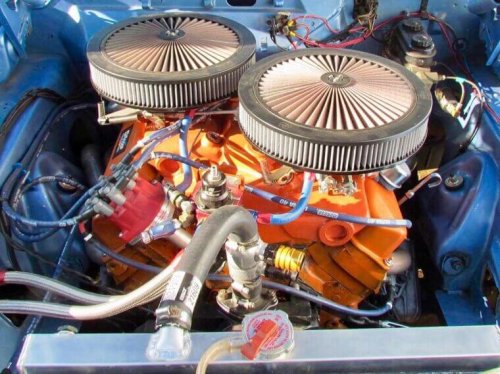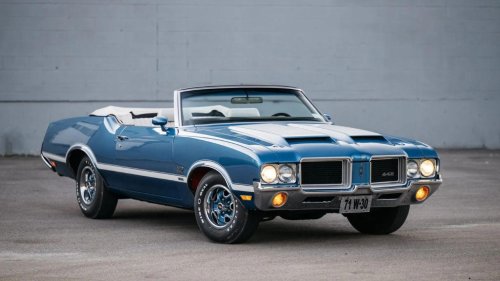
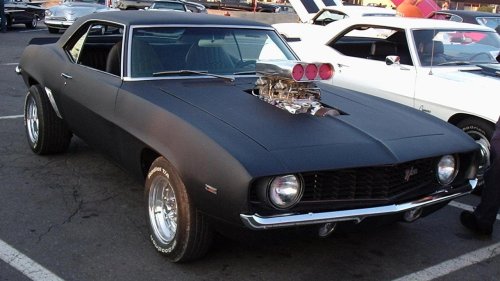
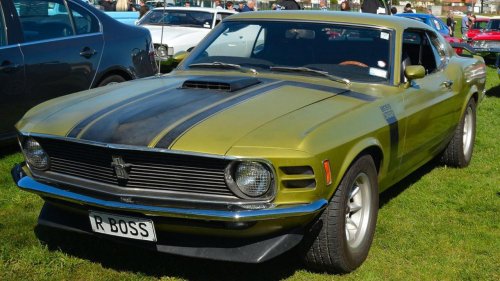
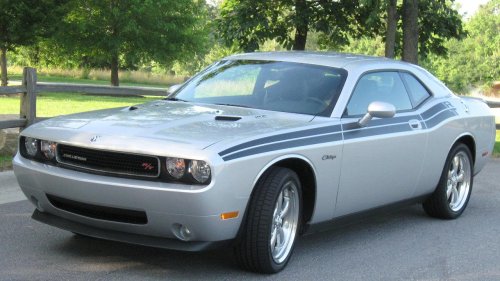
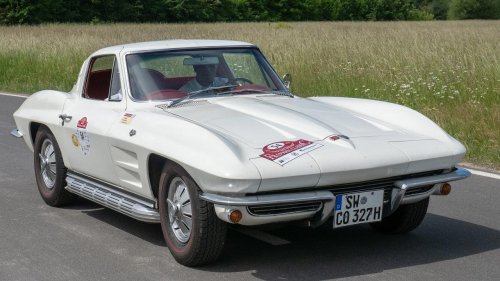
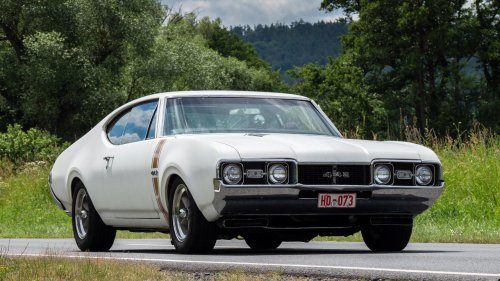




















The world of performance cars is often dominated by big-block engines, revered for their raw power and torque. However, history has shown that several small-block cars have outperformed their larger counterparts on the track and the street. Here, I delve into seven remarkable small-block vehicles that defied expectations and left a lasting mark in automotive history.1. Chevrolet Camaro Z/28The Chevrolet Camaro Z/28, particularly the models produced in the late 1960s and early 1970s, is a prime example of how a small-block engine can deliver performance that rivals its heavyweight competitors. Powered by the small-block 350 cubic inch V8, the Z/28 was engineered for racing with features that enhanced its performance capabilities. With a solid 360 horsepower and a lightweight build, it was a force to be reckoned with on the track. In the Trans-Am racing series, the Z/28 showcased its prowess, frequently outperforming larger displacement cars. Its combination of a well-balanced chassis and advanced suspension allowed for exceptional handling, making it a favorite among drivers. The Z/28’s ability to navigate tight corners while maintaining speed significantly contributed to its competitive edge, marking its success against heavier muscle cars.2. Ford Mustang Boss 302When discussing high-performance small-block cars, the Ford Mustang Boss 302 cannot be overlooked. Introduced in 1969, this vehicle was powered by a high-revving 302 cubic inch V8 that was engineered to perform. The Boss 302’s unique features included a high-performance intake manifold and a solid lifter camshaft, which allowed it to generate impressive power and torque at higher RPMs, enabling quick acceleration. Its dominance in SCCA road racing is well-documented, with the Boss 302 consistently outclassing heavier competitors. The lightweight design played a crucial role in its success, allowing for agile cornering and rapid acceleration. This balance of power and weight made the Boss 302 a formidable opponent on the racetrack and solidified its reputation as a performance icon in the automotive world.3. Dodge Challenger R/TWhile many associate the Dodge Challenger R/T with its larger engines, it is the small-block 383 cubic inch V8 that often surprises enthusiasts with its performance metrics. The 383 was designed to deliver a potent combination of torque and horsepower, allowing the Challenger to excel not just in straight-line speed but also in handling. Despite being classified as a muscle car, the Challenger’s design emphasized nimbleness, setting it apart from its heavier competitors. Notable races from the early 1970s highlighted the Challenger’s capabilities, where it secured impressive finishes against larger engines. Its lightweight construction, coupled with a well-tuned suspension, allowed the Challenger R/T 440 to navigate tracks with agility. This performance made it a respected contender in various competitions, proving that small-block engines could compete on equal footing with bigger powerplants.4. Chevrolet Corvette C2 (Sting Ray)The Chevrolet Corvette C2, also known as the Sting Ray, is a classic example of how a small-block V8 can achieve remarkable performance. With its lightweight fiberglass body and a range of small-block engine options, the C2 was able to deliver an exhilarating driving experience. The 327 cubic inch V8 engine produced impressive horsepower, making the Sting Ray a formidable competitor on the racetrack. Insights into its racing success reveal that the Corvette C2 participated in renowned events like the 24 Hours of Le Mans, where it faced off against some of the world’s most powerful vehicles. Its blend of style and speed not only made it a favorite among enthusiasts but also helped solidify its legacy in automotive history. The Sting Ray’s performance was not just about raw power; it was about achieving the perfect balance between design and functionality.5. Oldsmobile 442The Oldsmobile 442, especially the later models equipped with the small-block 307 engine, is often overlooked in muscle-car discussions. However, this model was equipped with performance modifications that allowed it to compete effectively against larger muscle cars of its time. The 442’s engineering focused on delivering a combination of power and comfort, making it not just a performance vehicle but also a practical choice for everyday driving. Notable race history includes appearances in various drag racing events, where the 442 consistently proved its worth against more powerful competitors. Its reputation in the muscle car community is well-earned, as it provided enthusiasts with a unique blend of performance and reliability. The Oldsmobile 442 stands as a reminder that small-block engines can make significant impacts in a world often dominated by larger, more powerful alternatives.