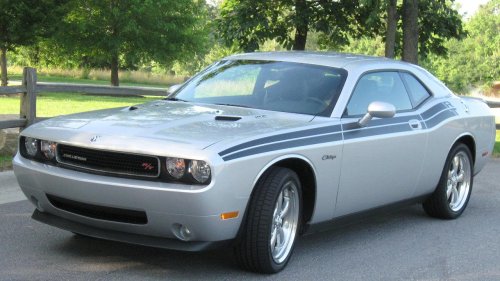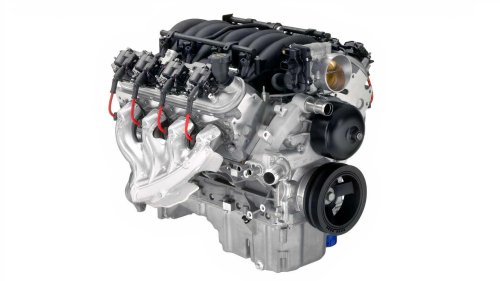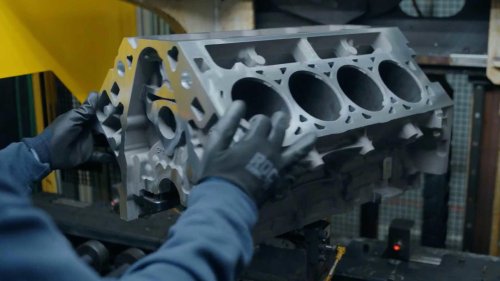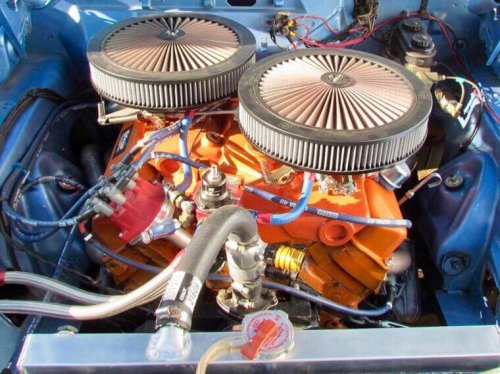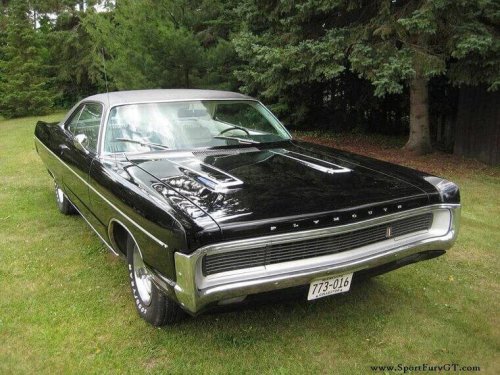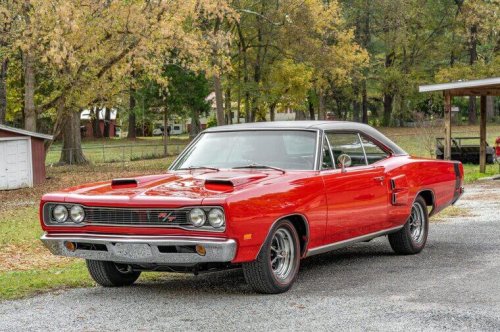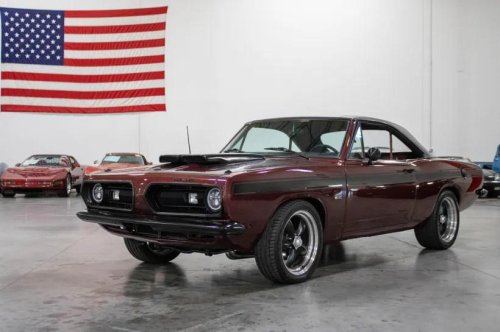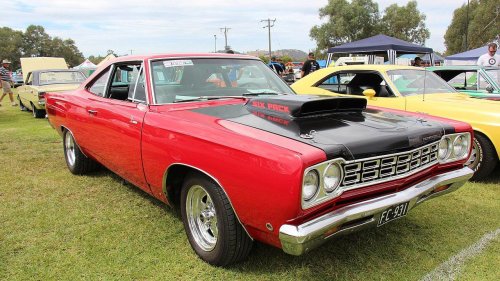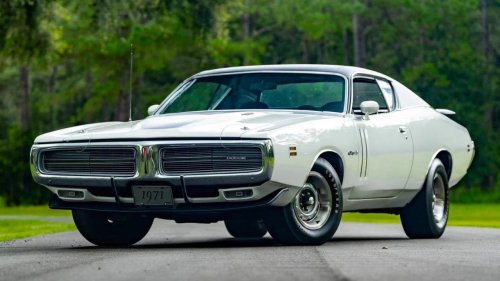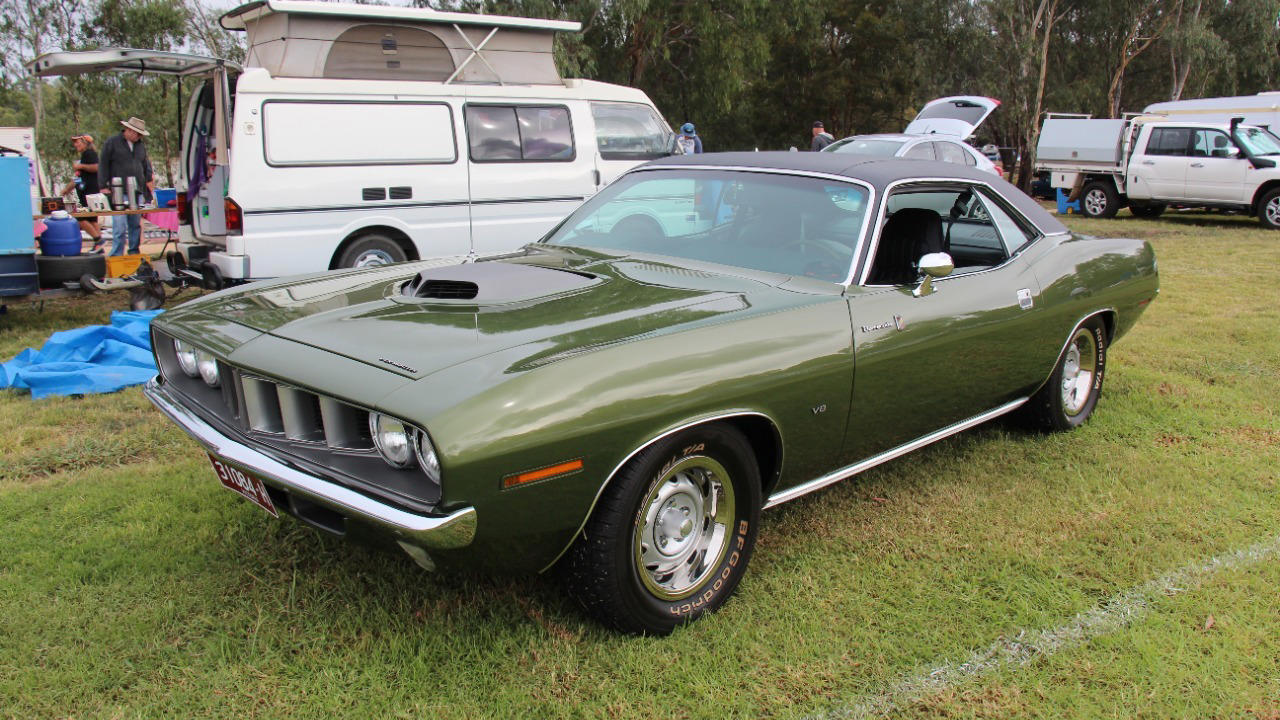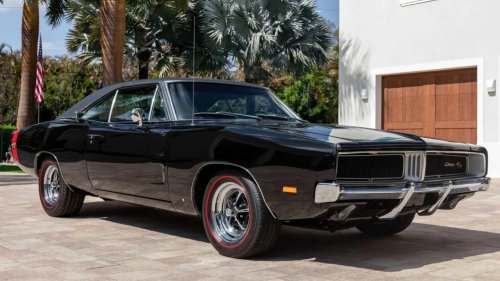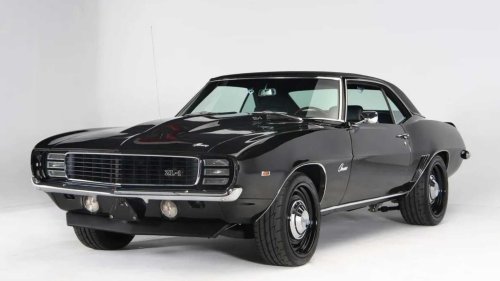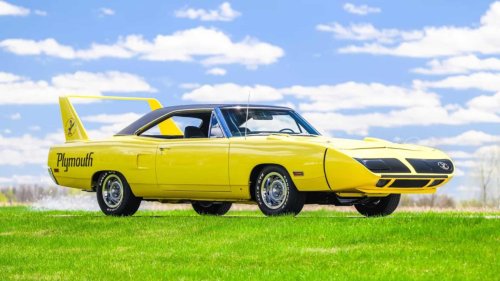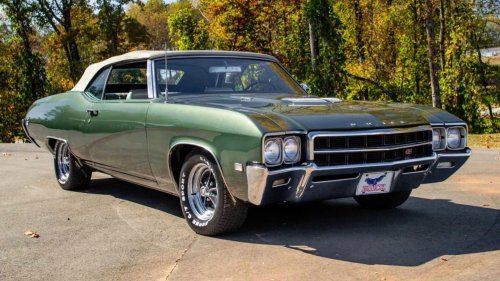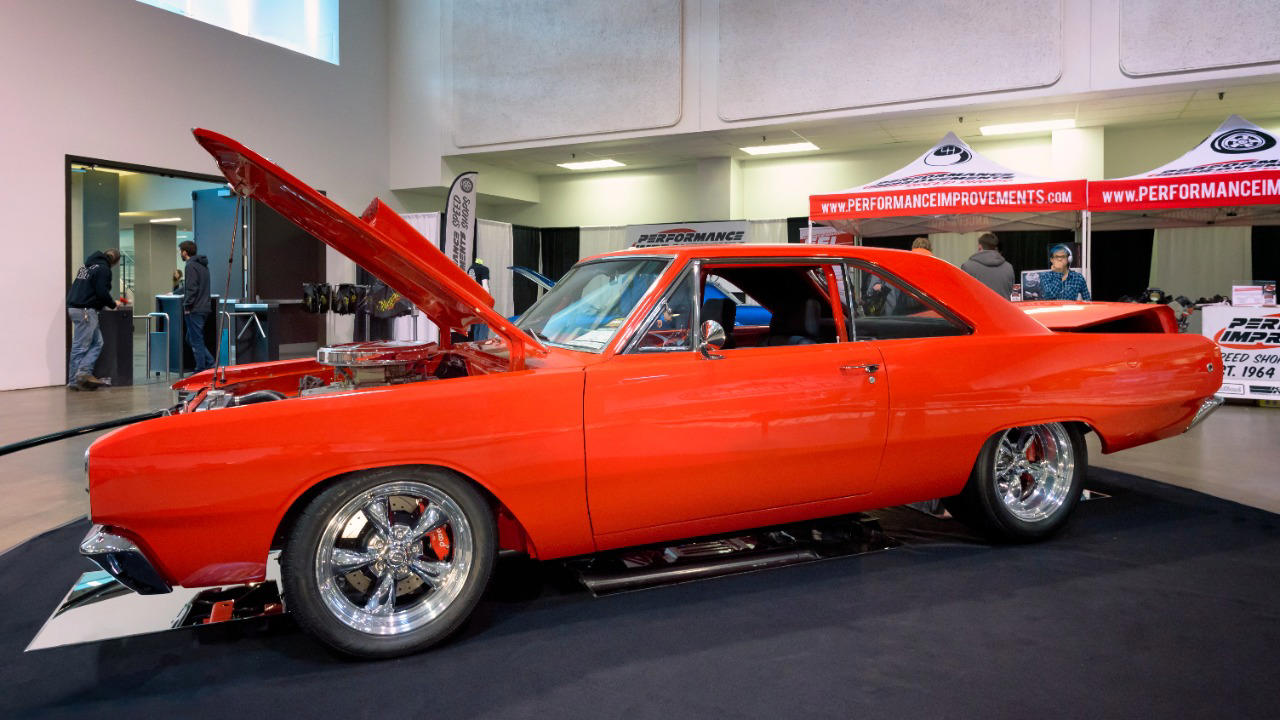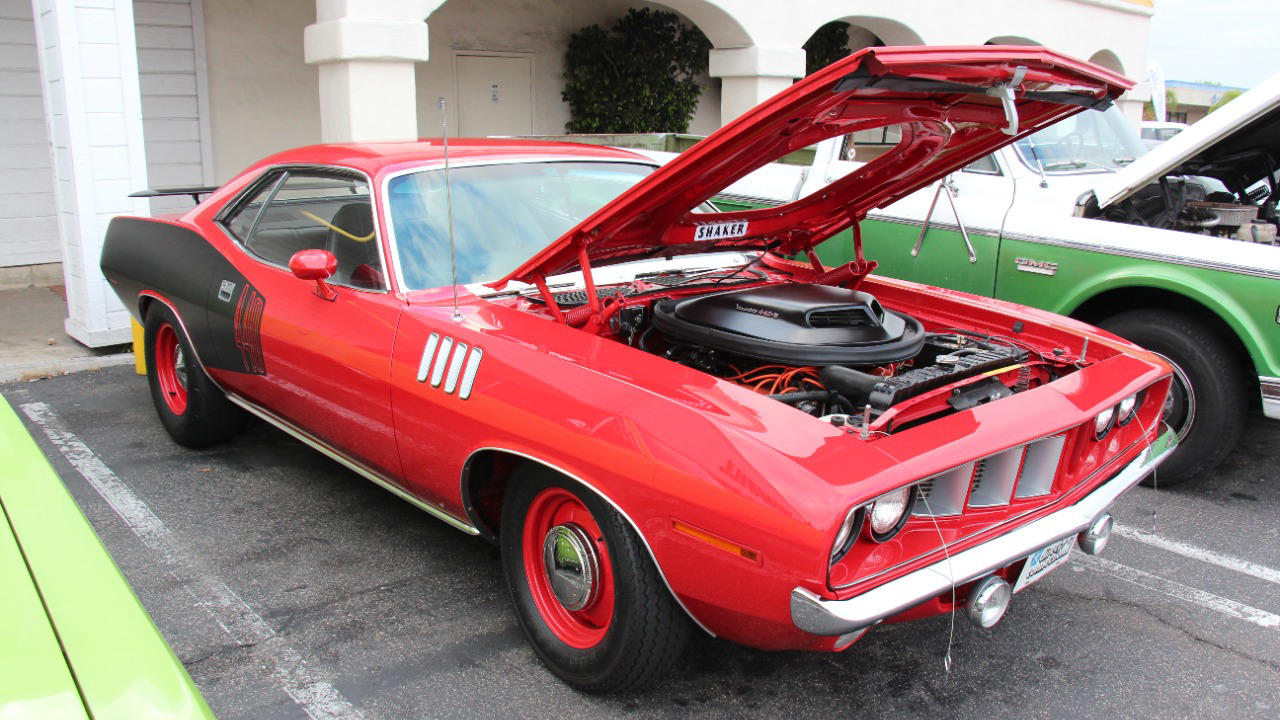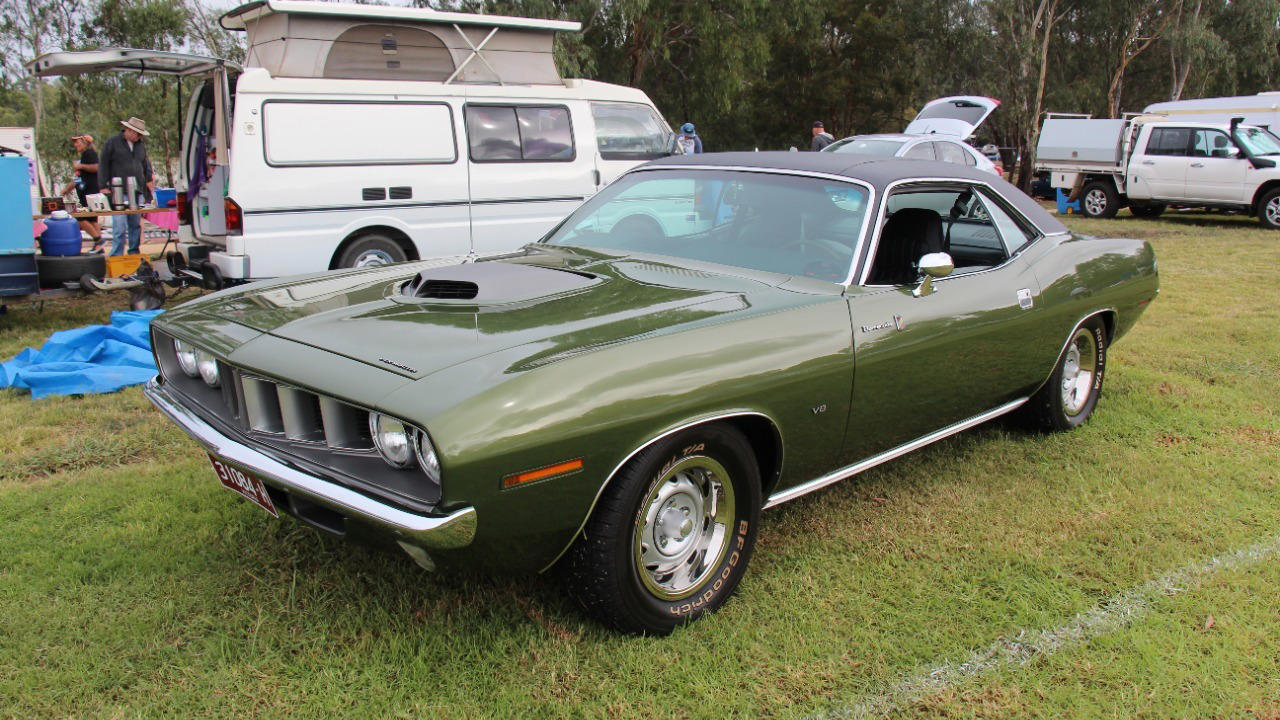
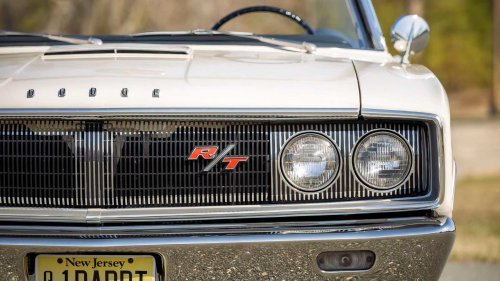
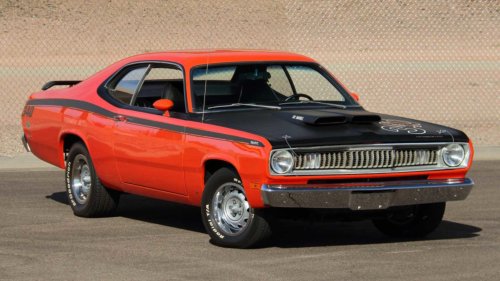
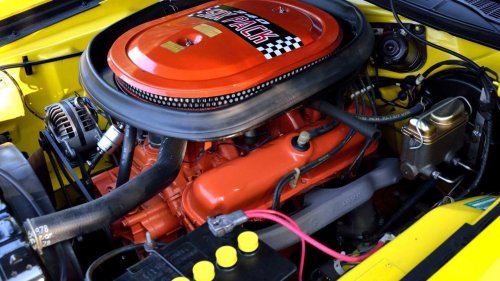
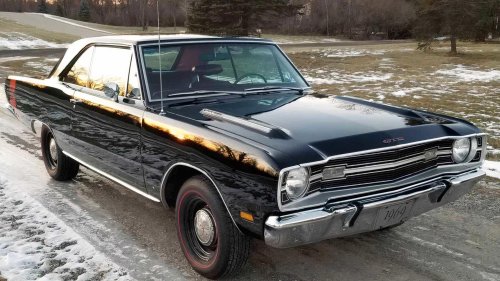
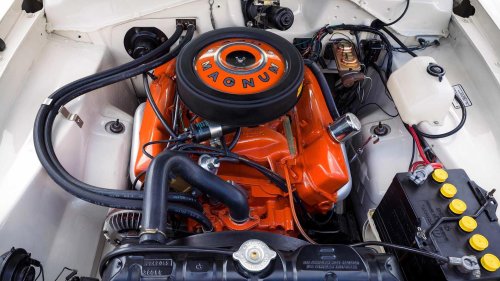
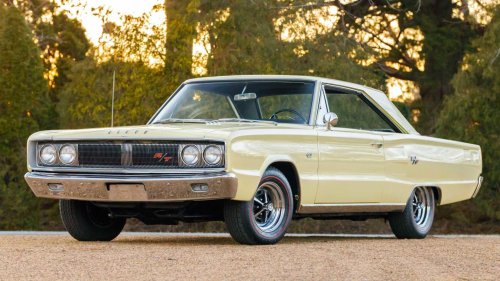
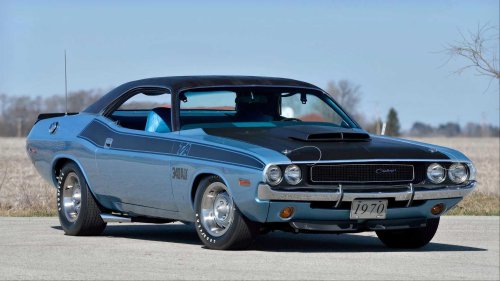



















One Mopar V8 spent the muscle-car years doing the dirty work. It won stoplight arguments, embarrassed bigger engines, and gave regular buyers a fast car without asking them to sell furniture, pets, or possibly a kidney. Yet when people talk classic Chrysler performance, the spotlight usually swings toward the famous orange legend with valve covers wide enough to serve lunch on.That is the contradiction. The engine that made the most noise in history books was not necessarily the one that made the most sense on the street. This other Mopar was not the biggest, rarest, or most expensive V8 in the showroom, but in the right body, with the right gears, it could run harder than many owners expected and cost far less to buy. Hemi Fame Has Always Dominated The Mopar Story Bring a Trailer The 426 Hemi earned its crown the old-fashioned way. It made huge power, looked serious, and carried a racing story that gave every street version a whiff of pit lane danger. Chrysler rated the Street Hemi at 425 gross horsepower and 490 lb-ft of torque, which gave it the kind of numbers that ended parking-lot debates before the hoods even opened.It also had the right hardware for legend status. Dual four-barrel carbs, big ports, hemispherical chambers, and a wide, heavy presence made it look like an engine that needed its own ZIP code. Nobody walked past a Hemi car and said, “Cute.” That would be like calling a grizzly bear “fluffy” and hoping it took the compliment well.Mecum The Hemi also sat at the top of the Mopar food chain because it cost real money. On a 1968 Road Runner hardtop, the 426 Hemi option added $714.30, and a four-speed Hemi also required a heavy-duty performance axle. That turned a budget muscle car into a serious checkbook decision.That price and image helped the Hemi swallow the Mopar conversation. It became the poster engine, the auction-block engine, and the one everyone wanted to claim their neighbor’s cousin almost bought new. The problem is that muscle-car history often rewards the loudest legend, not always the engine that gave the best real-world punch. The Best Mopar Performance Formula Wasn’t Always More Cubes MecumStreet performance rarely comes down to one number. Horsepower matters, sure, but so do weight, traction, axle ratio, transmission, throttle response, and how much mass the front tires have to drag through a corner. A big engine can win the brochure war and still feel like it has an anvil tucked over the front crossmember.Chrysler understood that better than many people remember. Its A-body cars could turn modest size into a weapon. Тhe muscle era trained buyers to think bigger always meant better. A 426 sounded better than a 340 before anyone checked the timeslip, but the street did not care about ego. The street cared about what happened between the green light and the next telephone pole.A lighter, more responsive V8 could make a car feel sharper and run quicker than its spec sheet suggested. It could also make ownership easier. Less nose weight helped balance, smaller size helped service, and lower cost meant more buyers could actually get one. Horsepower may have sold the dream, but the full package won the Tuesday-night grudge race. Chrysler’s 340 LA Small-Block Outworked The Hemi Bring a TrailerThat engine was the 1968-71 Chrysler 340 LA engine. Chrysler introduced it as a high-performance small-block with a 4.04-inch bore, 3.31-inch stroke, 10.5:1 compression, forged-steel crank, strong rods, double-roller timing set, windage tray, big-valve heads, and a four-barrel carburetor. The 340’s 275 hp and 340 lb-ft rating told only part of the story.Sure, it didn’t beat the 426 Hemi on pure power, that would be silly. A Street Hemi sat in another league for raw output and intimidation. But the 340’s case rests on a different scorecard: power-to-weight, value, street manners, and the way it turned compact Mopars into cars that punched above their class.According to Dodge Garage, the Duster 340 clocked a 14.72s quarter-mile which outpaced stock Hemi 'Cuda tests at the time. The 340 outworked the Hemi not in the way you would expect. Naturally, it was not more powerful, but it had a better power-to-weight efficiency, better street driveability, and a lower cost. Why The 340 Was So Effective In The Real World Bring a Trailer The 340 worked because it got serious parts from the start. It had a big 2.02-inch intake and 1.60-inch exhaust valves, free-flowing heads, dual-point ignition, windage tray, low-restriction exhaust manifolds, and strong internals. The 340 in the Dart GTS also weighed 89 pounds less than the optional 383 big-block, which helped handling and nose balance.It also liked to rev. Period testers and later engine builders kept finding that the factory rating looked cautious. In a Hot Rod dyno comparison of a near-stock-spec 340, the four-barrel setup made 320 hp and 368 lb-ft, well above the old 275-hp claim. Add headers, and that test engine climbed to 352 hp. That helps explain why so many stock-looking 340 cars ran like they had a secret under the air cleaner.Mecum The Duster made the formula click. Plymouth sold the 1970 Duster 340 with a base price of $2,547, a listed weight of around 3,110 pounds, a 108-inch wheelbase, and the 275-horse 340 as its standard engine. The result gave buyers a small, cheap, hard-running Mopar that did not need a Hemi badge to start trouble. The Hemi Was Still The King Of The Jungle Bring a Trailer Of course, none of this knocks the Hemi off its throne. The 426 remained the king of Mopar mythology and the engine that made people whisper in auction tents. It had the racing roots, the outrageous parts, the big power, and the look. Open a Hemi hood, and even people who do not know engines can tell something expensive and slightly unreasonable lives in there.The 340 simply played a different game. It needed to work harder. In cars like the Dart GTS, Swinger 340, Demon 340, Barracuda Formula S, and Duster 340, it gave Chrysler a street weapon that mixed revs, durability, and affordability in a way the Hemi could not match for the average buyer. And that is not a small thing.Mecum Chrysler even stretched the 340 into special territory in 1970 with the Six Pack/Six Barrel versions for the Challenger T/A and AAR ’Cuda. Those engines used triple two-barrel carburetors, an aluminum intake, and Trans-Am-inspired changes, with factory ratings of 290 hp and 345 lb-ft. Even when Chrysler made the 340 exotic, it stayed tied to balance rather than brute size.That is the final irony. The Hemi became the symbol of Mopar greatness, but the 340 may have better captured Mopar’s everyday performance genius from 1968 through 1971. It was lighter, cheaper, easier to live with, and often quicker than its modest badge suggested. While the Hemi wore the crown, the 340 wore work boots. And on plenty of nights, the work boots got to the finish line before the crown finished polishing itself.Source: Chrysler, HotRod, Dodge Garage