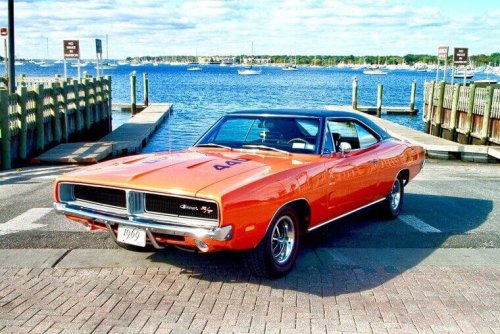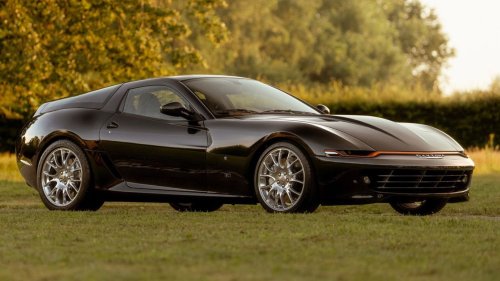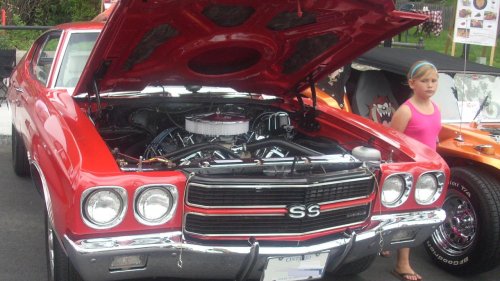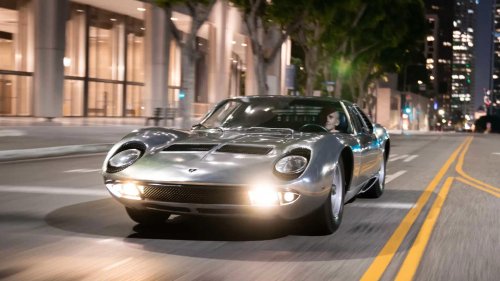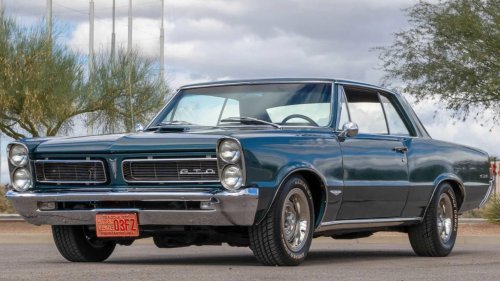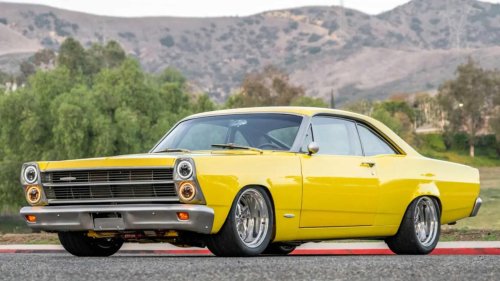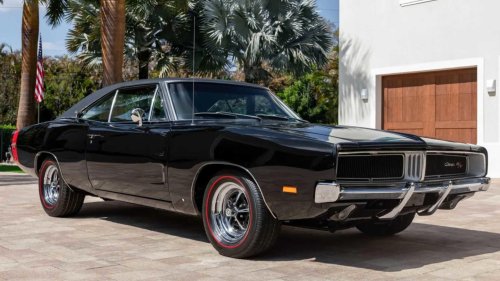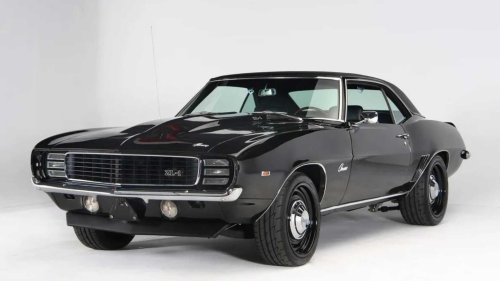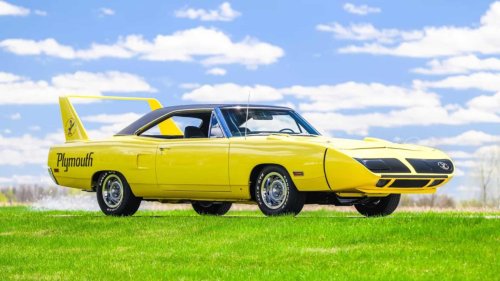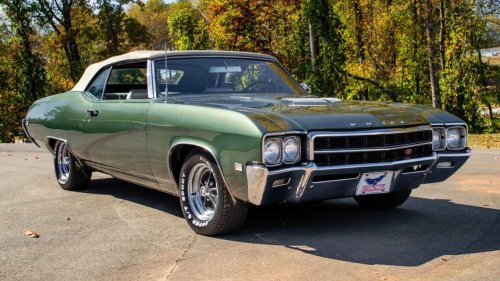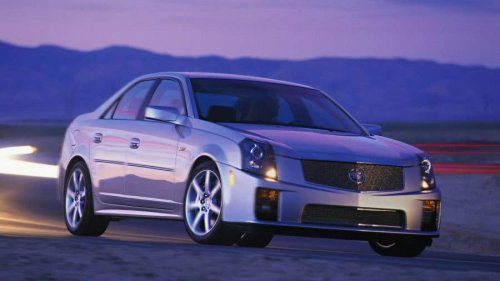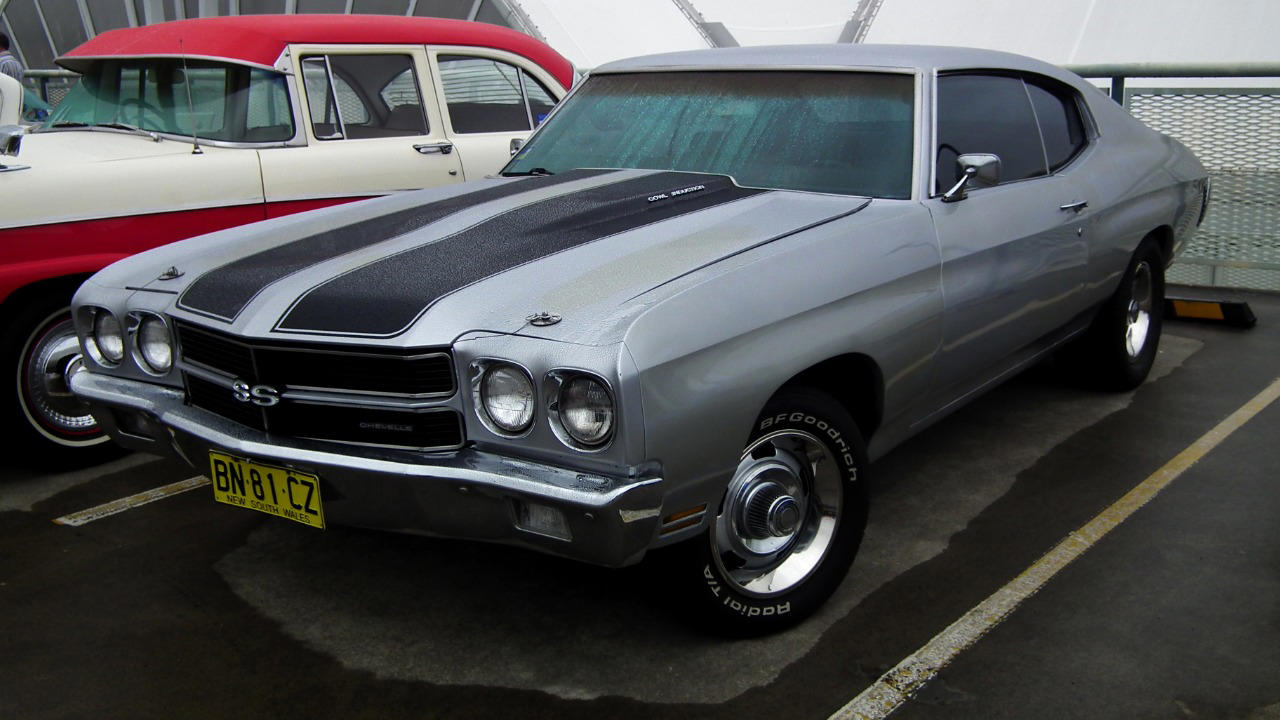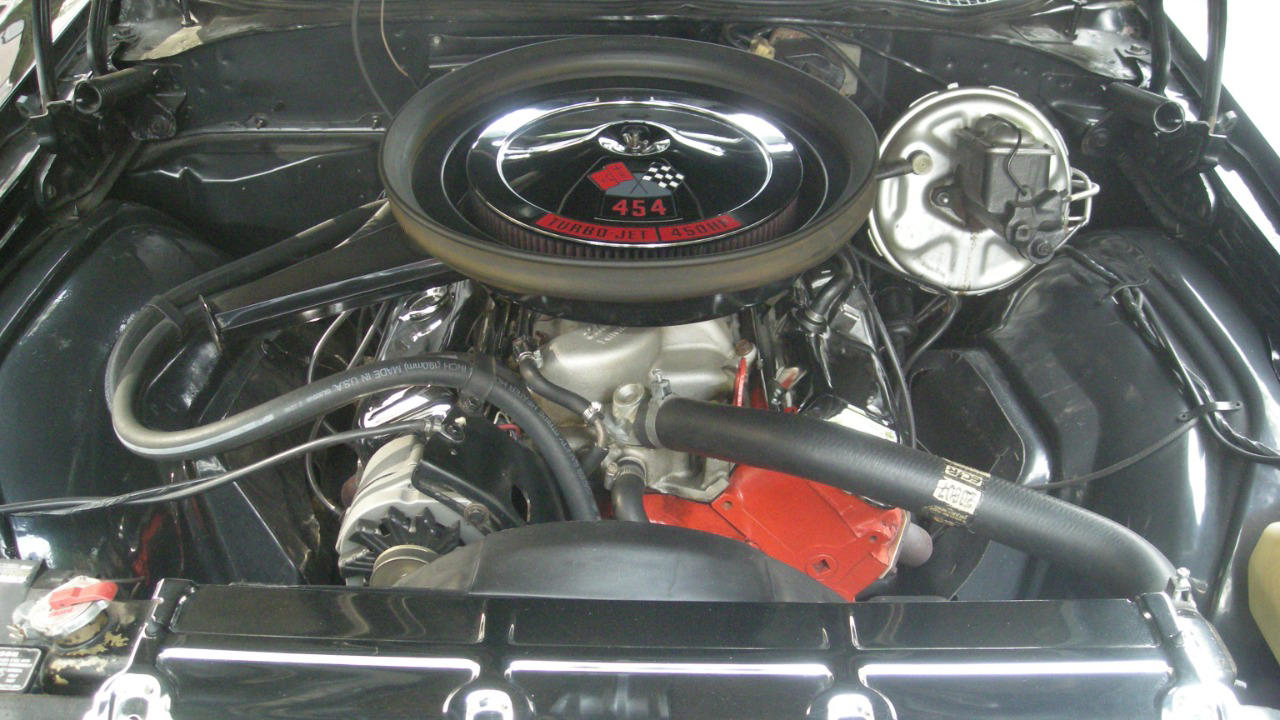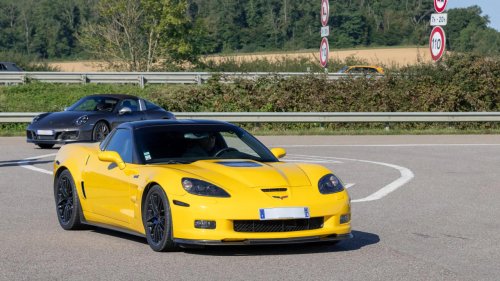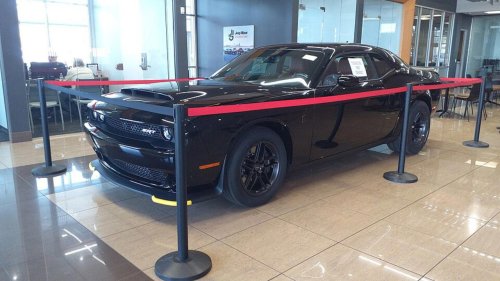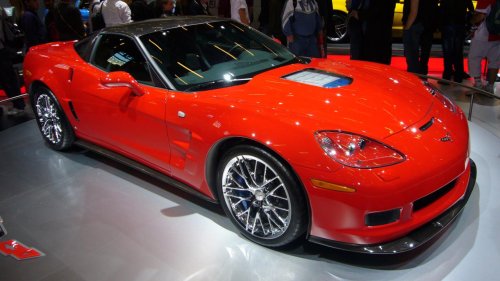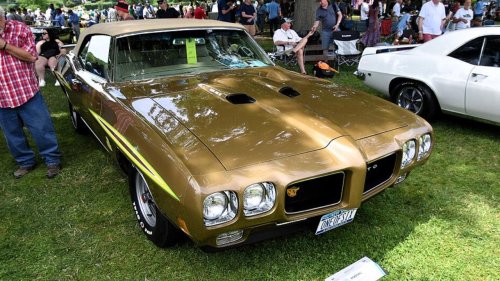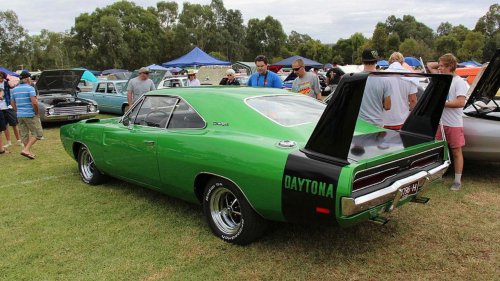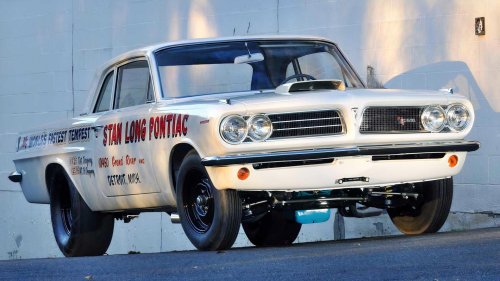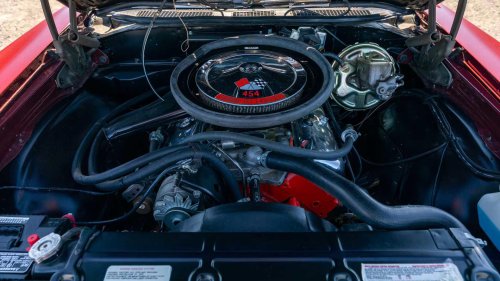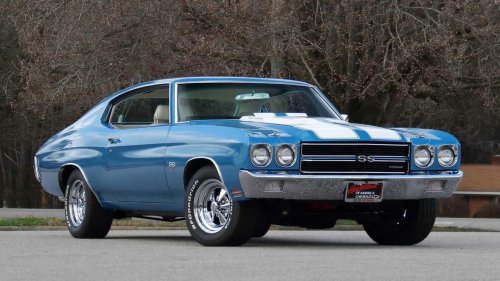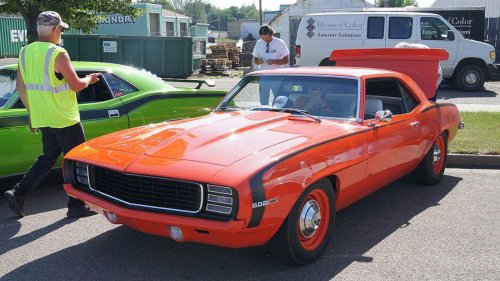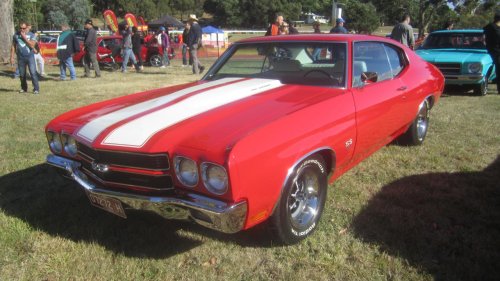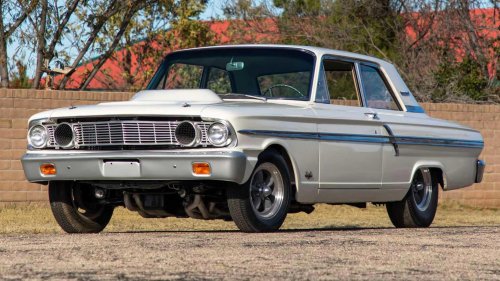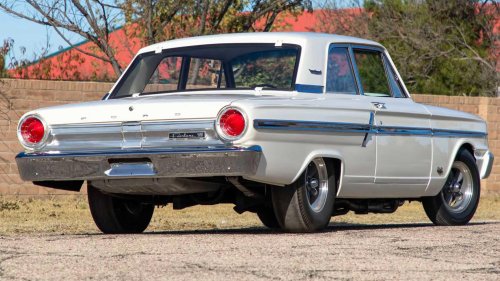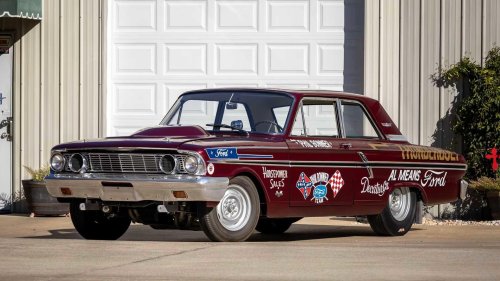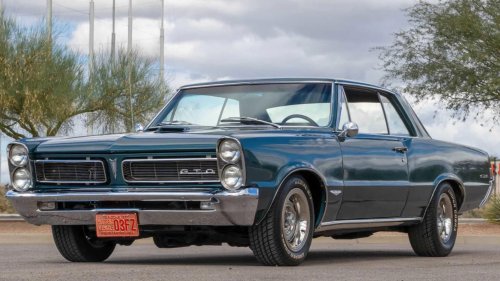
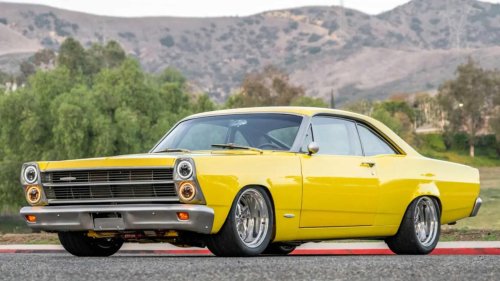
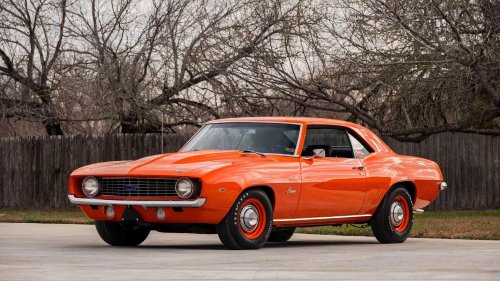
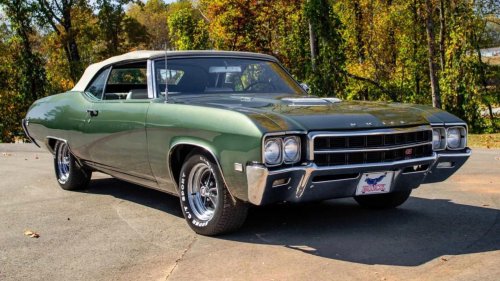
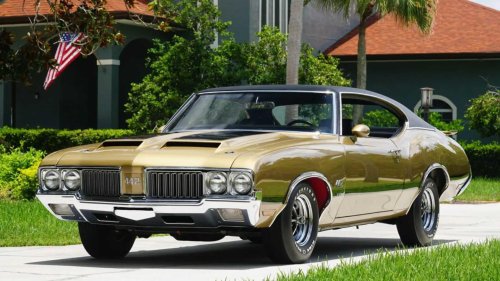
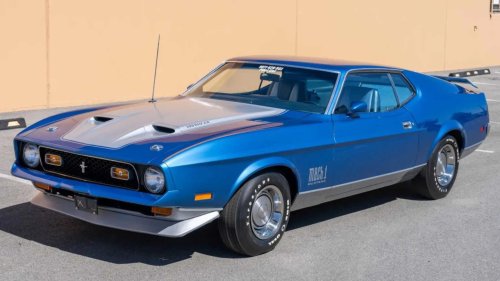
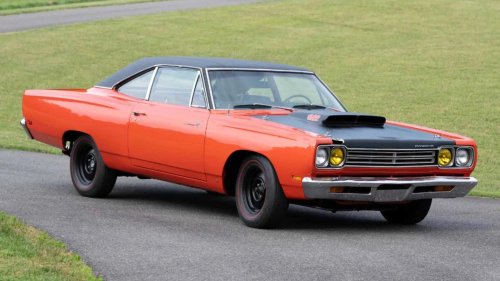



















Once upon a time, Detroit engineers really just wanted to build the fastest car in the world, with nothing else being important. This was a period where fuel economy barely mattered, emissions rules were not yet a thing, and insurance companies hadn't started treating horsepower like a crime. This period birthed some of the wildest big-block muscle cars America had ever seen, the golden age of muscle cars. This movement created lots of weekend drag strip bragging rights, late-night boulevard runs, and a generation that wanted speed loud enough to shake your windows as they passed by. UPDATE: 2026/05/12 18:38 EST BY MARTIN P. WAINAINA This article has been updated with two new models and a table showing current values of these muscle cars.A generation of young buyers across the country walked into dealerships looking for the biggest engine they could afford and rolled out of those showrooms with what later became legends of both the street and the strip. Meanwhile, backstage, General Motors, Ford, and Chrysler were locked in a fierce, escalating horsepower war, incorporating corporate ego and engineering pride to produce the best quarter-mile times. With every new model year, the competition ramped up with bigger cubes and bolder claims, with the average buyer ending up as the real winner. 1964 Pontiac GTO: The Original Muscle Car That Started It All Bring a Trailer In 1964, when John DeLorean put a 389-cubic-inch V8 into the light, mid-sized Tempest chassis, he created the first true muscle car, which eventually sparked the entire movement. This cultural icon was eventually nicknamed "The Goat". It came in either the standard 325-horsepower or the 348-horsepower Tri-Power form, which made the Pontiac GTO hit like a second wind, making ordinary stoplight runs true headline material. At the time, it could clock 0–60 mph in the mid-six-second range, which was incredible for that era. The later Pontiac GTO Ram Air I to IV models went a step higher with more horsepower, louder, angrier engines, and appealed to drivers who still weren't content with incredible speed. 1966 Ford Fairlane 427 SOHC: The 616-HP "Cammer" NASCAR Banned Before It Raced Bring a Trailer In 90 days, Ford built the 427 SOHC engine for the 1966 Fairlane to take the game back from Chrysler’s Hemi, the most dominant engine of the time. The legendary 427 SOHC "Cammer" engine was a 427-cubic-inch single-overhead-cam V8, producing way more than 600 horsepower, which many considered conservative. It had a soundtrack that was pure violence, delivering savage power in a package that was so impractical everywhere but a quarter-mile strip. However, NASCAR banned this engine before it even started racing, so it became a beast in drag racing, after hotrod drag racing builds had it ending up in Mustangs and Comets. Of the approximately 500 to 1,500 Cammer engines built, none were factory-fitted into a Fairlane, nor could they be dealer-ordered. However, hotrod aftermarket builders performed high-end “Cammer” engine swaps into Fairlanes, Galaxies, Mustangs, and Mercury Comets of the time, making them blue-chip collector pieces today. 1968 Dodge Charger R/T 440: The Hollywood Bad Boy That Defined Muscle Car Cool Bring a Trailer The 1968 Dodge Charger looked fast before you even started the engine, with its definitive "Coke-bottle" muscle car derived from its flying-buttress fastback roofline, tunneled grille, long nose, and wide-shouldered stance. However, the true story was told under the hood where a 440 Magnum sat. It produced 375 horsepower in a high-torque beast that felt too much for stop-and-go traffic. It could also do the quarter-mile in the mid-14-second range and have an approximate 140 mph top speed. This was the model that defined the "bad boy" image of muscle cars through legendary Hollywood appearances like the Bullitt movie and The Dukes of Hazzard TV show. It has remained a Hollywood star since. Approximately 17,109 units of this car were sold in 1968 alone. 1969 Chevrolet Camaro ZL1: The 69-Unit Aluminum Monster That Outsmarted GM Rules Mecum In 1969, a few insiders figured out how to circumvent GM’s rules, using the COPO (Central Office Production Order) program to produce the Camaro ZL1. They used a 427 all-aluminum Can-Am-bred big-block racing-spec engine to produce one of the wildest street cars ever sold. This 430-horsepower engine was widely regarded as underrated, hitting 13-second quarter-mile times straight from the factory. The aluminum block helped Chevrolet achieve less weight up front. Only 69 units were built, making it a true collector's car, and at roughly $7,200 MSRP, it cost more than the Chevrolet Corvette.1970 Plymouth Superbird: The 200-MPH Winged Warrior That Dominated NASCAR' Bring a Trailer With a soundtrack like incoming thunder, a skyscraper rear wing, and a pointed nose cone, subtlety was never the 1970 Superbird’s goal. With NASCAR requiring manufacturers to sell the cars they raced, Plymouth built roughly 1,920 road versions of this car to legalize the race version. With the Superbird, Richard Petty, the most accomplished driver in the history of NASCAR, won several races that year. Under the hood, the Superbird housed a 426 Hemi in such an aerodynamic package that it was consistently hitting speeds over 200 mph. Its aerodynamic nose was part of what helped it dominate NASCAR, becoming the symbol of the "Aero Wars". Then, NASCAR rewrote the rules and ended the winged era in 1971. With its unique looks, it remains one of the most visually distinct vehicles ever produced. 1969 Buick GS 400 Stage 1: The Blue-Collar Bruiser That Embarrassed Muscle Car Royalty Bring a Trailer In 1969, Buick created a sleeper hit, the GS 400 Stage 1, a muscle car that quietly humbled louder rivals at the drag strip. Buick produced 1,466 GS models with the Stage 1 package and focused on high-end interiors and massive torque, so it went under the radar, with more focus going to its louder competitors. However, under its hood was a 400-cubic-inch V8 that churned out a stout 345 horsepower, although estimates had it closer to 390 or 400 horsepower. The 440 pound-feet of torque was the real headline, facilitating the kind of shove that made you feel like a race car driver even on the street. The Stage 1 was more than just a trim, featuring a revised carburetion, cylinder heads, and a camshaft that made it a sharper and more refined weapon than a Dodge and a Chevelle. 1970 Oldsmobile 442 W-30: The Undercover Assassin That Hid 500 Pound-Feet Behind a Factory Sticker Bring a Trailer While the 1970 442 W-30 was supposed to be a personal luxury coupe, it outran Hemis regularly. The 442 stood for a four-barrel carburetor, four-speed transmission, and dual exhaust system, and it earned the reputation of being a "gentleman's muscle car," combining luxury appointments with a high-performance W-30 package. Oldsmobile equipped it with a 455 big-block, which unleashed 370 horsepower, a number that few believed told the whole story. Its induction hardware, like its signature front fender scoops, proved to be functional, feeding a real forced-air induction setup that sent colder, denser air to the engine to breathe. It also carried an aluminum intake, fiberglass inner fenders, and a hotter cam, features that trimmed its weight and sharpened its response, giving it 0–60 mph acceleration of 5.7 seconds. 1971 Ford Mustang Mach 1 429 Cobra Jet: The Last Fire-Breathing Pony Before the Emissions Era Killed the Fun Bring a Trailer By the turn of the 1970s, the Ford Mustang fan base was split over the new direction of peak power and the peak controversy relating to the bigger body and more weight. The 429 Cobra Jet restored order with a 370-horsepower engine, which was more than a softened passenger-car motor. If the Cobra Jet’s 6.4-second 0–60 mph acceleration was good enough, you could step up to the Super Cobra Jet’s low 5-second range, with the Super Cobra’s solid lifters and a Holley four-barrel giving it serious strip intent. This Mustang arrived at a time when emissions rules and insurance premiums had begun strangling the era, marking the beginning of the end of the classic muscle era. 1970 Chevrolet Chevelle SS 454 LS6: The Most Powerful Production Car GM Ever Built and Tried to Keep Secret Bring a TrailerWhen Chevrolet built a Chevelle that could produce 450 horsepower straight from the factory, it was building what became the pinnacle of the muscle car era. With the Chevelle SS 454 LS6, Chevrolet produced the highest-rated factory horsepower engine of the era before emissions regulations began to stifle the industry. The LS6 was a step up from the milder LS5, using an aluminum intake, towering compression, solid-lifter camshaft, and a Holley four-barrel to give it a harder edge. Its 5.4- to 6.1-second 0–60 mph acceleration felt brutally quick. However, the fact that only 4,475 were built and that its engine was one to beat has made it quickly become a collector's item. 1969 Plymouth Road Runner A12 440 Six-Barrel: The $3,000 Riot That Made Ferraris Nervous at the Stoplight Bring a Trailer With the Road Runner, Plymouth looked at the expensive Hemi and chose a smarter route, a route where they could build something nearly as quick and still appeal to buyers on a real budget. It birthed the Road Runner A12, with its lift-off fiberglass hood and triple-carburetor setup, a 440 six-barrel powerhouse, and deployed 390 horsepower. Opening those carbs in stages gave a sudden and borderline violent surge, making it a 12-second car. With the Road Runner, Plymouth chose a simple formula where they just skipped luxury and went for speed they could sell. The chassis featured a Hurst pistol-grip shifter and a Dana 60 rear axle, while the interior had no center console, rubber floor mats instead of carpet, no air conditioning, used bench seats, and no power steering, deliberately appealing to a hardcore enthusiast demographic that prioritized raw speed over comfort. However, Plymouth built only 1,412 due to its “bare bones” design, specialized manufacturing, and its short availability window.