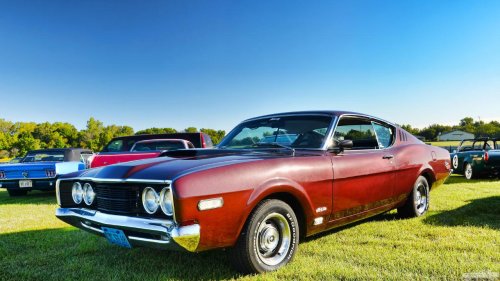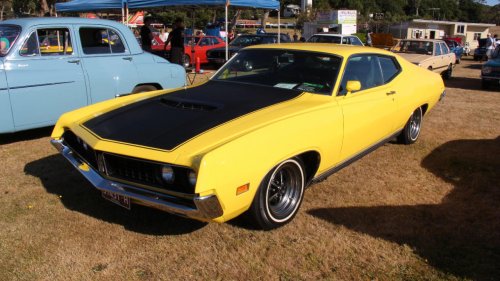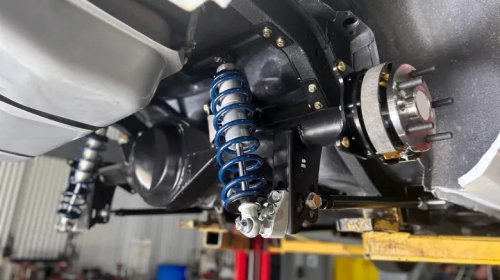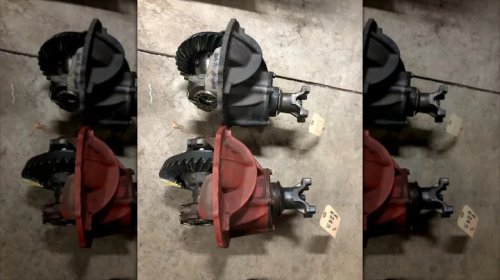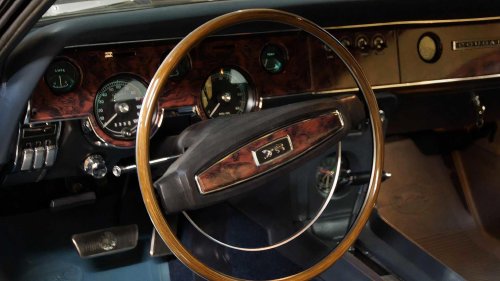
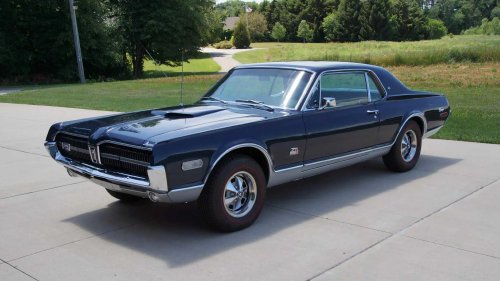
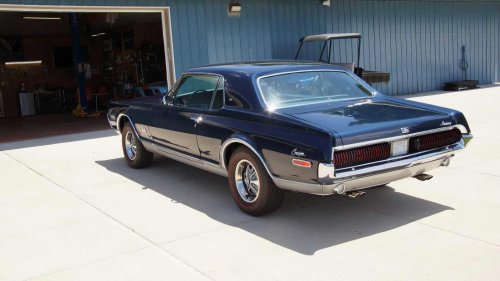
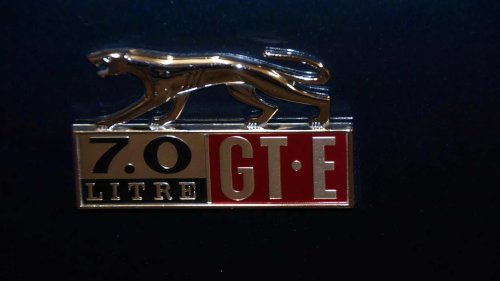
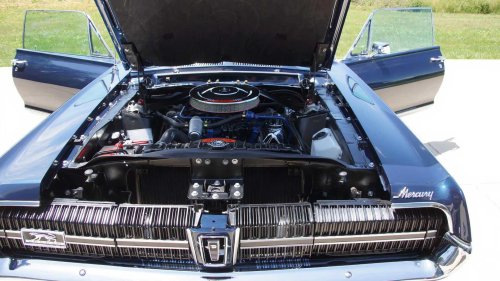
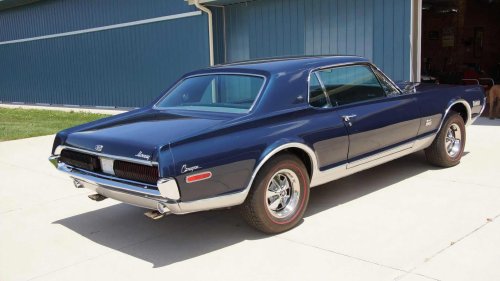
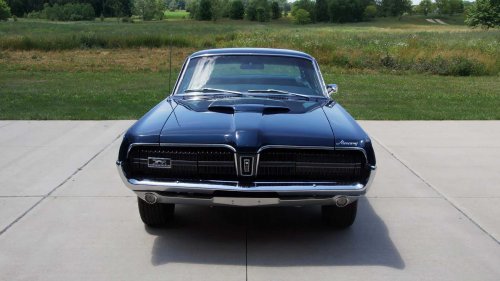
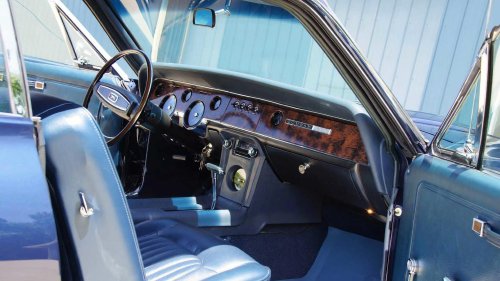
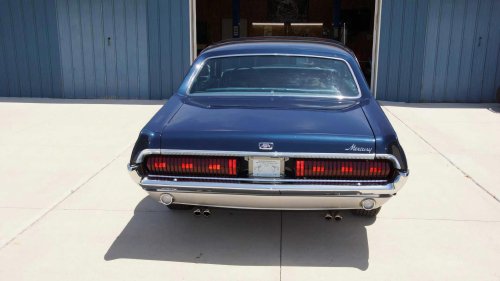



















When you think of American muscle cars from the 1960s, the usual suspects come to mind. Names like the Mustang, Camaro, and Charger dominate conversations. However, not every muscle car of the era enjoyed the same fame, even if it had the hardware to go toe-to-toe with these icons.Ford, a company deeply entrenched in the muscle car movement, experimented with several performance models across its brands. While the Mustang stole headlines and showroom floors, Ford’s luxury division also had a trick up its sleeve. One particular model packed serious firepower, capable of embarrassing more famous muscle cars on the drag strip, all while offering a level of refinement unheard of in the segment. Yet, despite its impressive credentials, this car never got the mainstream love it deserved. The Mercury Cougar GT-E Was Criminally Underrated For Its Time Bring A TrailerThe Mercury Cougar GT-E exists in a strange pocket of muscle car history. While the Mustang was Ford’s undisputed pony car, Mercury needed something with a slightly different approach. The Cougar debuted in 1967, aimed at more upscale buyers who wanted muscle car performance with an added touch of class. But by 1968, Mercury decided the Cougar needed more than just style — it needed some serious firepower. The Cougar GT-E Was, Unfortunately, Neither Here Nor There Bring A Trailer The GT-E package elevated the Cougar into serious muscle car territory. Ford’s potent 427 cubic-inch V8, known as the “Side Oiler,” gave the Cougar capabilities that easily matched the best from Detroit. Yet, the GT-E’s more sophisticated image worked against it. Muscle car fans craved raw aggression, and luxury buyers were hesitant to fully embrace the Cougar’s performance side. This identity crisis left the Cougar GT-E stuck in the middle, never fully embraced by either crowd.Bring A Trailer Despite its lukewarm reception, the GT-E delivered the goods. Its combination of brute power, refined styling, and rarity make it a hidden gem today, recognized only by die-hard muscle car enthusiasts. With fewer than 400 examples produced, the GT-E became an ultra-rare muscle car treasure that was simply too ahead of its time. The Need For A More Powerful Cougar Bring A TrailerThe Cougar was always positioned as a more refined alternative to the Mustang, with Mercury marketing it as a gentleman’s muscle car. But by the late 1960s, it was clear that luxury touches alone weren’t enough to keep the Cougar competitive. The muscle car wars were in full swing, and Ford needed Mercury to bring more firepower to the table.While the Cougar had already enjoyed decent performance options, including small-block V8s and a 390 cubic-inch engine, these powerplants didn’t quite cut it against rivals like the Pontiac GTO and Chevrolet Chevelle SS. Muscle car buyers were hungry for big cubes, big horsepower, and quarter-mile bragging rights. If the Cougar wanted to play with the big boys, it needed something exceptional under the hood.The solution came in the form of the GT-E package, a no-nonsense performance upgrade that transformed the Cougar into one of the most powerful and capable muscle cars of the decade. It gave the Cougar a fighting chance against the very best Detroit had to offer, even if very few buyers actually knew about it. The GT-E Package's USP Was The 427 Side Oiler Bring A Trailer 1968 Mercury Cougar GT-E Key Specs Source: FordThe centerpiece of the Cougar GT-E package was the legendary 427 cubic-inch Side Oiler V8, one of the most fearsome engines Ford ever built. Originally developed for NASCAR racing, the Side Oiler was known for its durability and high-RPM performance capabilities. It was a racing engine detuned just enough for street use, and in the Cougar GT-E, it was a revelation.The 427 Side Oiler delivered 390 horsepower and a brutal 460 lb-ft of torque, numbers that comfortably placed the Cougar GT-E in the top tier of 1968 muscle cars. With that power under the hood, the Cougar could rip down the quarter-mile in just over 14 seconds, which was impressive for a luxury-leaning coupe. A Muscle Car That Didn't Ditch Its Roots Bring A Trailer Mercury paired the big 427 with a heavy-duty C6 automatic transmission — no manual option was offered. This may have alienated some purists, but the automatic actually made sense for the GT-E’s character. This was a muscle car for those who wanted brutal acceleration without sacrificing the smooth, sophisticated ride Mercury buyers expected.As if the powertrain wasn’t enough, the GT-E also came with upgraded suspension components, a performance rear axle, and unique styling cues that set it apart from regular Cougars. A distinctive grille, wide racing stripes, and bold "GT-E" badging made sure enthusiasts knew this was no ordinary luxury coupe. You Had To Pay A Pretty Penny For The GT-E Bring A Trailer In 1968, the Mercury Cougar GT-E came with a hefty price tag, reflecting both its performance and luxury features. The GT-E package alone added nearly $1,300 to the Cougar’s base price — a serious chunk of change for the era. Fully optioned, a GT-E could push close to $5,000, making it one of the priciest muscle cars of its time.That high cost contributed to the GT-E’s rarity. With only 394 units produced, the GT-E became a unicorn almost from the moment it left the factory. Most muscle car buyers were unwilling to pay luxury car prices for a performance coupe, especially when they could buy a similarly powerful Mustang or Fairlane for considerably less. Rarity Comes At An Astonishing Cost Today Bring A Trailer That rarity, however, is part of what makes the Cougar GT-E such a hot commodity today. Well-preserved examples command serious money at auction. A mint-condition GT-E can easily fetch over $200,000, with particularly pristine or historically significant examples crossing the $250,000 mark. This makes it not only one of the rarest muscle cars of the 1960s, but also one of the most valuable among Ford’s performance lineage.Bring A Trailer The 1968 Mercury Cougar GT-E deserves far more recognition than it gets. It combined Ford’s most fearsome big-block power with the refined, upscale packaging of Mercury’s flagship coupe, creating a car that could comfortably cruise in luxury or dominate the drag strip at a moment’s notice. Unfortunately, that dual personality — part luxury cruiser, part street brawler — left it with an identity crisis that hindered its sales success.Today, the GT-E stands as one of the rarest and most sought-after muscle cars of the golden era. With its low productin numbers, NASCAR-grade powertrain, and unique place in Ford’s performance history, the 1968 Mercury Cougar GT-E rightfully earns its title as the most underrated Ford muscle car of the 1960s.