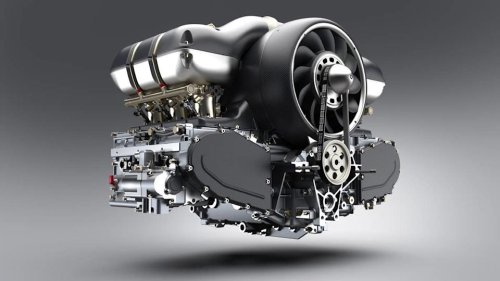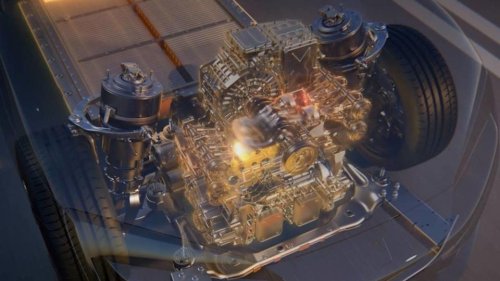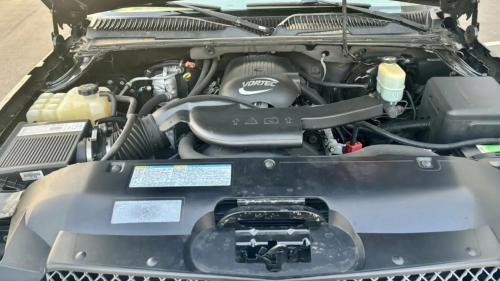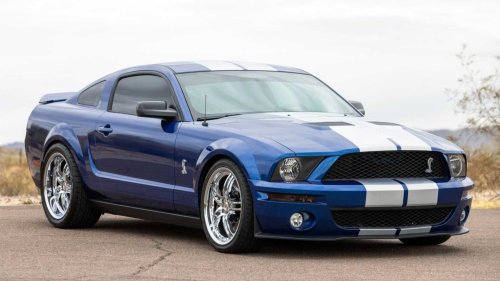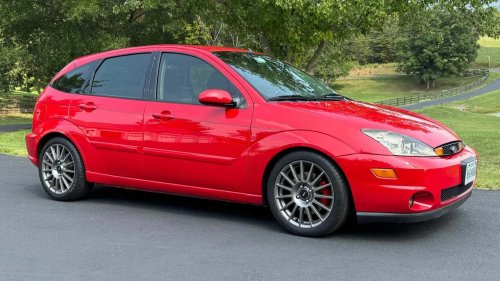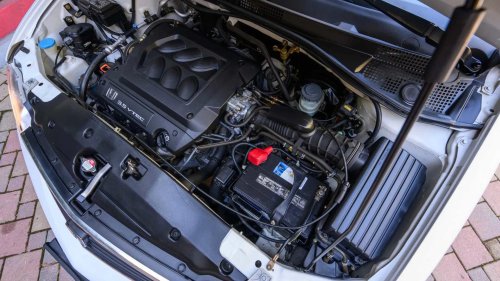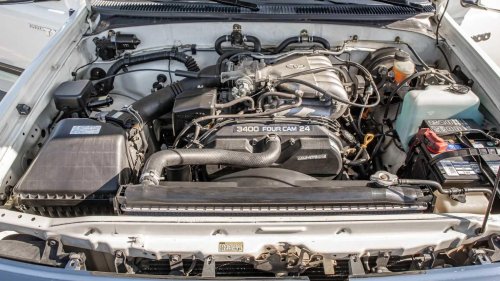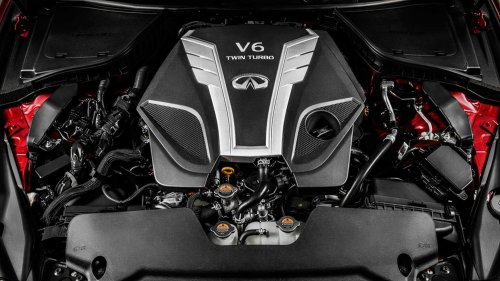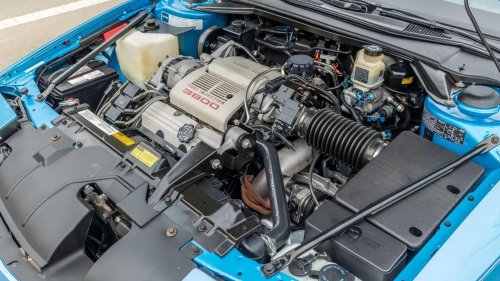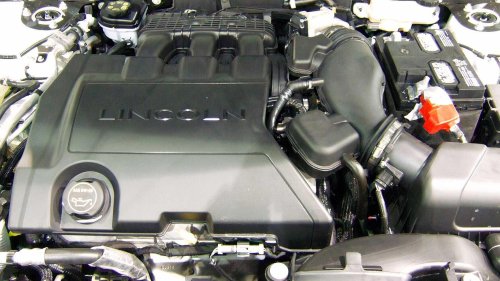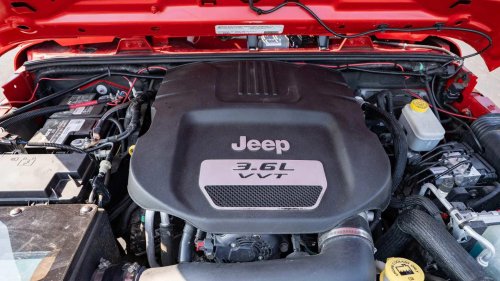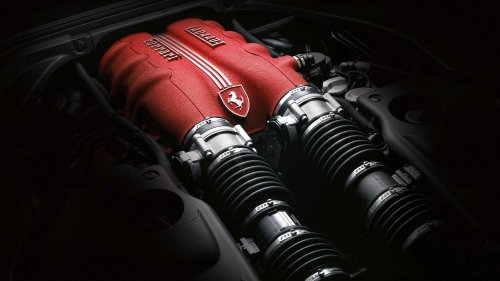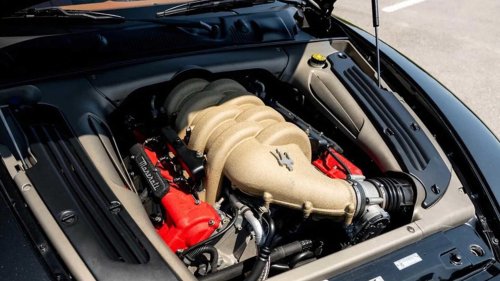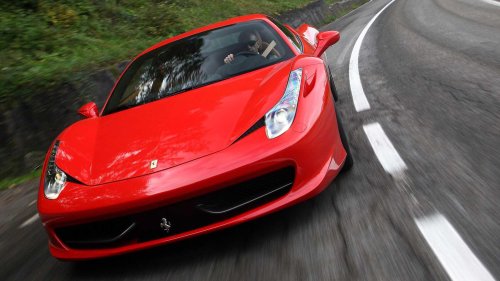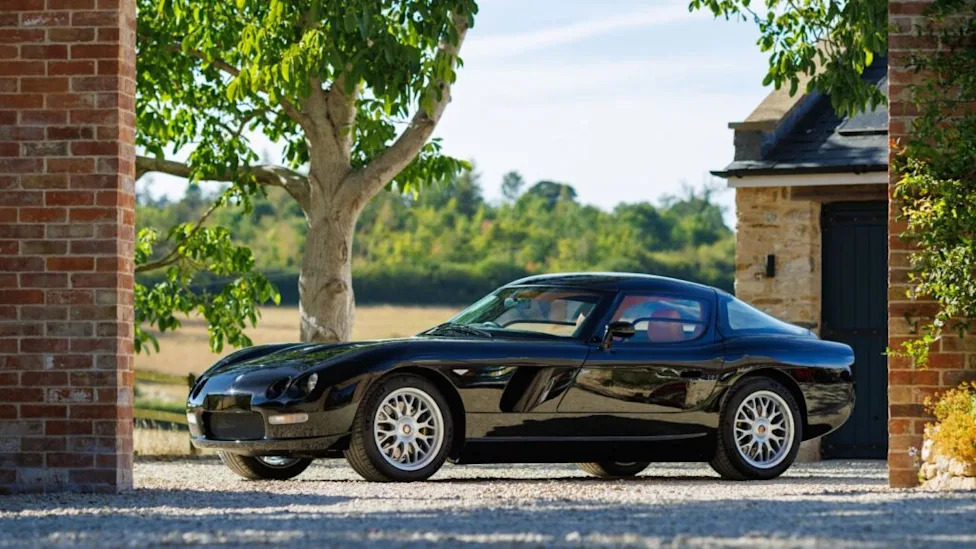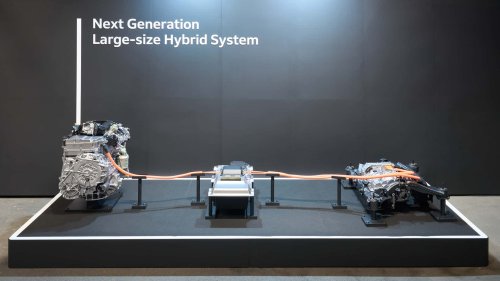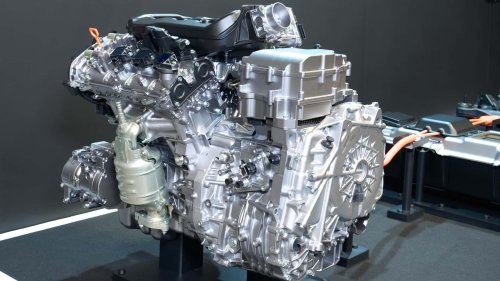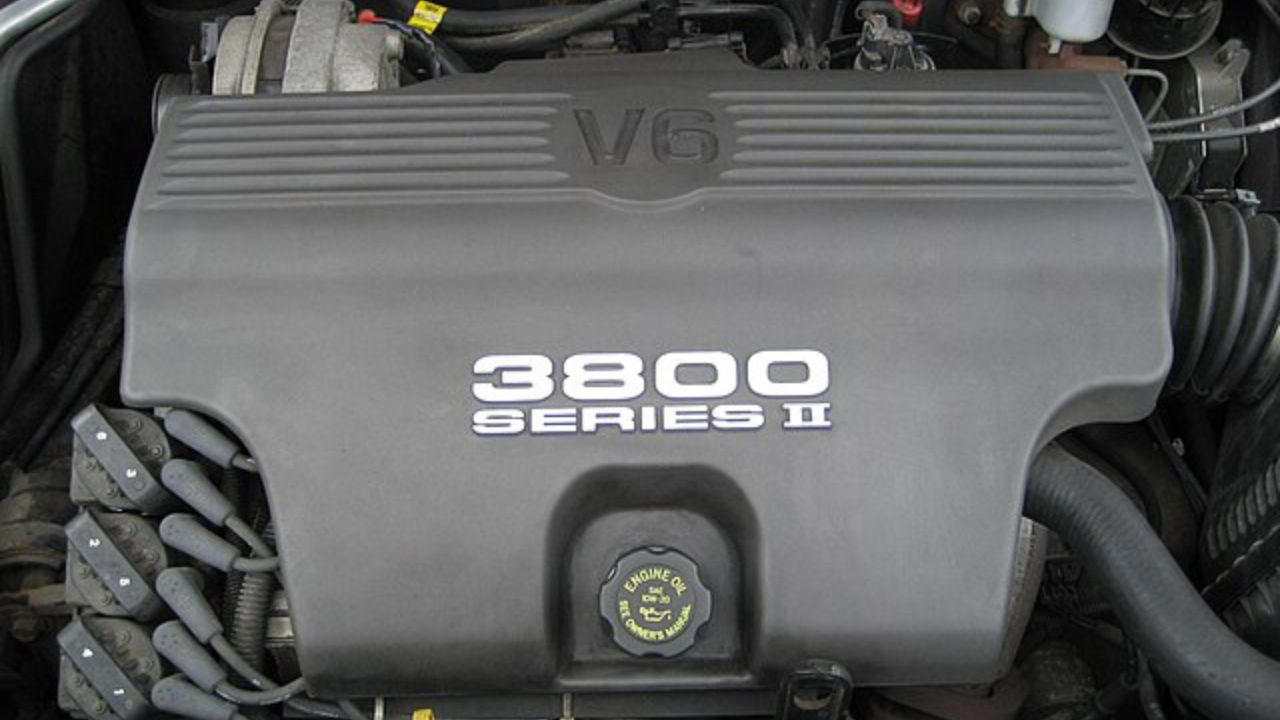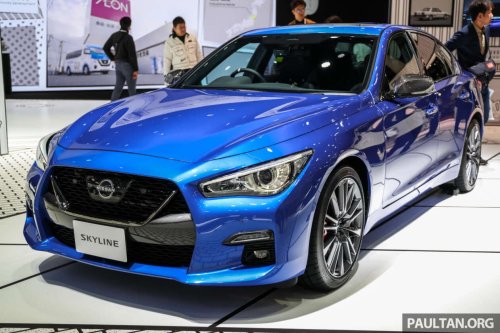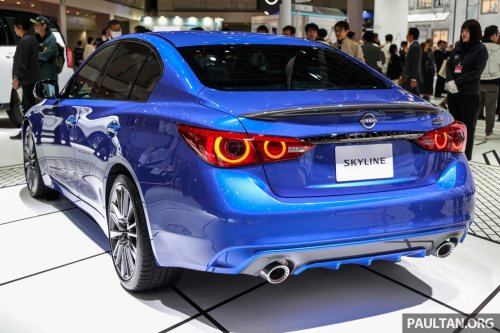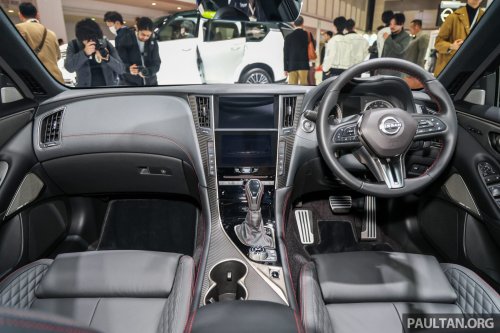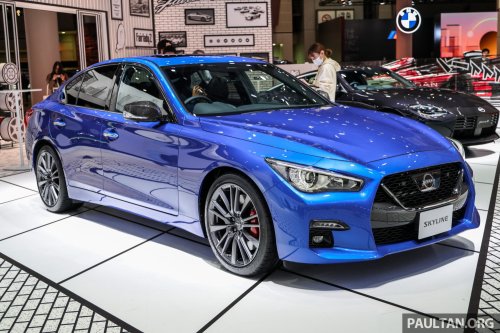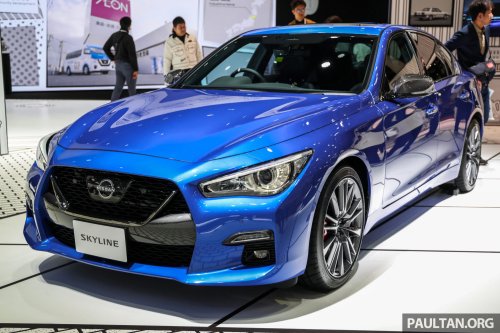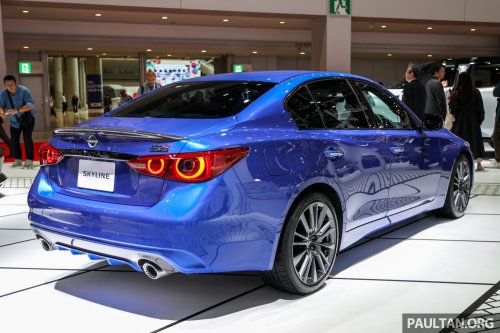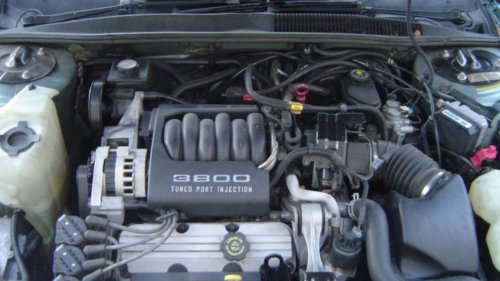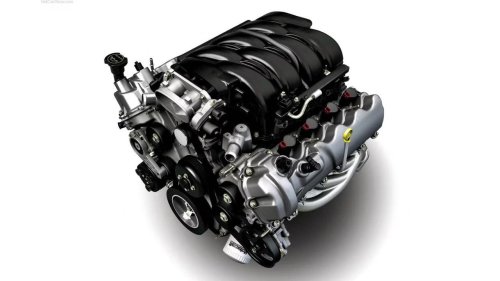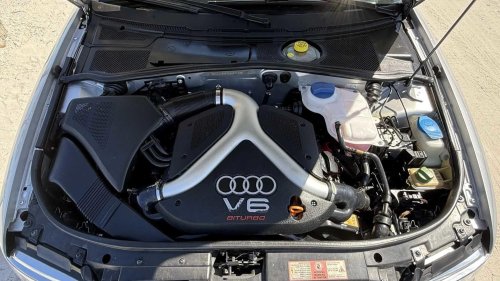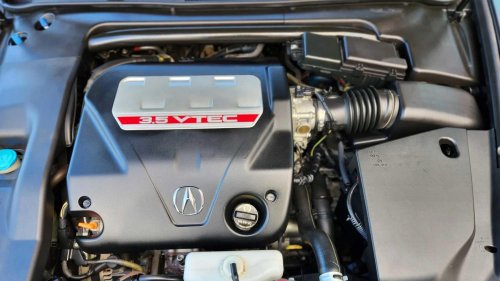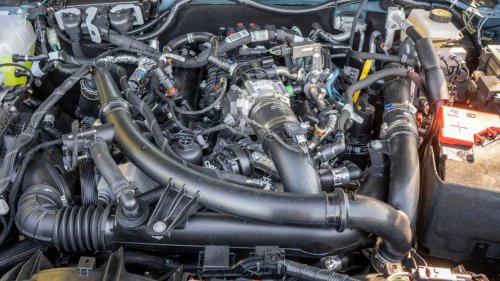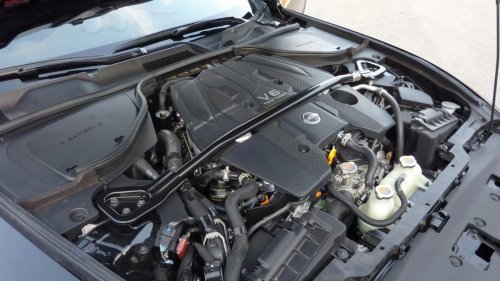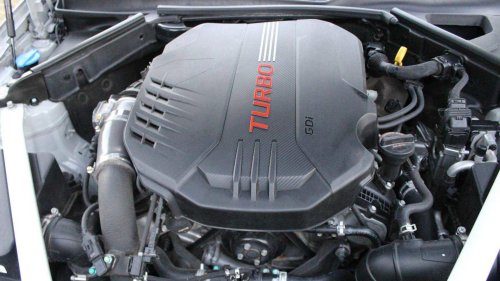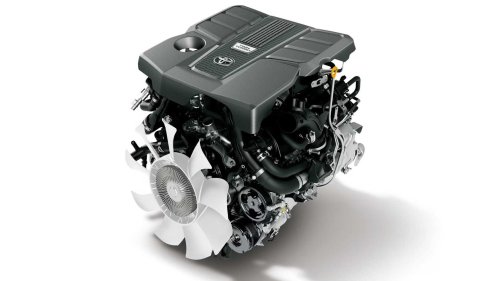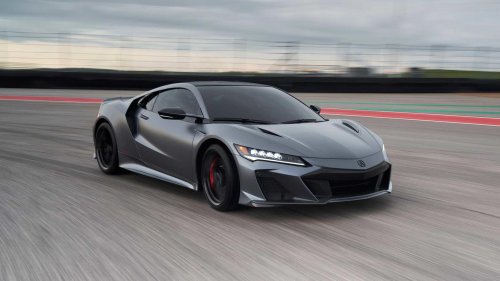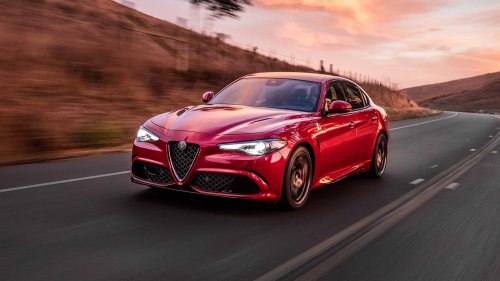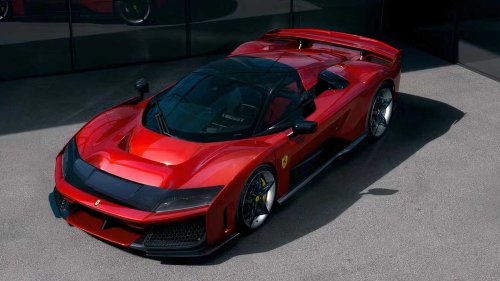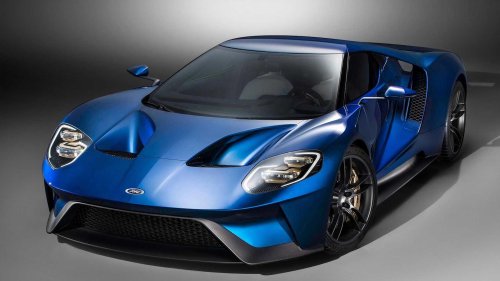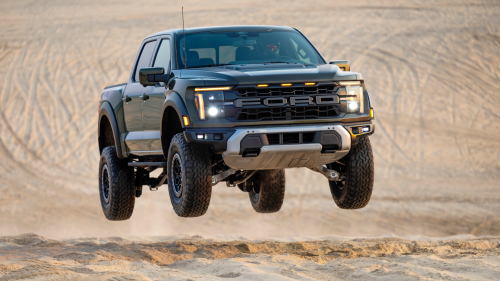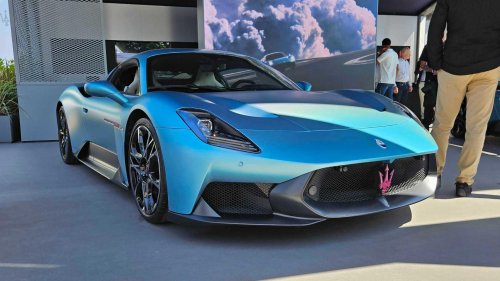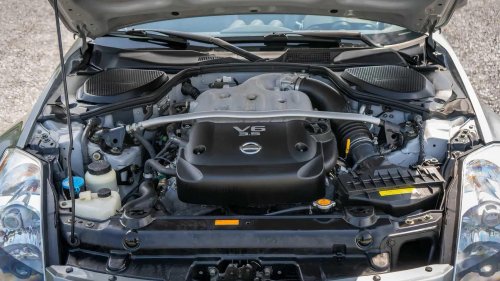
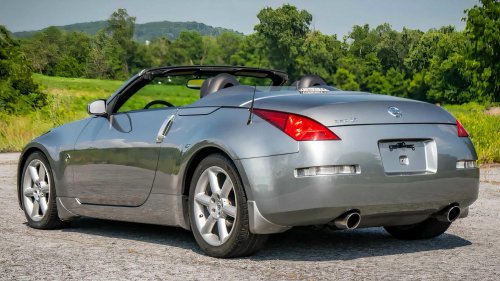
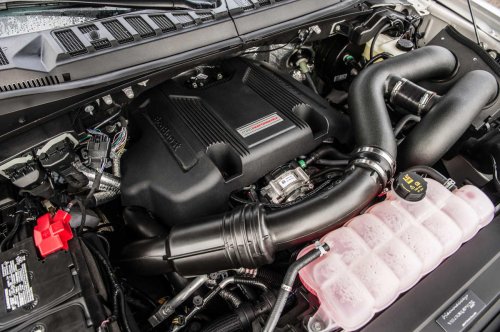
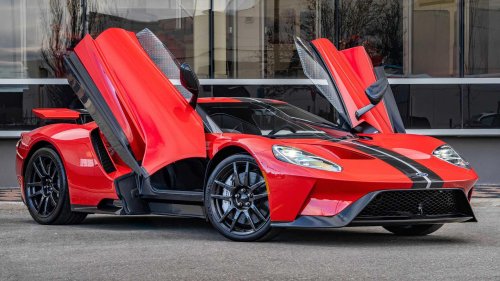
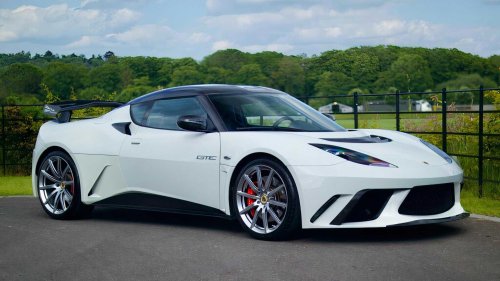
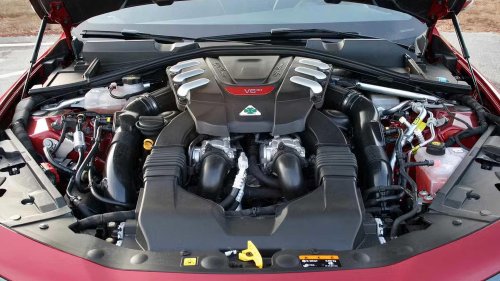
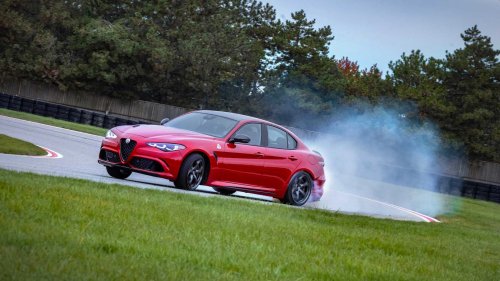
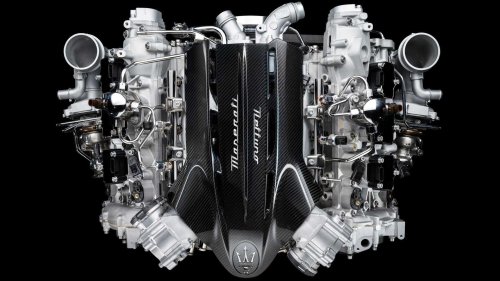
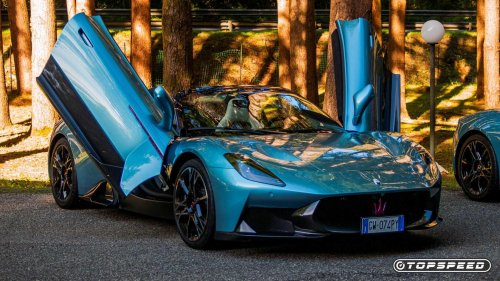
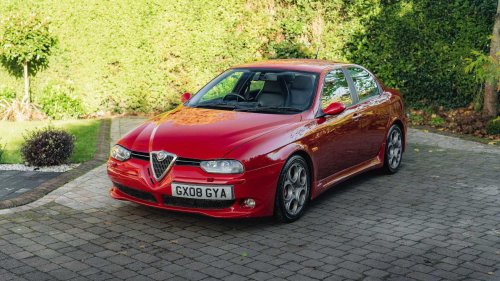
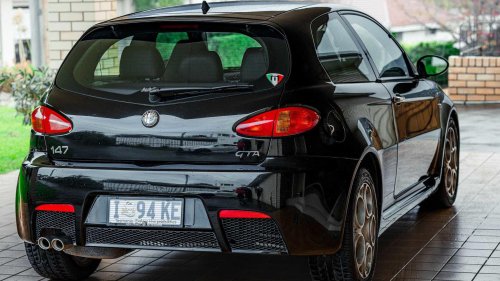
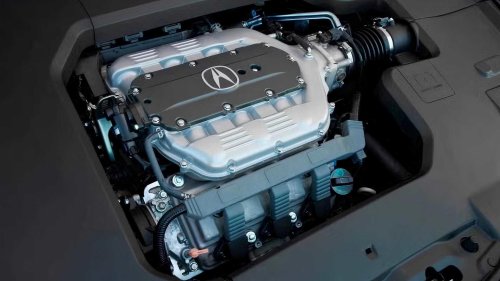
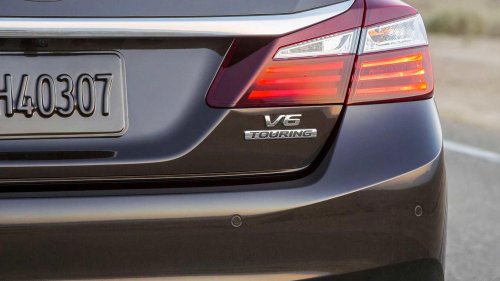
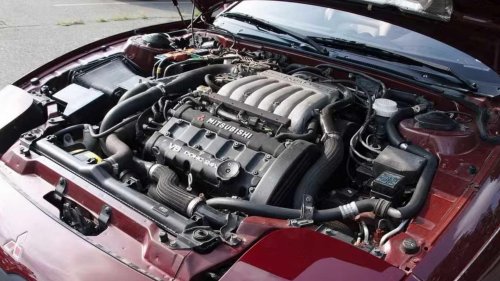
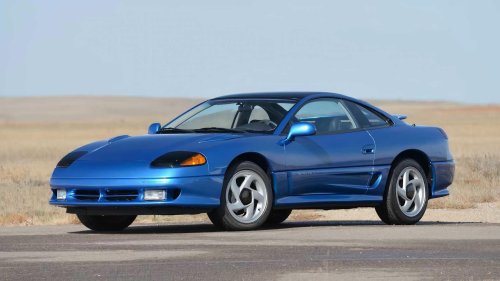
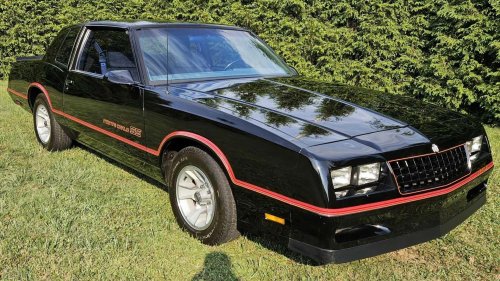
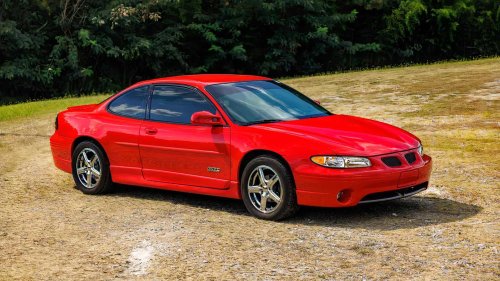
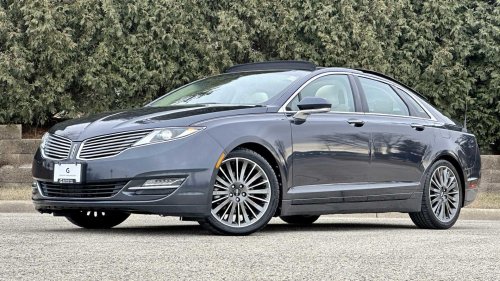
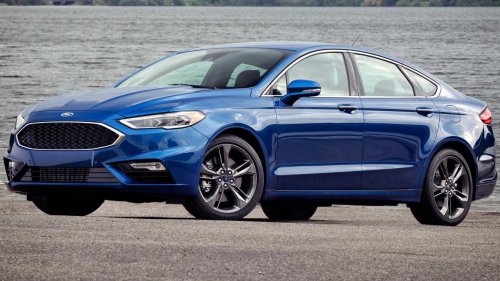



















Few engine layouts have balanced power, refinement, and packaging as effectively as the V6. Sitting neatly between the torque-heavy V8 and the compact inline-four, the V6 has long been the performance sweet spot for automakers across the world. Over the decades, it has powered everything from everyday sedans to exotic supercars, shaping automotive history through innovation, versatility, and raw character. From naturally aspirated screamers to twin-turbo monsters, the world’s most iconic V6 engines have proven that six cylinders can deliver both sophistication and speed.This list explores ten of the most legendary V6 engines ever produced, each a masterpiece of engineering that helped define the performance era of its time. These powerplants didn’t just move cars; they built legacies. Whether it’s the silky smooth Nissan VQ35DE, the exotic Maserati Nettuno, or the robust Ford EcoBoost, these engines represent milestones in both performance and reliability, leaving a lasting mark on the world of internal combustion. Nissan VQ35DE Bring A Trailer Introduced in the early 2000s, the Nissan VQ35DE quickly became one of the most respected V6 engines in the industry. Found in everything from the 350Z and Infiniti G35 to the Altima and Maxima, this 3.5-liter naturally aspirated unit was celebrated for its balance of power, reliability, and character. Producing around 287 to 306 horsepower depending on the application, it combined a lightweight aluminum block with continuously variable valve timing, giving it both flexibility and a rev-happy demeanor. The VQ35DE was part of Nissan’s broader VQ family, a lineage so successful that it made Ward’s 10 Best Engines list multiple times.Bring A Trailer What made the VQ35DE truly legendary was its dual personality. It was refined enough for luxury sedans like the Infiniti G35, yet visceral enough to power sports cars like the 350Z. Tuners adored its durability, routinely extracting well over 400 horsepower with forced induction. Its crisp throttle response and distinctive growl made it one of the most engaging V6s of its time. The VQ35DE showed the world that performance didn’t have to come from a V8, six cylinders could be just as thrilling when engineered with precision and passion. Ford 3.5-Liter EcoBoost V6 Ford’s 3.5-liter EcoBoost V6 redefined what a modern turbocharged engine could be. When it debuted in 2009, skeptics doubted whether a twin-turbo V6 could replace the beloved V8s in F-Series trucks and performance cars. But the EcoBoost quickly silenced critics with its immense torque and impressive efficiency. With outputs ranging from 365 to 647 horsepower (in the Ford GT supercar), it delivered near-V8 performance while improving fuel economy and reducing emissions—a balance that became the new benchmark for Ford’s engine lineup.Bring a Trailer The 3.5L EcoBoost didn’t just talk performance; it proved it on the road and racetrack. In the Ford F-150 Raptor, it offered astonishing off-road power, while in the Le Mans–winning Ford GT, it demonstrated endurance-racing dominance. Its use of direct injection, variable cam timing, and twin turbochargers made it adaptable across a variety of vehicles, from pickup trucks to halo cars. More importantly, it marked a cultural shift, showing that turbocharged V6s could replace big-displacement V8s without sacrificing soul or capability. Toyota 2GR-FE (3.5-Liter V6) Toyota The Toyota 2GR-FE may not have the flashiest name, but it’s one of the most dependable and widely used V6 engines ever built. Debuting in 2005, this 3.5-liter naturally aspirated motor found a home in everything from the Camry and Avalon to the Lexus RX 350 and Lotus Evora. Producing between 268 and 316 horsepower depending on the model, the 2GR-FE combined Toyota’s hallmark reliability with strong mid-range torque and smooth, effortless acceleration. It was a workhorse that could perform like a thoroughbred.Hoffmann's What makes the 2GR-FE legendary is its remarkable adaptability. It powered family sedans, crossovers, and even sports cars, often running for hundreds of thousands of miles without issue. Its dual VVT-i system gave it both efficiency and responsiveness, while the engine’s balance and refinement made it a favorite among enthusiasts and engineers alike. In performance applications like the Lotus Evora, the 2GR-FE took on a completely different personality, rev-happy, aggressive, and full of character, proving that Toyota’s engineering genius could shine both on the highway and the racetrack. Alfa Romeo 2.9-Liter V6 (Bi-Turbo) CarBuzzDerived from Ferrari’s F154 V8, the Alfa Romeo 2.9-liter twin-turbo V6 is a masterpiece of Italian engineering. Found in the Giulia Quadrifoglio and Stelvio Quadrifoglio, this engine delivers an astonishing 505 horsepower and 443 pound-feet of torque. It’s a compact, lightweight unit that exudes emotion in every rev, blending razor-sharp throttle response with a spine-tingling soundtrack. With aluminum construction and direct fuel injection, it’s every bit a modern performance engine, but with an unmistakable Ferrari soul.Alfa Romeo What truly sets the Alfa Romeo 2.9L apart is its character. It’s ferocious when pushed, yet refined enough for daily driving. The turbos spool quickly, and the engine’s linear power delivery gives it a natural aspirated feel despite being force-fed. In the Giulia Quadrifoglio, it transforms an executive sedan into a track-capable beast, achieving 0–60 mph in under 3.8 seconds. This V6 doesn’t just power a car, it defines it, carrying the DNA of Italian racing heritage into the modern era of performance sedans. Maserati Nettuno 3.0-Liter V6 Maserati The Maserati Nettuno 3.0-liter twin-turbo V6 represents a new chapter in Italian performance engineering. Developed in-house by Maserati and launched with the MC20 supercar, it’s a technological marvel producing 621 horsepower and 538 pound-feet of torque. What sets it apart is the innovative pre-chamber combustion system, derived from Formula 1 technology. This system enhances efficiency and performance by improving combustion speed and reducing knock, making the Nettuno one of the most advanced V6 engines ever built.TopSpeed | Garret Donahue Beyond its cutting-edge design, the Nettuno captures Maserati’s signature blend of luxury and emotion. It revs eagerly, delivers power seamlessly, and produces a distinct exhaust note that bridges old-school charm with modern sophistication. In the MC20, it allows Maserati to rival the likes of McLaren and Porsche without relying on a V8. The Nettuno V6 marks Maserati’s triumphant return to pure engineering excellence, proving that innovation and passion can coexist beautifully under the hood. Alfa Romeo Busso V6 Collecting Cars Few engines in history sound as enchanting as the Alfa Romeo Busso V6. Designed by engineer Giuseppe Busso in the 1970s, this all-aluminum V6 became a cornerstone of Alfa performance for over three decades. Ranging in displacement from 2.5 to 3.2 liters, the Busso engine powered icons like the GTV6, 156 GTA, and 147 GTA. With its distinctive polished intake runners and unique exhaust note, it wasn’t just an engine, it was mechanical art.Collecting Cars What made the Busso legendary was its character. It combined silky-smooth operation with a raspy, intoxicating soundtrack that few modern engines can match. It was also robust, capable of high mileage when properly maintained, and offered exceptional throttle response for its era. Even today, enthusiasts seek out Alfas with the Busso V6 purely for the way it feels and sounds. In a world moving toward electrification, the Busso remains a timeless reminder that emotion, not just numbers, defines true performance. Honda J-Series V6 (3.5-Liter) CarBuzz The Honda J-series V6 has long been the unsung hero of the brand’s lineup, powering everything from the Accord and Odyssey to the Acura TL Type-S and NSX hybrid. In its most potent naturally aspirated form, the 3.5-liter J35 engine produced up to 310 horsepower, and when paired with Honda’s legendary VTEC system, it delivered an engaging mix of efficiency and high-revving performance. Its smoothness and reliability became hallmarks, embodying Honda’s engineering precision.Honda What makes the J-series special is its balance between practicality and spirit. It was refined enough for family vehicles yet potent enough to anchor sporty sedans and coupes. Even without turbochargers, it delivered linear, responsive power that felt alive at higher revs. In the hybrid NSX, a twin-turbo version of the J-series took things to another level, integrating with electric motors to deliver supercar performance. The J-series stands as one of the most versatile and enduring V6 families ever created,a true example of Honda’s mastery of mechanical harmony. Mitsubishi 6G72 3.0-Liter Turbo V6 Bring a TrailerDuring the 1990s, the Mitsubishi 6G72 3.0-liter twin-turbo V6 was a force to be reckoned with. Powering the legendary 3000GT VR-4 and Dodge Stealth R/T Twin Turbo, it delivered up to 320 horsepower and 315 pound-feet of torque, serious numbers for its time. Equipped with all-wheel drive, four-wheel steering, and active aerodynamics, the 6G72 helped make the 3000GT one of the most technologically advanced sports cars of the decade.Mecum The 6G72’s strength lay in its robust construction and tuning potential. Even stock, it provided exhilarating performance, but tuners could easily push it beyond 500 horsepower with upgraded turbos and fuel systems. While it wasn’t the lightest or most efficient engine, its durability and torque made it a favorite among enthusiasts seeking 1990s turbocharged thrills. Today, the 6G72 stands as a symbol of an era when Japanese automakers were unafraid to innovate and push the limits of what six cylinders could achieve. GM 3.8-Liter Supercharged V6 (L67) Bring A Trailer General Motors’ L67 3.8-liter supercharged V6, part of the legendary 3800 Series II family, proved that American engineering could deliver performance without complexity. Found in cars like the Pontiac Grand Prix GTP, Buick Regal GS, and even the Chevrolet Monte Carlo SS, it produced up to 240 horsepower and a healthy 280 pound-feet of torque. What made it truly special was its low-end grunt and bulletproof reliability, characteristics that made it a cult favorite among enthusiasts.Hagerty The Eaton M90 supercharger gave the L67 instant torque delivery, creating effortless acceleration and a unique whine that enthusiasts still love. Despite being a pushrod design, it was incredibly efficient and easy to maintain, often lasting well past 200,000 miles. In the 1990s and early 2000s, it represented the perfect blend of everyday drivability and performance. The L67 may not have been exotic, but it captured the American spirit of simple, dependable power—earning its place among the greats. Ford Duratec 3.5-Liter V6 (Cyclone) Bring A Trailer Ford’s Duratec 3.5-liter V6, later branded under the Cyclone family, became a cornerstone of Ford’s mid-2000s lineup. Used in vehicles like the Ford Edge, Fusion Sport, and Lincoln MKZ, it produced up to 305 horsepower in naturally aspirated form and served as the foundation for the high-output EcoBoost versions that followed. With dual overhead cams, variable valve timing, and an aluminum block, the Duratec 3.5L represented Ford’s transition into the modern era of performance and efficiency.Ford Its legacy lies in versatility and refinement. The engine offered a smooth, linear power band suitable for everything from family sedans to performance-oriented SUVs. It proved so adaptable that Ford used its architecture as the basis for later turbocharged applications, including the high-performance EcoBoost variants. In many ways, the Duratec 3.5L was the bridge between traditional V6 design and the turbocharged revolution that would follow, an understated yet essential chapter in Ford’s performance history.