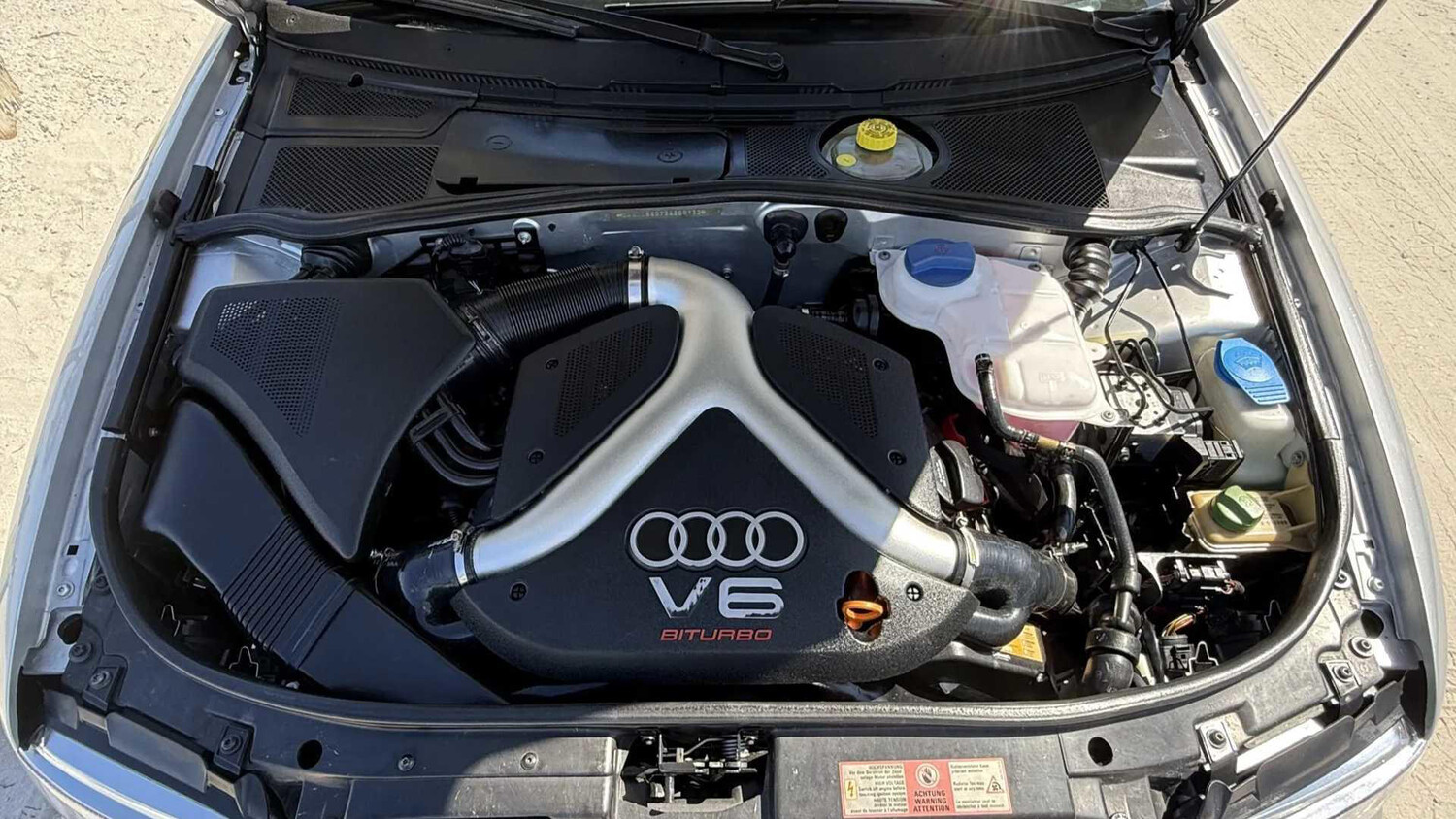
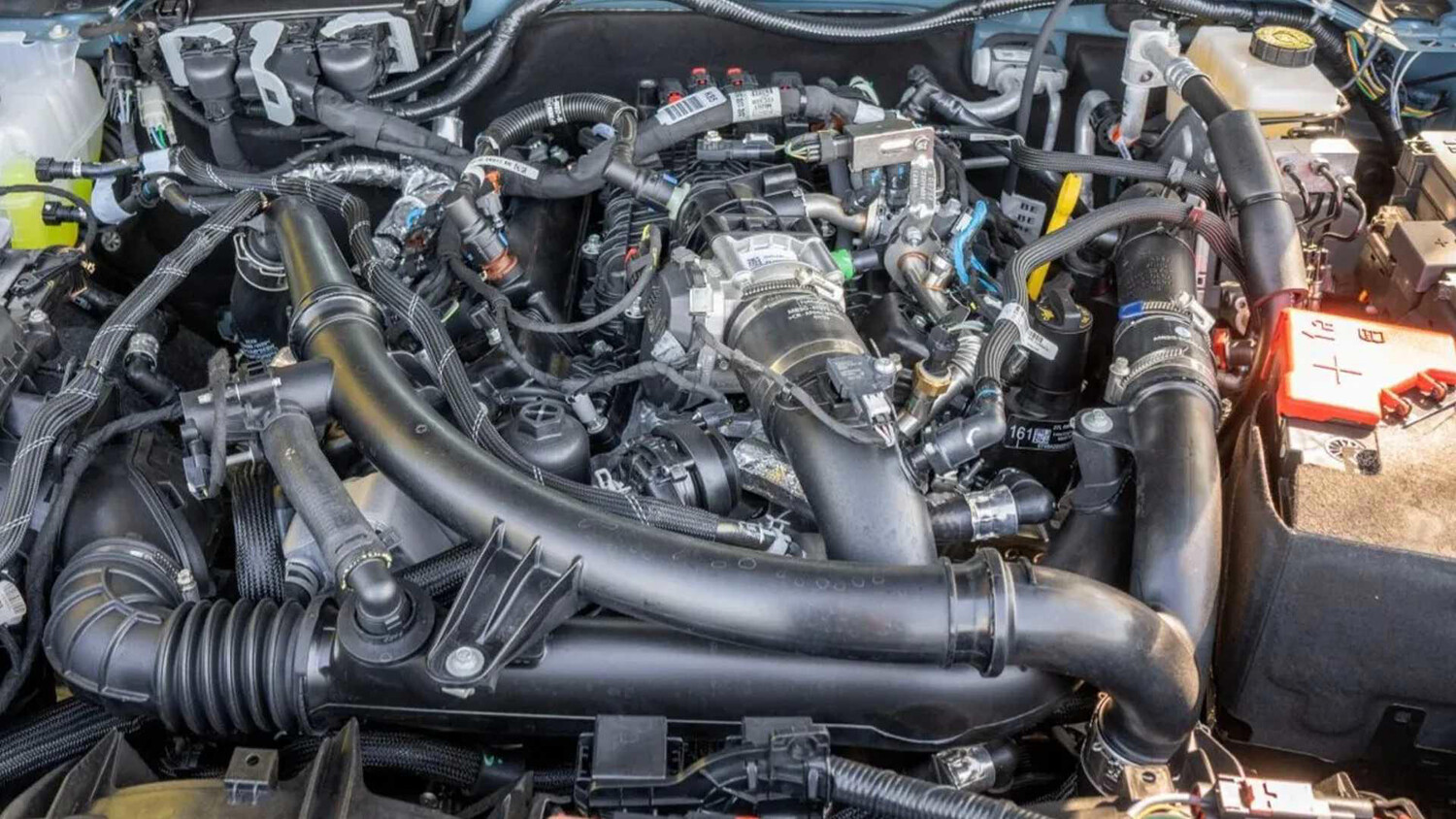
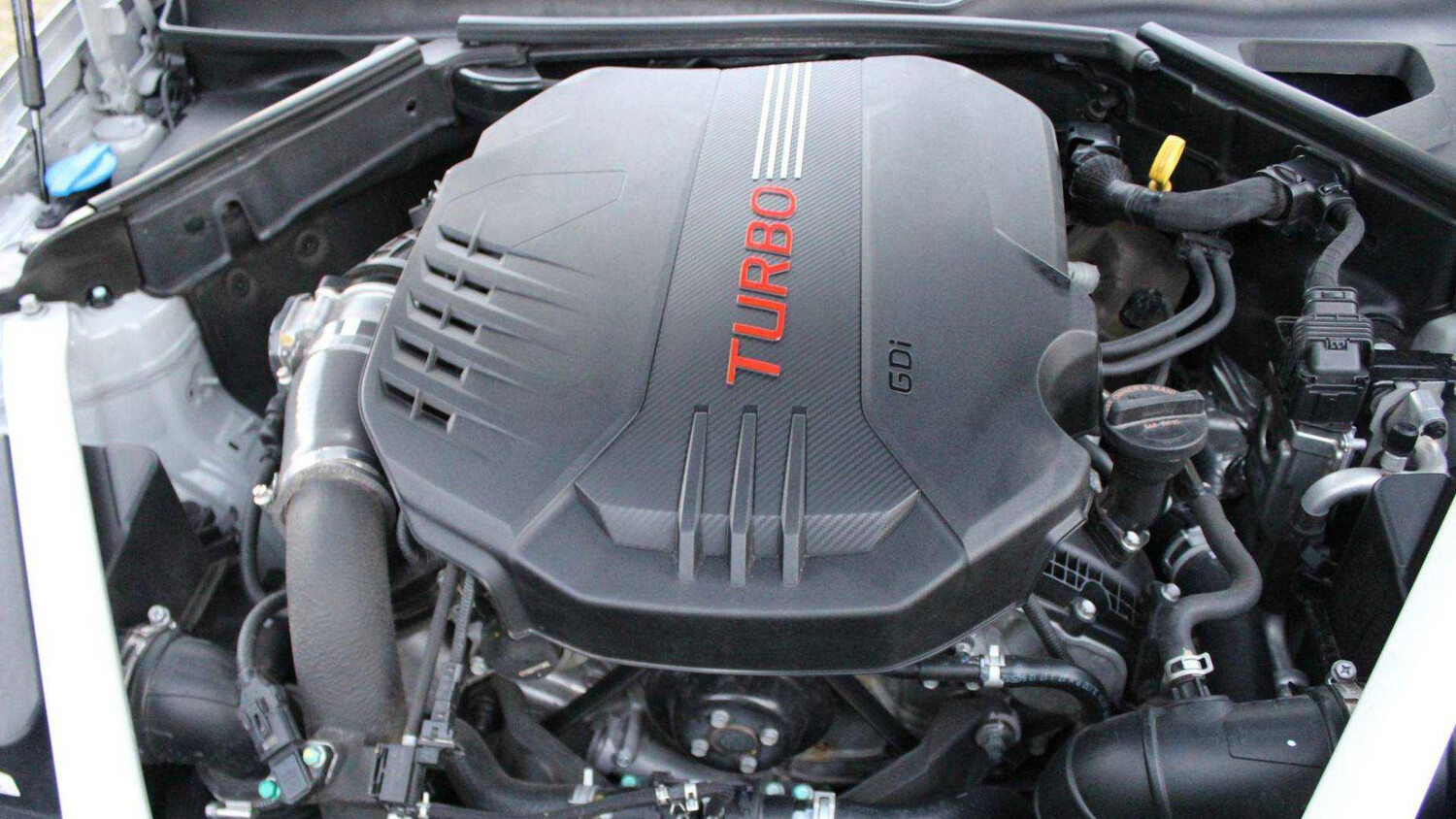
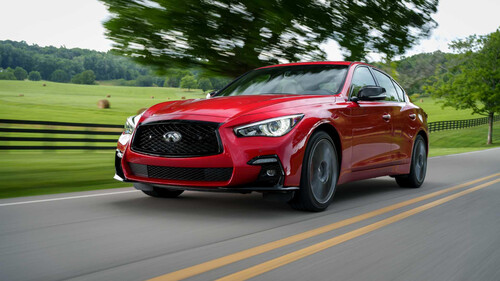
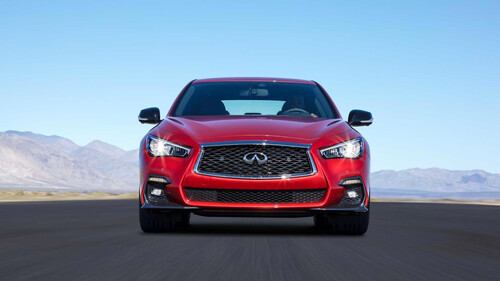
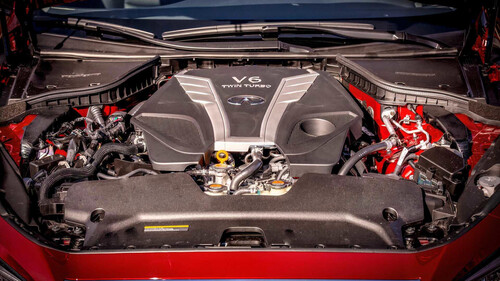
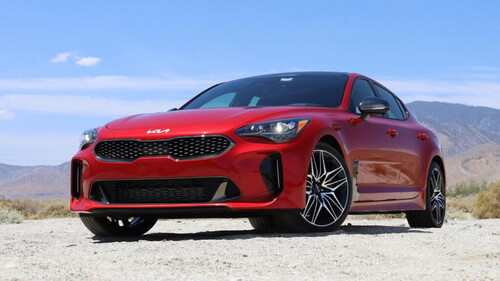
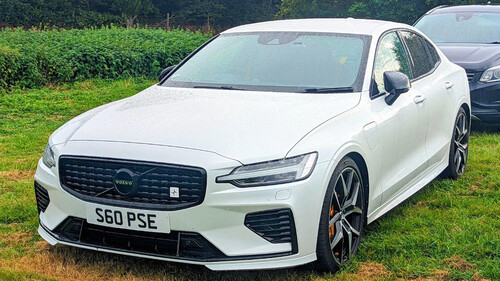
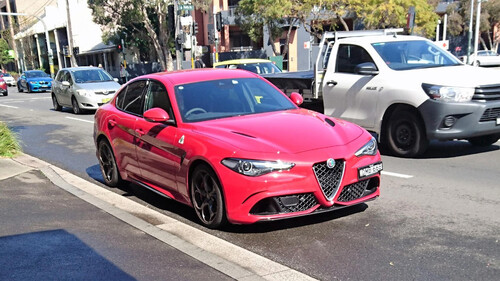
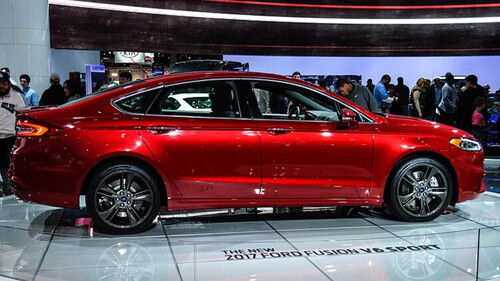
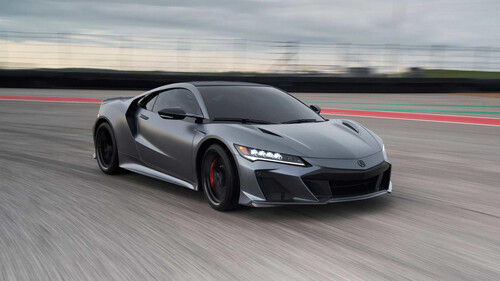
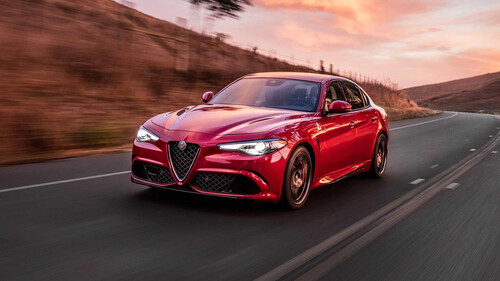
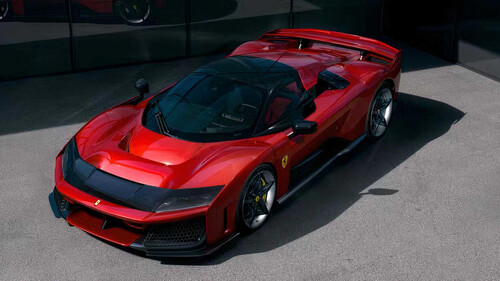
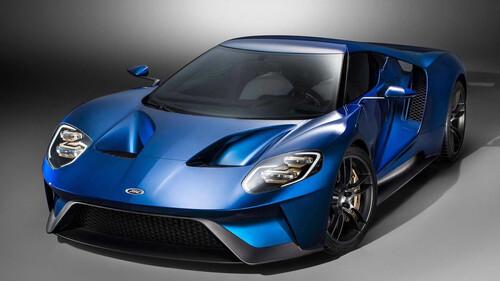
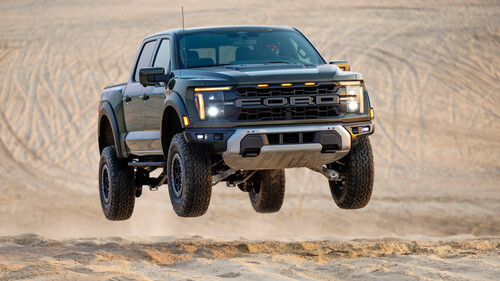
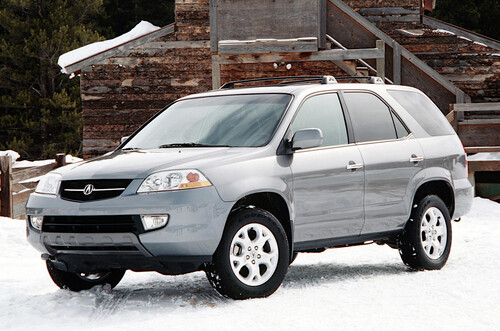
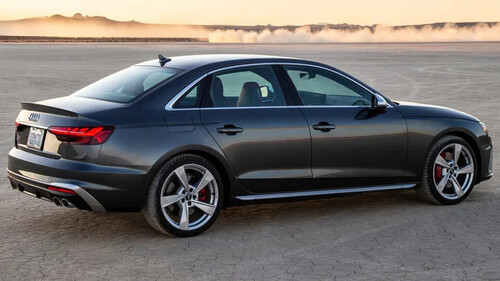
Some people are happy to leave a car stock. After all, the factory made it that way, and they must surely know what's best for it. But for all the people that leave their car standard and as-is, there's always going to be some who want it to be different. Unique. Who want it to make more power. And there are always people who are only too happy to oblige, with twin-turbo V6s being particularly popular in the tuning world for their low-end torque, comparative lack of turbo lag, and huge power potential from uprating the turbos. And among that tuning world, there are some that are truly coveted. Audi 2.7T V6 Power: 250+ hp Bring a TrailerAudi’s 2.7T V6 engine was first introduced in the 1997 B5 Audi S4 and A6 2.7T, and was designed as a middle ground between its naturally-aspirated V6s and its larger V8s. It was actually Audi's first mass-produced twin-turbo and offered improved performance (up to 265 horsepower in the B5 Audi S4) in a smaller package thanks to those twin-turbos. The turbos were also somewhat easy to either replace with larger units or remap, making it a very popular choice for tuners, chief among which was Cosworth.Audi brought in the automotive engineering powerhouse to work specifically on the engine for the late-1999 B5 RS4, with the British company taking it up to 375 hp courtesy of larger intake ports, smaller exhaust ports, some upgraded turbochargers and intercoolers, and a host of other tweaks. This perfectly set the engine up for aftermarket tuning, with Stage 3 taking the engine as far as a reported 600+ hp. Acura J37 / J35Z Power: 290+ hp Bring a TrailerThe J37 and J35Z were part of the much-loved J series of engines, known for their reliability and low-end torque. Found in cars like the Acura TL and MSX between 2009 and 2014, then the Chinese-market RDX from 2013 to 2018, they started at a decent 290 hp in J35 form. This set them up for a strong aftermarket performance as not only did they have that Honda reliability and performance, but coming from Honda meant that there was a wealth of compatibility, too.Modifications commonly go for the “bolt-on” approach, replacing things like the cold air Intake or throttle body for modest increases each time, meaning tuners can almost plug-and-play with the engine to get whatever they want out of it. ECU flashes remain the easiest way to get more power out of these sturdy engines, though, with modest 25 hp improvements possible. Ford Ecoboost 2.7-Liter Power: 335+ hp Bring a TrailerThe Ecoboost engine hardly needs an introduction. First announced in 2009 and leaving the factory in 2010, it’s a staple of Ford’s engine bays. The Ecoboost 2.7L version powers some of Ford's large vehicles, including the second-gen F-150, the Ranger, and the Bronco, as it has 400 lb-ft of torque to provide the low-end torque needed for towing and off-roading.This power, coupled with the Ecoboost’s relatively small size, fuel efficiency, and aftermarket support (it is Ford, after all) has made it a popular replacement for Mustangs, but also older cars, with older Ford trucks like the F100 being a popular option. Mapping can easily add another 50 hp, while freer-flowing intakes, upgraded intercoolers, downpipes, and exhaust allow the engine to breathe more, improving power and efficiency further. Its twin-turbo nature also makes it a smaller engine compared to a V8, which add practicality and balances that performance with usability. Nissan VR30DDTT Power: 300+ hp Bring a TrailerOne of the most respected and well-known tuner engines, the VR30DDTT is a very popular option for those in the know. It was initially launched in the Infiniti Q50 in 2016, making its way to the Q60 a year later, and the modern-day Nissan Z in 2023 where it makes 400 hp in NISMO trim.While its reputation today is one of tunability and power, it did suffer from reliability issues on launch, as turbo failures and belt issues led to drivers seeing that dreaded blue smoke pouring out the back of their pride and joy. These have been cleared up, though, and while it might use more oil than other models, it's largely shrugged those problems off now.It’s a favorite among the tuning community because, with those early problems gone, it’s a powerful, reliable engine with great internals and the ability to get 100 wheel hp increases from tuning alone. Hyundai Lambda 3.3T Power: 365+ hp Cars and BidsThe Lambda 3.3T is a powerful performance engine that has a home in some of the more luxury Korean cars like the Kia Stinger GT and Genesis G70 to G90. Offering a mix of low-end grunt and smooth power, it’s a good engine on its own before you even get into tuning thanks to its good internals.Tunes paired with supporting parts to acheive 450 wheel hp are common, while Burger Motorsports took their "Fastest Kia in the World" Kia Stinger GT to over 760 hp in 2025 through a mixture of upgraded intakes, turbo inlets, intercooling, ECU tuning, and fueling, while keeping the turbos stock, proving the power the engine is really capable of. Toyota V35A-FTS Power: 400+ hp ToyotaThe Toyota V35A-FTS doesn’t have a typical car you’ll find it in. Its versatility means it found homes in big SUVs like the Toyota Tundra and Sequoia, as well as the sporty Lexus LS500. This use in high-end and luxury cars, particularly SUVs, means that it's not just power that the engine has, but torque—packing 442 lb-ft of it.This focus on both power and torque, along with it being a reasonably modern engine, has made it a popular option compared to other V6 engines, especially when you consider the smoothness of the power. Tuners mainly focus on the SUVs with the engine, given that they're far more common than the LS500. Tunes therefore focus more on ECU flashes to unlock more throttle response and lower-end, enjoying the ease of modern tuning before getting into swapping parts. Ford Ecoboost 3.5L Power: 400+ hp FordA more powerful Ecoboost, the 3.5-liter version finds itself in the most exciting cars in Ford’s lineup. The second-gen Ford GT has a 3.5-liter Ecoboost V6, as does the F-150 Raptor. Not something they just chuck in any old car, then. It's mainly used to provide V8 power with improved fuel efficiency, though the engine's versatility—being just as at home in a modern supercar as it is a truck—is real evidence of how well-loved this engine is and how it can be modified to suit whatever car it's put into.As with the rest of the Ecoboost range, it's proven itself to be highly tunable, aftermarket-friendly, and strong straight out of the box. Everything that tuners love. Case in point: DC Garage swapped one into a Mustang (along with some other tweaks) and took it to 435 hp and 535 lb-ft of torque, even when limiting power. Alfa Romeo 2.9L 690T Power: 503+ hp Bring a TrailerThe Alfa Romeo 2.9L 690T could reasonably be called a baby Ferrari engine, given that it was derived from the Ferrari F154 twin-turbo V8 engine. It was launched in 2015, and can be found in the Giulia Quadrifoglio, Stelvio Quadrifoglio, and Giulia GTA / GTAm track cars, so it isn’t exactly underpowered.Often thought of as Alfa Romeo's greatest engine, or as a Ferrari V6, it doesn't really need much done to it, as it's already a very strong engine with amazing noise, but that never stops people. Albon on YouTube changed their Giulia Quadrifoglio’s ECUs (yes, plural) to take it to 600+ hp, while Celtic Tuning got one to 602 hp with stock turbos and no engine modifications, proving the engine’s incredible versatility and tuner fanbase.