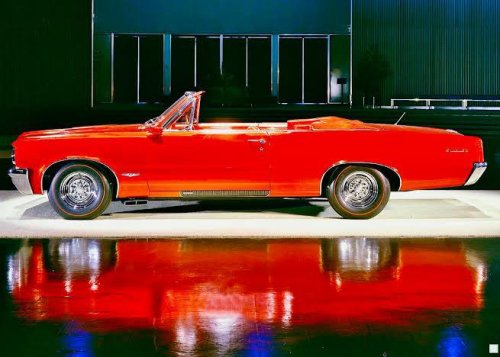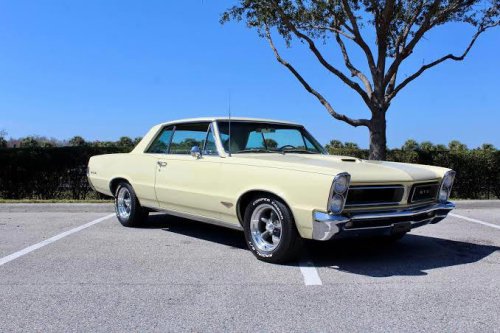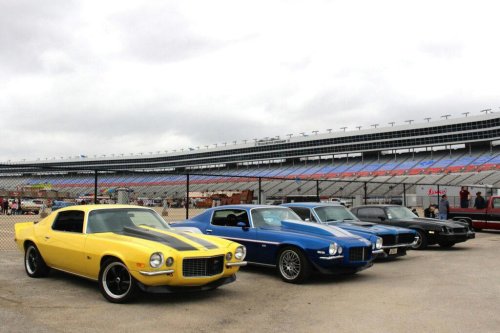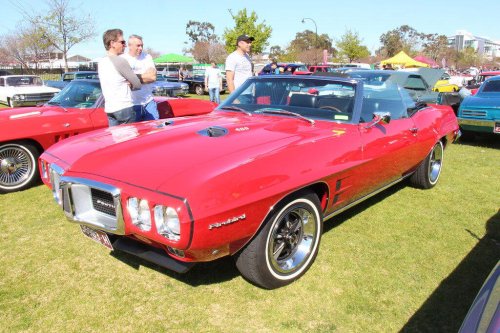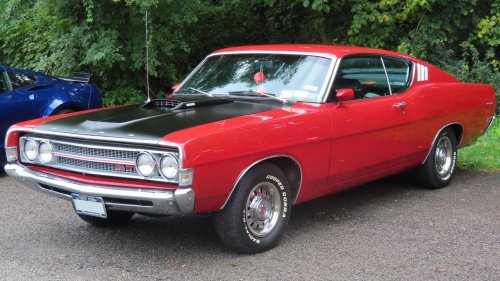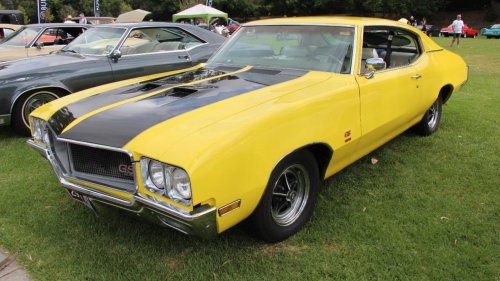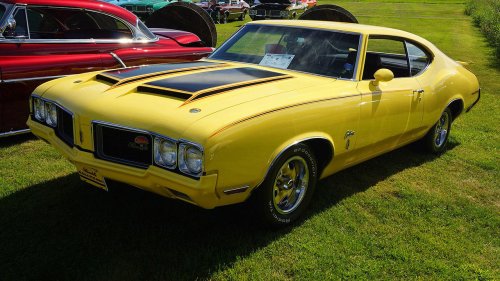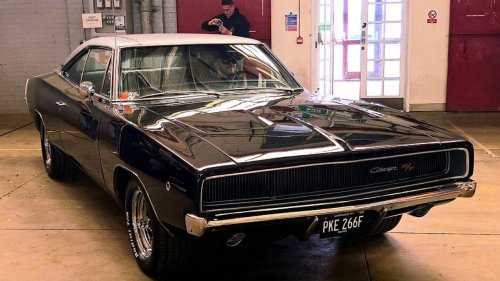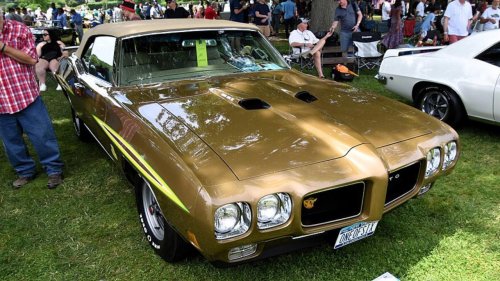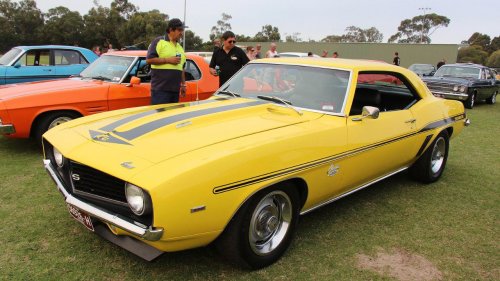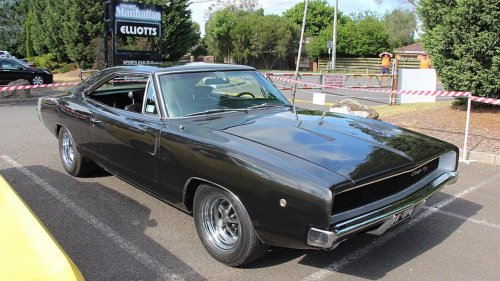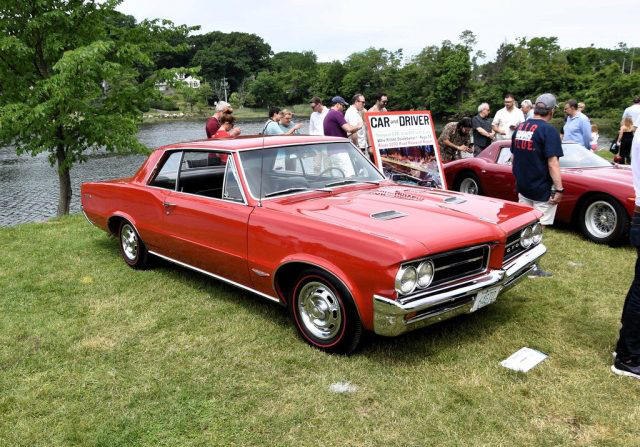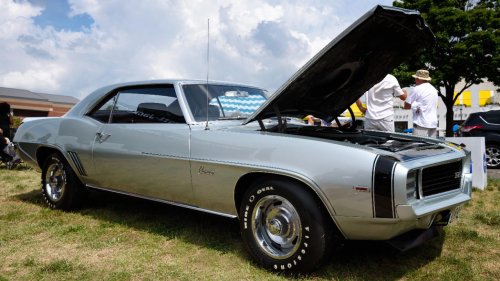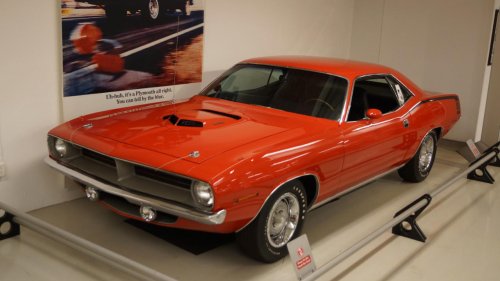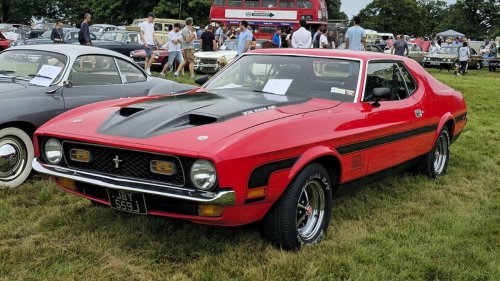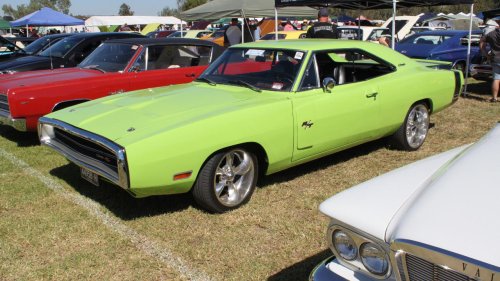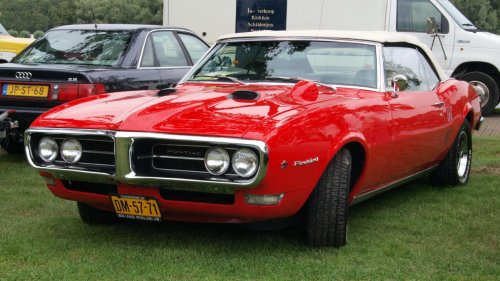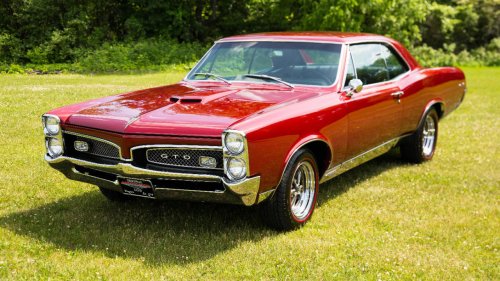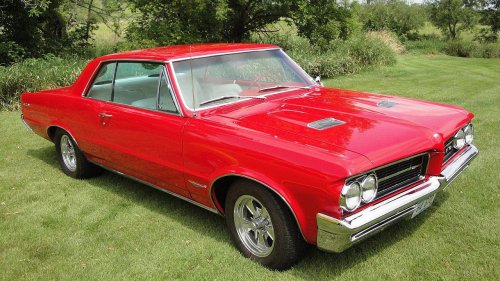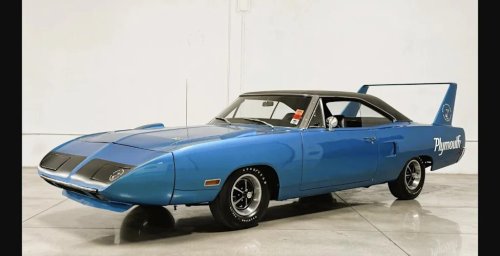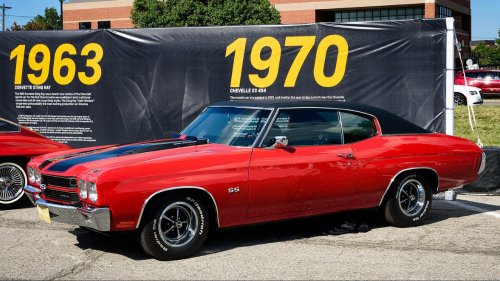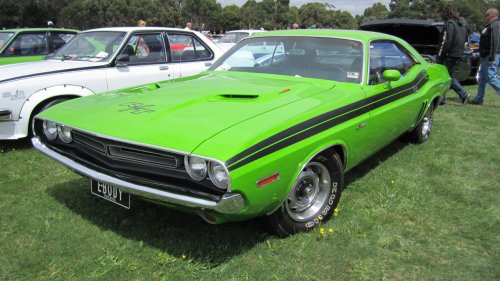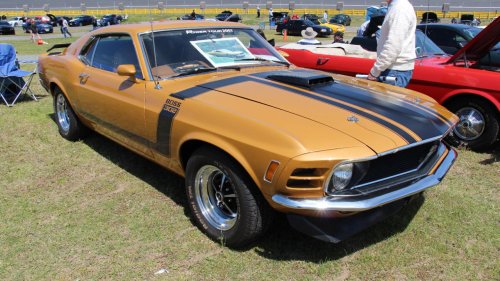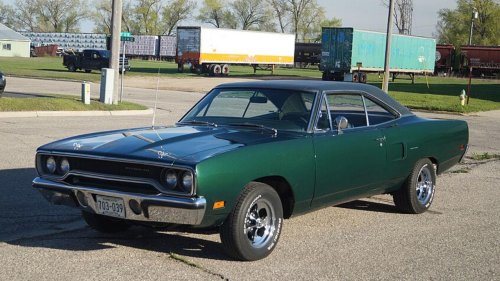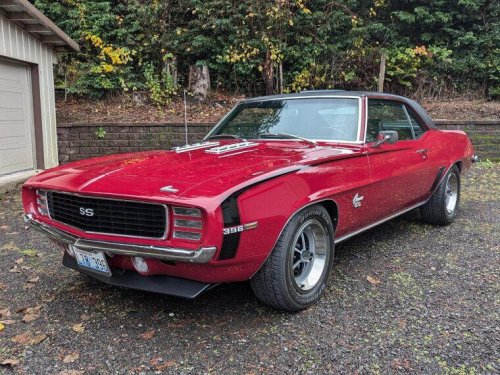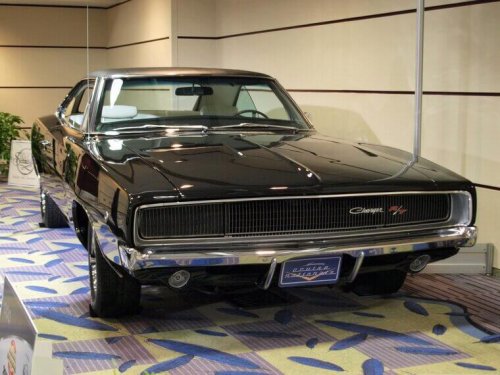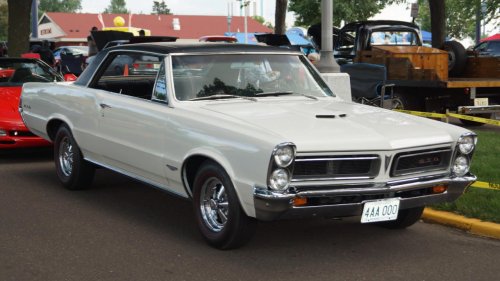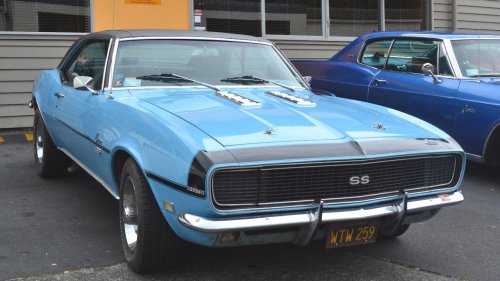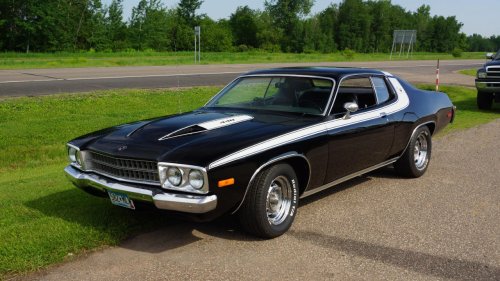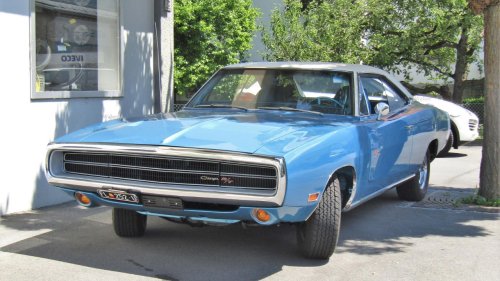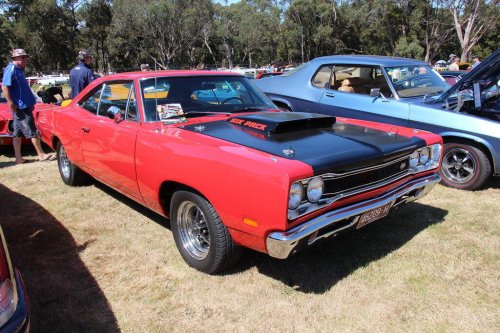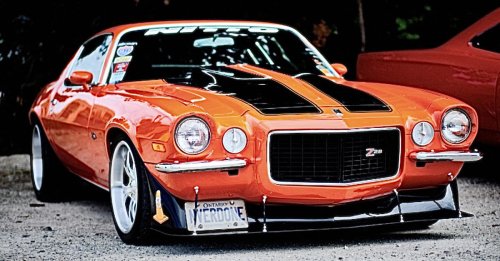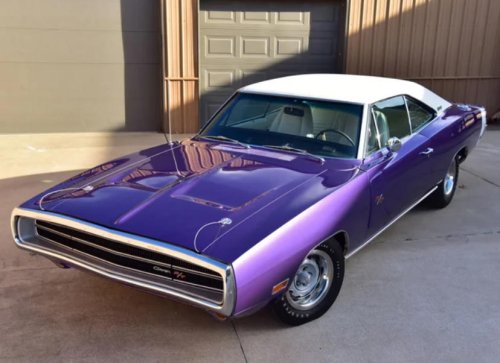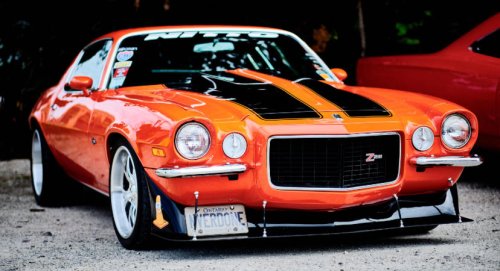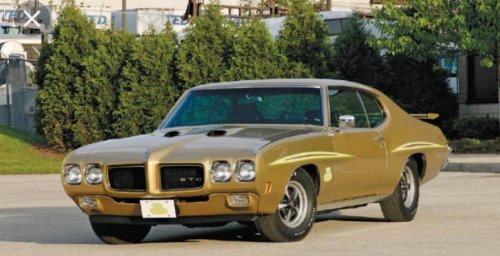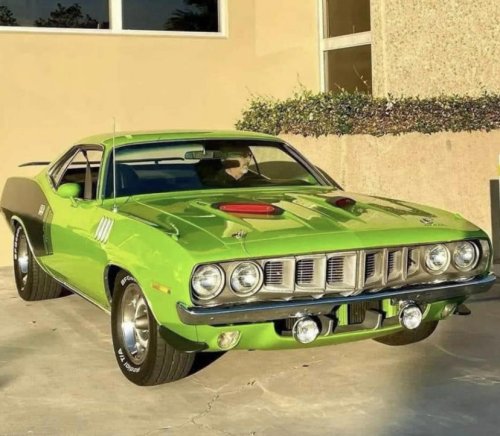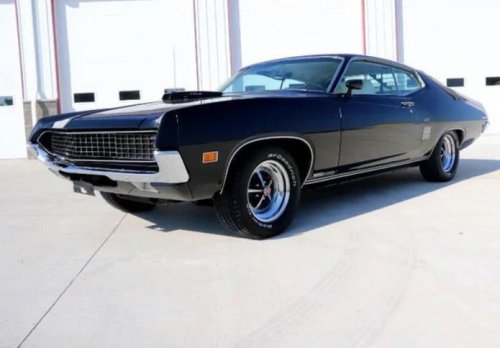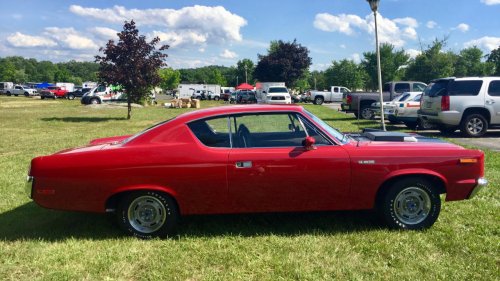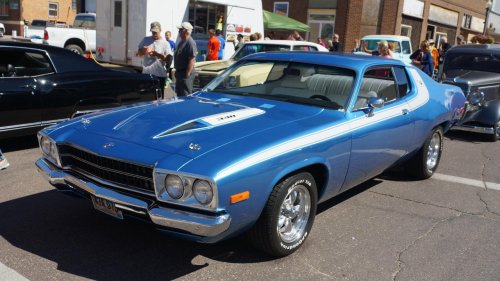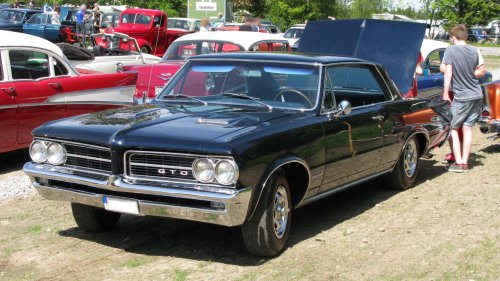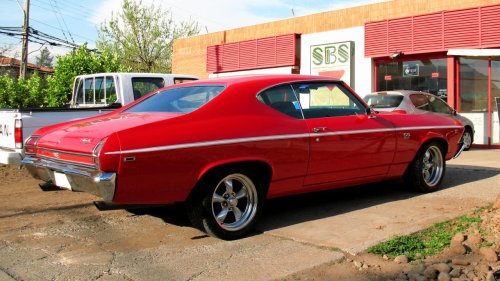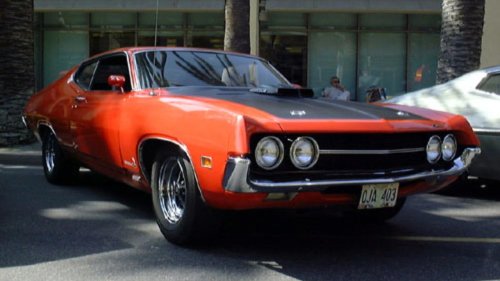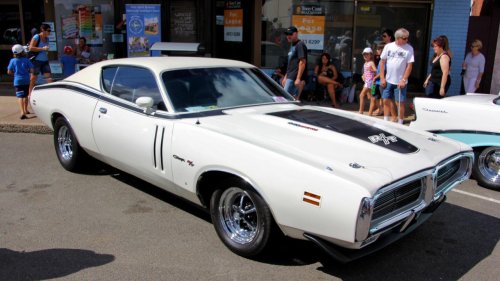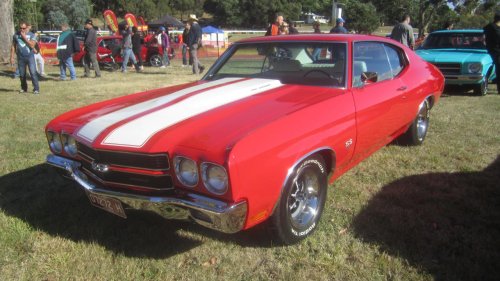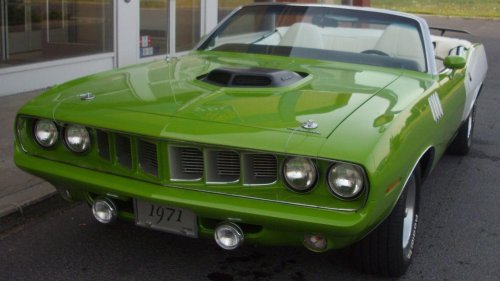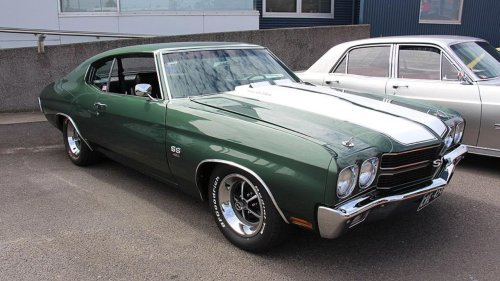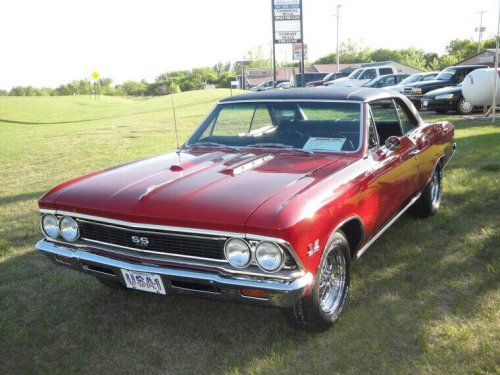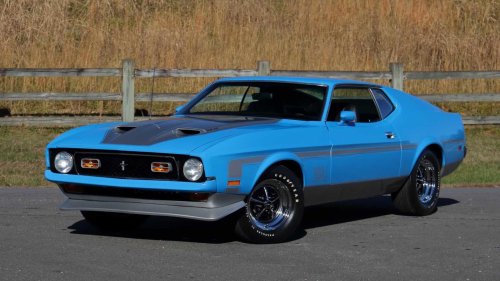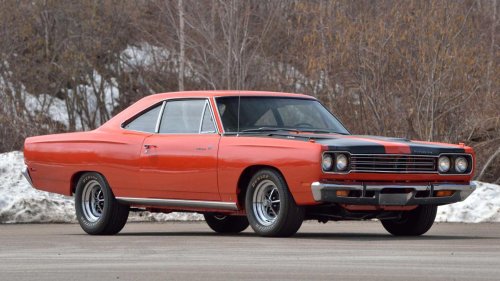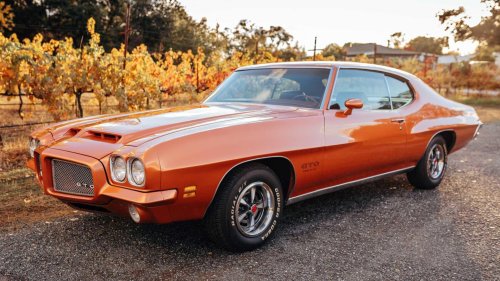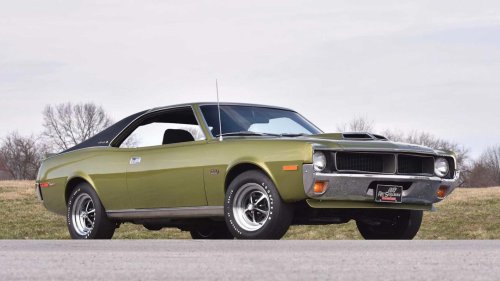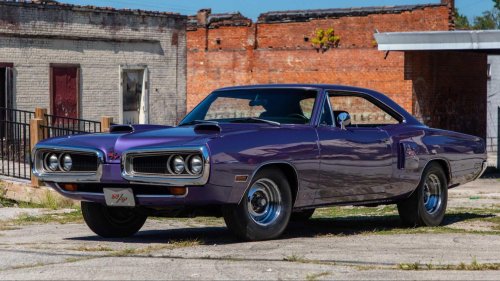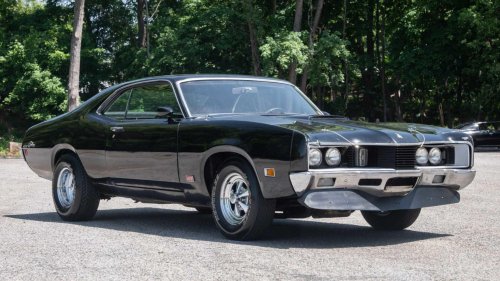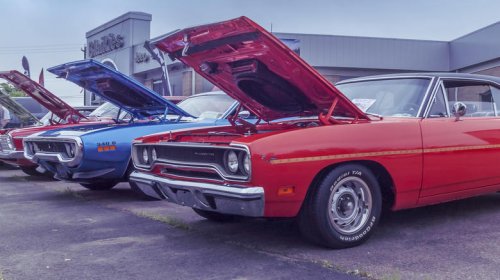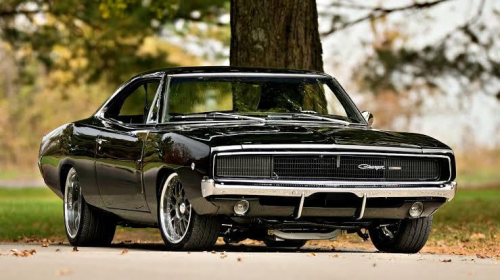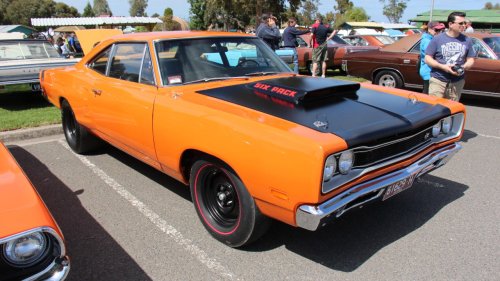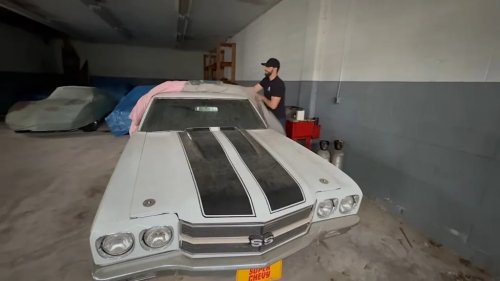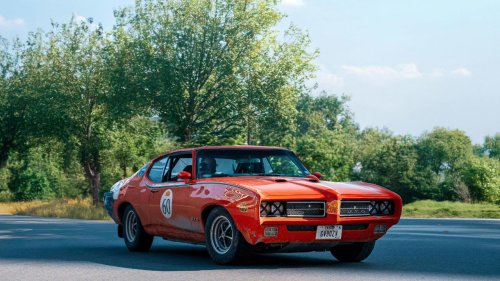
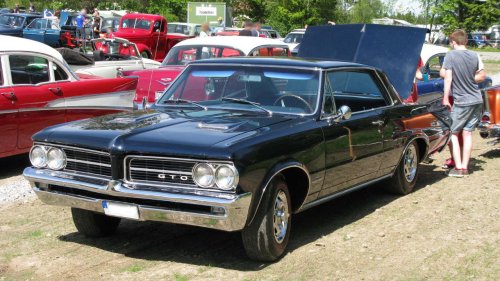
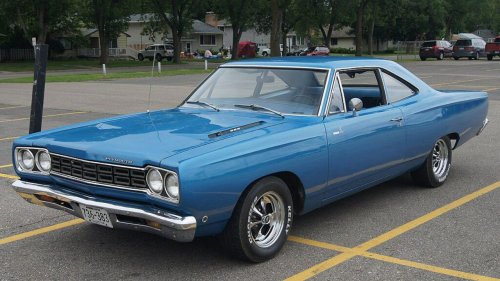
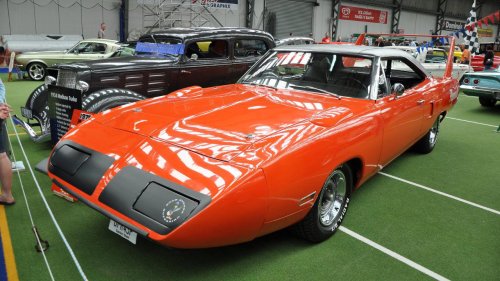
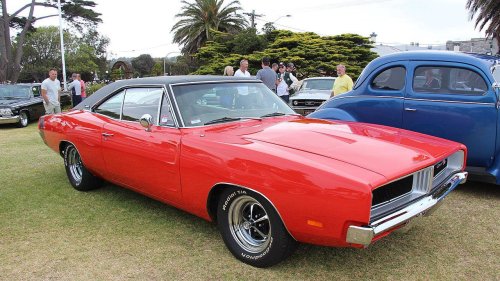




















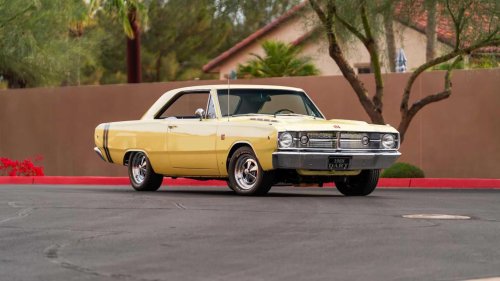
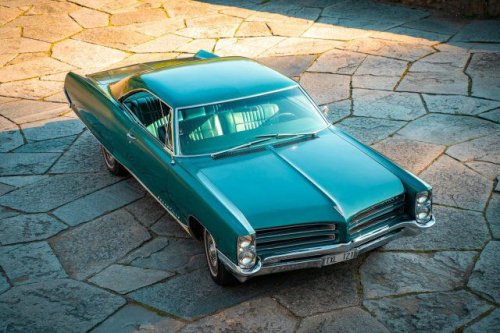
The golden age of performance did not just create fast cars; it set a template for how power, style, and accessibility could come together on American streets. From factory drag-strip specials to NASCAR-bred aero warriors, these machines showed what happened when engineers chased quarter-mile glory instead of fuel economy. The following eight muscle cars capture that moment, each one helping define what enthusiasts still mean when they talk about the classic era of American power.1964 Pontiac GTOThe 1964 Pontiac GTO is widely described as a Street Racing Statement by GM, and many enthusiasts consider it the first true muscle car. Period coverage of Top Muscle Cars, the 60s and 70s, highlights how the Pontiac GTO combined a midsize body with big V8 power to create a new performance formula. Front and side view photography of a 1964 Pontiac shows a relatively modest Tempest shell hiding high speed, which made the car both attainable and intimidating at the same time. By dropping a large displacement engine into an everyday platform, Pontiac proved that performance did not have to be reserved for expensive sports cars. That decision pushed rival brands to follow suit, turning the GTO into a catalyst for the entire muscle movement. For collectors and historians, the car marks the point where Detroit realized that youth culture, straight-line speed, and showroom sales could all be linked.1968 Dodge Charger R/TThe 1968 Dodge Charger R/T embodies what later coverage calls Gen Mopar Magic, combining a sleek fastback profile with serious big block power. Analyses of Muscle Cars That describe the 1968 Dodge Charger as a standout of that peak period between 1968 and 1970. The R/T package added heavy-duty suspension and potent engines, turning the already dramatic body into a genuine street and strip weapon. Visuals from Mecum auctions show how the second-generation Charger still commands attention with its hidden headlights and flying buttress roofline. Dodge used the car in NASCAR and drag racing, which helped cement its reputation with fans who followed motorsports closely. For stakeholders in the collector market, the 1968 Dodge Charger R/T remains a benchmark for Mopar values and a reference point whenever the golden age of performance is discussed.1968 Plymouth Road RunnerThe Plymouth Road Runner arrived in 1968 as a stripped-down, budget-friendly way to access high speed. Listings of classic models in Contents specifically highlight the Plymouth Road Runner from 1968 to 1970 as one of the most sought-after muscle cars. By focusing on a strong engine and minimal frills, Plymouth delivered a car that appealed directly to younger buyers who cared more about quarter-mile times than luxury trim. That formula helped democratize the golden age of performance, proving that muscle did not have to be wrapped in upscale options. The Road Runner also leaned into pop culture with its cartoon badging and horn, which gave it a distinct identity among rivals from Dodge and Chevrolet. For modern enthusiasts, its blend of affordability, authenticity, and period-correct character keeps demand high and supports strong auction results.1970 Chevy Camaro SS 396The 1970 Chevy Camaro SS 396 captured the moment when Detroit pushed displacement and style to new heights. Coverage of the greatest muscle machines notes that in 1970, buyers could choose a Chevy Camaro SS with the 396 engine, alongside rivals like the AMC AMX 390 G and the Dodge Challenger 440 Six Pack. A detailed feature on Chevy Camaro SS performance points out how the 396 option turned the Camaro into a serious threat on both street and track. By pairing that big block with a refined second-generation chassis, Chevrolet showed how the golden age could combine handling and brute force. The presence of the 396, the AMC 390 G, and the 440 in the same showroom era illustrates how intense the horsepower race had become. For collectors and tuners, the 1970 Chevy Camaro SS 396 offers a bridge between classic straight-line muscle and more modern, balanced performance.1970 Plymouth Superbird 440The 1970 Plymouth Superbird 440 stands as one of the most distinctive aero cars of the muscle era. In listings of the most wanted classics, the Plymouth Superbird 440 appears alongside the Plymouth Road Runner and Dodge Charger as a rare, high-value collectible. Detailed coverage of Plymouth Superbird models explains how its towering rear wing and extended nose were developed to dominate NASCAR, even if those features seemed extreme on the street. The 440 cubic inch engine gave the Superbird the power to match its radical bodywork, turning it into a genuine homologation special. Limited production and early buyer skepticism initially kept sales modest, but that scarcity now drives strong demand among serious collectors. The car also shows how far manufacturers were willing to go to win on Sunday and sell on Monday, a mindset that defined the golden age of performance.1969 Dodge Charger R/T 440The 1969 Dodge Charger R/T 440 took the dramatic lines of the second-generation Charger and paired them with one of Chrysler’s most respected big blocks. Listings of the most sought-after classics single out the Dodge Charger R/T 440 from 1968 to 1969 as a prime example of late sixties muscle. Detailed breakdowns of Dodge Charger values note how the combination of rarity, styling, and the 440 engine keeps demand strong. The R/T 440 package delivered serious straight-line performance, while the Charger’s size and presence made it a favorite in popular media and motorsport. For investors and restorers, the car represents a high-water mark for Mopar engineering and design. Its continued popularity helps sustain interest in the broader Dodge lineup from that period, reinforcing the brand’s identity around raw, unapologetic power.