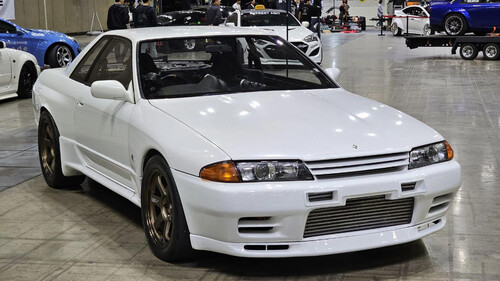
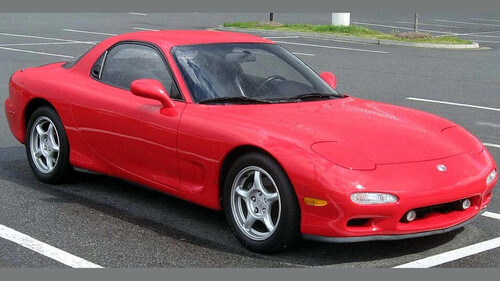
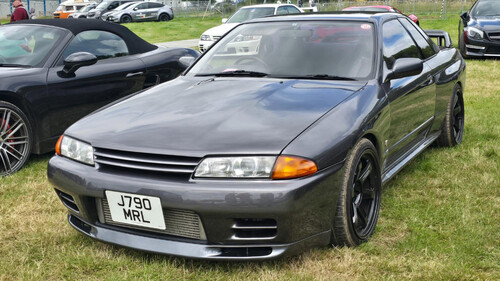
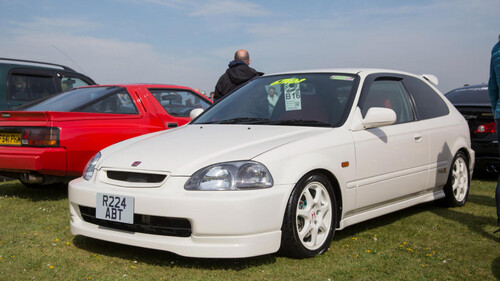
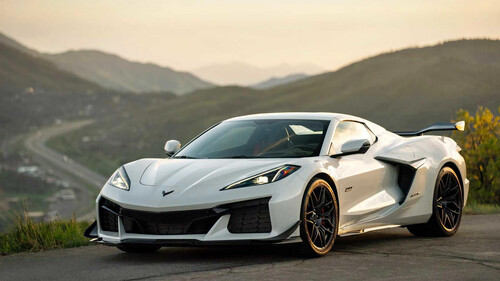
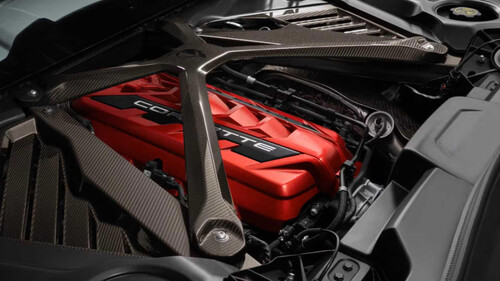
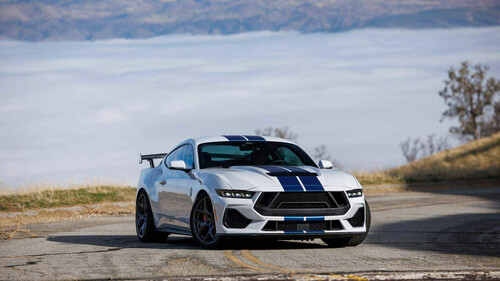
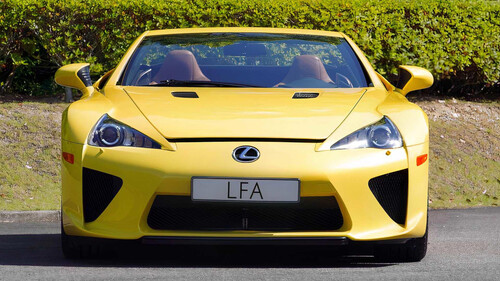
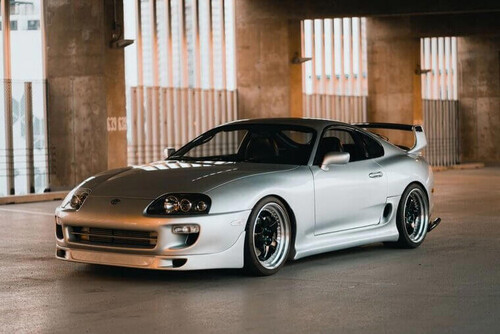
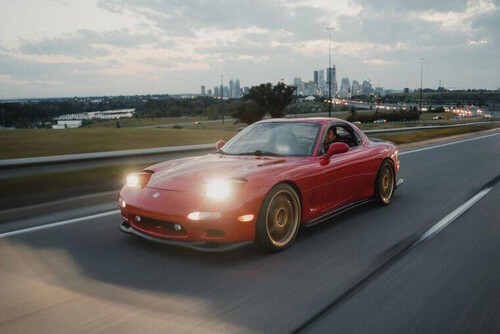
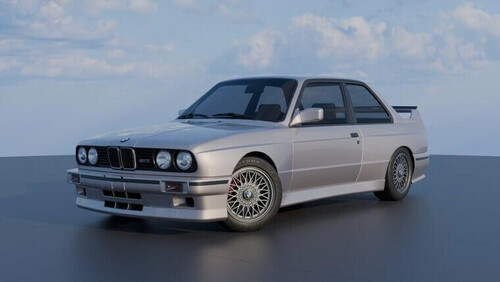
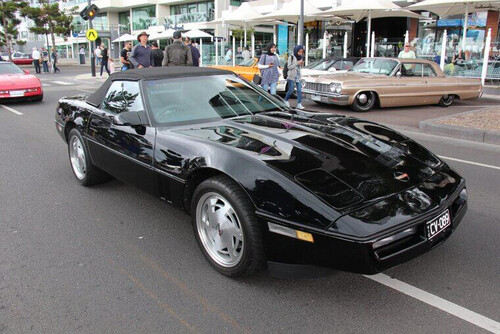
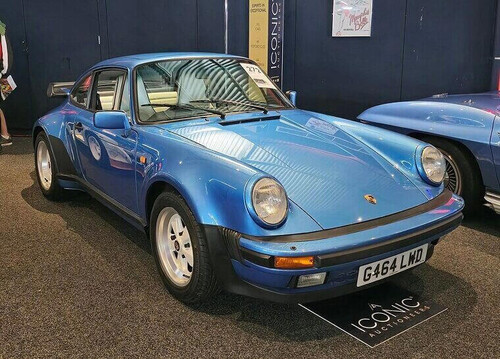
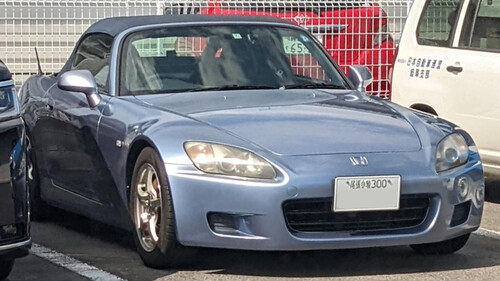
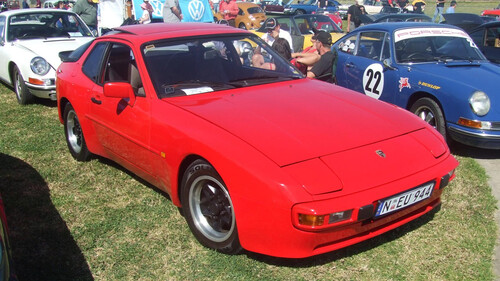
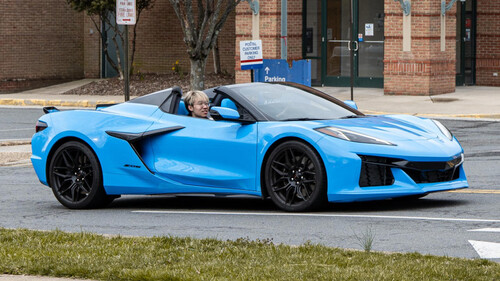
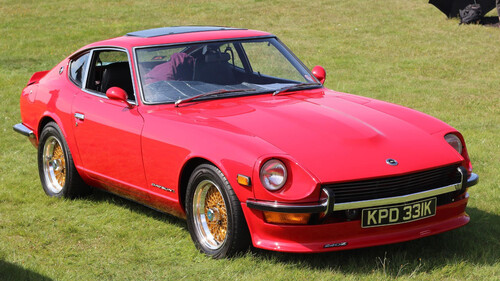
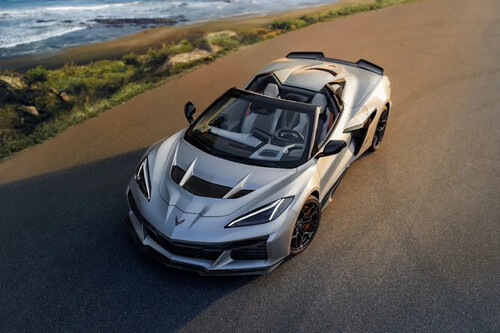
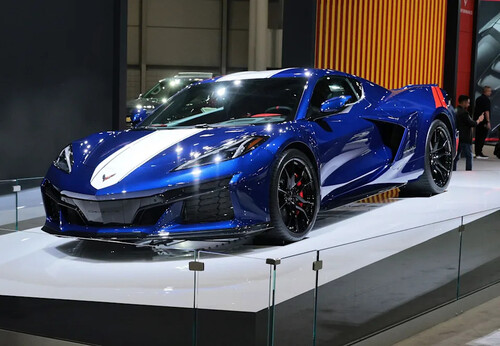
Performance used to be defined less by spec sheets and more by the way an engine felt as it clawed through the rev range. Naturally aspirated powerplants, free of turbos or superchargers, built their reputations on instant response, linear thrust, and a soundtrack that made every shift feel like a small victory. When I talk about engines that defined real performance, I am talking about these high-strung, high-character machines that still shape how we judge driver’s cars today. Even as forced induction and electrification dominate the market, the old-school formula continues to set the benchmark for purity. From screaming four cylinders to towering V12s, these engines did more than move cars quickly, they taught generations of drivers what mechanical connection really means. The purist’s edge: why naturally aspirated still matters At its core, a naturally aspirated engine pulls in air on its own, which gives it a smooth, predictable power delivery that is hard to fake. Without compressors spooling up, throttle response feels immediate, and the revs rise in a clean, linear sweep that rewards precise inputs. That is why enthusiasts still chase what one technical guide describes as a pure, unfiltered driving feel, even as turbocharged torque figures climb higher every year. In practice, that purity shows up in the way certain cars have become touchstones. The BMW M3 E46, powered by the S54 straight six, is still seen by many as the definitive modern performance coupe precisely because its naturally aspirated character makes every gear change and every corner feel deliberate. When I drive something like that, I am not chasing boost, I am chasing the redline, and that changes how I approach a road. Engines that rewrote the rulebook timmeyer/Unsplash Some naturally aspirated engines did not just feel special, they shattered expectations of what displacement and cylinder count could do. The Honda F20C with VTEC in the Honda S2000 is a prime example, a tiny four that spun to the stratosphere and set a benchmark for specific output. Its spirit lives alongside the Honda K24, an Inline four with Engine Displacement: 2.4-Liters, which tuners prize for its blend of reliability and rev-happy character. On the other end of the spectrum, Toyota’s Naturally Aspirated 4.8-L 1LR-GUE V10 in the Lexus LFA showed how far engineering could push a road car. That engine revved with the urgency of a race unit and, as one ranking of the most powerful naturally aspirated supercars notes, the Lexus LFA delivered power and sound that bordered on surreal. When I think about engines that made people fall silent just to listen, that V10 is near the top of the list. Six cylinders have their own legends. The Flat Six In The Porsche GT3 RS Develops 518 Horsepower, proving that a naturally aspirated 911 g can still punch at supercar levels while maintaining razor-sharp response. That kind of output from a road-going flat six shows why the GT3 lineage is treated as a benchmark for track-focused performance, not just for lap times but for the way the engine talks back through every vibration and note. V12 theatre and the modern comeback If there is a cathedral of naturally aspirated performance, it is built around the V12. At the heart of the Aston Martin Valkyrie lies a Cosworth 6.5-liter V12 that has been described as the most potent naturally aspirated engine ever fitted to a production vehicle, a powerplant that blurs the line between road car and prototype racer. Collectors have noticed, and Many enthusiasts now chase naturally aspirated V12 cars precisely because they are disappearing from most marques and becoming increasingly scarce. That scarcity is not an accident. As one technical report on emissions policy notes, tightening standards have led to a trend of downsizing and turbocharging in luxury and sports segments, with some manufacturers dropping large engines entirely in favor of smaller, more efficient powertrains. That pressure has turned naturally aspirated V12s into rolling time capsules, reminders of a brief era when engineers could chase revs and noise with fewer compromises. Yet even in this climate, there is a quiet resurgence. Analysts tracking high-end projects point out that Hypercars Dropping Turbos Show Where The Future Is Headed, because the hypercar world usually sets the tone for what the rest of the industry pays attention to. When a flagship project chooses a high revving, naturally aspirated layout, it signals that emotional engagement still matters alongside raw numbers. The everyday standard-bearers Real performance is not only about unobtainable exotics, it is also about the cars that keep this philosophy alive on normal roads. The Toyota GR86 and Subaru BRZ are among the last affordable sports cars that still rely on a naturally aspirated layout, trading headline power for balance and feedback. When I drive one, I find myself working the gearbox and chasing momentum, which is exactly the kind of involvement that first made me fall in love with performance driving. Even in the American performance arena, the formula survives. The Chevrolet Corvette Stingray, E Ray, and Z06 pair a mid engine layout with a naturally aspirated V8, and the Chevrolet Corvette Stingray carries a Base Price of $69.995 with Horsepower figures ranging from 490 to 670. Those numbers show that naturally aspirated engines can still deliver modern performance metrics while preserving the immediacy that enthusiasts crave. At the very top of the power charts, the naturally aspirated story is still being written. One survey of the most powerful cars without forced induction highlights machines like the Pagani Huayra R, which is listed with 830 Horsepower, and the Mercedes Benz SLS AMG GT Black Series, which is credited with 622 Horsepower and a dramatic Front and rear stance that still turns heads. These cars prove that the naturally aspirated engine is not a relic, it is a living benchmark that continues to define how I, and many other drivers, measure real performance. Even as Turbos dominate spec sheets and marketing copy, enthusiasts keep returning to the roar of engines that breathe on their own. Lists of legendary engines consistently celebrate naturally aspirated designs for their blend of performance and enthusiast appeal, and roundups of the best naturally aspirated engines ever made still spotlight Ferrari, Lamborghini, Audi, and even the Ferrari 488 G TB’s predecessors for the way they made drivers feel. For me, that is the lasting legacy of these powerplants, not just the lap times they set, but the standard of connection they established for every performance car that followed.