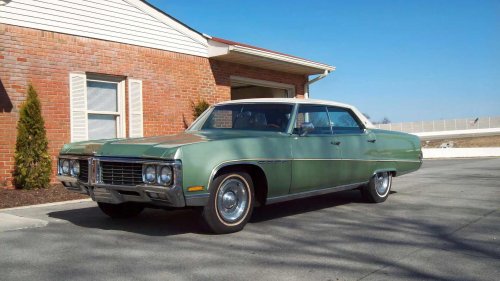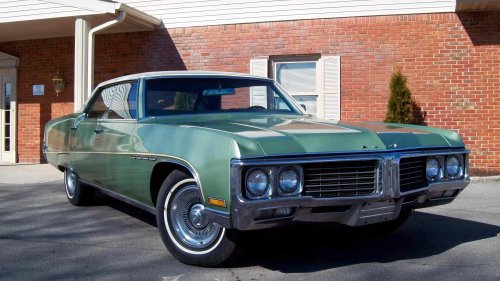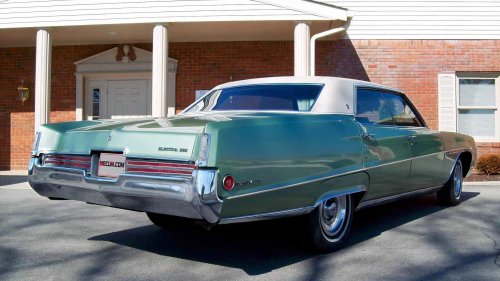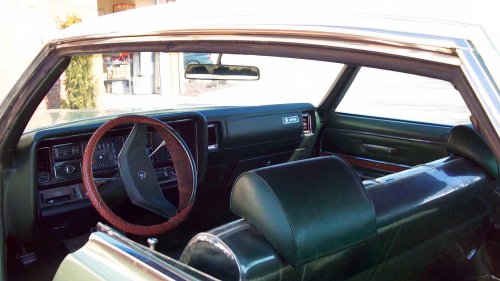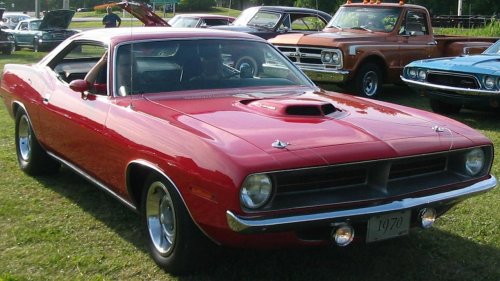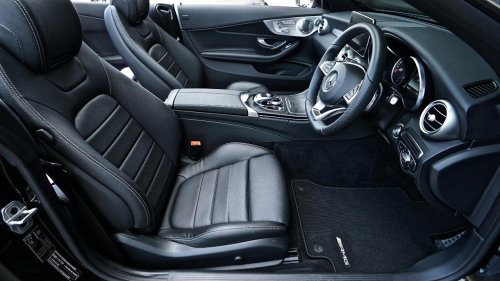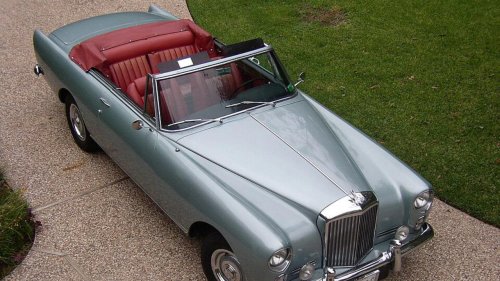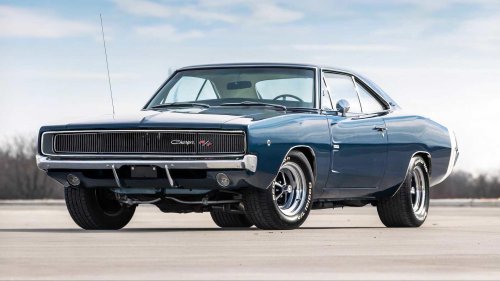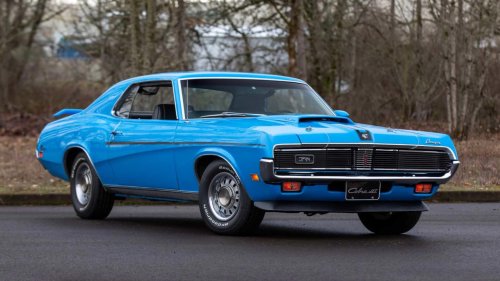





















The fuselage styling era of Mopars, spanning from the late 1960s to the early 1970s, is often overlooked in automotive history. With its sleek, aerodynamic lines and emphasis on a more integrated design, the fuselage style marked a significant departure from previous car aesthetics. The origins, impact, and eventual decline of this distinctive style once defined Chrysler’s bold approach to car design.The Birth of Fuselage StylingThe origins of fuselage styling can be traced back to the late 1960s, a time when automotive design was undergoing significant transformations. Influenced by the burgeoning space age and advancements in aerodynamics, Chrysler sought to create a vehicle that reflected modernity and progress. The fuselage style, with its smooth, rounded body lines, was born out of this desire to innovate and differentiate from the boxy designs of the past. Key figures in the development of the fuselage design included designers like Elwood Engel, who played a pivotal role in shaping Chrysler’s design philosophy. Engel and his team drew inspiration from the aviation industry, focusing on creating a seamless, flowing form that emphasized a unified structure. The initial reception of the fuselage style was mixed; while some praised its futuristic look, others were more hesitant to embrace such a radical departure from conventional car design.Defining Characteristics of Fuselage MoparsThe fuselage style was characterized by its emphasis on aerodynamic design. The sleek, rounded lines of the bodywork were a stark contrast to the angular styles that dominated the era. This approach not only improved the vehicle’s aerodynamics but also enhanced its visual appeal. The integration of features such as bumpers and grilles further exemplified the shift towards a more cohesive design, moving away from the segmented appearance of previous models. Inside, the fuselage-styled Mopars introduced innovations that prioritized comfort and driver experience. Interiors were designed with ergonomic principles in mind, offering enhanced seating comfort and improved visibility. Chrysler’s focus on creating a more driver-centric environment was evident in features like wrap-around dashboards and strategically placed controls, which set a new standard for interior design during this period.