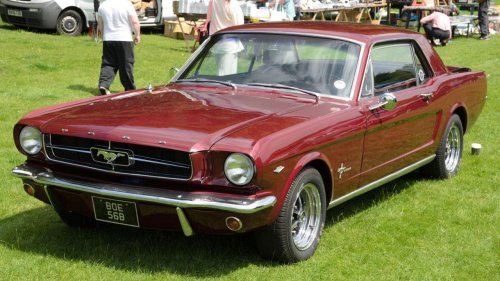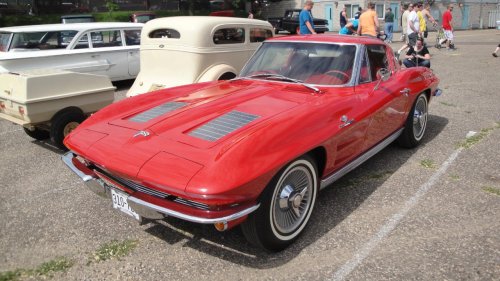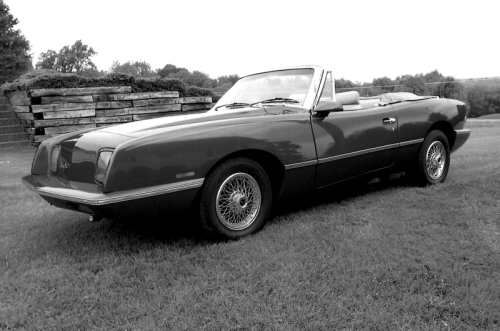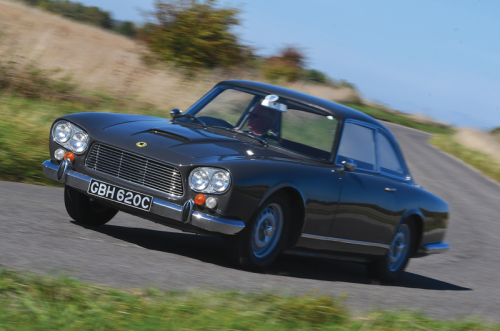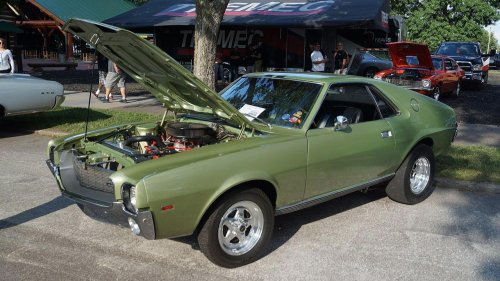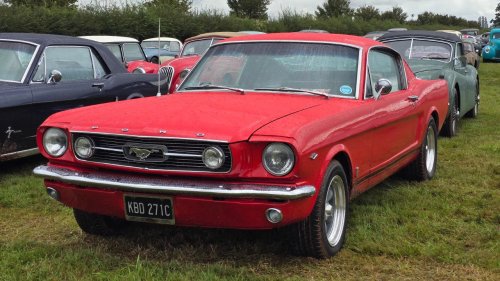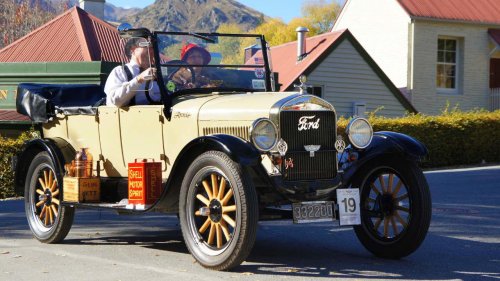
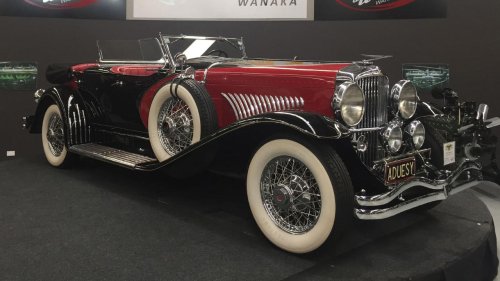
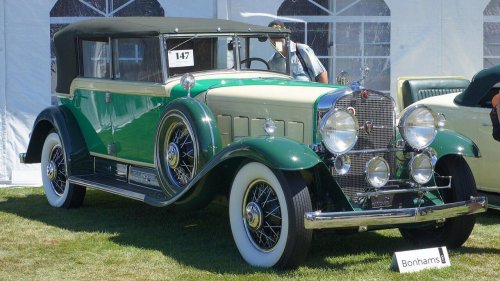
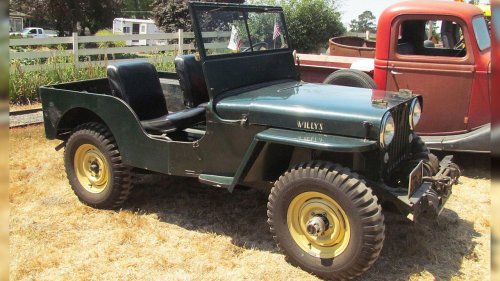
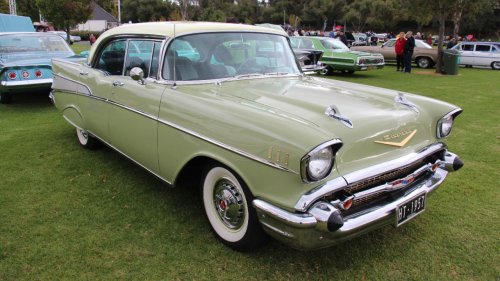
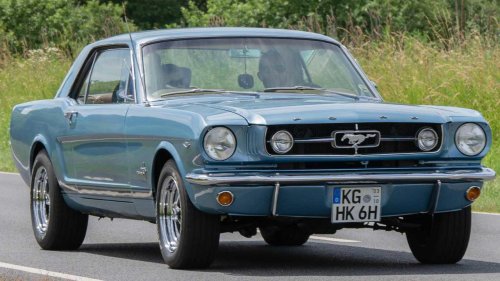
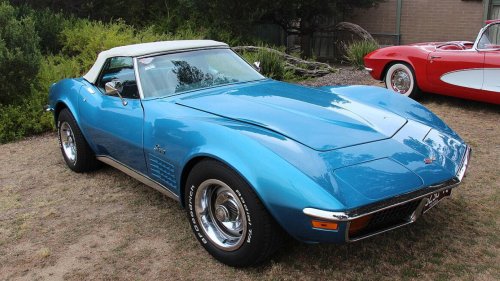
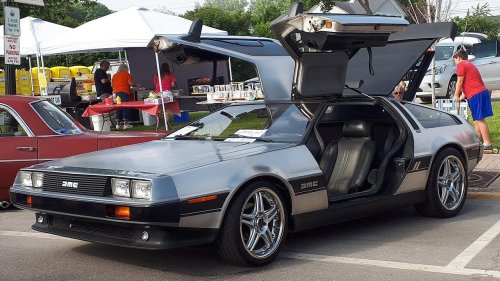
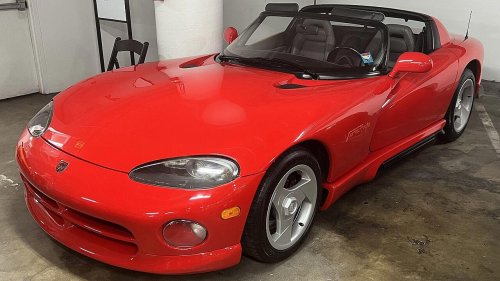



















The history of automobiles in the United States is rich and varied, with each decade producing vehicles that have captured the spirit and needs of their time. From the early days of mass production to the rise of sports cars and SUVs, these iconic cars have left a lasting impact on American culture and the automotive industry. 1900s: Ford Model T Image Credit: Bernard Spragg. NZ from Christchurch, New Zealand, via Wikimedia Commons, CC0 The Ford Model T, introduced in 1908, revolutionized the automobile industry with its affordability and practicality. Often dubbed the “Tin Lizzie,” this vehicle was the first to be mass-produced on assembly lines, making car ownership accessible to the average American. The Model T’s impact was profound, as it not only changed transportation but also influenced societal structures by enabling suburban growth and altering work commutes. With over 15 million units sold by the end of its production in 1927, the Model T set the standard for manufacturing efficiency and sparked a new era of personal mobility. Henry Ford’s vision of a car for the masses was realized, and the Model T remains a symbol of innovation and progress in the early 20th century. 1910s: Stutz Bearcat Image Credit: Daderot – Own work, CC0, via Wikimedia Commons The Stutz Bearcat emerged in 1912 as one of the most desirable sports cars of its time, embodying speed and luxury. Known for its impressive performance, the Bearcat featured an 80-horsepower engine that allowed it to reach speeds of up to 85 mph, a remarkable feat for the era. Its sleek, open-top design and powerful engine made it a favorite among racers and enthusiasts alike. The Bearcat’s reputation was further cemented by its success in motorsport, including a strong showing at the Indianapolis 500. This car not only exemplified the thrill of early motoring but also set the stage for America’s love affair with high-performance vehicles. 1920s: Duesenberg Model J Image by Simon_sees, CC BY-SA 2.0, via Flickr The Duesenberg Model J epitomized luxury and sophistication during the Roaring Twenties. Launched in 1928, this opulent automobile was a status symbol for the wealthy elite, featuring a massive 265-horsepower engine and exquisite craftsmanship. Each Model J was custom-built to the owner’s specifications, showcasing the finest materials and technological innovations of the time. Despite its high price tag, the Model J captivated the public’s imagination with its extraordinary performance and elegance. It remains one of the most celebrated classic cars, representing the zenith of pre-Depression automotive opulence. 1930s: Cadillac V16 Image Credit: alijava – 353, CC BY-SA 2.0, via Wikimedia Commons During the 1930s, the Cadillac V16 stood out as a beacon of engineering excellence and luxury. Introduced in 1930, this groundbreaking car featured a 7.4-liter V16 engine, offering unparalleled smoothness and power. The V16 was a hallmark of Cadillac’s commitment to craftsmanship and innovation, providing a level of refinement and prestige that captivated the affluent. The Cadillac V16 was more than just a car; it was a statement of prosperity and success during the Great Depression. Its enduring legacy is reflected in its influence on future luxury vehicles and its continued appeal among collectors and enthusiasts. 1940s: Jeep CJ Image Credit: David Berry, via Wikimedia Commons, CC BY 2.0 The Jeep CJ, or “Civilian Jeep,” emerged in the 1940s as a rugged and versatile vehicle that captured the American spirit of resilience and adventure. Originally derived from the military Willys MB used in World War II, the CJ was introduced to the civilian market in 1945. Its robust design and off-road capabilities made it a favorite among farmers, outdoor enthusiasts, and those seeking a vehicle that could handle any terrain. The Jeep CJ’s iconic design and practicality have made it a lasting symbol of freedom and exploration, influencing the development of modern SUVs and off-road vehicles that continue to dominate American roads today. 1950s: Chevrolet Bel Air Image Credit: Sicnag – CC BY 2.0/Wiki Commons The Chevrolet Bel Air became an icon of 1950s Americana with its distinctive styling and broad appeal. Debuting in 1950, the Bel Air featured a glamorous design with ornate chrome details and bold two-tone paint options. It quickly became a symbol of post-war prosperity and the American Dream, offering comfort and style at an accessible price point. Its popularity was bolstered by its performance and reliability, with models like the 1957 Bel Air becoming a staple in car shows and classic car collections. The Bel Air’s influence on automotive design and culture is undeniable, as it represents the optimism and innovation of the 1950s. 1960s: Ford Mustang Image Credit: Ermell, via Wikimedia Commons, CC BY-SA 4.0 The Ford Mustang, introduced in 1964, redefined the American sports car with its sleek design and affordability. This “pony car” captured the imagination of a new generation, offering a blend of performance and style that was both aspirational and accessible. The Mustang’s distinctive long hood and short rear deck quickly became a design trendsetter. With its powerful V8 engine options and customizable features, the Mustang appealed to a wide range of drivers, from young enthusiasts to seasoned car lovers. Its enduring popularity has cemented the Mustang’s status as an automotive legend, and it continues to inspire new models today. 1970s: Chevrolet Corvette Stingray Image Credit: Sicnag – 1971 Chevrolet C3 Corvette Convertible, CC BY 2.0, via Wikimedia Commons The 1970s Chevrolet Corvette Stingray embodied the era’s fascination with power and performance. Known for its aggressive styling and potent engines, the Stingray became synonymous with American sports car excellence. Models like the 1970 Corvette LT-1 showcased advanced engineering with a 370-horsepower engine and a sleek, aerodynamic design. The Stingray’s influence extended beyond its performance, as it also represented the blend of technology and artistry that defined the American automotive industry during the 1970s. Its legacy is evident in the Corvette’s continued status as a flagship sports car and cultural icon. 1980s: DeLorean DMC-12 Image Credit: SsmIntrigue – Own work, CC BY-SA 4.0, via Wikimedia Commons The DeLorean DMC-12 gained fame in the 1980s with its futuristic design and association with the “Back to the Future” film franchise. Its stainless steel body and gull-wing doors made it an instant standout, capturing the imagination of those drawn to its unconventional aesthetic. Although it faced challenges in the market, the DMC-12’s unique design has made it a cult classic. Despite its short production run, the DeLorean remains an enduring symbol of 1980s pop culture. Its iconic status is a testament to the power of innovation and the lasting impact of bold design choices in the automotive world. 1990s: Dodge Viper Image Credit: TaurusEmerald – Own work, CC BY-SA 4.0, via Wikimedia Commons The Dodge Viper burst onto the scene in the 1990s as a raw and unfiltered sports car that prioritized performance above all else. With its massive V10 engine and minimal electronic aids, the Viper offered a thrilling driving experience reminiscent of classic muscle cars. Its aggressive styling and racing pedigree quickly made it a favorite among enthusiasts. The Viper’s introduction in 1992 marked a return to American automotive bravado, showcasing the possibilities of combining brute force with modern engineering. Its legacy lives on as a symbol of unbridled power and the joy of driving. More from Fast Lane Only: Unboxing the WWII Jeep in a Crate The Fastest Farm Truck Ever Built 10 Old Trucks That Were Built Like Tanks 12 Classic muscle cars still within reach for budget buyers *Created with AI assistance and editor review.