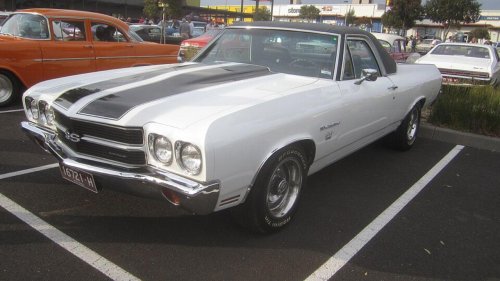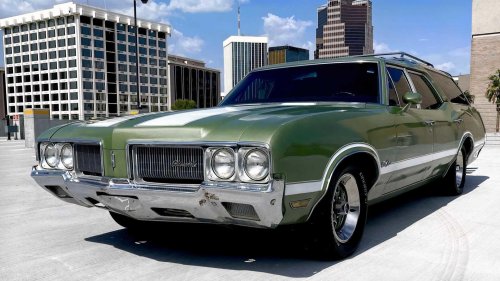
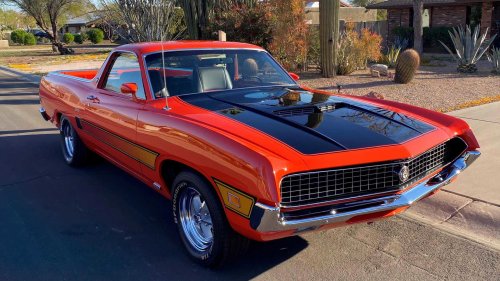
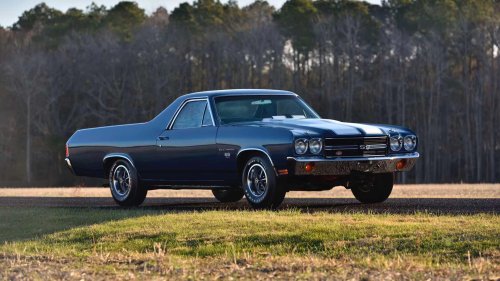
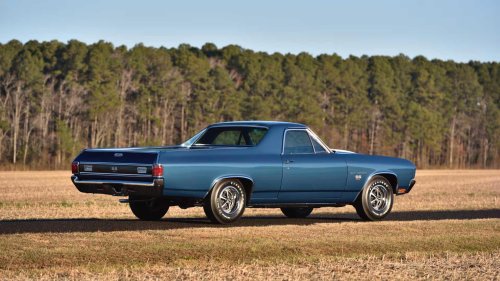
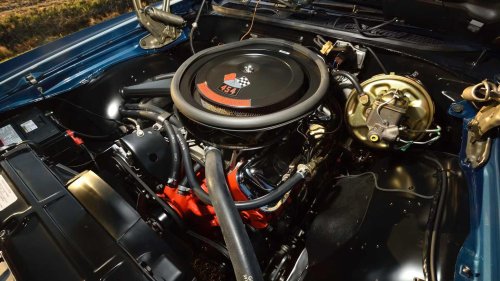
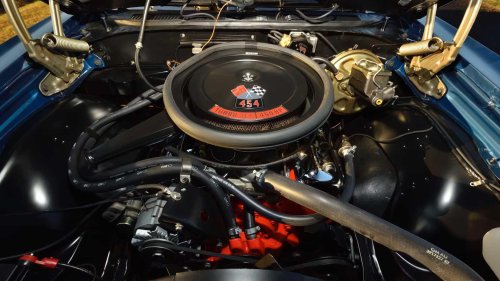
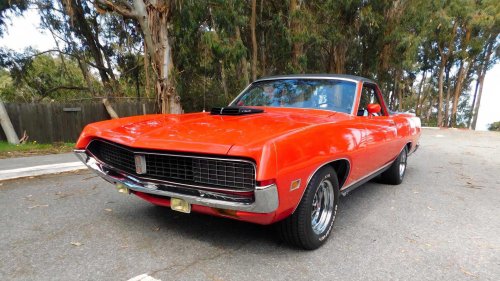
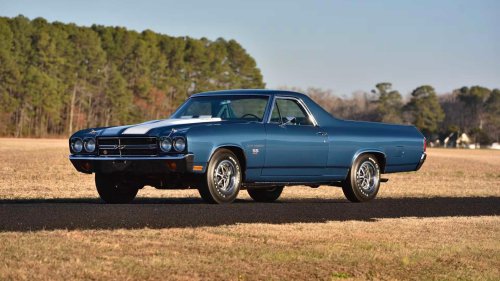
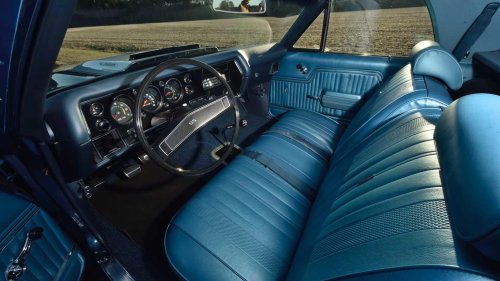



















The classic muscle car era of the 1960s and 1970s usually brings images of sleek two-door coupes and aggressive fastbacks to mind. These machines were built for the drag strip and local stoplight races. However, some manufacturers began hiding high-performance hardware in very unlikely places.This created the appeal for sleeper cars, where a vehicle looks like a boring utility tool but performs like a genuine track star. While many odd combinations existed, one specific body style blurred the line between a humble worker and a fierce racer more than any other. This strange hybrid design offered massive big block power in a package that was actually meant for something entirely different. The Era Of The High-Performance Hauler Bring A Trailer The golden age of American performance was a time of pure experimentation. Detroit automakers were not content with just putting big engines in small coupes. Instead, a muscle everywhere trend took over the industry. Engineers began stuffing massive big block V8 engines into four-door family sedans and heavy station wagons. A prime example was the 1970 Oldsmobile Vista Cruiser, which could be equipped with the same 455 cubic inch V8 found in the 442 muscle car. These vehicles were originally built for carpools and grocery runs, but they suddenly possessed enough torque to shred tires at every green light.Even full-size pickup trucks joined the movement. Manufacturers gave trucks like the Chevrolet C10 larger displacements, such as the 402 big block, primarily for heavy towing and farm work. However, these workhorses unintentionally gained serious street racing credibility. Drivers soon realized that a truck with a massive engine could beat a dedicated sports car in a straight line.Mecum This era eventually gave rise to the most unusual host for a muscle car powertrain: the coupe utility body style. Often called a ute, this design featured the front half of a sleek car and the back half of a pickup truck. These utes were essentially the automotive equivalent of a mullet–business at the front and party in the back.The Ford Ranchero GT was a perfect example. In 1970, Ford offered the Ranchero with the legendary 429 Cobra Jet engine. This setup produced a staggering 375 hp and turned a simple utility vehicle into a high velocity machine. Other competitors quickly followed suit to grab a share of this niche market.The GMC Sprint SP arrived as a sophisticated alternative, offering its own big block options to keep pace with the competition. They proved that you could haul a load of lumber on Saturday and win a drag race on Sunday. While these powerful utilities were certainly impressive, there was one even more ridiculous machine that pushed the entire concept to its absolute limit. The 450-Horsepower Paradox: 1970 El Camino SS 454 via: Mecum AuctionsThe Chevrolet El Camino has a fascinating history that began as a direct response to the success of the Ford Ranchero. While early versions were based on full-size platforms, the model truly found its identity when it transitioned to the Chevelle A-body chassis. This move allowed the El Camino to share parts with one of the most famous muscle cars in history. By the time the 1970 refresh arrived, the vehicle looked more aggressive than ever before. It featured a bold new front end, prominent SS branding, and the iconic Power Bulge hood that hinted at the monster lurking underneath. It was a striking design that commanded attention on the road.The true appeal of the 1970 model was the total paradox of its design. Seeing a high performance chassis equipped with a functional pickup bed was completely unexpected for buyers at the time. It looked like a specialized racing machine from the front, but the rear was ready for a trip to the local hardware store. This utility factor was more than just a visual gimmick. Because of the open bed, the vehicle remained officially classified as a truck for insurance and registration purposes.via: Mecum Auctions This was despite the fact that it shared almost every single performance component with the legendary Chevelle SS. It used the same suspension, the same interior trim, and the same heavy-duty drivetrain. It was essentially a supercar disguised as a light duty commercial vehicle. This strange combination of daily practicality and high-performance engine made it a unique outlier. It represented a peak in engineering where the rules of body style simply did not apply. Business At The Front, Party In The Back, And A Monster Under the Hood via: Mecum AuctionsThe heart of this unexpected machine was the legendary 454 cubic inch LS6 V8 engine, which was the most powerful big-block engine of the 70s. This massive power plant remains one of the most famous engines ever produced by Chevrolet. It featured a factory rating of 450 hp and a staggering 500 lb-ft of torque. These numbers were almost unheard of for a street legal vehicle at the time. To handle such immense force, the engine was built with heavy-duty mechanical components. It utilized four-bolt mains and a forged steel crankshaft to ensure the internal assembly could withstand high stress. Fuel was fed through a massive 780 cfm Holley carburetor, which sat atop a high-rise intake manifold. Drivers could choose between a rugged Muncie four-speed manual transmission or the reliable M40 Turbo Hydra-Matic automatic.via: Mecum Auctions The performance data for this pickup was nothing short of breathtaking. According to period road tests, the El Camino SS 454 could sprint from 0 to 60 mph in approximately 6.5 seconds. For the quarter mile, sources like Legendary Motorcar and Heacock Classic record times of roughly 13.4 seconds at a trap speed of 108 mph. These figures were competitive with the fastest supercars of the era. However, the power to weight ratio presented a unique challenge for the driver.Because the rear end of the pickup body was significantly lighter than the standard Chevelle coupe, traction was often difficult to maintain. Without any weight over the rear wheels, the massive torque from the 454 would easily spin the tires. Mastering this beast required a delicate touch on the throttle, but those who could tame it found themselves behind the wheel of a truly unmatched performance icon. Why Collectors Are Paying Supercar Prices For An El Camino 454 Today via Bring A Trailer Today, the market for high performance utility vehicles is stronger than ever. Collectors have developed a deep appreciation for the rarity and character of these odd-ball machines. The fifth generation Ford Ranchero, produced from 1970 to 1971, currently holds an average used price of $38,025 on Classic.com.While that is a respectable entry point for many enthusiasts, the well-preserved Ranchero GT models frequently pull well over $50,000 at auction. These Ford models represent a great way to own a piece of the muscle car era with a unique twist. However, the Chevrolet side of the market shows even more dramatic growth. A standard 1970 El Camino currently averages $49,560 across all trim levels, according to the latest data from Classic.com.via: Mecum Auctions When you look specifically at the top tier performance models, the prices reach an entirely different level. There is a massive price gap for the rare SS 454 LS6 variants. According to Hagerty, low mileage examples that are well documented can easily bring over $100,000. Some pristine units have even touched the $150,000 mark at recent high-profile auctions.via: Mecum Auctions This staggering valuation proves that enthusiasts value the combination of raw power and unconventional design. The 1970 El Camino SS 454 LS6 remains a crown jewel for automotive collectors today because it represents the ultimate expression of the sleeper philosophy. It is a vehicle that refused to fit into a single category, offering a high-performance engine in a body style that was never supposed to be fast. This bold defiance of tradition ensures that it will always have a dedicated following among those who love the strange and the powerful.Sources: General Motors, Classic, Hagerty,