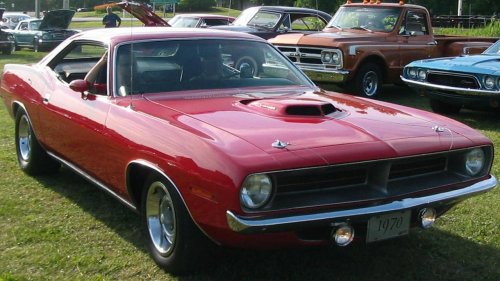
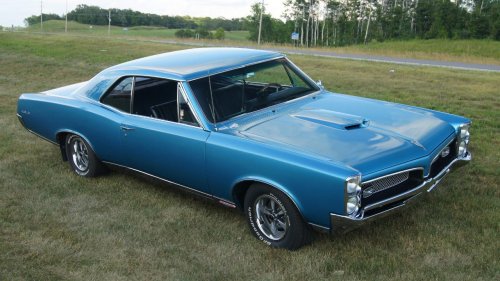
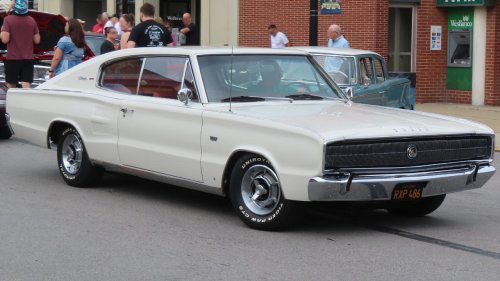
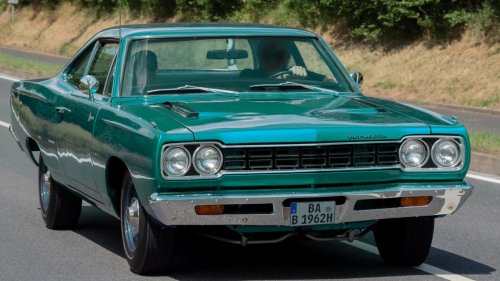
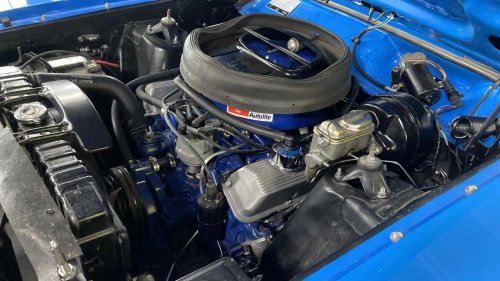
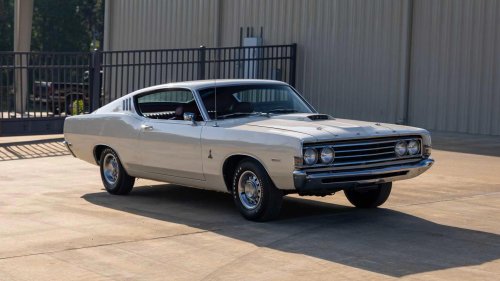
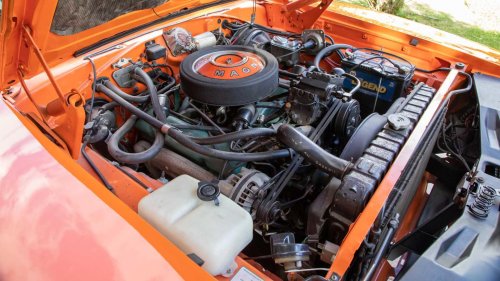
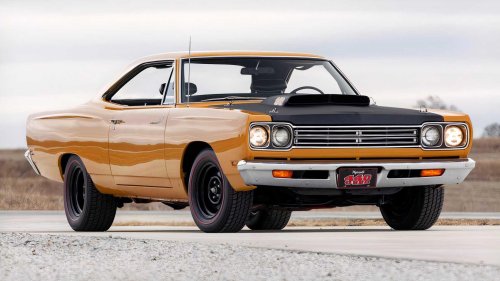
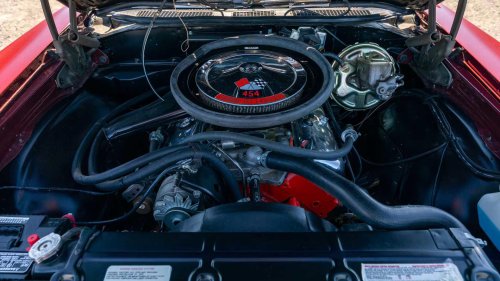
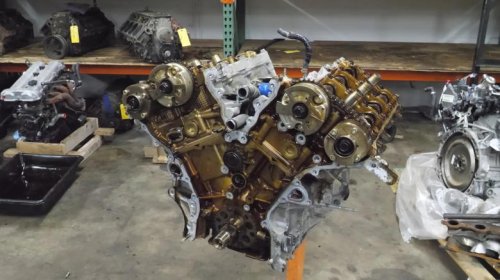
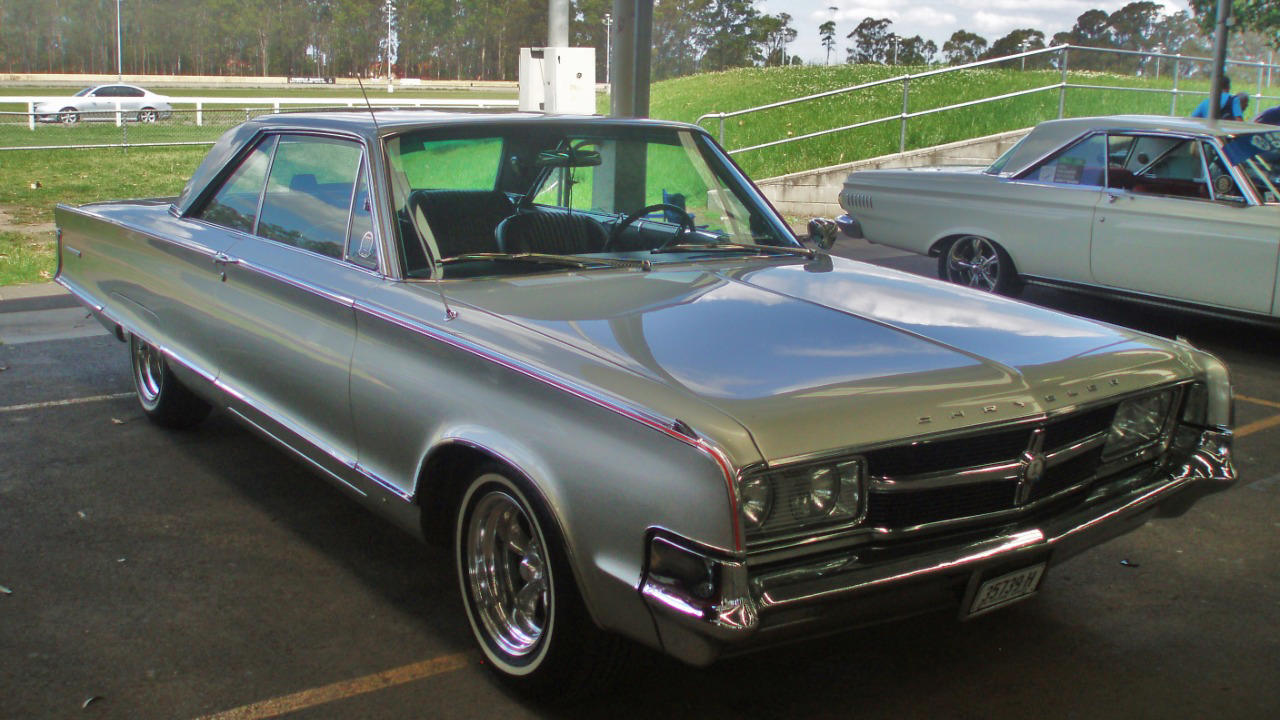
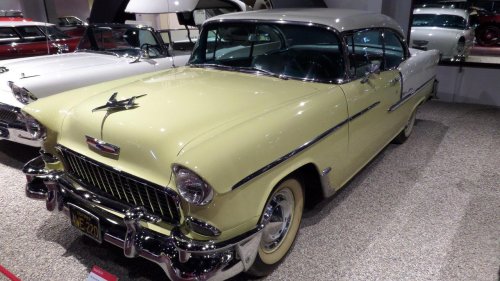
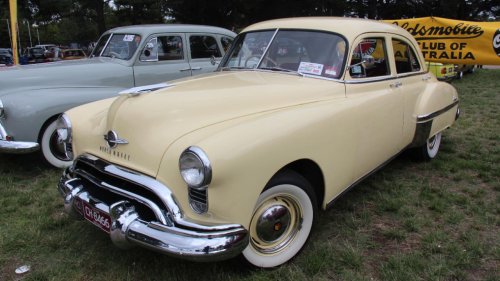
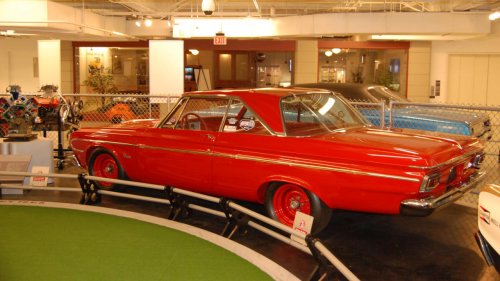
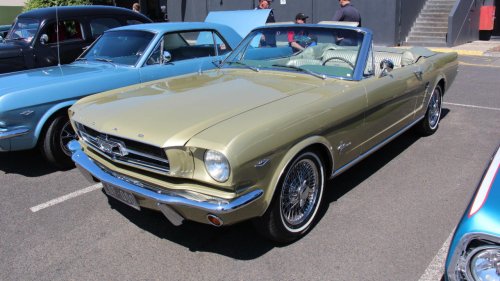
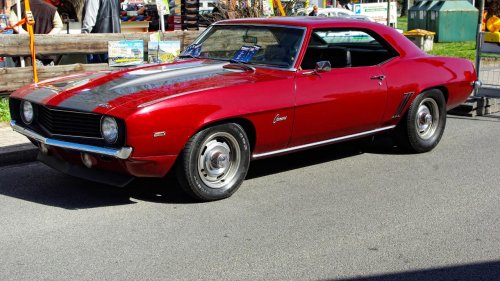
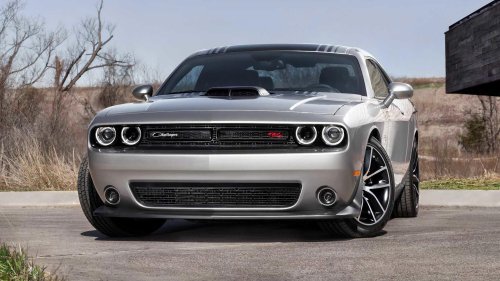
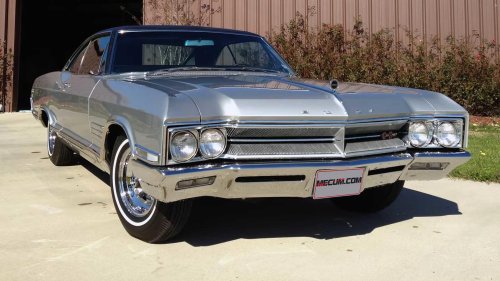
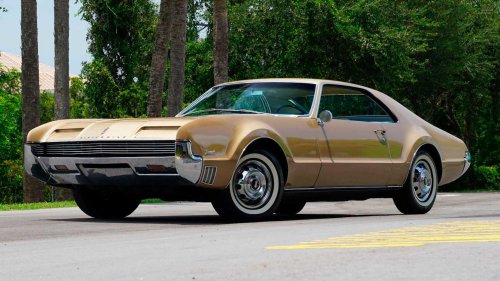
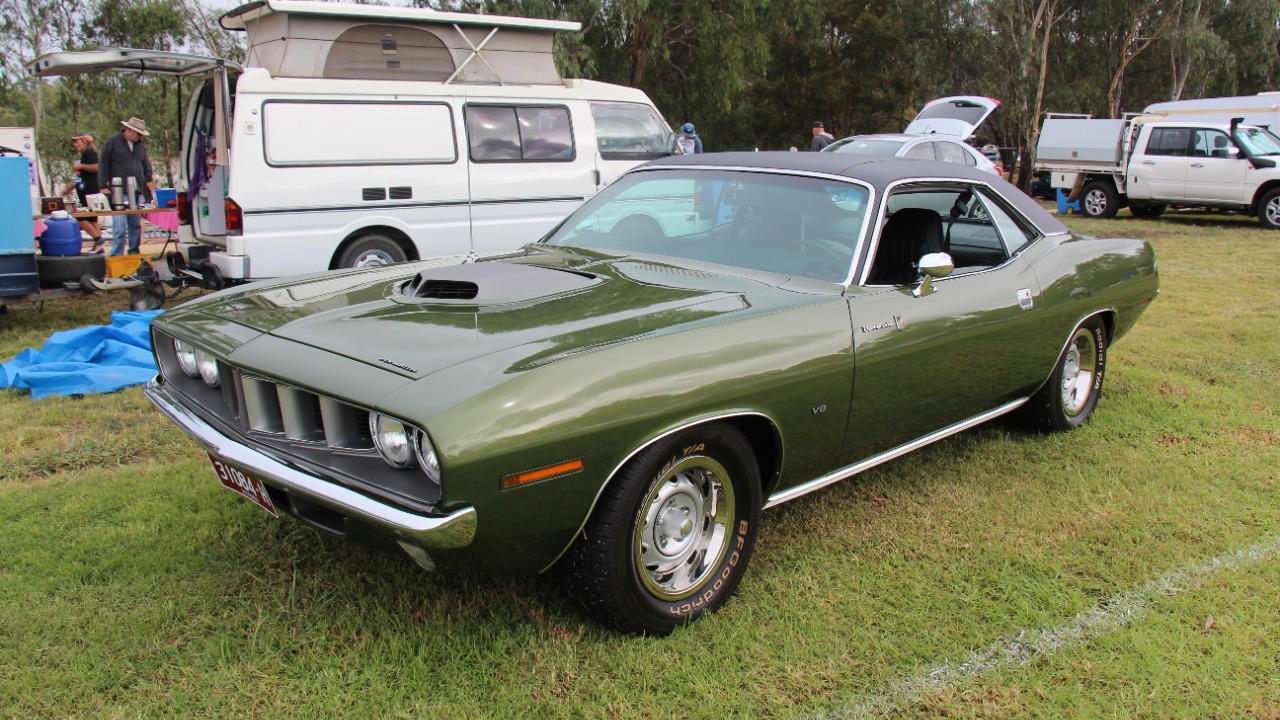
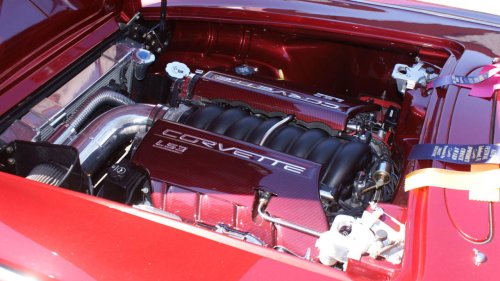
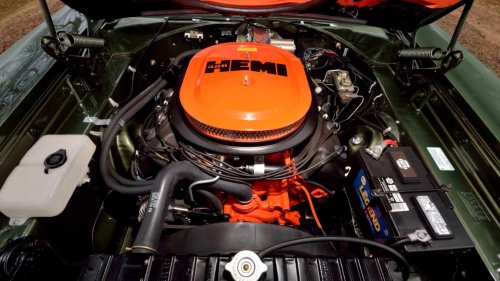
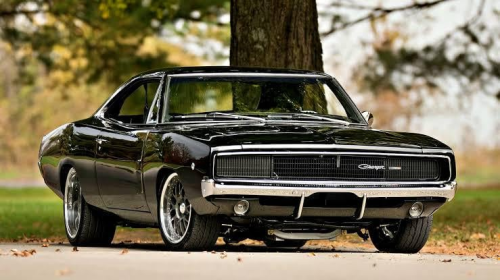
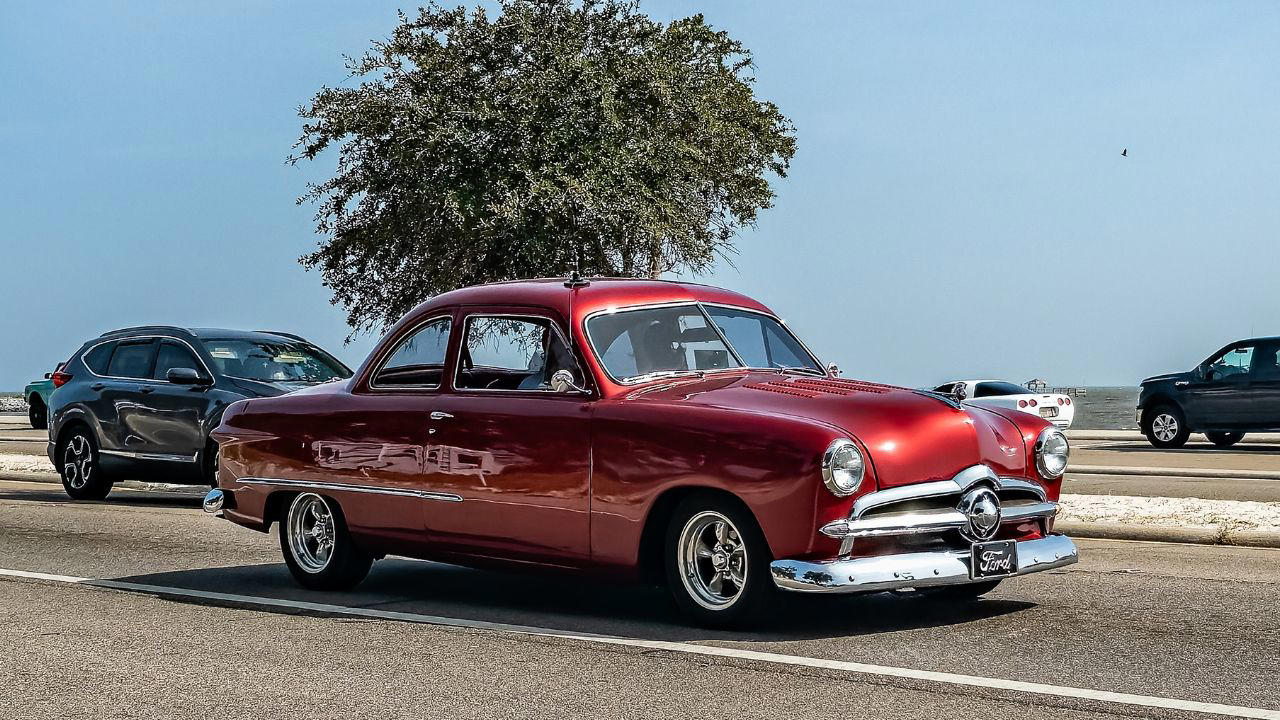
American automotive history is rich with engineering marvels that have defined generations. From the early days of muscle cars to the modern era of electric vehicles, certain engines have stood out for their innovation and influence. Each of these engines represents a significant era in American automotive culture, leaving a lasting impact on car enthusiasts and the industry alike. Ford Flathead V8 The Ford Flathead V8, introduced in 1932, was a groundbreaking innovation in the automotive world. It was the first V8 engine to be mass-produced for the average consumer, making V8 power more accessible than ever. With its simple design and affordable price, the Flathead V8 played a significant role in the hot rod culture of the 1940s and 1950s. Many iconic vehicles, like the 1949 Ford Coupe, were powered by this engine. Its easy-to-modify nature made it a favorite among car enthusiasts who wanted to customize their vehicles for increased performance. Chevrolet Small-Block V8 The Chevrolet Small-Block V8, first introduced in 1955, is often regarded as one of the most versatile and successful engines in automotive history. This engine set the standard for performance and reliability, powering a wide range of vehicles from the Chevrolet Corvette to the Camaro. With its compact size and lightweight design, the small-block V8 became a favorite for both street and race cars. Its popularity continues today, with countless variations and aftermarket parts available for enthusiasts looking to boost their car’s performance. Chrysler Hemi V8 The Chrysler Hemi V8, initially released in 1951, is known for its hemispherical combustion chambers that provide efficient airflow and high power output. This engine became legendary in the muscle car era, particularly with models like the 1970 Plymouth Barracuda and Dodge Charger. Its distinctive design allows for larger valves and better combustion, leading to superior performance on the drag strip and street. The Hemi name continues to carry weight in the automotive industry, with modern iterations still available in high-performance vehicles. Buick Nailhead V8 The Buick Nailhead V8, produced from 1953 to 1966, earned its nickname from the small, vertical valves that resemble nails. Despite being an unconventional design, it delivered impressive torque and performance, making it a favorite for luxury and performance cars alike. This engine powered notable models like the Buick Riviera and Wildcat, and its unique design made it a popular choice for custom and hot rod builds. Its influence can still be seen today in the classic car community. Pontiac 389 V8 The Pontiac 389 V8 gained fame as the powerhouse behind the 1964 Pontiac GTO, the car often credited with starting the muscle car era. With its robust performance and reliability, the 389 V8 became a staple in Pontiac’s lineup through the 1960s. This engine was celebrated for its ability to deliver both power and smoothness, making it a favorite among enthusiasts who wanted performance without sacrificing drivability. The GTO and its 389 V8 engine became icons of American muscle car culture. Image Credit: Gestalt Imagery / Shutterstock.com Oldsmobile Rocket V8 The Oldsmobile Rocket V8, introduced in 1949, was one of the first high-compression, overhead valve V8 engines. It set the stage for the performance wars of the 1950s and 1960s, with its powerful and reliable design. Vehicles like the Oldsmobile 88 became synonymous with speed and performance, largely due to the Rocket V8’s capabilities. This engine’s influence extended beyond Oldsmobile, inspiring other manufacturers to develop their own high-performance engines. Ford 427 V8 The Ford 427 V8 is best known for its success in both racing and high-performance street cars. Introduced in the early 1960s, this engine powered legendary vehicles such as the Shelby Cobra and the Ford GT40, which won the 24 Hours of Le Mans four times in a row. With its robust construction and high power output, the 427 V8 became a symbol of American automotive dominance on the world stage. It remains a highly sought-after engine among collectors and enthusiasts who appreciate its racing pedigree. Chevrolet LS Series The Chevrolet LS series of engines, launched in 1997, has become a modern legend for its performance and versatility. Known for their lightweight design and impressive power, LS engines have been used in a wide range of vehicles, from the Chevrolet Corvette to trucks and SUVs. The LS series has also become a favorite among car builders for engine swaps, thanks to its compact size and the abundance of aftermarket support. Its adaptability and reliability have made it a staple in the performance and racing communities. Dodge Hellcat V8 The Dodge Hellcat V8, introduced in 2015, brought supercharged power to the masses with over 700 horsepower. This engine powers the Dodge Challenger and Charger Hellcat models, offering unparalleled performance in their class. With its aggressive power delivery and distinctive supercharger whine, the Hellcat V8 has become an icon of modern muscle cars. It represents a new era of performance, blending classic American muscle with modern engineering and technology. Tesla Model S Electric Powertrain The Tesla Model S electric powertrain marks a significant shift in the automotive industry, representing the future of performance without traditional internal combustion. Introduced in 2012, the Model S has set new standards for electric vehicle performance, with its dual motor setup and impressive acceleration. With the ability to go from 0 to 60 mph in under 2 seconds in its Plaid variant, the Model S showcases the potential of electric powertrains. It has redefined expectations for what electric vehicles can achieve, both in terms of performance and range. More from Fast Lane Only: Unboxing the WWII Jeep in a Crate The Fastest Farm Truck Ever Built 10 Old Trucks That Were Built Like Tanks 12 Classic muscle cars still within reach for budget buyers *Created with AI assistance and editor review.



















 +19 others