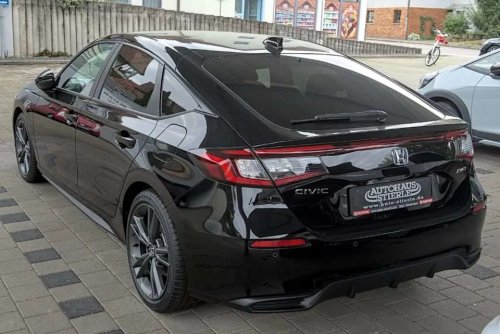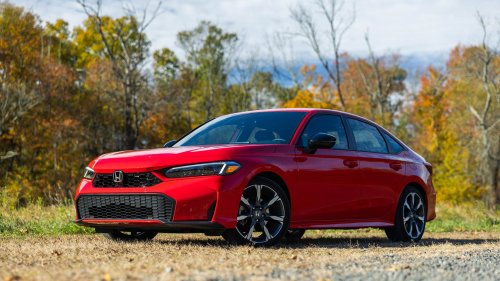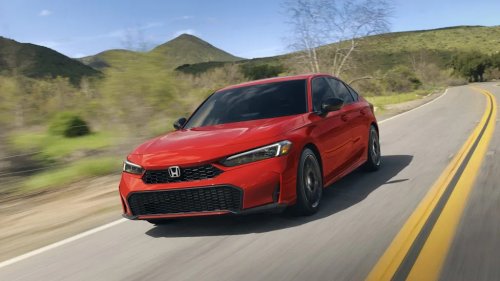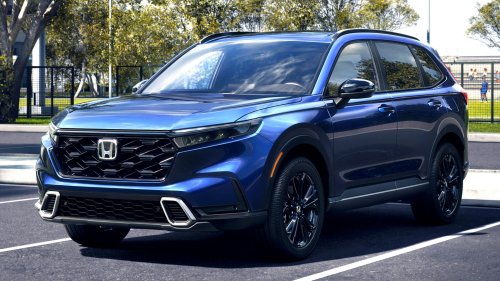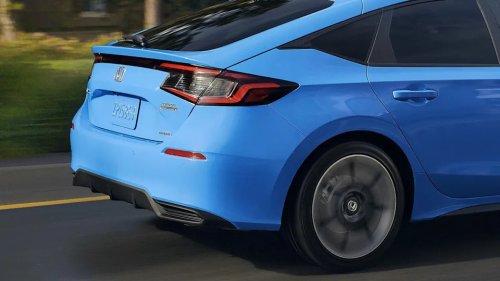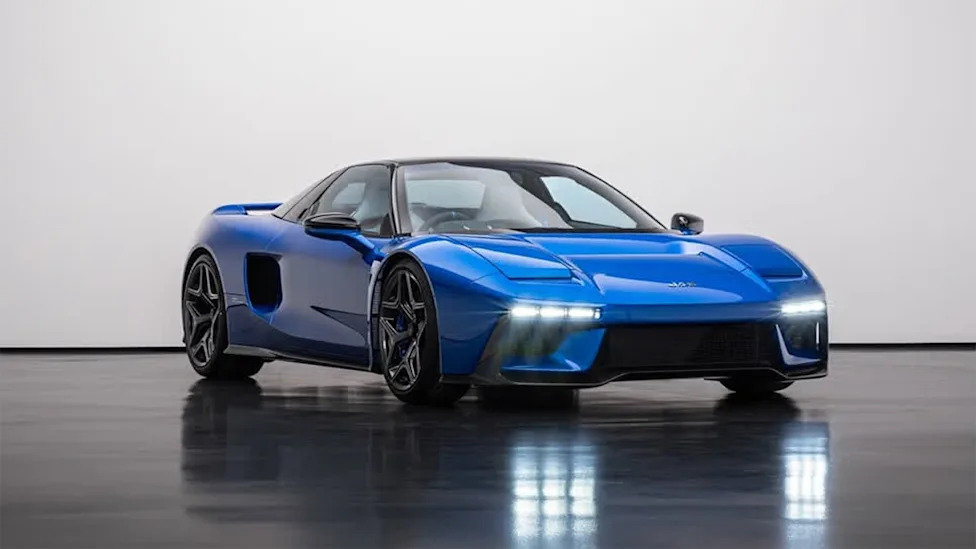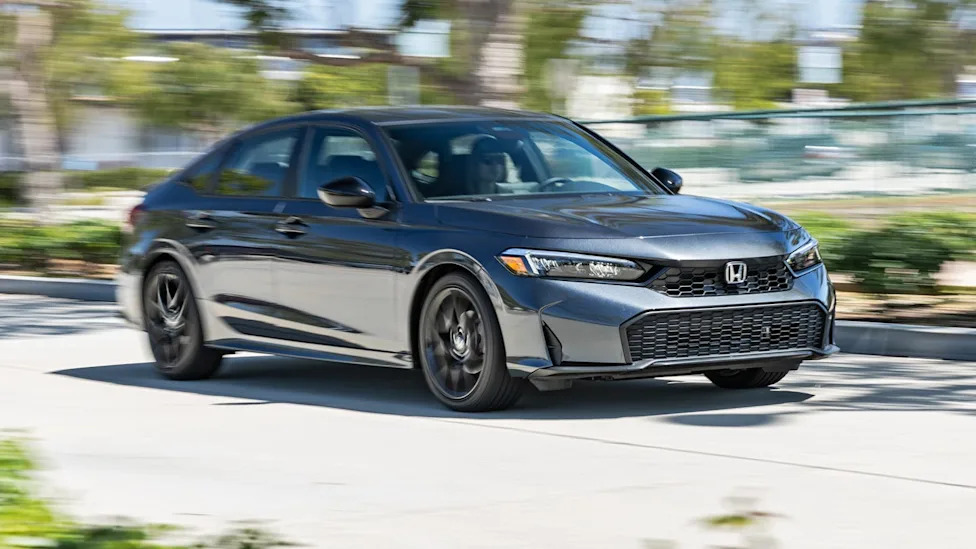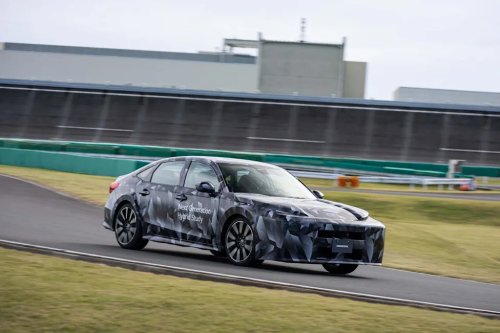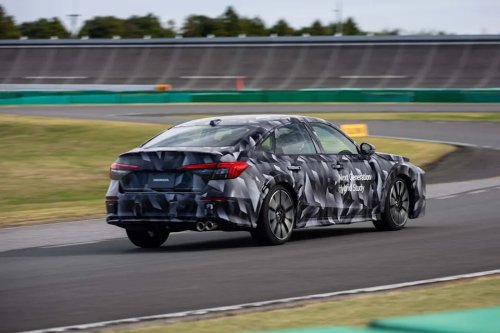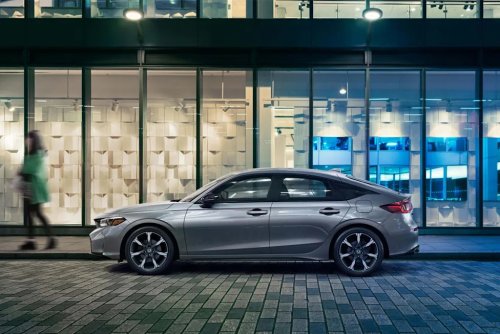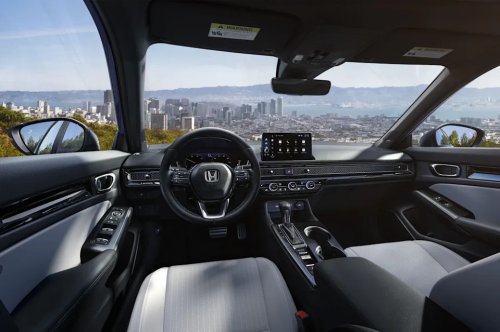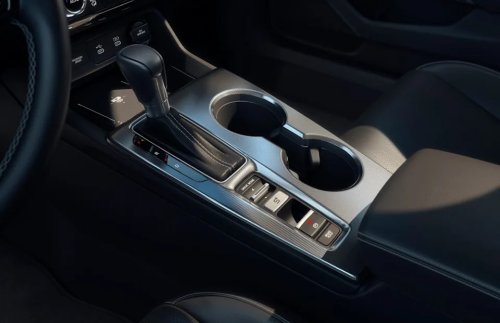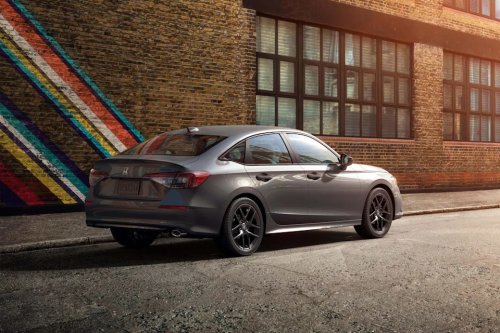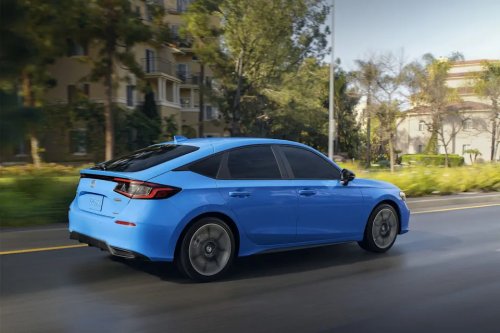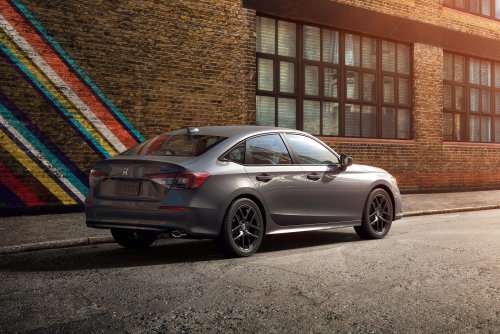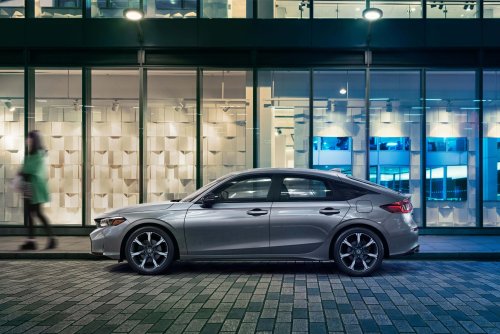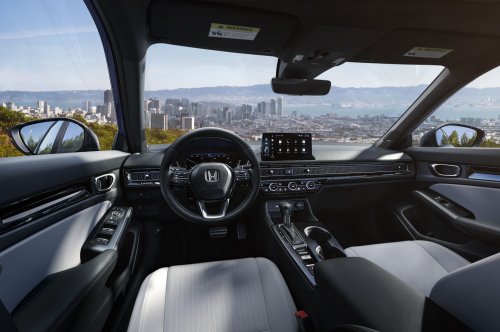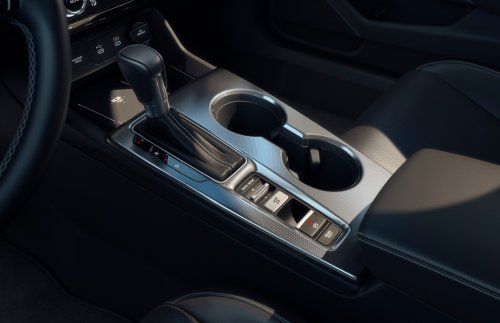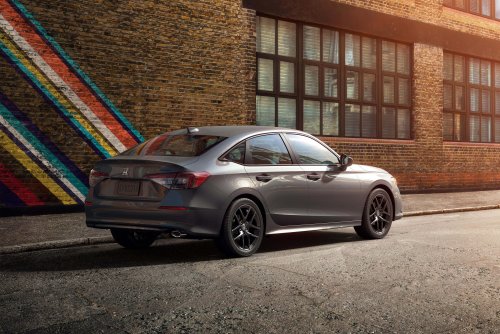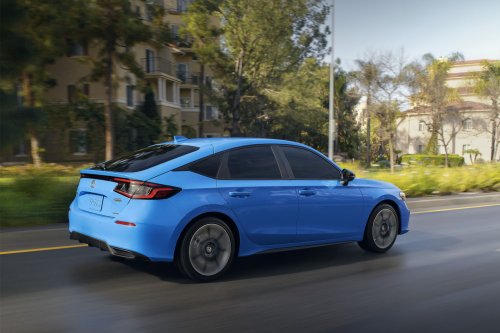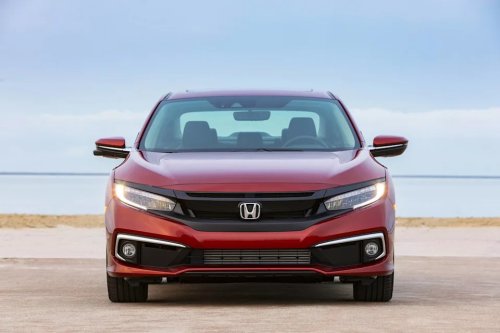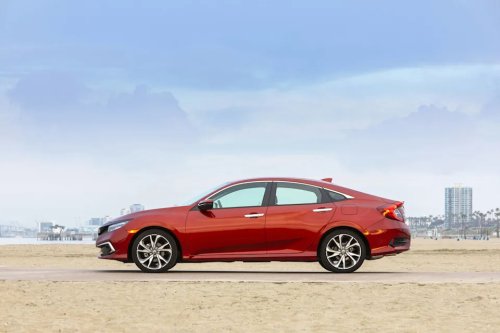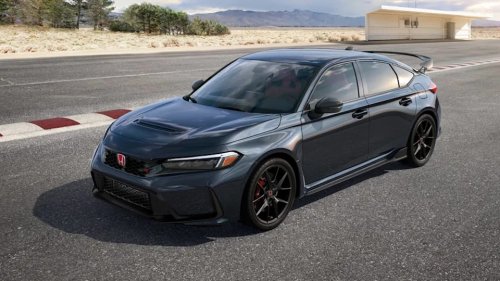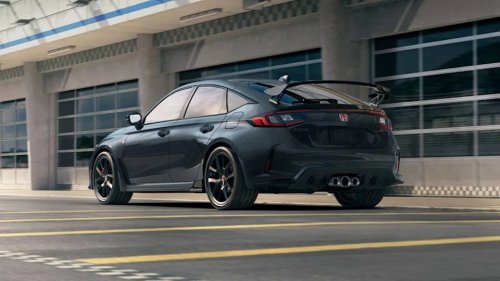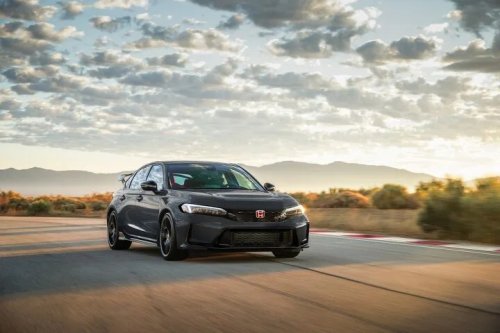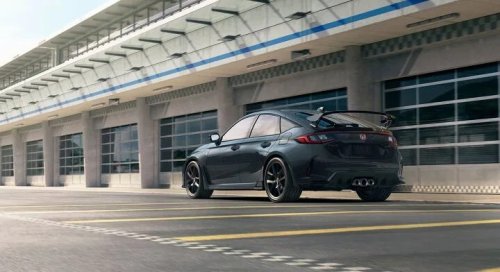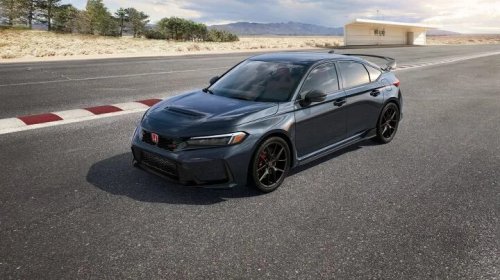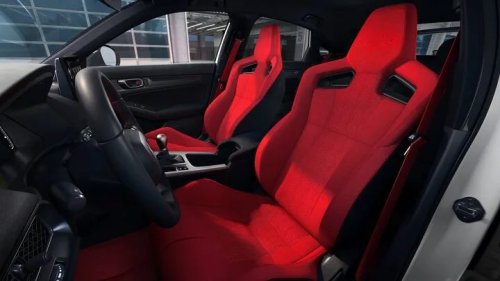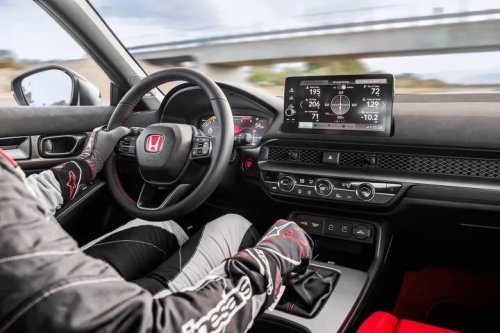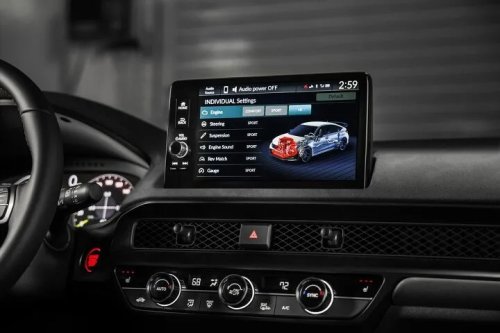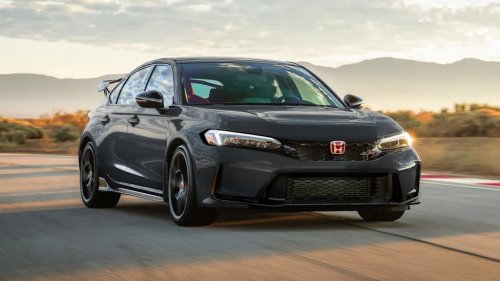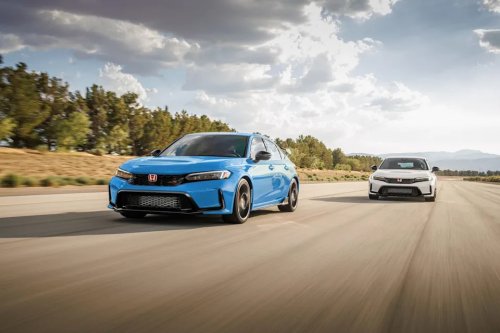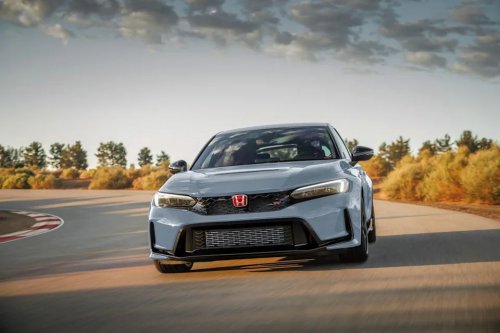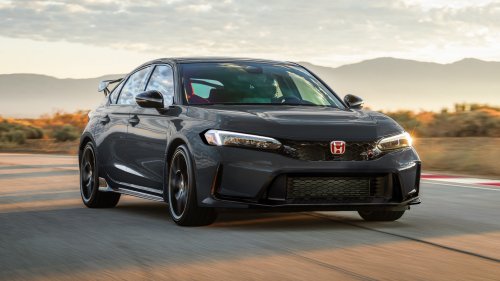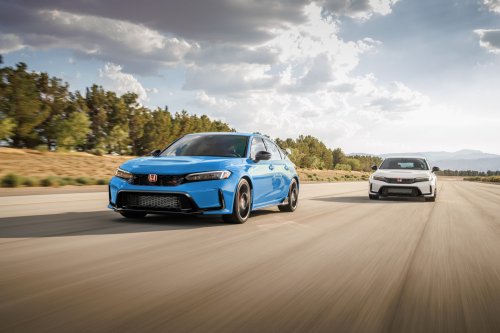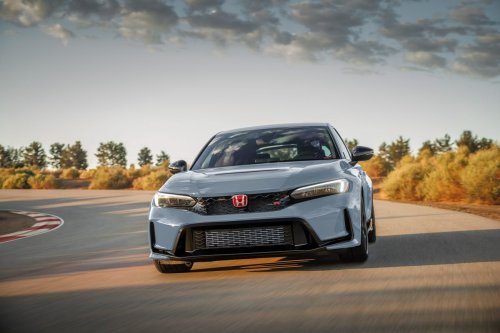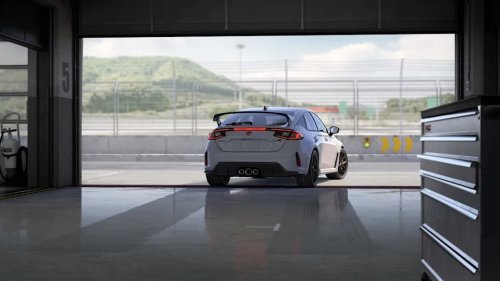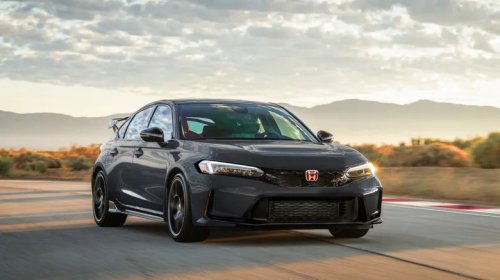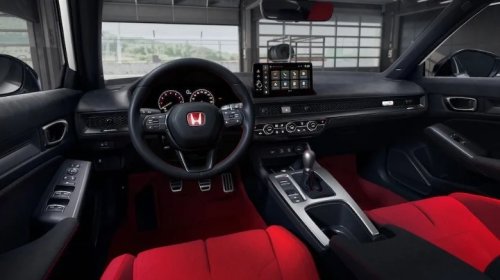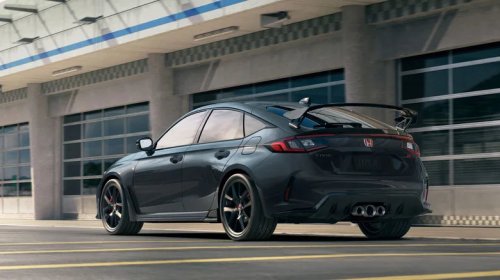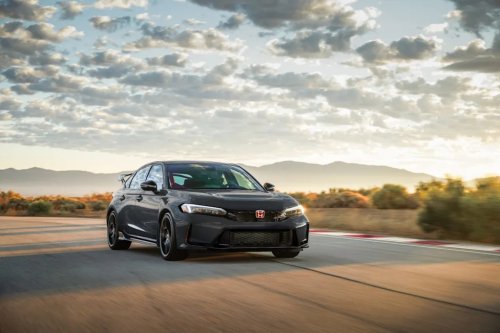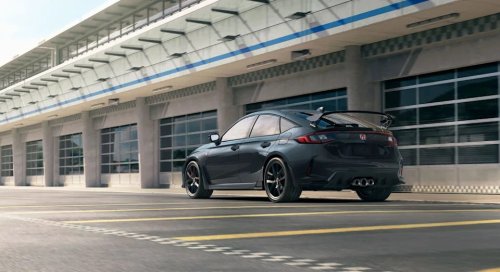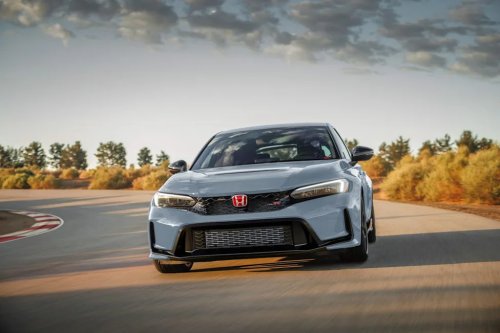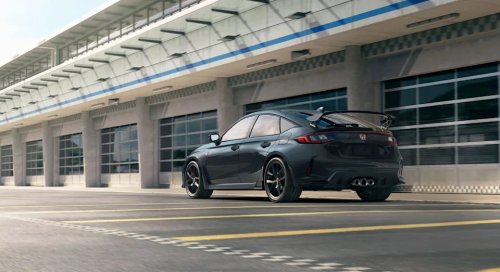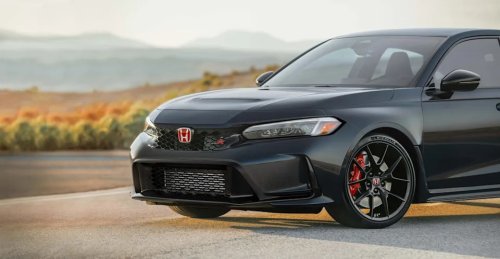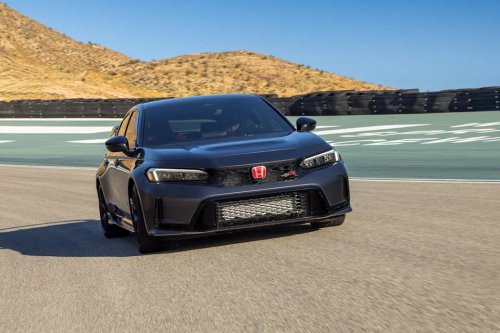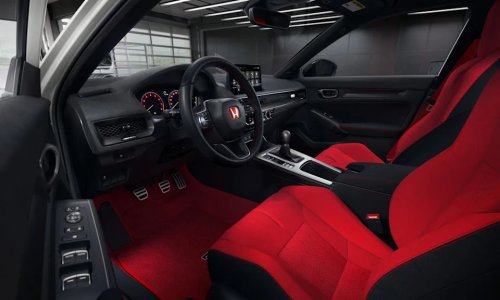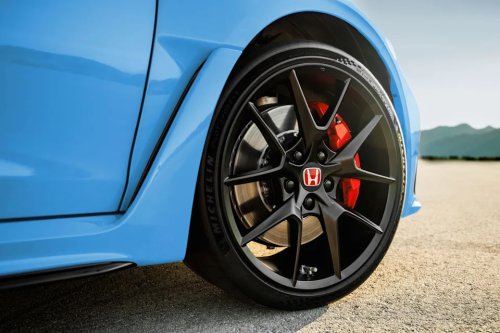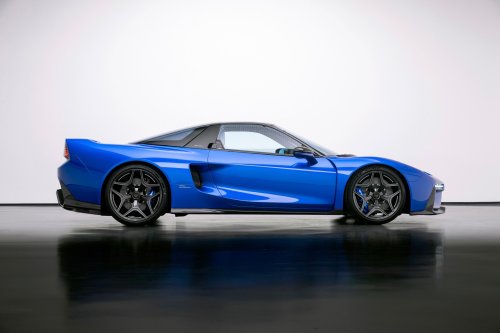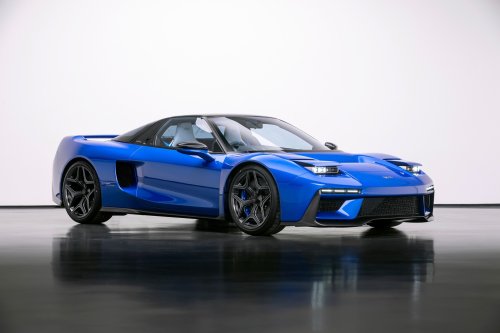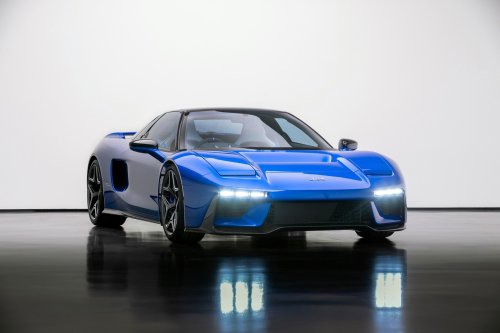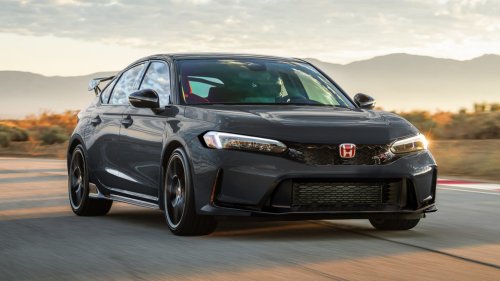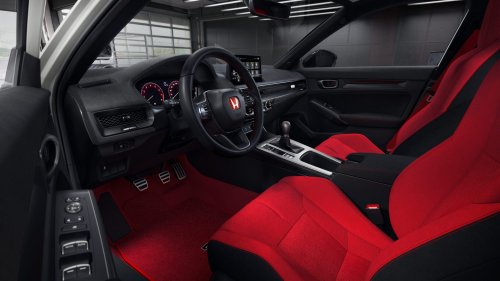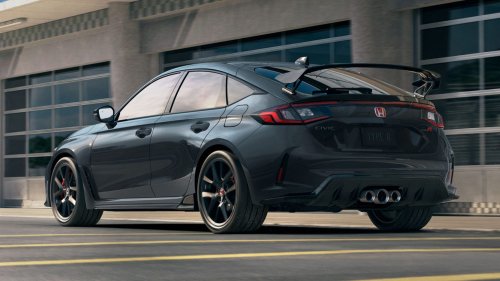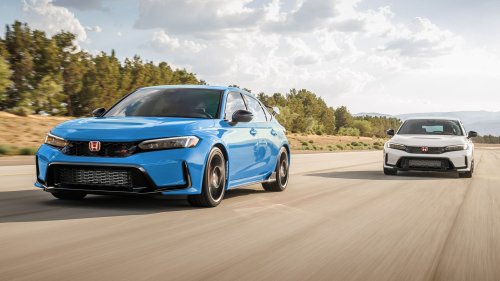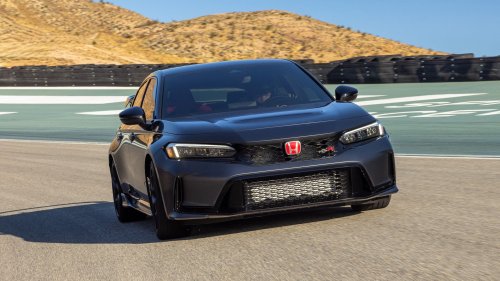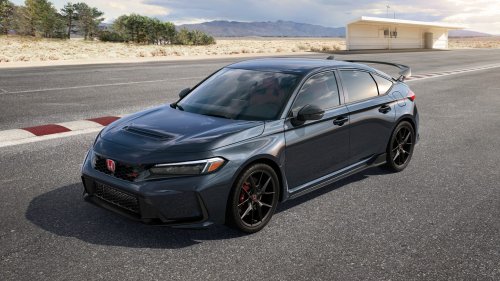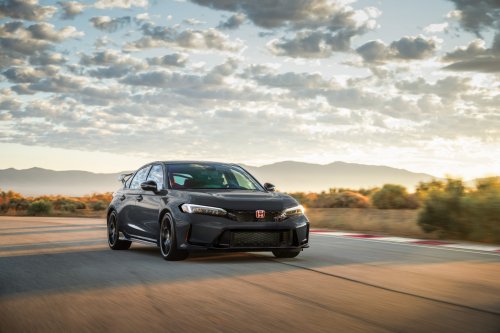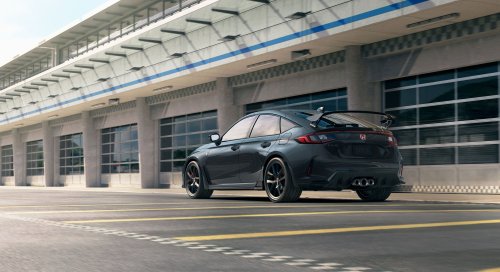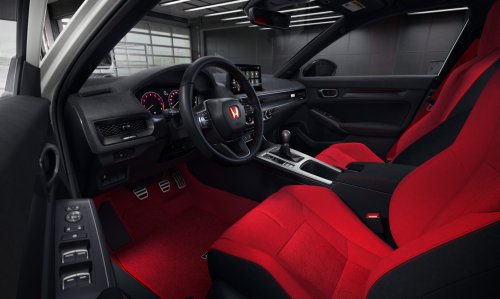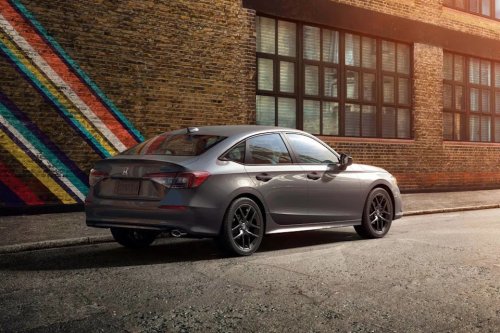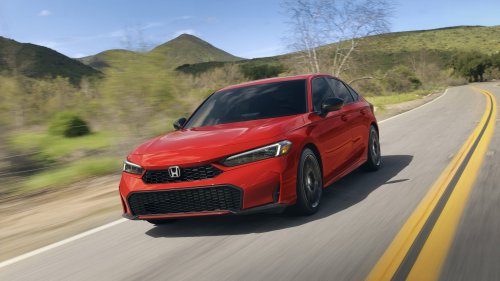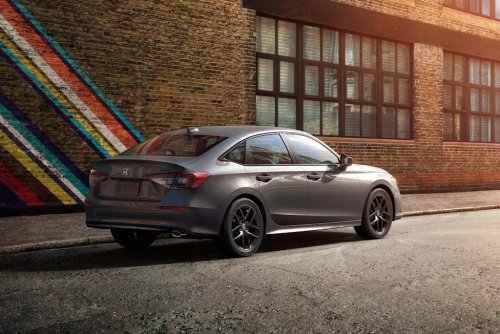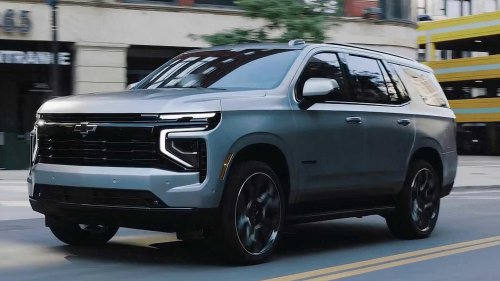
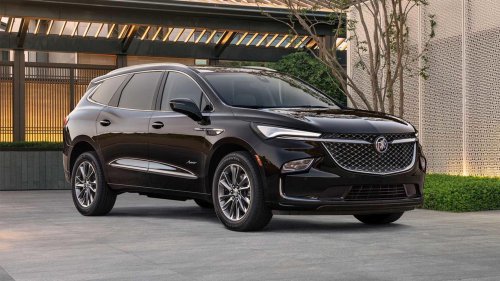
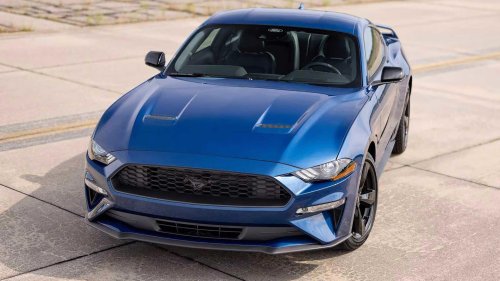
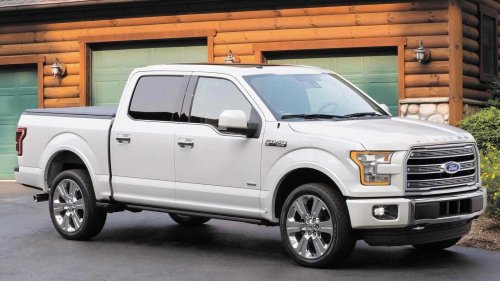
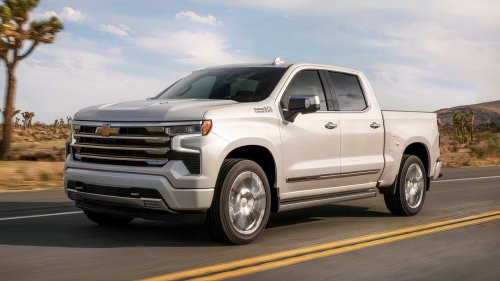
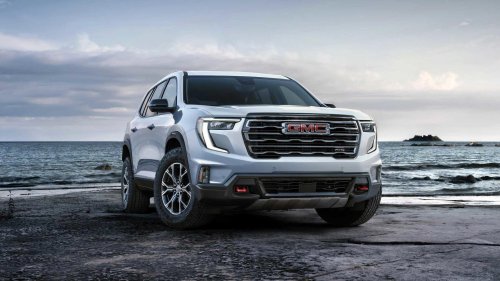
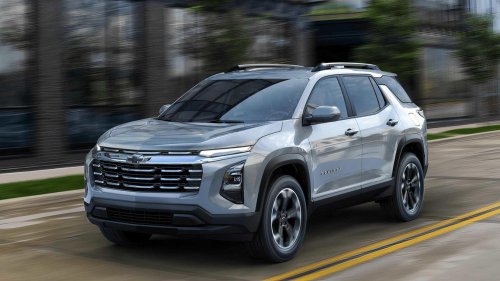
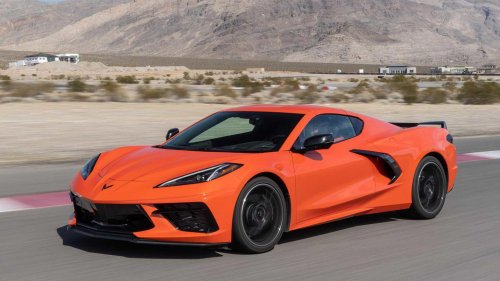
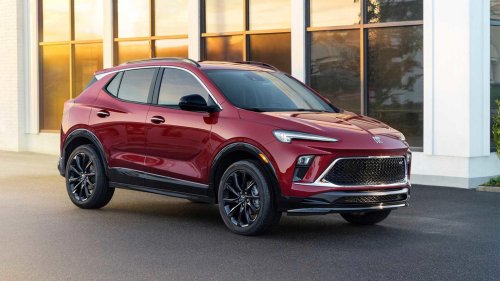



















For decades, the Honda Civic has been the "safe bet," the car you buy when you want to stop thinking about your mechanic’s phone number. It’s the gold standard for sensible transportation, often leaving American automakers behind when it comes to long-term dependability. But the tide is turning. In 2026, the gap between domestic and import reliability has narrowed to a thin margin, and in some surprising segments, Detroit is actually outperforming the Japanese legend.While the Civic remains a fantastic car, it isn't the only way to reach 200,000 miles without a major headache. Modern American cars, SUVs, and trucks are now utilizing refined drivetrains that have seen years of testing and fine-tuning. By choosing the right model years and engines, you can find a domestic vehicle that offers more utility, more power, and, importantly, higher reliability scores than a brand-new Honda Civic, which J.D. Power rated at an impressive 84/100. Chevrolet Tahoe / GMC Yukon (2015-Present) Reliability Score: 83/100 (2023) ChevroletIt is not uncommon to see Tahoes and Yukons with 300,000+ miles still pulling trailer duty. Their secret? A massive, under-stressed V8 engine and a truck-based chassis. Engine options include the 5.3-liter V8 with 355 hp and 383 lb-ft of torque, or the 6.2-liter V8 producing 420 hp and 460 lb-ft, both paired with smooth automatics that can handle heavy loads for years.While a Civic is more fuel-efficient, the Tahoe offers a level of mechanical grunt that simply lasts longer under heavy use. These vehicles see a lot of use as fleet cars and escort vehicles, so they rack up miles very quickly without missing a beat. This is for the family man who wants a large, reliable three-row SUV that he can fit his entire family and their luggage into very easily. Chevrolet Tahoe / GMC Yukon Reliability The most frequent headache for these SUVs is the Active Fuel Management (AFM) system, which shuts down cylinders to save gas. In older models (2007–2015), this could lead to lifter failure. But modern versions have improved this significantly, but it remains the primary "check-engine" culprit. Additionally, the magnetic ride control suspension is expensive to replace once it eventually leaks, but it is also what makes the ride of this vehicle so nice and steady despite being big.Average Yearly Maintenance Cost: $744 (RepairPal) Est. Maintenance Cost During The First 10 Years: $9,966 (CarEdge) Total Recalls: 5 Worst Year To Buy Used: 2015 Buick Enclave (2018-Present) Reliability Score: 85/100 (2023) Buick The Buick Enclave has transformed from a "soccer-mom" stereotype into a legitimate powerhouse of luxury and longevity. While early models (pre-2015) were notorious for transmission issues, the second generation has polished those rough edges into a smooth, quiet, and remarkably sturdy vehicle. Current-generation Enclaves received stellar reviews and reliability rankings, including a solid 85/100 from J.D. Power in quality and reliability for the 2023 model year.In general, J.D. Power's 2026 dependability study also points to Buick as being the world's second most dependable car brand in 2026, trailing Lexus by just a few points. And for those who need three-row seats in a reliable full-size crossover, the Enclave has become a top-tier choice. Buick Enclave Reliability The Enclave's current reliability stems from the refined 3.6-liter V6 engine, which has seen nearly two decades of incremental improvements. However, owners should keep an eye on the power steering system and potential carbon buildup in the direct-injection system. Early first-generation models (specifically 2008-2010) suffered from "wave plate" failures in the transmission and timing chain stretching, but these issues have been largely absent in models produced after 2018.Average Yearly Maintenance Cost: $720 (RepairPal) Est. Maintenance Cost During The First 10 Years: $9,283 (CarEdge) Total Recalls: 4 (Current Generation) Worst Year To Buy Used: 2018 Ford Mustang V8 (2012-Present) Reliability Score: 85/100 (2026) Ford You wouldn't expect a sports car to beat a Civic in reliability, but the sixth-gen Ford Mustang has proven itself incredibly dependable over the years. While the Mustang offers an inline-four and a V6, the 5.0-liter Coyote is why you buy a car of this nature. Pushing 460 to 500 hp from the factory (depending on year and trim), this engine has been refined since 2012 and has had many improvements over the years. Early issues, such as occasional oil consumption in 2011-2014 engines, minor valve spring failures, and initial calibration glitches in the fuel and ignition systems, have been addressed in later revisions.Ford updated the camshaft and valve train components, improved piston ring designs, and optimized ECU tuning. Because the Mustang is a high-volume vehicle, parts are inexpensive and widely available, and the engines are thoroughly tested across millions of miles. Ford Mustang Reliability The manual transmissions in some S550 models (2015–2023) had reports of "vibration," and the 2018 GT models had a "ticking" noise that Ford addressed with a software update. Overall, the Coyote V8 is one of the most reliable performance engines ever built.Average Yearly Maintenance Cost: $709 (RepairPal) Est. Maintenance Cost During The First 10 Years: $7,830 (CarEdge) Total Recalls: 3 Worst Year To Buy Used: 2012, 2015, and 2016 (2015 saw the introduction of the S550 Mustang) Ford F-150 (2009-Present) Reliability Score: 86/100 Ford It is the best-selling vehicle in America for a reason. The Ford F-150 is designed to be a workhorse, meaning its components are often over-engineered compared to a light-duty passenger car like the Civic. If you opt for the naturally aspirated 5.0-liter V8 or the newer 3.5-liter EcoBoost versions, you’re getting a powertrain built to haul thousands of pounds and effortless longevity when used as a daily driver. Ford F-150 Reliability The F-150's biggest hurdle in recent years has been the 10-speed transmission, which occasionally exhibits "harsh shifts" in the 2018 models. Additionally, the 3.5-liter EcoBoost engines from the early 2010s had issues with timing chain stretch. However, the current iterations are exceptionally durable. The aluminum body also means you won’t be fighting the "rust-belt" decay that plagues many older trucks.Average Yearly Maintenance Cost: $788 (RepairPal) Est. Maintenance Cost During The First 10 Years: $11,242 (CarEdge) Total Recalls: 16 (Varies significantly by powertrain) Worst Year To Buy Used: 2018 (Oil consumption) Chevrolet Silverado 1500 (2014-Present) Reliability Score: 86/100 (2025) ChevroletThe 5.3-liter V8 in the Chevy Silverado is a legendary engine architecture, producing 355 hp and 383 lb-ft of torque, and has powered many heavy-duty Chevy products. While the tech inside the cabin might occasionally glitch, the greasy bits underneath are designed to handle abuse that would fold a Civic in half. So, just like the F-150, if you need a truck that you can use as a daily, tow, or for work purposes, this is a great choice. Chevrolet Silverado 1500 Reliability Transmission "shudder" in the 8-speed automatic (2014–2019) is a known issue, often solved by a specific fluid flush. The lifter issues mentioned in the Tahoe also apply here. However, if you find a well-maintained 2018 or a newer 2022+ model, they are exceptionally dependable.Average Yearly Maintenance Cost: $714 (RepairPal) Est. Maintenance Cost During The First 10 Years: $10,950 (CarEdge) Total Recalls: 7 Worst Year To Buy Used: 2014 GMC Acadia (2017-Present) Reliability Score: 87/100 (2022) GMC The GMC Acadia has seen a massive surge in reliability since its 2017 redesign. By moving to a slightly smaller, more efficient platform shared with Buicks and Cadillacs, GMC was able to iron out the powertrain issues that haunted the first generation. It’s not an obvious choice for most shoppers, but it is now a great pick for reliability in the mid-size SUV market. Most Acadia model years boast stellar reliability ratings, with the 2022 model having the highest at 87/100. GMC Acadia Reliability The "Shift to Park" error message is the most common complaint for 2017-2018 owners, where the car doesn't recognize it's in park. GMC has since released a wiring harness fix for this. Beyond that, the Acadia's 2.0-liter Turbo (230 hp) and 3.6-liter V6 options (310 hp) are proven engines that lack the "catastrophic" failure points of their predecessors.Average Yearly Maintenance Cost: $734 (RepairPal) Est. Maintenance Cost During The First 10 Years: $8,504 (CarEdge) Total Recalls: 4 Worst Year To Buy Used: 2017 Cadillac XT5 (2017-2024) Reliability Score: 88/100 (2023) Cadillac The Cadillac XT5 is proof that luxury doesn’t have to mean it has to be fragile. It consistently ranks at the top of its class for dependability, often beating out German rivals that cost twice as much to maintain. It’s a wise decision for the buyer who wants a premium interior and a "vault-like" cabin feel without the looming threat of a $5,000 sensor repair. Cadillac XT5 Reliability The XT5 is generally robust, though it isn't without its quirks. Some owners have reported "CUE" infotainment system glitches where the screen becomes unresponsive. Mechanically, the 310-hp 3.6-liter V6 is a workhorse, but there have been reports of minor oil leaks from the valve cover gaskets as the vehicle crosses the 80,000-mile mark. Avoiding the 2017 debut year is the best way to ensure a trouble-free experience.Average Yearly Maintenance Cost: $807 (RepairPal) Est. Maintenance Cost During The First 10 Years: $9,892 (CarEdge) Total Recalls: 3 Worst Year To Buy Used: 2017 Chevrolet Equinox (2014-Present) Reliability Score: 88/100 (2024) Chevrolet The Chevrolet Equinox is the "Civic of SUVs" in terms of its availability and straightforward design. It doesn't use overly complex air suspensions or experimental engines, which is exactly why it scores so high on dependability. It’s a simple machine built to do a simple job. It is a great choice for a first car, since crossovers like these are becoming very popular, you want a vehicle that looks nice but won't drain your pocket. Chevrolet Equinox Reliability Stay away from the 2010–2013 models, which were notorious for excessive oil consumption in the 2.4-liter engine. The newer 1.5-liter turbo engines found in the current generation are much more reliable, though they do require strict adherence to oil change intervals to keep the turbo healthy.Average Yearly Maintenance Cost: $537 (RepairPal) Est. Maintenance Cost During The First 10 Years: $9,196 (CarEdge) Total Recalls: 2 Worst Year To Buy Used: 2014 and 2015 Chevrolet Corvette Stingray C8 Reliability Score: 89/100 (2026) Via; ChevroletEasily the fastest car on this list, the Chevrolet Corvette (specifically the C8) has stunned the industry by pairing supercar performance with serious reliability. Every model year since the generation's debut has received a seriously impressive J.D. Power rating, all in the high 80s.The base C8 Stingray has proven itself a particularly reliable and safe choice. Its naturally aspirated 495-hp 6.2-liter LT2 V8 is relatively low-stressed for the power it produces, with a strong aluminum block and forged components that resist wear. The engine’s dry-sump oiling system ensures consistent lubrication even under hard cornering, reducing the risk of premature engine damage. The dual-clutch 8-speed automatic transmission is designed specifically for this engine and chassis combination, minimizing heat buildup and drivetrain strain. Chevrolet Corvette Reliability Early C8 models (2020) had some "frunk" (front trunk) latch issues, but the drivetrain itself is remarkably solid. It’s the ultimate "daily driver" supercar.Average Yearly Maintenance Cost: $737 (RepairPal) Est. Maintenance Cost During The First 10 Years: $8,292 (CarEdge) Total Recalls: 2 Worst Year To Buy Used: 2019 Buick Encore GX (2020-Present) Reliability Score: 90/100 (2026) Buick Bet you didn't expect to see another Buick here, but the Encore GX is currently one of the highest-rated American vehicles by J.D. Power at 90/100 in reliability. It’s a subcompact crossover that offers a premium feel with "economy car" repair bills. It has quickly become the gold standard for Buick’s reliability comeback. The Encore GX has only been around since 2020, but to gain such a good reputation in such a short time is such high praise. Buick Encore GX Reliability Being a newer model, the Encore GX hasn't shown many systemic failures yet. Engine options include the 1.2-liter turbocharged 3-cylinder producing 137 hp and 162 lb-ft of torque, or the 1.3-liter turbocharged 3-cylinder with 155 hp and 174 lb-ft, both paired with smooth automatic transmissions. There have been minor recalls regarding the emergency jack and the brake vacuum pump, but no major engine or transmission disasters. It’s a "safe bet" for those who want a small, reliable vehicle meant for city commutes.Average Yearly Maintenance Cost: $466 (RepairPal) Est. Maintenance Cost During The First 10 Years: $8,840 (CarEdge) Total Recalls: 3 Worst Year To Buy Used: 2020 (First year) What Every Buyer Should Know Before Switching While these cars are impressive, it’s important to remember that reliability can have some trade-offs. A "reliable" F-150 will still cost more in tires and brakes over ten years than a Honda Civic, namely because it is a larger, heavier vehicle. Some sports cars have cylinder deactivation but can drink fuel when you're on it, and some parts, while available, cost a bit more than your average economy car. When comparing costs, always look at the cost per mile rather than just the repair frequency.Pro-Tips for Maximizing Reliability:Avoid the "First Year": Never buy the first year of a new redesign (e.g., 2015 Tahoe or 2017 XT5). Let the manufacturer find the bugs first. Transmission Flushes: American 8-speed and 10-speed transmissions are high-tech. Changing the fluid every 45,000–50,000 miles can prevent the "shudder" issues common in these brands. Check for Recalls: Domestic brands often have more recalls than Honda. Always use the NHTSA website to ensure all free "safety fixes" have been performed by a dealer.