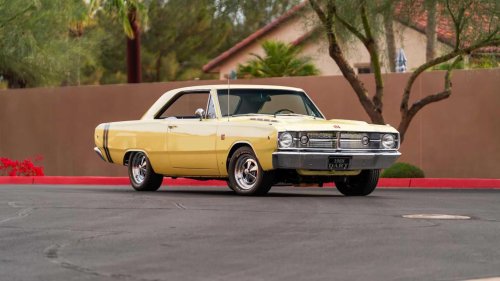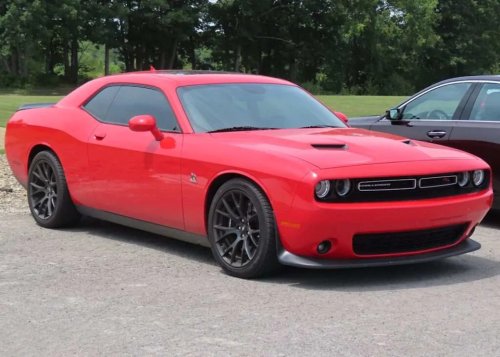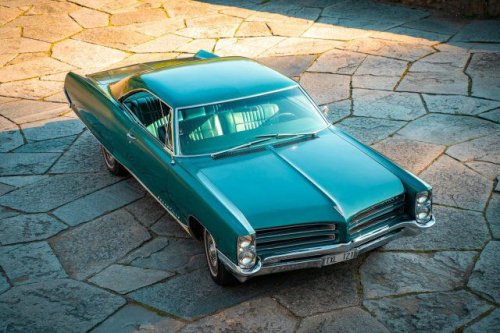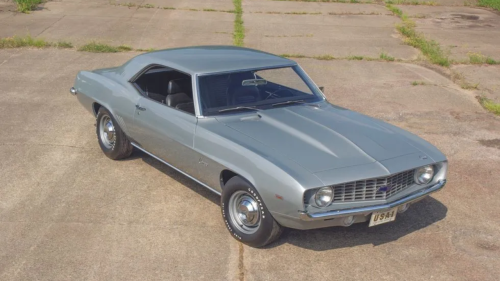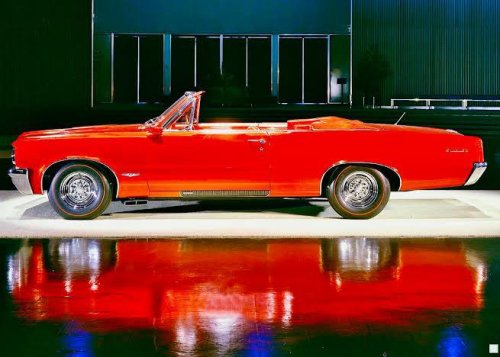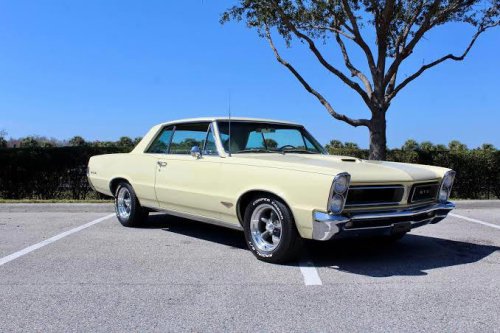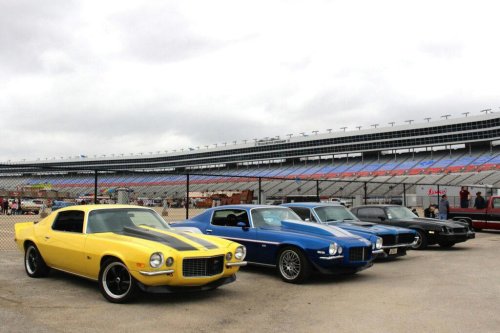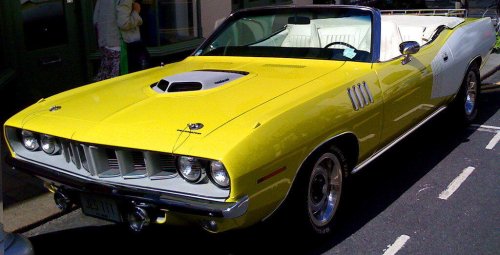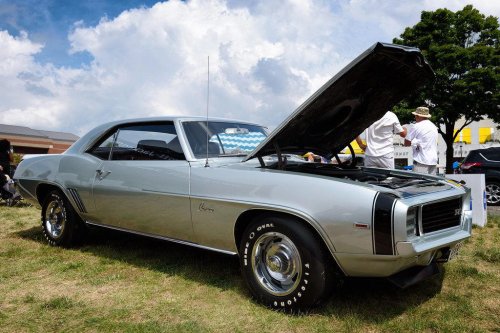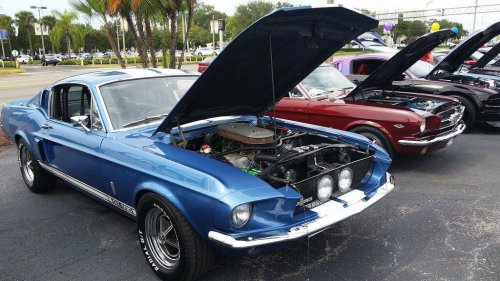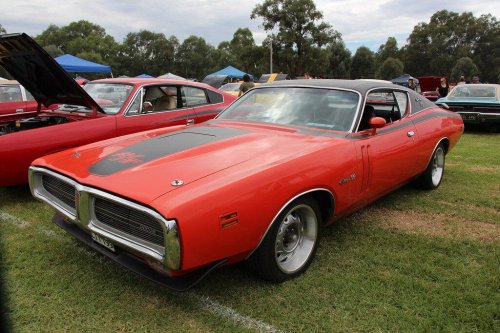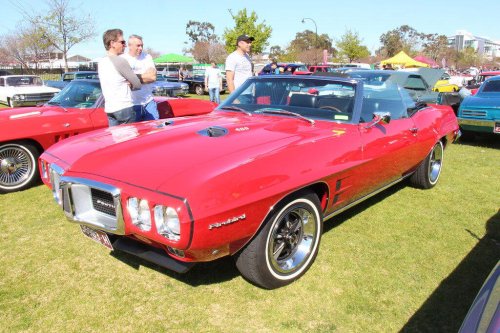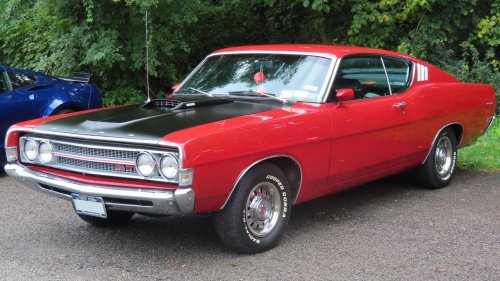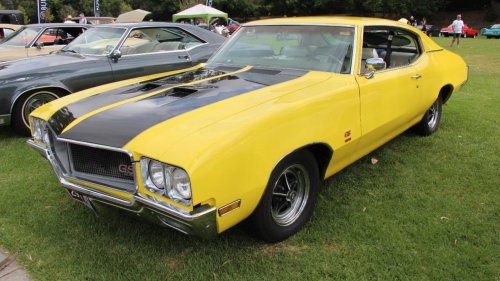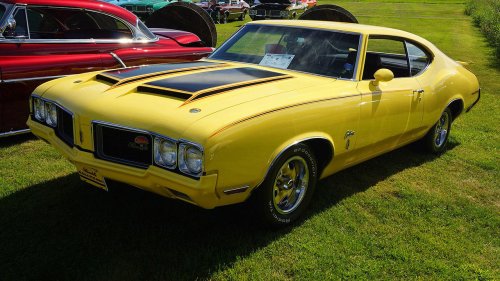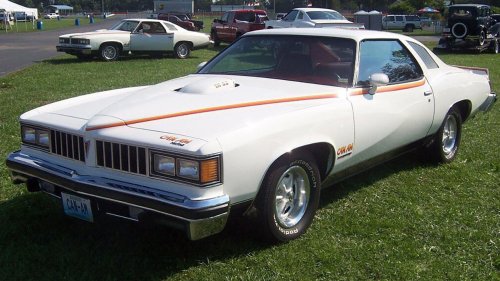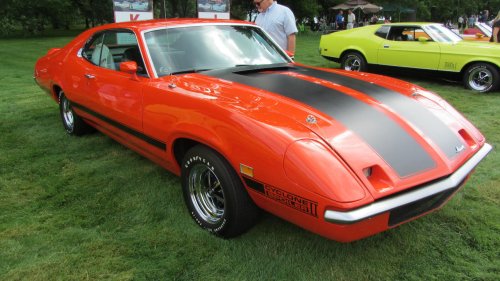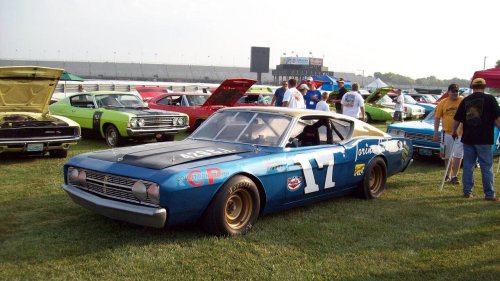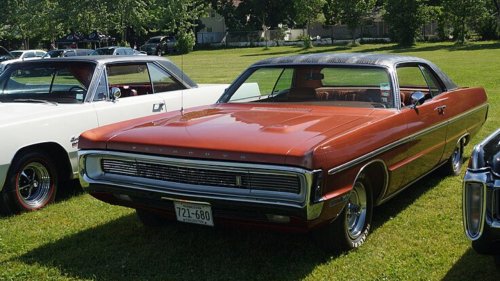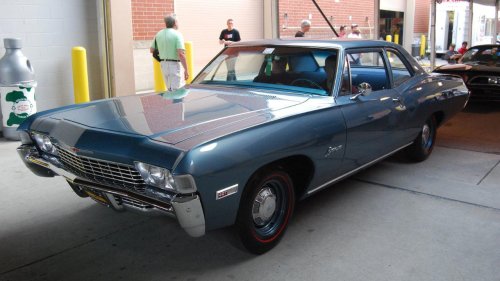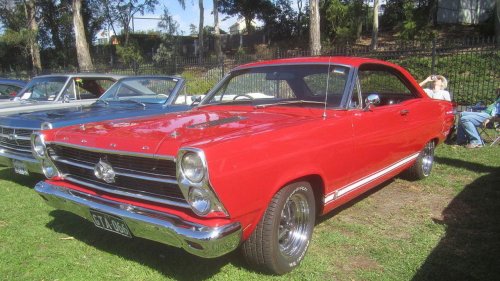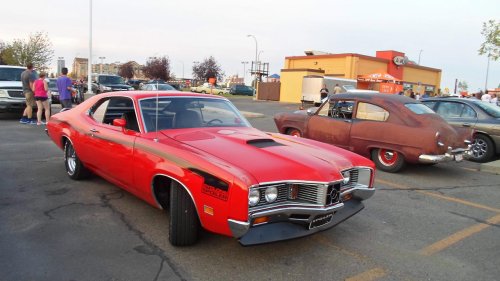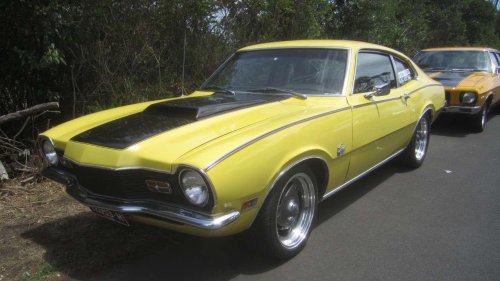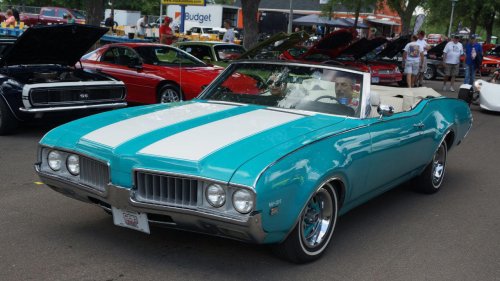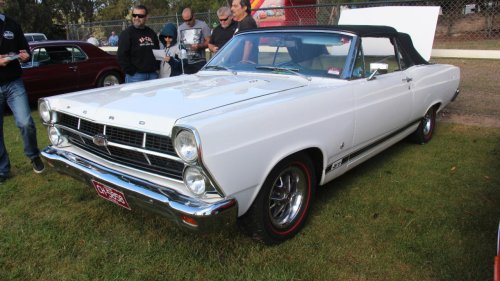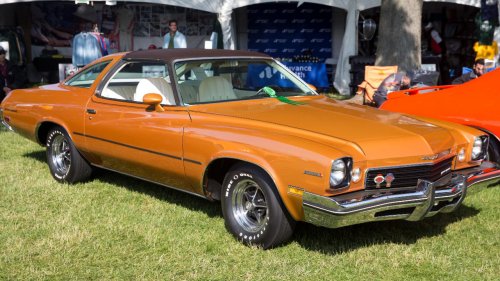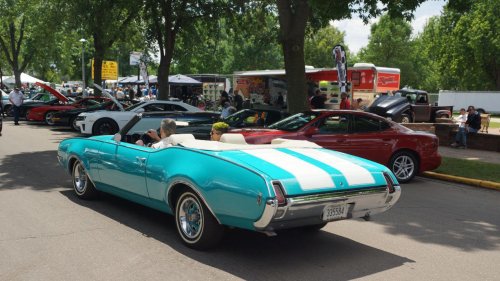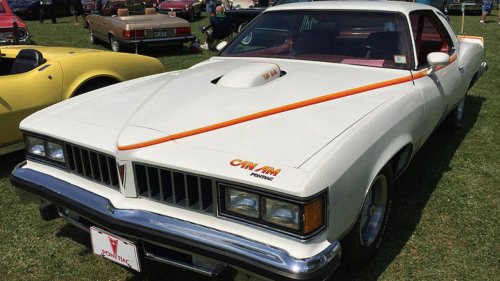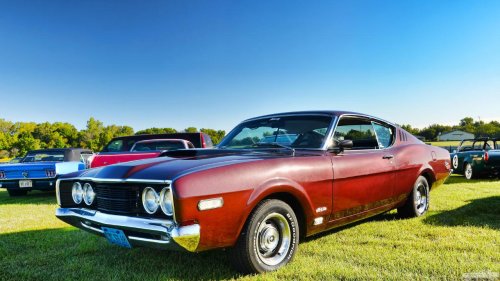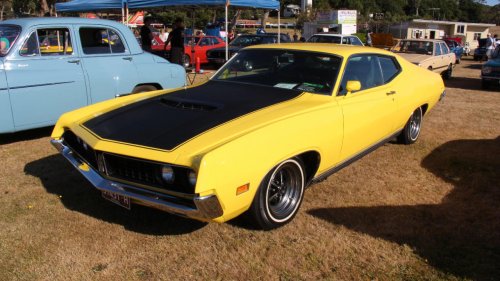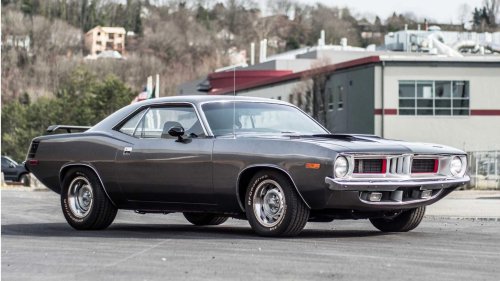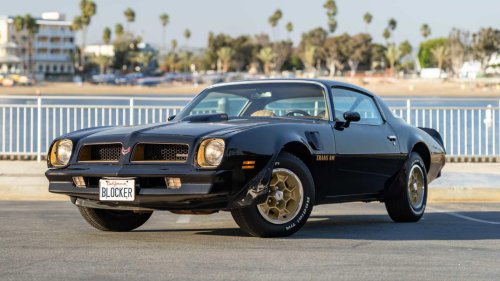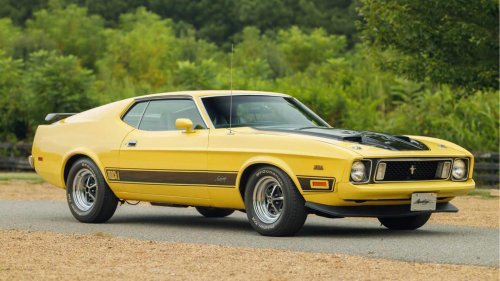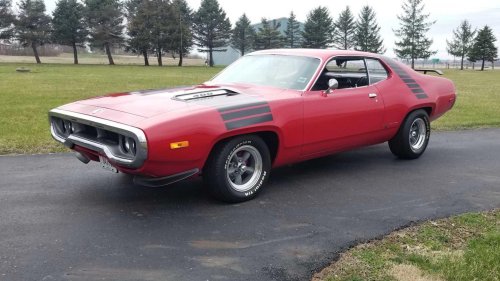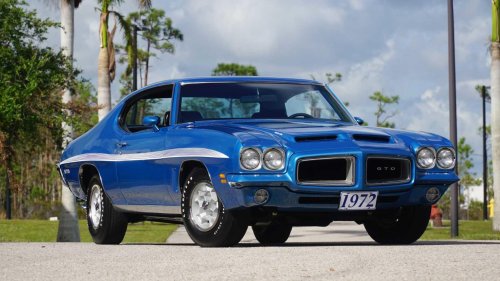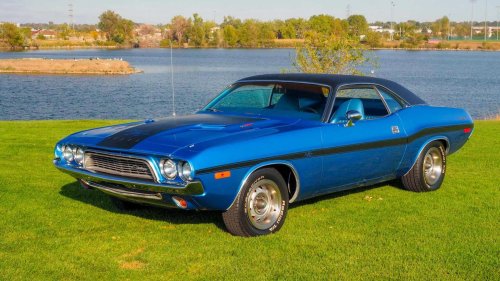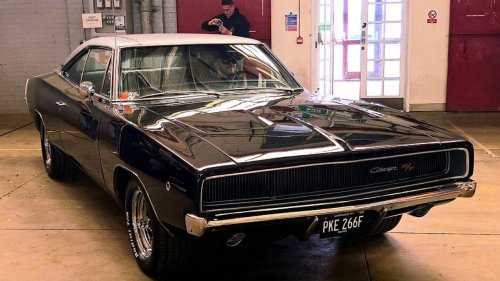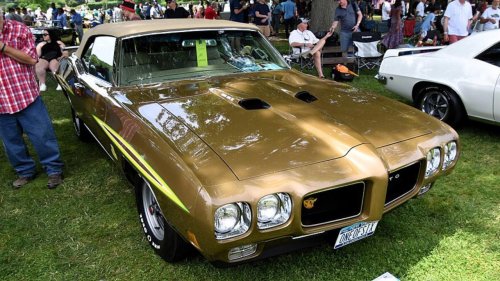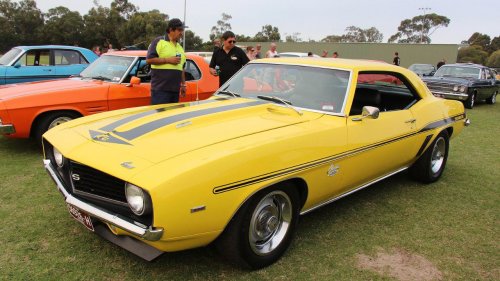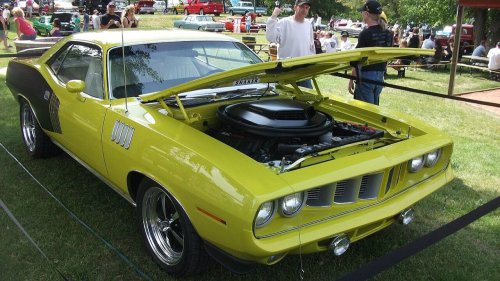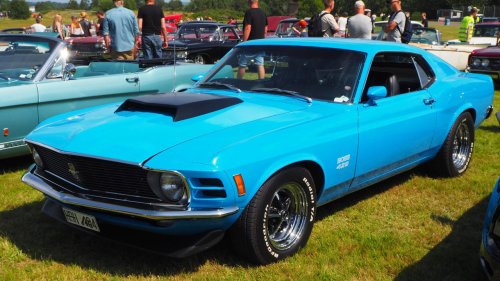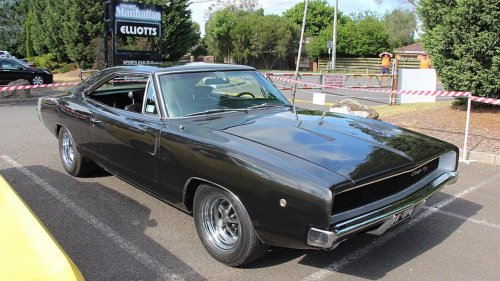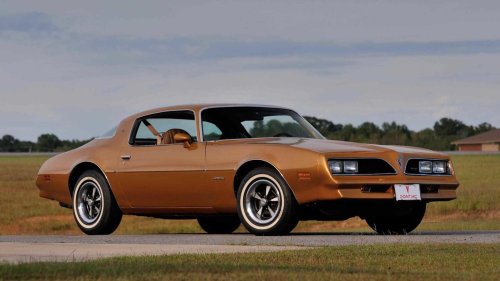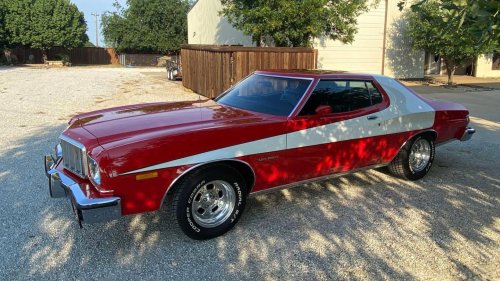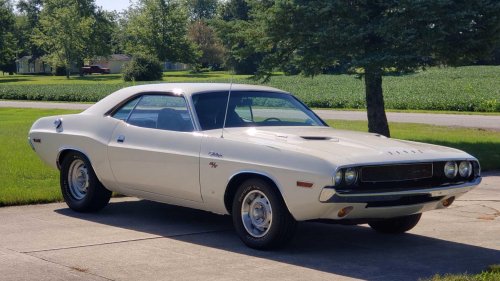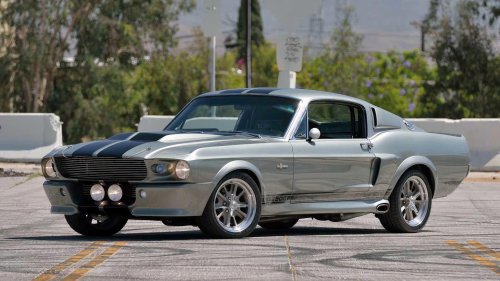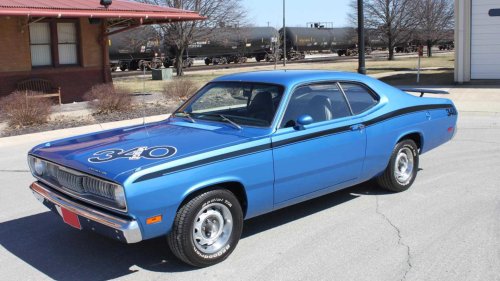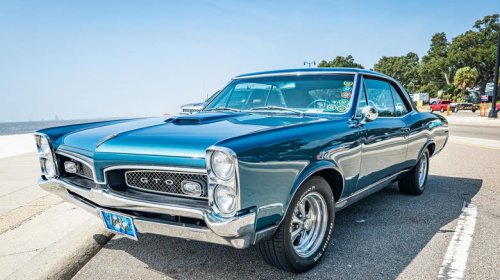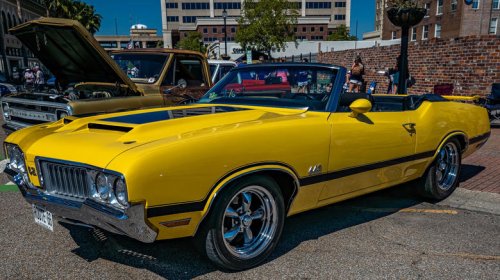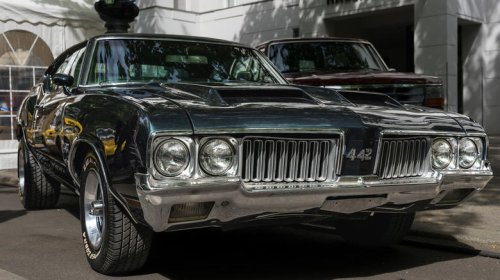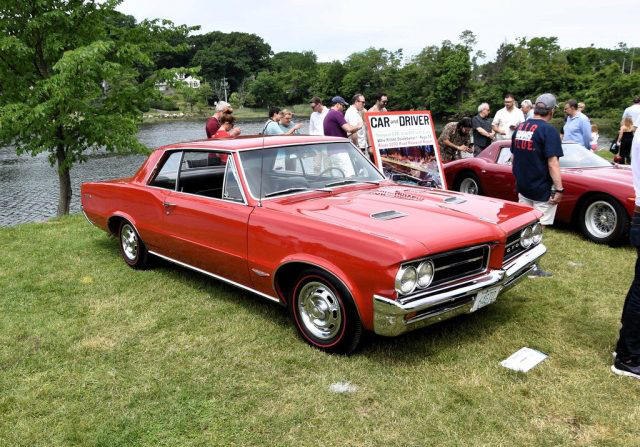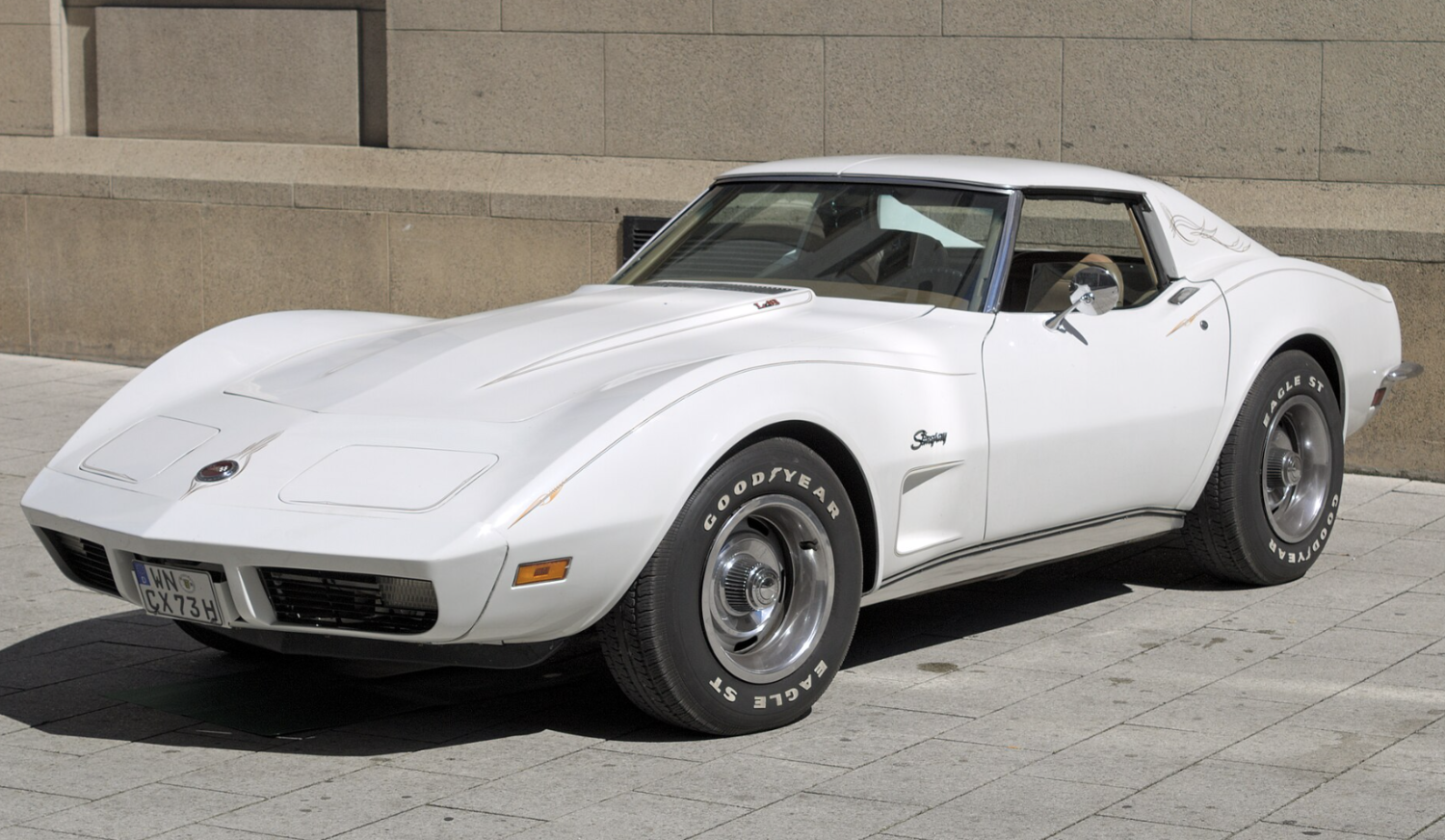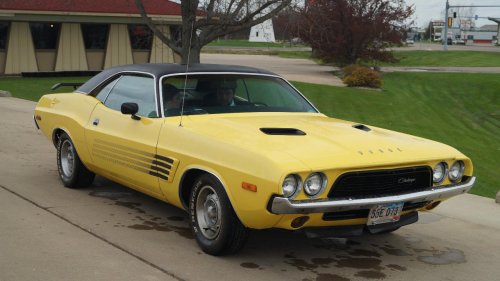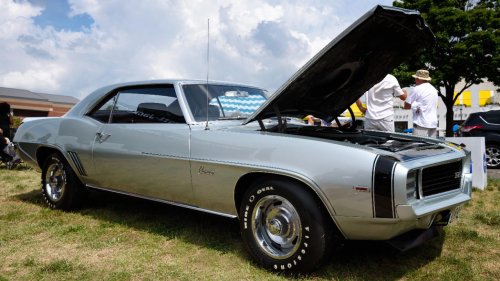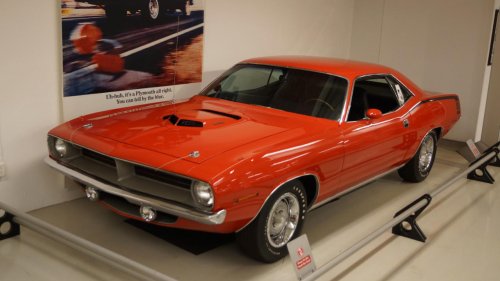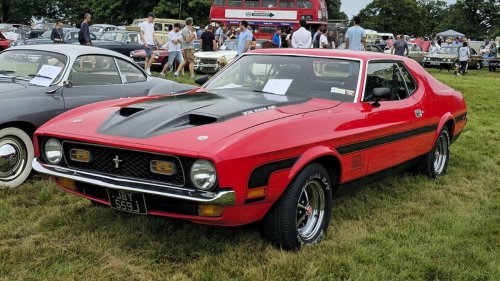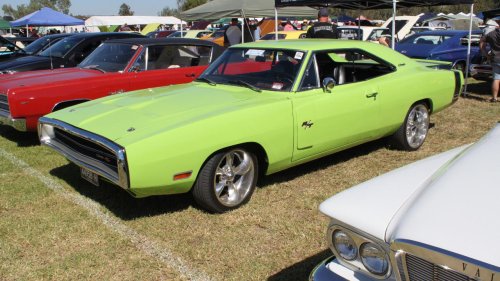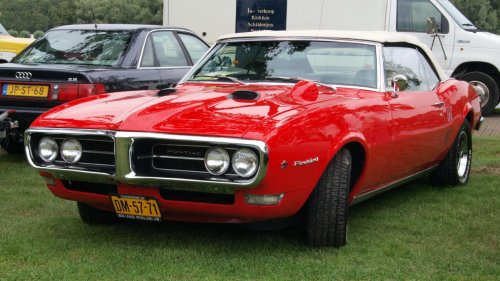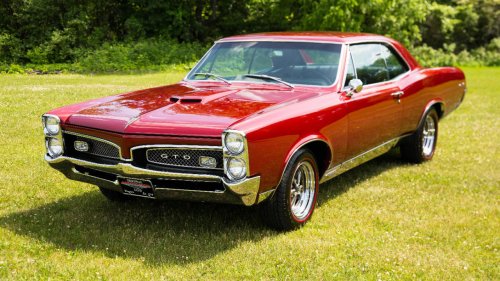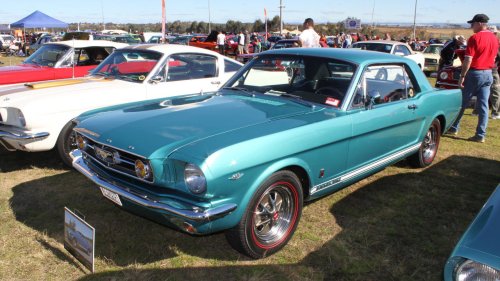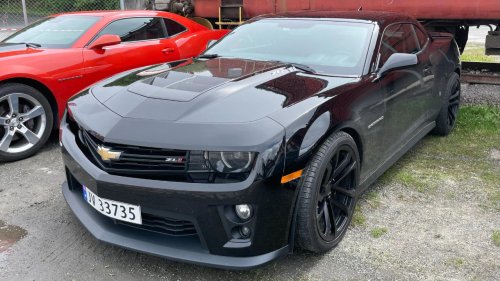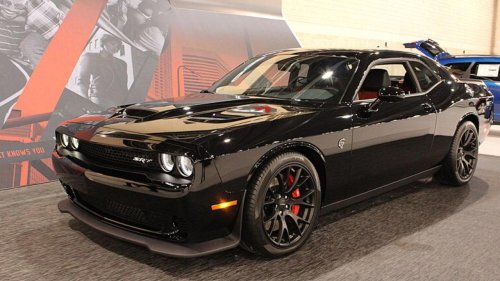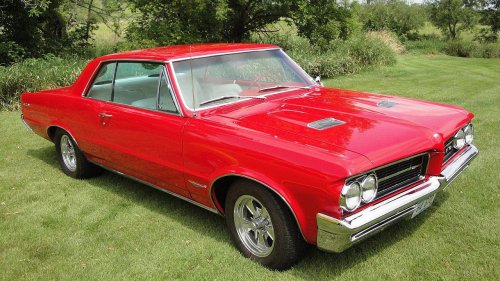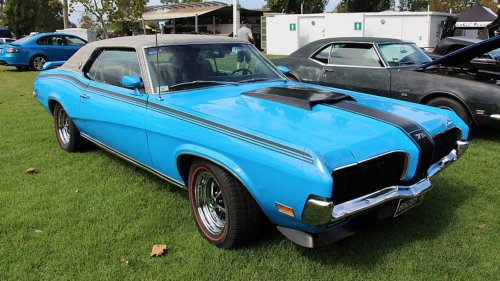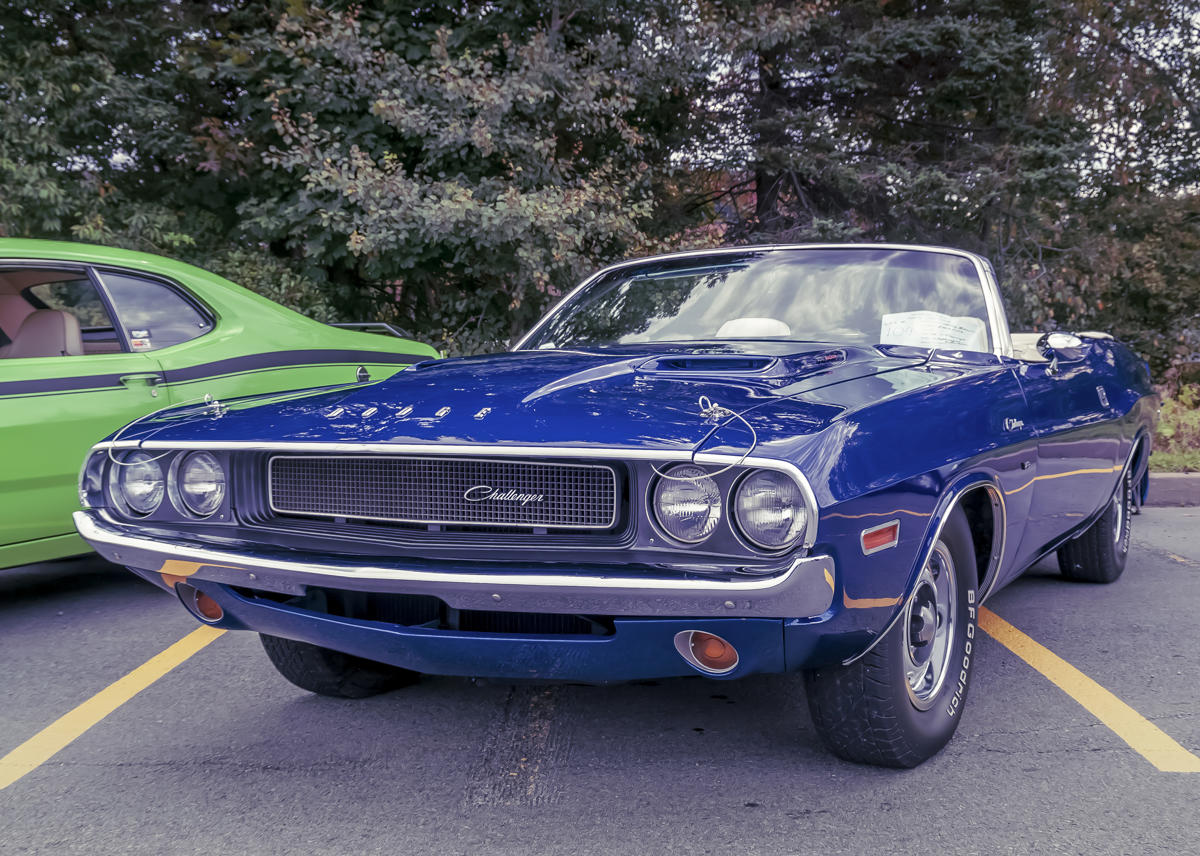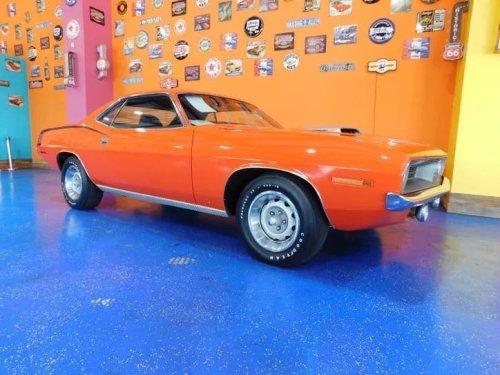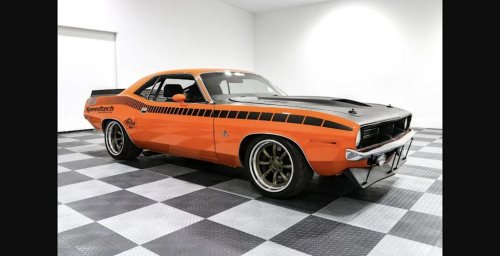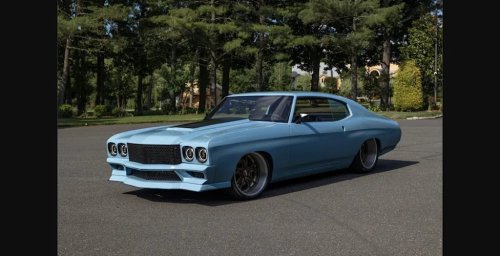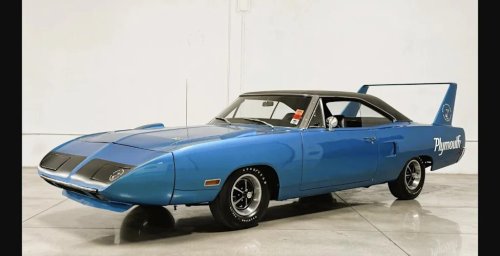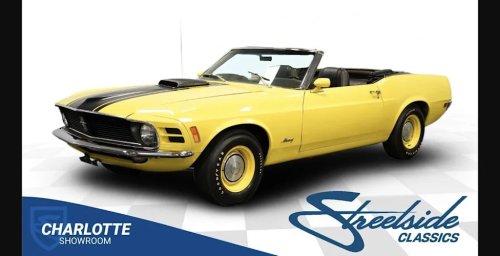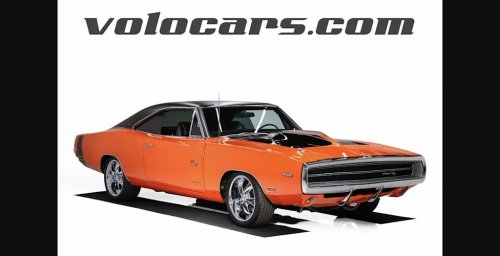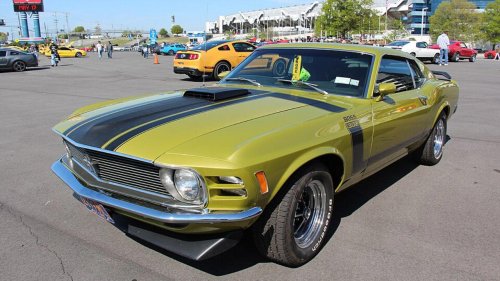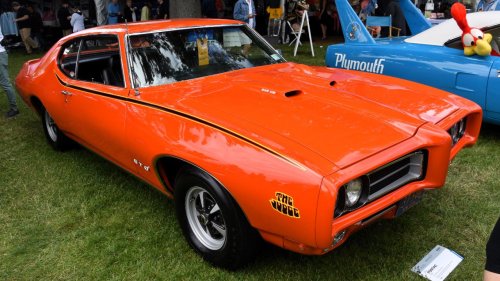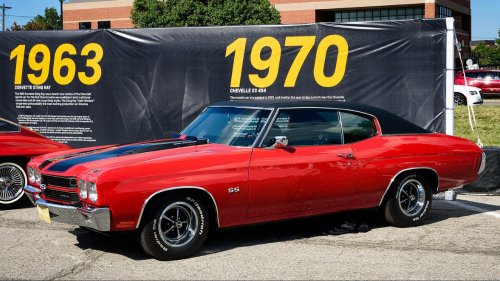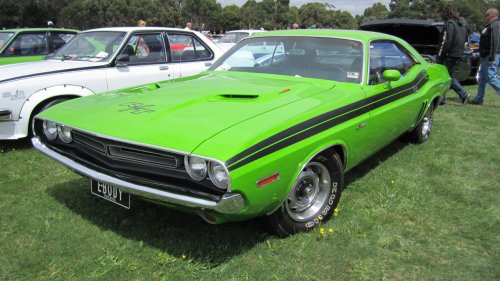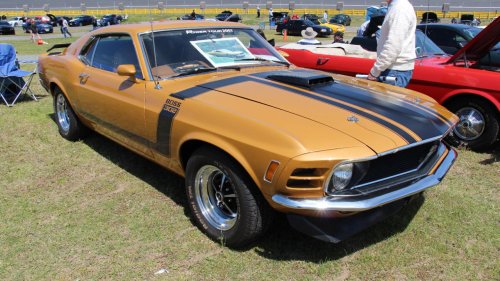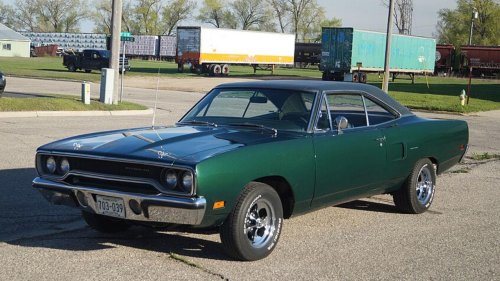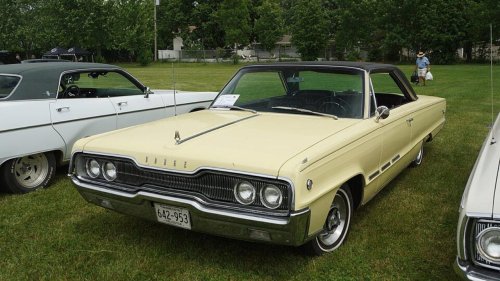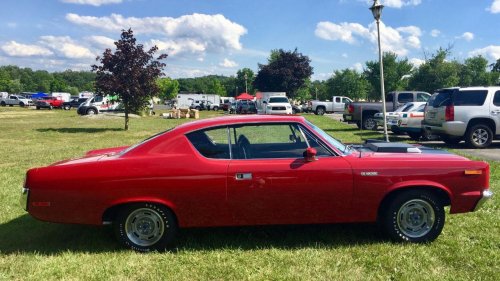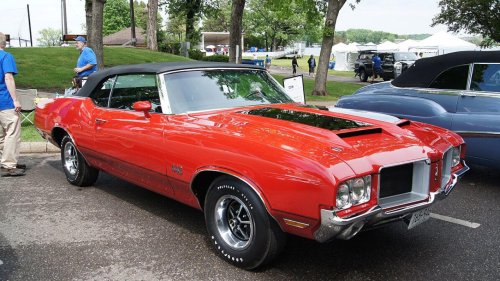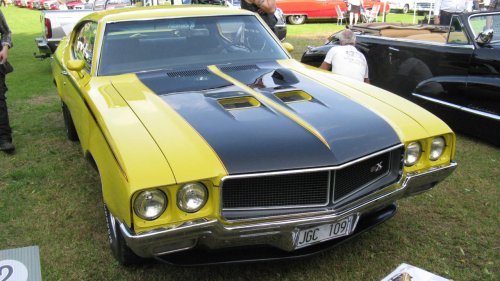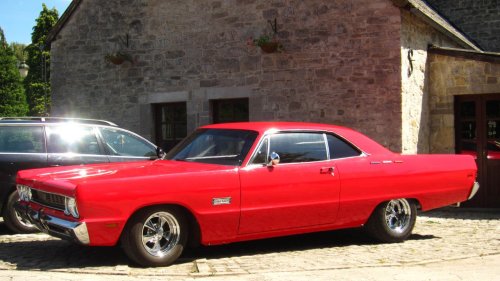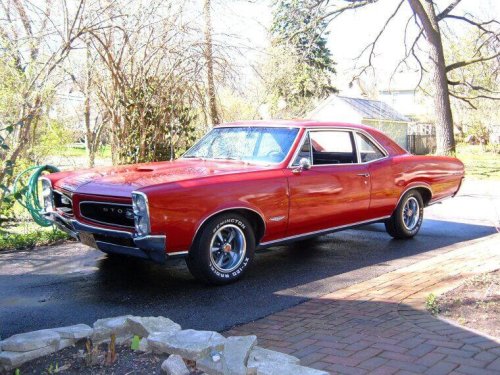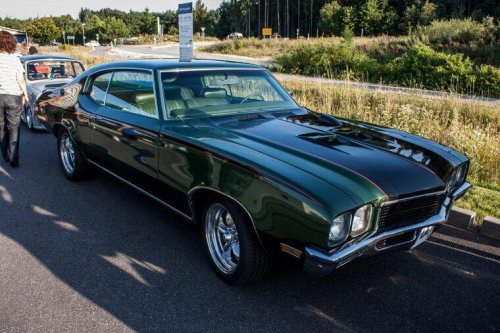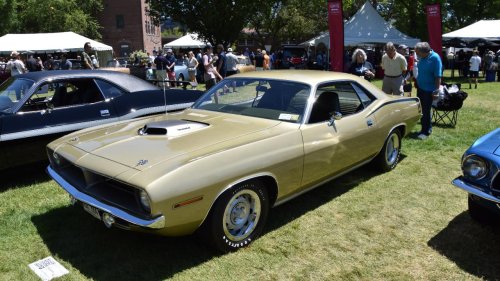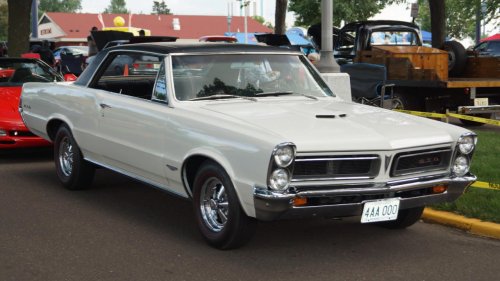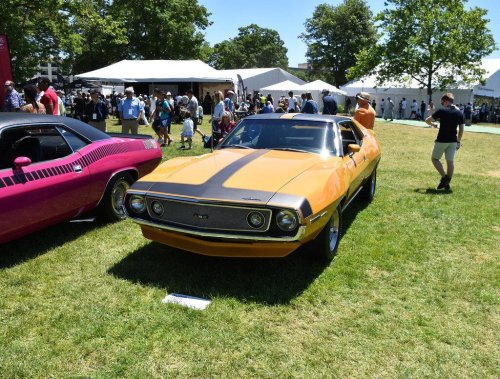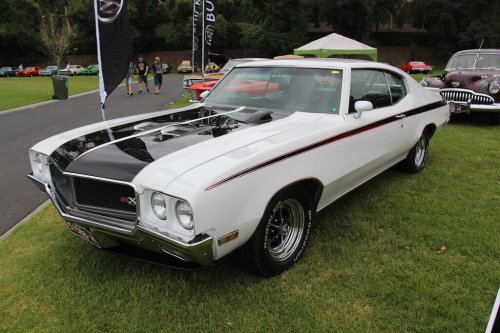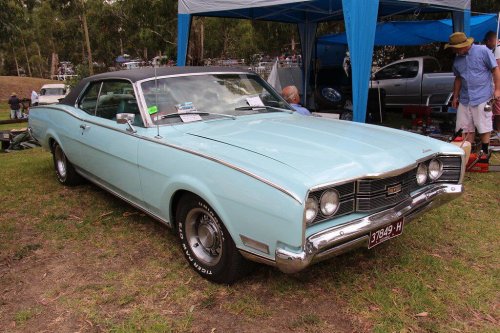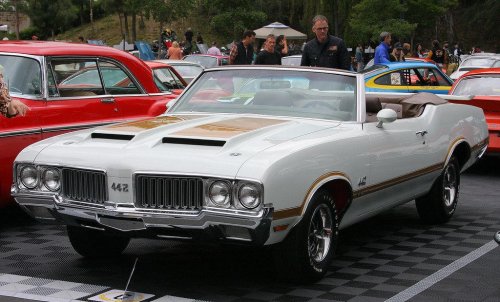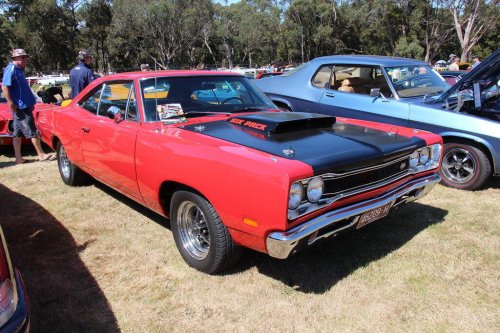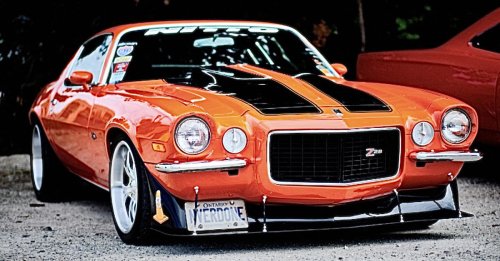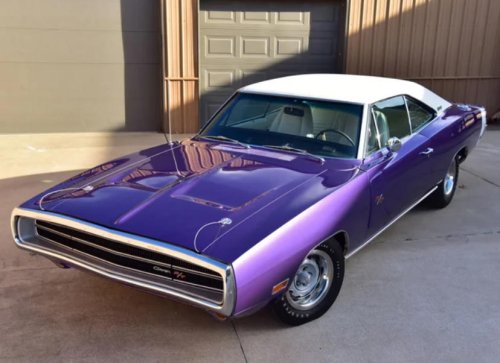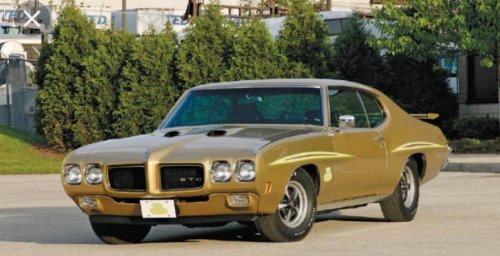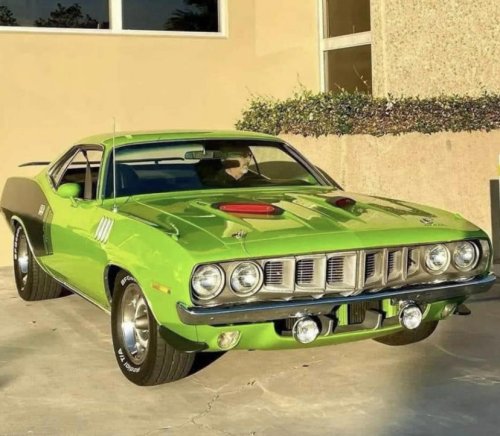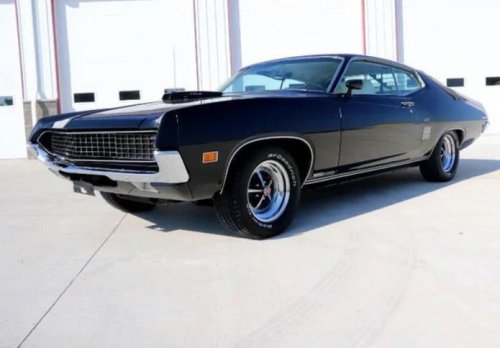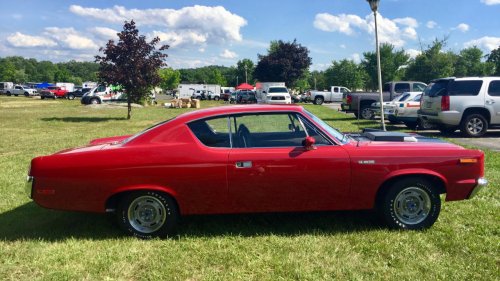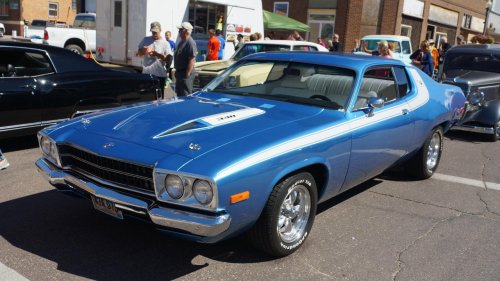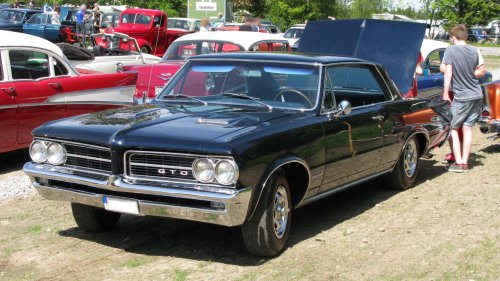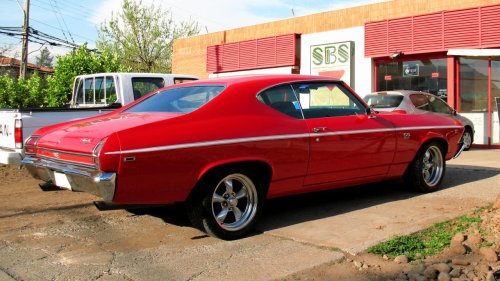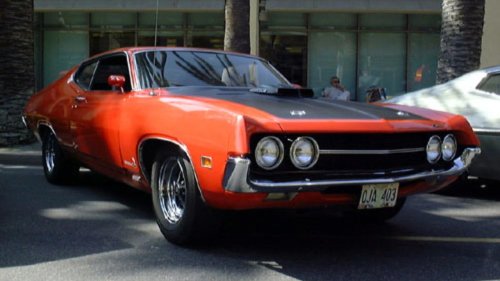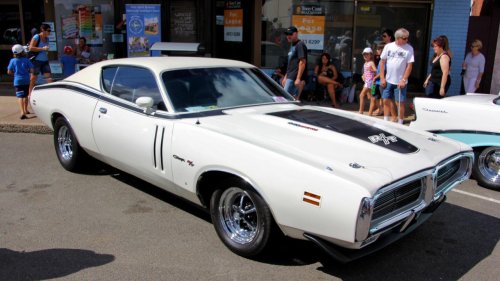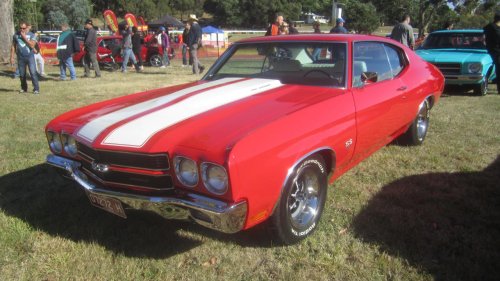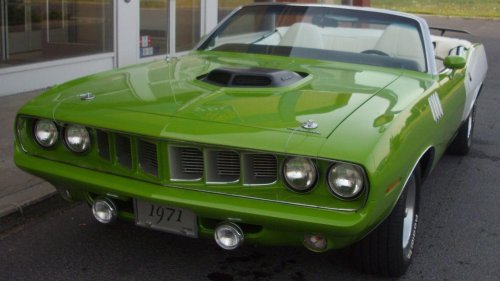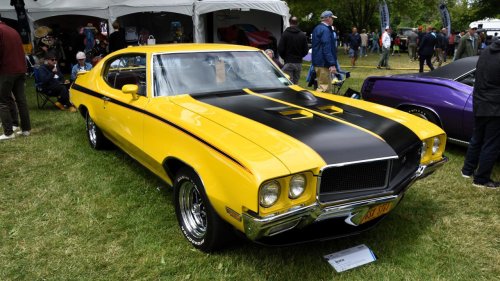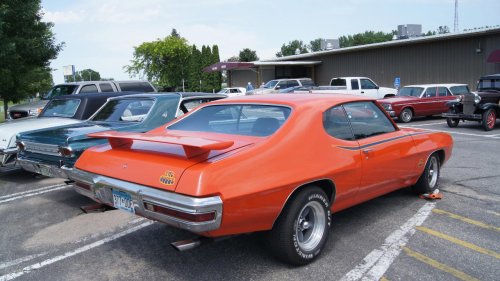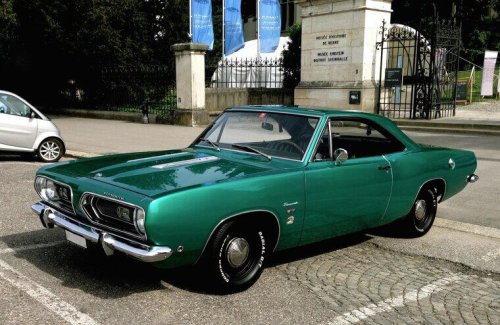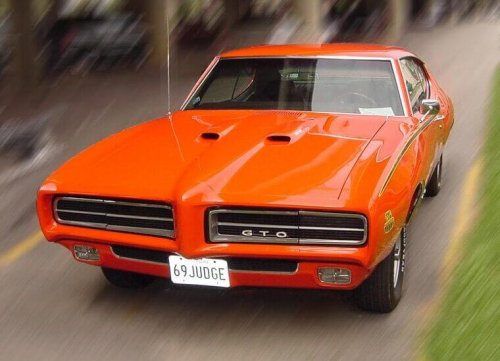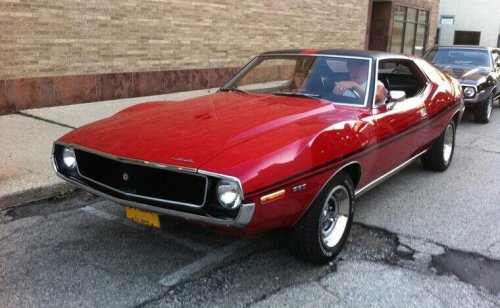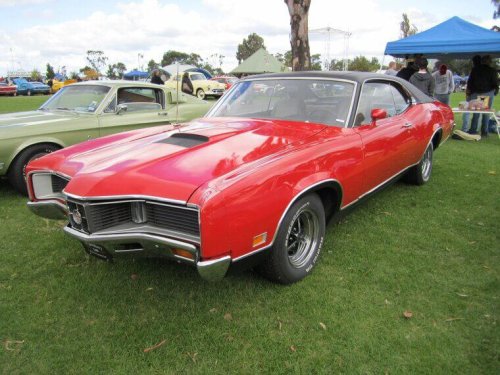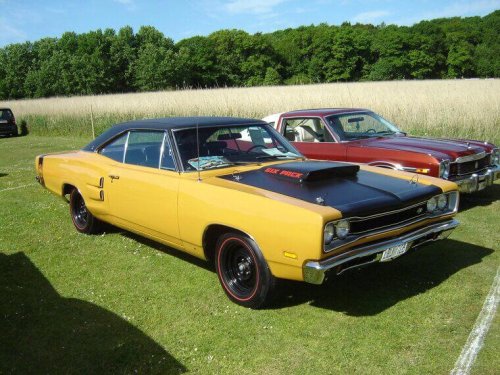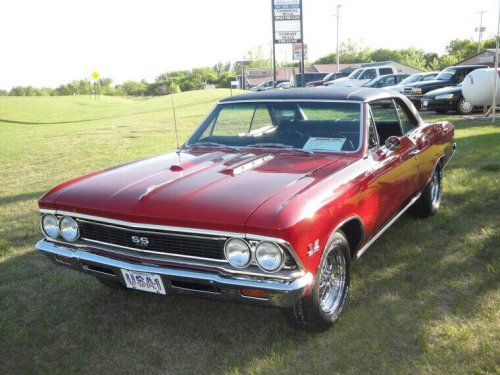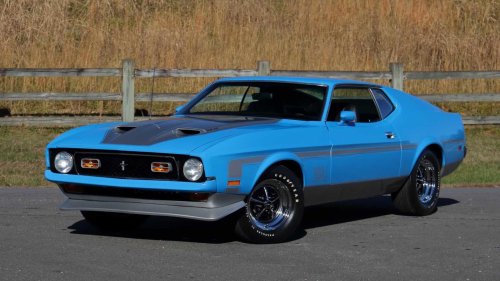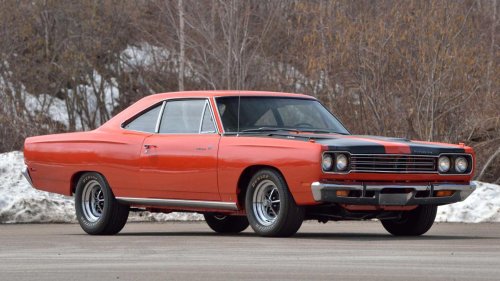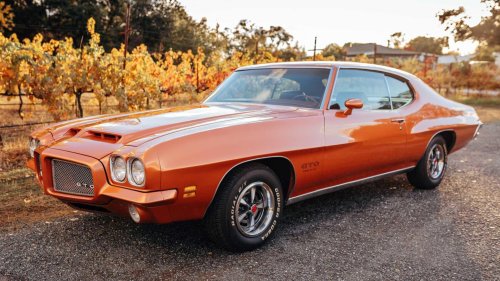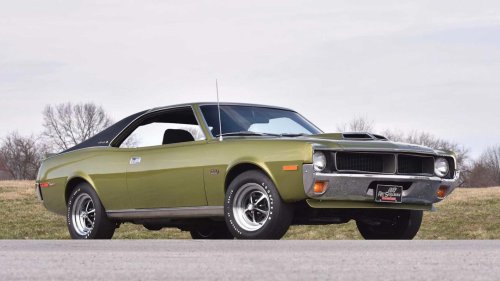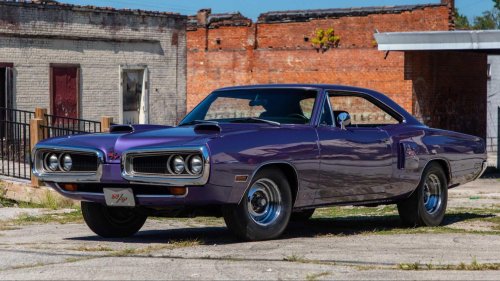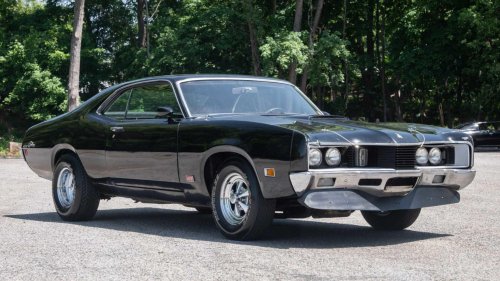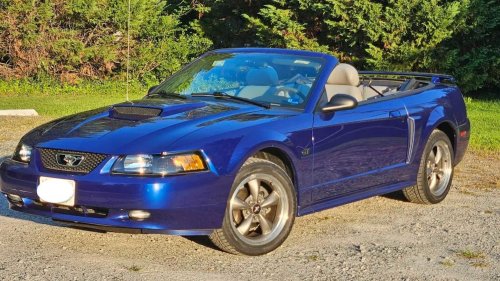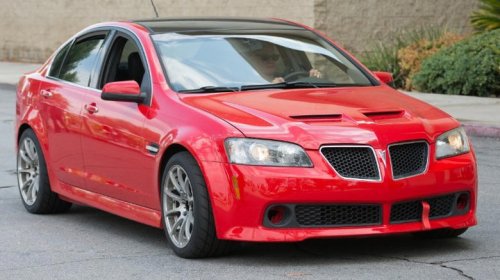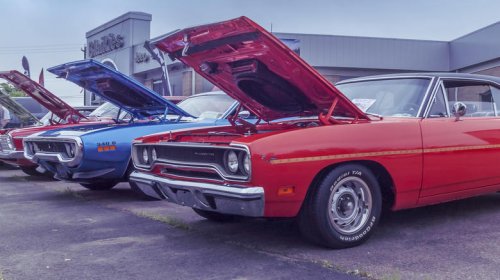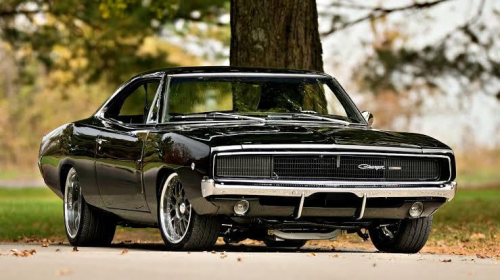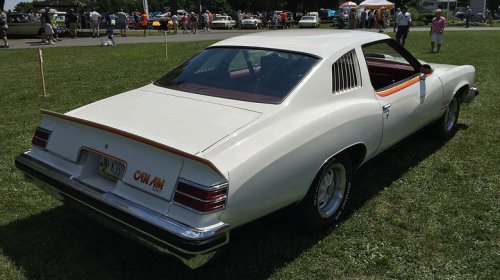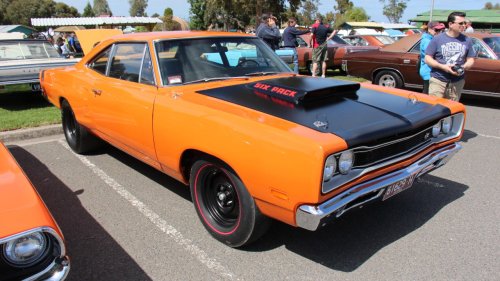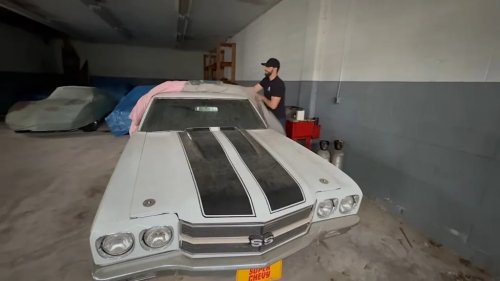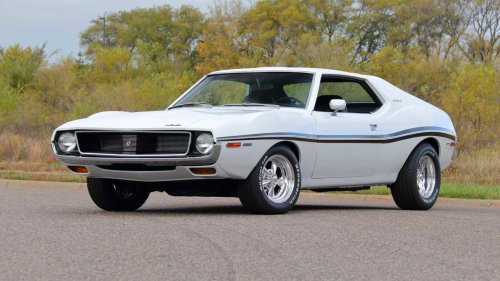
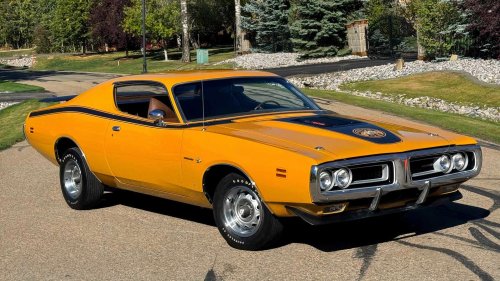
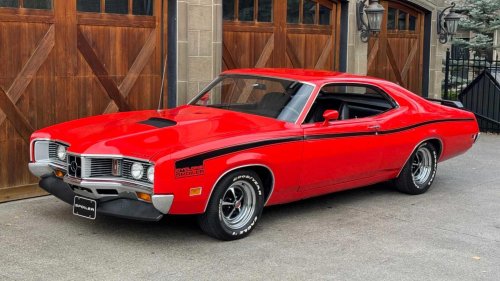
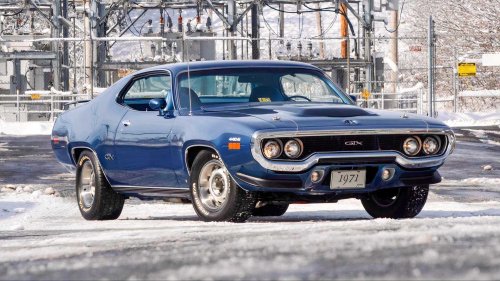
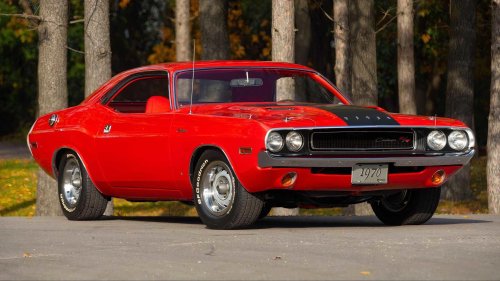
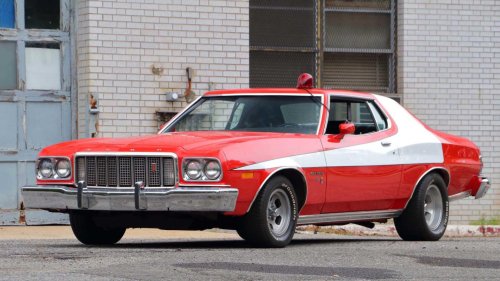
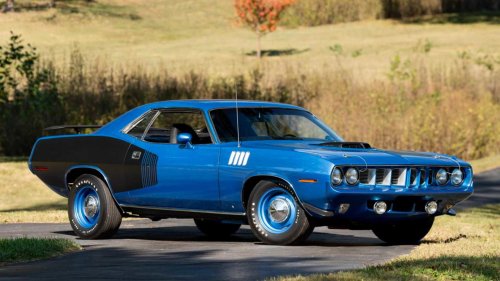
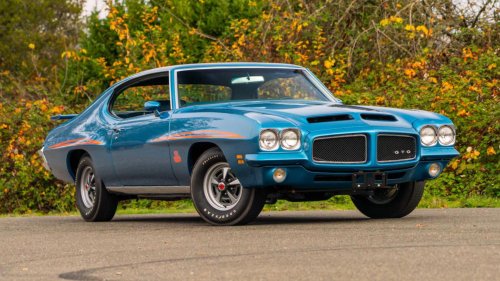



















The Golden Age of American Muscle was the greatest period in automotive history, and the fact that the awesome rides it produced are still adored today is all the proof needed. Because old-school muscle cars are so ubiquitous, it sort of feels like the classic era was an epic epoch, but really it was a blink in time, lasting from 1964 to 1971. Many cars continued to exist after '71, but they were victims of detuning in the Malaise Era, and a car with no muscle is certainly no muscle car. For many models, the early '70s was the end of the line, so as soon as they hit the scene, they seemingly disappeared.There were some survivors of the early-'70s bloodbath, like the Ford Mustang, which is the only car to have been continuously produced since the dawn of the Golden Age. The Chevrolet Camaro would have also made it but suffered a pause in the early 2000s and then was sent into retirement for good in 2024. The Dodge Charger, which was the defining ride of the classic age, existed on and off over the last 60 years and is still running strong. For every success story, there are twice as many tragedies of killer classic muscle cars that were unceremoniously discontinued and simply vanished. AMC Javelin The Pony Car That Threw a Shoe Mecum AMC quietly made some of the coolest cars of the classic age, and the Javelin, introduced in 1968, was one of their best. Designed to change the company image from economy car builder to performance purveyor, the Javelin was meant to capitalize on the pony car craze that ran parallel to muscle mania.While not as powerful as the Hemi-equipped Mopars, the Javelin could hang with Mustangs and Camaros, which were its direct competitors. Sales were initially good for the Javelin but dropped significantly in the '70s, and AMC was too strapped for cash to design a next-gen, so they put it out to pasture in 1974, returning the company to bargain-basement automakers. Dodge Super Bee Got Stung on the B-Side Mecum The success of the no-frills Plymouth Road Runner caused Dodge to demand their own version, which became the 1968 Super Bee. With a standard 383ci V-8, the low-cost Super Bee left plenty of money left over to upgrade to a 440 or the ultimate 426 Street Hemi. Originally based on the Coronet, the Super Bee was shifted to a budget performance trim of the third-gen Charger, where it continued to offer cheap thrills.1972 was kind of a Mopar Armageddon with the 426 Hemi as well as the 440 Six-Pack getting the axe, and sadly, the Super Bee was exterminated. Since the car was supposed to be an inexpensive, high-performance ride, it didn't make any sense to keep it around with the detuned mild-performance post-'71 engines. Mercury Cyclone Blown Off the Map Mecum The Mercury Cyclone started out as a performance trim of the Comet, but became its own nameplate in 1968. Well, technically, "Comet" was dropped from the model, so the Cyclone staged a violent overthrow to usurp the name. Easily the most tragically slept-on ride of the classic era, the Cyclone had badass styling that matched its intimidating optional 429 Super Cobra Jet V-8.The car was also a dominant race car with Cale Yarborough taking six checkered flags in one for the 1968 NASCAR season. The Cyclone's reign was short-lived, however, because in 1971 it was renamed the Montego Cyclone, and then the next year simply the Montego, with the Cyclone relegated to a trim before being snuffed out in 1972. Plymouth GTX Couldn't Catch the Road Runner Mecum While the Plymouth Road Runner was a scrappy street brawler, the upscale GTX was refined and was even marketed as "the gentleman's muscle car." Introduced in 1967, the GTX was based on the Belvedere and came standard with every option or feature Plymouth offered.The GTX was only around $500 more than a Road Runner, which doesn't sound like a lot now, but back then that was a substantial difference. Despite being essentially a luxury vehicle, the GTX had solid sales, but Plymouth abruptly canceled it in 1971. It would live on as a Road Runner trim from 1972-1974 when it took its final leave, because any good gentleman knows when he's not welcome anymore. Buick Gran Sport Collapse of the Century Mecum Most of the first-wave muscle cars were trims on existing models, and the Buick Gran Sport is no different. Introduced in 1965 as a performance package on the Skylark, the Gran Sport proved so popular it became a nameplate in 1967. Renamed the GS 400, after its 400ci V-8, the Buick muscle car became legendary in 1970 after GM lifted its infamous big engine ban.The '70 GS 455 was the ultimate Golden Age GM muscle car with a 360-horsepower, 510 pound-feet of torque, 455ci Stage 1 V-8. This car could smoke a Chevelle SS or GTO Judge, but Buick dropped it like a bad habit in 1972. It then suffered the indignity of being a pseudo-performance trim on the decidedly uncool Buick Century for a few years before finally getting put out of its misery in 1975. Dodge Challenger Vanishing Point of No Return Mecum No car ever shined so bright and burned out so quickly as the Dodge Challenger. As Dodge's last entry for the Golden Age, the Challenger was the embodiment of saving the best for last. With an absolute knock-out design and fearsome engine options, the 1970-1971 Challenger R/T was the baddest car on the block, making all the established muscle cars look slow by comparison. It reached instant fame, staring in the epic car chase film Vanishing Point and seemed like it was on an upward trajectory.Then, the detuned malaise of 1972 set in, and the once soaring Challenger went into a free fall, with sales bottoming out. Just four years after it burst onto the scene, the Challenger reached its own vanishing point in 1974. Of course, the Challenger did make a mighty return in 2008, so its story isn't quite as sad as the other cars on this list. Ford Torino Even Starsky & Hutch Couldn’t Save This One Mecum It sounds weird to say a Ford muscle car flew under the radar, but the Torino really was a second-tier Golden Age ride. With aggressive styling to match any car of the day and a powerful 429ci Super Cobra Jet V-8 option, the Torino, introduced in 1968, was a killer set of wheels in the classic era, but doesn't have the esteem of a Chevelle SS or Charger R/T.By 1972, it became the Gran Torino but still had the 429 available, albeit a much less powerful version of the engine. The 1975-1976 Gran Torino finally achieved fame as the hero car in the buddy-cop TV series Starsky & Hutch. Everyone wanted a red with white vector stripes car from the show, and the Gran Torino overall moved 193,096 units in 1976, but Ford canceled it that year with no explanation. Plymouth Barracuda Like Luca Brasi, the ‘Cuda Sleeps With the Fishes Mecum A little-known piece of automotive history is that the Plymouth Barracuda was the very first pony car for sale, beating the Mustang to market by a couple of weeks. The first-gen Barracuda was nowhere near as successful as the Mustang, mostly because it was an eyesore on wheels, but the nameplate would improve.For the Barracuda's third generation in 1970, the high-performance version got its own nameplate, known simply as the 'Cuda and was the baddest of the bad, especially with a 426 Hemi V-8. The Hemi, unfortunately, was discontinued in 1971, so the Hemi 'Cuda ceased to exist after only two years. With much less power, the once fearsome oceanic super-predator became a guppy that was found belly up in the fishbowl in 1974. AMC Rebel Machine One-Hit Wonder Mecum AuctionsIn 1969, Norman Greenbaum had a monster hit with "Spirit in the Sky" that went to #3 in the U.S. and #1 pretty much everywhere else in the world. As successful as the single was, selling over 2 million copies, Greenbaum would never again crack the Top 40, making him the greatest one-hit wonder of all time.One year later, AMC scored a hit with the 1970 Rebel Machine, but it too was a one-and-done sensation. Easily the coolest thing AMC ever made and the only real muscle car to come from them, it was discontinued after only one model year. Because of its red, white, and blue scheme, many people thought it was a special edition, but it actually came in other colors, and had it sold better, it's a guarantee that AMC would have kept making it. Pontiac GTO From G.O.A.T. to Goat Mecum No other ride on this list would even exist if not for the Pontiac GTO, which kicked off the Golden Age in 1964, so it's not only muscle car royalty, it is the Emperor of the Classic Era. The first-gen sent all the other automakers scrambling to replicate it, and the second gen had them chasing it.The 1969 GTO Judge high-performance package with its legendary 400ci Ram Air IV V-8 was the most lethal GM muscle car until that point, and in 1970, when it got access to the 455 big-block, was the most lights-out Pontiac ever produced. While the Greatest of all Time (G.O.A.T.) was riding high in 1970, things would rapidly deteriorate.In 1971, sales for the GTO Judge were so sluggish, that Pontiac pulled the plug on it mid-model year. The next year would be the last for the GTO as a nameplate, but it would still have to suffer humiliation before being allowed to die with dignity. In 1973, it became an option package on the LeMans, then in 1974 it was a trim for the compact Ventura, which is exactly as bad as it sounds.In 2004, Pontiac felt like they hadn't disrespected the car that put them on the map enough, so they slapped the GTO name on a Holden Monaro, which thankfully almost nobody noticed.Sources: Chrysler, Ford, GM