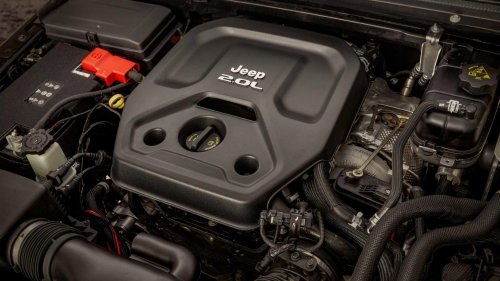
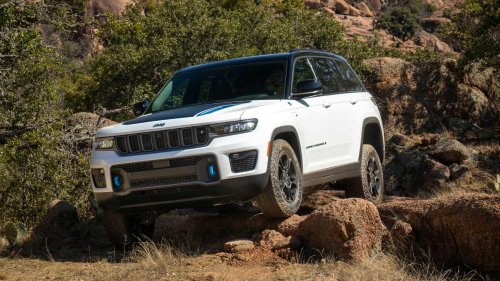
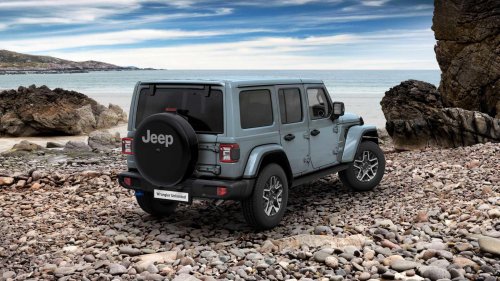
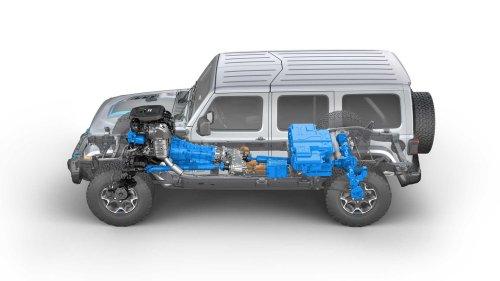
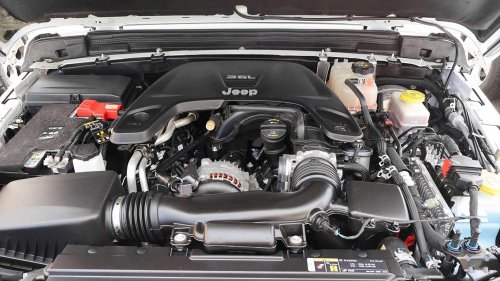
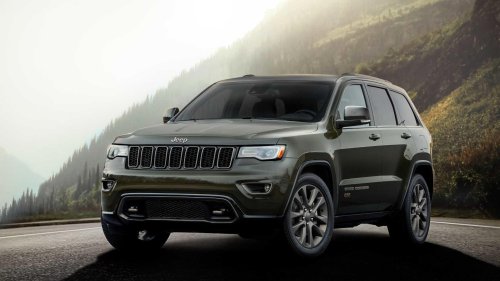
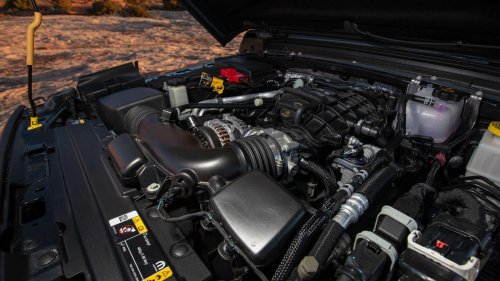



















Accidents happen in all industries, no matter how much effort individuals and corporations put in to try and ensure they can't occur. Whether it's because someone spilled their morning coffee all over their work computer, or whether another forgot to tighten that last crucial bolt on the machine they just serviced, it's difficult to prevent the brown stuff hitting the fan all the time. What is generally unforgivable is when a recall is issued that promises to prevent the issue from recurring, but it subsequently fails.Mistakes happen with complex situations, but not being able to find a viable fix can cause a huge loss of confidence as far as the company's capabilities are concerned. This is exactly the scenario playing out for Stellantis right now, which is desperately battling various fires that stem back to the turbocharged 2.0-liter engine used in various Jeep models.Amazingly, the global automotive giant has had to go back to the drawing board on two separate occasions to sort out the powerplant, having already seemingly cured the ailment the first time. Whichever way you skin this particular cat, it isn't a great look. Stellantis' Small But Mighty Engine Was First Recalled In 2025 StellantisThe story starts in November 2025, when it was announced that Stellantis would be recalling the 2.0-liter turbocharged inline-four powerplant found in various examples of Jeep's Wrangler and Grand Cherokee 4xe models, which are the plug-in hybrid variants of the nameplates. While providing a nice mixture of power and fuel efficiency, it was in fact a different type of mixture that was causing havoc on this occasion.The automaker received a total of 144 warranty claims for issues with the engine during the year, as a number of drivers found themselves stranded when the units in their new vehicles decided to throw in the towel. Having stripped them down to work out the root cause of the failures, Stellantis technicians found that sand had been left inside the engine during production.The result of this was that the material found itself in areas it shouldn't have, such as the bearings, which ultimately led to the engine suffering critical internal damage and expiring. Some cases of these failures led to fires, too, further putting the vehicle owners in danger. There Weren't A Small Number Of Cars Recalled Stellantis North AmericaIn the end, Stellantis managed to work out that 112,859 Grand Cherokee and Wrangler 4xe models were affected by the problem, and all were subsequently recalled to have new engines fitted. While it may sound strange that sand is chilling within these powerplants, it's a common scenario. When engine blocks are cast from metal, the molten metal is poured into a mold made from sand. As a result, remnants of sand are left over within the block when it has fully formed, so they need to be thoroughly cleaned out before the production process can continue.The blame here was laid at the feet of Nemak, which produces a range of aluminum-based components for Stellantis at its factory in Mexico. Still, Stellantis got to work on supplying new engines to the affected cars, and hopefully move on from it all. The Sands Of Time Failed To Let Stellantis Off the Hook JeepThis turned out to be wishful thinking. In April 2026, just six months after the original recall was issued, Stellantis posted another one regarding the 2.0-liter engine. Bizarrely, the recall noted the issue as being exactly the same as the initial one, with 2,689 Jeep products equipped with replacement engines found to be at risk of suffering from the same sand-related engine woes. It seems that Stellantis sourced these engines from its Mopar parts supplier, rather than having all-new ones produced following the recall.As it turned out, some of these units were older and had suffered from the same problems, forcing Stellantis to recall even more vehicles. It's an inexcusable lack of foresight from Stellantis, given that many fires and three injuries to owners of the cars involved have been documented to date. The 4xe Powertrain Has Been A Problem Child Stellantis The issues with the 2.0-liter engine were only the tip of the iceberg for the 4xe powertrain too, since an even larger recall covering 320,000 vehicles had been issued just a week before the initial sand-based document.This one regarded the other half of the powertrain, as the high-voltage battery pack had the tendency to set itself on fire after suffering from an internal failure. This could happen when in use or while charging, leading Stellantis to order owners to leave the car outside at all times, and only use the internal combustion engine if they needed to drive the car. Stellantis 4xe Powertrain Recall Timeline Possible Fire Caused By Internal Battery Failure (November 2025): 320,065 recalls Engine Failures Caused By Sand Ingress (November 2025): 112,859 recalls Engine Failures Caused By Sand Ingress V2 (April 2026): 2,689 recalls The trouble was, the engines were susceptible to blowing up due to the subsequent sand problems, so that was far from ideal. The battery issues were ultimately sorted with a software update, but the various issues have done little to inspire public confidence. Jeep's Trusty Pentastar V6 Should See You Right Bring a TrailerShould reliability sit higher on your priority list than efficiency, which it likely will if you'll be exploring the great outdoors in your rugged Wrangler, then you'd be better suited opting for a vehicle equipped with Stellantis' solid 3.6-liter Pentastar V6 engine.The 3.6-liter version of the unit first debuted in 2011, and was first found under the hood of a Jeep product the same year. The powerplant has suffered from various issues during its life, but it has been continually developed to become the durable companion it is today.To get the best version of it, look to purchase more modern examples built since 2018, when the Wrangler JL was introduced. The most serious problems you'll have to worry about are dodgy engine mounts and metal shavings causing premature failure. These issues are rare, though. Great Deals Can Be Had On Pentastar-Equipped Jeeps Stellantis The Pentastar V6 remains in service to this day, and can be had in either the Grand Cherokee or Wrangler in place of the 4xe hybrid powertrain. The cheapest Wrangler with the engine starts from $35,595, while the most affordable Grand Cherokee starts from $37,995. Alternatively, you could always buy a used example. Opt for a 2019 Grand Cherokee or Wrangler, which were available pretty much exclusively with the Pentastar, and you can make some great savings.The CarBuzz Marketplace reports that entry-level Wrangler Sports are averaging $23,764 at the moment, with better-specced Rubicon variants demanding closer to $28k. The more practical Grand Cherokee can be had for even less outlay, with base Upland vehicles currently valued at $18,770, while range-topping Summit versions are demanding just $24k in good condition.At less than half its original MSRP, the latter represents an affordable and much more dependable proposition than the troublesome 4xe machines. You'll Have To Give Up Performance In The Pursuit Of Reliability Stellantis North AmericaNotably, you'd have to turn to the used market even if you wanted a Jeep 4xe model, since the manufacturer ditched them completely in early 2026. Still, despite the various reliability issues leveled against them in recent times, it's important to note that they stack up well against the Pentastar when it comes to outright performance.The two are pretty close as far as power figures are concerned, with the Pentastar coming out on top with 285 hp versus the 4xe's 270 hp capability. The aid of an electric motor ensures the latter can shade the V6 in terms of torque though, with 295 lb-ft playing 260 lb-ft.On top of that, the hybrid powertrain can achieve up to 25 MPG on average under the hood of a Wrangler, whereas the V6 version can only muster 19 MPG. That said, the next-generation Jeep Wrangler will likely come with a form of range-extending powertrain, which consists of a machine that runs on pure electric power, but has its batteries topped up by a normal internal combustion engine.The powerplant isn't connected to the wheels in any way though, essentially relegating its role to an onboard generator. While it's unknown which engine will be used with the vehicle, it's likely that Jeep will quietly replace the 2.0-liter unit with a newer one to help move on from this sordid affair.We wouldn't blame anybody for having reservations about picking up 4xe Jeep models, given their recent calamities, and luckily the tough Pentastar is here to provide stability. It isn't the most efficient engine on the market, but you can rest assured that it'll get you home after a long day showing Mother Nature who's boss. As far as Stellantis goes, ensuring its quality control stretches to every corner of its operation will be critical going forward, at least if it wants to retain some form of public trust.Sources: Stellantis.